2027 Fastest Online Nursing Degree Programs Ranking in District of Columbia

Co-Founder and Chief Data Scientist
Are you considering advancing your nursing career with an online degree in the District of Columbia? This article presents the 2027 Fastest Online Nursing Degree Programs Ranking in District of Columbia, carefully created by the Research.com team of data scientists. It's designed to help you make an informed choice when selecting the best nursing programs suited to your goals.
Exploring these top programs can save you time and effort, guiding you toward quality education that fits your busy life. Earning a nursing degree opens doors to rewarding opportunities and growth in healthcare.
Key benefits of getting online nursing degree in District of Columbia
- Graduates with a nursing degree in District of Columbia can expect strong earning potential, with Registered Nurses earning around $94,480 annually and Operating Room Nurses earning up to $128,490 a year, reflecting rewarding salary prospects.
- Nursing degree holders often find diverse career paths, including roles as Clinical Nurse Educators or Public Health Nurses, offering opportunities to impact patient care in various healthcare settings.
- Obtaining a nursing degree online provides flexibility and convenience, allowing students from District of Columbia to balance studies with life commitments, as seen in graduates from popular local universities who successfully transferred their skills into rewarding jobs.
- Key benefits of getting online nursing degree in District of Columbia
- What can I expect from online nursing degree in District of Columbia?
- Where can I work with online nursing degree in District of Columbia?
- How much can I make with online nursing degree in District of Columbia?
- 2027 Fastest Online Nursing Degree Programs Ranking in District of Columbia
- Key Findings
- How long does it take to complete online nursing degree in District of Columbia?
- Clinical Training and Practicum Opportunities
- What's the difference between online and on-campus nursing degree?
- Licensure & Next Steps After Graduation
- What is the average cost of online nursing degree in District of Columbia?
- Accreditation and Licensing Requirements for Online Nursing Programs in District of Columbia
- What financial aid is available to online nursing degree students in District of Columbia?
- Clinical Practicum and Hands-on Training
- What are the prerequisites for enrolling in online nursing degree program in District of Columbia?
- Additional Resources for Prospective Nursing Students in District of Columbia
- What courses are typically in online nursing degree programs in District of Columbia?
- What types of specializations are available in online nursing degree programs in District of Columbia?
- How do you choose the best online nursing degree in District of Columbia?
- What career paths are available for online nursing degree students in District of Columbia?
- What is the job market for online nursing degree in District of Columbia?
- Related Nursing Rankings for Nearby States
- Top Trending Nursing Rankings
- See What Experts Have To Say About Studying Nursing
What can I expect from online nursing degree in District of Columbia?
The average cost of an online nursing degree in the District of Columbia typically ranges from $25,000 to $50,000, depending on the program level and institution. Graduates from well-known institutions in D.C. often share how flexible tuition options and financial aid helped ease the burden, allowing them to focus on their studies without stress.
Many students at D.C. colleges find that investing in accredited programs, such as those approved by the CCNE or ACEN, not only supports rigorous training but also enhances future earning potential and career advancement. These institutions often provide tailored online coursework paired with in-person clinical experiences within local hospitals or healthcare centers.
Looking ahead, the cost of online nursing degrees in D.C. might fluctuate as schools incorporate more technology-driven learning tools and partnerships with healthcare providers. This evolving landscape could offer students more affordable, efficient paths to complete their degrees, all while maintaining the high-quality education necessary to excel in D.C.'s competitive health sector.
Where can I work with online nursing degree in District of Columbia?
Graduates with an online nursing degree in the District of Columbia often find themselves working in vibrant, fast-paced environments such as MedStar Washington Hospital Center or George Washington University Hospital. Many share that the hands-on experience combined with flexible online coursework prepares them well for roles where critical thinking and compassion come together. Imagine starting your shift in a hospital ward, confidently applying skills learned from local programs, knowing the district's healthcare system recognizes your credentials.
Others pursue positions in outpatient clinics or community health centers around D.C., where tailored care for neighborhoods feels deeply rewarding. Graduates recall the satisfaction of contributing to vaccination drives or elder care, especially through connections made during their studies at institutions like the University of the District of Columbia.
With the district's full practice authority for Nurse Practitioners, many alumni launch careers in independent clinics or private practices. This autonomy fosters a sense of professional pride and possibility, driving new roles that shape D.C.'s future health landscape with innovation and leadership.
How much can I make with online nursing degree in District of Columbia?
Graduates with an online nursing degree in the District of Columbia typically see promising salaries soon after completing their programs at local institutions such as Georgetown University or George Washington University. Registered nurses (RNs) generally earn a mean annual wage of around $94,480, reflecting the region's demand for skilled healthcare workers. Many graduates feel encouraged by this salary level, as it surpasses the national average and helps offset DC's higher living costs.
Those who advance their education and specialize, for example as operating room nurses, can anticipate even higher earnings, with average salaries reaching approximately $128,490 annually. Alumni from DC's nursing programs often share how these financial prospects motivate their pursuit of additional certifications or graduate degrees online.
Experiencing the blend of rigorous curriculum and flexibility through online courses, many graduates find themselves well-prepared to step into roles such as clinical nurse educators or public health nurses, where salaries around $94,480 are common. These outcomes create a hopeful outlook for prospective students aiming to balance education with personal responsibilities while achieving rewarding compensation.
2027 Fastest Online Nursing Degree Programs Ranking in District of Columbia
How do we rank schools?
Investing in your education is a significant decision that can shape your future, and the Research.com team understands the importance of making informed choices. To assist prospective students in the District of Columbia, we have meticulously crafted the "2027 Fastest Online Nursing Degree Programs Ranking in District of Columbia." Our commitment to quality, credibility, and accuracy is reflected in the extensive research and analysis conducted to compile this ranking.
We utilized the following reputable data sources to ensure a comprehensive evaluation of nursing programs:
By exploring this ranking, readers will gain valuable insights into the fastest and most efficient online nursing degree programs available in the District of Columbia, enabling well-informed educational decisions. For more details on our methodology, please visit our Research.com methodology page.

Key Findings
- The average annual salary for registered nurses in Washington, D.C. is about $80,000 shortly after graduation.
- Online BSN programs in D.C. typically cost between $25,000 and $40,000 in total tuition.
- Clinical hours must be completed at approved local healthcare facilities for licensure.
- Employment for registered nurses is projected to grow 12% nationwide through 2030, with strong demand in D.C.
- Nurses must pass the NCLEX-RN exam and follow District of Columbia Board of Nursing regulations to practice.
How long does it take to complete online nursing degree in District of Columbia?
Completing an online nursing degree in the District of Columbia can range from just over a year to several years, depending on your starting point and pace. Graduates from local institutions like George Washington University and Trinity Washington University often share how accelerated BSN tracks enabled them to finish in as little as 18 to 24 months, especially when coming in with a non-nursing bachelor's degree. These programs balance rigorous coursework with the flexibility needed for working professionals, making the journey feel both achievable and rewarding.
For working RNs advancing their careers, the RN to BSN pathway frequently takes around 12 to 18 months online. Students appreciate being able to juggle family and jobs while steadily progressing. In fact, some graduates mention feeling a strong sense of accomplishment as they tailor studies around their daily lives without sacrificing quality.
Future shifts may include even more adaptive, competency-based formats. Imagine completing essential skills at your own speed while local programs continue expanding specialties like nurse practitioner or educator roles. Such innovations could shorten MSN timelines beyond the current 18 to 24 months full-time, making advanced practice degrees more accessible to District nurses eager to grow professionally.
Clinical Training and Practicum Opportunities
Online nursing degree programs in the District of Columbia balance flexible coursework with rigorous hands-on clinical experiences, ensuring graduates meet NCLEX-RN requirements and state licensure standards. Typically, programs require 400–800 clinical hours, coordinated through partnerships with accredited healthcare facilities. Many schools leverage relationships with MedStar Washington Hospital Center and Children’s National Hospital-recognized among the best places to work for nurses-to place students in diverse acute care, community health, and specialty units. To streamline practicum scheduling, online programs assign clinical coordinators who match students with preceptors based on learning objectives, availability, and geographic proximity. Simulation labs and virtual patient scenarios supplement in-person rotations, allowing learners to refine critical assessment and decision-making skills in a low-risk environment. Programs accredited by CCNE or ACEN often require completion of specific simulation hours (e.g., 50–100 hours) under faculty supervision before advancing to live clinical settings. Students can expect to engage in interprofessional collaboration during practicum, working alongside physicians, pharmacists, and social workers to develop care plans for real patients. Reflective debriefings and structured clinical evaluations ensure alignment with program competencies, such as evidence-based practice, cultural competence, and leadership in nursing. Upon successful completion of clinical requirements, graduates are well-prepared for direct patient care roles and confident in their ability to pass the NCLEX-RN on the first attempt.
What's the difference between online and on-campus nursing degree?
Online nursing degrees in the District of Columbia offer unmatched flexibility, allowing students to manage coursework around busy lives. Graduates from institutions like Georgetown University often describe the convenience of accessing lectures digitally, balancing family and work while keeping pace with assignments through online portals. Yet, they also emphasize that clinical hours remain an essential hands-on component, completed locally in DC healthcare settings, blending digital learning with real-world practice.
On the other hand, students at universities such as Howard University frequently share how on-campus programs create immersive environments filled with live interactions, simulation labs, and immediate faculty feedback-elements vital for mastering complex nursing skills. This traditional setting often fosters a strong sense of community and networking that many find motivating.
Looking ahead, hybrid models in DC may emerge to combine digital flexibility and in-person engagement, addressing both the practical demands of nursing and students' evolving lifestyles. The future may hold personalized paths that embrace technology while preserving crucial clinical experiences in familiar healthcare facilities.
Licensure & Next Steps After Graduation
After earning your online nursing degree, focus on state licensing and professional growth:
- Prepare for and pass the NCLEX-RN exam, the key step to becoming a registered nurse in DC.
- Submit your application, fingerprinting, and fees to the District of Columbia Board of Nursing.
- Complete required continuing education every two years to maintain your DC nursing license.
- Pursue specialty certifications (e.g., CCRN, CEN) to enhance your credentials and job prospects.
- Explore advanced practice pathways and doctoral study through cheapest dnp programs for long-term career advancement.
What is the average cost of online nursing degree in District of Columbia?
Online nursing degrees in the District of Columbia typically average around $53,795 for the full program, reflecting the urban setting and high educational standards of the region. Graduates from well-regarded institutions like The George Washington University often share positive experiences about the investment, highlighting how the quality of instruction and comprehensive support services made the cost feel worthwhile. These programs offer strong preparation for demanding healthcare roles, reinforcing students' confidence as they balance coursework with clinical commitments.
Students considering the average cost online nursing degree District of Columbia will find that tuition is somewhat higher compared to many other states. This can be attributed to factors such as technology fees and clinical placement expenses, which supplement traditional tuition. Many nursing students appreciate that the advanced coursework and access to experienced faculty, including at Howard University, align closely with these costs, making their education a strong professional foundation.
Looking ahead, technological advancements and growing competition among local nursing schools could gradually shape more affordable tuition options, potentially making nursing education more accessible while maintaining quality. Some programs now offer flexible per-credit pricing models, allowing students to tailor their paths and budgets carefully.
For those exploring online nursing degrees, especially in this region, evaluating programs' costs against benefits remains essential. Prospective students might also explore financial aid options or scholarship opportunities, as many graduates reflect on how these helped ease their financial stress.
More detailed information on comparable programs can be found in online nursing degrees florida full-time, offering insight into tuition models and student experiences beyond D.C.'s borders.
Accreditation and Licensing Requirements for Online Nursing Programs in District of Columbia
Ensuring an online nursing program is properly accredited and meets state licensing standards is critical for your success as a future nurse in the District of Columbia. Prospective students should verify:
- Programmatic Accreditation: Look for Commission on Collegiate Nursing Education (CCNE) or Accreditation Commission for Education in Nursing (ACEN) recognition, which guarantees curriculum rigor and eligibility for federal financial aid.
- State Board Approval: Confirm that the program is approved by the DC Board of Nursing to ensure you are eligible to sit for the NCLEX-RN exam upon graduation.
- NCLEX-RN Pass Rates: Compare cohort outcomes-programs with pass rates above 85% demonstrate consistent preparation for licensure.
- Clinical Partnership Agreements: Since clinical hours are required, verify the program’s network of local hospitals and healthcare facilities, such as MedStar Health or Children’s National Hospital, to secure quality hands-on training. Accreditation not only underpins educational quality but also affects transferability of credits and qualification for advanced degrees. For students balancing budget and accreditation, it’s helpful to compare affordability across regions; for instance, explore the Low Cost Online Nursing Degree Programs Ranking in St. Louis, MO to gauge cost-to-value ratios. Prior to enrollment, request official accreditation documents and inquire about state authorization status to avoid unexpected delays in clinical placements or licensure applications. By selecting an accredited, Board-approved online nursing program, you safeguard your path to NCLEX success and long-term career mobility in DC’s competitive healthcare environment.
What financial aid is available to online nursing degree students in District of Columbia?
Students pursuing online nursing degrees in the District of Columbia frequently find federal aid like Pell Grants and Direct Loans essential for managing costs. A graduate from a well-known D.C. nursing program recalls how completing the FAFSA early unlocked crucial federal funding, making their online studies feel much more attainable. Beyond this, local scholarships tied to D.C.'s healthcare workforce initiatives can significantly ease financial burdens, especially as the city prioritizes expanding its health services.
Emerging trends show growing employer tuition assistance within major D.C. hospital systems, allowing students working in healthcare settings to advance their education with less stress. Another graduate from a D.C. university appreciates how loan forgiveness programs, such as the National Health Service Corps, motivated them to commit to underserved neighborhoods, knowing they could receive up to $50,000 in loan repayment.
Institutional financial aid is also evolving, with D.C. schools offering targeted scholarships and emergency funds tailored for online nursing students. These opportunities foster hope and determination, making nursing education in D.C. feel increasingly accessible and supportive.
Clinical Practicum and Hands-on Training
Online nursing degrees in the District of Columbia integrate rigorous clinical practicum requirements to ensure students gain real-world skills. Most Bachelor of Science in Nursing (BSN) and Master of Science in Nursing (MSN) programs mandate 400–800 hours of supervised clinical experience, often completed at partner hospitals such as MedStar Washington Hospital Center, Children’s National Hospital, or Howard University Hospital. To secure placements, program coordinators collaborate with local healthcare facilities and preceptors who guide students through patient assessments, medication administration, and interdisciplinary teamwork. Simulation labs supplement in-person training by using high-fidelity mannequins and virtual reality scenarios, allowing students to practice acute care interventions, emergency response, and advanced assessment techniques in a controlled environment. These simulations build confidence and competency before students transition to live clinical settings. State authorization and accreditation play a crucial role in ensuring clinical hours meet the District of Columbia Board of Nursing standards. Accredited programs by CCNE or ACEN provide clinical coordinators who verify student eligibility, manage placement agreements, and track learning outcomes. Graduates must document completed hours and submit preceptor evaluations to qualify for the NCLEX-RN exam or advanced practice certification. Because clinical training varies by specialization, students interested in advanced practice roles often compare practicum models at a leading nurse practitioner school to benchmark best practices in mentorship, patient simulations, and interprofessional collaboration. By combining hands-on rotations with virtual simulations, online nursing programs in DC equip graduates with the critical thinking and practical expertise needed for safe, effective patient care.
What are the prerequisites for enrolling in online nursing degree program in District of Columbia?
Enrolling in an online nursing degree in the District of Columbia typically demands a solid academic foundation, such as a high school diploma with a GPA around 2.5 to 3.0, alongside completion of prerequisite courses like anatomy and chemistry. Graduates from popular institutions in DC often recall how these courses prepared them mentally for the challenges of nursing. Many share the excitement of overcoming rigorous science classes, which fueled their confidence for clinical training.
For those pursuing RN to BSN pathways, holding an active RN license is essential. Graduates describe how their hands-on nursing experience intensified their motivation to advance academically through respected DC programs, blending practical knowledge with theory seamlessly. Personal statements reflecting career passion are common requirements, helping candidates express their unique stories and dedication.
Prospective students also experience the reassurance of submitting official transcripts and recommendation letters, often from healthcare mentors in DC's vibrant medical community. Some programs incorporate interviews or TEAS scores, reinforcing a holistic view of applicant readiness. This robust framework aligns with DC's accreditation standards, promising a well-rounded nursing education experience.

Additional Resources for Prospective Nursing Students in District of Columbia
Prospective nursing students in District of Columbia can explore various resources to find the most affordable and suitable nursing programs for their needs. For instance, those looking for affordable nursing programs in district of columbia can research and compare different programs to find the best fit. Additionally, students can also consider factors such as program accreditation, curriculum, and support services when selecting a nursing program. By leveraging these resources and doing thorough research, students can make informed decisions about their education and career paths, ultimately leading to a successful and fulfilling career in nursing.
What courses are typically in online nursing degree programs in District of Columbia?
Online nursing degree programs in the District of Columbia typically include a blend of foundational and specialized courses designed to prepare students for real-world healthcare challenges. Graduates from popular institutions in the area often reflect on how studying anatomy, microbiology, and pharmacology online gave them a strong grasp of the scientific principles behind patient care, which they could immediately apply during clinical practicums at local hospitals.
Core nursing classes like adult health, maternal and child nursing, and mental health nursing are common, helping students develop empathy and critical thinking across diverse patient populations. Leadership courses also stand out, with many students feeling confident stepping into supervisory roles after exposure to management theories and healthcare systems, all while balancing their busy lives through flexible online study.
Emerging trends include integrating healthcare informatics and evidence-based practice, which prepare students to harness technology for improved patient outcomes. Graduates often mention how these forward-looking courses sparked excitement about future nursing careers in D.C.'s evolving healthcare landscape, showing the program's commitment to blending tradition with innovation.

What types of specializations are available in online nursing degree programs in District of Columbia?
Online nursing degrees in the District of Columbia typically feature specializations that prepare students for versatile career paths, reflecting the evolving healthcare landscape. Graduates from popular D.C. colleges often highlight RN to BSN pathways, which open doors to leadership roles and advanced clinical positions. Specialties such as Family Nurse Practitioner and Clinical Nurse Specialist are favored for their direct patient impact, often chosen by those passionate about emergency and critical care.
Many students express enthusiasm about Nursing Administration specializations, inspired by opportunities to influence healthcare policies in D.C.'s dynamic urban system. Others are drawn to Nursing Education, aiming to mentor the next generation amid a local nurse shortage. The hands-on regulations by the District of Columbia Board of Nursing ensure that these specializations align with practical licensure requirements, giving students confidence in their career choices.
For those seeking flexible study options, institutions in D.C. embrace innovative online delivery, similar to the models used in affordable online nursing programs California. This allows students to balance work and education while gaining specialized skills relevant to the District's healthcare demands. Exploring these trends can guide future nurses towards specialties matched to their ambitions and community needs.
How do you choose the best online nursing degree in District of Columbia?
Choosing among the best online nursing programs District of Columbia offers means looking beyond just reputation. Graduates from well-known D.C. colleges often emphasize how vital it was to find programs with strong clinical placement support nearby, ensuring seamless hands-on experience at top local hospitals. This practical aspect fuels both confidence and competence in real-world settings. Many students also note the importance of programs with flexible schedules and accelerated tracks that match their busy lives, making education feel empowering rather than overwhelming.
Affordability remains a key concern. Those who succeeded often carefully compared tuition costs with available financial aid, finding that some programs combine quality education with accessible pricing. D.C.'s urban context means tuition can be higher, but scholarships and employer tuition reimbursement opportunities often bridge the gap effectively. Embracing programs integrating the latest online learning tools and student support services enhances motivation and outcomes, helping students feel personally supported through challenges.
Additionally, for students interested in advancing within healthcare, some programs offer coursework linked to healthcare policy and advocacy, expanding future career possibilities beyond bedside nursing.
What career paths are available for online nursing degree students in District of Columbia?
Graduates of online nursing degree programs in the District of Columbia can pursue diverse and evolving career paths that reflect both current healthcare demands and future innovations. Many find rewarding roles as Registered Nurses (RNs) in local hospitals and community health centers, benefiting from the city's high median RN salary and strong emphasis on BSN education at institutions like a popular D.C. university known for its nursing program.
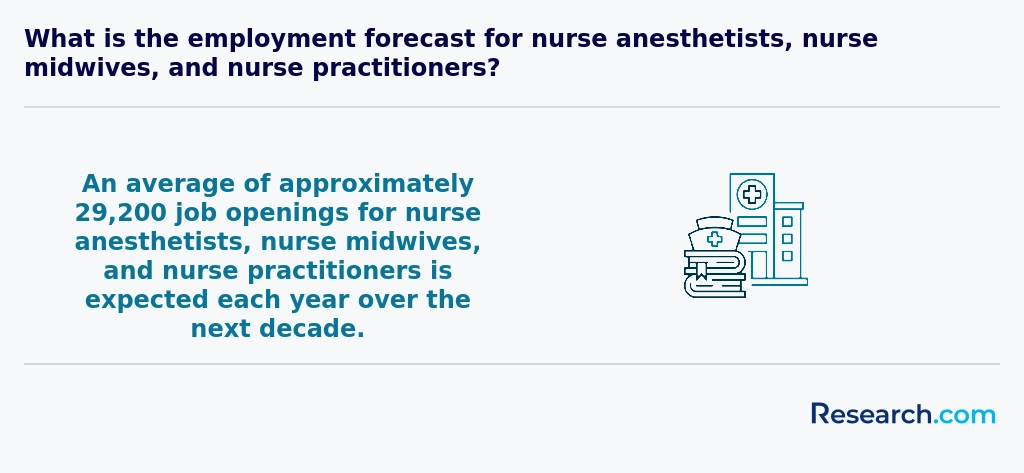
Others advance by specializing in roles such as Nurse Practitioners, Clinical Nurse Specialists, or Nurse Anesthetists, often returning to school through direct entry msn programs near me. These graduates commonly share enthusiasm for how their advanced skills allow greater patient impact and higher earnings in D.C.'s urban healthcare system-a big plus given the region's competitive job market.
Opportunities also extend beyond bedside care into healthcare administration and public health, with some graduates joining federal agencies or academic settings. Online nursing career opportunities District of Columbia continue to expand as technology and policy shift, opening doors for those eager to blend clinical expertise with leadership and innovation.

What is the job market for online nursing degree in District of Columbia?
The job market for online nursing degree holders in the District of Columbia is promising, driven by strong healthcare demand and competitive salaries. Graduates from popular nursing programs in D.C. often find rewarding employment within hospitals, clinics, or federal health agencies where their skills are highly valued. Nursing students appreciate the flexibility of online programs combined with local clinical placements, enabling them to balance studies with work and family.
Many nursing graduates in D.C. share upbeat experiences about accessing job opportunities in community health and telehealth sectors, areas rapidly expanding due to technological advances and shifting healthcare models. The city's ongoing commitment to healthcare workforce development creates a supportive environment for new nurses entering the field. Those exploring nursing degree employment opportunities DC find that advanced roles such as Nurse Practitioners offer even greater career growth and income potential.
For prospective students considering affordability and program quality, public universities in nearby states offer competitive tuition. Comparing options across regions, especially against the healthcare landscape Kansas offers, can provide valuable insight when planning an online nursing education pathway tailored to future job market needs.
Frequently Asked Questions About nursing
Online nursing degree students in the District of Columbia can maximize their learning experience by actively engaging with both digital coursework and local clinical opportunities. The DC Board of Nursing requires clinical practice hours, so students should seek partnerships with nearby hospitals or healthcare facilities to fulfill these requirements in a practical setting.
Utilizing available academic resources such as virtual libraries and tutoring services offered by accredited online programs can also enhance knowledge retention. According to the National Center for Education Statistics, students who regularly access these tools perform better in health sciences.
Networking with peers and professionals through online forums and local nursing associations in DC can provide valuable support and career insights.
The nursing field is rapidly evolving, with several emerging niches offering promising career paths. In the District of Columbia, areas like telehealth nursing have grown significantly due to increased demand for remote patient care, particularly following the COVID-19 pandemic. According to the DC Health Workforce Report, telehealth roles are expected to rise by over 20% through 2030.
Another growing specialty is gerontological nursing, addressing the needs of the aging population in DC. Additionally, psychiatric-mental health nursing is gaining importance as mental health awareness and services expand statewide. Nurses with expertise in informatics and nurse entrepreneurship also find new opportunities in healthcare technology and leadership roles.
After completing an online nursing degree in the District of Columbia, preparation for the job market involves several key steps. Graduates should obtain licensure by passing the NCLEX-RN exam through the DC Board of Nursing, a mandatory requirement to practice legally.
Building clinical experience through local internships or externships is highly recommended, as DC hospitals prioritize hands-on skills in hiring. Networking with local healthcare providers and joining professional organizations such as the DC Nurses Association can open job opportunities.
According to the Bureau of Labor Statistics, nursing jobs in DC are projected to grow 15% through 2031, faster than average, making continuous education and certification an advantage.
Employers in the District of Columbia highly value nursing graduates who demonstrate strong clinical competence combined with excellent communication skills. According to the District of Columbia Board of Nursing, practical experience in patient care and proficiency in electronic health record (EHR) systems are crucial for new nurses entering the workforce.
Analytical thinking and critical decision-making are essential skills, especially given the fast-paced healthcare environment in metropolitan DC. Additionally, cultural competence is increasingly important due to the area's diverse population, enabling nurses to provide inclusive and effective care.
Time management and teamwork skills also rank prominently, supporting collaboration in multidisciplinary medical teams. The DC Health Workforce Report highlights that approximately 65% of healthcare employers prioritize adaptability alongside clinical knowledge when hiring nursing graduates.
Finding nursing internships in the District of Columbia involves utilizing local healthcare networks and educational resources. Many online nursing programs partner with hospitals and clinics in D.C., such as MedStar Washington Hospital Center, to offer clinical placements. The District's Department of Health and Human Services often lists internship opportunities tailored for nursing students. Additionally, professional organizations like the District of Columbia Nurses Association provide guidance and connections to local internships. According to the U.S. Bureau of Labor Statistics, D.C. has a higher-than-average concentration of registered nurses, which may increase available internship options. Networking with faculty and career centers of online programs also aids in securing placements.
Obtaining an online nursing degree in the District of Columbia significantly enhances career mobility and advancement opportunities. Nurses with bachelor's or higher degrees have access to a broader range of roles, including leadership, specialized clinical positions, and advanced practice roles. According to the U.S. Bureau of Labor Statistics, D.C. nurses earn some of the highest median wages in the nation, making higher qualifications vital for competitive salaries.
Online programs accredited by bodies like CCNE or ACEN allow nurses to study without disrupting their work schedules, speeding up credential achievement. The district's focus on healthcare innovation increases demand for nurses with advanced skills, particularly in population health and policy roles.
Employers in D.C. healthcare systems such as MedStar and Kaiser Permanente often require or prefer advanced degrees for promotion, encouraging continuous education through online nursing degrees.
Studying for a nursing degree in the District of Columbia offers strong preparation for interdisciplinary roles through comprehensive curricula that integrate clinical practice with collaboration across healthcare fields. DC nursing programs emphasize teamwork with professionals like physicians, social workers, and therapists to improve patient care quality.
DC's growing healthcare sector, supported by institutions such as the DC Health Professional Licensing Division, highlights the demand for nurses skilled in diverse roles. According to the Bureau of Labor Statistics, the metropolitan area expects a 15% growth in nursing jobs through 2030, increasing interdisciplinary opportunities.
Online nursing degrees in DC often include training in communication, leadership, and technology use, essential for navigating complex healthcare settings. This equips graduates to function effectively in teams, contributing to holistic patient management.
Choosing between a thesis and a non-thesis nursing degree program in the District of Columbia depends largely on your career goals and learning preferences. Thesis programs require students to conduct original research and write a formal thesis, which is ideal if you aim to work in research, academia, or pursue advanced graduate study. Non-thesis options emphasize practical skills and coursework, making them more suited for those looking to advance clinical expertise or administrative roles quickly.
In DC, where nursing demand grows steadily, nearly 25% of nurses pursue advanced degrees for leadership or specialty roles, according to the District of Columbia Board of Nursing. Many online programs offer both tracks, allowing flexibility based on professional needs.
Consider your timeline and interest in research when deciding, as thesis routes often take longer but deepen critical thinking skills. Non-thesis programs typically allow faster completion and focus on applied nursing practice.
Students based in the District of Columbia interested in studying nursing abroad face unique considerations. While many may pursue traditional study abroad programs, the shift toward online education offers alternative options. Currently, no DC-based universities provide fully online international nursing degrees accredited both in the US and abroad. Many students choose to enroll in US-accredited online nursing programs that allow some international clinical experiences or partnerships.
The DC Board of Nursing requires all nurses to hold US-recognized credentials, so degrees must meet rigorous accreditation standards, such as those from CCNE or ACEN. According to the District's Office of the State Superintendent of Education, students should consult programs' accreditation and state licensing requirements before selecting abroad studies.
Students pursuing online nursing degrees in the District of Columbia can benefit from part-time jobs that enhance both education and experience. Opportunities include positions such as certified nursing assistant (CNA), medical scribe, or patient care technician. These roles help develop clinical skills and improve familiarity with healthcare environments.
The District of Columbia has a growing healthcare sector, employing about 27,000 registered nurses as of 2022, according to the Bureau of Labor Statistics. Part-time work in hospitals, clinics, or assisted living facilities provides valuable hands-on experience while studying.
Furthermore, part-time roles in public health organizations or community health centers allow students to gain insights in patient communication and health education, complementing their academic knowledge.
Online nursing students in the District of Columbia benefit from strong local and virtual networking opportunities. Many programs encourage participation in the District's nursing associations, such as the District of Columbia Nurses Association, which hosts regular events and seminars.
The proximity to major healthcare organizations in D.C., including hospitals and government agencies, provides students with access to professional mentorship and internships. Online platforms and forums are also commonly used to connect students across programs.
According to the D.C. Department of Health, nearly 40% of nursing professionals engage in professional development networks annually, emphasizing the importance of connections in advancing careers.
Alumni networks play a vital role for online nursing degree students in the District of Columbia by providing valuable professional connections. Graduates can access local job opportunities through these networks, which often include mentors working in D.C. hospitals and clinics. According to the District of Columbia Board of Nursing, strong community ties improve employment rates for new nurses.
Participation in alumni groups fosters ongoing education and skill development. Members receive updates on nursing best practices and local healthcare regulations, which are essential given the evolving healthcare landscape in D.C.
Networking also supports students during clinical placements by connecting them with alumni who can recommend local sites aligned with state requirements and career goals.
Customizing an online nursing degree in the District of Columbia allows students to align their education with specific career goals. Many DC institutions offer flexible coursework options including specialties such as pediatric, geriatric, or psychiatric nursing. Online programs often include elective courses and clinical placements that can be chosen to enhance expertise in a desired field.
The District of Columbia has a high demand for advanced practice registered nurses, as reported by the DC Department of Health's workforce data. This makes pursuing certifications or advanced degrees through online programs a strategic move.
Students can also tailor schedules to balance work, family, and study, enabling accelerated paths or part-time enrollment. Choosing accredited programs ensures eligibility for licensure exams in DC and other states, which is critical for long-term career flexibility.
Online nursing students in the District of Columbia often face several challenges. One major issue is balancing clinical practice requirements with remote learning. While theoretical courses can be completed online, D.C. nursing programs require hands-on clinical hours, which can be difficult to schedule due to limited local placements. According to the District Board of Nursing, securing quality clinical sites is a persistent challenge for many candidates.
Additionally, some students report limited access to broadband internet or technical support, which can hinder engagement with interactive coursework. Financial barriers also exist, with costs for tuition and necessary technology equipment adding to student stress. Lastly, maintaining motivation and self-discipline in a virtual environment is an ongoing struggle cited by many nursing students nationwide, including those in D.C.
With an online nursing degree, graduates in the District of Columbia can pursue several professional certifications to advance their careers. Common certifications include the Certified Nurse Aide (CNA), Registered Nurse (RN), and Licensed Practical Nurse (LPN) credentials. For advanced roles, nurses may seek certification as a Nurse Practitioner (NP) or Clinical Nurse Specialist (CNS).
Specialized certifications like those offered by the American Nurses Credentialing Center (ANCC) cover areas such as pediatrics, geriatrics, and psychiatric nursing. Earning these certifications often requires passing an exam and meeting clinical experience standards.
According to the DC Board of Nursing, maintaining licensure requires continuing education, which these certifications support by enhancing professional skills and employment opportunities.
Applying for an online nursing program in the District of Columbia requires careful preparation to stand out. Start by thoroughly researching programs accredited by the Commission on Collegiate Nursing Education (CCNE) or Accreditation Commission for Education in Nursing (ACEN) to ensure quality education recognized by DC's Board of Nursing.
Highlight your academic achievements and clinical experience clearly. DC nursing employers expect applicants to meet rigorous standards, so emphasize your GPA, certifications like CPR, and any hands-on work with patients. Including letters of recommendation from healthcare professionals in DC adds credibility.
Write a compelling personal statement explaining your dedication to nursing, referencing DC's healthcare needs, where registered nurses are projected to grow by 10% through 2030, according to the Bureau of Labor Statistics. Tailoring your application to local opportunities shows insight.
Globally, nursing is regarded as a vital profession with increasing demand due to aging populations and healthcare advancements. In the United States, including the District of Columbia, nurses play a critical role in patient care and public health. The U.S. Bureau of Labor Statistics projects a 9% growth in registered nurse employment nationally through 2032, reflecting a strong job market. DC's healthcare sector is robust, influenced by federal health agencies and research institutions, which creates various opportunities for nurses. An online nursing degree from DC offers flexibility and prepares students for both local and international healthcare environments, emphasizing skills that meet global standards.
Gaining practical experience is essential when pursuing an online nursing degree in the District of Columbia. Even though coursework is completed remotely, students must engage in clinical rotations to meet state licensing requirements. These hands-on experiences typically occur at local hospitals, clinics, or healthcare facilities in D.C., allowing students to apply classroom knowledge in real-world settings.
The D.C. Board of Nursing mandates supervised clinical hours for all nursing programs, ensuring students receive adequate practical training before graduation. Students often arrange clinical placements through their schools, benefiting from established partnerships with nearby medical centers.
Additionally, students might seek volunteer opportunities or internships at organizations like MedStar Health or Unity Health Care to enhance their skills. According to the U.S. Bureau of Labor Statistics, healthcare facilities in the D.C. metro area actively offer these opportunities, supporting nursing students' professional growth locally.
Choosing the right concentration within an online nursing degree program in District of Columbia requires careful consideration of your career goals and local healthcare demands. Popular specializations include Family Nurse Practitioner, Nurse Educator, and Psychiatric-Mental Health Nursing, each tailored to different patient needs and work settings.
Consider the demand for nurses in D.C., where behavioral health and primary care are priorities due to urban population challenges, according to the District's Department of Health.
Research program accreditation by bodies such as CCNE or ACEN to ensure quality education and eligibility for licensure in D.C.
Review course flexibility, clinical placement support, and job placement rates reported by schools to align with your lifestyle and professional aspirations.
Related Nursing Rankings for Nearby States
- 2027 Fastest Online Nursing Degree Programs Ranking in California
- 2027 Fastest Online Nursing Degree Programs Ranking in Arizona
- 2027 Fastest Online Nursing Degree Programs Ranking in Colorado
- 2027 Fastest Online Nursing Degree Programs Ranking in North Dakota
- 2027 Fastest Online Nursing Degree Programs Ranking in Texas
- 2027 Fastest Online Nursing Degree Programs Ranking in Iowa
- 2027 Fastest Online Nursing Degree Programs Ranking in Missouri
- 2027 Fastest Online Nursing Degree Programs Ranking in Arkansas
- 2027 Fastest Online Nursing Degree Programs Ranking in Louisiana
- 2027 Fastest Online Nursing Degree Programs Ranking in Wisconsin
Top Trending Nursing Rankings
See What Experts Have To Say About Studying Nursing
Read our interview with Nursing experts


References
- Nursing Schools in the District of Columbia https://www.onlinenursingdegrees.org/us/dc.htm
- Nursing Scholarships & Financial Aid Resources | AACN https://www.aacnnursing.org/students/scholarships-financial-aid
- Careers in Nursing https://www.dccollegecounseling.com/blog/nursesweek
- Best Nursing Programs for Working Adults in District of ... https://mynursingschools.com/nursing-programs-for-working-adults/district-of-columbia
- UDC to Conduct Research on Simulation-Based Education ... https://www.washingtoninformer.com/udc-to-conduct-research-on-simulation-based-education-for-nursing-students/
- Nursing Programs https://lowercolumbia.edu/programs/health/nursing/
- District of Columbia Nursing CE Courses https://www.medcec.com/pages/nursing-dc-welcome
- Online Nursing Schools in Washington DC: A Student Guide https://www.edumed.org/online-schools/nursing-rn-programs/washington-dc/
- Nursing Scholarships, Grants, & Financial Aid https://nursinglicensemap.com/resources/nursing-financial-aid/
- Best Online Nursing Programs in Washington D.C. https://www.onlineu.com/degrees/nursing/washington-dc