
2027 Most Popular Nursing Degree Programs Ranking in Chicago

Co-Founder and Chief Data Scientist
Looking to start your nursing journey in Chicago? Choosing the right nursing degree program can feel overwhelming, but you're not alone. This article presents the 2027 Most Popular Nursing Degree Programs Ranking in Chicago, created by the Research.com team of data scientists to guide you through the best options available.
By reading this ranking, you'll gain valuable insights that help you make a confident and informed choice. Pursuing a nursing degree opens doors to a rewarding career with meaningful impact, and we're here to support your path.
Key benefits of getting nursing degree in Chicago
- Salary for nursing degree graduates: Registered Nurses in Chicago can expect a mean annual wage of $94,480, while Operating Room Nurses earn even more, with a mean annual wage of $128,490, offering strong financial stability.
- Career paths: Graduates from Chicago's popular nursing schools often find roles as Public Health Nurses, Emergency Room Nurses, or Clinical Nurse Educators, showcasing diverse and rewarding options to impact patient care.
- Online degree benefits: Earning a nursing degree online from a respected Chicago university allows flexible scheduling and balancing life commitments, making it easier to pursue your passion without pausing your career.
- Key benefits of getting nursing degree in Chicago
- What can I expect from nursing degree in Chicago?
- Where can I work with nursing degree in Chicago?
- How much can I make with nursing degree in Chicago?
- 2027 Most Popular Nursing Degree Programs Ranking in Chicago
- Key Findings
- How long does it take to complete nursing degree in Chicago?
- Accelerated LPN to RN Bridge Programs in Chicago, IL
- What's the difference between online and on-campus nursing degree?
- NCLEX Pass Rates and Licensure Success
- What is the average cost of nursing degree in Chicago?
- Why Choosing the Right Nursing School Matters
- What financial aid is available to nursing degree students in Chicago?
- Program Accreditation & NCLEX Pass Rates
- What are the prerequisites for enrolling in nursing degree program in Chicago?
- What courses are typically in nursing degree programs in Chicago?
- What types of specializations are available in nursing degree programs in Chicago?
- How do you choose the best nursing degree in Chicago?
- What career paths are available for nursing degree students in Chicago?
- What is the job market for nursing degree in Chicago?
- Top Trending Nursing Rankings
- See What Experts Have To Say About Studying Nursing
What can I expect from nursing degree in Chicago?
The average cost of a nursing degree in Chicago varies significantly based on the institution and program level. Public universities like the University of Illinois at Chicago typically charge in-state tuition rates that are substantially lower than private colleges. Graduates often recall managing expenses around $10,000 to $15,000 per year for undergraduate nursing programs at public institutions, which feels attainable compared to private school tuition that can exceed $30,000 annually.
Students frequently highlight the role of financial aid and scholarships in easing the financial load. Many have benefited from employer tuition reimbursement programs, especially those balancing work with study in accelerated or online formats. These options are common at schools such as Rush University and Loyola University Chicago, helping students stay motivated and optimistic about completing their degrees without overwhelming debt.
While tuition costs can be daunting, the majority of nursing graduates emphasize the value of clinical placements in renowned hospitals like Northwestern Memorial and UChicago Medicine, which enrich learning beyond the classroom and enhance future job prospects, justifying the investment.
Where can I work with nursing degree in Chicago?
Graduates from nursing programs at institutions like Loyola University Chicago and the University of Illinois at Chicago often secure positions in major hospitals such as Northwestern Memorial and Rush University Medical Center. These settings offer diverse roles in emergency rooms, oncology wards, and surgical units, reflecting the high demand for skilled nurses in urban healthcare systems.
Many graduates find fulfilling careers in outpatient clinics and community health centers throughout Chicago. Working in federally qualified health centers or with the Chicago Department of Public Health, nurses engage in patient education, immunization drives, and chronic disease management, providing direct impact on community well-being.
Long-term care facilities and assisted living centers also represent a growing employment sector due to Illinois' aging population. Graduates often report rewarding experiences delivering compassionate care to elderly patients, knowing their work supports vulnerable communities.
Beyond clinical roles, nursing alumni pursue administrative and educational positions, including nurse educators and clinical managers, especially those with advanced degrees. These leadership roles in Chicago's healthcare institutions energize graduates aiming to improve patient outcomes and streamline operations.
How much can I make with nursing degree in Chicago?
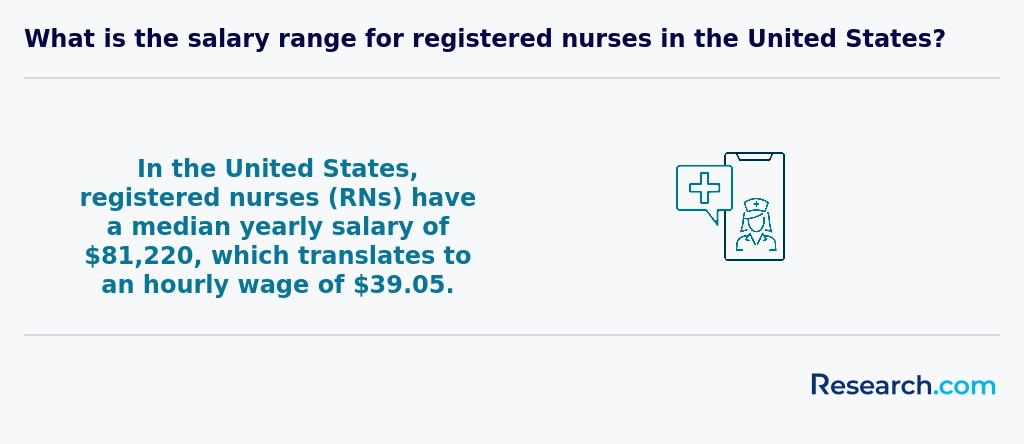
Graduates of nursing programs in Chicago, such as those from the University of Illinois at Chicago or Rush University, can expect competitive salaries that reflect the city's strong healthcare demand. Data shows that registered nurses typically earn a mean annual wage of about $94,480, with an average hourly rate near $45.42, which aligns with roles like clinical nurse educator, public health nurse, and emergency room nurse.
For those pursuing more specialized roles, the financial outlook grows even brighter. Operating room nurses in Chicago earn a mean annual wage of approximately $128,490, with hourly wages around $61.78. These salaries highlight the tangible benefits of advancing your nursing education and gaining specialized skills in high-demand hospital settings.
Many Chicago nursing graduates report feeling proud and valued entering the workforce, encouraged by the city's favorable salary scales and opportunities. For example, graduates from well-known local programs often find their education quickly translates into rewarding careers with stable income and room for growth, validating their investment in nursing degrees.
2027 Most Popular Nursing Degree Programs Ranking in Chicago
How do we rank schools?
Investing in your education is a significant decision that can shape your professional future, and the Research.com team is deeply aware of the challenges involved in making such choices. To support prospective nursing students in Chicago, we have carefully developed the "2027 Most Popular Nursing Degree Programs Ranking in Chicago." Our dedication to quality, credibility, and accuracy is evident through the thorough research and rigorous analysis that underpin this ranking.
We utilized the following reputable data sources to ensure a comprehensive evaluation of nursing programs:
By reviewing this ranking, readers will gain valuable insights into the most sought-after nursing degree programs in Chicago, assisting them in making well-informed educational decisions. For a detailed explanation of our methodology, please visit our Research.com methodology page.


Key Findings
- Chicago offers nursing programs from associate to doctoral levels at public and private institutions.
- Tuition for an Associate Degree in Nursing ranges from $7,000 to $15,000, while a Bachelor of Science in Nursing costs between $20,000 and $50,000.
- The median starting salary for nurses in Chicago is about $65,000 to $70,000 per year, rising to $80,000 to $90,000 with experience.
- Registered nursing jobs in Chicago are expected to grow by approximately 12% over the next decade.
- Passing the NCLEX-RN exam and meeting Illinois state requirements are mandatory for nursing licensure.
How long does it take to complete nursing degree in Chicago?
Completing a nursing degree in Chicago depends largely on the chosen program. For instance, graduates from City Colleges of Chicago report completing an Associate Degree in Nursing (ADN) in about two years of full-time study. This ADN is the typical pathway for many aspiring registered nurses in the city, allowing them to quickly enter the workforce after passing the NCLEX-RN exam.
Students pursuing a Bachelor of Science in Nursing (BSN) at institutions like the University of Illinois at Chicago or DePaul University often experience a four-year full-time timeline. However, those with prior college credits or an ADN can opt for accelerated BSN programs, finishing in as little as 12 to 24 months. Graduates cherish the intensive learning experience despite the demanding schedule.
For advanced careers, Master of Science in Nursing (MSN) degrees typically require an additional two years post-BSN. Many in Chicago appreciate the blend of specialization and leadership preparation this timeline affords.
Prospective students often find the flexibility of part-time and online options relevant, although these can extend completion times. Overall, Chicago's nursing programs cater well to diverse schedules and goals.
Accelerated LPN to RN Bridge Programs in Chicago, IL
Many aspiring nurses in Chicago begin their careers as Licensed Practical Nurses (LPNs) and later seek to advance to Registered Nurse (RN) licensure through accelerated bridge programs. These pathways condense core nursing curriculum and clinical rotations into intensive timelines-often six to twelve months-allowing graduates to take the NCLEX-RN exam and enter the workforce faster. Accelerated LPN to RN bridge programs emphasize foundational nursing skills, pharmacology, and patient assessment, ensuring seamless transition from practical to professional responsibilities. Program Length and Format: Most Chicago-area institutions offer hybrid or fully online options, paired with on-site clinical placements at leading hospitals. The intensive six-month tracks demand strong time management but reward students with expedited licensure. Many LPNs appreciate the flexibility of evening and weekend online lectures, supplemented by day-schedule clinical labs. For those seeking a proven, accelerated pathway, Research.com showcases the top 6-month online lpn to rn programs, which combine rigorous academics with robust support services. Admissions and Prerequisites: Applicants typically need an active LPN license, a minimum GPA of 2.5–3.0, and completion of foundational science courses. Competitive programs may also require TEAS scores and healthcare experience. Graduates report that personalized advising, NCLEX prep workshops, and cohort-based learning communities significantly enhance success rates. Career Outcomes: Upon completion, LPN-to-RN bridge graduates transition into diverse roles-from medical-surgical units to community health clinics-with starting salaries that often exceed the regional RN mean of $89,010. Employers value their dual-level training, and many bridge-program alumni secure positions before graduation, underscoring the robust demand for accelerated nursing talent in Chicago’s healthcare landscape.
What's the difference between online and on-campus nursing degree?
On-campus nursing degree programs in Chicago, such as those at the University of Illinois at Chicago (UIC) and Rush University, provide an immersive environment with direct access to faculty and hands-on learning. Graduates often recall the immediate face-to-face interaction during lectures and labs as essential in building confidence with clinical skills. The traditional format includes clinical rotations at local hospitals, blending theory with practical experience in real healthcare settings, which many students find motivating and reassuring.
Conversely, online nursing degrees cater to students needing flexibility, like working professionals balancing family obligations. These programs deliver coursework through digital platforms but still require in-person clinical hours arranged near the student's home. Graduates appreciate the reduced commuting and campus fees, yet emphasize the need for strong self-discipline and reliable internet. Securing local clinical placements independently encourages greater responsibility and time management.
Both formats in Chicago maintain accreditation and licensure eligibility, but their structure distinctly shapes each student's daily experience and learning preferences.
NCLEX Pass Rates and Licensure Success
One of the most critical indicators of a nursing program’s quality is its NCLEX-RN pass rate, which reflects how well graduates are prepared for professional practice. In Chicago, top programs report average first-time pass rates ranging from 85% to over 95%, surpassing the national average of 81%. These figures demonstrate a school’s effectiveness in teaching clinical judgment, pharmacology, and patient care skills essential for licensure. When evaluating programs, look for:
- Official NCLEX-RN statistics published by each institution or the Illinois Board of Nursing.
- Trends over the past three years to ensure consistent performance rather than one-off spikes.
- Support services such as dedicated NCLEX review courses, simulation labs, and faculty mentorship, which have been shown to boost pass rates by up to 15%. High pass rates not only signal strong academic rigor but also enhance employability, as healthcare employers often prioritize graduates from programs with proven licensure success. For cost-conscious students seeking both affordability and strong outcomes, you may also explore our Low Cost Nursing Degree Programs Ranking in Virginia, where many institutions balance low tuition with NCLEX pass rates above 90%. By prioritizing NCLEX performance, prospective students can confidently choose a Chicago nursing program that equips them for licensure and a thriving career.
What is the average cost of nursing degree in Chicago?
The average cost of a nursing degree in Chicago reflects a diverse range depending on the institution and program pursued. Data indicates a median total cost of around $48,246, which aligns with tuition fees found at private schools. Graduates from private universities in Chicago, such as Rush University or Loyola University Chicago, often share that while the financial investment is significant, the comprehensive education and clinical opportunities deeply enhance their readiness for the nursing field.
In contrast, public universities like the University of Illinois at Chicago (UIC) offer more affordable options, especially for in-state students, with total costs closer to $36,710. Many nursing students describe feeling encouraged by this more accessible pricing, which makes earning a Bachelor of Science in Nursing (BSN) manageable without excessive debt. Community colleges providing Associate Degree in Nursing (ADN) programs generally have even lower costs, making them an attractive option for students seeking a cost-effective pathway.
Beyond tuition, students must factor in expenses such as books, supplies, health insurance, and living costs. These contribute to the total cost of nursing programs Chicago students experience annually. Many students exploring these expenses find it helpful to research specific programs and financial aid options. For those interested in examining school choices, the most popular nursing school rankings in Illinois often serve as a valuable resource in making informed decisions about affordability and quality of education.
Why Choosing the Right Nursing School Matters
When selecting a nursing program in Chicago, IL, it's essential to consider various factors, including program reputation, accreditation, and job placement rates. Prospective students can visit the most popular nursing school websites to learn more about their options and find the best fit for their career aspirations and financial situation. By doing so, they can increase their chances of success in the nursing field and make well-informed decisions about their education.
What financial aid is available to nursing degree students in Chicago?
Students pursuing nursing degrees in Chicago benefit from a variety of financial aid options designed to reduce tuition burdens. Public institutions like the University of Illinois Chicago offer in-state tuition rates, making education more affordable for Illinois residents. Federal aid, accessed via FAFSA, includes Pell Grants that provide up to $7,395 annually without repayment, and low-interest Direct Subsidized and Unsubsidized Loans that help ease loan repayment.
Graduates from Chicago nursing programs often highlight the impact of specialized scholarships such as those from the Illinois Nurses Foundation, which support local students. Many local hospitals also offer tuition reimbursement programs, allowing students to gain practical experience while offsetting costs. This hands-on work-study experience aligns with their academic schedules, reinforcing skills and financial stability.
- State-specific support, like the Illinois Monetary Award Program (MAP), further assists lower-income students with tuition at eligible schools.
- The Nurse Corps Scholarship Program supports students committed to serving underserved Chicago communities by covering tuition in exchange for service.
- Private scholarships from local organizations such as the Chicago Nurses Association provide additional funding opportunities.
Program Accreditation & NCLEX Pass Rates
Accreditation ensures your nursing degree meets rigorous standards and qualifies you for licensure in Illinois. Look for programs approved by the Illinois Department of Financial and Professional Regulation and accredited by CCNE or ACEN.
Key metrics to compare:
- State board approval: required for legal practice in Illinois
- First-time NCLEX-RN pass rates: aim for 85% or higher
- Clinical partnerships: hands-on training at major Chicago hospitals
Selecting accredited programs with strong licensing outcomes builds confidence in your education. For options balancing accessibility and quality, explore easy nursing schools to get into.
What are the prerequisites for enrolling in nursing degree program in Chicago?
Enrolling in a nursing degree program in Chicago generally requires a high school diploma or GED, with a strong emphasis on science courses like biology and chemistry. Graduates from local universities often recall how completing anatomy and physiology in high school gave them a significant advantage during admissions. Standardized test scores, particularly from the TEAS exam, are commonly required to demonstrate proficiency in reading, math, and science relevant to nursing.
For those pursuing Bachelor of Science in Nursing (BSN) at schools such as the University of Illinois at Chicago or DePaul University, prerequisite college coursework is essential. Typical courses include general chemistry, human anatomy and physiology, microbiology, English composition, and statistics. These ensure students are adequately prepared for the rigorous curriculum ahead.
A competitive GPA, often between 2.5 and 3.0, is another key requirement. Many nursing students speak positively about how recommendation letters and healthcare experience, gained through volunteering or employment in Chicago hospitals, boosted their applications. Background checks and immunization records are also mandatory due to clinical placement policies.
What courses are typically in nursing degree programs in Chicago?
Nursing degree programs in Chicago consistently include rigorous courses designed to provide both theoretical knowledge and practical skills. Graduates from institutions such as the University of Illinois Chicago often recall how foundational classes like anatomy and physiology, microbiology, and chemistry laid the groundwork for understanding the human body and disease processes.
Core nursing classes typically cover essential topics like Fundamentals of Nursing, which introduces patient care techniques, and Pharmacology, focusing on safe medication administration. Students describe how courses in Pathophysiology clarify disease progression, which is crucial when making clinical decisions during clinical rotations. At colleges like Rush University or Loyola University Chicago, Health Assessment classes train students thoroughly in performing physical and mental patient evaluations, a skill frequently praised by recent graduates as key to their confidence in real healthcare settings.
Specialized courses such as Medical-Surgical Nursing, Pediatric and Maternal Health Nursing, and Mental Health Nursing prepare students for diverse patient populations. Many find these courses engaging and empowering, knowing they will directly impact their ability to provide comprehensive care in Chicago's dynamic healthcare environment.
What types of specializations are available in nursing degree programs in Chicago?
Nursing degree specializations in Chicago typically include Adult-Gerontology Nursing, Pediatric Nursing, Emergency Nursing, Family Nurse Practitioner (FNP), and Psychiatric-Mental Health Nursing. These areas reflect the city's healthcare demands, with graduates from institutions like the University of Illinois at Chicago often sharing how their training in these fields prepared them for diverse patient populations and fast-paced hospital environments. This variety aligns with Chicago nursing program specialization options designed to support urban healthcare needs.
For example, Adult-Gerontology Nursing addresses the care requirements of the aging population in Chicago, while Pediatric Nursing equips students to work effectively in children's hospitals. Emergency Nursing prepares nurses for urgent care challenges common in a large metropolitan area. Meanwhile, FNP specialization caters to primary care demands across the lifespan. Nurses focusing on Psychiatric-Mental Health Nursing benefit from growing mental wellness resources citywide.
Students also find this spectrum of specializations impactful for career growth and salary potential. Those wondering about costs and program accessibility can explore tuition ranges as well as whether are online pmhnp programs affordable for their goals.
How do you choose the best nursing degree in Chicago?
Choosing the best nursing degree in Chicago starts with evaluating the degree type and program quality. Graduates of Loyola University Chicago's BSN program often praise its comprehensive four-year curriculum, which aligns with data showing BSN-prepared nurses achieve higher patient outcomes and better job mobility. In contrast, many students opting for more affordable nursing schools Chicago, such as City Colleges of Chicago, appreciate ADN programs for their shorter duration and lower tuition, typically between $5,000 and $15,000 annually.
Accreditation by the Commission on Collegiate Nursing Education (CCNE) or the Accreditation Commission for Education in Nursing (ACEN) is crucial, as it strongly correlates with higher NCLEX-RN pass rates above 85% and successful job placement. Clinical experience also varies significantly; programs with extensive hospital partnerships offer richer hands-on training, better preparing students for real-world challenges in Chicago's diverse healthcare settings.
A practical option for some is exploring top 6-month online lpn to rn programs, which can accelerate entry into the profession while balancing cost and schedule. By carefully assessing these factors, students can find the best nursing degree programs in Chicago suited to their career goals.

What career paths are available for nursing degree students in Chicago?
Nursing degree career opportunities Chicago are diverse, reflecting the city's extensive healthcare infrastructure. Graduates from well-known programs at institutions like the University of Illinois at Chicago often secure Registered Nurse (RN) roles in major hospitals such as Northwestern Memorial. These positions offer median salaries near $75,000, slightly above the national average. Many graduates express satisfaction working directly with patients in dynamic urban settings.
Further education through local Master of Science in Nursing programs opens doors to advanced roles like Nurse Practitioners or Clinical Nurse Specialists. Nurse Practitioners in Chicago commonly earn over $110,000, specializing in primary or acute care. Graduates describe the rewarding nature of such careers, which combine clinical expertise with patient advocacy.
Additional paths include public health nursing in community programs, home health nursing supporting elderly patients, and school nursing promoting youth wellness. Nursing administration and research nursing also attract degree holders eager to impact healthcare systems and innovation.
Prospective students considering financial aspects can explore options in the Low Cost Nursing Degree Programs Ranking in Virginia to compare affordability alongside career prospects.
What is the job market for nursing degree in Chicago?
The nursing job market in Chicago offers robust and diverse employment opportunities for graduates, reflecting a steady demand from the city's extensive healthcare infrastructure. Graduates from well-known institutions such as the University of Illinois at Chicago and DePaul University often find roles in major hospitals like Northwestern Memorial and Rush University Medical Center, which support numerous nursing positions. This strong demand is especially evident in specialties like critical care and geriatrics, areas where recent graduates report rapid employment and rewarding clinical experiences.
Chicago nursing degree employment outlook is positive, with registered nurses earning a median wage close to $75,000 annually, slightly below the national median but balanced by the city's lower cost of living and healthcare job growth projected at 12% through 2030. Many graduates highlight that combining their coursework with clinical internships in Chicago's healthcare facilities boosted their confidence and marketability. Scholarships and financial aid options further ease the investment burden, and students interested in accelerated programs might explore the best 6 month course with high salary to enter the workforce swiftly.
Frequently Asked Questions About nursing
Nursing degree students in Chicago can maximize their learning experience by engaging deeply in clinical rotations offered through local hospitals such as Northwestern Memorial and Rush University Medical Center. These institutions provide diverse patient populations, enhancing practical skills and cultural competence. According to the Illinois Board of Nursing, hands-on clinical experience is critical for licensure preparation and career readiness. Students should also take advantage of Chicago's many nursing workshops and professional associations, like the Illinois Nurses Association, to expand networking and continuing education opportunities. Utilizing academic resources and simulation labs available at Chicago's nursing schools further strengthens practical knowledge.
The nursing field in Chicago is evolving rapidly, with several emerging niches gaining prominence. One notable area is telehealth nursing, which has surged in demand due to advances in digital health technology and the need for remote patient monitoring. According to the Illinois Nursing Workforce Center (2023), telehealth roles in Chicago have increased by over 20% in the past two years.
Another growing specialty is geriatric nursing, driven by Illinois' aging population. The U.S. Census Bureau reports that Chicago's senior demographic is expected to grow by 15% by 2030, emphasizing the need for nurses skilled in elder care.
Additionally, psychiatric nursing has expanded as mental health awareness rises. The Chicago Department of Public Health highlights increased funding for mental health services, creating more opportunities for psychiatric nurse practitioners. These niches offer promising career paths for students pursuing nursing degrees in Chicago.
After completing a nursing degree in Chicago, preparing for the job market involves several key steps. First, obtaining licensure through the National Council Licensure Examination (NCLEX-RN) is essential to practice as a registered nurse in Illinois.
Networking is also important. Joining local professional organizations such as the Illinois Nurses Association can provide valuable connections and job leads. Chicago's healthcare sector is robust, with a 14% projected growth in nursing jobs by 2030, according to the U.S. Bureau of Labor Statistics, making it crucial to stay informed about opportunities.
Additionally, gaining clinical experience through internships or part-time roles in Chicago hospitals can enhance employability. Updating resumes with specialized skills like critical care or geriatric nursing can further improve job prospects in the competitive Chicago market.
Employers in Chicago consistently seek nursing graduates who demonstrate strong clinical skills and critical thinking. According to the Illinois Department of Public Health, effective patient care and sound decision-making are essential in the city's diverse healthcare settings.
Communication skills rank highly, as nurses must interact clearly with patients, families, and interdisciplinary teams. The Chicago Nurses Association highlights cultural competence due to the city's diverse population as a key employer priority.
Additionally, adaptability to fast-paced environments and proficiency in electronic health record (EHR) systems are increasingly demanded. These technical and interpersonal abilities contribute directly to improved patient outcomes in Chicago-area hospitals.
Finding nursing internships in Chicago involves a combination of university resources and local healthcare networks. Many nursing programs in Chicago, such as those at University of Illinois at Chicago and DePaul University, have formal partnerships with hospitals like Northwestern Memorial and Rush University Medical Center. These partnerships often provide students with direct internship opportunities.
Students should also explore the Chicago Nursing Workforce Pipeline, which plays a key role in connecting nursing students with clinical placements. According to the Illinois Department of Public Health, clinical internships are essential for licensure and hands-on experience. Additionally, virtual job boards like those on the Chicago Tribune Careers page regularly list nursing internships specific to the Chicago area.
Obtaining a nursing degree in Chicago significantly enhances career mobility and advancement opportunities within the city's robust healthcare sector. According to the U.S. Bureau of Labor Statistics, Chicago's nursing employment is projected to grow by 12% through 2030, outpacing many regions nationally. A degree, especially a Bachelor of Science in Nursing (BSN) or higher, is increasingly required for leadership, specialized roles, and competitive hospital positions.
Higher education credentials enable nurses to qualify for registered nurse (RN) roles, nurse practitioner positions, and administrative careers. Additionally, Chicago's major healthcare systems often prioritize degree holders for promotions and offer tuition reimbursement to support continuing education, fostering upward mobility.
Recent data from the Illinois Department of Financial and Professional Regulation emphasize that advanced degrees correlate with higher salaries and broader job choices in the city, supporting nurses' long-term career growth.
Studying for a nursing degree in Chicago equips students with skills essential for interdisciplinary collaboration in healthcare settings. Chicago's nursing programs emphasize teamwork across professions, integrating coursework in communication, ethics, and leadership.
Students gain practical experience through clinical placements in diverse hospitals, clinics, and community health centers, fostering collaboration with doctors, social workers, and therapists. The Illinois Department of Public Health notes that Chicago employs over 30,000 registered nurses, many working in interdisciplinary teams to address complex patient needs.
Additionally, local nursing schools often partner with other health disciplines, preparing graduates for roles that require coordination and understanding of varied healthcare perspectives.
When choosing between a thesis and a non-thesis nursing degree program in Chicago, consider your career goals and learning preferences. Thesis programs focus on research and are ideal if you plan to pursue a PhD or work in academic or clinical research. Non-thesis programs emphasize practical skills and may include additional clinical hours or capstone projects, suiting those aiming for advanced practice or leadership roles.
According to the Illinois Board of Higher Education, Chicago hosts over a dozen nursing schools offering both options, with approximately 40% of graduate nursing students choosing thesis tracks. This reflects growing interest in research careers.
Costs and time commitments differ: thesis programs often require more time for research and writing, while non-thesis tracks can be completed faster. Visit individual program websites or contact admissions for up-to-date details.
Students based in Chicago who want to study nursing abroad have various pathways available, typically through university partnerships or exchange programs. Many Chicago institutions, including the University of Illinois at Chicago (UIC), offer study abroad opportunities that allow nursing students to gain clinical experience in countries such as Ireland, Australia, and Canada.
These programs often last a semester or summer term and focus on global health, community nursing, and pediatrics. According to UIC's Study Abroad Office, around 10% of nursing students participate in international experiences annually, enhancing their cultural competence and clinical skills.
Additionally, students must ensure foreign programs meet Commission on Collegiate Nursing Education (CCNE) standards to maintain eligibility for U.S. licensure exams like the NCLEX-RN.
Students pursuing nursing degrees in Chicago have several part-time job opportunities that directly complement their education. Positions such as certified nursing assistant (CNA) or patient care technician are common and provide hands-on clinical experience. According to the Illinois Department of Public Health, Chicago hospitals frequently offer these roles to nursing students, allowing them to apply classroom knowledge in real-world settings.
Other options include working as medical scribes or nursing aides, which improve documentation skills and understanding of patient care workflows. Additionally, roles in outpatient clinics or community health centers help students gain exposure to diverse patient populations. These jobs often offer flexible hours to accommodate demanding nursing program schedules.
Such experiences not only enhance practical skills but also strengthen resumes for future nursing positions in Chicago's competitive healthcare market.
Nursing students in Chicago have access to robust networking opportunities through local universities and professional organizations. Many nursing programs collaborate with hospitals such as Northwestern Memorial and Rush University Medical Center, allowing students to connect with practicing nurses and healthcare leaders.
The Chicago chapter of the American Nurses Association (ANA) and the Illinois Nursing Students Association host regular events and conferences tailored to student engagement.
According to the Illinois Department of Financial and Professional Regulation, Chicago employs over 50,000 registered nurses, creating a dynamic community for mentorship and job placement.
Moreover, institutions like the University of Illinois at Chicago offer career fairs and alumni networking, enhancing professional connections early in students' careers.
Alumni networks provide valuable support for nursing degree students in Chicago by connecting them with experienced professionals in the healthcare industry. These networks offer mentorship opportunities that help students navigate clinical placements and job searches more effectively.
Chicago's robust nursing alumni communities often share job openings, which is crucial in a competitive job market where the Illinois Department of Employment Security projects steady growth in healthcare roles through 2028. Access to alumni connections can increase employment prospects for new graduates.
Additionally, alumni networks facilitate professional development through workshops and events, keeping students informed about the latest nursing practices and local healthcare policies. This ongoing engagement enhances both skills and networking in Chicago's diverse medical field.
Customizing your nursing degree program in Chicago begins by selecting a program that offers flexible tracks, such as Bachelor of Science in Nursing (BSN), accelerated BSN, or RN-to-BSN pathways. Many institutions in Chicago, including community colleges and universities, provide options for part-time study or evening classes to accommodate working students.
Concentrations or specialties like pediatrics, gerontology, or psychiatric nursing can often be added through elective courses or clinical rotations. Aligning these choices with your career goals enhances practical experience and employability.
Additionally, Chicago hospitals frequently partner with nursing schools to offer internships, enabling hands-on learning in local healthcare settings, an advantage highlighted by the Illinois Nursing Workforce Center.
Nursing students in Chicago often face multiple challenges during their education. One significant hurdle is balancing rigorous coursework with demanding clinical hours. According to the Illinois Board of Nursing, students typically complete over 700 clinical hours, which can be difficult alongside part-time jobs or family responsibilities. Additionally, the cost of education is a concern; tuition fees for nursing programs in Chicago average between $15,000 and $30,000 annually, excluding living expenses.
Students also report stress from adapting to fast-paced hospital environments during clinical rotations. This experience requires strong time management and emotional resilience. Furthermore, competition for limited clinical placements in Chicago-area hospitals can extend program duration, impacting graduation timelines.
With a nursing degree in Chicago, graduates can pursue a variety of professional certifications to advance their careers. Popular certifications include the Certified Registered Nurse Anesthetist (CRNA), Family Nurse Practitioner (FNP), and Clinical Nurse Specialist (CNS). These credentials often require additional coursework and clinical experience beyond a bachelor's degree.
According to the Illinois Board of Nursing, over 30,000 licensed registered nurses practice in Chicago, many holding specialty certifications to meet growing healthcare demands. National organizations like the American Nurses Credentialing Center (ANCC) offer certifications that enhance a nurse's expertise and marketability in areas such as pediatrics, geriatrics, and critical care.
Certification improves job prospects and often leads to higher salaries. For example, Chicago nurses with board certification report salaries up to 20% higher than non-certified peers, according to recent regional salary surveys.
Writing a winning application for a nursing program in Chicago requires careful preparation and attention to detail. Start by thoroughly researching programs accredited by organizations such as the Commission on Collegiate Nursing Education (CCNE) or the Accreditation Commission for Education in Nursing (ACEN). These accreditations ensure quality education and increase your chances of success.
Highlight your academic achievements, especially in science and health-related courses, since competitive nursing programs often require strong grades in these areas.
Chicago nursing programs frequently ask for letters of recommendation that attest to your commitment and character. Choose recommenders who know your work ethic well.
Also, include a well-crafted personal statement that clearly explains your motivation for nursing, your experiences in healthcare, and your future goals.
Finally, prepare for entrance exams or interviews, as many schools in Chicago use these as part of their selection process.
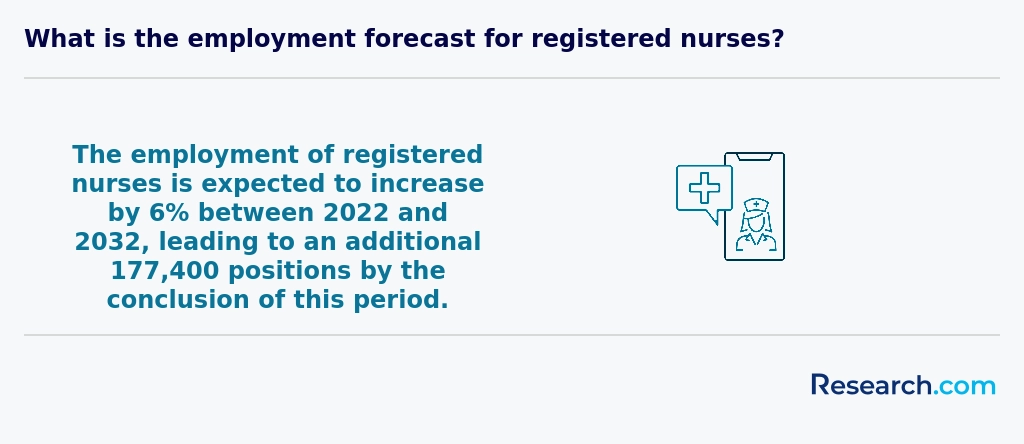
The global perspective on a nursing career highlights its critical role in healthcare systems worldwide. In the United States, including Chicago, nursing is one of the fastest-growing professions. The U.S. Bureau of Labor Statistics projects a 9% growth in nursing jobs from 2022 to 2032, fueled by an aging population and rising demand for healthcare services.
Chicago, with its diverse population, reflects the need for culturally competent nurses who can address global health challenges locally. According to the Illinois Center for Nursing, metropolitan Chicago has over 45,000 active RNs, emphasizing the city's strong nursing workforce.
Nurses trained in Chicago can engage in international healthcare efforts, benefiting from the city's reputable nursing programs that meet global standards. This interconnectedness positions nursing as a career with both local impact and worldwide relevance.
Gaining practical experience while studying for a nursing degree in Chicago is essential for building clinical skills and enhancing employability. Many nursing programs in Chicago incorporate clinical rotations at nearby hospitals and healthcare facilities, offering direct patient care experience under supervision. For example, students often work at institutions like Rush University Medical Center and Northwestern Memorial Hospital.
Additionally, local community health centers provide opportunities for hands-on training in diverse settings. According to the Illinois Board of Nursing, clinical practice hours are mandated for all registered nursing programs to maintain accreditation, ensuring students gain substantial real-world exposure.
Internships and volunteer positions are also common ways students supplement their learning.
Choosing the right concentration within a nursing degree program in Chicago involves considering both your personal interests and the local healthcare demand. Chicago has a strong need for nurses specializing in geriatrics, acute care, and pediatric nursing due to its diverse population and numerous hospitals such as Northwestern Memorial and Rush University Medical Center.
Research from the Illinois Department of Employment Security shows a 16% growth in registered nurse positions in the Chicago area projected through 2027, especially in critical care fields. Aligning your focus with these growing sectors can improve job prospects after graduation.
Additionally, review the curriculum and practicum opportunities offered at Chicago nursing schools. Hands-on experience in your chosen specialty is essential.
Finally, consider certification requirements for specialties like nurse practitioner or clinical nurse specialist roles, as they vary by concentration.
Related Nursing Rankings for Nearby Cities
- 2027 Most Popular Nursing Degree Programs Ranking in Peoria
- 2027 Most Popular Nursing Degree Programs Ranking in Indianapolis
- 2027 Most Popular Nursing Degree Programs Ranking in Detroit
- 2027 Most Popular Nursing Degree Programs Ranking in Cincinnati
- 2027 Most Popular Nursing Degree Programs Ranking in Saint Louis
- 2027 Most Popular Nursing Degree Programs Ranking in Louisville
- 2027 Most Popular Nursing Degree Programs Ranking in Columbus
- 2027 Most Popular Nursing Degree Programs Ranking in Cleveland
- 2027 Most Popular Nursing Degree Programs Ranking in Saint Paul
- 2027 Most Popular Nursing Degree Programs Ranking in Minneapolis
Top Trending Nursing Rankings
See What Experts Have To Say About Studying Nursing
Read our interview with Nursing experts


References
- Client Challenge https://www.springerpflege.de/nursing-graduates-perceived-future-career-pathway-and-career-shi/50653658
- LPN Tuition Costs Chicago, Illinois | LPN Program Tuition | LPN Cost https://www.ici-training.com/lpn-tuition
- Tips for Creating a Perfect Nursing School Application https://www.allnursingschools.com/articles/how-to-create-the-perfect-nursing-school-application/
- Working While in Nursing School: 25 Ways to Make Money as a Nursing Student https://credenzahealth.com/career-advice/working-while-in-nursing-school-25-ways-to-make-money-as-a-nursing-student
- Top Nursing Skills U.S. Employers Want to See on Your Resume | O'Grady Peyton https://www.ogradypeyton.com/blog/job-seeker-resources/top-nursing-skills-u.s.-employers-want-to-see-on-your-resume
- School of Nursing - City Colleges of Chicago https://www.ccc.edu/malcolm-x/departments/nursing-department/
- How to Choose a Nursing Program: A Comprehensive Guide - Madonna ABSN https://absn.madonna.edu/blog/how-to-choose-a-nursing-program/
- Pros And Cons Of Online Nursing In 2025 | Davis & Elkins https://www.dewv.edu/the-pros-and-cons-of-online-nusing-in-2025-is-it-right-for-you/
- How Do Nurses Prepare to Work in a Multidisciplinary Team? | NursingEducation https://nursingeducation.org/insights/multidisciplinary-team/
- THE FIELD OF NURSING - FIRST-DEGREE OF STUDIES https://wnoz.wum.edu.pl/pl/content/field-nursing-first-degree-studies


