
2027 Most Popular Nursing Degree Programs Ranking in Columbia

Co-Founder and Chief Data Scientist
Choosing the right nursing degree program in Columbia can be challenging amid so many options. This article features the 2027 Most Popular Nursing Degree Programs Ranking in Columbia, carefully created by the Research.com team of data scientists to support your decision-making.
By exploring this ranking, you'll gain valuable insights into programs that align with your goals and passions. Nursing is a rewarding career offering meaningful opportunities to make a positive impact on lives.
Let this guide empower you to take confident steps toward a brighter future in healthcare.
Key benefits of getting nursing degree in Columbia
- Salary for nursing degree graduates: Graduates in Columbia can expect competitive salaries with roles like Registered Nurse, Clinical Nurse Educator, and Public Health Nurse earning around $94,480 annually, while Operating Room Nurses typically earn higher wages near $128,490.
- Career paths: Nursing graduates from popular universities in Columbia can pursue diverse careers in hospitals, community health, or specialized units, offering flexibility and growth opportunities in a rewarding field.
- Online degree benefits: Earning a nursing degree online from well-known universities in Columbia allows students to balance work and study with flexible schedules, making it easier to gain practical experience while advancing their education.
- Key benefits of getting nursing degree in Columbia
- What can I expect from nursing degree in Columbia?
- Where can I work with nursing degree in Columbia?
- How much can I make with nursing degree in Columbia?
- 2027 Most Popular Nursing Degree Programs Ranking in Columbia
- Key Findings
- How long does it take to complete nursing degree in Columbia?
- Most Popular Nursing Schools Comparison
- What's the difference between online and on-campus nursing degree?
- Application Process: How to Apply and Key Deadlines
- What is the average cost of nursing degree in Columbia?
- Student Support and Resources
- What financial aid is available to nursing degree students in Columbia?
- Accreditation and Licensure Requirements
- What are the prerequisites for enrolling in nursing degree program in Columbia?
- Continuing Education and Advanced Practice Opportunities
- What courses are typically in nursing degree programs in Columbia?
- What types of specializations are available in nursing degree programs in Columbia?
- How do you choose the best nursing degree in Columbia?
- What career paths are available for nursing degree students in Columbia?
- What is the job market for nursing degree in Columbia?
- Top Trending Nursing Rankings
- See What Experts Have To Say About Studying Nursing
What can I expect from nursing degree in Columbia?
The average cost of a nursing degree in Columbia typically falls between $7,000 and $15,000 per year for in-state students attending public universities. Graduates from the University of Missouri often recall how this tuition range felt manageable given the quality of education and clinical opportunities offered. The affordable cost allowed them to focus deeply on their studies without excessive financial stress, especially when combined with scholarships aimed specifically at nursing students.
Many students appreciate that the balance between tuition and experience at institutions like the University of Missouri and other local colleges makes investing in a nursing degree feel worthwhile. Their hands-on clinical rotations at Boone Hospital Center or University Hospital brought theory to life, and the financial investment supported those real-world experiences.
Understanding that these costs are competitive nationally provides reassurance. Those who pursued part-time or online options adjusted their budgets accordingly, finding flexible paths that aligned both with their financial situations and professional goals. For prospective students in Columbia, this cost range is a key consideration but often outweighed by the degree's lasting value.
Where can I work with nursing degree in Columbia?
Graduates with nursing degrees from Columbia often find themselves welcomed into a diverse array of healthcare settings, reflecting the city's dynamic medical community. Those who studied at institutions like Columbia University or Hunter College share stories of starting their careers in bustling hospital environments, such as Columbia University Irving Medical Center, where every shift presents a new challenge and opportunity to apply clinical skills in real time.
Others recall the rewarding experience of working in outpatient care centers or physician offices, where the focus shifts to building trusting relationships through routine check-ups and chronic care management. This setting allows for a deeply personal connection with patients, a highlight often mentioned by alumni from Lehman College's nursing program.
The long-term care sector is another fulfilling pathway, especially with Columbia's aging population increasing demand for skilled nursing in nursing homes and assisted living facilities. Here, graduates find meaningful daily interactions, improved patient quality of life, and a sense of truly making a difference over extended periods.
For those drawn to community impact, roles within public health departments and outreach programs are accessible and highly valued. Graduates appreciate the chance to combat health disparities across urban neighborhoods, applying knowledge gained at local schools in tangible ways that improve population wellness.
Finally, some alumni pursue advanced paths as nurse practitioners or nurse anesthetists, embracing increased autonomy and specializations that reflect shifting healthcare needs in the city's clinics and specialty centers. This variety ensures every graduate can find a niche that resonates personally and professionally.
How much can I make with nursing degree in Columbia?
Graduates holding nursing degrees in Columbia typically see promising earnings that reflect both their skills and the region's healthcare demands. For example, many graduates from local institutions such as the University of Missouri find their starting salaries for registered nurse positions hover around $66,000 annually, which aligns well with the broader data showing an average mean annual wage of $94,480 for Registered Nurses nationwide.
Those who specialize or pursue advanced roles often find even better financial rewards. An Operating Room Nurse, a role many nursing grads aim for, commands a significantly higher mean salary-approximately $128,490 per year-illustrating the value of gaining specialized skills during or after nursing school.
Many graduates remember the relief and pride when receiving their first paycheck, knowing their education opened doors at respected hospitals and clinics in Columbia. With growing local healthcare needs, experienced nurses can expect stable and rising incomes, making a nursing degree not just a career path but a wise investment in a fulfilling, well-paid profession.
2027 Most Popular Nursing Degree Programs Ranking in Columbia
How do we rank schools?
Investing in your education is a significant decision that can shape your future, and the Research.com team understands the importance of making informed choices. To assist prospective students in Columbia, we have carefully developed the "2027 Most Popular Nursing Degree Programs Ranking in Columbia." Our dedication to quality, credibility, and accuracy is demonstrated through the extensive research and thorough analysis applied in compiling this ranking.
We utilized the following reputable data sources to ensure a comprehensive evaluation of nursing programs:
By reviewing this ranking, readers will gain valuable insights into the most popular nursing degree programs available in Columbia, empowering them to make confident and informed decisions about their educational journeys. For more information about how this ranking was created, please visit our Research.com methodology page.


# 5 position
South University-Columbia
Bachelor of Science in Nursing

Key Findings
- Tuition for nursing programs in Columbia ranges from $7,000 to $15,000 per year at public schools and $20,000 to $40,000 at private institutions.
- The state anticipates a 12% growth in registered nurse jobs over the next decade.
- Starting salaries for newly graduated registered nurses are between $58,000 and $65,000 annually.
- Experienced nurses in Columbia can earn between $75,000 and $90,000 per year, with higher pay in specialized roles or metropolitan areas.
- Nursing graduates must pass the NCLEX-RN exam to obtain licensure and meet continuing education requirements to maintain it.
How long does it take to complete nursing degree in Columbia?
Completing a nursing degree in Columbia varies depending on the pathway chosen, but many graduates find a rich balance of challenge and reward throughout the journey. Community colleges offering the Associate Degree in Nursing (ADN), like those around the Columbia metropolitan area, typically require two to three years. Graduates often share how the manageable duration allowed them to quickly enter the workforce and start building practical skills while supporting their families.
For those seeking a broader educational experience, universities such as the University of Missouri offer Bachelor of Science in Nursing (BSN) programs that usually take about four years. Many graduates recall the sense of accomplishment gained not only from learning comprehensive nursing techniques but also leadership and research skills that unlocked advanced career opportunities.
Accelerated BSN programs in Columbia's colleges show promise for students with prior degrees, letting them complete studies in just 12 to 18 months. This accelerated path energizes career changers, providing a swift transition into nursing roles without sacrificing quality.
Advanced degrees like the MSN add roughly two years and open doors to specialized professions, a rewarding yet demanding pursuit requiring commitment and experience, often reported by graduates eager to impact healthcare at higher levels.
Most Popular Nursing Schools Comparison
. When considering nursing programs, it's essential to compare the most popular nursing schools, such as those ranked by most popular nursing school, to find the best fit for your educational and professional goals. This comparison can help you evaluate factors like curriculum, clinical experience, accreditation, and graduate outcomes, ultimately leading to a more informed decision about your nursing education. By understanding the strengths and specializations of each school, you can align your aspirations with the programs that best support your career objectives in nursing.
What's the difference between online and on-campus nursing degree?
Choosing between online and on-campus nursing degrees in Columbia often hinges on personal lifestyle and learning preferences. Graduates from institutions like the University of South Carolina cherish the vibrant campus life where face-to-face interactions, hands-on simulation labs, and immediate access to faculty create a supportive environment that fosters confidence and practical skills.
Conversely, those who pursued online programs valued the flexibility to juggle work or family commitments. They found comfort in attending lectures and completing assignments digitally, often from home, while arranging local clinical practicums to gain essential real-world experience. This setup eased stress about commuting or relocating, especially for adult learners returning to school.
Both routes demand dedication, but the online pathway offers a unique balance between convenience and professional preparation, while on-campus study immerses students fully in campus resources and community. Hearing from Columbia nursing graduates, it's clear both paths yield comparable NCLEX success, so the best choice depends on your rhythm and surroundings.
Application Process: How to Apply and Key Deadlines
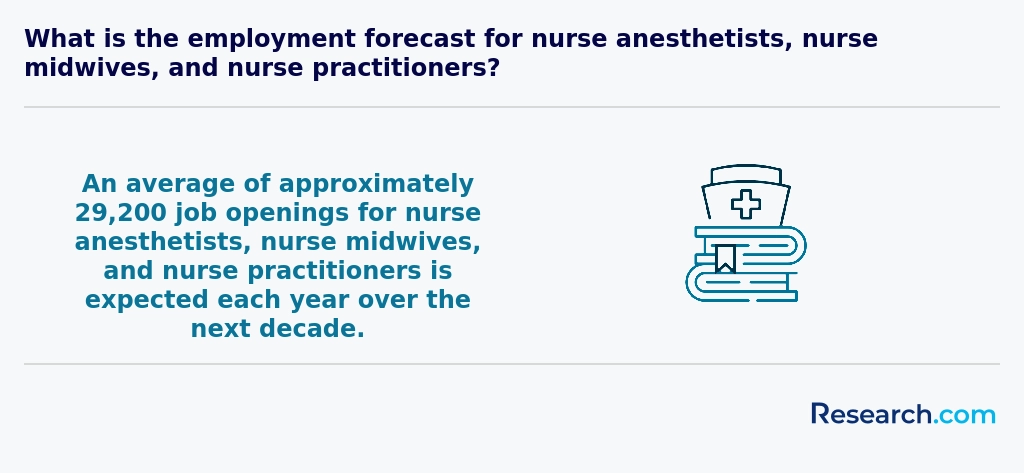
Navigating the nursing program application process in Columbia, SC involves strategic planning and adherence to specific deadlines. Begin researching your top choices-such as the University of South Carolina, Midlands Technical College, and Columbia College-at least six months before your intended start date. Key steps include: 1. Prerequisite Completion • Confirm you’ve met all prerequisite courses (biology, chemistry, anatomy) and achieved the minimum GPA. • Register for and complete the TEAS exam; aim for scores above program benchmarks. 2. Document Preparation • Request official transcripts from each institution attended. • Secure two professional letters of recommendation from healthcare or academic mentors. • Write a compelling personal statement that highlights your commitment to patient care and community health. 3. Application Submission • Most nursing programs open applications by August for spring admission and by December for fall admission. • Submit applications through each school’s online portal, ensuring all materials are attached and reviewed before the deadline. 4. Post-Submission Requirements • Complete background checks and immunization verifications within four weeks of acceptance. • Attend mandatory orientation sessions, typically scheduled two weeks before classes begin. While finalizing your submissions, consider benchmarking tuition and admission criteria against other affordable online options. For example, the Inexpensive Online Nursing Degree Programs Ranking in Texas offers valuable insights into cost-effective pathways that can inform your decision.
What is the average cost of nursing degree in Columbia?
The average nursing degree cost in Columbia varies significantly depending on the level of study and residency status, but students can anticipate a median total cost of around $51,000 for their entire program. For those studying as in-state residents at prominent institutions such as state universities known for their nursing programs, the median cost drops substantially to approximately $12,688. Graduates often reflect on their investment as challenging yet rewarding, emphasizing the value of their education in opening doors to meaningful healthcare careers.
Consider the experience of students attending popular community colleges and universities in Columbia who pursued an Associate Degree in Nursing or a Bachelor of Science in Nursing. They frequently highlight the balance between quality education and manageable tuition fees, which can make nursing more accessible. Practical clinical hours and real-world training are emphasized alongside financial considerations, helping students feel confident about their chosen path despite the cost of nursing programs in Columbia 2027.
Moreover, many nursing students appreciate the availability of various financial aids-ranging from state scholarships to employer tuition reimbursement programs-that help ease the financial burden. Those exploring options can find savings and support by researching opportunities at the most popular nursing school in Columbia, where guidance on tuition and financing is readily offered. This thoughtful planning approach allows prospective nurses to focus on training that prepares them fully for the vital roles they aspire to hold.
Student Support and Resources
Columbia, SC nursing programs distinguish themselves not only through rigorous curricula but also via comprehensive student support services that bolster academic success and professional development. Academic advising offices guide students through course selection, clinical placement coordination, and NCLEX preparation, ensuring each learner stays on track to meet graduation requirements. Tutoring centers staffed by nursing faculty and certified tutors offer targeted assistance in challenging subjects like pharmacology and pathophysiology, while peer mentoring programs pair new students with experienced upper‐class nurses who share study strategies and time‐management tips. Modern simulation labs equipped with high‐fidelity manikins allow students to practice critical skills-such as IV insertion, patient assessment, and emergency response-in a controlled, feedback‐rich environment. These hands-on workshops, often integrated into lab courses, reduce anxiety before real‐world clinical rotations and improve overall competence. Mental health and wellness services, including counseling and stress-management workshops, address the emotional demands of nursing education, fostering resilience and preventing burnout. Career services teams play a pivotal role in transitioning graduates into the workforce. From resume writing and mock interviews to networking events with local healthcare employers, these resources help students capitalize on Columbia’s robust job market. Alumni associations further enhance this network, offering lifelong access to mentorship, continuing education opportunities, and insights into specialty areas. For Licensed Practical Nurses (LPNs) aiming to accelerate their career trajectory, many Columbia institutions partner with top 6 month lpn to rn programs online, providing dedicated advising, streamlined credit transfer, and tailored support that acknowledges prior clinical experience. Whether you’re seeking one-on-one tutoring or comprehensive wellness programs, Columbia’s nursing schools ensure you receive the guidance and resources necessary to thrive.
What financial aid is available to nursing degree students in Columbia?
Students pursuing nursing degrees in Columbia often lean on a mix of financial aid tailored to their needs and goals. Federal Pell Grants stand out as a lifeline, offering up to $7,395 yearly without any repayment pressure. Many graduates recall how this grant helped them focus more on clinical skills at institutions like Columbia State Community College rather than worrying over finances.
State grants and scholarships also play a crucial role. These are frequently linked to workforce development programs, making them ideal for nursing students aiming to meet local healthcare demands. At universities such as Midlands College, applicants have found these options essential for easing tuition expenses while committing fully to their studies.
Private scholarships awarded by groups like the Columbia Nurses Association add another valuable layer, often recognizing merit, service, or financial need. Some nursing students share how these awards felt like affirmations of their hard work and dedication, fueling their motivation in challenging semesters.
Work-study programs and paid clinical placements in Columbia's healthcare facilities offer practical experience combined with financial support. Employers occasionally provide tuition reimbursement, reflecting real-world appreciation for nursing ambition. Graduates often stress that early FAFSA completion and institutional guidance are key steps in unlocking these aids, helping them navigate the journey with confidence.
Accreditation and Licensure Requirements
To protect patients and ensure quality education, nursing programs in Columbia, SC must hold national accreditation (CCNE or ACEN) and be approved by the South Carolina Board of Nursing.
- Graduate from a program accredited by the Commission on Collegiate Nursing Education (CCNE) or the Accreditation Commission for Education in Nursing (ACEN).
- Apply to the South Carolina Board of Nursing for eligibility, submitting transcripts, a background check and proof of clinical hours.
- Register and pass the NCLEX-RN exam to obtain initial RN licensure; most candidates receive results within 48 hours.
Maintaining licensure in South Carolina requires completing mandatory continuing education every two years. After passing the NCLEX-RN, many graduates advance their careers by exploring bsn to dnp programs, preparing for leadership and specialized practice.
What are the prerequisites for enrolling in nursing degree program in Columbia?
Enrolling in a nursing degree program in Columbia typically requires a solid academic foundation. Most students find that completing a high school diploma or GED is just the beginning. Before stepping into programs at institutions like Columbia College or the University of Missouri, applicants must meet prerequisites such as Anatomy and Physiology, Chemistry, Microbiology, Nutrition, English Composition, and college-level Mathematics. Graduates often reflect on how mastering these subjects early boosted their confidence and eased their transition into demanding nursing coursework.
Many remember submitting standardized test scores like the SAT or ACT, especially when aiming for bachelor's programs. Some also recall the challenge of passing the TEAS exam, which tested essential academic skills crucial for nursing success. Healthcare experience, whether through volunteering or working as a CNA, often provided a meaningful edge-helping students feel more prepared and passionate about their future clinical roles.
Continuing Education and Advanced Practice Opportunities
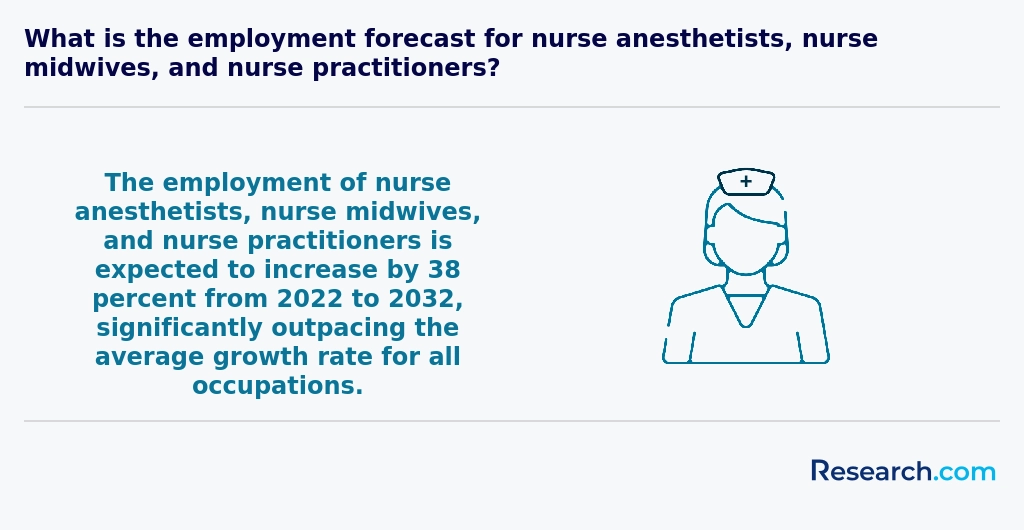
As the healthcare landscape evolves, pursuing advanced credentials can distinguish your nursing career and open doors to leadership roles. After obtaining your initial degree, consider graduate pathways such as the Master of Science in Nursing (MSN) or Doctor of Nursing Practice (DNP), which qualify you for positions like Nurse Practitioner, Clinical Nurse Specialist, and Nurse Educator. Certification programs-ranging from Critical Care (CCRN) to Oncology Nursing (OCN)-enhance your expertise and signal commitment to excellence. When evaluating advanced practice programs, accreditation and NCLEX pass rates remain critical, but so do faculty credentials, clinical partnerships, and online learning flexibility. Hybrid and fully online options allow working nurses to balance professional responsibilities with coursework. For those aiming to specialize in mental health, our comprehensive ranking of affordable online psychiatric nurse practitioner programs can guide your decision by highlighting cost-effective, high-quality curricula accredited by the Commission on Collegiate Nursing Education (CCNE). Beyond degree requirements, seek programs offering robust mentorship, simulation labs, and career-services support. Engage with professional organizations like the American Nurses Association (ANA) and attend specialty conferences to network and stay current with evidence-based practice. Finally, plan for board certification exams early-many schools integrate review courses and clinical case studies to ensure you meet eligibility standards. By strategically investing in continuing education and advanced practice credentials, you’ll position yourself at the forefront of nursing innovation and patient care leadership.
What courses are typically in nursing degree programs in Columbia?
Nursing programs in Columbia consistently blend fundamental science with hands-on nursing skills, shaping students into confident caregivers. Graduates from universities like the University of Missouri and Columbia College often recall how courses such as anatomy and physiology laid the groundwork for understanding the complex human body, which proved invaluable during their clinical rotations.
Courses like pharmacology teach safe medication management, a skill graduates describe as empowering when administering treatments during hospital shifts. Specialized courses in adult and pediatric nursing prepare students to handle diverse patient needs-from comforting a nervous child to managing an elderly patient's chronic condition.
Mental health nursing and nursing ethics challenge students to engage compassionately and responsibly, with many remembering eye-opening experiences during community health placements in Columbia's local clinics. Pathophysiology deepens insight into disease mechanisms, helping learners connect textbook knowledge to real patient care challenges.
Overall, nursing courses in Columbia foster both technical expertise and a heartfelt commitment to patient well-being, setting students on a rewarding path in healthcare.
What types of specializations are available in nursing degree programs in Columbia?
Nursing degree specializations in Columbia are thoughtfully designed to meet the diverse demands of healthcare. Graduates from popular universities in the city often describe their experiences in Registered Nurse (RN) programs that build strong clinical foundations. Many appreciate how Licensed Practical Nurse (LPN)/Licensed Vocational Nurse (LVN) tracks provide quicker entry into the field, ideal for those eager to start hands-on care sooner.
Others share that pursuing Geriatric Nursing in Columbia feels especially rewarding, reflecting the community's growing senior population. Pediatric Nursing graduates speak warmly of their time working with children in local hospitals, highlighting the emotional connection that shapes their careers. Critical Care Nursing is often praised for its challenging yet fulfilling environment, preparing nurses for ICU or emergency roles that save lives daily.
Community Health Nursing and Psychiatric Nursing are also esteemed specializations. Those interested in mental health may consider ranking of affordable online psychiatric nurse practitioner programs that complement Columbia nursing programs with specialization options and expand career pathways beyond traditional settings.
How do you choose the best nursing degree in Columbia?
When choosing the best nursing degree programs in Columbia, reflect on your long-term goals and daily realities. Graduates from well-known colleges often emphasize how selecting a Bachelor of Science in Nursing (BSN) opened doors to leadership roles and richer clinical experiences, despite the longer commitment compared to Associate degrees. In contrast, others have found that fast-tracking through ADN programs offered a practical path to begin working sooner in Columbia's healthcare settings.
Consider program accreditation carefully, as it directly impacts your eligibility for the NCLEX-RN exam and job readiness. Many students share relief and confidence after verifying their schools are accredited by trusted bodies like ACEN or CCNE.
Thinking about costs, affordable nursing schools Columbia tuition fees can range significantly. Past students mention budgeting beyond tuition to include supplies and exam fees, while also exploring scholarships or employer tuition assistance to ease financial strain.
Flexibility matters too, especially if you juggle work or family. Some programs in Columbia provide online or hybrid models that boost accessibility. For those interested in accelerated paths, exploring the top 6 month lpn to rn programs online can be a game-changer.
What career paths are available for nursing degree students in Columbia?
Graduates from nursing programs in Columbia often discover a variety of rewarding career paths that reflect their passions and skills. Many start as Registered Nurses (RNs), gaining hands-on experience in hospitals and clinics-common settings for universities such as Columbia College or the University of Missouri. These roles provide a profound sense of fulfillment through direct patient care and teamwork.
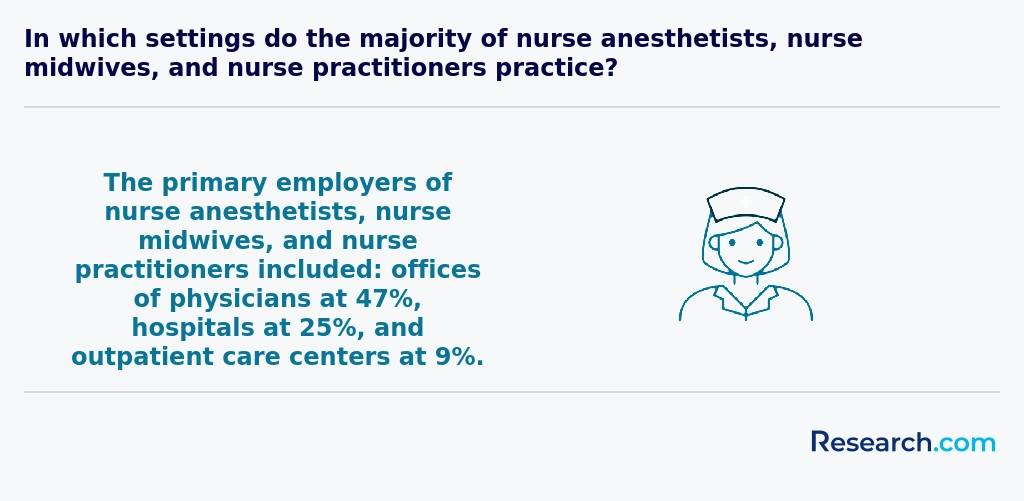
Other nursing graduates pursue careers as Licensed Practical Nurses (LPNs) or specialize further as Advanced Practice Registered Nurses (APRNs). APRNs, including Nurse Practitioners and Nurse Anesthetists, often find roles with greater independence and higher salaries, a natural progression for those looking to expand their impact within Columbia's healthcare community. Those interested in nurturing future professionals become nursing educators, often teaching at local colleges.
For students concerned about educational expenses, programs listed in the Inexpensive Online Nursing Degree Programs Ranking in Texas offer valuable alternatives. This practical guidance is essential when considering nursing career opportunities in Columbia, helping graduates navigate their options thoughtfully.
Healthcare administration and specialized fields such as pediatrics or oncology provide additional avenues, highlighting that a Columbia nursing degree job outlook is diverse and promising for motivated individuals eager to improve lives.
What is the job market for nursing degree in Columbia?
The nursing degree job opportunities in Columbia remain vibrant due to steady growth in healthcare needs and the presence of respected institutions like Prisma Health and the Medical University of South Carolina. Graduates often share how their clinical experiences at these centers paved the way to rewarding jobs in diverse settings such as hospitals, outpatient clinics, and community health programs. These environments provide rich opportunities to apply learned skills, making the transition from classroom to workforce smoother and more fulfilling.
Columbia nursing degree employment outlook is especially encouraging given the regional demand for qualified nurses. Graduates frequently comment on the positive impact of the supportive local job market, where starting salaries hover around $62,000 and increase with certifications or specialization. This makes nursing not only a stable career choice but one with tangible growth prospects.
For students weighing the cost of education, public nursing programs in Columbia offer reasonable tuition, often accompanied by scholarships or loan forgiveness, easing financial concerns. This balance of affordable education and strong job prospects enhances the appeal for those crafting their futures in nursing, especially when guided by insights from the most useful college majors.
Frequently Asked Questions About nursing
Nursing degree students in Columbia can maximize their learning experience by combining strong academic efforts with practical exposure. Engaging actively in clinical rotations allows students to apply classroom knowledge in real healthcare settings, which studies show improves critical thinking skills significantly. According to the American Association of Colleges of Nursing (AACN), participation in simulation labs can boost competency by up to 30%. Students should also seek mentorship from experienced nurses and faculty members to gain insights into the profession.
Time management and joining study groups help reinforce learning and prepare for licensure exams like the NCLEX-RN. Additionally, utilizing resources from accredited institutions and staying updated with Columbia's state nursing board requirements enhances professional readiness.
The nursing field in Columbia is expanding into several emerging niches, reflecting broader trends in healthcare. One notable area is telehealth nursing, which has grown rapidly due to increased digital healthcare services. Nurses in this niche provide remote patient monitoring and virtual care, helping to improve access in rural and underserved communities.
Another growing specialty is gerontological nursing, driven by Columbia's aging population. Nurses trained in this field focus on the unique needs of elderly patients, including chronic disease management and end-of-life care. According to the Bureau of Labor Statistics, jobs in gerontological nursing are projected to grow faster than average through 2030.
Additionally, oncology nursing is expanding as cancer treatments and survivorship care evolve. This specialty requires advanced training and offers opportunities in both clinical and research settings. Columbia-based institutions increasingly emphasize these niches in their nursing programs, preparing students for future healthcare demands.
After completing a nursing degree in Columbia, preparing for the job market involves several important steps. First, graduates must obtain licensure by passing the NCLEX-RN exam, which is required to practice as a registered nurse in the U.S. According to the National Council of State Boards of Nursing, the pass rate for first-time NCLEX-RN test takers from accredited programs averages around 85% nationally.
Networking is key; joining professional associations such as the American Nurses Association's local chapters in Columbia can provide job leads and mentorship. Additionally, seeking clinical experience through internships or volunteer work helps build practical skills employers value.
Staying current with nursing certifications in specialized fields like gerontology or pediatrics can improve employment prospects, as Columbia's healthcare sector grows due to its aging population (U.S. Census Bureau, 2023).
Employers in Columbia highly value nursing graduates who demonstrate strong clinical competence and critical thinking skills. According to the National Council of State Boards of Nursing (NCSBN), entry-level nurses must effectively assess patient needs and make sound decisions under pressure.
Communication skills are essential, as nurses collaborate with doctors, patients, and families. The American Nurses Association highlights that clear communication improves patient outcomes and safety.
Additionally, proficiency in electronic health record (EHR) systems is increasingly important. A 2023 survey by the Columbia Board of Nursing noted that 85% of employers prefer graduates familiar with digital documentation.
Finally, employers look for adaptability and continuous learning, reflecting the fast-changing healthcare environment in Columbia.
Finding internships in Columbia relevant to a nursing degree involves a combination of research, networking, and contacting educational institutions. Nursing students often begin by consulting their college's career services or nursing department, which typically maintain partnerships with local hospitals and clinics.
Columbia is home to several hospitals such as Palmetto Health and Prisma Health that offer clinical internships for nursing students. According to the South Carolina Nurses Association, these internships provide hands-on patient care experience critical for licensure and future employment.
Students can also explore internships through statewide resources like the South Carolina Department of Health and Environmental Control, which occasionally lists nursing internship opportunities. Additionally, professional nursing associations and local health organizations frequently post openings on their websites and social media.
Early planning is vital as nursing internships can be competitive. Volunteering or shadowing healthcare professionals can improve your chances of acceptance. Always ensure internships align with your nursing program's accreditation requirements to count towards your degree.
In Columbia, obtaining a nursing degree significantly enhances career mobility and advancement opportunities. According to the U.S. Bureau of Labor Statistics, registered nurses with a Bachelor of Science in Nursing (BSN) tend to have higher employment rates and access to more specialized roles than those with an Associate Degree in Nursing (ADN).
The demand for nurses with advanced education is growing, particularly in leadership, research, and specialized clinical positions. Nurses with degrees from accredited Columbia institutions are often preferred for promotions and management roles in healthcare facilities.
Higher education credentials also open pathways to advanced practice roles such as nurse practitioners and clinical nurse specialists. Columbia-based data suggests that professionals with at least a BSN earn approximately 15% more than those without.
Additionally, a nursing degree supports eligibility for further certifications and graduate programs, which further improve job prospects and salary potential.
Studying for a nursing degree in Columbia prepares students for interdisciplinary roles by emphasizing collaboration across healthcare professions. Nursing programs often include training in teamwork with doctors, pharmacists, social workers, and other specialists, reflecting current trends in patient-centered care. According to the American Association of Colleges of Nursing, over 80% of nursing curricula incorporate interprofessional education to build communication and leadership skills.
Columbia's nursing schools align with these standards by offering coursework and clinical experiences that require interaction with multiple healthcare disciplines. This approach equips graduates to coordinate care effectively, improve patient outcomes, and meet industry demands for versatile healthcare providers.
When choosing between a thesis and a non-thesis nursing degree program in Columbia, consider your career goals carefully. Thesis programs focus on research and require writing a formal thesis, which can prepare you for advanced roles or doctoral studies. Non-thesis programs usually emphasize practical skills and coursework, ideal for those aiming to advance clinically or in management.
According to the National League for Nursing, nearly 60% of graduate nursing students in the U.S. opt for non-thesis options to accelerate their entry into the workforce. Thesis programs often take longer, averaging 2-3 years, while non-thesis programs may be completed in about 18-24 months.
Additionally, Columbia's healthcare system demands strong clinical expertise, so non-thesis degrees can offer direct practical benefits. However, if you want to contribute to nursing knowledge or teach, a thesis might be advantageous. Make sure to review program specifics and accreditation before deciding.
Students based in Columbia interested in studying nursing abroad have several pathways involving the US higher education system. Many opt for associate or bachelor's degree programs at accredited US institutions, which are recognized globally for their rigorous curricula. These programs often include clinical placements, providing hands-on experience essential for licensure.
International students can apply to nursing schools that offer pathways like the Bachelor of Science in Nursing (BSN) or accelerated programs if they already hold a degree. According to the American Association of Colleges of Nursing (AACN), over 1,000 nursing programs across the US accept international applicants.
Visa requirements and language proficiency are key considerations. The Student and Exchange Visitor Program (SEVP) guides international student admissions. Many colleges provide resources to help with the licensing exam, the NCLEX-RN, which is mandatory for practice.
In Columbia, students pursuing nursing degrees have several part-time job options that complement their education while providing practical experience. Medical assistant roles are common, allowing students to support healthcare professionals and gain familiarity with clinical environments. These positions often pay between $14 and $18 per hour, according to the U.S. Bureau of Labor Statistics.
Patient care technician jobs are another opportunity, offering hands-on experience in patient monitoring and basic medical tasks. Working in long-term care centers or clinics helps students apply theoretical knowledge.
Additionally, positions such as pharmacy technician or health records assistant support learning about healthcare systems and administration.
Nursing students in Columbia benefit from numerous networking opportunities that can enhance their careers. Many universities in Columbia have active nursing student organizations that host events, workshops, and conferences. These gatherings help students connect with peers and experienced professionals. For instance, the Columbia Association of Nursing Students organizes annual meetings inviting local healthcare leaders.
Clinical placements often offer chances to build relationships with practicing nurses and supervisors, expanding professional networks early on. Additionally, partnerships between Columbia nursing schools and hospitals provide mentorship programs and job fairs.
According to the U.S. Bureau of Labor Statistics, networking is critical for nursing students to access internships and employment opportunities within the competitive Columbia healthcare market.
Alumni networks play a vital role for nursing degree students in Columbia by providing ongoing professional support and career opportunities. These networks connect students with experienced graduates who offer advice on job placements, internship openings, and advanced education pathways.
Having access to a wide network of nursing professionals within the state can increase the chances of securing preferred clinical rotations and employment. According to the Columbia Nurses Association, over 65% of nursing students report that alumni connections helped them find their first nursing job.
Alumni also share insights on licensure exam preparation and changing healthcare regulations, which is essential given Columbia's evolving healthcare standards.
Customizing a nursing degree program in Columbia to align with career goals is achievable by selecting specific degree types and elective courses. Students often choose between an Associate Degree in Nursing (ADN), Bachelor of Science in Nursing (BSN), or Advanced Practice Registered Nurse (APRN) tracks based on their professional objectives.
Many Columbia institutions offer concentrations such as pediatrics, geriatrics, or community health, allowing tailored skill sets. Clinical placements and internships can also be chosen to focus on desired specialties.
According to the Columbia Board of Nursing, BSN-prepared nurses have better job prospects, with a 16% employment growth projected through 2030, emphasizing the importance of aligning programs with market demands.
Advisors and faculty support students in designing study plans to maximize both academic and practical experiences relevant to their goals.
Nursing students in Columbia face several common challenges during their education. A primary difficulty is managing demanding clinical hours alongside coursework. Many students report balancing long shifts in hospitals with studying can affect their mental health. According to the National League for Nursing, stress and burnout are significant issues among nursing students nationwide, including those in Columbia.
Another challenge is the financial burden. Tuition and related expenses for nursing programs can be high, and many students must work part-time jobs, which adds to their time constraints. Additionally, the rigorous science and math prerequisites may be intimidating for some entering students.
Preparing for the NCLEX-RN licensure exam also creates pressure. Students must demonstrate strong critical thinking and practical skills to pass, making preparation intensive. Overall, nursing students in Columbia need resilience and strong time-management skills to overcome these hurdles.
With a nursing degree in Columbia, graduates can pursue several key professional certifications that enhance career opportunities and earning potential. Common certifications include the Registered Nurse (RN) license, which is required to practice nursing. Beyond that, nurses often seek specialized credentials such as Certified Nurse Practitioner (CNP), Certified Clinical Nurse Specialist (CNS), or Certified Nurse Midwife (CNM).
Additional certifications include Certified Registered Nurse Anesthetist (CRNA) and Basic Life Support (BLS) or Advanced Cardiovascular Life Support (ACLS). According to the National Council of State Boards of Nursing (NCSBN), over 75% of nurses nationally hold some form of specialty certification, improving patient care and professional development.
These certifications require passing exams and continuing education credits, often recognized across the US healthcare system, benefiting Columbia-based nurses aiming for advanced roles.
Writing a successful application for a nursing program in Columbia requires clear focus and preparation. Start by carefully reviewing the specific program requirements, which often include a minimum GPA and prerequisite courses such as biology and anatomy. Many programs ask for a personal statement or essay; use this to explain your passion for nursing and highlight relevant experiences.
Letters of recommendation play a vital role, so request them from professors or healthcare professionals familiar with your work. Additionally, prepare for any required entrance exams like the TEAS (Test of Essential Academic Skills), which many nursing schools use to assess academic readiness.
According to the National Council of State Boards of Nursing, Columbia has seen a 15% growth in RN employment, signaling strong demand. Emphasizing your commitment to serving this community can strengthen your application. Always meet deadlines and ensure all documents are complete to avoid disqualification.
A nursing career holds significant global importance, recognized for its critical role in healthcare systems worldwide. In the United States, including Columbia, nursing professionals enjoy strong demand driven by an aging population and expanding healthcare needs. According to the U.S. Bureau of Labor Statistics, employment of registered nurses is projected to grow 9% from 2020 to 2030, indicating steady opportunities.
Globally, nursing standards emphasize advanced education, with many countries encouraging bachelor's or higher degrees to improve patient outcomes. In Columbia, the pathway to becoming a registered nurse typically involves earning a Bachelor of Science in Nursing (BSN), aligning with U.S. best practices. This degree offers broad clinical training and leadership preparation.
International collaborations and exchange programs also boost the global perspective on nursing careers, supporting skill development and cultural competence among nurses. As healthcare challenges evolve, nursing remains a vital and respected profession with increasing educational and career advancement opportunities.
Gaining practical experience while studying for a nursing degree in Columbia is essential for career success. Many nursing programs in the U.S. require clinical rotations as part of the curriculum. These rotations occur in local hospitals, clinics, or long-term care facilities, allowing students to apply theoretical knowledge in real-world settings.
The American Association of Colleges of Nursing (AACN) notes that students typically complete between 500 and 700 clinical hours during their BSN programs. In Columbia, partnerships between educational institutions and healthcare providers ensure students have access to diverse clinical environments.
Additionally, students may pursue internships or volunteering opportunities to broaden their skills. These experiences improve hands-on abilities and increase employability upon graduation.
Choosing the right concentration within a nursing degree program in Columbia involves considering both your interests and career goals. Nursing concentrations vary from specialties like pediatric, geriatric, mental health, to critical care nursing. According to the U.S. Bureau of Labor Statistics, Columbia's healthcare sector is expected to grow by 15% through 2031, highlighting demand in diverse nursing roles.
Students should research which specializations align with job availability in Columbia's hospitals and clinics. Exploring programs that offer clinical rotations and internships in your interest area can provide practical experience. Additionally, understanding licensure requirements in South Carolina for your chosen field is vital, as certifications may differ by concentration.
Related Nursing Rankings for Nearby Cities
- 2027 Most Popular Nursing Degree Programs Ranking in Charlotte
- 2027 Most Popular Nursing Degree Programs Ranking in Macon
- 2027 Most Popular Nursing Degree Programs Ranking in Atlanta
- 2027 Most Popular Nursing Degree Programs Ranking in Jacksonville
- 2027 Most Popular Nursing Degree Programs Ranking in Birmingham
- 2027 Most Popular Nursing Degree Programs Ranking in Orlando
- 2027 Most Popular Nursing Degree Programs Ranking in Louisville
- 2027 Most Popular Nursing Degree Programs Ranking in Cincinnati
- 2027 Most Popular Nursing Degree Programs Ranking in Washington
- 2027 Most Popular Nursing Degree Programs Ranking in Columbus
Top Trending Nursing Rankings
See What Experts Have To Say About Studying Nursing
Read our interview with Nursing experts

Lisa Grubb
Nursing Expert
Assistant Professor
Johns Hopkins School of Nursing

References
- Why Nurses Are One Of The Top In-Demand Professions https://columbia.ca/nurses-one-top-demand-professions-next-ten-years/
- Tips for Creating a Perfect Nursing School Application https://www.allnursingschools.com/articles/how-to-create-the-perfect-nursing-school-application/
- Nursing Tuition Grant https://studentaidbc.ca/explore/grants-scholarships/nursing-tuition-grant
- How Do Nurses Prepare to Work in a Multidisciplinary Team? | NursingEducation https://nursingeducation.org/insights/multidisciplinary-team/
- What Are the Best Jobs to Work While in Nursing School? https://www.dewv.edu/what-are-the-best-jobs-to-work-while-in-nursing-school/
- Interdisciplinary Education and Practice https://www.aacnnursing.org/news-data/position-statements-white-papers/interdisciplinary-education-and-practice
- Nursing Internship and Externship Programs https://jobs.mayoclinic.org/nursinginternexternprograms
- The Nurses' Alumni Association https://giving.mainlinehealth.org/get-involved/auxiliaries-and-womens-boards/lankenau-medical-center-womens-board/the-nurses-alumni-association
- What Are the Best RN Certifications for Your Career? https://credenzahealth.com/career-advice/what-are-the-best-rn-certifications-for-your-career
- Client Challenge https://www.springerpflege.de/nursing-graduates-perceived-future-career-pathway-and-career-shi/50653658


