
2027 Most Popular Nursing Degree Programs Ranking in Denver

Co-Founder and Chief Data Scientist
Choosing the right nursing degree program in Denver can be a challenging step toward a rewarding career. This article presents the 2027 Most Popular Nursing Degree Programs Ranking in Denver, created by the Research.com team of data scientists to help you make an informed decision.
By exploring this ranking, you'll gain valuable insights into the programs that stand out for quality and popularity. Whether you're starting fresh or advancing your skills, a nursing degree opens doors to meaningful work and lasting impact in healthcare.
Discover the options that fit your goals and take your first step with confidence.
Key benefits of getting nursing degree in Denver
- Registered Nurses in Denver can expect an average annual salary of $94,480, while Operating Room Nurses earn significantly more, around $128,490, offering strong financial rewards for nursing degree graduates.
- A nursing degree opens doors to diverse career paths in Denver, from Clinical Nurse Educator roles to Public Health Nursing, allowing graduates to choose a path that fits their passion and lifestyle.
- Completing a nursing degree online from a reputable Denver university offers flexible scheduling and the ability to balance work and study, making it easier for busy students to achieve their goals.
- Key benefits of getting nursing degree in Denver
- What can I expect from nursing degree in Denver?
- Where can I work with nursing degree in Denver?
- How much can I make with nursing degree in Denver?
- 2027 Most Popular Nursing Degree Programs Ranking in Denver
- Key Findings
- How long does it take to complete nursing degree in Denver?
- LPN to RN Bridge Programs and Fast-Track Practical Nursing Pathways
- What's the difference between online and on-campus nursing degree?
- Accreditation and NCLEX-RN Licensure Requirements in Colorado
- What is the average cost of nursing degree in Denver?
- Accreditation and Licensing Requirements for Nursing Programs in Colorado
- What financial aid is available to nursing degree students in Denver?
- Licensure and NCLEX Requirements
- What are the prerequisites for enrolling in nursing degree program in Denver?
- Selecting the Right Nursing Program in Denver, CO
- What courses are typically in nursing degree programs in Denver?
- What types of specializations are available in nursing degree programs in Denver?
- How do you choose the best nursing degree in Denver?
- What career paths are available for nursing degree students in Denver?
- What is the job market for nursing degree in Denver?
- Top Trending Nursing Rankings
- See What Experts Have To Say About Studying Nursing
What can I expect from nursing degree in Denver?
When planning for a nursing degree in Denver, expect tuition costs to vary based on the institution and program level. Graduates from public universities often share that their expenses felt more manageable compared to peers at private schools. For example, students at community colleges pursuing associate degrees generally benefit from the most affordable tuition, allowing them to build a solid foundation without overwhelming debt.
Attending a private school like Regis University to earn a Bachelor of Science in Nursing (BSN) may come with higher tuition but offers rigorous curricula and valuable clinical experiences. Many graduates recall the investment felt worthwhile due to the strong connections with local hospitals like Denver Health Medical Center. Also, financial aid and scholarships play a crucial role in lightening the financial load, and students are encouraged to explore these options early.
Ultimately, nursing students in Denver find that while tuition varies, the practical training and supportive environment make the cost a meaningful step toward a rewarding healthcare career.
Where can I work with nursing degree in Denver?
With a nursing degree from a respected Denver institution like the University of Colorado Anschutz Medical Campus, you step into a world full of rewarding career options. Graduates I've mentored often find themselves thriving in major hospitals such as UCHealth or Denver Health, where they deliver critical care in fast-paced environments like emergency rooms or specialty clinics. Imagine the satisfaction of working alongside compassionate teams, making real-time impacts on patients' lives.
Many graduates also discover fulfilling roles in community health centers and outpatient clinics, addressing preventive care and managing chronic conditions. This path allows you to build lasting patient relationships while responding to Denver's growing healthcare needs. Others pursue opportunities in long-term care facilities like Covenant Living, where supporting elderly patients brings a deep sense of purpose.
Some choose to specialize in home health care, visiting patients' homes and helping them age comfortably. Nursing students from local colleges appreciate the flexibility and personal connection this path offers. If research or teaching excites you, Denver's academic institutions provide avenues to shape future healthcare innovations and educate the next generation of nurses.
Remember, licensure through the Colorado Board of Nursing opens doors across these varied settings, empowering you to adapt and grow in Denver's vibrant healthcare community.
How much can I make with nursing degree in Denver?
Graduates from nursing programs in Denver, such as those at the University of Colorado Denver or Colorado Christian University, find that earning potential is strong and steadily climbing. Starting roles like Registered Nurse, Clinical Nurse Educator, and Public Health Nurse all offer a mean annual wage of about $94,480, reflecting both the city's demand and competitive pay scale.
Imagine a recent graduate stepping into a hospital role in Denver, earning around $45 per hour, which covers a comfortable lifestyle given the moderate cost of living here. Those who pursue specialized fields, like becoming an Operating Room Nurse, can look forward to a significantly higher salary-averaging $128,490 annually-rewarding the additional training and skills they've earned.
Denver nurses appreciate not just monetary benefits but also a supportive healthcare community and opportunities for growth. Graduates often share excitement about advancing to specialized roles where their dedication is handsomely recognized. For students at local colleges, this paints an encouraging future-a career path where passion meets financial reward.
2027 Most Popular Nursing Degree Programs Ranking in Denver
How do we rank schools?
Investing in your education is a significant decision that can shape your future, and the Research.com team understands the importance of making informed choices. To assist prospective students, we have meticulously crafted the "2027 Most Popular Nursing Degree Programs Ranking in Denver." Our commitment to quality, credibility, and accuracy is reflected in the extensive research and analysis conducted to compile this ranking.
We utilized the following reputable data sources to ensure a comprehensive evaluation of nursing programs:
By exploring this ranking, readers will gain valuable insights into the best nursing degree programs available in Denver, helping them make informed decisions about their educational paths. For more details on our methodology, please visit our Research.com methodology page.


Key Findings
- ADN programs at community colleges in Denver cost between $6,000 and $12,000 per year, while BSN programs at public universities range from $12,000 to $18,000 annually for in-state students.
- Private nursing colleges may charge over $30,000 per year, with additional costs for books, uniforms, licensing exams, and clinical supplies.
- Entry-level registered nurses in Denver earn about $65,000 yearly, with salaries rising to $85,000 or more as they gain experience and certifications.
- The Denver area is expected to see a 15% increase in nursing jobs over the next decade, driven by population growth and healthcare needs.
- Nursing licensure in Colorado requires passing the NCLEX-RN exam and meeting state board criteria, with many local programs offering exam preparation and clinical placements.
How long does it take to complete nursing degree in Denver?
Completing a nursing degree in Denver is a journey tailored to your background and goals. Many fresh starters find the Associate Degree in Nursing (ADN) at places like Community College of Denver ideal, finishing in about 2 to 3 years. Graduates often share how quickly they were able to step into nursing roles and make a real impact.
If you aim for a more in-depth experience, the Bachelor of Science in Nursing (BSN) programs at Metropolitan State University of Denver or University of Colorado Denver typically take 4 years. Graduates appreciate the leadership and research skills gained, opening doors to diverse career paths.
For career changers with a previous bachelor's degree, accelerated BSN programs available at the University of Colorado Anschutz Medical Campus speed up the process to 12-18 months, making a swift transition possible without sacrificing quality.
Those pursuing advanced nursing roles, like nurse practitioners, often dedicate 2 additional years in Master of Science in Nursing (MSN) programs. Many students find part-time and online options here helpful to balance work and study.
LPN to RN Bridge Programs and Fast-Track Practical Nursing Pathways
Many prospective nurses begin their careers as Licensed Practical Nurses (LPNs) to gain hands-on experience and enter the workforce quickly. LPN programs in Denver typically combine anatomy, pharmacology, and clinical practicums, with completion times varying by format. For those interested in accelerated options, you can explore how long does it take to get lpn and identify programs that suit your schedule. Key benefits of LPN pathways:
- Rapid entry: Most LPN certificates require 12–18 months of full-time study, allowing you to start earning sooner.
- Clinical exposure: Early patient care responsibilities build foundational skills in medical-surgical and long-term care settings.
- Bridge options: After earning your LPN, many Denver colleges offer LPN-to-RN bridge programs-often 1–2 years-that admit LPNs directly into advanced nursing courses.
- Financial flexibility: Part-time, evening, and online LPN courses help balance work and study, with many students qualifying for financial aid and scholarships. Top LPN to RN bridge features:
- Credit transfers for LPN coursework, reducing total semesters.
- Dedicated clinical rotations at partner hospitals like Denver Health.
- NCLEX-RN preparation integrated into upper-division nursing courses.
- Advising support to streamline licensure applications and credentialing. By starting as an LPN and leveraging a bridge program, you can maximize clinical experience, minimize tuition, and transition smoothly to Registered Nurse roles in Denver’s growing healthcare market.
What's the difference between online and on-campus nursing degree?
Choosing between online and on-campus nursing degrees in Denver comes down to your lifestyle and learning preferences. Online programs offer amazing flexibility, letting you study around work or family commitments with lectures and assignments accessible any time. Graduates from these programs often praise how digital platforms empowered them to learn at their own pace while still completing essential clinical hours at local healthcare facilities, thanks to partnerships with hospitals near Denver.
On the other hand, on-campus nursing degrees, such as those at the University of Colorado Denver, immerse you in hands-on learning through labs and direct instructor interaction. Many students find the energy of campus life and immediate feedback boosts their confidence in patient care skills. The tight-knit environment nurtures valuable connections with peers and mentors, something online formats can't fully replicate.
Financially, online options may save on commuting and housing, but technology fees can add up. Denver nursing students share that both pathways have rewarding outcomes, so consider how you learn best and your daily responsibilities when making this life-changing choice.
Accreditation and NCLEX-RN Licensure Requirements in Colorado
Ensuring that your nursing program is properly accredited and meets Colorado’s licensure requirements is essential for a seamless transition from student to practicing RN. Accreditation not only guarantees program quality but also determines eligibility for the NCLEX-RN exam and state licensure. • Accreditation Bodies Programs in Denver should be accredited by the Commission on Collegiate Nursing Education (CCNE) or the Accreditation Commission for Education in Nursing (ACEN). Accreditation confirms that the curriculum, faculty credentials, and clinical partnerships meet rigorous national standards. • Colorado State Board of Nursing (COBN) Approval Besides institutional accreditation, verify that your chosen program holds COBN approval. This state endorsement ensures compliance with Colorado-specific educational and clinical hour requirements. • NCLEX-RN Application Process 1. Graduate from a COBN-approved nursing program. 2. Submit an application to the Colorado State Board of Nursing, including official transcripts and a criminal background check. 3. Register and pay the fee for the NCLEX-RN through Pearson VUE. 4. Receive your Authorization to Test (ATT) and schedule your exam within the validity period. • NCLEX-RN Pass Rates High first-time pass rates reflect both student preparedness and program quality. Denver programs often boast pass rates above the national average of 87%. Prospective students should compare published pass rates when evaluating programs. • Continuing Education and Advanced Practice Paths Upon licensure, consider advanced degrees or certifications to expand your scope of practice. For example, many graduates leverage online master’s programs to become Nurse Practitioners or Clinical Nurse Specialists-often selecting options featured in our Most Affordable Online Master's in Nursing Degree Programs Ranking in the West for flexible, accredited pathways. By choosing a program that aligns with CCNE or ACEN standards and fully complies with Colorado’s licensure regulations, you’ll be well-positioned to pass the NCLEX-RN and launch a successful nursing career in Denver.
What is the average cost of nursing degree in Denver?
The average nursing degree cost Denver students face is shaped largely by their residency status and choice of institution. For in-state students attending public universities, the median total cost stands near $11,124, making it a more affordable path for many. Graduates from these programs often reflect positively on the value they received, balancing quality education with manageable expenses. On the other hand, out-of-state students and those attending private colleges see median total costs around $48,929, a significant difference but one that mirrors the comprehensive educational experience and resources these institutions provide.
When considering the cost of nursing programs in Denver, it's important to think about the type of degree as well. Associate Degree in Nursing programs typically incur lower overall costs compared to Bachelor of Science in Nursing degrees, which deliver broader opportunities for clinical growth and career advancement. Students who chose popular nursing colleges in Denver often share stories of financial challenges offset by scholarships and aid, helping make their journey feel achievable despite higher tuition.
Beyond tuition, remember that supplies like books and uniforms add to expenses, as do living costs, which can be notable in Denver's vibrant urban environment. Exploring local financial aid and grants, including programs like the Colorado Opportunity Scholarship Initiative, can ease these burdens. For insight into top educational options and to compare costs, consider reviewing the best popular nursing colleges in Colorado to find the right fit for your ambitions and budget.

Accreditation and Licensing Requirements for Nursing Programs in Colorado
Ensuring your nursing degree is accredited by recognized bodies like the Commission on Collegiate Nursing Education (CCNE) or the Accreditation Commission for Education in Nursing (ACEN) is the first critical step toward earning your RN license in Colorado. Accredited programs not only meet rigorous quality standards but also qualify you to sit for the NCLEX-RN exam, which is administered by the Colorado Board of Nursing. Without passing the NCLEX-RN, graduates cannot legally practice as registered nurses in the state. Most Colorado nursing programs list their accreditation status prominently on their websites. Look for CCNE or ACEN logos on program pages and verify them against the accreditor’s official listings. Additionally, confirm that clinical rotations are approved by state healthcare facilities-this ensures that your hands-on training hours count toward licensure requirements. Graduates often recommend contacting program advisors early to discuss clinical placement options, especially in high-demand specialties. For students planning to advance into nurse practitioner roles, understanding state-specific scope-of-practice laws is vital. Colorado grants autonomous practice authority to Nurse Practitioners (NPs) after completing a graduate-level NP program and obtaining APRN licensure. If you’re considering a Psychiatric Mental Health Nurse Practitioner (PMHNP) track or another advanced specialty, explore affordable options that meet these standards-many candidates find value in our ranking of cheapest online psychiatric nurse practitioner programs to balance cost with accreditation quality. Before applying, compile a checklist of required coursework (such as anatomy, physiology, and pharmacology), minimum GPA thresholds, and standardized assessments like the TEAS or ACT. Finally, submit fingerprints and background checks as mandated by the Colorado Board of Nursing. By prioritizing accredited programs and clear licensing pathways, you’ll streamline your journey from student to practicing nurse in Denver’s thriving healthcare environment.
What financial aid is available to nursing degree students in Denver?
When pursuing a nursing degree in Denver, you'll find a variety of financial aid options tailored to ease your journey. Graduates from schools like the University of Colorado Denver often share how federal aid, especially Pell Grants and Direct Subsidized Loans, provided crucial support early on, covering thousands without immediate repayment worries.
State programs like the Colorado Opportunity Scholarship Initiative (COSI) can be a game-changer, particularly for residents attending local colleges. Many recall how this helped bridge gaps in tuition costs. Additionally, the Colorado Health Service Corps offers scholarships and loan repayment opportunities for those ready to serve underserved communities, bringing purpose and financial relief simultaneously.
Institutions such as Metropolitan State University of Denver frequently award scholarships based on merit or need, fueling motivation with recognition and funds. Many nursing students also find encouragement and financial backing through employer tuition reimbursement, especially if juggling work in Denver's bustling healthcare sector.
Don't overlook national private scholarships either, like those from the AACN or NSNA, often highlighted as lifesavers in success stories. By tapping into these layered options, your nursing dream in Denver feels within inspiring reach.
Licensure and NCLEX Requirements
Before you can practice as a registered nurse in Denver, you must meet Colorado’s licensure standards and pass the NCLEX-RN exam:
- Apply for licensure with the Colorado Board of Nursing and pay the application fee
- Submit fingerprints for a state and federal criminal background check
- Register for the NCLEX-RN exam through Pearson VUE and schedule your test date
- Achieve a passing NCLEX score (Colorado’s recent average pass rate is around 87%)
Choosing a CCNE- or ACEN-accredited program ensures your education satisfies state requirements. For guidance on selecting a program with a smoother admissions process, explore whats the easiest nursing program to get into?
What are the prerequisites for enrolling in nursing degree program in Denver?
To enroll in a nursing degree program in Denver, you'll first need a high school diploma or GED-this foundational step is non-negotiable. Many students at well-known Denver colleges recall how mastering core sciences like biology and chemistry, along with algebra or higher-level math, laid the groundwork for understanding the complex nursing coursework ahead.
At institutions like Metropolitan State University of Denver or the University of Colorado Denver, applicants often share how completing anatomy and physiology courses, even when optional, gave them confidence and a competitive edge during admissions.
Standardized testing is another key hurdle. The TEAS exam is widely used to assess critical academic skills, and graduates frequently talk about how preparing for it sharpened their focus and boosted their chances.
Beyond academics, nursing programs in Denver value personal qualities such as compassion, effective communication, and critical thinking-traits vital for real-world clinical settings. Graduates often emphasize how these skills became their anchor when navigating demanding clinical rotations across Denver's healthcare centers.
Finally, expect to complete background checks and immunization requirements to ensure smooth placement in hands-on training. Meeting these prerequisites not only opens doors but also prepares you for the rewarding, life-changing journey of nursing.
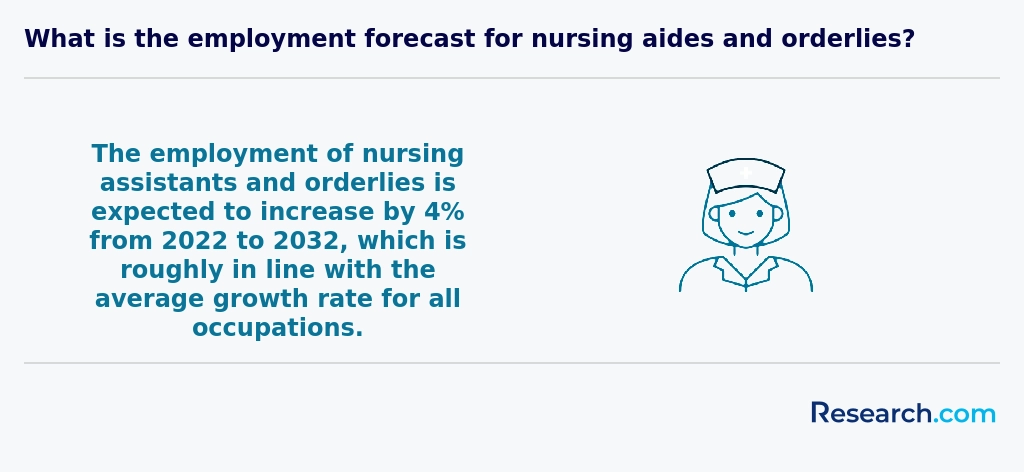
Selecting the Right Nursing Program in Denver, CO
When considering a nursing degree in Denver, CO, prospective students face a myriad of options, each with its unique strengths and specializations. To navigate this complex landscape effectively, it's essential to evaluate programs based on several critical factors. One of the first steps is to ensure that the program is accredited by a recognized accrediting agency, such as the Commission on Collegiate Nursing Education (CCNE), as this not only ensures the quality of the education but also prepares students for the NCLEX-RN exam, a crucial step towards becoming a licensed nurse. Furthermore, the variety of programs offered, including traditional BSN, accelerated BSN, and RN to BSN options, should be considered in light of individual career goals and circumstances. For those interested in specializing, programs that offer specialized tracks, such as pediatrics, mental health, or public health, can provide a deeper engagement with specific areas of healthcare. Clinical experience is another vital aspect, as hands-on training in diverse healthcare settings is indispensable for preparing students for the realities of nursing practice. The reputation of the program, as indicated by NCLEX pass rates and job placement statistics, can also provide valuable insights into the program's efficacy. Additionally, understanding the cost of the program and the availability of financial aid is crucial for making an informed decision that aligns with one's financial situation. Student support services, including academic advising and career counseling, play a significant role in enhancing the educational experience and facilitating success. For more information on navigating the nursing education landscape and finding the best popular nursing colleges, prospective students should research thoroughly, considering factors that best align with their goals and aspirations.
What courses are typically in nursing degree programs in Denver?
In Denver, nursing degree programs typically immerse you in a blend of foundational sciences and hands-on nursing skills that prepare you for real-world challenges. Many graduates from well-known institutions, such as the University of Colorado Denver, recall starting with courses like human anatomy, physiology, microbiology, and chemistry - all essential to truly understanding the human body and the science behind illness.
As you advance, expect engaging classes such as Fundamentals of Nursing, where you practice patient assessments and basic care techniques, and Pharmacology, which teaches medication management critical in any healthcare setting. Graduates often emphasize how Pathophysiology deepened their grasp of disease mechanisms, enhancing their confidence in clinical decision-making.
Clinical rotations at leading Denver hospitals offer invaluable experiences, allowing you to translate book knowledge into compassionate patient care. You'll also encounter specialized courses like Medical-Surgical Nursing, Maternity and Pediatric Nursing, and Mental Health Nursing, each broadening your skills for diverse patient needs. Many students from local colleges highlight the sense of purpose gained when applying lessons in community and public health nursing, directly impacting Denver's diverse populations.
What types of specializations are available in nursing degree programs in Denver?
Nursing degree specializations in Denver offer an exciting range of focused paths that prepare students to impact various healthcare needs. Graduates from popular programs in Denver's universities often highlight areas like Family Nurse Practitioner (FNP), where they learn to deliver comprehensive primary care across all age groups, an essential skill in many community clinics around the metro area.
Denver nursing program concentration options also include Psychiatric-Mental Health Nursing. Many students feel inspired pursuing this specialization as they see firsthand the growing mental health challenges locally and statewide. It aligns well with the increasing demand for specialized nurses, making it a promising career route. For those drawn to caring for children, pediatric nursing provides vital skills relevant to Denver's children's hospitals.
Some students choose adult-gerontology acute care, gaining confidence to treat complex conditions in hospital environments. Others pursue neonatal nursing, dedicated to vulnerable newborns in advanced perinatal units. Beyond these, graduate students often explore fields like oncology, emergency nursing, and nurse anesthesia to match Denver's diverse healthcare needs. If interested in this field, consider exploring the ranking of cheapest online psychiatric nurse practitioner programs to find affordable options that fit your goals.
How do you choose the best nursing degree in Denver?
Choosing the best nursing degree programs Denver offers means balancing several important factors tailored to your unique situation. Graduates from the University of Colorado Denver often share how the strong clinical partnerships with local hospitals transformed their learning into confident real-world skills. When selecting a program, look for those accredited by recognized bodies like CCNE or ACEN to ensure your education meets Colorado's licensure requirements and employers' expectations.
Many students wrestle with cost concerns, as tuition varies widely. Affordable nursing schools in Denver can be found that offer quality education without overwhelming debt. Consider expenses beyond tuition, including supplies and transportation, and explore financial aid options thoroughly. Also, think about which program format fits your life-whether traditional in-person classes or flexible options like online or hybrid programs, which can be ideal if you're juggling work or family.
Finally, if you're curious about your pathway and how long does it take to get lpn, plenty of local programs provide clear timelines and supportive environments to keep you motivated and on track to success.
What career paths are available for nursing degree students in Denver?
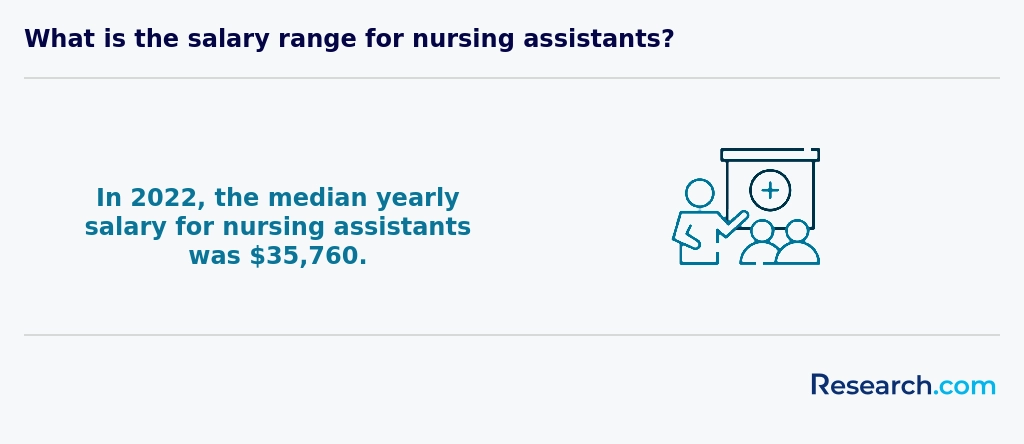
Graduates with a nursing degree in Denver find themselves stepping into a world rich with meaningful career paths. Many begin as Registered Nurses (RNs), gaining hands-on experience in busy hospitals or clinics across the city. Some advance toward becoming Nurse Practitioners, where further education unlocks the ability to provide independent care-often inspired by mentors at institutions like Metropolitan State University of Denver. Others focus on specialized roles like Clinical Nurse Specialist, shaping patient care in fields such as oncology or pediatrics. I've seen graduates from local nursing programs thrive as Nurse Educators, sharing their passion in classrooms and helping meet Denver's increasing demand for skilled instructors.
For those interested in community impact, Public Health Nursing presents a fulfilling option, engaging in outreach and prevention throughout Denver's diverse neighborhoods. Exploring nursing career opportunities in Denver also means considering paths beyond bedside care; healthcare administration and informatics attract many who want to influence systemic change. To help map out these options, students often research programs like the Most Affordable Online Master's in Nursing Degree Programs Ranking in the West to plan further education and career growth.
What is the job market for nursing degree in Denver?
The nursing degree job outlook Denver offers is truly encouraging, especially for recent graduates from institutions like the University of Colorado Denver or Regis University. With major hospitals such as Denver Health Medical Center actively seeking new nurses, many graduates find themselves stepping confidently into roles that match their skills and ambitions. The strong demand fueled by an aging population and chronic disease management creates a steady flow of job openings across diverse healthcare settings.
Denver nursing job market trends reveal that salaries average around $82,000 annually, which for many is a meaningful reward for their dedication and hard work during nursing studies. Graduates often share how the city's expanding healthcare system provides them with opportunities to grow, including advanced practice roles. For those looking to advance quickly, exploring fast track degree programs online can be a practical step toward success.
Frequently Asked Questions About nursing
Nursing degree students in Denver can maximize their learning experience by engaging in both classroom and clinical settings. Local institutions like the University of Colorado Denver and Regis University offer practical rotations at reputable hospitals such as Denver Health Medical Center, ensuring hands-on experience.
Students should also take advantage of simulation labs, which replicate real-world medical scenarios, enhancing critical decision-making skills. According to the Colorado Center for Nursing Excellence, 72% of Denver nurses reported improved competencies through clinical practice.
Networking through local nursing associations and attending workshops helps students stay updated on healthcare trends and build professional connections vital for future employment.
The nursing field is rapidly evolving, offering new specialized career paths. In Denver, emerging niches include geriatric nursing, driven by Colorado's growing senior population. The Denver metro area expects a 15% increase in patients aged 65 and older by 2030, intensifying demand for nurses skilled in elder care (Colorado Health Institute, 2023).
Another expanding area is telehealth nursing, especially after recent advancements in remote healthcare technologies. Nurses in this niche support virtual patient monitoring and care coordination, which has grown by over 20% statewide since 2020 (Colorado Department of Public Health & Environment).
Finally, psychiatric and mental health nursing are critical in Denver, where mental health concerns have increased. These roles focus on holistic patient care in hospitals and community clinics. Staying informed about these niches can guide prospective students toward in-demand nursing specialties.
After completing a nursing degree in Denver, preparing for the job market involves several practical steps. First, obtaining licensure through the NCLEX-RN exam is essential, as it is required to practice as a registered nurse in Colorado. The Colorado State Board of Nursing provides detailed requirements and support resources for new graduates.
Networking can significantly improve employment prospects. Denver's health sector is robust, with Hospital Corporation of America and UCHealth being major employers. Attending local healthcare job fairs and joining professional organizations like the Colorado Nurses Association can open doors to opportunities.
Additionally, gaining hands-on experience through internships or volunteer roles in Denver-area hospitals enhances a resume and develops practical skills. According to the U.S. Bureau of Labor Statistics, registered nurses in Colorado enjoyed an 8% job growth rate from 2020 to 2030, reflecting steady demand in the region.
Employers in Denver highly value nursing graduates who demonstrate strong clinical skills and critical thinking. According to the Colorado Center for Nursing Excellence, practical experience with patient care is essential. Graduates with expertise in electronic health records (EHR) and familiarity with Denver Health's protocols have an advantage in the local job market.
Communication remains a top priority. Nurses must effectively collaborate with patients, families, and interdisciplinary teams. Leadership and adaptability are also sought-after, especially as Denver's healthcare system grows and evolves.
Lastly, a commitment to cultural competence is vital, reflecting Denver's diverse population and improving patient outcomes across various communities.
Finding nursing internships in Denver involves leveraging local healthcare facilities and educational resources. Many hospitals like Denver Health and UCHealth offer structured internship programs for nursing students. In addition, nursing schools in Denver, such as the University of Colorado College of Nursing, often have partnerships with these institutions to facilitate placements.
Students should start by contacting their school's career services or nursing department, as they maintain updated lists of available opportunities. The Colorado Center for Nursing Excellence also provides a platform listing openings for clinical experiences.
Networking at local healthcare job fairs and professional nursing associations, such as the Colorado Nurses Association, can increase internship chances. Denver's healthcare industry continues to grow, offering nearly 3,000 nursing job postings annually, which signals abundant clinical training opportunities.
A nursing degree significantly enhances career mobility and advancement opportunities in Denver's healthcare sector. According to the Colorado Center for Nursing Excellence, Denver's demand for registered nurses is projected to grow by over 15% through 2029, reflecting expanding healthcare needs.
Holding a degree, especially a Bachelor of Science in Nursing (BSN), opens doors to specialized roles such as nurse educators, clinical nurse specialists, and nurse managers. Employers in Denver increasingly prefer or require BSN-prepared nurses, with some hospitals offering higher salaries and leadership tracks to degree holders.
Advanced degrees like a Master of Science in Nursing (MSN) further strengthen prospects in administration or nurse practitioner roles, crucial in Colorado's evolving healthcare landscape.
Studying for a nursing degree in Denver offers students comprehensive preparation for interdisciplinary roles within healthcare teams. Programs emphasize collaboration with professionals from fields such as medicine, social work, and pharmacy to improve patient outcomes. Many Denver nursing schools incorporate simulation labs and clinical rotations at local hospitals like UCHealth and Denver Health, exposing students to real-world team dynamics.
According to the Colorado Center for Nursing Excellence, 67% of nursing graduates in Denver report strong interdisciplinary skills upon graduation. Curriculum in Denver often includes courses on communication, ethics, and health informatics, essential for working across diverse healthcare disciplines.
This approach aligns with nationwide trends promoting integrated care and teamwork in increasingly complex healthcare environments.
When choosing between a thesis and a non-thesis nursing degree program in Denver, consider your career goals carefully. A thesis option involves conducting original research, which is ideal if you plan to pursue advanced studies or a research-focused nursing role. Non-thesis programs typically focus on clinical practice and coursework, better suited for those seeking to enter or advance in direct patient care roles more quickly.
In Denver, local universities like the University of Colorado offer both options, with approximately 40% of nursing graduate students opting for thesis tracks based on data from the National League for Nursing. This reflects a balanced demand for both research and practical skills in the region's healthcare job market.
Time commitment also varies: thesis programs require more months dedicated to study and writing, while non-thesis degrees often allow for faster program completion. Consider your schedule flexibility and whether you desire to contribute to nursing science through research.
Students based in Denver who wish to study nursing abroad have several options through U.S. institutions offering international exchange programs and partnerships. Many nursing programs in Colorado, including those at the University of Colorado Denver, provide study abroad opportunities in countries such as Ireland, Australia, and Spain. These programs allow students to complete clinical rotations or coursework abroad while earning credits toward their U.S. nursing degree.
The number of Colorado nursing students participating in study abroad programs has steadily increased, reflecting a growing interest in global health perspectives. According to the Institute of International Education, more than 20% of health profession students nationwide engaged in some form of international study in recent years.
Additionally, students can consider accredited online nursing programs with global clinical placements, which offer flexibility alongside valuable international experience. Advisors at Denver colleges often recommend exploring scholarships and grants specifically designed to support study abroad in health sciences.
Students pursuing nursing degrees in Denver can find several part-time job opportunities that complement their education while providing practical experience. Common roles include Certified Nursing Assistant (CNA) positions, which allow students to develop direct patient care skills essential for registered nursing.
Additionally, many healthcare facilities in Denver hire medical scribes and patient care technicians. These jobs help students learn medical terminology and clinical workflows, enhancing their understanding of hospital environments.
According to the Colorado Department of Labor and Employment, healthcare support roles are projected to grow by nearly 15% through 2028, offering ample opportunities for nursing students to balance work and study.
Nursing students in Denver benefit from a variety of networking opportunities that enhance their educational and professional development. Many local colleges and universities, such as the University of Colorado Denver and Metropolitan State University of Denver, host nursing-specific career fairs and networking events annually.
Additionally, Denver's strong healthcare sector, including institutions like Denver Health and UCHealth, offer clinical placements and externships, providing students with direct contact to practicing professionals.
Professional organizations, such as the Colorado Nurses Association, hold regular meetings and conferences in Denver, allowing students to connect with licensed nurses and healthcare leaders. These activities are vital for building connections that can lead to job placements and mentorship.
Alumni networks play a crucial role in supporting nursing degree students in Denver. These networks offer valuable connections to experienced professionals working in local healthcare facilities. According to the Colorado Center for Nursing Excellence, Denver has a growing demand for nurses, making networking essential for job placement and career advancement.
Students benefit from mentorship opportunities provided by alumni, helping them navigate challenges in nursing education and clinical practice. Many Denver nursing schools facilitate events where alumni share insights on licensing exams and continuing education requirements.
Additionally, alumni networks often provide access to job boards and internships specific to the Denver area, increasing students' chances of employment after graduation.
Customizing a nursing degree program in Denver involves selecting electives and clinical experiences aligned with your career goals. Many local programs, such as those at the University of Colorado Denver and Regis University, offer specialized tracks in areas like pediatric, geriatric, or psychiatric nursing. This allows students to gain focused knowledge and skills. Additionally, Denver's healthcare partnerships provide opportunities for diverse clinical placements.
Students can also pursue certifications alongside their degrees, such as Certified Nurse Assistant (CNA) or specialized nurse practitioner credentials, which enhance employability in Colorado's competitive nursing market. According to the Colorado Center for Nursing Excellence, tailored education increases graduates' job satisfaction and retention.
Nursing students in Denver face several common challenges throughout their education. One major difficulty is balancing demanding clinical hours with coursework and personal responsibilities. Many programs in the region require upwards of 40 hours per week in clinical settings, which can be physically and emotionally taxing.
Financial stress is another significant issue. According to the Colorado Department of Higher Education, average tuition for nursing programs in Denver ranges from $8,000 to $20,000 per year, not including additional costs such as nursing supplies and certification exams.
Students also encounter competitive admission processes due to high demand. Additionally, adapting to rapidly evolving healthcare technologies and rigorous licensing exam requirements creates further pressure on nursing students.
With a nursing degree in Denver, you can pursue various professional certifications that enhance your career opportunities. Popular certifications include the Certified Nurse Assistant (CNA), Licensed Practical Nurse (LPN), and Registered Nurse (RN) credentials, which are foundational to the nursing profession. Advanced certifications such as the Certified Nurse Midwife (CNM), Nurse Practitioner (NP), and Clinical Nurse Specialist (CNS) are also attainable with further education and experience.
Certifications like the Certified Emergency Nurse (CEN) or the Oncology Certified Nurse (OCN) allow specialization in specific fields, expanding job prospects. The Colorado Nurses Association offers resources and updates on certification requirements tailored to the region.
Writing a winning application for a nursing program in Denver requires careful preparation and clear demonstration of your passion for healthcare. Nursing programs often look for applicants with strong academic records, especially in biology and chemistry courses. The average GPA of admitted nursing students in Colorado is typically around 3.5, emphasizing the importance of good grades (Colorado Department of Higher Education, 2023).
Including relevant healthcare experience, such as volunteering or working as a certified nursing assistant (CNA), can significantly strengthen your application. Denver's competitive nursing schools, like the University of Colorado Denver, value practical experience that shows commitment to patient care.
Personal statements should be concise, focused, and reflective of your motivation to pursue nursing. Make sure to highlight your soft skills such as communication, empathy, and teamwork, which are critical in nursing roles. Additionally, standardized test scores or prerequisite coursework completion can impact admissions decisions.
Nursing is recognized worldwide as a vital healthcare profession with growing demand. In the United States, including Denver, the nursing field is expected to grow by 9% from 2020 to 2030, according to the Bureau of Labor Statistics. Globally, nurses play critical roles in hospitals, community care, and public health efforts, especially during health crises like the COVID-19 pandemic.
Denver's diverse population offers nursing students opportunities to gain experience in multicultural care settings, aligning with global trends emphasizing culturally competent care. Many countries face nursing shortages, which opens possibilities for international collaboration and workforce mobility. Education standards in the US, including intensive clinical training, are highly regarded worldwide.
According to the Colorado Center for Nursing Excellence, Denver-based programs often integrate global health topics, preparing students for careers in both local and international settings. This global perspective makes nursing a flexible and respected career choice with diverse pathways.
Gaining practical experience while studying for a nursing degree in Denver typically involves clinical rotations, which are integral to all accredited nursing programs. These rotations allow students to work in various healthcare settings such as hospitals, clinics, and long-term care facilities, gaining hands-on skills under professional supervision.
Several Denver nursing schools collaborate with prominent local healthcare providers, including Denver Health and UCHealth, offering diverse clinical opportunities. According to the Colorado Center for Nursing Excellence, over 70% of nursing students in Colorado participate in clinical placements within six months of starting their programs.
Additionally, some programs encourage internships and volunteer work in community health organizations to broaden practical experience. These engagements prepare students for licensure exams and improve employment prospects within the competitive Denver healthcare market.
Choosing the right concentration within a nursing degree program in Denver involves considering your career goals and the local healthcare landscape. Popular specializations include registered nursing (RN), nurse practitioner (NP), and specialized fields like pediatric or geriatric nursing. Denver's healthcare market is growing, with the Colorado Department of Labor projecting a 15% increase in nursing jobs through 2030.
Research programs' curriculum and clinical training opportunities to ensure alignment with your interests. Also, check if the concentration prepares you for relevant certifications, such as the Certified Pediatric Nurse exam.
Additionally, consult local hospitals and healthcare providers like UCHealth or Denver Health to understand demand for specific nursing roles.
Related Nursing Rankings for Nearby Cities
- 2027 Most Popular Nursing Degree Programs Ranking in Colorado Springs
- 2027 Most Popular Nursing Degree Programs Ranking in Lincoln
- 2027 Most Popular Nursing Degree Programs Ranking in Lubbock
- 2027 Most Popular Nursing Degree Programs Ranking in Sioux City
- 2027 Most Popular Nursing Degree Programs Ranking in Omaha
- 2027 Most Popular Nursing Degree Programs Ranking in Kansas City
- 2027 Most Popular Nursing Degree Programs Ranking in Tempe
- 2027 Most Popular Nursing Degree Programs Ranking in Phoenix
- 2027 Most Popular Nursing Degree Programs Ranking in Las Vegas
- 2027 Most Popular Nursing Degree Programs Ranking in Minneapolis
Top Trending Nursing Rankings
See What Experts Have To Say About Studying Nursing
Read our interview with Nursing experts


References
- How Do Nurses Prepare to Work in a Multidisciplinary Team? | NursingEducation https://nursingeducation.org/insights/multidisciplinary-team/
- The Nurses' Alumni Association https://giving.mainlinehealth.org/get-involved/auxiliaries-and-womens-boards/lankenau-medical-center-womens-board/the-nurses-alumni-association
- How to Write https://esign.com/letter-of-intent/school/nursing/
- Top Skills Employers Want in Practical Nursing Graduates https://vervecollege.edu/what-employers-look-for-in-practical-nursing-graduates/
- Do I Have to Write a Thesis to Complete a Master’s Degree in Nursing? https://www.bestmasterofscienceinnursing.com/faq/write-thesis-complete-masters-degree-nursing/
- Nursing Study Abroad Programs | Go Overseas https://www.gooverseas.com/study-abroad/nursing
- Traditional and Accelerated Nursing Options - MSU Denver https://www.msudenver.edu/nursing/traditional-and-accelerated-nursing-options/
- Nursing - WSEI University https://www.wsei.pl/en/admission/bachelors-degree/nursing-bachelor-degree/
- How Much Can I Earn With a BSN? https://www.allnursingschools.com/bsn/salary/
- Working While in Nursing School: 25 Ways to Make Money as a Nursing Student https://credenzahealth.com/career-advice/working-while-in-nursing-school-25-ways-to-make-money-as-a-nursing-student


