
2027 Most Popular Nursing Degree Programs Ranking in Ohio

Co-Founder and Chief Data Scientist
Choosing the right nursing degree program is an important step for your future in healthcare. This article introduces the 2027 Most Popular Nursing Degree Programs Ranking in Ohio, created by the Research.com team of data scientists. It aims to help you make an informed decision about which programs to consider.
Reading this ranking offers valuable insights into the best options available in Ohio. Pursuing a nursing degree opens doors to a rewarding career where you can make a real difference in people's lives.
Key benefits of getting nursing degree in Ohio
- Nursing degree graduates in Ohio can expect competitive salaries, with Registered Nurses earning a mean annual wage of $94,480, while Operating Room Nurses can earn up to $128,490, offering financial stability and rewarding career opportunities.
- Graduates from Ohio State University often pursue diverse paths such as Clinical Nurse Educator, Public Health Nurse, or Emergency Room Nurse, showcasing the wide range of fulfilling career options available with a nursing degree.
- Getting a nursing degree online through programs like those at the University of Cincinnati offers flexibility and convenience, allowing students to balance work and study, which can make earning your degree more accessible and enjoyable.
- Key benefits of getting nursing degree in Ohio
- What can I expect from nursing degree in Ohio?
- Where can I work with nursing degree in Ohio?
- How much can I make with nursing degree in Ohio?
- 2027 Most Popular Nursing Degree Programs Ranking in Ohio
- Key Findings
- How long does it take to complete nursing degree in Ohio?
- LPN to RN Bridge Programs in Ohio
- What's the difference between online and on-campus nursing degree?
- Licensure Requirements and NCLEX Preparation in Ohio
- What is the average cost of nursing degree in Ohio?
- Accreditation and Licensing Requirements
- What financial aid is available to nursing degree students in Ohio?
- Most Affordable Options for Nursing Education in Ohio
- What are the prerequisites for enrolling in nursing degree program in Ohio?
- Fast-Track LPN to RN Bridge Programs and Online Pathways
- What courses are typically in nursing degree programs in Ohio?
- What types of specializations are available in nursing degree programs in Ohio?
- How do you choose the best nursing degree in Ohio?
- What career paths are available for nursing degree students in Ohio?
- What is the job market for nursing degree in Ohio?
- Related Nursing Rankings for Nearby States
- Top Trending Nursing Rankings
- See What Experts Have To Say About Studying Nursing
What can I expect from nursing degree in Ohio?
The average cost of pursuing a nursing degree in Ohio varies depending on the level of education and the institution. For example, ADN programs at community colleges like Columbus State Community College often range between $6,000 and $10,000 for in-district students. Graduates frequently share how this affordable pathway gave them a strong foundation and quick entry into the nursing workforce, helping them build confidence through hands-on learning.
On the other hand, BSN programs at universities such as Ohio State University tend to cost more, often falling between $30,000 and $50,000 for the full four years. Many graduates reflect on the comprehensive education and leadership skills they gained, which opened doors to advanced roles and enriched career opportunities.
Graduate degrees like MSN or DNP from Ohio universities can involve higher tuition, sometimes exceeding $40,000. Yet, those pursuing these paths often emphasize the rewarding challenge and the impact of specialized training on their clinical practice and earning potential, making the investment worthwhile.
Remember, Ohio nursing programs also offer financial aid and scholarships, making it achievable for passionate students to pursue their dream careers despite costs.
Where can I work with nursing degree in Ohio?
With a nursing degree from well-regarded Ohio institutions like Ohio State University or Case Western Reserve, graduates find themselves stepping into a wide spectrum of rewarding career opportunities. Many start their journey in bustling hospitals such as the Cleveland Clinic or University Hospitals, where they gain invaluable hands-on experience in specialties like pediatric or emergency nursing. These fast-paced settings challenge new nurses to grow quickly while working side-by-side with seasoned professionals.
Others discover the appeal of outpatient clinics and long-term care facilities, where the work-life balance improves and meaningful relationships with patients can flourish. Graduates often share how supporting aging populations in nursing homes adds a deep sense of purpose, especially knowing Ohio's senior community is growing rapidly. Numerous alumni also thrive in community health roles, collaborating to teach preventive care and promote wellness programs that uplift vulnerable neighborhoods.
Furthermore, many choose paths beyond direct patient care by pursuing advanced certifications or stepping into educational and administrative roles. Studying nursing in Ohio truly opens doors to diverse settings, allowing every graduate to find a career aligned with their passion and lifestyle.
How much can I make with nursing degree in Ohio?
Graduates from nursing programs at well-known Ohio institutions like Ohio State University or the University of Cincinnati often find themselves stepping into roles with rewarding compensation. For example, registered nurses typically earn a mean annual wage around $94,480 in Ohio, which provides solid financial stability early in your career.
Many graduates share that working as a clinical nurse educator, public health nurse, or emergency room nurse offers similar earnings, all averaging about $94,480 annually. These roles also bring the satisfaction of directly impacting community health and patient care, which adds personal fulfillment to the paycheck.
For those aiming higher, specializing as an operating room nurse can significantly boost income, with mean annual wages reaching $128,490. This advanced pathway often attracts graduates from Ohio's top nursing schools, whose comprehensive training prepares them for the fast-paced and critical environment of operating rooms.
Living in cities like Columbus or Cleveland can enhance your earning potential due to higher demand and cost of living adjustments. Nursing graduates from Ohio's respected programs often cite the ability to secure these better-paying positions as a motivating factor during their studies.
2027 Most Popular Nursing Degree Programs Ranking in Ohio
How do we rank schools?
Investing in your education is a significant decision that can shape your future, and the Research.com team understands the importance of making informed choices. To assist prospective students in Ohio, we have meticulously crafted the "2027 Most Popular Nursing Degree Programs Ranking in Ohio." Our commitment to quality, credibility, and accuracy is reflected in the extensive research and analysis conducted to compile this ranking.
We utilized the following reputable data sources to ensure a comprehensive evaluation of nursing programs:
By exploring this ranking, readers will gain valuable insights into the most popular nursing degree programs available in Ohio, helping them make informed and confident decisions about their educational paths. For more details on our methodology, please visit our Research.com methodology page.


Key Findings
- An Associate Degree in Nursing (ADN) in Ohio typically takes about two years, while a Bachelor of Science in Nursing (BSN) usually requires four years.
- ADN programs at community colleges cost between $6,000 and $10,000, while BSN programs at public universities range from $20,000 to $40,000 for in-state students.
- Ohio offers RN-to-BSN bridge programs for ADN graduates who want to continue their education.
- The average starting salary for newly licensed registered nurses in Ohio is around $56,000 per year, increasing to about $70,000 after five years.
- Advanced practice nurses, such as nurse practitioners, earn over $95,000 annually in Ohio.
- Licensure in Ohio requires passing the NCLEX-RN exam along with a background check and education verification.
How long does it take to complete nursing degree in Ohio?
Completing a nursing degree in Ohio varies depending on your chosen path, but it's an exciting journey that thousands of students have successfully navigated. For instance, many graduates from Central Ohio Technical College share how their Associate Degree in Nursing (ADN) took about two years, allowing them to quickly step into the workforce as registered nurses. This means you can start caring for patients and gaining hands-on experience sooner than you might expect.
On the other hand, students at Ohio State University often pursue a Bachelor of Science in Nursing (BSN), which typically takes four years. These graduates describe the BSN as a comprehensive experience that not only builds strong clinical skills but also fosters leadership and research abilities, opening doors to broader career opportunities.
If you already hold a bachelor's degree in another field, accelerated BSN programs available at schools like Case Western Reserve University might be ideal, lasting just 12 to 18 months. For those dreaming bigger, advanced degrees such as an MSN or DNP can take between 1.5 to 4 years after a BSN, preparing you for specialized and leadership roles in healthcare.
LPN to RN Bridge Programs in Ohio
Licensed Practical Nurses (LPNs) seeking to advance their careers can enroll in bridge programs that build on existing clinical experience and transfer many credits toward a Registered Nurse (RN) credential. These accelerated pathways not only shorten time to completion but also offer flexible formats-both online and on-campus-to accommodate working professionals. Program Overview and Benefits Bridge curricula focus on advanced nursing theory, leadership, and hands-on clinical rotations. Many Ohio colleges partner with local hospitals, ensuring diverse practicum sites. LPN–RN bridge graduates typically report:
- Faster promotion opportunities and higher earning potential compared to standalone LPNs
- Seamless credit transfer from LPN coursework, reducing redundant instruction
- Access to specialized electives-such as community health and gerontological nursing-that prepare nurses for broader scopes of practice Program Length and Formats Traditional on-campus bridge programs often span 12 to 18 months, whereas accelerated online options can be completed in as little as six months. For LPNs balancing work and family, programs like the 6-month online lpn to rn degree programs allow didactic coursework to be completed remotely, with clinical hours arranged at approved Ohio healthcare facilities. Admission Requirements
- Unencumbered LPN license in Ohio
- Minimum GPA (usually 2.5–3.0) and completion of prerequisite sciences (anatomy, microbiology)
- TEAS or equivalent entrance exam scores
- Proof of professional liability insurance and health clearances
- Personal statement emphasizing nursing goals and prior clinical experience NCLEX-RN Preparation Bridge students benefit from integrated NCLEX-RN review modules and dedicated test-prep workshops. High first-time pass rates-often exceeding 85%-reflect program quality and targeted exam strategies. Career and Salary Outlook Upon RN licensure, bridge program graduates qualify for roles in acute-care settings, home health, and specialty units. According to the Ohio Department of Job and Family Services, RNs earn an average of $89,010 annually, with substantial growth projected through 2030. Choosing the Right Bridge Program When evaluating LPN to RN pathways, consider accreditation (ACEN or CCNE), clinical site diversity, NCLEX-RN pass rates, and graduate support services. Programs with strong hospital affiliations often lead to immediate job placements and mentorship opportunities.
What's the difference between online and on-campus nursing degree?
Choosing between online and on-campus nursing degrees in Ohio means weighing different experiences that shape your journey. Graduates from on-campus programs at schools like Ohio State University often talk about the energizing atmosphere of face-to-face classes, lively discussions in labs, and the ease of accessing campus resources like simulation centers. They appreciate how these moments build confidence before clinical rotations, which are coordinated locally, making hands-on learning seamless and engaging.
On the other hand, those who pursued online nursing degrees, perhaps through programs at the University of Cincinnati, highlight the freedom to balance studies with work or family. They value digital lectures and interactive platforms that adapt to their schedules. Yet, they still attend required clinical hours in local healthcare settings, connecting theory to practice in real-world environments. Many online learners quickly develop strong time management skills, a quality celebrated by instructors and peers alike.
Both paths meet Ohio Board of Nursing standards, with graduates ready to take the NCLEX-RN exam. Reflect on what environment fuels your motivation, whether it's the campus community vibe or the flexibility to study from home.
Licensure Requirements and NCLEX Preparation in Ohio
Before you can begin practicing as a registered nurse in Ohio, you must fulfill state licensure requirements and successfully pass the NCLEX-RN exam. The Ohio Board of Nursing mandates that all applicants have graduated from an ACEN- or CCNE-accredited nursing program, complete a criminal background check, and submit official transcripts. Once eligibility is confirmed, candidates register for the NCLEX-RN through Pearson VUE and schedule their exam date. Key steps to Ohio RN licensure:
- Graduate from an accredited program and obtain an official transcript
- Submit a completed application and fee to the Ohio Board of Nursing
- Complete a criminal background check and required health screenings
- Register for the NCLEX-RN via Pearson VUE and schedule your test
- Receive your Authorization to Test (ATT) and pass the NCLEX-RN To optimize your NCLEX success, leverage a combination of review courses, practice question banks, and study groups. Many graduates report that dedicating 8–12 weeks to structured review-with resources such as Kaplan or UWorld-significantly improves pass rates. It’s also helpful to track your performance on adaptive practice exams and focus on weaker content areas. For students seeking budget-friendly degree options or exploring flexible online pathways, consider our Cheapest Online Bachelor's in Nursing Degree Programs Ranking in the South to compare costs and program features before committing.
What is the average cost of nursing degree in Ohio?
When you look at the average nursing degree cost Ohio students face, it's important to focus on both the tuition and additional expenses that shape the total investment. Graduates from public universities like Ohio State University often share how in-state tuition rates, averaging around $18,815 for a full nursing program, make pursuing a Bachelor of Science in Nursing (BSN) more achievable. This median cost offers a clearer perspective than just yearly tuition figures, helping you plan ahead financially and mentally for your nursing journey.
Community colleges offering Associate Degree in Nursing (ADN) programs remain a popular, affordable route. Many students starting at colleges like Columbus State or Cuyahoga appreciate how a lower initial cost sets a solid foundation while easing financial pressure. While some graduates from private schools recount higher tuition fees that can more than double the cost compared to public options, they often balance this with scholarships or financial aid to manage expenses effectively.
Books, uniforms, exams, and supplies add to your financial planning-typically increasing your total cost by 10-20%. It's a good strategy to research and apply for financial aid, as Ohio nursing schools frequently support students through federal programs and state-specific scholarships. If you want to explore options tailored to cost, check out this list of affordable nursing schools in Ohio that could help lighten your financial load.
Understanding the cost of nursing programs in Ohio by looking at median figures and real student experiences empowers you to strategize your education without surprises. Planning ahead with this knowledge helps keep your nursing dream both inspiring and within reach.

Accreditation and Licensing Requirements
Understanding program legitimacy and state licensure steps ensures a clear path to practice in Ohio.
- Programs must hold CCNE or ACEN accreditation and Ohio Board of Nursing approval.
- Complete an accredited nursing curriculum and submit official transcripts to the Ohio Board of Nursing.
- Register for and pass the NCLEX-RN exam; average state pass rates hover above 90%.
- Fulfill background check, fingerprinting, and fees as required by the Ohio Board of Nursing.
- Maintain licensure with biennial continuing education and consider advanced practice via easy dnp programs.
What financial aid is available to nursing degree students in Ohio?
Many nursing students in Ohio find essential financial support through federal aid, starting with completing the FAFSA. This opens doors to Pell Grants, which can offer up to $7,395 annually-imagine attending Ohio State University's nursing program with that added assistance reducing your tuition worries. Federal loans also come with flexible repayment plans, often including income-driven options and loan forgiveness, especially designed for healthcare roles.
At the state level, programs like the Ohio Nurse Education Assistance Loan Program (NEALP) provide low-interest loans specifically for nursing students committed to working in Ohio's healthcare facilities. Graduates from institutions like Cleveland State University often share how this program eased their financial strain while motivating them to give back to their communities.
Beyond these, scholarships abound. For instance, local hospital foundations and associations such as the Ohio Association of Advanced Practice Nurses offer support tailored for graduate and transitioning students. Many nursing schools also provide their own merit-based awards and grants, which several Columbus-based students have relied on to stay focused on their passion rather than finances.
Most Affordable Options for Nursing Education in Ohio
For prospective nursing students in Ohio, affordability is a crucial factor in selecting a nursing degree program. With the rising costs of tuition, it's essential to explore options that balance quality education with financial considerations. Students can explore affordable nursing schools in Ohio to find programs that fit their budget and academic goals. Many of these schools offer competitive tuition rates, scholarships, and financial aid packages to help make nursing education more accessible. By prioritizing affordability, students can focus on their studies and career aspirations without the burden of significant financial debt, ultimately leading to a more sustainable and successful nursing career.
What are the prerequisites for enrolling in nursing degree program in Ohio?
To enroll in a nursing degree program in Ohio, you'll need to build a strong academic foundation. Graduates from programs at renowned institutions like Ohio State University or University of Cincinnati often recall how crucial their high school diploma or GED was as a starting point. They recommend focusing on science and math courses early-biology, chemistry, and algebra are especially important-to smoothly meet program requirements.
Another essential step is passing the TEAS exam, a standardized test measuring your academic readiness. Many nursing schools in Ohio rely heavily on these scores to select candidates who can handle the demanding curriculum ahead. One graduate from a mid-sized Ohio college shared how intense TEAS prep boosted not only their confidence but also their ability to grasp complex nursing concepts.
Beyond academics, schools require a minimum GPA-usually between 2.5 and 3.0-and completion of prerequisite college courses like anatomy or microbiology. Clinical readiness is also key: expect background checks, up-to-date immunizations, and CPR certification before starting hands-on practice. Knowing these steps ahead makes the path toward becoming a compassionate nurse clear and achievable.
Fast-Track LPN to RN Bridge Programs and Online Pathways
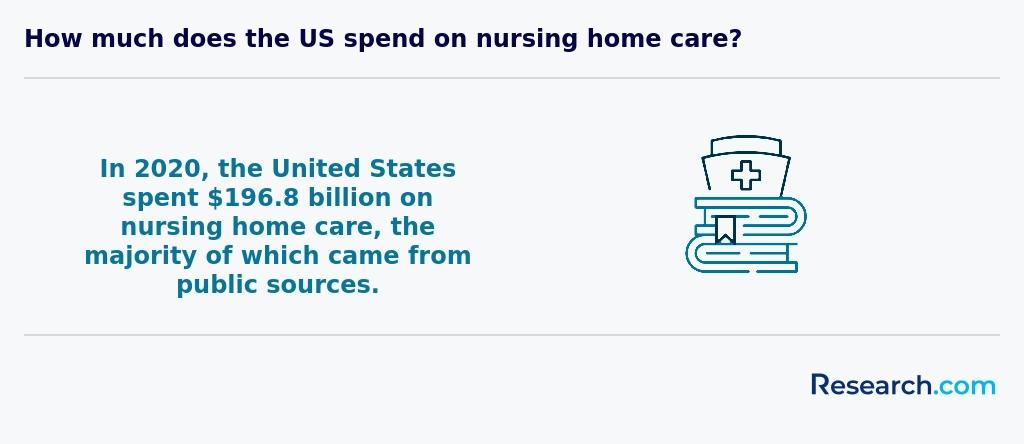
Many Ohio nursing schools now offer accelerated Licensed Practical Nurse (LPN) to Registered Nurse (RN) bridge pathways, enabling current LPNs to earn their ADN or BSN in as little as 12–18 months by leveraging prior clinical experience for credit. For those starting without practical licensure, fully online options can streamline entry into the field: through lpn online programs, students complete foundational courses and NCLEX-PN preparation on a flexible schedule, balancing work or family commitments. These fast-track curricula combine virtual labs, interactive simulations, and local clinical placements in partnership with Ohio healthcare facilities, ensuring graduates meet state licensure requirements and step into high-demand roles such as long-term care and outpatient clinics. Before enrolling, prospective students should verify program accreditation by the Ohio Board of Nursing, review NCLEX-PN pass rates, and explore financial aid opportunities to optimize both time and cost. By choosing an accelerated LPN pathway, aspiring nurses can fast-track their career advancement, address critical workforce shortages, and position themselves for future roles in leadership and advanced practice.
What courses are typically in nursing degree programs in Ohio?
When you enroll in a nursing program in Ohio, whether at a university like The Ohio State University or a community college, expect a rich mix of courses that balance science and hands-on care. Graduates from these programs often share how courses like Anatomy and Physiology gave them a clear map of the human body, which was essential when they first faced real patients during clinical rotations.
Microbiology and Pharmacology provide the knowledge to understand infections and safely manage medications-skills that come alive when administering treatments in hospital settings. Courses such as Mental Health Nursing prepare you to support patients struggling with emotional challenges, a vital part of holistic care.
Nursing Fundamentals and Leadership classes equip you with practical skills and confidence, so you're ready to make critical decisions and lead healthcare teams effectively. Many graduates recall how learning Adult and Geriatric Nursing helped them build compassion for older patients, directly impacting their success during clinical practicums across Ohio's diverse healthcare facilities.
What types of specializations are available in nursing degree programs in Ohio?
Ohio nursing programs offer a rich variety of specializations that align perfectly with your passions and career goals. From Adult-Gerontology Acute Care Nursing to Pediatric Nursing, many students find themselves drawn to fields that allow them to make a real impact, whether caring for elderly patients with complex conditions or supporting mental health through Psychiatric-Mental Health Nursing. Graduates from renowned schools like The Ohio State University often share how their chosen specialty, such as Family Nurse Practitioner or Critical Care Nursing, shaped their ability to deliver comprehensive care across different settings.
Exploring Ohio nursing program specialty options gives you the chance to focus on what truly inspires you. For instance, nurses specializing in Community/Public Health Nursing embrace roles centered on education and prevention, vital in today's healthcare landscape. Many students at Case Western Reserve University appreciate the hands-on experience their programs offer, helping them thrive in their chosen fields.
As you plan your journey, consider that some paths may require additional certification after your degree. If you're looking into faster entry options, exploring lpn online programs can be a helpful step.
How do you choose the best nursing degree in Ohio?
Choosing the best nursing degree in Ohio starts with aligning the program to your career ambitions and lifestyle. Graduates from Ohio State University often share how their BSN programs, while rigorous, provided a solid foundation for leadership roles thanks to comprehensive coursework and clinical experiences. If you need a quicker pathway, consider an LPN certificate, which many community college students find rewarding for fast-tracking into the healthcare workforce. For those balancing work and study, exploring part-time or evening classes offered at local colleges can make a huge difference in managing responsibilities without sacrificing progress.
Cost plays a pivotal role; affordable nursing degrees Ohio offers varying tuition from $6,000 to $12,000 annually for public institutions, making financial planning essential. Many nursing students tap into scholarships or employer tuition reimbursement to ease this burden. Additionally, prioritize programs with strong NCLEX-RN pass rates, as seen in Ohio's top nursing schools, to boost job prospects and confidence after graduation.
For those eager to accelerate their journey, check out 6-month online lpn to rn degree programs, which combine flexibility with quality education, perfect for ambitious students ready to advance swiftly.
What career paths are available for nursing degree students in Ohio?
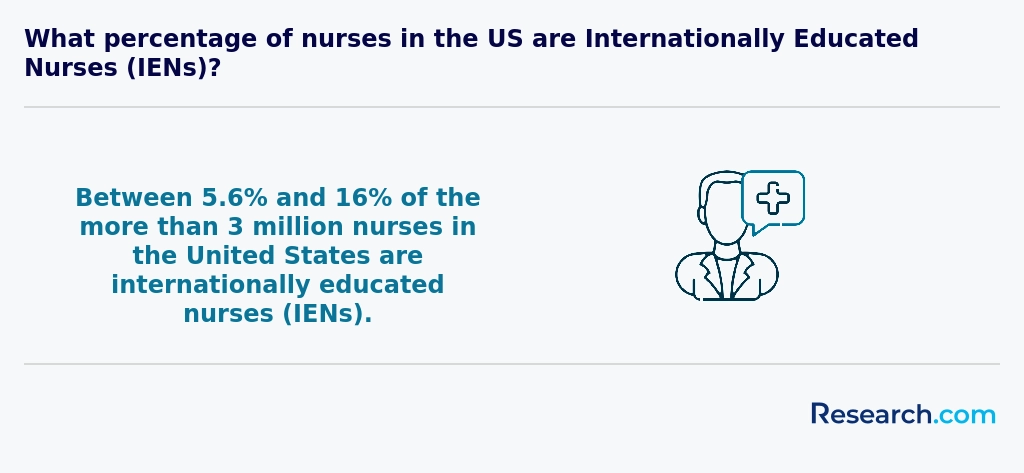
Graduates with a nursing degree in Ohio find themselves on a rewarding journey filled with diverse nursing career opportunities in Ohio. Many begin as Registered Nurses at well-known institutions like Ohio State University or Cleveland State University, gaining invaluable experience in hospitals, nursing homes, or community clinics. These roles shape compassionate caregivers dedicated to patient well-being every day.
For those craving specialization, advanced practice roles beckon-becoming a Nurse Practitioner, Clinical Nurse Specialist, or Nurse Anesthetist unlocks new responsibilities and greater impact. Graduates often share how programs at local community colleges prepared them well for this challenge. The vibrant healthcare landscape fuels this growth, making Ohio a promising place for career advancement.
Beyond clinical settings, some graduates embrace healthcare administration, public health, or education. Reflecting on Ohio nursing degree job outlook, you'll feel inspired by those who pivoted to teaching or research to shape future nurses. Financial concerns are eased by options like federal aid and employer tuition assistance. For those budgeting their education, exploring the Cheapest Online Bachelor's in Nursing Degree Programs Ranking in the South can be a practical step toward success.
What is the job market for nursing degree in Ohio?
The nursing job outlook in Ohio is very encouraging for graduates from well-known institutions like Ohio State University and University of Cincinnati. Graduates often share how their clinical rotations in major urban hospitals immediately opened doors to multiple job offers. This state experiences steady growth in nursing employment, and the demand spans from large city hospitals to smaller rural clinics, offering diverse opportunities. The Ohio Department of Job and Family Services projects a 15% increase in registered nursing jobs by 2030, an impressive figure that outpaces the national average.
Ohio nursing degree employment opportunities reflect not just numbers but rewarding career paths. Many graduates with associate degrees or bachelor's hit the ground running with competitive salaries near $68,000 annually, buoyed by affordable living costs. Those passionate about further advancement consider combining local programs with options like a 1 year masters program to boost both expertise and earnings. Nursing students frequently highlight the supportive communities and employers encouraging ongoing education, making Ohio an ideal environment to grow your healthcare career.
Frequently Asked Questions About nursing
Nursing degree students in Ohio can maximize their learning experience by engaging actively in clinical rotations, which provide hands-on practice essential for skill development. Ohio offers a range of clinical placement opportunities through partnerships between nursing schools and healthcare facilities, allowing students to gain exposure to diverse patient populations. According to the Ohio Board of Nursing, students who complete more than 500 clinical hours tend to perform better in licensure exams.
Utilizing campus resources such as simulation labs and tutoring services also enhances learning. Joining nursing student organizations can foster peer support and professional networking. Additionally, staying informed about the evolving healthcare landscape in Ohio, where demand for registered nurses is projected to grow by 15% through 2030 (U.S. Bureau of Labor Statistics), helps students prepare for their future careers.
The nursing field in Ohio is rapidly evolving, with several emerging niches gaining prominence. One key area is gerontological nursing, driven by Ohio's aging population. According to the Ohio Department of Health, individuals aged 65 and older comprise nearly 17% of the state's residents, increasing demand for specialized senior care. Another growing niche is informatics nursing, which integrates healthcare and technology to improve patient outcomes and data management.
Additionally, mental health nursing is expanding, addressing Ohio's focus on behavioral health services amid rising awareness of mental health issues. Finally, nurse practitioners with specialization in rural health care are crucial, as many Ohio communities face limited access to medical services.
After completing a nursing degree in Ohio, preparing for the job market involves several focused steps. First, graduates must obtain licensure by passing the NCLEX-RN exam, which is required to practice as a registered nurse in the state. According to the Ohio Board of Nursing, the 2023 NCLEX pass rate for first-time test takers was around 87%, reflecting strong program preparation.
Building a professional network is crucial. Joining organizations like the Ohio Nurses Association can provide job leads and mentorship. Ohio's healthcare sector is growing faster than the national average, with a projected 15% increase in registered nurse employment through 2031, per the U.S. Bureau of Labor Statistics.
Lastly, gaining practical experience through clinical internships, volunteer work, or residencies enhances employability and helps new nurses stand out in a competitive market.
Employers in Ohio prioritize several key skills when hiring nursing degree graduates. Clinical competency is essential, as nurses must demonstrate proficiency in patient care, medication administration, and medical equipment usage. According to the Ohio Board of Nursing, strong critical thinking and decision-making skills are vital due to the fast-paced healthcare environments.
Communication abilities also rank highly because nurses interact regularly with patients, families, and healthcare teams. In fact, a 2023 Ohio Nursing Workforce Study revealed that 78% of employers value teamwork and interpersonal skills equally with clinical knowledge.
Additionally, knowledge of electronic health record (EHR) systems is increasingly important as healthcare continues to adopt digital solutions statewide. Time management and adaptability are crucial for managing multiple patients safely and efficiently. Overall, Ohio's healthcare employers seek well-rounded graduates who combine technical expertise with strong soft skills.
Finding internships relevant to nursing degrees in Ohio requires proactive research and networking. Students should start by contacting their nursing school's career services or clinical placement office, as many Ohio institutions maintain partnerships with local hospitals and healthcare facilities.
Ohio is home to numerous hospitals and health systems, including the Cleveland Clinic and OhioHealth, which offer structured nursing internships. According to the Ohio Board of Nursing, clinical experience is a requirement for licensure, underscoring the importance of internships in practical training.
Additionally, the Ohio Action Coalition and the Ohio Nurses Association publish resources on available clinical sites and internship opportunities statewide. Students can also explore internships via job boards such as Handshake and specific hospital career pages.
In Ohio, earning a nursing degree significantly enhances career mobility and advancement opportunities. According to the Ohio Board of Nursing, over 70% of registered nurses hold at least an associate degree, but those with a Bachelor of Science in Nursing (BSN) or higher often access higher-paying roles and leadership positions.
Employers in Ohio increasingly prefer candidates with advanced degrees, as hospitals align with national recommendations encouraging BSN-prepared nurses for improved patient outcomes. Nurses with a BSN can pursue roles such as nurse educators, case managers, or healthcare administrators more easily.
The Ohio Department of Jobs and Family Services reports faster job growth and salary increases for nurses holding bachelor's or master's degrees compared to those with diploma or associate degrees, highlighting the degree's impact on career trajectory.
Studying for a nursing degree in Ohio equips students with skills essential for interdisciplinary healthcare teams. Ohio nursing programs emphasize collaboration across professions such as medicine, pharmacy, and social work. According to the Ohio Board of Nursing, curricula integrate case studies and clinical experiences that enhance communication and teamwork. This multidisciplinary approach prepares graduates to participate effectively in patient-centered care, adapting to diverse roles in hospitals, clinics, and community settings.
Ohio's growing healthcare sector, projected to add over 10,000 nursing jobs by 2030 (Ohio Department of Job and Family Services), values nurses skilled in interdisciplinary coordination. Practical training often involves joint simulations with other health students, reinforcing problem-solving and leadership within teams.
When choosing between a thesis and a non-thesis nursing degree program in Ohio, consider your career goals and learning preferences. A thesis program emphasizes research, requiring students to conduct original studies and defend their findings. This path suits those interested in academic, research, or advanced clinical roles.
Non-thesis programs focus on coursework and practical experience, often appealing to nurses aiming for leadership or direct patient care roles. According to the Ohio Board of Nursing, many employers in the state value practical skills and clinical expertise.
Review programs' curricula and speak with advisors to ensure alignment with your professional objectives.
Students in Ohio seeking to study nursing abroad have several pathways facilitated by Ohio's extensive network of universities. Many institutions in Ohio offer established exchange programs with international nursing schools, allowing students to complete part of their studies overseas while earning credits toward their degree at home. These partnerships often focus on countries with strong healthcare education systems, such as Canada, the UK, and Australia.
Ohio students can also explore semester-long study abroad programs or clinical placements abroad through organizations like The Ohio State University's Office of International Affairs.
According to the Ohio Board of Nursing, international clinical experiences enhance cultural competence, a crucial skill given Ohio's diverse population.
Students pursuing nursing degrees in Ohio can benefit from several part-time job opportunities that complement their education while providing practical experience. Positions such as certified nursing assistant (CNA) or patient care technician are widely available and offer hands-on exposure to patient care, an essential component of nursing practice. According to the Ohio Department of Job and Family Services, the demand for CNAs is expected to grow by 15% through 2030, reflecting strong job security.
Other roles include medical scribe or health unit coordinator, which help students develop clinical documentation and administrative skills relevant to nursing. Many hospitals and clinics in major Ohio cities like Cleveland and Columbus offer flexible hours to accommodate students' class schedules.
Working in these part-time roles enriches learning by linking classroom theory with real-world healthcare settings and can improve job prospects upon graduation.
Nursing students in Ohio have access to numerous networking opportunities that enhance their educational and professional growth. Many universities partner with local hospitals, clinics, and long-term care facilities to offer clinical rotations, giving students a chance to connect with experienced nurses and healthcare professionals early in their careers. Additionally, Ohio hosts chapters of national nursing organizations, such as the Ohio Nurses Association (ONA), which organizes events, conferences, and workshops throughout the year.
Students can also engage in nursing-focused student organizations on campus, like the Student Nurses Association, which often collaborate with professionals and alumni. These settings provide valuable mentorship and job shadowing possibilities. According to the Ohio Board of Nursing, Ohio's large healthcare industry supports various job fairs and networking events dedicated to nurses. These opportunities are vital in building professional relationships and improving employment prospects after graduation.
Alumni networks provide significant advantages to nursing degree students in Ohio by fostering professional connections essential in healthcare. These networks often facilitate job placement, mentorship, and internship opportunities, which are crucial in a field with an expected 12% growth in nursing jobs in Ohio through 2030, according to the Ohio Bureau of Labor Market Information.
Through alumni events and online communities, students can gain insight into Ohio's healthcare facilities and licensing requirements. Experienced graduates often help current students navigate challenges such as passing the NCLEX-RN exam, which has a pass rate around 85% in Ohio.
Being part of an engaged alumni network contributes to career advancement and continuous education, important in Ohio's evolving medical environment.
In Ohio, nursing degree programs offer flexibility to align with individual career goals through various specializations and formats. Students can choose from options like Bachelor of Science in Nursing (BSN), RN-to-BSN, or Master of Science in Nursing (MSN) programs, depending on their starting point and ambitions.
Many Ohio institutions provide elective courses and clinical experiences in areas such as pediatrics, gerontology, or emergency nursing. This allows students to gain focused skills for particular fields. Additionally, some programs offer part-time, online, or hybrid formats to accommodate working professionals.
The Ohio Board of Nursing reports that tailoring education enhances readiness for licensure and specialized certifications, improving employment prospects in the state's growing healthcare sector.
Nursing students in Ohio often face significant challenges related to demanding clinical schedules and rigorous academic requirements. Many juggle between classroom learning, hands-on clinical rotations, and part-time work, leading to high stress and fatigue. According to the Ohio Board of Nursing, clinical placement availability can be limited, making it difficult for students to secure valuable practical experience.
Additionally, the cost of nursing programs in Ohio remains a barrier for some. Tuition varies widely, with community colleges offering more affordable options compared to universities. Students also report anxiety about passing the NCLEX-RN exam, crucial for becoming licensed. Support services remain critical to help students overcome these obstacles and succeed in their careers.
With a nursing degree in Ohio, graduates can pursue various professional certifications to advance their careers. Common certifications include Registered Nurse (RN) licensure through the Ohio Board of Nursing, which is required for clinical practice. After initial licensure, nurses often obtain specialty certifications such as Certified Nurse Practitioner (CNP), Certified Nurse Midwife (CNM), or Certified Registered Nurse Anesthetist (CRNA).
Other popular certifications are offered by national bodies like the American Nurses Credentialing Center (ANCC), including certifications in areas like gerontology, pediatrics, and oncology nursing. According to the Ohio Nurses Association, about 30% of nurses pursue specialty certifications to enhance qualifications and job opportunities.
Additionally, various continuing education programs in Ohio help nurses meet certification requirements and stay updated with healthcare advances.
Writing a winning application for a nursing program in Ohio involves clear preparation and attention to key details. Start by researching each school's specific requirements since Ohio nursing programs vary in prerequisites and GPA expectations. Most programs expect at least a 3.0 GPA and completion of core science courses such as anatomy and physiology.
Ohio nursing programs receive many applications, so a strong personal statement explaining your passion for nursing and experiences in healthcare can set you apart. Highlight any volunteer work or employment in medical settings to demonstrate commitment.
Additionally, letters of recommendation from healthcare professionals or educators strengthen your application by providing credible endorsements.
The Ohio Board of Nursing reports ongoing demand for nurses statewide, reinforcing the importance of presenting a professional and polished application.
Nursing is a globally respected profession, and obtaining a nursing degree in Ohio prepares students for diverse opportunities both within the U.S. and internationally. The demand for nurses worldwide is growing, driven by aging populations and healthcare advancements. According to the Ohio Board of Nursing, over 250,000 nurses are currently licensed in Ohio, reflecting a robust local workforce contributing to national healthcare efforts.
The U.S. nursing education system, including programs in Ohio, is recognized internationally for its high standards and emphasis on clinical experience. This allows graduates to pursue careers abroad, especially in countries that recognize U.S. credentials or participate in mutual licensure agreements.
Global health organizations often look for nurses trained in the U.S. due to their comprehensive skills and ability to adapt to various healthcare settings, which is an advantage for Ohio graduates aiming to work internationally.
Gaining practical experience while pursuing a nursing degree in Ohio is essential for preparing students for real-world clinical settings. Most Ohio nursing programs require extensive clinical rotations, allowing students to work in hospitals, long-term care facilities, and community health organizations.
These rotations provide hands-on training under the supervision of licensed nurses, bridging theory and practice. According to the Ohio Board of Nursing, students must complete a minimum number of clinical hours-typically 500 to 700-depending on the program level.
Additionally, some schools partner with local healthcare providers to offer internships or simulation labs designed to enhance clinical skills in a controlled environment.
Choosing the right concentration within a nursing degree program in Ohio begins with understanding your career goals and interests. Ohio offers various specializations such as pediatric, geriatric, psychiatric, and acute care nursing. Each has distinct demands and patient populations.
Research local job market trends to identify in-demand specialties. According to Ohio's Center for Nursing, areas like family nurse practitioner and gerontology show growth linked to the state's aging population. Consider programs accredited by the Ohio Board of Nursing to ensure quality education.
Additionally, evaluate your preferred learning style and clinical experiences offered by different schools. Some may focus more on community health, while others emphasize hospital-based care. Aligning personal strengths with a concentration will improve both academic success and career satisfaction.
Related Nursing Rankings for Nearby States
- 2027 Most Popular Nursing Degree Programs Ranking in Indiana
- 2027 Most Popular Nursing Degree Programs Ranking in Pennsylvania
- 2027 Most Popular Nursing Degree Programs Ranking in Illinois
- 2027 Most Popular Nursing Degree Programs Ranking in Missouri
- 2027 Most Popular Nursing Degree Programs Ranking in Georgia
- 2027 Most Popular Nursing Degree Programs Ranking in Delaware
- 2027 Most Popular Nursing Degree Programs Ranking in New Jersey
- 2027 Most Popular Nursing Degree Programs Ranking in New York
- 2027 Most Popular Nursing Degree Programs Ranking in Alabama
- 2027 Most Popular Nursing Degree Programs Ranking in Arkansas
Top Trending Nursing Rankings
See What Experts Have To Say About Studying Nursing
Read our interview with Nursing experts

Lisa Grubb
Nursing Expert
Assistant Professor
Johns Hopkins School of Nursing

References
- Nursing https://careers.ohiohealth.com/nursing/
- Do I Have to Write a Thesis to Complete a Master’s Degree in Nursing? https://www.bestmasterofscienceinnursing.com/faq/write-thesis-complete-masters-degree-nursing/
- Nursing Study Abroad Programs | Go Overseas https://www.gooverseas.com/study-abroad/nursing
- How to Choose the Right Nursing Program for Your Career Goals - Maria College https://mariacollege.edu/blog/how-to-choose-the-right-nursing-program-for-your-career-goals
- Client Challenge https://www.springerpflege.de/nursing-graduates-perceived-future-career-pathway-and-career-shi/50653658
- Registered Nurse | Healthcare Career Collaborative of Central Ohio https://www.healthcarecareersohio.org/registered-nurse
- What Are the Best Jobs to Work While in Nursing School? https://www.dewv.edu/what-are-the-best-jobs-to-work-while-in-nursing-school/
- Scholarships - OHCA https://www.ohca.org/scholarships
- The Nurses' Alumni Association https://giving.mainlinehealth.org/get-involved/auxiliaries-and-womens-boards/lankenau-medical-center-womens-board/the-nurses-alumni-association
- Scholarships Private Loans | Hondros College of Nursing (HCN) https://www.hondros.edu/tuition-and-financial-aid/financial-aid/scholarships-loans/


