2027 Most Popular Nursing Degree Programs Ranking in Puerto Rico

Co-Founder and Chief Data Scientist
Choosing the right nursing degree program is an important step toward a rewarding and impactful career. For students in Puerto Rico, understanding which programs stand out can make all the difference.
This article features the 2027 Most Popular Nursing Degree Programs Ranking in Puerto Rico, created by the Research.com team of data scientists to help you make an informed decision. You'll discover valuable insights into top nursing programs worth considering.
Getting a nursing degree opens doors to meaningful work, personal growth, and stability in a caring profession. This guide is here to support your journey.
Key benefits of getting nursing degree in Puerto Rico
- Graduates with a nursing degree in Puerto Rico can expect competitive salaries, such as $94,480 annually for Registered Nurses or Public Health Nurses, and up to $128,490 for Operating Room Nurses, offering financial stability and growth.
- Many nursing degree holders from universities like the University of Puerto Rico find rewarding career paths in clinical nursing, education, public health, and emergency care, allowing for diverse opportunities to make a real difference.
- Completing a nursing degree online, as offered by institutions like Ana G. Méndez University, adds flexibility and convenience, making it easier to balance work, family, and studies without compromising quality education.
- Key benefits of getting nursing degree in Puerto Rico
- What can I expect from nursing degree in Puerto Rico?
- Where can I work with nursing degree in Puerto Rico?
- How much can I make with nursing degree in Puerto Rico?
- 2027 Most Popular Nursing Degree Programs Ranking in Puerto Rico
- Key Findings
- How long does it take to complete nursing degree in Puerto Rico?
- NCLEX-RN Pass Rates and Licensing Success
- What's the difference between online and on-campus nursing degree?
- What is the average cost of nursing degree in Puerto Rico?
- Accreditation and Licensure
- What financial aid is available to nursing degree students in Puerto Rico?
- What are the prerequisites for enrolling in nursing degree program in Puerto Rico?
- Accreditation and Licensure Requirements
- What courses are typically in nursing degree programs in Puerto Rico?
- What types of specializations are available in nursing degree programs in Puerto Rico?
- How do you choose the best nursing degree in Puerto Rico?
- What career paths are available for nursing degree students in Puerto Rico?
- What is the job market for nursing degree in Puerto Rico?
- Top Trending Nursing Rankings
- See What Experts Have To Say About Studying Nursing
What can I expect from nursing degree in Puerto Rico?
The average cost of pursuing a nursing degree in Puerto Rico varies depending on the institution and program level, but students often find it more affordable compared to many mainland U.S. options. For example, graduates from the University of Puerto Rico's nursing programs typically report paying tuition fees that reflect the island's public university rates, which may be several thousand dollars per academic year. This accessibility allows students from diverse economic backgrounds to pursue their degrees without overwhelming debt.
Many nursing students appreciate the financial aid and scholarship opportunities available, which help ease the burden of tuition and living expenses. A graduate from a popular private college shared how these resources made it possible to focus on clinical rotations and intense coursework without excessive financial stress, ultimately enhancing their confidence and satisfaction with the program.
While the cost is an important factor, it's equally vital to consider the value of education quality and NCLEX-RN success rates. Nursing programs on the island, accredited by bodies like CCNE, offer clinical experiences in reputable local hospitals, helping students gain practical skills that reflect the specific healthcare needs of Puerto Rico's aging population. This blend of cost-effectiveness and hands-on training contributes to a compelling case for studying nursing locally.
Where can I work with nursing degree in Puerto Rico?
Graduates from nursing programs at institutions like the University of Puerto Rico and the Inter American University often find diverse job opportunities across the island. Many begin their careers in hospitals such as the Hospital de la Concepción or Auxilio Mutuo Hospital, gaining hands-on experience in fast-paced settings like emergency rooms or intensive care units. This exposure not only builds confidence but also opens pathways for specialization.
Others choose community health centers, where they engage directly with underserved populations, focusing on preventive care and managing chronic illnesses common in Puerto Rico. Working in rural clinics often brings a strong sense of fulfillment, as these nurses witness tangible improvements in patients' daily lives.
Nursing graduates also appreciate roles in nursing homes or home health care. The chance to build lasting relationships while assisting elderly patients appeals to many, especially given Puerto Rico's aging population. Flexibility and patient interaction in home care frequently receive positive feedback from new nurses.
Finally, some find rewarding positions in public health or academia, contributing to policy development or training future nurses. These career paths highlight the broad impact a nursing degree from Puerto Rico's respected universities can have beyond bedside care.
How much can I make with nursing degree in Puerto Rico?
Graduates from nursing programs at institutions like the University of Puerto Rico or the Inter American University often find that their degrees open doors to varied salary opportunities depending on their specialization. For example, registered nurses in Puerto Rico can expect to earn lower salaries than the U.S. mainland average, but specialized roles such as operating room nurses earn significantly more, with mean annual wages reaching around $128,490 according to recent BLS data.
While the average annual wage for registered nurses and roles like clinical nurse educator, public health nurse, or emergency room nurse is approximately $94,480, this reflects positions nationwide rather than specific local Puerto Rico figures. Graduates often express that pursuing advanced certifications or specialized fields leads not only to higher pay but also greater job satisfaction and leadership opportunities.
This means nursing students studying on the island should weigh local salary levels, generally between $40,000 and $55,000 for registered nurses, against their long-term career goals. Many find pride and fulfillment in contributing to Puerto Rico's healthcare system despite the salary gap, recognizing non-monetary benefits such as community impact and job stability.
2027 Most Popular Nursing Degree Programs Ranking in Puerto Rico
How do we rank schools?
Investing in your education is a significant decision that can shape your future, and the Research.com team understands the importance of making informed choices. To assist prospective students in Puerto Rico, we have meticulously crafted the "2027 Most Popular Nursing Degree Programs Ranking in Puerto Rico." Our commitment to quality, credibility, and accuracy is reflected in the extensive research and analysis conducted to compile this ranking.
We utilized the following reputable data sources to ensure a comprehensive evaluation of nursing programs:
By exploring this ranking, readers will gain valuable insights into the most popular nursing degree programs in Puerto Rico, enabling them to make well-informed educational decisions. For more details on our methodology, please visit our Research.com methodology page.


# 3 position
Pontifical Catholic University of Puerto Rico-Ponce
Bachelor of Science in Nursing


# 16 position
EDP University of Puerto Rico Inc-San Juan
Bachelor of Science in Nursing


Key Findings
- Nursing degrees in Puerto Rico are accredited and recognized throughout the mainland United States.
- Tuition at public universities ranges from $3,500 to $6,000 per year, while private colleges charge between $5,000 and $10,000 annually.
- Nursing job growth is expected to increase moderately, driven by an aging population and higher healthcare demand.
- Starting salaries for nurses average about $36,000 annually, rising to $45,000-$50,000 with experience.
- Licensure requires passing the NCLEX-RN exam, which graduates from Puerto Rico's nursing programs are eligible to take.
- Both ADN and BSN nursing programs are available, with BSN-prepared nurses generally having better job prospects and advancement.
How long does it take to complete nursing degree in Puerto Rico?
Completing a nursing degree in Puerto Rico generally takes between two to four years, but this depends heavily on the program and student circumstances. Graduates from community colleges, such as the Instituto de Banca y Comercio, often point to the Associate Degree in Nursing (ADN) taking about two to three years, offering a direct and practical route into the nursing workforce. Many appreciate this quicker timeline as it allows them to start working and earning sooner.
On the other hand, students attending universities like the University of Puerto Rico experience a typical Bachelor of Science in Nursing (BSN) program lasting around four years. These graduates frequently highlight the benefits of deeper curriculum and clinical exposure, which can open doors to specialized nursing roles. Some find this commitment rewarding, despite the longer duration.
Others choose the RN-to-BSN path, particularly working nurses balancing life and study. They often report that part-time enrollment stretches completion to two years, yet offers satisfying flexibility. Accelerated BSN programs appealingly reduce timelines but require intense dedication, reflecting diverse student needs and motivations across Puerto Rico's nursing education landscape.
NCLEX-RN Pass Rates and Licensing Success
Most Puerto Rican nursing programs report first-time NCLEX-RN pass rates above 85%, a vital measure of graduate readiness and curriculum quality.
- Top schools often exceed a 90% first-time pass rate.
- Regular simulated testing pinpoints knowledge gaps.
- Dedicated NCLEX review courses and practice exams build confidence.
Key drivers of licensing success:
- Accredited curriculum aligned with the NCLEX test plan.
- Faculty-led tutoring and structured study groups.
- State board approval and transparent outcome reporting.
Before you apply:
- Compare published pass rates on school or board websites.
- Ask about dedicated NCLEX prep support and success tracking.
For programs that balance strong pass rates with accessible admissions, explore the easiest nursing schools to get into.
What's the difference between online and on-campus nursing degree?
Online and on-campus nursing degrees in Puerto Rico differ mainly in how students engage with coursework and clinical practice. Graduates from the University of Puerto Rico School of Nursing often describe on-campus programs as immersive experiences, where face-to-face interaction and direct access to medical centers foster strong connections and hands-on learning. This environment can create confidence and a sense of community among peers and instructors.
In contrast, online nursing students appreciate the flexibility of managing their studies around work or family commitments, as most lectures and assignments are completed remotely. However, these students typically must arrange their clinical hours independently at local approved facilities, which can require additional effort but also encourage self-discipline and proactive planning.
Both formats aim to prepare students equally well for the NCLEX-RN exam, yet the cost and daily routines differ. Public on-campus programs in Puerto Rico can be more affordable, while online courses from mainland institutions may include higher tuition and extra fees, reflecting the diverse paths students choose based on their personal circumstances.
What is the average cost of nursing degree in Puerto Rico?
The average cost of a nursing degree in Puerto Rico varies significantly depending on whether students attend public or private institutions. Median in-state total costs are around $7,050, which aligns with the affordability many graduates express appreciating when comparing their experience at the University of Puerto Rico to more expensive mainland alternatives. These lower tuition fees make pursuing a nursing degree attainable for many locals, especially when combined with financial aid or scholarships. However, out-of-state students often face a median cost near $17,450, reflecting higher fees that can challenge those coming from outside the island.
Graduates from popular nursing programs in Puerto Rico often express relief about the financial balance they struck-managing tuition costs while maintaining focus on clinical skills and patient care. Yet, it remains crucial for prospective students to carefully analyze the full picture, including additional expenses like textbooks, clinical supplies, and exam fees. Reflecting on the average cost of nursing degree in Puerto Rico in 2027, some find their budget still manageable thanks to relatively low living expenses on the island, which differ from higher U.S. mainland rates.
For students seeking alternatives to traditional programs, exploring options such as an accelerated bachelor degree can also influence overall costs and timelines, potentially reducing years of tuition payments. Ultimately, understanding individual nursing degree tuition fees Puerto Rico 2027 requires weighing personal circumstances and available supports carefully to make informed decisions.
Accreditation and Licensure
Accredited nursing programs in Puerto Rico must hold approval from both the Puerto Rico Board of Nursing (Junta de Enfermería) and a recognized accrediting agency, ensuring graduates are eligible for the NCLEX-RN exam and licensure across the U.S.
Key accreditation points:
- Commission on Collegiate Nursing Education (CCNE) or Accreditation Commission for Education in Nursing (ACEN)
- Program approval by the Junta de Enfermería de Puerto Rico
NCLEX-RN pass rates reflect program quality-look for schools with first-time pass rates above 85%. Registered nurses advancing through an accredited rn to bsn online pathway maintain seamless eligibility for licensure.
What financial aid is available to nursing degree students in Puerto Rico?
Nursing students in Puerto Rico often rely on diverse financial aid sources to manage education costs, which are notably lower than many mainland states but still challenging. For example, graduates from the University of Puerto Rico's nursing program frequently benefit from federal aid accessed via FAFSA, including Pell Grants that can offer up to $7,395 for the 2023-2024 year. These grants are crucial since they do not require repayment, easing the financial burden significantly for students with demonstrated need.
Federal work-study opportunities also provide both income and valuable clinical experience, making the demanding schedule feel more manageable. Some students from private institutions like the Ponce Health Sciences University cite tuition reimbursement programs offered by local hospitals as a vital resource-these programs often require a post-graduation work commitment but help bridge the gap when scholarships fall short.
Local scholarships through organizations such as the Puerto Rico Nurses Association or the Department of Education specifically address health profession students. This targeted aid fosters a sense of community and shared purpose, which many graduates recall as motivating during stressful semesters.
- Private foundation scholarships tailored to Puerto Rican residents occasionally supplement these efforts.
- Some students creatively combine multiple aids, illustrating the importance of proactive research and financial planning.
What are the prerequisites for enrolling in nursing degree program in Puerto Rico?
To enroll in a nursing degree program in Puerto Rico, students must first hold a high school diploma or GED, a common baseline among schools like the University of Puerto Rico and Ana G. Méndez University System. Many graduates recall the challenge of completing prerequisite courses such as biology with labs, chemistry, anatomy, physiology, and microbiology-foundations essential for mastering clinical concepts later on.
These programs usually require math skills at least equivalent to college algebra and strong English composition abilities, reflecting the importance of communication in nursing. Students often share how preparing for the TEAS exam, which tests reading, science, math, and English, is a pivotal step that made them feel more confident and ready to handle program rigor.
Beyond academics, practical requirements like background checks and up-to-date immunizations can seem tedious but reassure students about patient safety. Some speak positively of submitting personal statements and recommendations, viewing these as opportunities to demonstrate genuine passion for healthcare, especially when reflecting on volunteer experiences.

Accreditation and Licensure Requirements
When selecting a nursing program in Puerto Rico, verify it meets national and local accreditation standards:
- Commission on Collegiate Nursing Education (CCNE)
- Accreditation Commission for Education in Nursing (ACEN)
- Approval by the Puerto Rico Board of Nursing (Junta de Enfermería)
After completing an accredited program, follow these steps to earn your RN license:
- Register for and pass the NCLEX-RN exam.
- Submit your application, official transcripts, and fee to the Puerto Rico Junta de Enfermería.
- Receive your nursing license and begin practicing.
If you’re already an RN and ready to advance, consider online rn to bsn programs without clinical requirements that maintain accreditation and support professional growth.
What courses are typically in nursing degree programs in Puerto Rico?
Nursing degree programs in Puerto Rico typically combine rigorous scientific coursework with practical clinical training, reflecting the standards upheld by institutions like the University of Puerto Rico. Graduates often recall starting with foundational classes in biology, chemistry, anatomy, and physiology, which offer an essential understanding of the human body-knowledge critical for real-world nursing scenarios.
Beyond the science, students delve into core nursing subjects such as pharmacology, pathophysiology, medical-surgical nursing, and mental health nursing. These courses are designed to build confidence in managing diverse patient needs, whether in busy hospital wards or community health settings.
Students commonly describe clinical rotations in local hospitals and public clinics as pivotal experiences. These allow them to translate theory into hands-on care, encountering patients from various backgrounds firsthand. This blend of coursework and practice empowers students across Puerto Rican universities to meet the challenges of the NCLEX-RN exam and to succeed both locally and beyond.
What types of specializations are available in nursing degree programs in Puerto Rico?
Nursing degree programs in Puerto Rico offer a range of specializations that address both local and broader U.S. healthcare needs. Students commonly focus on areas such as Pediatric Nursing, which prepares them to provide compassionate care to infants and children-a pressing demand in community hospitals. Geriatric Nursing is another key specialization, reflecting the island's growing elderly population and the need for nurses skilled in managing chronic conditions and enhancing elder quality of life. Graduates from prominent nursing colleges frequently share how immersive clinical rotations in urban and rural settings deepened their understanding of patient diversity and challenges.
Additional specializations include Psychiatric-Mental Health Nursing, meeting the increasing demand for mental health professionals, and Community and Public Health Nursing, emphasizing preventive care and education critical to Puerto Rican communities. Critical Care Nursing also attracts students eager to work in intensive care units or emergency rooms where high-pressure decisions are routine. Those exploring post-graduate paths note that advanced roles like Nurse Practitioner offer focused tracks, often more affordable here than on the mainland.
Prospective students looking to expand their skills might also consider online college classes open enrollment as a flexible option. Overall, nursing degree specializations in Puerto Rico provide meaningful, locally relevant career focus areas that resonate deeply with students' desires to serve their communities.
How do you choose the best nursing degree in Puerto Rico?
Choosing the best nursing degree in Puerto Rico requires careful evaluation of programs offered at well-known institutions like the University of Puerto Rico. Graduates often emphasize the importance of attending accredited schools, such as those recognized by CCNE or ACEN, to ensure the quality of education and preparation for the NCLEX-RN licensure exam. While affordability is a major consideration, especially since many affordable nursing schools in Puerto Rico charge tuition significantly lower than mainland U.S. options, students must also assess curriculum strength and NCLEX-RN pass rates.
Practical experience is another crucial factor. Students report that clinical placements at reputable hospitals across Puerto Rico provided invaluable hands-on skills that supported their confidence and career readiness. Flexibility in course delivery, including online or hybrid formats, can be a game-changer for working individuals, which is why exploring programs with diverse learning options is wise.
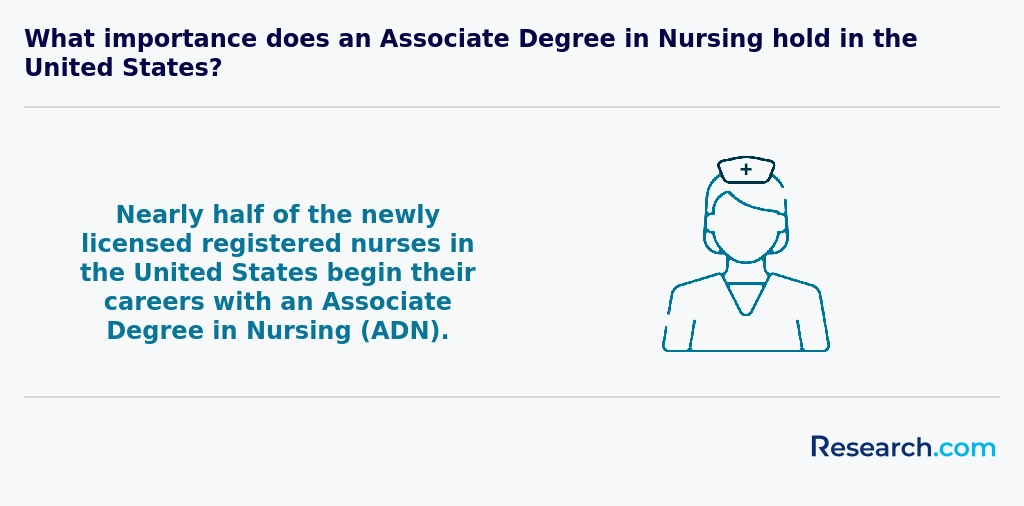
Finally, prospective students should explore all educational paths available, from ADN to BSN programs, and may find it helpful to consult resources about regional job outlooks. For those aiming to continue education while managing costs, reviewing the cheapest masters degrees online may also be beneficial.
What career paths are available for nursing degree students in Puerto Rico?
Nursing degree graduates in Puerto Rico find diverse career paths reflecting both local healthcare demands and their educational background. Those with an Associate Degree in Nursing (ADN) or Bachelor of Science in Nursing (BSN) often begin as Registered Nurses in hospitals and community health centers, as observed by many graduates from institutions like the University of Puerto Rico and the Interamerican University. The registered nurse job outlook in Puerto Rico suggests steady demand, although salaries average around $50,000, somewhat lower than mainland U.S., but balanced by a lower cost of living.
Specializations such as pediatric or geriatric nursing, critical care, and oncology offer options for focused practice. Graduates often describe the rewarding challenge of caring for vulnerable populations within Puerto Rico's unique healthcare environment. Institutions popular for nursing studies provide pathways to certifications needed for such roles.
Advanced degrees, like a Master of Science in Nursing, open doors to roles as Nurse Practitioners or healthcare administrators, where graduates report a sense of broader impact. Some pursue career options in policy development and education, highlighting the varied opportunities nurses embrace.
Cost-conscious students appreciate the affordability of nursing programs in Puerto Rico, often spending significantly less than mainland schools. Many explore the best and most affordable online colleges for flexible options compatible with working or family commitments.
What is the job market for nursing degree in Puerto Rico?
The job market for nursing degree holders in Puerto Rico reflects a balance of steady demand and economic challenges. Graduates from popular universities and colleges often share a sense of accomplishment in serving local communities where healthcare needs are pronounced, especially with the aging population and the complex aftermath of natural disasters. Despite salaries being lower than the U.S. mainland average-around $47,000 annually compared to roughly $77,000 nationally-many nurses find rewarding careers in diverse settings such as hospitals, long-term care facilities, and community health centers.
Opportunities remain stable but require adaptability, as migration patterns moderately reduce the local supply of nurses. Nursing students at Puerto Rico's institutions appreciate the more affordable education costs, usually ranging from $5,000 to $15,000 per year, which encourages enrollment despite financial constraints. Prospective students should explore the best affordable online schools for working students to complement their education and increase competitiveness in the job market focused on nursing job opportunities in Puerto Rico.
Graduates often emphasize the advantage of licensing aligned with U.S. standards, easing transitions to mainland positions if desired. The Puerto Rico nursing degree employment outlook remains positive for those committed to healthcare innovation and community service, offering meaningful engagement within a challenging yet vital industry.
Frequently Asked Questions About nursing
Nursing degree students in Puerto Rico can maximize their learning experience by engaging fully in both classroom and clinical practice. Accredited programs follow rigorous standards set by bodies like the Commission on Collegiate Nursing Education (CCNE), ensuring students receive quality education.
Active participation in clinical rotations is crucial. Puerto Rico's healthcare system offers diverse settings-from urban hospitals to community clinics-allowing students hands-on practice with a variety of patient populations. According to the Puerto Rico Board of Nursing, over 80% of graduates find employment locally, highlighting the importance of region-specific experience.
Students should also utilize available academic resources, such as tutoring and simulation labs, which enhance critical thinking and technical skills. Joining student nursing organizations fosters professional networking and access to updated healthcare trends.
Emerging niches within the nursing field in Puerto Rico reflect national trends in the U.S., emphasizing specialized care and technology integration. One growing area is geriatric nursing, driven by Puerto Rico's aging population; by 2035, those aged 65 and older are expected to make up nearly 25% of the island's residents, according to the U.S. Census Bureau. This elevates the need for nurses skilled in elder care and chronic disease management.
Another promising niche is informatics nursing, which combines healthcare and information technology to improve patient care. The adoption of electronic health records across Puerto Rican hospitals creates demand for professionals trained at this intersection.
Additionally, public health nursing remains vital, especially as Puerto Rico faces ongoing challenges like natural disasters and infectious disease outbreaks, requiring nurses proficient in emergency preparedness and community outreach.
After completing a nursing degree in Puerto Rico, recent graduates should focus on obtaining licensure by passing the NCLEX-RN exam, which is mandatory to practice as a registered nurse in the United States and its territories. Puerto Rico's Board of Nursing oversees this process and provides guidance on application requirements.
Networking and gaining clinical experience through internships or volunteer work are crucial steps to improve employability in local hospitals and healthcare facilities. According to the U.S. Bureau of Labor Statistics, nursing jobs in Puerto Rico are expected to grow moderately, highlighting the importance of staying updated on healthcare trends and certifications.
Continuing education and specialization can further enhance job prospects, especially in areas such as geriatrics or acute care, which are in high demand locally. Being bilingual also remains a strong advantage in Puerto Rico's healthcare environment.
Employers in Puerto Rico highly value nursing graduates who demonstrate strong clinical skills and critical thinking abilities. According to the Puerto Rico Board of Nursing, proficiency in patient assessment and care planning is essential. Communication skills also rank high, as nurses often serve as a bridge between doctors, patients, and families.
Additionally, cultural competence is crucial due to Puerto Rico's diverse population. Nurses must effectively interact with patients of different backgrounds and languages.
Technical skills, including familiarity with electronic health records (EHR), are increasingly important in modern healthcare settings. A 2023 report by the U.S. Bureau of Labor Statistics highlights that adaptability and teamwork are also key skills sought by healthcare employers across the United States, including Puerto Rico.
Finding nursing internships in Puerto Rico involves a mix of research and networking within the local healthcare education system. Many accredited nursing programs in Puerto Rico collaborate with hospitals, clinics, and community health centers to provide clinical internships. Institutions like the University of Puerto Rico's Medical Sciences Campus often have formal agreements for placements.
Students should contact their school's nursing department early, as internships are competitive and require application processes. The Puerto Rico Board of Nursing also provides guidance and resources for clinical practicums.
According to the U.S. Bureau of Labor Statistics, practical experience significantly improves job prospects in nursing, making internships essential. Exploring local hospitals such as Ashford Presbyterian Community Hospital or Pavia Health System can also be beneficial.
In Puerto Rico, obtaining a nursing degree significantly enhances career mobility and opportunities for advancement. According to the U.S. Bureau of Labor Statistics, registered nurses with higher education credentials are more likely to qualify for specialized roles and leadership positions. Many healthcare employers in Puerto Rico prefer candidates with a Bachelor of Science in Nursing (BSN) or higher, as these degrees demonstrate comprehensive clinical and theoretical knowledge.
Additionally, a nursing degree enables licensure eligibility across U.S. jurisdictions, facilitating easier relocation or employment throughout the mainland United States. The Puerto Rico Board of Nursing requires at least an associate degree for licensure, but a bachelor's degree often leads to better salaries and faster promotions. According to the Puerto Rico Department of Labor, nurses with a BSN earn on average 15% more annually than those with only an associate degree.
Studying for a nursing degree in Puerto Rico equips students with skills to excel in interdisciplinary healthcare teams. Programs follow U.S. standards, offering courses in communication, leadership, and ethics that foster collaboration across medicine, pharmacy, social work, and public health. Clinical experiences often occur in diverse settings, exposing students to real-world teamwork. According to the Puerto Rico Board of Nursing, graduates demonstrate strong competencies in coordinating patient care alongside other health professionals.
Puerto Rican nursing programs emphasize evidence-based practice and cultural competence, which are vital for effective interdisciplinary roles. This approach aligns with recommendations from the U.S. Institute of Medicine to improve patient outcomes through team-based care.
When choosing between a thesis and a non-thesis nursing degree program in Puerto Rico, it is important to consider your career goals and learning preferences. Thesis programs typically focus on research skills and are ideal if you plan to pursue advanced degrees or work in academia or healthcare research.
Non-thesis programs, on the other hand, usually emphasize practical knowledge and clinical experience, which can be more beneficial if you aim to enter nursing leadership, administration, or direct patient care roles immediately after graduation.
According to the Puerto Rico Nursing Board, about 30% of nursing graduates pursue advanced degrees, often favoring thesis options for skilled research training.
Students should also evaluate time commitment and institutional resources, as thesis tracks often require longer completion times.
Students in Puerto Rico seeking to study nursing abroad have multiple options within the U.S. higher education system. Many mainland universities offer accredited Bachelor of Science in Nursing (BSN) and nursing programs eligible for licensure in Puerto Rico. This ensures graduates meet the Puerto Rico Board of Nursing requirements. According to the National League for Nursing, over 200 nursing programs in the U.S. accept transfer students from Puerto Rico, facilitating seamless credit recognition.
Popular destinations include Florida and New York, states with significant Puerto Rican communities and support services. Additionally, some universities offer online or hybrid nursing degrees, allowing students to begin studies remotely before transitioning on-site.
Part-time job opportunities in Puerto Rico that complement nursing degree education often include roles such as medical assistants, certified nursing assistants (CNAs), and home health aides. These positions provide hands-on patient care experience, which is critical for nursing students. According to the U.S. Bureau of Labor Statistics, CNAs in Puerto Rico earn an average hourly wage between $10 and $12, offering accessible entry-level work.
Additionally, many hospitals and clinics around San Juan and Ponce hire part-time administrative staff or nursing aides, enabling students to develop familiarity with healthcare settings. Volunteering in public health campaigns or community clinics also enhances practical skills and knowledge of local health issues.
Nursing students in Puerto Rico have several valuable networking opportunities that can enhance their careers. Many universities collaborate with local hospitals and clinics for clinical rotations, allowing students to connect with practicing nurses and healthcare leaders. Organizations like the Puerto Rico Nurses Association provide events, workshops, and conferences where students can meet professionals and learn about industry trends.
Additionally, national groups such as the American Nurses Association offer student memberships with networking benefits. These connections are crucial in Puerto Rico, where the nursing workforce is expected to grow by 7% through 2030, according to the U.S. Bureau of Labor Statistics. Building a professional network helps students secure internships and jobs locally and on the mainland.
Alumni networks provide nursing degree students in Puerto Rico valuable resources for professional growth. Graduates often share job openings, mentorship opportunities, and industry insights, which are crucial in a competitive healthcare market. According to the Puerto Rico Board of Nursing, networking can increase employment rates for new nurses by connecting them with established professionals.
These networks also facilitate access to continuing education and certifications, supporting career advancement. In Puerto Rico, where nearly 70% of registered nurses work in hospital settings, alumni connections help students navigate specialized fields.
Additionally, alumni associations promote collaboration that can lead to research or community health projects, enriching students' academic experience.
Customizing a nursing degree program in Puerto Rico to align with your career goals starts with selecting the right type of degree. Options include an Associate Degree in Nursing (ADN), Bachelor of Science in Nursing (BSN), and Advanced Practice Registered Nurse (APRN) programs. Each offers different specialization paths.
You can tailor your education by choosing electives or clinical placements focusing on areas such as pediatric care, geriatrics, or community health. Some universities in Puerto Rico-like the University of Puerto Rico School of Nursing-offer specialized tracks that address local healthcare needs.
According to the Puerto Rico Board of Nursing, nearly 60% of nurses have completed BSN programs, reflecting a growing preference for comprehensive education that supports career flexibility.
Nursing students in Puerto Rico commonly face several challenges that can impact their academic success and well-being. One significant difficulty is the limited availability of clinical placement sites, as competition for hands-on training remains high due to a shortage of healthcare facilities willing to host students. According to the Puerto Rico Board of Nursing, this bottleneck can delay program completion.
Additionally, many students encounter financial barriers, with tuition and living costs rising steadily. The Economic Policy Research Institute in Puerto Rico notes that nearly 40% of nursing students work part-time jobs to support their education, often juggling work and study.
Language barriers may also affect some students, given that coursework is delivered primarily in Spanish but licensing exams and professional materials are mostly in English. This situation requires extra effort to master medical terminology in both languages.
Stress and mental health concerns are prevalent, intensified by the demanding nature of nursing programs combined with Puerto Rico's economic challenges, as highlighted by recent studies from the University of Puerto Rico's School of Nursing.
With a nursing degree from Puerto Rico, graduates can pursue several professional certifications recognized across the United States. The most common certification is the Registered Nurse (RN) license, obtained by passing the National Council Licensure Examination (NCLEX-RN). In Puerto Rico, about 15,000 registered nurses were active in 2022, reflecting a competitive but growing field (Bureau of Labor Statistics).
Beyond the RN license, nurses can specialize by earning certifications such as the Certified Nurse Practitioner (CNP), Certified Nurse Midwife (CNM), or Certified Nurse Anesthetist (CRNA). These require additional education and successful completion of national certification exams.
Other certifications include specialties in areas like pediatrics, geriatrics, oncology, or critical care. These credentials enhance career opportunities and may lead to higher salaries and leadership roles within healthcare facilities in Puerto Rico and the mainland US.
Applying to a nursing program in Puerto Rico requires clear preparation and attention to detail. Start by researching accredited institutions recognized by the Puerto Rico Board of Nursing to ensure your degree meets local licensing requirements. Strong academic records, especially in science and math courses, are essential, as many programs have minimum GPA standards around 3.0 or higher.
Many nursing schools require applicants to submit recommendation letters and a personal statement explaining their passion for nursing and commitment to healthcare in Puerto Rico.
Additionally, some programs ask for standardized tests like the TEAS (Test of Essential Academic Skills), which evaluate readiness for nursing studies.
Take time to meet deadlines and prepare thoroughly; data from the Puerto Rico Department of Education highlights competitive acceptance rates due to high demand in nursing education.
Nursing is a globally respected profession, with growing demand in many countries, including the United States and its territories like Puerto Rico. According to the U.S. Bureau of Labor Statistics, nursing employment is projected to grow 9% from 2020 to 2030, highlighting widespread opportunities.
In Puerto Rico, nursing graduates benefit from an evolving healthcare system facing challenges such as an aging population. This creates a steady need for skilled nurses locally and abroad. Many certifications earned in Puerto Rico meet U.S. national standards, enabling career mobility across states.
Global perspectives emphasize the role of nurses not only in direct patient care but also in leadership and policy development. The World Health Organization recognizes nurses as essential to achieving universal health coverage, making nursing a strategic and respected career worldwide.
Practical experience is essential for nursing students in Puerto Rico to develop clinical skills and prepare for licensure. Most accredited nursing programs require students to complete supervised clinical hours in hospitals, community health centers, or long-term care facilities. These placements are typically arranged by the schools through agreements with local healthcare providers.
Students often participate in internships or externships as part of their curriculum, allowing hands-on learning under professional supervision. According to the Puerto Rico Board of Nursing, at least 500 clinical hours are generally mandated for Registered Nurse (RN) programs.
Additionally, some students gain experience volunteering in health outreach programs, which supports underserved communities and enhances cultural competency. This practical exposure is integral to meeting the requirements of the National Council Licensure Examination (NCLEX-RN) for nursing practice in Puerto Rico and the broader U.S.
Choosing the right concentration within a nursing degree program in Puerto Rico requires understanding local healthcare demands and personal interests. Many programs offer specialties like pediatric, geriatric, or psychiatric nursing, reflecting Puerto Rico's aging population and mental health needs, according to the Puerto Rico Health Department. Consider your preferred work environment: hospitals, community clinics, or schools. Research graduate employment rates, which vary by concentration. For example, critical care nursing often leads to higher salaries and job stability. Also, check program accreditation by bodies like the Commission on Collegiate Nursing Education (CCNE), ensuring quality education recognized across the U.S.
Top Trending Nursing Rankings
See What Experts Have To Say About Studying Nursing
Read our interview with Nursing experts


References
- Pros And Cons Of Online Nursing In 2025 | Davis & Elkins https://www.dewv.edu/the-pros-and-cons-of-online-nusing-in-2025-is-it-right-for-you/
- | NRR | Dove Medical Press https://www.dovepress.com/internship-challenges-encountered-by-nursing-students-a-qualitative-st-peer-reviewed-fulltext-article-NRR
- Essential Tips for Nursing Students to Advance Their Careers https://almanaltraining.com/essential-tips-for-nursing-students-to-advance-their-careers/
- Interdisciplinary Education and Practice https://www.aacnnursing.org/news-data/position-statements-white-papers/interdisciplinary-education-and-practice
- Working While in Nursing School: 25 Ways to Make Money as a Nursing Student https://credenzahealth.com/career-advice/working-while-in-nursing-school-25-ways-to-make-money-as-a-nursing-student
- Know more about thesis vs non- thesis: what is the difference? https://studyfans.com/en/blogs/816
- Nursing Internships Abroad: An Introduction - RealStep https://www.real-step.com/en/articles/nursing-internships-abroad/
- School of Nursing Alumni Resources https://nursing.utmb.edu/About/Alumni
- Nursing Internship and Externship Programs https://jobs.mayoclinic.org/nursinginternexternprograms
- Nursing Study Abroad Programs | Go Overseas https://www.gooverseas.com/study-abroad/nursing