
2027 Most Popular Nursing Degree Programs Ranking in the USA

Co-Founder and Chief Data Scientist
Choosing the right nursing degree program is a crucial step toward a rewarding healthcare career. To support your decision, this article presents the 2027 Most Popular Nursing Degree Programs Ranking in the USA, developed by the Research.com team of data scientists.
With clear insights and trusted data, this ranking helps you discover programs that align with your goals and aspirations. Reading this article can empower you to make a well-informed choice, opening doors to meaningful opportunities in nursing.
Embarking on a nursing degree is a positive journey toward making a real difference in people's lives.
Key benefits of getting nursing degree in America
- Nursing degree graduates in America can expect competitive salaries, with Registered Nurses earning a mean annual wage of $94,480 and Operating Room Nurses making up to $128,490, providing strong financial stability.
- Career paths after graduation are diverse, ranging from clinical nursing to public health or emergency room nursing, offering exciting opportunities for growth and specialization in various healthcare settings.
- Obtaining a nursing degree online from a reputable university can offer flexibility and convenience, allowing students to balance education with personal commitments while gaining the same valued credentials as traditional programs.
- Key benefits of getting nursing degree in America
- What can I expect from nursing degree in America?
- Where can I work with nursing degree in America?
- How much can I make with nursing degree in America?
- 2027 Most Popular Nursing Degree Programs Ranking in the USA
- Key Findings
- How long does it take to complete nursing degree in America?
- Budgeting and Financial Planning for Nursing Students
- What's the difference between online and on-campus nursing degree?
- Application Process and Timeline
- What is the average cost of nursing degree in America?
- Licensure and Certification
- What financial aid is available to nursing degree students in America?
- Application Process for Nursing Programs in America
- What are the prerequisites for enrolling in nursing degree program in America?
- What courses are typically in nursing degree programs in America?
- What types of specializations are available in nursing degree programs in America?
- How do you choose the best nursing degree in America?
- What career paths are available for nursing degree students in America?
- What is the job market for nursing degree in America?
- Top Trending Nursing Rankings
- See What Experts Have To Say About Studying Nursing
What can I expect from nursing degree in America?
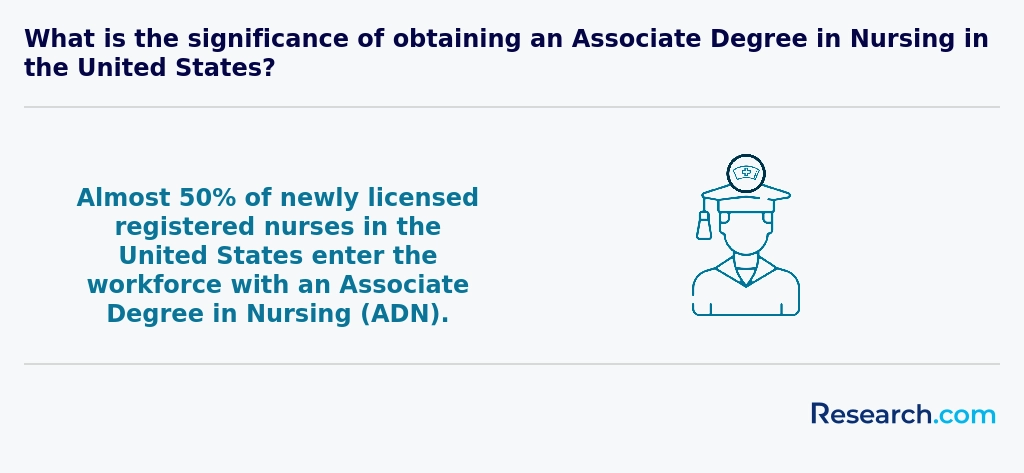
When it comes to the cost of nursing degrees in America, it really depends on the level and the school you choose. For example, graduates from well-known programs at public universities might see tuition around $7,000 to $10,000 per year for an Associate Degree in Nursing (ADN), which usually takes about two years. Meanwhile, Bachelor of Science in Nursing (BSN) programs at state universities can cost anywhere from $25,000 to $40,000 for the full four years. Many students from popular schools like those in California or Texas mention that scholarships and financial aid often help ease this burden, making the investment feel manageable.
Graduate degrees like the Master of Science in Nursing (MSN) or Doctor of Nursing Practice (DNP) from reputable institutions can run significantly higher, sometimes reaching $60,000 or more in total. But many nursing grads say the hands-on experience and career opportunities they snag after graduation totally justify the expense. Knowing you're stepping into a career with strong growth and good pay makes those tuition bills feel less intimidating!
Where can I work with nursing degree in America?
If you're wondering where a nursing degree can take you in America, the options are pretty exciting! Many graduates from top nursing schools-like those at Johns Hopkins or the University of Pennsylvania-land jobs in hospitals, where around 60% of registered nurses work. Imagine yourself providing direct care, jumping into surgeries, or teaming up with doctors-that's a daily vibe for many grads.
Others find rewarding roles in outpatient care centers or doctor's offices. Here, they focus on things like patient education, routine checkups, or managing chronic illnesses, which a lot of graduates enjoy because it feels more personal and preventive. Nursing graduates from places like the University of Michigan often mention how fulfilling these settings can be.
Some grads dive into long-term care facilities, helping an aging population with daily activities and rehab. Schools and community health centers also hire nurses to lead health programs and screenings-a chance to make a real difference locally, something many students from public health-focused programs at UCLA appreciate.
For those going further, advanced degrees open doors to teaching new nurses or working in research, which feels like a meaningful way to shape the future of healthcare. Nursing in America offers so many paths, each with its own unique rewards and chances to grow.
How much can I make with nursing degree in America?
If you're wondering how much you can make with a nursing degree in America, the numbers look pretty promising. Graduates from popular programs, like those at the University of Pennsylvania or the University of Washington, often start with jobs paying around $94,480 per year, which is the mean salary for registered nurses and similar roles like clinical nurse educators or public health nurses. That's a solid paycheck to cover your rent and maybe even start saving.
But if you decide to specialize, like becoming an operating room nurse, the earnings get even better. These nurses pull in about $128,490 annually on average. Imagine going through your shifts in a busy hospital right after graduating and knowing your skills are valued at that level-pretty rewarding, right?
Many recent grads share that landing roles with these salaries not only helps pay off student loans but also fuels their passion for nursing with confidence. Plus, working in well-known programs around the country can open doors to these high-paying gigs, making your degree a real investment in your future.
2027 Most Popular Nursing Degree Programs Ranking in the USA
How do we rank schools?
Investing in your education is a significant decision that can shape your future, and the Research.com team fully recognizes the importance of making well-informed choices. To support prospective nursing students, we have carefully developed the "2027 Most Popular Nursing Degree Programs Ranking in the USA." Our dedication to quality, credibility, and accuracy is demonstrated through thorough research and data analysis conducted to create this ranking. We utilized the following reputable data sources to ensure a comprehensive and reliable evaluation of nursing degree programs:
By reviewing this ranking, readers will gain valuable insights into the most popular nursing degree programs across the country, empowering them to make informed decisions that align with their career goals. For a detailed explanation of how the ranking was created, please visit our Research.com methodology page.


# 15 position
Pennsylvania State University-Main Campus
Bachelor of Science in Nursing


Key Findings
- Nursing education usually starts with an ADN or a BSN, with BSN preferred by employers for its leadership training.
- BSN programs at public universities cost between $40,000 and $80,000, while private colleges range from $60,000 to $100,000 or more.
- ADN programs at community colleges are more affordable, typically costing $6,000 to $25,000.
- The job market for registered nurses is expected to grow 7% from 2021 to 2031, adding about 194,500 new jobs per year.
- New nurses usually earn $60,000 to $70,000 annually; experienced BSN nurses make $80,000 to $100,000, and specialized nurses often earn over $110,000.
How long does it take to complete nursing degree in America?
If you're wondering how long it takes to finish a nursing degree in America, it really depends on the path you choose. For example, many students at community colleges, like those in the California State system, wrap up an Associate Degree in Nursing (ADN) in about two to three years. It's a popular choice for those wanting to jump into nursing quickly without a huge tuition bill.
On the other hand, universities like the University of Michigan offer a Bachelor of Science in Nursing (BSN) that takes around four years. Graduates often say the experience is rewarding because they get a deeper dive into leadership and research.
If you already have some college credits or a non-nursing degree, accelerated BSN programs at places like Johns Hopkins can shave that time down to just 12 to 18 months. It's intense but perfect for those motivated to switch gears fast.
Working nurses sometimes go for RN-to-BSN programs, which can be completed in one to two years, often online, making it easier to balance life and school.
For those aiming higher, a Master of Science in Nursing (MSN) usually adds another two years after the BSN, unlocking specialized careers like nurse practitioner roles.
Budgeting and Financial Planning for Nursing Students
To pursue a nursing degree, especially from one of the affordable nursing colleges, students must consider the financial implications of their education. The cost of tuition, fees, books, and other expenses can be overwhelming, making budgeting and financial planning essential tools for navigating these challenges. Creating a budget that accounts for all educational expenses, as well as living costs, can help students manage their finances effectively. Nursing students should also explore available financial aid options, such as scholarships, grants, and loans, to help fund their education. Additionally, understanding how to manage debt and make smart financial decisions during their academic tenure can set them up for long-term financial stability and success in their nursing careers.
What's the difference between online and on-campus nursing degree?
If you're thinking about nursing school, the biggest difference between online and on-campus programs in the U.S. really comes down to how you learn and when you get hands-on experience. On-campus nursing students, like those at well-known places such as the University of Pennsylvania or the University of Washington, usually attend classes in person, which means lots of face time with professors and classmates. They get to use campus labs and simulation centers, practicing real clinical skills right there on site. Many graduates say this setup helped them build confidence quickly because they could ask questions and get immediate feedback.
Online nursing programs, on the other hand, offer way more flexibility-perfect if you're working a job or juggling family. Schools like the University of Florida have strong online BSNs where you do lectures and assignments mostly on your own time. But don't get it twisted: you still have to complete clinical hours in a hospital or clinic nearby. Graduates often mention how convenient it was to arrange clinicals close to home while managing their schedules.
Tuition-wise, traditional programs at public universities might charge around $9,500 a year if you're in-state, while private colleges can be $30,000 or more. Online programs can cut costs on commuting and housing but don't always mean cheaper tuition. Either way, as long as your program is accredited by groups like CCNE or ACEN, you're set to take the NCLEX and get licensed.
Application Process and Timeline
Navigating the admissions journey for nursing degree programs requires careful planning, adherence to deadlines, and strategic preparation. To ensure a smooth application process, follow these key steps: 1. Research and Choose Programs (12–18 Months Before Start) – Identify accredited schools that align with your career goals. Compare curriculum, clinical partnerships, NCLEX pass rates, and tuition. – Explore accelerated bridge options for licensed practical nurses. For example, applicants may find a 6 month lpn to rn program online free to be an efficient pathway to an RN license. 2. Meet Prerequisites and Standardized Tests (6–12 Months Before Start) – Complete required science and math courses with competitive grades (usually a 3.0 GPA or higher). – Schedule and sit for entrance exams like the TEAS, HESI A2, or PAX-RN at least three months before school deadlines. 3. Gather Application Materials (4–6 Months Before Start) – Request official transcripts from high school and any postsecondary institutions. – Secure two to three letters of recommendation from healthcare supervisors or academic mentors. – Draft a compelling personal statement that highlights your motivation, clinical experiences, and long-term goals in nursing. 4. Submit Applications and Fees (3–4 Months Before Start) – Complete each school’s online application portal, paying close attention to early decision, priority, and regular decision dates. – Verify that supplemental documents (e.g., immunization records, background checks) are uploaded by the specified deadlines. 5. Prepare for Interviews or Assessments (1–2 Months Before Start) – Brush up on common nursing school interview questions about ethics, teamwork, and patient care scenarios. – Arrange mock interviews or informational sessions with current students to refine your responses. 6. Confirm Enrollment and Financial Aid (After Acceptance) – Review your acceptance letter and submit the enrollment deposit by the deadline. – Finalize FAFSA paperwork, scholarships, and loan agreements at least six weeks before the term begins. By following this structured timeline, prospective nursing students can avoid last-minute hurdles, demonstrate preparedness, and secure a place in competitive programs.
What is the average cost of nursing degree in America?
If you're wondering about the average cost of a nursing degree in America, it usually lands around $41,240. That's the median total cost students face, whether they're coming from out-of-state or in-state, so it's a solid figure to keep in mind when planning your budget. Many nursing graduates from well-known universities remember juggling tuition fees alongside everyday expenses, but they often highlight how valuable the experience was for landing great jobs afterward.
For those looking at tuition fees, public schools generally offer more affordable options, especially if you qualify for in-state rates - which can be about $16,320 on average. Students who choose private or out-of-state schools might face higher bills but often speak about the supportive communities and resources that make it worth the price. Plus, considering the average cost of nursing degree USA-wise, many find ways to offset fees through financial aid or scholarships, making it less overwhelming than it first seems.
When thinking about nursing degree tuition fees in the USA, it's helpful to check out resources like affordable nursing colleges. Graduates often recall that weighing their options carefully helped them pick a program that matched both their goals and budgets. It's all about finding the right fit-some campuses offer great clinical experiences and solid career support, which can really make a difference in the long run.
Licensure and Certification
Nurses must be licensed to practice in the United States. After graduating from an accredited program-whether you choose a traditional BSN, ADN, or one of the cheapest bsn programs-follow these steps to earn and maintain your RN license:
- Submit your application, fee and official transcripts to your State Board of Nursing
- Register for and schedule the NCLEX-RN exam through Pearson VUE
- Pass the NCLEX-RN to receive your official RN license
- Complete required background checks and fingerprinting (varies by state)
- Renew your license biennially, meeting continuing education and practice-hour requirements
Always confirm specific requirements with your State Board to ensure full compliance and a smooth licensure process.
What financial aid is available to nursing degree students in America?
If you're thinking about getting a nursing degree in America, you'll be glad to know there's a bunch of financial aid out there to help ease the costs. Many nursing students at schools like the University of Pennsylvania or the University of Michigan lean on federal aid by filling out the FAFSA form. This can unlock grants like the Pell Grant, which offers up to $7,395 a year, making tuition more manageable for low-income students.
Some graduates remember how federal loans, like Direct Subsidized Loans, helped cover expenses during school with lower interest rates than private loans. Plus, scholarships from groups like the American Association of Colleges of Nursing can really brighten the path-some cover full tuition if you keep your grades up, which feels like a huge win.
State programs are another lifesaver for many. Students at places like the University of North Carolina have shared stories about loan forgiveness programs in exchange for working in local hospitals. Hospitals themselves sometimes pitch in too, offering tuition reimbursement if you commit to working with them after you graduate.
Application Process for Nursing Programs in America
Navigating the nursing school application process can be daunting, but breaking it down into clear, actionable steps ensures you stay on track and present the strongest possible candidacy. From researching programs to accepting your offer, each phase plays a crucial role in securing admission to a nursing degree program that aligns with your goals. 1. Research and Program Selection Begin by identifying accredited programs that match your academic background, career aspirations, and budget. Compare tuition, clinical site partnerships, and online versus on-campus delivery. For students seeking affordable online BSN options, consult the Low Cost Online Bachelor's in Nursing Degree Programs Ranking in Florida to explore cost-effective pathways. 2. Academic Preparation Verify that you meet each program’s prerequisites-typically including courses in biology, chemistry, anatomy, and statistics-and ensure your GPA satisfies minimum requirements. If needed, enroll in prerequisite courses or workshops to strengthen your academic record before application deadlines. 3. Standardized Tests and Certifications Register for and complete required exams such as the TEAS or HESI, aiming to surpass the program’s benchmark scores. Some schools may also request CPR certification or documented volunteer hours in healthcare settings, so gather these credentials early. 4. Application Materials Prepare a compelling personal statement that highlights your motivation for nursing, relevant experiences, and long-term goals. Request official transcripts from all institutions attended and secure two to three strong letters of recommendation-ideally from instructors, healthcare supervisors, or employers who can attest to your clinical aptitude and work ethic. 5. Submission and Interview Complete online application portals before the stated deadlines and pay any associated fees. If selected, participate in interviews or campus visits as required. Treat each interaction as an opportunity to demonstrate your communication skills, empathy, and readiness for rigorous training. 6. Financial Planning and Acceptance Upon receiving acceptances, compare financial aid packages, scholarship offers, and payment plans. Confirm your enrollment by submitting deposits or intent forms as instructed. Plan housing, clinical rotation schedules, and any orientation sessions well in advance to ensure a smooth transition into your nursing studies. By following these steps methodically and leveraging resources tailored to your needs, you can streamline your path to a nursing degree and embark on a rewarding healthcare career with confidence.
What are the prerequisites for enrolling in nursing degree program in America?
If you're thinking about enrolling in a nursing degree in America, you'll need to meet a few key prerequisites before getting started. Most nursing programs, like those at well-known schools such as University of Pennsylvania or University of Michigan, expect you to have at least a high school diploma or GED. It's also super helpful if you've taken some solid science and math classes-things like biology, chemistry, and algebra. Graduates often say that these classes really helped them breeze through early nursing courses.
Standardized tests are a big part of the process too. Many schools require SAT or ACT scores, but some also ask for nursing-specific exams like the TEAS or HESI A2. These tests make sure you're ready for the academic demands ahead.
Before full admission, you'll likely need to complete prerequisite classes such as Anatomy, Microbiology, and Nutrition. From conversations with recent grads at big programs, having these prereqs done upfront really eased their transition into hands-on nursing work.
Don't forget about things like recommendation letters and personal statements-they let the admissions team see your passion and drive for nursing. Plus, some programs may ask for background checks and immunization records before you can start clinicals.

What courses are typically in nursing degree programs in America?
If you're thinking about nursing degrees in America, you'll quickly find that the courses are a solid mix of science and hands-on skills. At schools like the University of Michigan or UCLA, students dive into subjects like anatomy and physiology to really get how the human body works-imagine learning what's happening inside someone during a hospital emergency. Microbiology is a staple too, helping you understand germs and how to keep patients safe from infection.
Nursing grads from top programs often say the medical-surgical nursing classes were game-changers, preparing them to handle all kinds of adult patients with confidence. You'll also get into pediatric nursing and mental health care, which is awesome because it shows you how varied nursing really is. Plus, clinical practice is huge-you spend real hours in hospitals, feeling that rewarding buzz of helping patients firsthand.
Courses in pharmacology, nutrition, and even nursing leadership help students feel ready for both bedside care and teamwork roles. Many find the health policy and ethics lessons especially eye-opening for understanding the bigger picture in healthcare today.
What types of specializations are available in nursing degree programs in America?
If you're diving into nursing degree specializations in the USA, you'll find plenty of options that tailor your skills to what really excites you. Graduates from popular colleges like the University of Pennsylvania or Duke often share how choosing a focus like Family Nurse Practitioner (FNP) helped them feel ready to care for patients of all ages, from toddlers to grandparents. Others who went for the Adult-Gerontology Nurse Practitioner (AGNP) path loved working with elderly patients, managing everything from chronic illnesses to day-to-day care.
Popular nursing specialties in America also include roles like Psychiatric-Mental Health Nurse Practitioner, perfect for those passionate about mental wellness. Pediatric Nurse Practitioner is another common pick, focusing just on kids and teens, which some graduates found super rewarding. And don't forget specialties like Certified Nurse Midwifery or Clinical Nurse Specialist, which let you dive deep into areas like childbirth or cardiology.
For those curious about fast-tracking their nursing education, it's always worth checking out options like a 6 month lpn to rn program online free to get started quickly and explore these specializations sooner.
How do you choose the best nursing degree in America?
Choosing the best nursing degree in America really comes down to what fits your goals and lifestyle. Graduates from popular nursing colleges often say picking between an ADN and a BSN program depends on whether they want to get into the workforce quickly or aim for leadership roles later on. Public universities usually offer more affordable nursing schools in America, while private schools can be pricier but sometimes provide smaller class sizes and extra support. For example, many who studied at well-known state universities found online or part-time options helpful for balancing work and study.
Look for programs accredited by either the CCNE or ACEN, since graduating from these is key to passing the NCLEX and getting licensed. Also, think about clinical placements - some schools partner with local hospitals to help students gain hands-on experience. If you want to start fast, checking out the shortest lpn program might be a good option to explore.
Lastly, always check graduation rates and NCLEX pass rates when researching the best nursing degree programs in the USA. Hearing from grads about supportive faculty and real-world training can make all the difference in feeling confident about your choice.

What career paths are available for nursing degree students in America?
Graduates with a nursing degree in America have tons of career options to explore. Many jump right into roles as registered nurses (RNs), working in bustling hospitals or local clinics. Some choose to specialize-think pediatrics, emergency care, or oncology-which often means gaining extra certifications but also unlocking higher pay and leadership chances. Those who attend well-known schools popular for nursing, like those in California or New York, often share stories about how their advanced studies gave them the confidence to pursue nurse practitioner roles, where they can diagnose and treat patients independently. This versatility really shows the wide variety of nursing degree career opportunities in the USA.
For those interested in teaching or managing, becoming a nurse educator or nurse administrator is another route. These paths usually require a master's degree but come with rewarding challenges like mentoring future nurses or running healthcare teams. Plus, with the option of flexible programs, some grads take advantage of Low Cost Online Bachelor's in Nursing Degree Programs Ranking in Florida to keep their studies affordable while gaining real-world skills.
What is the job market for nursing degree in America?
The nursing job market outlook USA is looking really bright right now. Graduates from popular nursing programs like those at state universities or well-known community colleges often find themselves with plenty of job offers shortly after finishing their degrees. Whether it's working in bustling city hospitals or serving in rural clinics, many recent nursing grads share how rewarding it feels to step right into roles where they can make a real difference.
Employment opportunities for nursing graduates America-wide aren't just abundant; they're growing fast. Schools like those in California or New York often have strong community ties, helping students land positions in hospitals or outpatient centers soon after graduation. Plus, with an aging population and more healthcare access, these jobs come with stability and solid pay, which graduates truly appreciate.
For those wondering about the best paths to secure a nursing career, checking out college majors with best job prospects can be a smart move. Many find that starting with an ADN and later pursuing a BSN or MSN opens even more doors and boosts earning potential, making the investment in nursing degrees totally worth it.
Frequently Asked Questions About nursing
To maximize their learning experience, nursing degree students in America should actively engage in clinical practice, which forms a critical part of most programs. According to the American Association of Colleges of Nursing (AACN), hands-on patient care experience fosters essential skills beyond classroom theory. Joining student nursing organizations can provide networking opportunities and professional support, enhancing both learning and career prospects.
Balancing coursework with time management is crucial since the average nursing program demands 30-40 hours weekly, including labs and study. Utilizing university resources like simulation labs and tutoring services helps deepen understanding. Additionally, staying updated on healthcare trends through reputable sources such as the U.S. Bureau of Labor Statistics encourages adapting to the evolving nursing profession.
The nursing field in America is evolving, with several emerging niches attracting growing interest. One rapidly expanding area is **gerontological nursing**, due to the aging U.S. population. According to the U.S. Bureau of Labor Statistics, the demand for nurses specializing in elder care is expected to grow by over 30% through 2030. Another niche is **telehealth nursing**, which has surged amid increasing use of remote patient monitoring and virtual care technologies.
**Genetic nursing** is also gaining significance, as nurses work alongside genetic counselors to support personalized medicine. Additionally, **psychiatric-mental health nursing** remains critical, responding to rising mental health challenges nationwide. These niches reflect where nursing education programs often focus their advanced specialties, addressing evolving healthcare needs in America.
Preparing for the job market after completing a nursing degree in America involves several key steps. First, graduates must pass the NCLEX-RN exam to become licensed registered nurses, a requirement regulated by each state's board of nursing. According to the National Council of State Boards of Nursing, the pass rate in 2023 was approximately 87%, indicating the importance of thorough exam preparation.
Next, gaining clinical experience through internships or externships enhances employability by providing practical skills. Networking plays a critical role; joining professional organizations like the American Nurses Association can open doors to job opportunities.
Finally, continuing education and certifications in specialties such as critical care or geriatrics can improve job prospects and salary potential in the competitive U.S. healthcare market.
Employers in the United States seek a combination of technical and interpersonal skills when hiring nursing degree graduates. Clinical competence, including proficiency in patient care, medication administration, and electronic health records, is fundamental. According to the American Association of Colleges of Nursing (AACN), critical thinking and problem-solving skills are essential for safe decision-making in fast-paced healthcare environments.
Communication skills rank highly, as nurses must effectively interact with patients, families, and multidisciplinary teams. Emotional intelligence and empathy are also vital to provide compassionate care. Additionally, adaptability is important due to the growing use of technology and evolving healthcare regulations. Research from the National Council of State Boards of Nursing highlights teamwork and leadership as key qualities employers prioritize in new graduates entering the workforce.
Finding nursing internships in America typically begins with exploring opportunities through your nursing school, as many accredited programs partner with hospitals and clinics to offer clinical placements. The American Association of Colleges of Nursing (AACN) highlights that hands-on experience is crucial, with over 80% of nursing programs requiring clinical hours. Students should also utilize job boards specific to healthcare, such as those hosted by the National Student Nurses' Association (NSNA).
Networking is another important method. Joining professional organizations, attending career fairs, or connecting with alumni can increase the chances of securing internships. Many healthcare providers in the U.S., including large hospital systems, offer structured internship programs designed specifically for nursing students.
Furthermore, students should consult state nursing boards, as some states maintain lists of approved clinical sites and internships. Applying early is vital since these positions are competitive and limited in number. Gaining internship experience significantly enhances employability after graduation, especially given the rising demand for registered nurses projected by the U.S. Bureau of Labor Statistics.
In America, earning a nursing degree significantly enhances career mobility and advancement opportunities. According to the U.S. Bureau of Labor Statistics, registered nurses with a Bachelor of Science in Nursing (BSN) have better chances for promotions and higher salaries compared to those with an Associate Degree in Nursing (ADN). The American Nurses Association supports BSN-prepared nurses for leadership roles and specialized clinical positions. Advanced degrees, such as a Master of Science in Nursing (MSN) or Doctor of Nursing Practice (DNP), open doors to roles in administration, education, and advanced practice. Overall, higher education enables nurses to access broader career paths and adapt to evolving healthcare demands.
Studying for a nursing degree in America equips students with skills essential for interdisciplinary healthcare roles. Nursing programs integrate courses in biology, psychology, and health policy, fostering broad medical knowledge. Clinical rotations often involve working alongside physicians, pharmacists, and social workers, promoting teamwork and communication. According to the American Association of Colleges of Nursing (AACN), 89% of nursing programs include interprofessional education to prepare graduates for collaborative environments.
This approach reflects the real-world healthcare setting where nurses coordinate care with diverse professionals. It strengthens problem-solving and patient advocacy, vital for improving outcomes across specialties.
Choosing between a thesis and a non-thesis nursing degree program in America depends on your career goals and interests. Thesis programs typically emphasize research and prepare students for doctoral studies or roles in academia and advanced practice.
The American Association of Colleges of Nursing (AACN) notes that about 35% of graduate nursing students enroll in thesis-based programs, which require original research and a detailed written dissertation.
Non-thesis programs focus more on clinical practice and coursework, offering accelerated paths to advanced nursing roles such as nurse practitioner or nurse administrator. These often appeal to professionals seeking immediate workforce entry.
Consider your future plans and consult specific program requirements, as both options are well-regarded within the US nursing education system.
American students interested in studying nursing abroad have several options, often through partnerships between U.S. universities and international institutions. Many schools offer study abroad or exchange programs allowing students to complete part of their nursing degree overseas while earning credits toward their U.S. qualifications. According to the American Association of Colleges of Nursing, nearly 38% of nursing schools reported such international opportunities in 2023.
Some students enroll directly in foreign nursing programs accredited in their country, but they should verify if their degree will meet U.S. licensure requirements, especially those set by the National Council of State Boards of Nursing. Popular destinations include Canada, the United Kingdom, and Australia due to similar healthcare systems and recognized credentials.
Part-time job opportunities that complement nursing degree education in America often provide valuable clinical experience and skill development. Many nursing students work as Certified Nursing Assistants (CNAs) or Patient Care Technicians (PCTs). According to the U.S. Bureau of Labor Statistics, these roles offer hands-on patient care exposure, which supports academic learning.
Other common jobs include medical scribing or working as phlebotomy technicians, helping students understand medical terminology and procedures in real healthcare settings. Additionally, hospital unit clerks support administrative tasks and enhance organizational skills, relevant to nursing practice.
Such roles not only supplement income but also improve readiness for nursing licensure exams and future employment.
Nursing students in America have access to a variety of networking opportunities that can significantly enhance their career prospects. Many universities offer mentorship programs, connecting students with experienced nurses and alumni. According to the American Nurses Association, joining professional organizations, such as the National Student Nurses' Association (NSNA), provides access to conferences, workshops, and local chapter events where students can build valuable connections.
Clinical rotations also serve as a critical networking platform, allowing students to establish relationships with healthcare professionals in diverse settings. These connections often lead to job referrals and opportunities post-graduation.
Additionally, virtual platforms and nursing forums have grown, enabling nationwide collaboration and knowledge sharing, especially important in today's digital world.
Alumni networks offer significant benefits to nursing degree students in America. These networks provide access to professional mentors who can guide students through challenges in clinical practice and career decisions. According to the American Association of Colleges of Nursing (AACN), mentorship boosts nursing retention rates and supports smoother transitions into the workforce. Alumni connections also open doors to job opportunities, as many healthcare employers prefer candidates referred through trusted networks. Furthermore, alumni groups often share continuing education resources and industry updates, helping students stay current with evolving nursing practices and certifications. This support system enhances both academic success and early career development.
Customizing a nursing degree program in America allows students to align their education with specific career goals. Many nursing schools offer concentration options such as pediatrics, geriatrics, or emergency nursing, enabling focused skill development. Additionally, students can often choose electives that enhance specialty knowledge or pursue certifications alongside their degree. For example, the American Association of Colleges of Nursing (AACN) reports that about 60% of Bachelor of Science in Nursing (BSN) programs include specialty tracks or dual degree options.
Students may also customize clinical experiences by selecting placements in desired healthcare settings. Online and hybrid programs provide flexibility for working professionals, further allowing students to tailor their learning schedules. Guidance from academic advisors ensures course choices match career ambitions while meeting licensure requirements established by state boards of nursing.
Nursing students in America face several common challenges throughout their education. One major difficulty is managing a demanding workload that includes rigorous coursework and clinical rotations. According to the American Association of Colleges of Nursing (AACN), many students report high stress levels related to balancing academic responsibilities and personal life.
Financial strain is another significant hurdle. The average cost of nursing school, including tuition and fees, can exceed $40,000 annually, making it challenging for some students to fund their education without accumulating debt. This financial pressure often causes added anxiety.
Additionally, some students struggle with adapting to clinical environments where hands-on skills and quick decision-making are necessary. The ongoing nursing shortage in the U.S. increases pressure during clinicals, as students often have fewer opportunities for guided learning.
With a nursing degree in the United States, graduates can pursue a variety of professional certifications to enhance their careers. One common certification is the Registered Nurse (RN) license, which requires passing the NCLEX-RN exam. Beyond that, nurses may specialize by earning certifications such as Certified Nurse Practitioner (CNP), Certified Nurse Midwife (CNM), or Certified Nurse Anesthetist (CRNA).
Specialty certifications exist in areas like pediatric nursing, oncology, and gerontology, offered through organizations such as the American Nurses Credentialing Center (ANCC). These credentials often require additional clinical experience and passing specific exams.
According to the Bureau of Labor Statistics, nurses with certifications often experience better job prospects and higher salaries, reflecting the value of specialized expertise in the evolving healthcare landscape.
To write a winning application for a nursing program in America, start by carefully reviewing each school's requirements, as they vary widely. Highlight your academic achievements, especially in science courses such as biology and chemistry, since the average GPA for accepted nursing students is around 3.5 according to the American Association of Colleges of Nursing (AACN).
Include a compelling personal statement that explains your motivation to become a nurse and how your experiences prepare you for the demands of the profession. Many programs look for evidence of empathy, communication skills, and resilience.
Additionally, secure strong letters of recommendation from teachers or healthcare professionals who can attest to your character and work ethic. Finally, prepare well for any required entrance exams like the TEAS, where scoring above the 70th percentile improves admission chances.
The nursing profession is recognized worldwide as essential to healthcare systems, including in the United States. Globally, nurses often face varying educational standards and scope of practice, but American nursing degrees remain highly respected. According to the U.S. Bureau of Labor Statistics, registered nurses number over 3 million in the U.S., reflecting strong demand and robust training programs.
Nurses educated in the U.S. benefit from rigorous clinical training aligned with global health challenges. Many American programs emphasize evidence-based practice, leadership, and community health, preparing graduates for both domestic and international roles.
Internationally, nursing credentials from the U.S. can enhance career mobility, as many countries recognize these qualifications.
To gain practical experience while studying for a nursing degree in America, students typically participate in clinical rotations arranged through their nursing programs. These rotations expose students to real healthcare settings, allowing them to apply classroom knowledge under supervision. According to the American Association of Colleges of Nursing (AACN), most Bachelor of Science in Nursing (BSN) programs require at least 500 clinical hours during the course of study.
Another option includes internships or externships at hospitals, clinics, or community health organizations. Many schools also partner with healthcare providers, facilitating access to diverse patient care experiences.
Volunteering in healthcare settings can supplement formal training and improve practical skills, helping students build professional networks while still enrolled in school.
Choosing the right concentration within a nursing degree program in America involves understanding both your interests and the demand in the healthcare job market. Common concentrations include family nurse practitioner, psychiatric-mental health, pediatric nursing, and gerontology, each requiring specialized skills and coursework.
The U.S. Bureau of Labor Statistics projects a 9% growth in registered nursing jobs from 2022 to 2032, making fields like gerontology increasingly important due to an aging population. Consider your passion, potential earnings, and work settings when deciding.
Additionally, accreditation by organizations such as the Commission on Collegiate Nursing Education (CCNE) ensures program quality and eligibility for certification exams.
Top Trending Nursing Rankings
See What Experts Have To Say About Studying Nursing
Read our interview with Nursing experts


References
- Work-life balance | Careers Crossroads | RCN Careers Resources | Royal College of Nursing https://www.rcn.org.uk/Professional-Development/Your-career/Nurse/Career-Crossroads/Career-Ideas-and-Inspiration/work-life-balance
- Nursing Internship and Externship Programs https://jobs.mayoclinic.org/nursinginternexternprograms
- Clinical Experience for Nursing Students: A Critical Career Step https://beal.edu/clinical-experience-for-nursing-students/
- Scholarships & Financial Aid https://www.aacnnursing.org/students/scholarships-financial-aid
- How to Choose the Right Nursing Program for Your Career Goals - Maria College https://mariacollege.edu/blog/how-to-choose-the-right-nursing-program-for-your-career-goals
- Nursing Degree You Need to Become an RN https://www.allnursingschools.com/registered-nursing/degrees/
- Client Challenge https://www.springerpflege.de/nursing-graduates-perceived-future-career-pathway-and-career-shi/50653658
- What Are the Best Jobs to Work While in Nursing School? https://www.dewv.edu/what-are-the-best-jobs-to-work-while-in-nursing-school/
- Nursing Schools in Southern California https://www.usuniversity.edu/colleges/nursing-health-sciences
- Exploring Diverse Nursing Career Horizons - N2S Healthcare Blog https://n2shealthcare.com/blog/exploring-diverse-nursing-career-horizons-n2s-healthcare-blog


