
2027 Most Valuable Nursing Degree Programs Ranking in the USA Territories

Co-Founder and Chief Data Scientist
Choosing the right nursing degree program can shape your future and open doors to a rewarding career in healthcare. This article introduces the 2027 Most Valuable Nursing Degree Programs Ranking in the USA Territories, developed by the Research.com team of data scientists. It aims to guide you through the best options available, helping you make an informed decision with confidence.
Reading this article will give you valuable insights into programs recognized for their quality and career potential. Pursuing a nursing degree is a meaningful step toward a stable, impactful profession that truly makes a difference.
Key benefits of getting nursing degree in the USA Territories
- Graduates with a nursing degree can expect solid earning potential, with roles like Registered Nurse, Clinical Nurse Educator, Public Health Nurse, and Emergency Room Nurse averaging around $94,480 annually, while Operating Room Nurses earn up to $128,490.
- Nursing degrees open doors to versatile career paths, including patient care, education, and public health roles, as seen with graduates from the University of Guam who thrive in diverse healthcare settings.
- Obtaining a nursing degree online, like those offered by the University of the Virgin Islands, offers flexibility for busy students and allows balancing work and study while gaining accredited credentials.
- Key benefits of getting nursing degree in the USA Territories
- What can I expect from nursing degree in the USA Territories?
- Where can I work with nursing degree in the USA Territories?
- How much can I make with nursing degree in the USA Territories?
- 2027 Most Valuable Nursing Degree Programs Ranking in the USA Territories
- Key Findings
- How long does it take to complete nursing degree in the USA Territories?
- Accreditation and Licensing Requirements
- What's the difference between online and on-campus nursing degree?
- Accreditation and Licensing
- What is the average cost of nursing degree in the USA Territories?
- What financial aid is available to nursing degree students in the USA Territories?
- Continuing Education: RN to BSN Pathways
- What are the prerequisites for enrolling in nursing degree program in the USA Territories?
- What courses are typically in nursing degree programs in the USA Territories?
- What types of specializations are available in nursing degree programs in the USA Territories?
- How do you choose the best nursing degree in the USA Territories?
- What career paths are available for nursing degree students in the USA Territories?
- What is the job market for nursing degree in the USA Territories?
- Top Trending Nursing Rankings
- See What Experts Have To Say About Studying Nursing
What can I expect from nursing degree in the USA Territories?
The average cost of earning a nursing degree in the USA Territories tends to be lower than many mainland institutions, but it varies by location and school. For example, graduates from nursing programs at the University of Puerto Rico report tuition and fees typically falling between $4,000 and $8,000 annually, which is considerably affordable compared to mainland private universities.
In Guam and the U.S. Virgin Islands, smaller programs at community colleges or regional universities can be even more budget-friendly, with some students paying closer to $3,000 per year. These institutions often balance quality education with practical costs, helping students manage expenses effectively.
Many graduates share how federal financial aid programs helped reduce the strain, as qualifying residents can access grants and loans similar to those available on the mainland. Combined with generally lower living costs on some islands, this financial support makes pursuing nursing degrees more accessible.
Students should also factor in additional expenses such as books, uniforms, and licensure exam fees when budgeting. Choosing a program accredited by the CCNE or ACEN guarantees not just quality but also eligibility for federal aid and successful licensure outcomes.
Where can I work with nursing degree in the USA Territories?
With a nursing degree from institutions like the University of Puerto Rico or Guam Community College, you can confidently step into roles at hospitals, clinics, or community health centers throughout the USA Territories and beyond. Graduates often find themselves working in busy hospital wings, like those at Puerto Rico's 60+ hospitals, directly caring for patients with chronic illnesses or seniors facing complex health needs. This hands-on experience is deeply satisfying and creates strong ties to the local community.
In Guam or the U.S. Virgin Islands, nursing graduates often secure positions in government hospitals or public health programs focused on infectious disease management and maternal-child health services. Working at places such as Guam Memorial Hospital, graduates frequently share how their day-to-day work makes a tangible difference in island residents' lives, enhancing personal fulfillment.
Licensure requirements closely follow US standards through the NCLEX, allowing graduates to transfer credentials between territories and mainland states. This flexibility means you can start your career locally, then pursue opportunities anywhere in the US healthcare system, expanding your professional horizons without losing your original training's value.
How much can I make with nursing degree in the USA Territories?
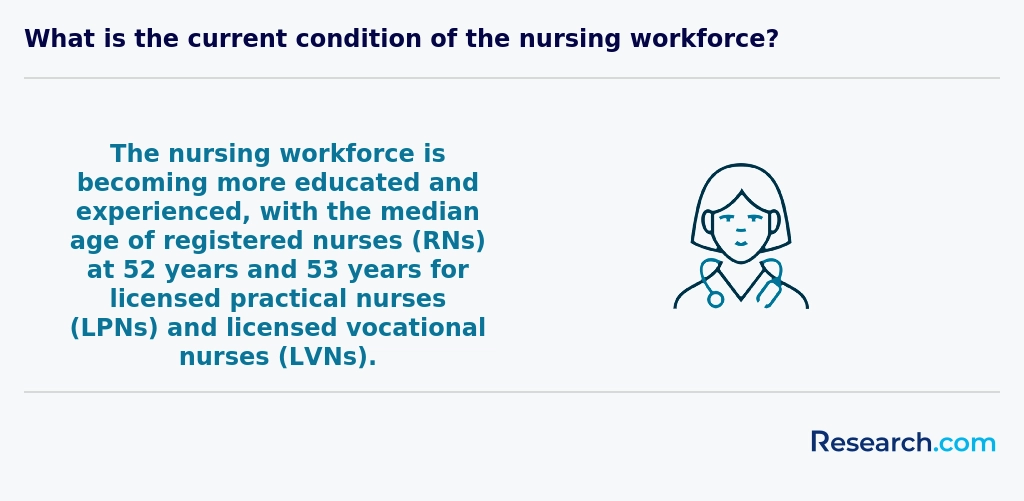
Graduates with nursing degrees from universities in the USA Territories can realistically expect varying earnings depending on their role and location. For instance, registered nurses, clinical nurse educators, public health nurses, and emergency room nurses generally earn an average annual wage of about $94,480, according to the latest U.S. Bureau of Labor Statistics data.
Many nursing students from popular programs in Puerto Rico and Guam find this figure reflective of their early career experiences, though local territory salaries often start lower. For example, graduates working in Puerto Rico might initially earn around $50,000 to $52,000 due to local market factors. However, those who advance into specialized roles, such as operating room nurses, can command significantly higher salaries - with averages around $128,490 per year nationwide.
Practical experience in federal or private hospitals on the islands often helps graduates bridge the wage gap between territories and the mainland. Graduates report feeling motivated by the steady demand for skilled nurses and the positive impact they make in their communities, balancing rewarding work with competitive pay in their home territories.
2027 Most Valuable Nursing Degree Programs Ranking in the USA Territories
How do we rank schools?
Investing in your education is a significant decision that can profoundly impact your career and future. The Research.com team recognizes the challenges prospective nursing students face and is committed to providing a trustworthy and precise ranking to aid in that decision. The "2027 Most Valuable Nursing Degree Programs Ranking in the USA Territories" reflects our dedication to quality, credibility, and accuracy through thorough research and analysis. We utilized the following reputable data sources to ensure a comprehensive assessment of nursing degree programs:
By consulting this ranking, readers will gain valuable insights into the most worthwhile nursing programs across USA territories, enabling informed educational choices. For an in-depth explanation of our ranking process, please visit our Research.com methodology page.
# 1 position
Universidad Ana G. Mendez-Gurabo Campus
Master of Science in Nursing
# 2 position
Dewey University-Hato Rey
Master of Science in Nursing

# 3 position
Universidad Ana G. Mendez-Cupey Campus
Master of Science in Nursing


# 6 position
Caribbean University-Bayamon
Master of Science in Nursing
# 7 position
NUC University
Bachelor of Science in Nursing

# 9 position
Columbia Central University-Caguas
Bachelor of Science in Nursing

# 11 position
EDP University of Puerto Rico Inc-San Juan
Bachelor of Science in Nursing

# 14 position
Dewey University-Manati
Bachelor of Science in Nursing

# 15 position
Dewey University-Hato Rey
Bachelor of Science in Nursing
# 16 position
Dewey University-Carolina
Bachelor of Science in Nursing

# 17 position
NUC University
Bachelor of Science in Nursing
# 18 position
Universidad Ana G. Mendez-Cupey Campus
Bachelor of Science in Nursing


Key Findings
- The cost of nursing degrees in USA Territories is generally lower than in mainland U.S., with public university tuition in Puerto Rico averaging $3,500 to $5,000 per year.
- Starting salaries for newly graduated nurses in Puerto Rico range from $40,000 to $50,000 annually, with experienced nurses earning up to $60,000 depending on location and specialty.
- Nursing job markets vary by territory; Puerto Rico has strong demand, while Guam and American Samoa often face nurse shortages, offering promising job prospects.
- Nursing licensure in the territories requires passing the NCLEX-RN exam, consistent with mainland U.S. standards.
- Many nursing programs in these regions focus on community health nursing to meet local healthcare needs.
How long does it take to complete nursing degree in the USA Territories?
Completing a nursing degree in the USA Territories typically fits within clear, manageable timelines. For example, graduates from well-known institutions like the University of Puerto Rico often finish their Associate Degree in Nursing (ADN) in about two years, allowing them to enter the workforce quickly and start gaining valuable experience.
If you aim higher with a Bachelor of Science in Nursing (BSN), expect around four years of study. Many students enrolled at Puerto Rico's accredited nursing schools or Guam Community College find that balancing coursework, clinical rotations, and part-time jobs is demanding but rewarding, especially knowing a BSN opens more career opportunities.
For working nurses holding an ADN, RN-to-BSN bridge programs available in these Territories offer a smart, flexible option. These programs usually take one to two years and often provide online study options, making it easier to juggle family and work commitments without sacrificing progress.
Advanced degrees like the Master of Science in Nursing (MSN) generally require an additional two years after the BSN. Many graduates pursuing specialties such as nurse practitioners or educators appreciate that programs in Puerto Rico cater to these goals, making advanced practice roles more reachable.
Accreditation and Licensing Requirements
Accreditation confirms a nursing program meets national standards, ensures eligibility for the NCLEX-RN exam and acceptance by employers across the United States and its territories.
- Programs accredited by the Commission on Collegiate Nursing Education (CCNE) or Accreditation Commission for Education in Nursing (ACEN)
- Approval by the local State Board of Nursing to qualify for NCLEX-RN licensure
- Strong NCLEX-RN pass rates (ideally above 85%) as a marker of program quality
- Eligibility for the Nurse Licensure Compact (NLC) to practice in participating states and territories
Check program admission criteria and explore easiest nursing schools to get into if accreditation and entry requirements align with your goals.
What's the difference between online and on-campus nursing degree?
On-campus nursing degrees in the USA Territories, such as those offered by the University of Guam's School of Health, provide students with direct, face-to-face mentorship and hands-on clinical experiences in local healthcare facilities. Graduates often recall the confidence gained from immediate support and campus resources like simulation labs, which foster strong peer connections. This path suits those who thrive in structured environments and want daily interaction with instructors.
In contrast, online nursing degrees deliver lectures and assignments through digital platforms, offering flexibility especially valuable for students in remote locations like American Samoa or the Northern Mariana Islands. Graduates appreciate managing their own schedules, balancing work or family while studying. However, practical clinical hours still require attending approved healthcare sites in person, preserving essential hands-on skill development.
Both formats demand commitment and meet licensing requirements for the NCLEX-RN exam. Practical experiences remain mandatory either way, but choosing between them depends on your lifestyle, learning style, and location within the Territories.
Accreditation and Licensing
Choosing an accredited program ensures your degree is recognized by employers and qualifies you for licensure. In the USA Territories, look for:
- Accreditation by the Commission on Collegiate Nursing Education (CCNE) or the Accreditation Commission for Education in Nursing (ACEN)
- Approval from the territory’s Board of Nursing to sit for the NCLEX-RN exam
- Regional accreditation of the institution (e.g., Middle States, WASC)
Key steps to licensure:
- Graduate from an accredited nursing program
- Apply and pass the NCLEX-RN through your territory’s Board of Nursing
- Maintain active licensure with continuing education requirements
After earning your RN, consider advancing your education with an rn to bsn online program accredited by the same bodies to ensure seamless transition and nationwide recognition.
What is the average cost of nursing degree in the USA Territories?
The average cost of earning a nursing degree in the USA Territories typically centers around $7,050 for in-state students, though total expenses can reach about $17,450 when factoring in out-of-state tuition and additional fees. Nursing students at institutions like the University of Puerto Rico often find tuition fees notably lower compared to mainland universities, creating an accessible path for many local residents. Graduates frequently share how this affordability allowed them to focus on their studies without excessive financial stress, a crucial factor when balancing practical training and licensing exam preparation.
In Guam and the U.S. Virgin Islands, costs can be somewhat higher, but still relatively manageable compared to many U.S. mainland options. Local nursing programs in these territories tend to keep tuition within a reasonable range and avoid the price spikes seen elsewhere, making it a viable choice for students committed to staying close to home. When planning a nursing degree, students report the importance of considering total expenses for nursing degrees in US territories, which include textbooks, uniforms, and other academic supplies.
Many prospective nurses explore scholarships and financial aid offered by territorial governments or universities, significantly easing the overall financial burden. Some students opt for accelerated tracks to reduce both time and tuition costs, making online alternatives especially attractive. Those interested should explore accelerated online degree programs as a practical option to save money and jumpstart their careers without compromising education quality.
What financial aid is available to nursing degree students in the USA Territories?
Students pursuing nursing degrees in the USA Territories can access Pell Grants, which offer up to $7,395 annually without repayment, providing substantial relief from tuition costs at institutions like the University of Puerto Rico or Guam Community College. Graduates often recall relying on these grants to cover fees and focus more on studies than finances.
Federal Direct Subsidized and Unsubsidized Loans are also available. They have lower interest rates than private loans and offer flexible repayment plans, especially beneficial for graduates planning careers in healthcare within the territories. These options helped many graduates avoid overwhelming debt while gaining valuable experience.
Specialized aid from the Health Resources and Services Administration (HRSA) supports students committed to underserved communities through scholarships and loan programs, sometimes covering full tuition at schools such as the U.S. Virgin Islands University.
Local scholarships from territorial governments often award funds to students addressing regional nursing shortages. Combining these with federal work-study programs allows students to earn while they learn, gaining hands-on healthcare experience and easing economic stress throughout their nursing education.
Continuing Education: RN to BSN Pathways
Building on your initial nursing qualification in the USA Territories, an RN to BSN bridge elevates clinical expertise and opens doors to leadership, education, and specialized care roles. Many programs accommodate working nurses with flexible formats.
- Gain deeper knowledge in community health, research methods and nursing informatics
- Enhance communication, critical thinking and management skills for advanced practice
- Meet growing employer preference for BSN-prepared nurses and boost earning potential
For streamlined, flexible options, explore accredited online rn to bsn programs without clinical requirements that fit your schedule and career goals.
What are the prerequisites for enrolling in nursing degree program in the USA Territories?
To enroll in a nursing degree program in the USA Territories, your first step is completing a high school diploma or GED. Graduates from universities in Puerto Rico and Guam often stress how taking biology, chemistry, and math in high school cleared the path for their nursing studies. These core subjects are crucial to grasp foundational nursing concepts.
Next, prepare to submit standardized test scores, typically the TEAS exam. Many students found that practicing the TEAS helped boost their confidence before applying to colleges like the University of Puerto Rico or Guam Community College. Some programs may also accept ACT or SAT results, offering flexibility.
Proficiency in English is essential, especially since clinical settings demand clear communication. If English isn't your first language, passing TOEFL is often required, as it was for several successful nursing students from the U.S. Virgin Islands.
Finally, be ready to complete background checks and immunization records, including vaccines for MMR and Hepatitis B. These steps protect both you and your future patients during clinical rotations.
What courses are typically in nursing degree programs in the USA Territories?
Nursing degree programs in the USA Territories typically start with foundational science courses like anatomy, physiology, microbiology, and chemistry. Graduates from universities such as the University of Puerto Rico's nursing program often describe these classes as challenging but essential, helping them understand the human body and diseases, which builds confidence in clinical settings.
Next, practical nursing courses cover Fundamentals of Nursing, Pharmacology, and Medical-Surgical Nursing. Students from institutions like the University of Guam say these classes connect theory to hands-on patient care, teaching skills like medication management and adult patient support that feel immediately useful during clinical rotations.
Specialized courses include Pediatric and Maternal-Child Nursing, Mental Health Nursing, and Community Health Nursing. Many graduates recall how community health projects fostered a real sense of purpose, as they supported local families and offered health education, making the curriculum relevant for the territories' unique population needs.
Lab work and clinical practicums are vital, with direct patient care experiences under supervision. This practical approach prepares students to face real-world scenarios confidently, a sentiment echoed across top nursing schools in the region.
What types of specializations are available in nursing degree programs in the USA Territories?
Nursing degree specializations in USA Territories typically include Adult-Gerontology Nursing, which prepares students to care for aging populations facing chronic illnesses-a vital skill in places like Puerto Rico where elderly care is in high demand. Graduates from local programs often highlight how Pediatric Nursing equips them to support diverse youth communities found in territories such as Guam. Psychiatric-Mental Health Nursing addresses mental health challenges unique to isolated island populations, making it a rewarding path for those wanting to make a real difference. Many students at prominent institutions like the University of Puerto Rico pursue Family Nurse Practitioner (FNP) training to provide primary care in underserved rural areas, gaining hands-on experience that feels immediately impactful. Nurse Midwifery is another common focus, helping to improve maternal health outcomes where access to obstetricians is limited. If you want guidance on advanced degrees, exploring the easiest phd to get might be a practical next step in your planning for further specialization.
For those weighing options, best nursing programs in USA Territories emphasize practical skills and community healthcare needs, reflecting local priorities and giving graduates an edge in meeting regional demands.
How do you choose the best nursing degree in the USA Territories?
Start by verifying program accreditation through recognized bodies like the Commission on Collegiate Nursing Education (CCNE) or the Accreditation Commission for Education in Nursing (ACEN), which ensure quality education in nursing schools across the USA Territories. Graduates from popular colleges in Puerto Rico often share how accreditation directly impacted their job prospects and licensure success. Next, compare tuition costs and hidden fees carefully-public programs typically range from $3,000 to $7,000 annually, but private options may be pricier, so understanding total expenses upfront is vital for affordability.
Assess the degree types available, focusing on whether you want an Associate Degree in Nursing (ADN) or aim higher with a Bachelor of Science in Nursing (BSN), which tends to offer better salaries and career growth. Many students at Guam institutions have found that pursuing a BSN opened doors to leadership roles and higher pay. Also, check NCLEX pass rates and clinical training opportunities, since hands-on experience and exam preparation strongly affect employability. Finally, if balancing work or family, seek schools offering online or hybrid courses, such as some listed among the top non profit accredited online universities, for needed flexibility when pursuing the best nursing degree programs in USA Territories.

What career paths are available for nursing degree students in the USA Territories?
Graduates holding a nursing degree in the USA Territories commonly pursue practical roles such as Registered Nurse (RN) and Licensed Practical Nurse (LPN), working hands-on in hospitals, clinics, and community health centers. Many also advance to Nurse Practitioner (NP) positions, especially in underserved areas needing advanced healthcare services. Those aiming for public impact often choose careers as Public Health Nurses or School Nurses, directly shaping community and student wellness. For students from institutions like the University of Puerto Rico, these options translate into rewarding career paths that address critical local needs, such as diabetes and cardiovascular care.
Given the strong demand found in job opportunities for nursing graduates in USA Territories, many start with specialized roles in maternal and child health or chronic disease management. These roles offer both job security and personal fulfillment. Graduates appreciate that the NCLEX licensing eases transitions between territories and the mainland. For those planning ahead, nursing degrees from the territories also open doors to leadership, healthcare policy, or education within smaller but impactful local healthcare systems. Prospective students can explore the best online universities with national accreditation to find flexible pathways aligned with their career goals.
What is the job market for nursing degree in the USA Territories?
The nursing job outlook in USA Territories remains solid, with steady demand across places like Puerto Rico, Guam, and the U.S. Virgin Islands. Graduates from local institutions, such as the University of Puerto Rico's nursing program, often find rewarding positions at regional hospitals that serve aging populations or manage chronic illnesses. These nurses frequently report satisfaction working in close-knit communities where their skills make a tangible impact. Licensing reciprocity lets many nurses easily transfer their credentials if they move between territories and mainland states, broadening employment opportunities.
Healthcare employment opportunities in USA Territories can vary by location and funding, but many nursing graduates benefit from affordable tuition rates-often between $3,500 and $6,000 annually-which make the profession accessible. For those navigating the local job market, considering programs like the ones at Guam's public colleges can provide valuable clinical experience in diverse healthcare settings. Many graduates appreciate the stability nursing jobs offer compared to other sectors, reflecting a growing and resilient field.
Prospective students looking for flexible pathways may also explore options at the easiest nursing schools to get into within the territories, balancing affordability with practical training to enter this thriving sector.
Frequently Asked Questions About nursing
Students pursuing nursing degrees in the USA Territories can maximize their learning by engaging actively in clinical experiences offered locally. Territories like Puerto Rico and Guam provide unique healthcare environments where students can gain hands-on skills in diverse settings, including community clinics and hospitals, that reflect specific regional health challenges.
Utilizing resources from accredited programs recognized by the Commission on Collegiate Nursing Education (CCNE) or the Accreditation Commission for Education in Nursing (ACEN) is crucial. These accreditations ensure programs meet quality standards necessary for licensure and professional growth.
Networking with local healthcare providers and joining nursing organizations such as the National Association of Hispanic Nurses can expand professional opportunities.
Additionally, incorporating online courses from mainland universities complements local training, providing broader theoretical knowledge and flexibility. According to the U.S. Bureau of Labor Statistics, registered nursing employment in the territories is expected to grow, emphasizing the importance of thorough education and practical skills.
Emerging niches within the nursing field are rapidly shaping career opportunities in the USA Territories. One growing area is telehealth nursing, which expands access to healthcare through remote patient monitoring and virtual consultations. This trend is especially vital in islands like Puerto Rico and Guam, where geographic challenges limit in-person care availability.
Another important niche is geriatric nursing, driven by an aging population across the territories. Nurses specializing in elder care are increasingly needed to manage chronic diseases and improve quality of life.
Additionally, public health nursing has grown in significance due to ongoing community health initiatives addressing infectious diseases and disaster response. The Bureau of Labor Statistics predicts a 12% growth in registered nursing jobs linked to these specialties by 2030, reflecting nationwide trends applicable to the territories.
Preparing for the job market after completing a nursing degree in the USA Territories involves understanding local healthcare needs and licensing requirements. Graduates must pass the National Council Licensure Examination (NCLEX-RN) to practice legally. The U.S. Virgin Islands and Guam, for example, require specific licensure adherence aligned with U.S. standards.
Networking through clinical rotations during studies is crucial, as many local hospitals and clinics prefer familiar candidates. According to the Bureau of Labor Statistics, nursing employment in these territories is expected to grow steadily due to aging populations and increased healthcare access.
Enhancing skills via continuing education and certifications strengthens job prospects. Familiarity with telehealth technology is also increasingly valuable. Local nursing associations offer support and job listings tailored to the region. Staying informed about territorial healthcare initiatives can give candidates a competitive edge.
Employers in the USA Territories highly value nursing degree graduates who demonstrate strong clinical competence. This includes the ability to perform patient assessments, administer medications safely, and provide effective care in diverse healthcare settings, from hospitals to community clinics. According to the U.S. Bureau of Labor Statistics, demand for nurses in these regions is expected to grow by over 15% through 2031, emphasizing the need for well-prepared professionals.
Communication skills are essential, as nurses must collaborate with doctors, patients, and families. Adaptability and cultural sensitivity are also critical, given the territories' unique populations and healthcare challenges.
Finally, employers prioritize graduates who are proficient in using electronic health records (EHR) systems and demonstrate ongoing commitment to continuing education and professional development.
Finding internships related to nursing degrees in the USA Territories involves connecting with local healthcare facilities and educational institutions. Nursing students can start by contacting hospitals, clinics, and public health departments within territories such as Puerto Rico, Guam, and the U.S. Virgin Islands. These organizations often collaborate with nursing schools to offer clinical placements. The National Council of State Boards of Nursing reports that clinical experience is a mandatory part of nursing programs across all territories, ensuring students gain hands-on exposure.
Additionally, many nursing programs in the territories have established partnerships with community health centers, providing structured internship opportunities. Students should also consult their academic advisors, who usually have information on approved clinical sites.
Online nursing association directories, such as the American Nurses Association's territorial chapters, can help identify potential internship listings. Early outreach and maintaining up-to-date CPR and relevant certifications are essential for securing these positions.
Obtaining a nursing degree in the USA Territories significantly enhances career mobility and advancement opportunities. Nursing professionals with degrees are eligible for broader roles, including leadership, specialized clinical positions, and educational careers. According to the U.S. Bureau of Labor Statistics, registered nurses with formal higher education have better job security and earn higher salaries across territories such as Puerto Rico, Guam, and the U.S. Virgin Islands.
Many hospitals and healthcare facilities in these territories prefer or require a Bachelor of Science in Nursing (BSN) for advanced roles. This degree also facilitates the pursuit of licensure in multiple states and territories, expanding employment options. Additionally, degree holders are more competitive for advanced certifications and graduate programs, which further support career growth.
Studying for a nursing degree in the USA Territories equips students with essential skills to work effectively in interdisciplinary healthcare teams. Nursing programs in territories like Puerto Rico and Guam emphasize collaboration among nurses, doctors, pharmacists, and social workers. According to the U.S. Bureau of Labor Statistics, nurses in these regions often engage in diverse clinical settings requiring coordination with various health professionals.
These programs integrate courses on communication, leadership, and cultural competence, reflecting the unique patient demographics of the territories. This multidisciplinary training prepares graduates to manage complex cases and improve patient outcomes through teamwork.
The curriculum also aligns with U.S. nursing standards, ensuring graduates meet national licensure requirements while addressing local health challenges, including chronic diseases and public health issues, as reported by the Health Resources and Services Administration.
Choosing between a thesis and a non-thesis nursing degree program in the USA Territories depends on your academic and career goals. A thesis program typically involves conducting original research and writing a detailed paper, which suits students aiming for advanced study or roles in nursing education and research. Non-thesis programs focus more on practical skills and clinical experience, making them ideal for those preparing for leadership or advanced clinical positions.
In the USA Territories, nursing programs often align with mainland standards, and institutions accredited by bodies like the Commission on Collegiate Nursing Education (CCNE) offer both options. According to the National Council of State Boards of Nursing (NCSBN), practical training remains critical due to unique regional health challenges.
Consider your interest in research, future study plans, and time commitment-thesis tracks typically require more time to complete. Evaluating program specifics from local schools such as the University of Guam or the University of Puerto Rico can help clarify these differences.
Students in the USA Territories seeking to study nursing abroad often consider programs within the mainland United States due to consistent accreditation and licensure compatibility. Territories such as Puerto Rico, Guam, and the U.S. Virgin Islands have affiliations with mainland institutions offering distance learning or campus-based options. According to the National Council of State Boards of Nursing (NCSBN), nurses educated in accredited U.S. programs, including those in territories, face fewer barriers in obtaining registered nurse licenses nationwide.
Some students also explore programs in territories with U.S.-accredited institutions to balance cost and quality. Accredited online nursing programs allow flexibility without relocating overseas.
Students pursuing nursing degrees in the USA Territories have several part-time job options that support both education and practical experience. Many seek roles as nursing assistants or home health aides, which provide direct patient care while strengthening clinical skills. According to the U.S. Bureau of Labor Statistics, these positions often pay between $12 and $18 per hour, offering flexible schedules suitable for students.
Local hospitals and community health centers in Puerto Rico, Guam, and the U.S. Virgin Islands commonly hire part-time staff for medical support roles. Additionally, some territories offer internships or externships that complement nursing curricula, giving students hands-on experience without exceeding workload limits set by nursing programs.
Nursing students in the USA Territories have several opportunities to build professional networks during their studies. Many nursing programs collaborate with local hospitals and clinics, offering clinical placements where students meet practicing nurses and healthcare leaders. For example, in Puerto Rico, partnerships with the Department of Health facilitate valuable connections for students entering the workforce. Additionally, nursing students can join regional chapters of national organizations such as the American Nurses Association, which hosts conferences and workshops in the territories. These events promote peer networking and mentorship, essential for career growth. According to the Bureau of Labor Statistics, healthcare in these regions continues to expand, increasing networking importance for students.
Alumni networks play a crucial role for nursing degree students in the USA Territories by offering valuable professional connections. These networks help new graduates access local job opportunities in healthcare facilities, which is essential given the limited number of nursing employers in territories like Guam, Puerto Rico, and the U.S. Virgin Islands.
Many alumni associations organize mentoring programs, providing guidance on licensure exams required in the territories, such as the NCLEX-RN. According to the National Council of State Boards of Nursing, mentorship increases pass rates by up to 20%.
Additionally, alumni events facilitate knowledge sharing about local healthcare challenges, strengthening community-focused nursing practices.
Customizing a nursing degree program in the USA Territories allows students to align their education with specific career goals. Many regional institutions offer flexible coursework options such as specializing in gerontology, pediatric nursing, or community health. Students can often choose electives or concentrations to focus on areas with high local demand. For instance, the Guam Community College nursing program provides courses tailored to address tropical diseases and rural healthcare challenges.
Some programs also include clinical placements within local hospitals or health departments, giving hands-on experience in relevant settings. This practical training is crucial for building skills that employers in the Territories highly value. According to the U.S. Bureau of Labor Statistics, tailoring skills in community health nursing can improve job prospects in the region's growing healthcare sector.
Additionally, accredited online courses and continuing education options enhance flexibility, especially for working professionals. Federal guidelines encourage programs to meet both local licensing requirements and national standards, ensuring a quality education that supports various nursing career paths.
Nursing students in the USA Territories often face unique challenges compared to those in the continental United States. Limited access to accredited nursing programs is a primary concern, with fewer institutions offering diverse specializations or advanced degrees. According to the National Council of State Boards of Nursing (NCSBN), this scarcity can slow students' educational progress and career advancement.
Financial constraints also affect many students, as federal funding for higher education in territories is generally lower. This limits scholarships and financial aid availability, increasing student debt risks. Additionally, clinical placement opportunities are more limited due to fewer healthcare facilities, which impacts practical training quality.
Infrastructure issues, including inconsistent internet access, can hinder online learning-an important factor, especially post-pandemic. These obstacles collectively challenge nursing students striving to achieve licensure and employment in local healthcare systems, which experience workforce shortages themselves.
With a nursing degree in the USA Territories, graduates can pursue several professional certifications to advance their careers. Common certifications include the Registered Nurse (RN) license, which is mandatory for practice. Beyond this, nurses can earn specialty credentials such as Certified Nurse Practitioner (CNP), Certified Nurse Midwife (CNM), or Certified Clinical Nurse Specialist (CNS). These enhance expertise in areas like primary care, midwifery, or clinical nursing.
Many certifications are nationally recognized by bodies like the American Nurses Credentialing Center (ANCC). In the USA Territories, the demand for certified nurses is growing, with Puerto Rico employing over 50,000 RNs as of recent reports by the U.S. Bureau of Labor Statistics. Such certifications improve job prospects and may lead to higher salaries.
Writing a winning application for a nursing program in the USA Territories requires careful preparation and attention to detail. Applicants should start by researching programs accredited by the Accreditation Commission for Education in Nursing (ACEN) or the Commission on Collegiate Nursing Education (CCNE), ensuring quality education recognized nationwide. Demonstrating strong academic performance is essential; a minimum GPA of 3.0 is often recommended.
Include clear, concise personal statements explaining your motivation for nursing, highlighting any healthcare experience. Letters of recommendation from supervisors or professors strengthen your application.
Standardized tests such as the TEAS are commonly required. Meeting or exceeding cut scores improves chances significantly. Additionally, proof of residency in a USA Territory may offer limited in-state tuition benefits. According to the National Center for Education Statistics, nursing job growth is robust in these regions, reflecting growing demand.
The demand for skilled nurses continues to grow worldwide, reflecting the importance of nursing as a global profession. In the USA Territories, nursing careers are increasingly valued for their role in addressing local and international health challenges. According to the U.S. Bureau of Labor Statistics, employment of registered nurses is projected to grow 7% from 2021 to 2031, which aligns with trends seen in Puerto Rico and Guam.
Nursing degrees from accredited programs in the USA Territories offer opportunities for licensure across many U.S. states and territories, supporting mobility. This flexibility makes nursing an attractive career for individuals seeking a stable, respected profession with global reach. Additionally, nurses trained in the territories often contribute to public health efforts, disaster response, and community healthcare improvement, which are critical worldwide.
Gaining practical experience while studying for a nursing degree in the USA Territories typically involves clinical rotations, internships, and hands-on training integrated into accredited nursing programs. These experiences are essential for developing real-world skills and meeting licensure requirements. Nursing students often complete clinical hours in local hospitals, community health centers, and long-term care facilities.
For example, Puerto Rico and Guam have partnerships with regional healthcare providers offering supervised clinical placements. According to the National Council of State Boards of Nursing, students must complete a minimum number of clinical hours, usually around 500 to 700, depending on the program.
Additionally, some territories offer simulation labs to enhance practical learning in controlled environments. These opportunities enable students to practice patient care safely before engaging directly with patients in clinical settings.
Choosing the right concentration within a nursing degree program in the USA Territories involves careful consideration of local healthcare needs and job market trends. For example, in Puerto Rico and Guam, fields like geriatric and community health nursing are especially important due to aging populations and limited access to rural healthcare, according to the Bureau of Labor Statistics.
Students should also assess their interests and strengths in areas like pediatrics, mental health, or emergency care. Accreditation by organizations such as the Commission on Collegiate Nursing Education (CCNE) ensures programs meet national standards relevant across the territories.
Researching state licensing requirements is crucial, as certain nursing concentrations may have specific certification needs. Advisors and workforce data from local health departments can provide insight into emerging specialties with strong employment prospects.
Top Trending Nursing Rankings
See What Experts Have To Say About Studying Nursing
Read our interview with Nursing experts


References
- How to Choose the Right Nursing School for Your Career Goals | Archer Review https://www.archerreview.com/blog/how-to-choose-the-right-nursing-school-for-your-career-goals
- Nursing Jobs in the USA | PassportUSA Program https://www.passportusa.com/nursing-jobs-usa
- Cost of Becoming a Nurse in the US: Exam, Visa, & Training | CaresLink https://www.careslink.com/blog/cost-of-becoming-a-nurse-in-the-US
- Work-life balance | Careers Crossroads | RCN Careers Resources | Royal College of Nursing https://www.rcn.org.uk/Professional-Development/Your-career/Nurse/Career-Crossroads/Career-Ideas-and-Inspiration/work-life-balance
- 7 Nursing School Tips for Studying https://www.denvercollegeofnursing.edu/blog/nursing/7-Nursing-School-Tips-for-Studying.html
- How to Choose a Nursing Program | All Nursing Schools https://www.allnursingschools.com/how-to-get-into-nursing-school/choose-the-right-school/
- How to Build Your Nursing Career Network While Still in School https://nursegrid.com/blog/how-to-build-your-nursing-career-network-while-still-in-school/
- Nursing School Requirements in [currentyear] - NEIT https://www.neit.edu/blog/nursing-school-requirements
- Top Nursing Skills U.S. Employers Want to See on Your Resume | O'Grady Peyton https://www.ogradypeyton.com/blog/job-seeker-resources/top-nursing-skills-u.s.-employers-want-to-see-on-your-resume
- How Do Nurses Navigate Career Advancement? | NursingEducation https://nursingeducation.org/insights/career-advancement/


