
2027 Most Valuable Online Master's in Nursing Degree Programs Ranking in Tennessee

Co-Founder and Chief Data Scientist
For prospective nursing students in Tennessee, choosing the right online master's program can feel overwhelming. This article introduces the 2027 Most Valuable Online Master's in Nursing Degree Programs Ranking in Tennessee, created by the Research.com team of data scientists. It's designed to help you make an informed decision by highlighting programs that truly stand out.
Getting a nursing degree opens doors to rewarding careers and personal growth. By exploring this ranking, you'll discover valuable insights that could shape your future and support your ambitions in healthcare.
Key benefits of getting online nursing degree in Tennessee
- Nursing graduates in Tennessee can expect strong salaries, with Nurse Practitioners and Critical Care Nurses earning about $128,490 annually, while Nurse Administrators, Educators, and Clinical Nurse Specialists typically earn around $94,480 per year.
- Graduates from popular Tennessee schools often pursue diverse career paths, including advanced clinical roles, education, and healthcare administration, opening many fulfilling opportunities to make a positive impact.
- Online nursing degrees offer flexible schedules and reduced commuting, ideal for busy Tennesseans balancing work or family, making education more accessible and stress-free compared to traditional programs.
- Key benefits of getting online nursing degree in Tennessee
- What can I expect from online nursing degree in Tennessee?
- Where can I work with online nursing degree in Tennessee?
- How much can I make with online nursing degree in Tennessee?
- 2027 Most Valuable Online Master's in Nursing Degree Programs Ranking in Tennessee
- Key Findings
- How long does it take to complete online nursing degree in Tennessee?
- Licensure and Certification Requirements
- What's the difference between online and on-campus nursing degree?
- Accreditation and State Approval
- What is the average cost of online nursing degree in Tennessee?
- Comparing Nursing Salaries Across States for Advanced Roles
- What financial aid is available to online nursing degree students in Tennessee?
- Typical Coursework and Curriculum Overview
- What are the prerequisites for enrolling in online nursing degree program in Tennessee?
- Accreditation and State Licensure Requirements in Tennessee
- What courses are typically in online nursing degree programs in Tennessee?
- What types of specializations are available in online nursing degree programs in Tennessee?
- How do you choose the best online nursing degree in Tennessee?
- What career paths are available for online nursing degree students in Tennessee?
- What is the job market for online nursing degree in Tennessee?
- Related Nursing Rankings for Nearby States
- Top Trending Nursing Rankings
- See What Experts Have To Say About Studying Nursing
What can I expect from online nursing degree in Tennessee?
The average cost of an online nursing degree in Tennessee varies widely, but many students find that public universities offer more affordable tuition options, especially with in-state rates. For example, graduates from well-regarded Tennessee institutions report that in-state tuition for online Bachelor of Science in Nursing (BSN) completion programs often ranges from $8,000 to $15,000 per year. This affordability makes studying nursing while balancing work and family responsibilities much more achievable.
Private schools tend to have higher tuition, but these programs often provide financial aid packages or nursing-specific scholarships that help reduce the overall cost. Students appreciate that schools like the University of Tennessee or Middle Tennessee State University often assist with practical clinical placements nearby, eliminating extra travel expenses.
Many nursing students emphasize the value of reaching out to admissions or financial services early. They found that personalized guidance helped them uncover options such as payment plans and state grants, easing financial stress during their studies.
Where can I work with online nursing degree in Tennessee?
Graduates with an online nursing degree in Tennessee find rewarding opportunities in hospitals like Vanderbilt University Medical Center and Methodist Le Bonheur Healthcare, where they step confidently into roles such as staff nurse or nurse coordinator. Many share how completing online programs gave them the flexibility to balance work and study while preparing for these dynamic environments.
Nursing homes and long-term care facilities also welcome online graduates, especially as Tennessee's aging population grows. Graduates describe feeling fulfilled working in settings that focus on geriatric care, applying skills learned through their programs at institutions like Belmont University and the University of Tennessee.
Public health roles in community clinics and rural areas increasingly need nurses trained in population health, a specialty many online degrees cover. Those passionate about making a difference in underserved regions find these paths deeply meaningful and well aligned with what they learned in their coursework.
For advanced practice roles, online MSN programs at schools such as Lipscomb University equip nurses to work as nurse practitioners or clinical specialists, expanding their independence and impact in Tennessee's healthcare system.
How much can I make with online nursing degree in Tennessee?
Graduates from online nursing programs in Tennessee often see rewarding salary outcomes. For instance, those advancing to roles like Nurse Practitioners or Critical Care Nurses can expect mean annual wages near $128,490, according to national figures from the Bureau of Labor Statistics. A graduate from a reputable program such as the University of Tennessee's online BSN completion shared how moving into a Nurse Practitioner role brought both financial stability and professional satisfaction.
Clinical Nurse Specialists, Nurse Administrators, and Nurse Educators typically earn around $94,480 annually, reflecting the value of advanced nursing degrees offered through schools like Middle Tennessee State University. These salaries align with the state's demand for skilled professionals, combining solid income with career growth.
Many Tennessee online nursing students appreciate that accredited programs help unlock access to competitive salaries and benefits. Graduates report that the flexibility to balance study with work and family life enhances their motivation and enables them to reach their career goals with confidence.
2027 Most Valuable Online Master's in Nursing Degree Programs Ranking in Tennessee
How do we rank schools?
Investing in your education is a significant decision that can shape your future, and the Research.com team understands the importance of making informed choices. To assist prospective students in Tennessee, we have meticulously developed the "2027 Most Valuable Online Master's in Nursing Degree Programs Ranking in Tennessee." Our commitment to quality, credibility, and accuracy is demonstrated through rigorous research and careful analysis performed to compile this ranking.
We utilized the following reputable data sources to ensure a comprehensive evaluation of nursing programs:
By exploring this ranking, readers will gain valuable insights into the most valuable online master's nursing programs in Tennessee, empowering them to make well-informed decisions that align with their career goals. For more details on our methodology, please visit our Research.com methodology page.


Key Findings
- Tennessee offers accredited online nursing programs including ADN, BSN, and MSN degrees with local clinical requirements.
- Tuition for online undergraduate nursing degrees ranges from $10,000 to $25,000, while graduate programs may cost up to $40,000.
- Entry-level BSN graduates can expect an average salary around $58,000, increasing to over $70,000 with experience, and advanced degree nurses may earn more than $90,000 annually.
- The nursing job market in Tennessee is growing due to healthcare demand and an aging population, with strong employment growth forecasted for the next decade.
- Programs must be accredited by CCNE or ACEN and meet Tennessee Board of Nursing licensure requirements to ensure eligibility for licensure and employment.
How long does it take to complete online nursing degree in Tennessee?
Completing an online nursing degree in Tennessee varies widely by the program you choose and your previous education. For example, many graduates from community colleges find that an Associate Degree in Nursing (ADN) takes about 2 to 3 years when studying full-time, especially with hybrid models that combine online classes and local clinical practice.
Students pursuing a Bachelor of Science in Nursing (BSN) often experience more flexibility. Those starting fresh typically take around 4 years, but online RN-to-BSN or accelerated BSN programs at Tennessee universities commonly allow graduates to finish in 12 to 24 months-ideal for working professionals balancing life and studies.
Master of Science in Nursing (MSN) programs offered by institutions like the University of Tennessee allow nurses to advance in 1.5 to 3 years. These programs are designed to accommodate part-time studies so graduates can keep working while earning their degree.
Many students appreciate that flexible pacing and transfer credits let them tailor their path, turning nursing education into a manageable, rewarding experience in Tennessee's supportive learning environments.
Licensure and Certification Requirements
To practice as an advanced nurse in Tennessee after earning your online MSN, you must satisfy both state licensure and national certification standards:
- Graduate from a CCNE- or ACEN-accredited MSN program
- Hold or obtain an active RN license through the Tennessee Board of Nursing
- Earn national certification in your specialty (e.g., AANP or ANCC for nurse practitioners)
- Submit documented clinical/practicum hours required by your certification body
- Complete continuing education and renew credentials per Tennessee regulations
If you need a BSN before your MSN, explore the easiest nursing programs to get into.
What's the difference between online and on-campus nursing degree?
Online nursing degrees in Tennessee offer flexibility that many students find essential, especially for those balancing work or family. Graduates from popular schools like the University of Tennessee at Chattanooga describe the convenience of completing coursework on their own schedule while still meeting state licensing requirements through virtual simulations combined with local clinical placements.
In contrast, on-campus programs at institutions such as Middle Tennessee State University provide hands-on training through direct interaction in labs and affiliated healthcare facilities. Students often share how this immersive setting accelerates their clinical skill development and builds strong peer connections.
Cost differences also play a role. Online students tend to save money on commuting and housing, making programs more accessible financially, though tuition varies widely. Both online and on-campus paths in Tennessee require completion of supervised clinical hours approved by the Tennessee Board of Nursing, ensuring graduates are fully prepared to pass the NCLEX-RN exam and succeed in their nursing careers.
Accreditation and State Approval
Accreditation ensures online nursing programs meet rigorous quality standards and that graduates are eligible for licensure and employment. Key considerations include:
- CCNE or ACEN accreditation for nursing curricula
- Regional accreditation (e.g., SACSCOC) to qualify for federal aid and credit transfer
- Tennessee Board of Nursing approval for local clinical placements
Benefits of choosing an accredited program:
- Eligibility to sit for the NCLEX-RN and advanced practice certification
- Smoother transfer of credits between institutions
- Greater employer recognition and mobility across states
For RN-to-BSN students seeking minimal in-person requirements, explore rn to bsn online programs without clinicals
What is the average cost of online nursing degree in Tennessee?
The average cost of an online nursing degree in Tennessee varies depending on residency and program specifics, but generally, in-state students can expect the total tuition to be around $16,533. Out-of-state students, however, often face much higher expenses, median costs rising to approximately $53,361. Many graduates from popular institutions like the University of Tennessee highlight that despite these costs, the investment is manageable and worthwhile due to financial aid options and flexible scheduling.
For example, students enrolled in online nursing programs often balance work and study, making Tennessee's affordable online nursing master's programs Tennessee a practical choice. The ability to complete coursework remotely while maintaining employment helps reduce indirect costs, such as transportation and housing. Additionally, several nursing students mention the support from scholarships, grants, and employer tuition reimbursement, which significantly eases the financial burden.
Prospective nurses should also consider exploring the Tennessee Board of Nursing's resources and local healthcare employers' programs that sometimes offer funding specifically designed for nursing education. These opportunities align well with nursing graduates' experiences, who found such supports essential in making the degree cost feasible. For those comparing options, reviewing the easiest licensed practical nursing programs to get into in Tennessee can also provide insight into affordable pathways.
Comparing Nursing Salaries Across States for Advanced Roles
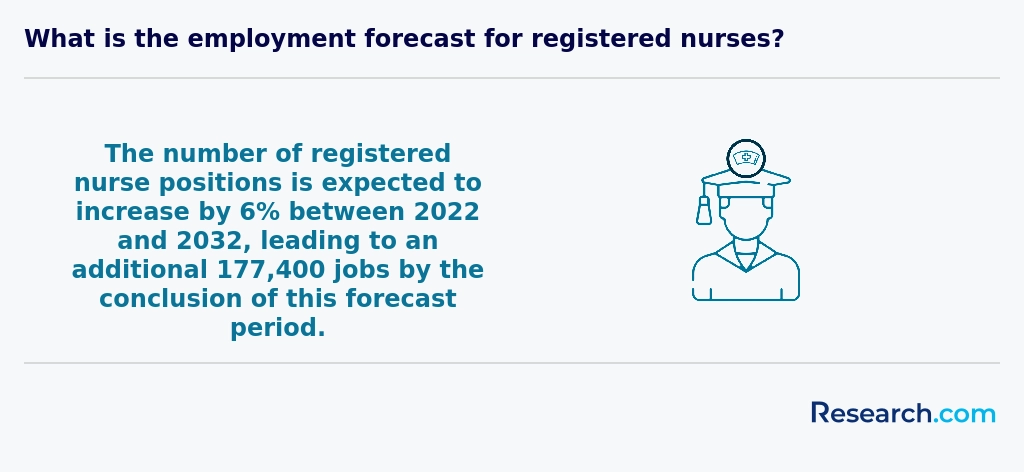
When evaluating the return on investment of an online master’s in nursing degree, it’s essential to consider how compensation varies from one state to another-particularly for advanced practice roles like psychiatric nurse practitioners. While Tennessee’s average RN salary of $65,000 per year is competitive, neighboring states such as Georgia and North Carolina often offer higher mean wages, reflecting differences in cost of living, state healthcare budgets, and demand for specialized practitioners. By benchmarking your expected earnings against regional data, you can make more informed decisions about program affordability and career trajectory. For a detailed breakdown of compensation trends and to explore variations in advanced practice salaries nationwide, see our guide on how much does a psychiatric nurse practitioner earn by state. This resource highlights states where psychiatric nurse practitioners command top-tier salaries-often exceeding $120,000 annually-and identifies emerging hotspots with significant growth in mental health services. Understanding these patterns helps you align your specialization choice, licensure planning, and potential relocation strategy with the financial realities of the nursing profession. In addition to state-specific salary comparisons, consider factors such as differential pay for urban versus rural assignments, premium shifts in critical care units, and incentive programs for underserved areas. Armed with this comprehensive salary intelligence, graduates of Tennessee’s online master’s programs can confidently negotiate offers, tailor their clinical focus, and maximize long-term career satisfaction.
What financial aid is available to online nursing degree students in Tennessee?
Online nursing students in Tennessee can access a range of financial aid to make their education more affordable. Graduates from universities like the University of Tennessee often highlight how completing the FAFSA opened doors to federal grants and loans, including the Pell Grant, which can provide up to $7,395 annually. This support can dramatically ease tuition costs for online nursing programs.
State-specific aid through the Tennessee Student Assistance Corporation (TSAC) is another vital resource. Many students report receiving the Tennessee HOPE Scholarship, offering up to $4,000 per year, or tuition coverage via the Tennessee Promise program for associate degree pathways at community colleges. These options have allowed students to focus more on studies and less on finances.
Merit-based scholarships from Tennessee nursing schools reward academic and community achievements. For example, students enrolled online at institutions within the University of Tennessee system find such scholarships invaluable. Additionally, healthcare employers often provide tuition reimbursement or loan forgiveness tied to service commitments in underserved areas, providing relief and motivation.
Veterans and military-affiliated learners benefit from the GI Bill and Tennessee's Dependents Education Program, significantly lowering educational expenses. Students also tap into nursing associations and private foundations, like the Tennessee Nurses Foundation, that offer ongoing scholarship opportunities tailored to different career stages.
Typical Coursework and Curriculum Overview
Master’s in Nursing programs in Tennessee blend theoretical foundations with hands-on practice to prepare you for advanced roles in healthcare leadership and clinical practice. Common core courses include: • Advanced Pathophysiology: In-depth study of disease mechanisms across the lifespan, emphasizing clinical application and critical thinking. • Advanced Health Assessment: Techniques for comprehensive patient evaluation, integrating physical, psychosocial, and cultural dimensions. • Nursing Research and Evidence-Based Practice: Methods for appraising and applying research findings to improve patient outcomes and policy development. • Healthcare Informatics: Exploration of electronic health records, data analytics, and telehealth technologies shaping modern nursing. • Nursing Leadership and Organizational Management: Strategies for effective team leadership, resource allocation, and quality improvement in diverse care settings. • Health Policy and Ethics: Analysis of regulatory frameworks, ethical decision-making, and advocacy for vulnerable populations. Many programs also require specialty tracks-such as family nurse practitioner or nurse administration-and include a clinical practicum component totaling 600–1,000 hours in affiliated Tennessee healthcare facilities. This experiential learning ensures you can translate classroom knowledge into real-world skills. While building on foundational credentials-often earned through pathways like the easiest licensed practical nursing programs to get into-these courses position graduates to excel in advanced practice, leadership, and research roles across Tennessee’s evolving healthcare landscape.
What are the prerequisites for enrolling in online nursing degree program in Tennessee?
To enroll in an online nursing degree in Tennessee, you'll first need a high school diploma or GED for associate and bachelor's programs, while master's programs require a BSN from an accredited school. Graduates from well-known Tennessee universities often emphasize how having a solid academic foundation-such as completed prerequisites in anatomy, physiology, and microbiology-gave them confidence entering demanding coursework. Many programs also ask for minimum grades, usually a C or better, to ensure you're academically ready.
For example, students applying to programs at institutions like the University of Tennessee Health Science Center often prepare thoroughly for the TEAS exam, which tests reading, science, math, and English skills. Passing this required test helps pave the way for success.
Additionally, be prepared to provide proof of immunizations and complete background checks before starting clinical hours. Alumni commonly share that having these documents ready ahead of time eased their program entry. Plus, as online learning requires reliable technology and internet access, making sure you're set up technically is essential to stay engaged and confident throughout your studies.

Accreditation and State Licensure Requirements in Tennessee
In Tennessee, accreditation by the Commission on Collegiate Nursing Education (CCNE) or the Accreditation Commission for Education in Nursing (ACEN) is essential for any reputable online nursing program. Accredited status verifies that curricula meet national quality standards, supports eligibility for federal financial aid, and ensures graduates are prepared to sit for the NCLEX-RN exam. The Tennessee Board of Nursing (TBN) recognizes only graduates from approved programs, requiring completion of at least 500 clinical hours, submission of official transcripts, background checks, and proof of immunizations. Meeting these requirements early in your search prevents licensure delays and supports a smooth transition from student to practicing nurse. Once you graduate from an accredited online program, you must apply for initial licensure through the TBN, providing verification of program completion and NCLEX-RN passage. Tennessee’s endorsement process for out-of-state graduates involves credential evaluation and an additional jurisprudence exam covering state regulations. Understanding these steps upfront ensures you can begin your career without interruption. To compare cost models and explore affordability strategies beyond Tennessee, prospective students may review the Low Cost Online Nursing Degree Programs Ranking in New Jersey, which offers insights into financial aid structures and tuition benchmarks in neighboring regions.
What courses are typically in online nursing degree programs in Tennessee?
Online nursing degree programs in Tennessee commonly include courses that blend theory with practical skills essential for success in healthcare settings. Graduates from popular schools like the University of Tennessee and Belmont University often highlight foundational classes such as Pathophysiology, where they learn how diseases affect the body, and Pharmacology, which covers medication usage and safety. These classes are designed to prepare students for real patient interactions, easing anxiety through clear, hands-on examples.
Students also value courses like Health Assessment, where they practice physical exams and patient interviews via virtual labs or clinical simulations offered by many Tennessee colleges. This practical approach builds confidence before entering actual healthcare environments.
For those pursuing a Master's degree, specialized courses such as Advanced Pharmacology and Healthcare Policy are crucial. Many graduate students appreciate the focus on leadership skills and legal knowledge, which prepares them to navigate complex healthcare systems in Tennessee effectively.
What types of specializations are available in online nursing degree programs in Tennessee?
Online nursing specializations in Tennessee typically include Family Nurse Practitioner (FNP), Adult-Gerontology Nurse Practitioner (AGNP), Psychiatric-Mental Health Nurse Practitioner (PMHNP), Nursing Education, and Healthcare Administration. Graduates from popular nursing colleges in Tennessee often highlight how these focused tracks helped them quickly apply critical skills in real-world settings, whether managing chronic conditions in rural clinics or leading teams in busy urban hospitals. For instance, those pursuing Adult-Gerontology specialize in caring for aging patients, addressing Tennessee's high rates of diabetes and heart disease, which resonates personally with many students balancing work and study.
Many graduates appreciate the flexibility of these programs, which allow them to maintain employment while advancing their careers. Those drawn to Psychiatric-Mental Health find the specialization especially rewarding and impactful amidst growing mental health awareness, and you can explore more about how much does a psychiatric nurse practitioner earn by state. Nursing Education and Healthcare Administration specializations also open doors for leadership and teaching roles, helping graduates contribute to nursing's evolving landscape statewide.
Choosing a specialization aligned with local healthcare demands and personal career goals ensures practical value and satisfaction for Tennessee nursing students pursuing an online degree.
How do you choose the best online nursing degree in Tennessee?
To choose the best online nursing degree in Tennessee, prioritize programs accredited by the Tennessee Board of Nursing to ensure licensure eligibility. Graduates from recognized universities, like those in the University of Tennessee system, often share how accreditation gave them confidence during job applications and clinical placements. Align your choice with career goals; for example, online Bachelor of Science in Nursing (BSN) or RN-to-BSN pathways fit those seeking to become registered nurses, while MSN degrees with relevant specializations support career advancement into leadership or specialized roles.
Cost is a key factor. Many find affordable online MSN degrees Tennessee through public institutions offering in-state tuition rates around $8,000 to $12,000 annually. Exploring financial aid, scholarships, or employer tuition reimbursement is essential to manage expenses effectively. Graduates frequently mention satisfaction with programs that offer strong clinical placement support within Tennessee, facilitating hands-on experience in local healthcare settings.
Review NCLEX-RN pass rates and graduation statistics to gauge program strength; look for rates above 85% as a positive sign. For a broader view on tuition affordability, consider the Low Cost Online Nursing Degree Programs Ranking in New Jersey, which offers insight into comparable programs outside Tennessee.
What career paths are available for online nursing degree students in Tennessee?
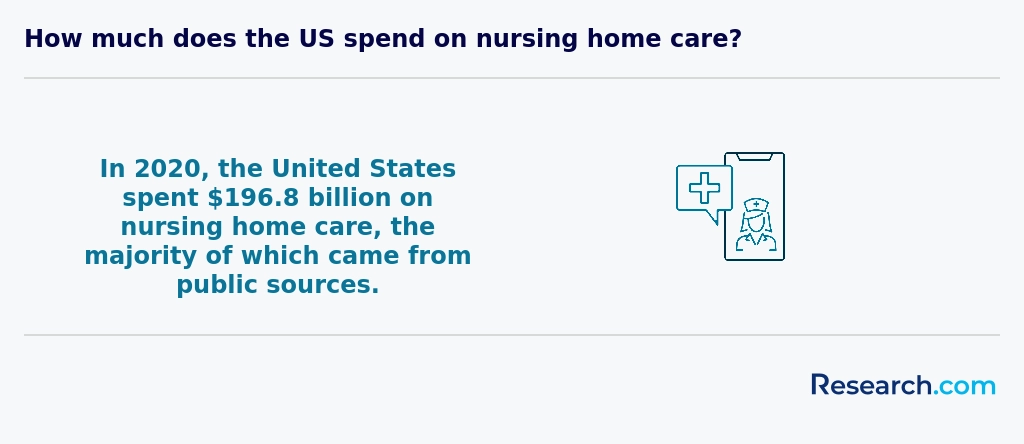
Graduates with an online nursing degree in Tennessee find a variety of rewarding career paths tailored to their level of education. Most often, those with a Bachelor of Science in Nursing (BSN) step into roles as registered nurses (RNs) at hospitals or community health centers across Tennessee, earning a competitive median salary near $64,000. Many graduates from well-known programs at universities like the University of Tennessee share stories of quickly securing these positions due to the strong regional healthcare demand.
Pursuing advanced degrees, such as a Master of Science in Nursing (MSN), opens doors to specialized roles like nurse practitioners or nurse educators, critical in underserved rural areas. These roles bring higher salaries, often exceeding $110,000. Nurses from online programs at popular Tennessee colleges highlight how their degrees enabled flexible scheduling and career growth.
Those exploring nursing career paths with online degree Tennessee can also specialize in pediatric or geriatric nursing to meet specific patient needs. To ease the financial commitment, prospective students should consider programs known for affordability and support-many find online BSN options within the $10,000 to $40,000 range. For those weighing their options, exploring the easiest bachelor degree to get may provide additional clarity toward a successful nursing career.
What is the job market for online nursing degree in Tennessee?
The job market for online nursing degree holders in Tennessee is robust and growing, driven by increasing healthcare demands and statewide initiatives to fill nursing shortages. Graduates from Tennessee colleges offering accredited online programs often find rewarding roles as registered nurses or advance to specialized positions like nurse practitioners, benefiting from the state's strong employment outlook for nursing professionals. Many graduates share experiences of balancing work and study successfully through flexible online coursework, which suits those managing family or jobs.
For those targeting online nursing jobs in Tennessee, employers appreciate the practical training and licensure compatibility provided by local programs, which align with Tennessee Board of Nursing requirements. Graduates report positive outcomes when seeking opportunities in hospitals, clinics, and rural healthcare settings. The average salary, around $63,000 for RNs, encourages further advancement through master's level studies, often pursued online to keep working while learning.
Exploring foundational pathways like associate degrees in 6 months online can also help jumpstart nursing careers. This flexibility makes the nursing job market accessible and promising for motivated Tennessee students.
Frequently Asked Questions About nursing
Online nursing degree students in Tennessee can maximize their learning experience by actively engaging with their coursework and peer communities. Tennessee supports several accredited nursing programs recognized by the Commission on Collegiate Nursing Education (CCNE), ensuring quality education. Students should take advantage of virtual simulation tools and clinical practice opportunities offered by their schools, which are crucial for skill development.
Time management is essential; dedicating consistent study hours improves retention and performance. Joining state nursing associations, like the Tennessee Nurses Association, provides networking and professional growth.
Access to faculty through scheduled virtual office hours helps clarify complex topics. According to the Tennessee Department of Health, nursing demand is growing, so students should also seek updated clinical guidelines and licensure preparation resources to stay current.
The nursing profession in Tennessee is rapidly evolving, with several emerging niches gaining attention. One prominent area is geriatric nursing, driven by the state's growing older adult population, which is expected to increase by over 20% by 2030 according to the Tennessee Department of Health.
Another expanding field is telehealth nursing. Online nursing degrees often include training in virtual patient care, reflecting the shift toward remote healthcare services accelerated by recent events. Telehealth roles offer flexibility and address healthcare access in rural Tennessee communities.
Additionally, nurse informatics is becoming vital. This specialty combines healthcare and information technology to improve patient outcomes and is highly relevant as Tennessee hospitals adopt advanced electronic health records.
These niches highlight the diverse opportunities within nursing for those pursuing degrees online in Tennessee.
After earning an online nursing degree in Tennessee, preparing for the job market involves several strategic steps. First, graduates must pass the NCLEX-RN exam to become licensed registered nurses, a requirement regulated by the Tennessee Board of Nursing. Successfully obtaining licensure allows access to numerous job opportunities statewide.
Networking is crucial. Joining local professional organizations like the Tennessee Nurses Association can provide valuable connections and job leads. Tennessee's healthcare industry is growing rapidly, with the Bureau of Labor Statistics projecting a 15% increase in registered nurse jobs from 2021 to 2031.
Also, seeking clinical experience through internships or volunteer work strengthens resumes and practical skills. Staying updated with Tennessee's healthcare trends and continuing education ensures competitiveness in this evolving field.
Employers in Tennessee highly value nursing graduates who demonstrate strong clinical skills and critical thinking. According to the Tennessee Board of Nursing, proficiency in patient assessment and evidence-based care is essential for new nurses entering the workforce.
Effective communication is another top skill. Nurses must clearly interact with patients, families, and medical teams to ensure quality care. The Tennessee Hospital Association highlights teamwork and collaboration as key factors in successful healthcare delivery.
Additionally, adaptability and technical competency are important, especially with the rise of telehealth and electronic health records in Tennessee facilities. These skills help graduates meet evolving healthcare demands.
Finding nursing internships in Tennessee begins with exploring clinical partnerships between nursing programs and healthcare facilities. Many online nursing degree programs require internships and assist students in placements within regional hospitals, clinics, and long-term care centers.
Tennessee's Department of Health and the Tennessee Nurses Association provide resources and listings of approved clinical sites and internship opportunities statewide. Students should also contact local hospitals like Vanderbilt University Medical Center or Erlanger Health System, which frequently collaborate with nursing schools for internships.
Networking through professional nursing organizations in Tennessee can reveal additional openings. According to the Bureau of Labor Statistics, Tennessee expects a 14% growth in nursing jobs, indicating strong demand for clinical training experiences.
An online nursing degree in Tennessee significantly enhances career mobility by providing flexible access to advanced education without geographic constraints. Many programs offer accelerated paths allowing nurses to transition from RN to BSN or MSN levels, which are increasingly required for leadership roles. According to the Tennessee Center for Nursing, nearly 30% of the state's nursing workforce holds a bachelor's or higher, reflecting growing demand for advanced qualifications.
Higher degrees open doors to specialized positions like nurse practitioner or nurse educator, where Tennessee reports above-average job growth compared to the national outlook (BLS, 2023). Online programs often emphasize both clinical expertise and leadership skills, preparing graduates for administrative advancement within diverse healthcare settings statewide.
Studying for a nursing degree in Tennessee equips students with skills essential for interdisciplinary collaboration. Tennessee nursing programs emphasize teamwork across various healthcare fields such as medicine, pharmacy, social work, and physical therapy. This approach prepares graduates to communicate effectively within diverse care teams, enhancing patient outcomes.
The Tennessee Board of Nursing requires curricula to incorporate interprofessional education components, ensuring students understand roles beyond nursing. Research from the Tennessee Higher Education Commission highlights that graduates who engage in interdisciplinary training report higher readiness for complex clinical environments.
Online programs in Tennessee also use virtual simulations and case studies to foster collaboration skills, making graduates adaptable to real-world healthcare settings.
When choosing between a thesis and a non-thesis nursing degree program in Tennessee, consider your career goals and learning preferences. Thesis programs focus on research and are ideal if you aim for roles in academia, research, or advanced clinical positions. Non-thesis programs emphasize practical skills and often include additional coursework or clinical experiences, suitable for nurses seeking leadership or specialized clinical roles.
Tennessee hosts several accredited online nursing programs, with tuition varying widely. According to the Tennessee Higher Education Commission, about 25% of graduate nursing students choose thesis options, highlighting its importance for research careers.
Evaluate program requirements, time commitment, and faculty support available to online students in Tennessee institutions to make an informed decision.
Students based in Tennessee interested in studying nursing abroad have limited direct options due to the US accreditation rules and licensure requirements. Most nursing programs require clinical practice hours to be completed in the United States for licensure eligibility. According to the Tennessee Board of Nursing, foreign-educated nurses must have their credentials evaluated by recognized agencies such as CGFNS to qualify for licensure in Tennessee.
However, some Tennessee students explore international partnerships through US universities offering study abroad components or virtual global nursing experiences. These online nursing degrees allow students to gain global perspectives without jeopardizing state licensure compliance. The Council on Collegiate Nursing Education advises verifying an international nursing program's accreditation status to ensure seamless transition back to licensure within the US system.
In Tennessee, several part-time job options complement nursing degree education, providing practical experience and income for students. Many nursing students work as certified nursing assistants (CNAs), a role that offers direct patient care exposure and requires less training, making it accessible alongside demanding coursework.
Additionally, medical scribe positions are popular. They allow students to observe clinical workflows closely while honing medical terminology skills. According to the Tennessee Department of Health, healthcare support jobs like these are projected to grow by nearly 20% through 2030, increasing opportunities.
Pharmacy technician roles also complement nursing studies by deepening knowledge of medications and patient counseling, crucial for nursing practice.
These job experiences help students build resumes and strengthen clinical competencies during their online nursing program.
Online nursing students in Tennessee have several networking opportunities to support their professional growth. Many institutions encourage participation in virtual student organizations and alumni networks, which connect students with local healthcare professionals. The Tennessee Nurses Association offers statewide events and virtual meetups that foster collaboration among nursing students and practicing nurses.
Local healthcare systems often collaborate with nursing programs to provide internships and clinical experiences, facilitating in-person networking despite online coursework. According to the Tennessee Department of Health, these partnerships enhance job placement and licensure success for graduates.
Additionally, online platforms like LinkedIn are widely used by Tennessee nursing students to engage with peers, mentors, and employers across the state's growing healthcare sector.
Alumni networks provide significant advantages for online nursing degree students in Tennessee by fostering professional connections. These networks connect graduates with experienced nurses working throughout the state, offering guidance and mentorship. According to the Tennessee Nurses Association, over 120,000 registered nurses practice in Tennessee, making such networks valuable for job referrals and local industry insights.
They also facilitate access to continuing education opportunities and updated workforce trends, which is crucial in a rapidly evolving healthcare environment. Many Tennessee nursing programs encourage active alumni participation, enhancing career growth and fostering a sense of community among distance learners.
Customizing an online nursing degree program in Tennessee largely depends on the specialization and career goals you choose. Many accredited Tennessee programs, such as those approved by the Tennessee Board of Nursing, offer concentration options like Nurse Practitioner, Nurse Educator, or Healthcare Leadership.
Students can select electives aligned with their interests and regional workforce needs, considering Tennessee's growing demand for advanced practice registered nurses (APRNs), projected to increase by over 20% by 2030 according to the Tennessee Department of Labor and Workforce Development.
Online programs often provide flexible clinical placement options, allowing you to gain experience in local healthcare settings that match your target specialty or community.
Additionally, some programs incorporate interprofessional courses to build skills in areas such as informatics or policy, tailoring your education to specific career paths within nursing.
Online nursing students in Tennessee often face challenges related to balancing coursework with clinical practice requirements. While theoretical components can be completed remotely, hands-on experience is mandatory and may require students to find approved local healthcare facilities for practicums.
Technical issues also pose difficulties; not all students have reliable high-speed internet or access to updated technology, which can hinder participation in virtual labs and lectures.
Additionally, the need for self-discipline and time management is critical, as online nursing programs demand significant independent study and organization.
According to the Tennessee Board of Nursing, ensuring compliance with state-specific licensing rules adds another layer of complexity for online students planning to practice locally.
With an online nursing degree in Tennessee, graduates can pursue several professional certifications that enhance their career prospects. Popular certifications include the Certified Nurse Practitioner (CNP), Certified Clinical Nurse Specialist (CNS), and Certified Nurse Educator (CNE). These credentials require passing national exams administered by organizations such as the American Nurses Credentialing Center (ANCC).
The Tennessee Board of Nursing recognizes these certifications as valuable for advanced practice roles. According to the Tennessee Department of Health, nurse practitioners with certification have seen a steady increase in demand, reflecting a 15% growth projected through 2030.
Other specialized certifications, such as Certified Nurse Midwife (CNM) and Certified Registered Nurse Anesthetist (CRNA), are also accessible with relevant advanced degrees and clinical experience.
Online nursing programs often prepare students for these certification exams by aligning curricula with national standards and state nursing requirements.
To write a winning application for an online nursing program in Tennessee, start by thoroughly researching accredited schools recognized by the Tennessee Board of Nursing. Ensure your academic transcripts highlight strong performance in science and health-related courses. Many programs in Tennessee require a minimum GPA of 3.0, so emphasize your academic achievements accordingly.
Next, craft a clear, sincere personal statement explaining your motivation for pursuing nursing and how an online format fits your career goals. Use specific examples of clinical experience or community service, as practical exposure is valued by admissions committees.
Request strong letters of recommendation from healthcare professionals or instructors familiar with your work ethic and skills. Tennessee's healthcare sector is growing, so demonstrating awareness of local nursing demands can strengthen your application. Lastly, complete all prerequisite exams promptly, such as the TEAS, and submit a polished, error-free application before deadlines.
The nursing profession holds significant importance across the globe, including in the United States. Globally, nurses are recognized as essential healthcare providers, with the World Health Organization noting a 9% growth in nursing jobs internationally by 2030. Within the US, Tennessee reflects this trend, expecting a 15% increase in nursing roles by 2030, according to the Bureau of Labor Statistics.
Online nursing degrees in Tennessee offer flexibility to prepare students for a career that is in demand worldwide. Nurses often enjoy mobility, allowing them to work in different countries, provided they meet local licensing requirements. Globally, nursing emphasizes compassionate, evidence-based care, a standard supported by most US nursing programs.
Understanding global perspectives helps Tennessee students appreciate the profession's impact beyond state lines, especially as telehealth and international collaboration grow. This global viewpoint reinforces nursing as a stable and respected career path.
Students pursuing an online nursing degree in Tennessee can gain practical experience through clinical rotations required by the Tennessee Board of Nursing. Even though coursework is online, schools coordinate local healthcare facilities where students complete hands-on training. Clinical placements typically involve hospitals, clinics, or long-term care centers in the student's community.
Many programs require between 500 and 700 clinical hours, ensuring students build essential skills before graduation. The Tennessee Center for Nursing reports that clinical experience improves job readiness and licensure pass rates. Additionally, some online programs offer simulation labs or virtual clinical experiences to supplement real-world training.
Working as a certified nursing assistant or in other healthcare roles while studying also provides valuable experience and networking opportunities.
Choosing the right concentration in an online nursing degree program in Tennessee depends on your career goals and the state's healthcare needs. Tennessee has a growing demand for nurse practitioners and specialized nurses, especially in rural areas where primary care access is limited, according to the Tennessee Department of Health.
Popular concentrations include Family Nurse Practitioner (FNP), Nurse Educator, and Nurse Administrator. FNPs are in high demand, with the Bureau of Labor Statistics projecting a 40% growth in advanced practice roles nationwide through 2031. Nurse Educators are vital due to Tennessee's need to train more nurses to meet workforce shortages.
Consider programs that align with Tennessee's licensing requirements and check if clinical placement support is offered locally. Accreditation by bodies like CCNE or ACEN ensures quality education recognized by Tennessee's Board of Nursing.
Related Nursing Rankings for Nearby States
- 2027 Most Valuable Online Master's in Nursing Degree Programs Ranking in Kentucky
- 2027 Most Valuable Online Master's in Nursing Degree Programs Ranking in Mississippi
- 2027 Most Valuable Online Master's in Nursing Degree Programs Ranking in Georgia
- 2027 Most Valuable Online Master's in Nursing Degree Programs Ranking in North Carolina
- 2027 Most Valuable Online Master's in Nursing Degree Programs Ranking in Missouri
- 2027 Most Valuable Online Master's in Nursing Degree Programs Ranking in Arkansas
- 2027 Most Valuable Online Master's in Nursing Degree Programs Ranking in Virginia
- 2027 Most Valuable Online Master's in Nursing Degree Programs Ranking in Indiana
- 2027 Most Valuable Online Master's in Nursing Degree Programs Ranking in South Carolina
- 2027 Most Valuable Online Master's in Nursing Degree Programs Ranking in Illinois
Top Trending Nursing Rankings
See What Experts Have To Say About Studying Nursing
Read our interview with Nursing experts


References
- How Much Can I Earn With a BSN? https://www.allnursingschools.com/bsn/salary/
- Remote Nursing Job Board & Career Support | Nurse Fern https://nursefern.com/
- Guide to Making a Career Change to Nursing https://teach.com/online-ed/healthcare-degrees/online-msn-programs/career-change-to-nursing/
- Study Nursing Abroad | Boomerang International Educational Services https://boomerangedu.com/study-nursing-abroad/
- How a BSN Prepares You for Graduate Nursing Degrees (MSN, DNP) https://blog.methodistcollege.edu/bsn-prepares-you-graduate-nursing-degrees
- From our readers…Strengthening nursing networks https://www.myamericannurse.com/from-our-readersstrengthening-nursing-networks/
- How to Set and Achieve Your Nursing Career Goals | HealthTrust https://engage.healthtrustjobs.com/how-to-set-achieve-nursing-career-goals
- How to Choose the Right Nursing School for Your Career Goals | Archer Review https://www.archerreview.com/blog/how-to-choose-the-right-nursing-school-for-your-career-goals
- Scholarships & Financial Aid https://www.aacnnursing.org/students/scholarships-financial-aid
- Pros And Cons Of Online Nursing In 2025 | Davis & Elkins https://www.dewv.edu/the-pros-and-cons-of-online-nusing-in-2025-is-it-right-for-you/


