
2027 Best Psychology Degree Programs Ranking in Erie

Co-Founder and Chief Data Scientist
Choosing the right psychology degree program in Erie can shape your future in meaningful ways. This article introduces the 2027 Best Psychology Degree Programs Ranking in Erie, created by the Research.com team of data scientists to guide you toward the best options.
By exploring this ranking, you'll gain clear insights that make decision-making easier and more confident. Pursuing a psychology degree opens doors to rewarding careers and personal growth. Whether you're just starting or considering a change, this guide helps you discover programs that match your goals and passions.
Key benefits of getting psychology degree in Erie
- Salary for psychology degree graduates: Graduates in Erie can expect competitive salaries such as $62,370 for Clinical Research Associates or Survey Researchers, and up to $83,190 for Marketing Research Analysts, showcasing rewarding earning potential in various fields.
- Career paths: A psychology graduate from a popular Erie college might explore roles in human resources, clinical research, or market analysis, reflecting the degree's versatility and opportunities in multiple industries.
- Online degree benefits: Earning a psychology degree online from a recognized Erie university offers flexibility and convenience, allowing students to balance work or family while gaining valuable skills and launching fulfilling careers.
- Key benefits of getting psychology degree in Erie
- What can I expect from psychology degree in Erie?
- Where can I work with psychology degree in Erie?
- How much can I make with psychology degree in Erie?
- 2027 Best Psychology Degree Programs Ranking in Erie
- Key Findings
- How long does it take to complete psychology degree in Erie?
- What's the difference between online and on-campus psychology degree?
- What is the average cost of psychology degree in Erie?
- What financial aid is available to psychology degree students in Erie?
- What are the prerequisites for enrolling in psychology degree program in Erie?
- What courses are typically in psychology degree programs in Erie?
- What types of specializations are available in psychology degree programs in Erie?
- How do you choose the best psychology degree in Erie?
- What career paths are available for psychology degree students in Erie?
- What is the job market for psychology degree in Erie?
- Top Trending Psychology Rankings
- See What Experts Have To Say About Studying Psychology
What can I expect from psychology degree in Erie?
When considering the average cost of a psychology degree in Erie, students often find that tuition at institutions like Gannon University or Penn State Behrend tends to range between $25,000 and $35,000 per year for out-of-state students, while in-state tuition can be significantly lower, sometimes near $10,000 to $15,000 annually. Graduates frequently recall balancing this investment with financial aid and part-time work, which adds a layer of personal responsibility that shapes their academic journey.
Many psychology students in Erie describe the value of their education as extending far beyond price tags. The access to hands-on internships and practicum experiences within local communities often provides a rich return on investment, turning textbook knowledge into tangible skills. These attributes make the cost feel more like an opportunity than an expense.
The blend of comprehensive curricula aligned with APA standards at these universities creates a solid foundation, fostering confidence that their degree will open doors in careers and advanced studies. This dynamic offers a meaningful context for students to reflect on what they are truly paying for-their future.
Where can I work with psychology degree in Erie?
Graduates from psychology programs at Erie's well-regarded institutions often find themselves stepping into vibrant roles within the healthcare sector. Imagine working alongside professionals at places like UPMC Hamot or the Erie VA Medical Center, where you're not just applying theory but helping to transform lives through clinical psychology or behavioral health services. Many alumni describe the fulfillment of supporting patients directly, even when starting with a bachelor's degree in roles such as care coordination.
Others discover rewarding paths in Erie's educational settings, becoming student counselors or behavioral support specialists. The chance to influence youth development locally through community organizations allows graduates to see the immediate impact of their work, something many hold close to their hearts.
Some psychology majors venture into human resources or market research within Erie's business scene, where their deep understanding of human behavior sharpens recruitment or consumer insights. Meanwhile, a growing number are intrigued by emerging UX research roles, highlighting Erie's expanding tech footprint.
These diverse career opportunities showcase the psychology degree not as a fixed path but as an evolving journey shaped uniquely by Erie's local landscape and professional communities.
How much can I make with psychology degree in Erie?
Graduates from psychology programs in Erie, such as those at Gannon University or Penn State Behrend, often find themselves navigating a salary landscape shaped by education level and career choices. Entry-level positions like research assistants or behavioral health technicians might earn between $35,000 and $45,000 annually. These roles provide invaluable practical experience, fueling both professional growth and confidence.
For those advancing to roles like human resources specialists, the median national salary hits around $76,060, showing how a psychology degree can translate into strong earning potential in Erie's job market. Similarly, marketing research analysts with psychology backgrounds can anticipate about $83,190 per year nationwide, which is encouraging for Erie graduates eager to impact business strategies.
Clinical research associates and survey researchers, often recruited from local colleges, report wages near $62,370, reflecting steady demand in healthcare and social science sectors. This blend of numbers and real-world pathways highlights how Erie's psychology graduates build rewarding careers filled with growth and meaningful impact.
2027 Best Psychology Degree Programs Ranking in Erie
How do we rank schools?
Investing in your education is a significant decision that can shape your future, and the Research.com team understands the importance of making informed choices. To assist prospective students in Erie, we have meticulously crafted the "2027 Best Psychology Degree Programs Ranking in Erie." Our commitment to quality, credibility, and accuracy is reflected in the extensive research and analysis conducted to compile this ranking.
We utilized the following reputable data sources to ensure a comprehensive evaluation of psychology programs:
By exploring this ranking, readers will gain valuable insights into the top psychology degree programs available in Erie, empowering them to make informed decisions about their educational journeys. For more details on our methodology, please visit our Research.com methodology page.
# 1 position
Pennsylvania State University-Penn State Erie-Behrend College
Psychology Bachelor of Science (PSYBS)

# 2 position
Pennsylvania State University-Penn State Erie-Behrend College
Master of Arts in Clinical Psychology


Key Findings
- The average annual cost for a psychology bachelor's degree in Erie ranges from $15,000 to $30,000, varying mainly by public or private school status.
- Graduate psychology programs in Erie typically cost between $10,000 and $25,000 per year, depending on the institution and program format.
- Entry-level jobs for bachelor's degree holders in psychology-related fields start with salaries around $35,000 to $40,000 annually.
- Licensed psychologists and counselors in Erie earn median salaries between $60,000 and $85,000, with some specialties paying more.
- Psychology-related jobs in Erie are expected to grow by about 8% over the next decade, which is above the national average.
How long does it take to complete psychology degree in Erie?
Completing a psychology degree in Erie usually aligns with the broader U.S. timeline, but real-life experiences reveal nuances that textbooks often miss. For many undergraduate students at Penn State Behrend, the standard four years to earn a B.S. in Psychology reflects not just academic requirements but moments of personal growth and discovery. Imagine balancing core courses with electives that spark your passion, all while navigating internships or part-time work-this often shapes a timeline that feels uniquely yours.
Graduate students at Mercyhurst University often share how the two-year master's program challenges them intellectually while fostering deep connections through research projects. Their stories highlight how full-time enrollment accelerates progress but also demands resilience and dedication.
Doctoral candidates in Erie face an even longer, more complex journey of 5 to 7 years, where perseverance through coursework, intensive research, and internships cultivates expertise that transforms lives. These timelines vary widely-part-time study, transfer credits, or summer courses can make the path feel faster or slower, underscoring the importance of personal circumstances in shaping your educational experience.
What's the difference between online and on-campus psychology degree?
Choosing between an online and on-campus psychology degree in Erie reveals profound differences beyond just location. Graduates from Gannon University often describe the bustling campus energy-where face-to-face professor guidance and spontaneous study groups spark deeper connections and insights. This tactile experience, enriched by hands-on projects and access to local internships, creates a learning environment infused with camaraderie and real-time feedback.
In contrast, many Penn State Behrend online graduates share stories of balancing family life and work while engaging with digital lectures on their own schedules. This flexibility empowers students to take control of their education but demands discipline and self-motivation, fostering a sense of accomplishment unique to independent learning.
Both paths cover core psychology concepts like cognitive and developmental theories, yet the choice shapes how students emotionally connect with their studies and community in Erie. Consider which atmosphere resonates: the lively interactions of campus or the personalized autonomy of the virtual classroom.
What is the average cost of psychology degree in Erie?
In Erie, the average cost of obtaining a psychology degree is around $50,647, reflecting a substantial investment that many students recognize as a stepping stone to a meaningful career. For in-state students, the total often comes closer to $28,314, a figure that puts into perspective the financial commitment required for studying locally. Graduates from Gannon University and Penn State Behrend often share stories of balancing these costs with part-time jobs and scholarships, finding pride in managing their educational expenses while pursuing their passion for psychology.
While these numbers may initially seem daunting, understanding the psychology degree tuition and fees Erie students face reveals more than just the cost-it shows the value of specialized education in a community where mental health awareness is growing. Students often describe their experience at these institutions as rewarding, especially when financial aid helps reduce the burden. This blend of cost and opportunity encourages students to think critically about how they invest in their futures.
Beyond tuition, consider the additional expenses for textbooks, lab fees, and supplies, which can add another $1,200 to $1,500 annually. Many students become savvy at finding affordable resources, or even explore alternatives like the best 6 month online programs that pay well as a complementary path.
Ultimately, the average cost of a psychology degree in Erie is more than a number; it is a reflection of a personal journey marked by both challenge and achievement, where students weigh cost against the lifelong rewards of their education.
What financial aid is available to psychology degree students in Erie?
Many psychology students in Erie discover that federal aid via FAFSA is their first real step toward easing tuition worries. One graduate from a well-known Erie university recalls how the Pell Grant covered a significant portion of their annual $12,000 tuition, creating space to focus on studies without overwhelming debt. This grant, which doesn't need repayment, can cover up to $7,395 yearly, a financial cushion that feels like a relief when balancing coursework and life.
Local scholarships and state grants also play a vital role. Pennsylvania's State Grant Program offers need-based assistance specifically benefiting Erie students enrolled in community colleges or state-related universities. Graduates often mention how this aid, combined with institutional scholarships earmarked for psychology majors, turned a daunting price tag into something manageable.
Beyond institutional funding, private scholarships from entities like Psi Chi or the American Psychological Association bring exciting opportunities, opening doors to students who feel passionate but financially constrained.
Even federal loans, while requiring repayment, have empowered Erie students to pursue their degrees with flexibility, illustrating that financial aid is not merely about funding-but about hope and possibility.
What are the prerequisites for enrolling in psychology degree program in Erie?
Enrolling in a psychology degree in Erie demands more than just a high school diploma or a GED for undergraduates; it's about demonstrating genuine readiness for the intellectual challenges ahead. Graduates from Erie's well-known colleges often recall how excelling in math and science courses early on felt like unlocking a secret code that made complex psychological theories clearer. Many programs ask for SAT or ACT scores, but the real test is showing your passion through experiences and academic performance.
For graduate programs, the expectations sharpen-holding a bachelor's degree, ideally in psychology, is the norm. Erie's students frequently share how their personal statements gave admissions committees a vivid sense of their unique journeys and motivations, turning abstract interests into compelling stories. Letters of recommendation and relevant research or internship experiences aren't just formalities; they become proof of your commitment and capacity to contribute meaningfully to the field.
International students resonate with the challenge of proving English proficiency, a milestone that builds confidence and opens doors in Erie's diverse classrooms. These prerequisites reflect a broader truth: success in psychology here hinges on preparedness, clear purpose, and a spirit eager to engage deeply with human behavior.

What courses are typically in psychology degree programs in Erie?
Psychology degree programs in Erie commonly immerse students in core courses that form the foundation for understanding human behavior and mental processes. Graduates from popular Erie colleges often describe their first encounter with Introduction to Psychology as a thrilling revelation, where the layers of everyday interactions suddenly gain scientific meaning. Alongside this, courses like Research Methods and Statistics equip them with rigorous tools to critically analyze behavior rather than rely on assumptions.
Students recall how courses like Developmental Psychology made them reflect deeply on their own life stages, connecting classroom theory with personal growth. Meanwhile, units in Biopsychology unveil the fascinating brain-behavior connection that challenges simplistic views of the mind.
Social and cognitive psychology classes push learners to rethink how culture and memory shape perspectives. Erie's institutions emphasize applied learning too; graduates highlight lab experiences where analyzing real data made abstract concepts come alive-turning academic curiosity into confident understanding. These courses don't just fill quotas; they craft a mindset ready for diverse psychology careers.
What types of specializations are available in psychology degree programs in Erie?
Erie's psychology degree specializations invite students to explore diverse career paths, from clinical psychology-where graduates describe the rewarding challenge of diagnosing and treating mental health issues-to industrial-organizational psychology, which appeals to those passionate about transforming workplace dynamics. Those enrolled in programs at prominent Erie institutions often highlight how counseling psychology connects theory and empathetic practice, empowering them to support real people facing emotional hurdles. The unique emphasis on experiential learning means many students actively engage in internships and research projects that bring neuropsychology and health psychology into vivid, practical focus, expanding their understanding of brain function and wellness beyond textbooks.
Graduates from these Erie psychology programs with career focus frequently reflect on the value of options like forensic psychology, where they feel their work directly impacts justice. Developmental psychology, too, resonates with students fascinated by human growth stages. Such specialization choices underscore the richness of Erie's academic offerings. For those undecided or returning to education later in life, local pathways connect seamlessly with degree programs for seniors online, ensuring accessibility doesn't compromise ambition.
How do you choose the best psychology degree in Erie?
Choosing the best psychology degree in Erie means looking beyond surface factors like tuition or location. Graduates from local universities often share how the real differentiator was program accreditation-those accredited by the American Psychological Association or regional bodies offered stronger clinical opportunities and better recognition in the job market. This aligns closely with the quest for top accredited psychology programs Erie offers, where rigorous curriculum paired with practical research shaped their successful careers.
Another common insight from Erie students is the impact of personalized learning environments. Smaller classes at some colleges allowed for meaningful discussions and hands-on practicum experiences, sparking greater confidence and enthusiasm. This is essential when reflecting on which program truly fits your style.
Cost remains tricky; public institutions average about $11,000 annually in-state, yet private colleges may surpass $30,000. Thoughtful students explore financial aid and also consider unique program expenses like lab fees. Some even pursue cheap phd programs online to ease their financial burden while advancing their education.
Ultimately, focusing on post-graduation career support and internships linked to Erie's local hospitals or counseling centers gives you a substantive edge. Those connections often turn classroom concepts into life-changing opportunities, helping you to thrive not just academically but emotionally too.
What career paths are available for psychology degree students in Erie?
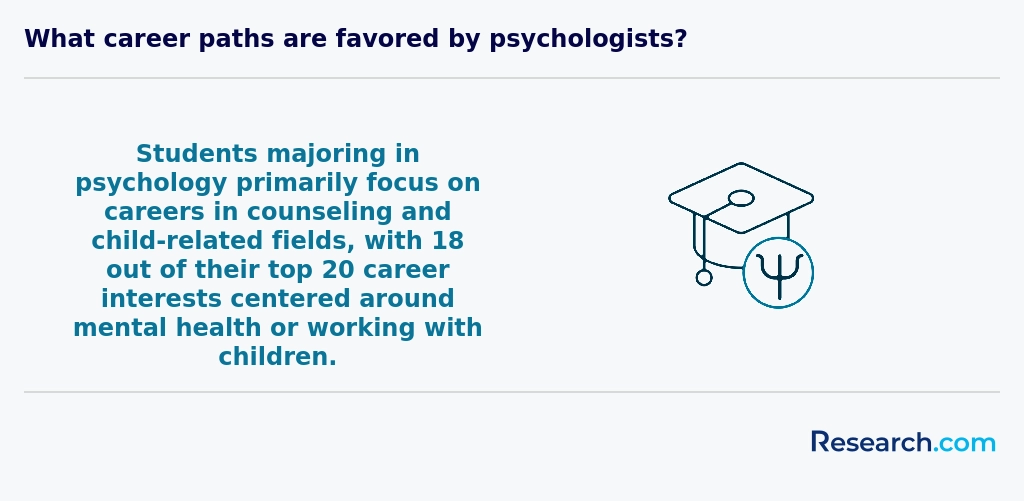
Graduates with a psychology degree in Erie discover more than traditional roles; they step into dynamic careers shaped by local community needs and personal passion. Many alumni from Erie's popular colleges recall their rewarding experiences as mental health counselors, working directly with individuals striving for emotional well-being. This path aligns with Pennsylvania's heightened focus on mental wellness and mental health careers, making it a vibrant option within Erie's healthcare landscape.
Others navigate Erie psychology degree job prospects by entering school psychology, supporting young students' emotional growth and behavioral challenges in familiar educational settings. These roles often start from foundational degrees earned at local institutions, demonstrating the value of Erie-based education. Still, some graduates challenge the norm by pursuing forensic psychology or criminology, contributing vital insights to Erie's legal agencies.
Business sectors in Erie also beckon psychology graduates who harness behavioral understanding to enhance workplace culture or market research. For students eager to advance quickly, exploring options like the one year doctorate can fast-track specialized expertise, broadening the horizon beyond typical job paths. This multifaceted approach to psychology career opportunities in Erie invites deeper reflection on where a psychology degree can truly lead.
What is the job market for psychology degree in Erie?
The psychology degree job outlook Erie graduates face is shaped not only by national trends but also by Erie's unique local economy. Many recent graduates from popular colleges in Erie find real opportunities in healthcare settings like UPMC Hamot and Saint Vincent Health, where their clinical training is highly valued. One graduate recalls starting as a mental health assistant and quickly realizing that expanding certifications, especially in counseling, opened doors to more specialized roles.
Despite challenges in industrial-organizational psychology locally, teaching and school counseling roles remain viable within Erie's education system for those willing to pursue additional certification. Graduates often highlight the rewarding nature of community-based roles in social services, where they can see direct impact in mental health programs.
Prospective students should weigh the financial investment carefully, particularly when seeking advanced degrees, given the tuition averages in Pennsylvania. For those balancing work and study, exploring the cheapest online universities for working students can be a practical strategy to manage costs while building a stable career in the Erie psychology job market.
Frequently Asked Questions About psychology
Psychology degree students in Erie can maximize their learning by actively engaging in both classroom and community experiences. Erie offers access to internships through local healthcare facilities like UPMC Hamot, providing practical exposure essential for applied psychology knowledge. According to the American Psychological Association, hands-on experience significantly improves job readiness.
Students should also take advantage of research opportunities at nearby institutions, where collaboration can deepen understanding. Joining psychology clubs or attending events hosted by Pennsylvania universities helps build professional networks. Erie's affordable cost of living allows students to balance study and part-time work, which can enhance time management skills vital for success in psychology programs.
The field of psychology is rapidly evolving, and several emerging niches are attracting attention among students in Erie seeking psychology degrees. One growing area is health psychology, which focuses on how mental, emotional, and social factors affect physical health. This niche responds to increasing healthcare demands and chronic illness management.
Another expanding specialty is neuropsychology. It explores brain-behavior relationships, driven by advancements in brain imaging and neurological research. Erie's healthcare facilities have seen rising demand for neuropsychologists in rehabilitation settings.
Additionally, forensic psychology is developing due to increased involvement of psychologists in the legal system, including evaluations and expert testimony.
These niches offer promising career opportunities supported by data from the American Psychological Association and regional employment trends.
After earning a psychology degree in Erie, preparing for the job market involves strategic steps to enhance employability. Graduates should pursue internships or volunteer positions in local mental health clinics or social service agencies. Erie's employment rate for psychology-related jobs aligns closely with national trends, with the U.S. Bureau of Labor Statistics forecasting 8% growth through 2032 in clinical and counseling roles.
Continuing education is critical; many positions require a master's or doctoral degree for licensure. Networking with local professionals through the Erie Psychological Association can provide valuable connections. Additionally, developing skills in data analysis and evidence-based practices increases competitiveness in therapeutic and research fields.
Employers in Erie highly value psychology degree graduates who demonstrate strong critical thinking skills. The ability to analyze complex behavioral data and apply research findings practically is essential. Communication skills are also critical, as graduates often work in settings requiring clear, compassionate interaction with clients and colleagues.
Research literacy and proficiency in statistical software like SPSS or R are increasingly important. According to the National Association of Colleges and Employers (NACE), over 65% of employers seek candidates with solid data interpretation skills.
Additionally, ethical judgment and cultural competency stand out due to the region's diverse population. Erie employers expect graduates to navigate sensitive issues professionally and inclusively.
Finding psychology internships in Erie involves leveraging local resources and educational institutions. Students should start by contacting career services at Erie-area colleges such as Gannon University, which often maintain partnerships with healthcare providers and community organizations. These internships provide hands-on experience in clinical, counseling, and research settings.
Local healthcare facilities like UPMC Hamot and mental health agencies frequently offer internship opportunities related to psychology. Checking their websites regularly and networking with faculty and professionals can increase chances of placement.
The Pennsylvania Psychological Association also provides listings and networking events helpful for Erie students seeking internships.
Early application and clear communication of your academic goals are essential to securing relevant internships.
A psychology degree significantly enhances career mobility and advancement opportunities in Erie. According to the U.S. Bureau of Labor Statistics, roles related to psychology in Pennsylvania are expected to grow by 8% between 2020 and 2030, which is consistent with national trends. In Erie, holding at least a bachelor's degree in psychology opens doors to various fields, including social services, human resources, and education.
Professionals with advanced degrees can pursue licensed clinical positions or specialized roles such as counseling or industrial-organizational psychology. Local employers value the critical thinking and interpersonal skills developed through psychology programs, which supports upward career movement.
Additionally, Erie's proximity to larger metropolitan areas provides graduates access to broader job markets, increasing regional mobility. Overall, a psychology degree provides a strong foundation for career growth in multiple sectors within and beyond Erie's job market.
Studying for a psychology degree in Erie equips students with foundational knowledge that supports work across various disciplines. Many Erie programs emphasize collaboration with fields such as healthcare, education, and social services. This interdisciplinary approach reflects national trends reported by the American Psychological Association, highlighting increased demand for professionals skilled in both psychology and related sectors.
Courses often include training in research methods, statistics, and applied psychology, enabling graduates to analyze complex data and contribute to team-based problem solving. Erie-based institutions benefit from partnerships with local hospitals and community organizations, providing practical experience.
According to Erie County Community College's recent data, nearly 60% of psychology graduates find roles that intersect with fields like counseling, public health, and human resources within two years of graduation.
Choosing between a thesis and a non-thesis psychology degree program in Erie depends largely on your career goals and learning preferences. A thesis program emphasizes original research, preparing students for roles in academia or further graduate study. Such programs often require 6 to 12 months of dedicated research and writing. In contrast, non-thesis programs focus more on coursework and practical skills, suitable for those aiming at applied psychology roles or immediate entry into the workforce.
Local Erie institutions typically offer both options, with thesis tracks appealing to about 40% of psychology graduate students according to recent enrollment data from the Pennsylvania Department of Education. Evaluating the time commitment, faculty expertise, and your long-term plans can guide your decision effectively.
Students based in Erie interested in studying psychology abroad have several pathways to consider. Many universities in Erie participate in exchange programs with institutions in countries like the UK, Canada, and Australia. These partnerships often allow psychology students to spend a semester or year abroad while earning credits toward their degree.
Additionally, Erie's higher education institutions provide advising services to help students navigate application processes for international psychology programs. According to the Institute of International Education, about 12% of US psychology majors study abroad during their undergraduate years, reflecting growing interest in global perspectives.
Financial aid and scholarships are sometimes available specifically for students pursuing psychology studies overseas. Erie students should also verify how international coursework transfers to their home institution to ensure seamless degree progression.
Students pursuing psychology degrees in Erie have various part-time job options that complement their academic studies. Working as a research assistant at local universities or colleges, such as Penn State Behrend, provides valuable experience in data collection and analysis. Erie's healthcare facilities, including UPMC Hamot, often hire part-time behavioral health technicians or mental health aides, allowing students to apply psychological principles in clinical settings.
Additionally, roles in social services organizations like the Erie County Department of Health offer opportunities to engage with community mental health programs. These positions help develop counseling and case management skills essential for psychology careers. According to the U.S. Bureau of Labor Statistics, such practical experiences can improve graduate employability in psychology fields nationally, reflecting well in Erie's local job market.
Psychology students in Erie have several valuable networking opportunities that support both academic and professional growth. Local universities, such as Gannon University and Penn State Behrend, often host psychology clubs and guest lectures where students can meet faculty and practicing psychologists.
Additionally, Erie's proximity to healthcare facilities and counseling centers provides internships and volunteering options, which are crucial for building practical connections. The Erie Psychological Association also organizes events and workshops designed to connect students with licensed professionals in the region.
According to the Bureau of Labor Statistics, Erie County's employment in clinical and counseling psychology has grown steadily, highlighting local demand for qualified graduates and further encouraging networking within the community.
Alumni networks play a significant role in supporting psychology degree students in Erie. These networks provide access to mentors who have practical experience in the local psychology field, guiding current students in career decisions and skill development. According to the National Association of Colleges and Employers, students engaged with alumni networks have a 25% higher job placement rate within six months of graduation.
In Erie, alumni connections help students explore internships in local psychology clinics and hospitals, crucial for hands-on learning. Networking events organized by alumni associations often lead to job referrals and collaborations.
Furthermore, alumni networks offer emotional support and professional advice, enhancing students' confidence as they transition from studies to careers in psychology.
In Erie, students can tailor their psychology degree programs by selecting from various concentrations such as clinical, counseling, or industrial-organizational psychology. Local institutions often allow elective courses and research opportunities that align with specific career goals. For example, Edinboro University offers internships that help students gain practical experience relevant to mental health careers. Additionally, Erie's proximity to several healthcare facilities provides networking and applied learning options, enriching the degree's value. According to the Bureau of Labor Statistics, customized programs can enhance employability, as 70% of psychology graduates emphasize hands-on experience when seeking jobs. Careful curriculum planning is essential to meet personal career objectives.
Psychology students in Erie often face several common challenges during their studies. One primary difficulty is balancing rigorous coursework with practical experience. Many programs require students to complete internships or research assistantships, which demand significant time and effort. According to the National Center for Education Statistics, psychology majors nationwide, including those in Erie, report spending an average of 15-20 hours weekly on these commitments.
Another challenge is managing the competitive nature of graduate school admissions. With a growing interest in psychology careers, students must maintain strong GPAs and gain relevant experience to stand out.
Financial constraints also affect many Erie students, as tuition and living costs continue to rise, creating pressure to seek part-time employment. Additionally, access to mental health resources for students themselves can sometimes be limited, despite the focus on well-being in psychology programs.
With a psychology degree in Erie, graduates can pursue various professional certifications that enhance their career opportunities. Common certifications include becoming a Licensed Professional Counselor (LPC) or a Licensed Clinical Social Worker (LCSW), both requiring additional supervised experience and exams.
Other options include certification as a Certified Alcohol and Drug Counselor (CADC), which is valuable in Erie's healthcare sector. For those interested in testing and assessment, certification from the National Certified Psychometrists Association is recognized nationally.
Erie professionals often seek credentials from the American Board of Professional Psychology, which offers specialty certifications.
These certifications typically require a graduate degree and fieldwork, aligning with standards in Pennsylvania and across the US.
To write a winning application for a psychology program in Erie, start by highlighting your academic performance, especially in relevant courses like biology, statistics, and psychology. Local institutions often receive numerous applications, so a strong GPA-typically above 3.0-is advantageous. Including relevant volunteer or work experience, such as internships in mental health facilities or research labs, can strengthen your application.
Personal statements should clearly express your motivation for studying psychology, your career goals, and how Erie's programs align with your plans. Tailoring your essay to each school shows genuine interest.
Request letters of recommendation from professors or supervisors familiar with your abilities. Erie applicants benefit from demonstrating community involvement or research participation, as local programs value candidates committed to the region's mental health needs. Check Erie's higher education websites like Gannon University or Edinboro University for specific admissions criteria and deadlines.
Psychology careers hold a strong global appeal, with the United States playing a significant role in shaping education and professional standards. In Erie, psychology degrees align with national trends, emphasizing evidence-based practice and diverse specializations such as clinical, counseling, and industrial-organizational psychology. According to the U.S. Bureau of Labor Statistics, employment for psychologists is projected to grow 8% from 2021 to 2031, reflecting rising demand worldwide.
Erie's programs often prepare students to meet licensure requirements, important for practicing psychologists globally. Graduates gain skills applicable in various international contexts, including mental health, research, and human services. This prepares local students to pursue careers beyond the U.S., reflecting the interconnected nature of psychology today.
Gaining practical experience while studying for a psychology degree in Erie is essential for developing professional skills. Many local universities, such as Gannon University and Penn State Behrend, offer internship placements within Erie's healthcare facilities, schools, and counseling centers. These internships provide hands-on exposure to psychological assessment and therapeutic techniques.
Students can also participate in research projects led by faculty, which help in understanding experimental methods and data analysis. Moreover, Erie's community organizations often seek volunteers for mental health programs, giving students direct client interaction opportunities.
According to the Bureau of Labor Statistics, practical experience improves job prospects in psychology fields within Pennsylvania.
Choosing the right concentration within a psychology degree program in Erie requires careful consideration of your career goals and interests. Erie offers several psychology programs that commonly provide concentrations such as clinical, counseling, developmental, and industrial-organizational psychology.
Review program curricula and faculty expertise to identify where your interests align. Erie's labor market shows a steady demand for clinical psychologists, with the Bureau of Labor Statistics projecting a 6% growth in the region through 2030.
Additionally, consider internship opportunities offered by programs, as Erie-based hospitals and community centers often collaborate with universities for practical experience. Understanding these factors helps you select a concentration that fits both your passion and the job market in Erie.
Related Psychology Rankings for Nearby Cities
- 2027 Best Psychology Degree Programs Ranking in Detroit
- 2027 Best Psychology Degree Programs Ranking in Baltimore
- 2027 Best Psychology Degree Programs Ranking in Fort Wayne
- 2027 Best Psychology Degree Programs Ranking in Washington
- 2027 Best Psychology Degree Programs Ranking in Notre Dame
- 2027 Best Psychology Degree Programs Ranking in Albany
- 2027 Best Psychology Degree Programs Ranking in New York
- 2027 Best Psychology Degree Programs Ranking in Indianapolis
- 2027 Best Psychology Degree Programs Ranking in New Haven
- 2027 Best Psychology Degree Programs Ranking in Springfield
Top Trending Psychology Rankings
See What Experts Have To Say About Studying Psychology
Read our interview with Psychology experts

Elizabeth L. Jeglic Ph.D.
Psychology Expert
Professor of Psychology
City University of New York

Catherine Caldwell-Harris, Ph.D.
Psychology Expert
Associate Professor of Psychology
Boston University

Joann Farrell Quinn, Ph.D., MBA
Psychology Expert
Director at the College of Medicine Department of Medical Education
Morsani College of Medicine

References
- Gannon University :: Financial Aid: Outside Scholarship Search http://ww5.gannon.edu/financialaid/outside/FINAID/scholarships.asp
- A Guide to Psychology Internships | Psychology Degree Guide https://psychologydegreeguide.org/resources/internships/
- Psychology Degree Requirements | University of Bridgeport https://www.bridgeport.edu/news/psychology-education-requirements/
- Study Psychology Abroad https://astarfuture.co.uk/study_psychology_abroad.html
- Psychology Online Degree Pathway https://www.learndirect.com/course/psychology-online-degree
- Professional Networking For Psychologists | Psychology.org https://www.psychology.org/resources/professional-networking/
- Ontario Psychological Association - Networking and Community Resources https://www.psych.on.ca/become-a-member-(1)/member-services/networking-and-community-resources
- Community Psychology in Global Perspective http://siba-ese.unisalento.it/index.php/cpgp
- Alumni Perspectives - Meet Our FPN Alumni https://www.aanmelder.nl/alumni-perspectives-june-2023
- Skills of a Psychology Major - Psychology Department https://wagner.edu/psychology/skills/


