
2027 Best Psychology Degree Programs Ranking in Oregon

Co-Founder and Chief Data Scientist
Choosing the right psychology degree program in Oregon can shape your future in meaningful ways. This article introduces the 2027 Best Psychology Degree Programs Ranking in Oregon, created by the Research.com team of data scientists. It offers a clear, data-driven guide to help you find programs that match your goals and interests.
Exploring this ranking gives you confidence in making informed decisions. A psychology degree opens doors to rewarding careers and personal growth. Dive in to discover programs that could transform your passion into impact.
Key benefits of getting psychology degree in Oregon
- Salary benefits: Graduates with a psychology degree in Oregon can earn well, with roles like Human Resources Specialist averaging $76,060 annually and Marketing Research Analysts earning about $83,190 yearly, reflecting strong financial prospects.
- Diverse career paths: Psychology graduates often find rewarding jobs in areas such as clinical research, marketing analysis, or childcare, demonstrating flexibility and growth potential after earning their degree.
- Advantages of online degrees: Earning a psychology degree online in Oregon offers greater flexibility and accessibility, allowing students to balance work and study while gaining credentials respected by employers.
- Key benefits of getting psychology degree in Oregon
- What can I expect from psychology degree in Oregon?
- Where can I work with psychology degree in Oregon?
- How much can I make with psychology degree in Oregon?
- 2027 Best Psychology Degree Programs Ranking in Oregon
- Key Findings
- How long does it take to complete psychology degree in Oregon?
- Accreditation and Licensing: The Cornerstone of Quality Education
- What's the difference between online and on-campus psychology degree?
- Licensing and Certification Requirements in Oregon
- What is the average cost of psychology degree in Oregon?
- Accreditation and Licensure Requirements
- What financial aid is available to psychology degree students in Oregon?
- Most Affordable Psychology Programs in Oregon
- What are the prerequisites for enrolling in psychology degree program in Oregon?
- Accreditation and Licensure for Psychology Degrees in Oregon
- What courses are typically in psychology degree programs in Oregon?
- What types of specializations are available in psychology degree programs in Oregon?
- How do you choose the best psychology degree in Oregon?
- What career paths are available for psychology degree students in Oregon?
- What is the job market for psychology degree in Oregon?
- Related Psychology Rankings for Nearby States
- Top Trending Psychology Rankings
- See What Experts Have To Say About Studying Psychology
What can I expect from psychology degree in Oregon?
The average cost of pursuing a psychology degree in Oregon varies depending on the school and level of study, but students often find it manageable when weighed against the quality of education and career prospects. For example, graduates from Portland State University recall balancing tuition costs-typically ranging from around $8,000 to $12,000 per year for in-state undergraduates-with part-time work or scholarships, which helped ease financial pressure while gaining invaluable experience.
At the University of Oregon, many graduate students investing in their APA-accredited doctoral programs encounter higher tuition, often between $15,000 and $25,000 annually, reflecting the specialized training and supervised clinical hours. Yet, these students frequently highlight how this investment opens doors to fulfilling careers and licensure in Oregon's growing mental health field.
Overall, students benefit from financial aid, grants, and state-supported opportunities, making a psychology degree in Oregon not just a dream but an attainable and rewarding journey toward professional success.
Where can I work with psychology degree in Oregon?
With a psychology degree from institutions like the University of Oregon or Oregon State University, you open doors to rewarding careers across the state. Graduates often find themselves working in healthcare settings such as hospitals or community clinics, where the growing demand for mental health professionals creates meaningful opportunities to support individuals through therapy and assessments.
Many graduates gain fulfilling roles in schools and universities, stepping in as school psychologists or counselors who make a real difference in students' lives. Imagine contributing to a child's academic success and emotional well-being within Oregon's supportive public school system.
Others apply their psychology knowledge in dynamic business environments, helping companies improve workplace culture or understand consumer behavior. This practical use of psychology can lead to exciting careers in human resources or marketing research.
For those passionate about research, collaborating with universities or local agencies provides chances to explore groundbreaking studies on behavioral health and cognitive science, turning curiosity into impact right here in Oregon.
How much can I make with psychology degree in Oregon?
Graduates with psychology degrees in Oregon often find rewarding career paths with promising salaries. For instance, those stepping into roles as human resources specialists can expect a mean annual wage around $76,060. This is a solid start for early career professionals aiming to blend psychology knowledge with organizational skills.
Those interested in research might look toward becoming marketing research analysts, where the average yearly income is about $83,190. Graduates from popular institutions like Portland State University have reported how applying psychology principles in market research boosted their confidence and employability, helping them land these roles.
Entry-level positions such as clinical research associates or survey researchers offer competitive wages near $62,370 annually. Alumni from the University of Oregon describe these roles as excellent stepping stones that provide valuable field experience while earning a respectable income.
Even graduates working in child care-often an important foundation for understanding human behavior-can earn approximately $32,070 per year. This practical experience gained in Oregon's diverse communities helps build empathetic skills essential for future advanced roles.
2027 Best Psychology Degree Programs Ranking in Oregon
How do we rank schools?
Investing in your education is a significant decision that can shape your future, and the Research.com team understands the importance of making informed choices. To assist prospective students, we have meticulously developed the "2027 Best Psychology Degree Programs Ranking in Oregon." Our dedication to quality, credibility, and accuracy is demonstrated through thorough research and careful analysis in compiling this ranking.
We utilized the following reputable data sources to ensure a comprehensive evaluation of psychology programs:
By exploring this ranking, readers will gain valuable insights into the top psychology degree programs in Oregon, helping them make well-informed decisions about their educational future. For more information on how the ranking was created, please visit our Research.com methodology page.


Key Findings
- Public universities in Oregon charge about $10,000 to $15,000 per year for an in-state bachelor's degree in psychology, while private schools can cost over $30,000 annually.
- Entry-level jobs in counseling or social work start around $40,000 to $50,000 per year, with licensed clinical psychologists earning a median salary near $90,000.
- Oregon expects a 10% growth in psychology-related jobs over the next decade, driven by demand for mental health services in cities like Portland and Eugene.
- Becoming a licensed psychologist requires completing a doctoral degree (PhD or PsyD), supervised clinical hours, and passing the EPPP exam.
- Other psychology roles, such as licensed professional counselors, usually require a master's degree.
How long does it take to complete psychology degree in Oregon?
Completing a psychology degree in Oregon is a journey that many find both challenging and deeply rewarding. Most students from universities like the University of Oregon or Portland State University spend about four years earning their bachelor's degree, balancing general education with engaging psychology coursework. Many graduates recall how those foundational years were filled with eye-opening classes that sparked their passion.
For those who choose to specialize, a master's degree usually takes an extra two to three years, often involving hands-on practicum experiences that build real-world skills. Oregon State University's flexible programs allow working students to pace their studies comfortably, making this a practical option.
To become a licensed psychologist or lead research efforts, expect to commit five to seven years completing a doctorate, including clinical internships and original research. Graduates often share how these immersive experiences at institutions like Lewis & Clark College shaped their confidence and professional identity. Flexibility in program options helps balance life's demands without sacrificing progress.
Accreditation and Licensing: The Cornerstone of Quality Education
Accreditation is one of the most crucial factors to consider when selecting a psychology degree program in Oregon. Accredited programs meet rigorous educational standards, ensuring that the curriculum is both current and comprehensive. This not only impacts your eligibility for federal financial aid but also smooths your path toward obtaining state licensure and professional certifications. In addition, accreditation safeguards the transferability of credits and enhances prospective employers’ confidence in your educational background. Many reputable institutions collaborate with industry organizations to offer ongoing support, from guidance on licensing exam preparation to networking opportunities with seasoned professionals. For those seeking accelerated educational pathways, exploring options like the best masters in psychology online can provide both flexibility and a trusted quality mark. By prioritizing programs that are fully accredited, prospective students can ensure they are investing in an education that lays a solid foundation for a successful career in psychology.
What's the difference between online and on-campus psychology degree?
Choosing between an online and on-campus psychology degree in Oregon often comes down to how you envision your learning journey. Graduates from Oregon State University praise their online programs for the flexibility they offered-balancing work and family while studying part-time from home. This is a real advantage if you live in rural Oregon or need to manage a busy schedule.
On the other hand, those who attended the University of Oregon's on-campus program highlight the energy of face-to-face classes, hands-on research, and easily accessible internships at local clinics. This close interaction with faculty and peers opened doors to supervised practicum opportunities essential for Oregon licensure.
Cost also influences the decision. In-person tuition averages around $11,600 annually for Oregon public universities, but online options can save on commuting and housing, though watch for potential out-of-state fees. Whichever path you choose, know that accredited programs will equip you with core psychology skills and guide you through Oregon's licensure requirements, tailored to your lifestyle and goals.
Licensing and Certification Requirements in Oregon
Navigating licensure is a critical step for psychology graduates in Oregon. To become a Licensed Psychologist, candidates must hold a doctoral degree from an APA-accredited program, complete at least 3,000 supervised hours under an approved supervisor, and pass the Examination for Professional Practice in Psychology (EPPP) as administered by the Oregon Board of Psychology. Master’s-level practitioners aiming for Licensed Professional Counselor (LPC) status must obtain a relevant master’s degree, accrue 2,400 hours of supervised clinical experience, and pass both the National Counselor Examination (NCE) and the Oregon Jurisprudence Examination. School psychologists seeking the School Psychologist Specialist (SPS) credential must meet NASP standards, including a specialist degree, 1,200 internship hours, and passage of the Praxis II School Psychology exam. Beyond traditional licensure pathways, many behavior-focused roles require Board Certified Behavior Analyst (BCBA) credentials. Graduates interested in behavior analysis can fulfill the Behavior Analyst Certification Board’s coursework and supervision requirements through flexible bcba training online programs, which often streamline preparation for the BCBA exam. Finally, maintaining any Oregon psychology license demands ongoing continuing education-typically 20 hours annually-to stay current with ethical standards, clinical innovations, and state regulations. Understanding these requirements early helps students align their academic plans with professional goals and accelerates the transition from campus to practice.
What is the average cost of psychology degree in Oregon?
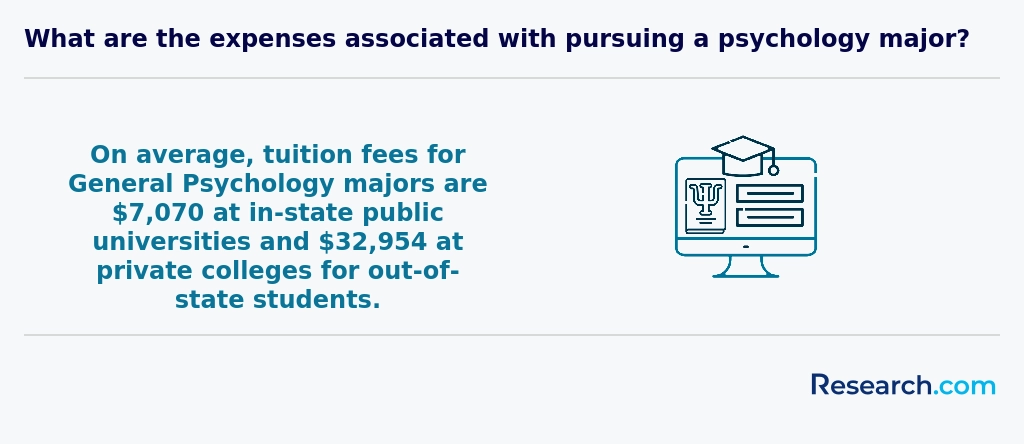
While the average cost of a psychology degree in Oregon can vary widely, most students attending public universities spend around $16,000 in total if they qualify for in-state tuition, which is a significant advantage for Oregon residents. Graduates from schools like Oregon State University or University of Oregon often describe their experience as both affordable and rewarding, knowing that their investment supports a strong foundation in psychological science without overwhelming debt. However, out-of-state students might face a median total cost upwards of $56,000, reflecting the higher tuition fees and living expenses for non-residents. This gap highlights the importance of planning early and considering residency status when choosing where to study psychology in Oregon.
Private universities such as Pacific University and George Fox University may demand tuition fees that consistently exceed $40,000 per year, but many students appreciate the small class sizes and personalized mentorship offered. Those in graduate programs, especially at the master's or doctoral levels, often find programs that balance cost with quality, sometimes ranging between $15,000 and $50,000 annually, depending on the institution and format. Graduates frequently mention the added value of scholarships and financial aid tailored for psychology students, which can ease the financial burden considerably.
When considering the average cost psychology degree Oregon offers, it's encouraging to note that resources exist to support you. For example, many students explore the best masters in psychology online programs to balance costs with flexibility, allowing them to continue earning while they learn. Understanding these financial dynamics keeps your goals in focus, making the journey toward a meaningful psychology career that much more accessible.
Accreditation and Licensure Requirements
Choosing an accredited psychology program is essential for ensuring your degree meets state and national standards. In Oregon, programs accredited by the American Psychological Association (APA) or the National Association of School Psychologists (NASP) guarantee that your coursework, practicum hours, and faculty expertise align with licensure board expectations. Accreditation not only enhances the quality of your education but also facilitates seamless transfer of credits and eases the path to obtaining credentials in other states-if you’re exploring cost-effective out-of-state options, consider reviewing the Cheapest Psychology Degree Programs Ranking in Iowa for accredited alternatives. To become a licensed psychologist or counselor in Oregon, you must: • Earn a doctoral degree (PhD or PsyD) from an APA-accredited institution or complete a specialist degree (EdS) in school psychology from a NASP-approved program. • Complete 3,000–4,000 hours of supervised professional experience, including at least 1,500 hours post-doctoral (for psychologists) or 1,200 supervised hours (for licensed professional counselors). • Pass the Examination for Professional Practice in Psychology (EPPP) and any Oregon-specific jurisprudence exams. For licensure as a licensed professional clinical counselor (LPCC), candidates need a master’s degree in counseling or psychology, 2,000 hours of supervised internship, and successful completion of the National Counselor Examination (NCE). Maintaining licensure in Oregon requires ongoing professional development: psychologists must complete 45 continuing education credits every two years, while LPCCs need 30 credits. Before enrolling, verify your program’s accreditation status through the Oregon Board of Psychology or the Oregon Board of Licensed Professional Counselors and Therapists to ensure your academic investment leads directly to licensure eligibility and a thriving career.
What financial aid is available to psychology degree students in Oregon?
When pursuing a psychology degree in Oregon, financial aid is a vital resource that can transform what seems like a daunting expense into an achievable goal. Many students attending public universities like Oregon State University find federal aid indispensable-Pell Grants, for example, can cover thousands without repayment, providing crucial breathing room during studies.
State-specific support such as the Oregon Opportunity Grant offers up to $3,750 annually, easing tuition burdens for qualifying students at institutions such as the University of Oregon. Graduates often reflect on how these grants empowered them to focus on their passion rather than their paycheck.
At Portland State University, psychology students frequently benefit from targeted departmental scholarships that reward both merit and need, sparking motivation to maintain strong academic performance.
Work-study positions add another layer of support, letting you gain real-world experience while financing your education. Many find that balancing part-time work with studies creates a rewarding sense of independence and connection to their campus communities.
Finally, consider professional associations like the Oregon Psychological Association, which sometimes offer scholarships specifically to students committed to serving local communities-fueling both your education and your future career impact.
Most Affordable Psychology Programs in Oregon
For students seeking to pursue a psychology degree in Oregon without accumulating significant debt, exploring the most affordable options is crucial. Many institutions in Oregon offer competitive pricing for their psychology programs, making higher education more accessible. When considering affordability, it's essential to look beyond tuition fees and factor in living costs, scholarship opportunities, and potential return on investment. By visiting https://research.com/rankings/psychology/most-affordable-psychology-or">cheapest psychology programs in oregon, prospective students can find detailed information on programs that fit their budget. This resource allows students to compare costs, accreditation, and program outcomes, empowering them to make informed decisions about their educational journey.
What are the prerequisites for enrolling in psychology degree program in Oregon?
To enroll in a psychology degree program in Oregon, you'll first need to meet clear academic prerequisites that ensure you're ready to tackle this fascinating field. For undergraduates aiming to study at schools like the University of Oregon or Portland State University, holding a high school diploma or GED is essential. Graduates often share how submitting strong transcripts showing solid performance in core subjects-especially science and social studies-helped them stand out.
Many Oregon colleges have moved toward test-optional policies, so if your SAT or ACT scores aren't perfect, don't stress-but showing dedication through your coursework is invaluable. Graduate applicants at these institutions often need a bachelor's degree with psychology courses and a GPA around 3.0. They recommend preparing thoughtful letters of recommendation and a compelling statement of purpose. Graduates recall that highlighting research or internship experience truly made a difference in competitive programs, especially at places like Oregon State University.
Remember, these requirements are your stepping stones to a rewarding career, and with perseverance, you'll find your place among Oregon's thriving psychology community.
Accreditation and Licensure for Psychology Degrees in Oregon
Ensuring your psychology program holds proper accreditation is critical for licensure and career mobility. In Oregon, aspiring psychologists should look for programs accredited by the American Psychological Association (APA) or regionally accredited institutions recognized by the Northwest Commission on Colleges and Universities (NWCCU). APA accreditation guarantees that the curriculum, faculty credentials, and training experiences meet national standards, which is often required for licensure as a professional psychologist. After completing an accredited degree, graduates must satisfy Oregon Board of Psychology requirements: typically 3,000 supervised practicum hours, passage of the Examination for Professional Practice in Psychology (EPPP), and a state jurisprudence exam. Master’s-level clinicians follow similar steps under the Board of Licensed Professional Counselors and Therapists, including 2,000 post-degree supervised hours and relevant examinations. Prospective students should verify that their chosen program offers practicum placements in accredited clinics or hospitals and dedicated licensure support services, such as exam prep workshops and application guidance. For those balancing budget constraints, it may be helpful to compare costs and accreditation of out-of-state options-see the Cheapest Psychology Degree Programs Ranking in Iowa for a snapshot of affordable accredited programs. By selecting an APA- or regionally accredited program and proactively planning for supervised training and examinations, Oregon psychology graduates can streamline their path to licensure and ensure their credentials are recognized nationwide.
What courses are typically in psychology degree programs in Oregon?
A psychology degree in Oregon typically includes a well-rounded mix of courses that build a solid foundation in understanding human behavior. At schools like Oregon State University and the University of Oregon, students begin with core classes in cognitive, developmental, social, and abnormal psychology. These subjects help you see the many sides of the human mind in practical, relatable ways-like understanding why someone might react differently in stressful situations or how childhood experiences shape adult behavior.
Graduates often share how research methods and statistics courses, though challenging, open doors to thinking critically and analyzing real-world data. These skills proved invaluable for those pursuing graduate studies or research careers.
Many Oregon programs also offer fascinating classes on neuroscience, exploring how the brain drives thoughts and emotions, making it easier to connect theory to everyday life experiences. Practicum opportunities in community clinics or schools let students apply what they learn firsthand, turning textbook ideas into impactful action.
What types of specializations are available in psychology degree programs in Oregon?
In Oregon, students pursuing psychology degrees discover a rich array of specializations catering to diverse interests and career goals. Many graduates from well-known universities choose clinical psychology, gaining skills to diagnose and treat mental health disorders, a rewarding path given the local demand for behavioral health professionals. Others are drawn to counseling psychology, learning practical therapy techniques ideal for community health settings or private practice.
Experimental and cognitive psychology attract those passionate about research, delving into brain function and behavior patterns through hands-on laboratory work. Oregon psychology programs with concentrations in industrial-organizational psychology prepare students to enhance workplace dynamics, a perfect fit for careers in the state's growing tech sector. For students inspired by human development, specialization in developmental or child and adolescent psychology opens doors to impactful roles in education and healthcare. Graduates often mention how these specializations made their studies feel personally meaningful and aligned with real-world needs.
For those balancing education with career advancement, programs often connect with practical options like bcba training online to extend expertise beyond campus.
How do you choose the best psychology degree in Oregon?
Choosing the best psychology degree in Oregon starts with matching your career goals to the right program level, whether associate, bachelor's, master's, or doctoral. Graduates from universities like Portland State University often share how their programs' strong ties to local mental health organizations provided invaluable hands-on experience. If affordability is key, exploring affordable psychology degree programs in Oregon can help you balance quality education with manageable costs.
Accreditation cannot be overlooked-programs recognized by the Northwest Commission on Colleges and Universities ensure academic rigor and smoother licensure paths. Consider schools like the University of Oregon, where faculty expertise spans clinical psychology and neuropsychology, giving students exciting research opportunities. Graduates frequently mention the motivation they gained working alongside professors passionate about their fields.
Flexibility is essential in today's busy world. Many Oregon programs offer part-time or online options that cater to working professionals. To get a broader view of cost-effective programs, examine the Cheapest Psychology Degree Programs Ranking in Iowa for comparison and inspiration, as budgeting wisely ensures a smoother academic journey.
What career paths are available for psychology degree students in Oregon?
Graduates from Oregon's top psychology programs, like those at the University of Oregon or Portland State University, often find rewarding careers as licensed mental health counselors or clinical psychologists, especially if they pursue advanced degrees. Many others build meaningful roles as behavioral health counselors, social workers, or case managers, contributing directly to community well-being. For those drawn to education, working as a school psychologist or counselor is a valuable pathway, supported by licenses from the Oregon Department of Education and often requiring master's-level credentials. Jobs with a psychology degree Oregon also extend into the thriving business world, where alumni thrive in human resources, organizational behavior, and market research-applying psychological insights to improve workplace culture and strategies. Some graduates embrace roles in public health initiatives or developmental disability support, finding deep satisfaction in community outreach and social services. If you're looking to fast-track your path, explore an accelerated online bachelor degree option to jumpstart your career in Oregon's diverse psychology fields.
What is the job market for psychology degree in Oregon?
The psychology degree job outlook Oregon offers is notably encouraging, fueled by a 14% projected growth in psychologist roles over the next decade-much faster than the national average. Graduates from universities such as the University of Oregon and Portland State find themselves in a landscape rich with opportunities in mental health counseling, research, and education. Many graduates share stories of securing positions in Portland's expanding community mental health programs, thriving amid the state's focus on accessible mental health care.
Entry-level roles for those with bachelor's degrees may include social services or behavioral health technician jobs, but it's clear that advancing in Oregon's competitive market often means pursuing a master's or doctoral degree. Master's degree graduates frequently become licensed professional counselors or marriage and family therapists, both in high demand statewide. Oregon's balanced cost of tuition encourages students to consider further education carefully; for some, pursuing an easiest two year degree before advancing can make the journey manageable.
For anyone passionate about psychology, Oregon's supportive legislative environment and growing programs create a nurturing setting to grow a fulfilling career. Graduates regularly express satisfaction in serving diverse populations, from youth support in Eugene to geriatric care in rural communities, making Oregon's psychology career opportunities in Oregon truly rewarding.
Frequently Asked Questions About psychology
Psychology degree students in Oregon can maximize their learning experience by actively engaging in research opportunities offered by universities such as Portland State University and the University of Oregon. These institutions often provide access to faculty-led projects, which enhance practical skills and deepen theoretical understanding. According to the Oregon Office of University Coordination, experiential learning options, including internships in clinical or counseling settings, are key for skill development.
Joining psychology clubs and attending local seminars or workshops also helps students stay updated on current trends. Oregon students benefit from access to internship placements at healthcare facilities in Portland and Eugene, which is critical for hands-on experience in the mental health field.
Utilizing resources like the American Psychological Association's Oregon chapter can further support academic and professional growth with networking and mentorship opportunities.
Emerging niches within the psychology field in Oregon reflect broader national trends driven by societal changes and technological advances. Notably, health psychology is growing due to increased focus on mental health and chronic disease management. Oregon's aging population also expands demand for geropsychology, which addresses psychological care for older adults. Additionally, forensic psychology is gaining traction as law enforcement agencies seek professionals trained in criminal behavior.
Another promising area is neuropsychology, linked to advances in brain imaging and cognitive science. According to the Oregon Employment Department, jobs in clinical and counseling psychology are projected to grow by over 20% through 2030, highlighting opportunities in these niches. Sustainable psychology, focusing on environmental stress and human behavior, is also emerging in Oregon's eco-conscious communities.
After earning a psychology degree in Oregon, preparing for the job market involves a combination of gaining practical experience and understanding state-specific requirements. Oregon's economy supports diverse psychology careers, including clinical, counseling, and industrial-organizational roles. Internships and supervised practicum placements offered by local universities can provide valuable hands-on experience, which is crucial for employability.
Graduates should also consider licensure requirements governed by the Oregon Board of Psychologist Examiners, especially if they aim to become licensed psychologists. This process typically involves completing a doctoral degree, supervised hours, and passing national and state exams. Obtaining credentials such as Certified Alcohol and Drug Counselor (CADC) can enhance job prospects in behavioral health sectors.
Networking through Oregon psychological associations and career fairs helps to connect with employers. The Oregon Employment Department reports steady demand for mental health professionals, projecting a 14% job growth in related fields by 2030. Staying informed about local job trends and continuing education opportunities contributes positively to a smooth transition into the workforce.
Employers in Oregon highly value psychology degree graduates who demonstrate strong critical thinking and analytical skills. These abilities enable graduates to assess complex behavioral data and apply evidence-based approaches effectively. Communication skills, both written and verbal, are also crucial, as psychology professionals often work in multidisciplinary teams and must convey findings clearly to diverse audiences.
Oregon's mental health sector, growing by 10% over recent years according to the Oregon Employment Department, emphasizes cultural competence due to the state's diverse population. Adaptability and ethical decision-making are essential skills highlighted by local employers. Additionally, proficiency in research methods and statistical analysis remains in demand, supporting roles in academic and clinical settings.
Finding internships in Oregon relevant to a psychology degree involves leveraging local resources and institutional connections. Many universities in Oregon, such as Portland State University and the University of Oregon, offer internship placement assistance through their psychology departments. These programs often collaborate with hospitals, mental health clinics, and community organizations to provide students with practical experience.
Additionally, the Oregon Psychological Association maintains a directory of potential internship sites and mentors. According to the Bureau of Labor Statistics, internships increase employability in Oregon's mental health sector by nearly 30%. Students should also consider reaching out directly to healthcare providers and social service agencies in cities like Portland and Eugene.
A psychology degree in Oregon can significantly enhance career mobility and advancement opportunities. According to the Oregon Employment Department, jobs in psychology and mental health services are projected to grow by 15% from 2022 to 2032, faster than the average for all occupations. This growth reflects increased demand for qualified professionals in clinical, counseling, and social services roles. Graduates with a psychology degree can pursue licensure as Licensed Professional Counselors or Licensed Psychologists, which often leads to higher salaries and leadership positions.
Additionally, Oregon's strong network of healthcare and social service organizations offers varied career paths. A degree equips students with critical skills applicable to human resources, education, and research, supporting career shifts within and beyond traditional psychology roles.
Studying for a psychology degree in Oregon equips students for interdisciplinary roles by blending foundational psychological theories with practical applications across diverse fields. Oregon universities emphasize collaboration with disciplines like healthcare, education, and social services, reflecting the state's integrated approach to mental health and community well-being.
Programs often include coursework in statistics, neuroscience, and counseling, along with internships in medical and social settings. According to the Oregon Employment Department, over 30% of psychology graduates work in interdisciplinary teams, demonstrating strong demand for versatile skills.
This training prepares students to engage effectively with professionals from various backgrounds, enhancing problem-solving and communication.
When choosing between a thesis and a non-thesis psychology degree program in Oregon, students should consider their career goals and time commitment. Thesis programs, often preferred for research or doctoral preparation, require original research and a formal thesis under faculty supervision. This path suits those interested in contributing to psychology knowledge or pursuing advanced study.
Non-thesis programs focus more on coursework and practical experience, ideal for students aiming to enter the workforce quickly, particularly in counseling or applied psychology roles. Oregon universities like Portland State University offer both options, with thesis programs sometimes requiring up to two additional semesters.
According to Oregon's higher education data, 35% of psychology graduates opt for thesis tracks, reflecting ongoing interest in research careers.
Students based in Oregon seeking to study psychology abroad have multiple pathways through established exchange programs and partnerships. Many Oregon universities, including Oregon State University and University of Oregon, offer study abroad options that allow psychology majors to earn credits overseas. Popular destinations often include universities in the United Kingdom, Australia, and the Netherlands, which align coursework with U.S. psychology degree requirements.
Additionally, programs accredited by the American Psychological Association (APA) support international study by recognizing certain foreign coursework. Oregon students can also explore summer research internships or faculty-led trips abroad, providing global exposure to psychological practices and research.
According to the Institute of International Education, approximately 12% of psychology students nationwide engage in study abroad experiences, reflecting growing interest among Oregon students to gain a multicultural perspective while completing their degrees.
Students pursuing psychology degrees in Oregon can enhance their education through several part-time job opportunities that offer practical experience. Positions such as mental health technician or behavioral health aide are common in hospitals and clinics across Oregon, providing exposure to patient care and therapy environments. Data from the Oregon Employment Department indicate these roles often pay between $15 and $20 per hour.
Campus research assistant roles in psychology departments allow students to develop skills in data collection and analysis, directly complementing academic learning.
Additionally, working as a peer counselor or crisis hotline volunteer in community organizations helps build communication and counseling skills relevant to psychology careers.
Psychology students in Oregon have access to a variety of networking opportunities that help them connect with professionals and peers in the field. Many universities, such as the University of Oregon and Portland State University, host psychology clubs and student organizations that facilitate events, guest lectures, and workshops.
Statewide organizations like the Oregon Psychological Association offer student memberships, providing access to conferences, job boards, and mentorship programs. These events allow students to meet licensed psychologists and researchers, which is crucial for career growth.
Additionally, internships and practicum placements in Oregon's healthcare and social service sectors provide valuable professional contacts. According to the Bureau of Labor Statistics, such hands-on experiences significantly enhance job prospects in psychology.
Alumni networks play a significant role in supporting psychology degree students in Oregon. These networks connect current students with graduates who often provide mentorship, career advice, and job referrals. According to the Oregon Psychological Association, strong alumni engagement can increase employment opportunities by nearly 30% for psychology graduates within the state. This network also offers access to exclusive workshops and internships, helping students gain practical experience.
Moreover, alumni connections strengthen professional skills and expand a student's understanding of Oregon's mental health landscape. Such networking is especially valuable in a state where psychology is a growing field.
In Oregon, customizing your psychology degree program to align with your career goals is achievable through elective courses and specialized tracks offered by many universities. Schools like Portland State University and the University of Oregon provide options in clinical, counseling, and industrial-organizational psychology. Selecting relevant internships and research opportunities further shapes your academic experience.
Students can also focus on certifications or minors in areas such as addiction counseling or human services that complement psychology studies. According to the Oregon Employment Department, mental health professions are projected to grow by 19% through 2030, making tailored skills valuable.
Advisors often assist in creating individual plans to meet licensing requirements unique to Oregon psychology careers.
Psychology students in Oregon often face several challenges that can impact their academic journey and career preparation. One key difficulty is the competitive nature of entering graduate programs, particularly clinical psychology tracks, where slots are limited and demand is high. According to the Oregon Psychological Association, students must maintain strong GPAs and gain relevant experience to succeed.
In addition, access to affordable practicum and internship placements poses a significant hurdle. Many programs require supervised hours in community settings, but limited availability delays students' progress toward licensure. Financial stress also affects many, as Oregon's average in-state tuition for public universities exceeds $11,000 per year (NCES data, 2023).
Balancing rigorous coursework with research and fieldwork commitments contributes to time management challenges. Furthermore, some students encounter obstacles related to mental health stigma and lack of on-campus support tailored to the unique pressures of psychology studies.
With a psychology degree in Oregon, graduates can pursue several professional certifications to advance their careers. One common path is becoming a Licensed Professional Counselor (LPC), which requires completing a master's degree, accumulating supervised clinical hours, and passing an exam through the Oregon Board of Licensed Professional Counselors and Therapists.
Another option is certification as a Certified Alcohol and Drug Counselor (CADC), relevant for psychology graduates interested in substance abuse treatment. This credential involves specific education, training, and supervised experience.
For those pursuing clinical practice, the Licensed Psychologist credential requires a doctoral degree, supervised hours, and passing the Examination for Professional Practice in Psychology (EPPP), governed by the Oregon Board of Psychology.
Additional certifications include behavioral analysis and school psychology credentials, with requirements regulated by state boards. These certifications improve job prospects and comply with Oregon's professional standards for psychology-related roles.
Writing a winning application for a psychology program in Oregon starts with clear preparation. Applicants should carefully research programs, as Oregon hosts reputable universities like Oregon State University and the University of Oregon, known for strong psychology departments.
Highlighting relevant academic achievements is crucial. Most programs look for a strong undergraduate GPA, typically above 3.0, and coursework in core psychology topics. Including research experience or internships in mental health settings strengthens your profile significantly.
Personal statements must be well-written, showing genuine interest in psychology and alignment with the program's focus. Additionally, letters of recommendation from professors or professionals familiar with your abilities add valuable credibility.
Lastly, meeting any standardized test requirements or prerequisites ensures your application is complete. According to U.S. Department of Education data, psychology remains a competitive major in Oregon, so attention to detail is essential.
The psychology field offers diverse career opportunities worldwide, and the United States remains a significant hub for education and employment in this discipline. In Oregon, psychology degrees prepare students to meet both local and global mental health needs, reflecting trends seen across other developed countries.
Globally, psychology careers emphasize evidence-based practice and research, which aligns with Oregon's strong academic programs accredited by the American Psychological Association (APA). The U.S. Bureau of Labor Statistics projects a 8% growth in psychologist jobs nationally through 2031, highlighting sustained demand.
Oregon's diverse population and healthcare initiatives support careers in clinical, counseling, and industrial-organizational psychology, mirroring global efforts to address mental health challenges.
Gaining practical experience while studying psychology in Oregon is essential for building skills and enhancing career prospects. Many universities in Oregon, such as Portland State University and the University of Oregon, offer internship programs that allow students to work directly in clinical, counseling, or research settings. These opportunities help students apply theoretical knowledge to real-world situations under professional supervision.
Additionally, students can participate in research labs on campus, contributing to ongoing psychological studies while developing analytical skills. Volunteering at local mental health clinics or social service agencies also provides valuable hands-on experience.
The Oregon Psychological Association supports students by listing internships and practicum placements statewide, aiding in practical exposure. According to the Bureau of Labor Statistics, practical experience can significantly improve employment outcomes in Oregon's growing psychology job market.
Choosing the right concentration within a psychology degree program in Oregon depends on your career goals and interests. Oregon universities often offer various tracks such as clinical, counseling, forensic, or industrial-organizational psychology. Researching job outlooks and licensing requirements in Oregon is crucial, as some concentrations lead to licensure as psychologists or counselors in the state.
Consider programs accredited by the American Psychological Association (APA), as these are recognized for meeting professional standards. According to the Oregon Employment Department, clinical and counseling psychology fields are growing, reflecting increased mental health service demands.
Additionally, review faculty expertise and available internships or practicum sites, especially within Oregon's healthcare or educational systems. Aligning your concentration with local employment trends enhances your chances of successful career placement.
Related Psychology Rankings for Nearby States
- 2027 Best Psychology Degree Programs Ranking in Washington
- 2027 Best Psychology Degree Programs Ranking in Idaho
- 2027 Best Psychology Degree Programs Ranking in Arizona
- 2027 Best Psychology Degree Programs Ranking in Colorado
- 2027 Best Psychology Degree Programs Ranking in Kansas
- 2027 Best Psychology Degree Programs Ranking in Iowa
- 2027 Best Psychology Degree Programs Ranking in Louisiana
- 2027 Best Psychology Degree Programs Ranking in Illinois
- 2027 Best Psychology Degree Programs Ranking in Alabama
- 2027 Best Psychology Degree Programs Ranking in Florida
Top Trending Psychology Rankings
See What Experts Have To Say About Studying Psychology
Read our interview with Psychology experts

Joann Farrell Quinn, Ph.D., MBA
Psychology Expert
Director at the College of Medicine Department of Medical Education
Morsani College of Medicine

Elizabeth L. Jeglic Ph.D.
Psychology Expert
Professor of Psychology
City University of New York

Catherine Caldwell-Harris, Ph.D.
Psychology Expert
Associate Professor of Psychology
Boston University

References
- Society for the Teaching of Psychology https://teachpsych.org/page-1784686/8675326
- Professional Networking For Psychologists | Psychology.org https://www.psychology.org/resources/professional-networking/
- A Guide to Psychology Internships | Psychology Degree Guide https://psychologydegreeguide.org/resources/internships/
- Why Get a Psychology Degree Online? | University of Bridgeport https://www.bridgeport.edu/news/reasons-to-get-your-psychology-degree-online/
- Know more about thesis vs non- thesis: what is the difference? https://studyfans.com/en/blogs/816
- Community Psychology in Global Perspective http://siba-ese.unisalento.it/index.php/cpgp
- Psychology BA/BS - SOU Academic Programs https://sou.edu/academics/psychology/programs/psychology-ba-bs/
- How Psychology Students Can Get Clinical Experience Before Graduating | The Playful Psychologist https://www.theplayfulpsychologist.com/post/students-experience-how-to-get-the-experience-you-need-before-you-graduate
- Have You Found a Niche? https://www.apaservices.org/practice/business/marketing/building/niche
- Grants | Oregon Student Aid https://www.oregonstudentaid.gov/grants/


