
2027 Easiest Online Bachelor's in Psychology Degree Programs Ranking in the Midwest

Co-Founder and Chief Data Scientist
Are you considering pursuing a psychology degree but unsure where to start? This article offers the 2027 Easiest Online Bachelor's in Psychology Degree Programs Ranking in the Midwest, carefully developed by the Research.com team of data scientists.
Designed to help you make an informed choice, the ranking highlights programs that balance quality and accessibility, making your educational journey smoother.
Discover opportunities that fit your lifestyle and goals, and take a confident step toward a fulfilling career in psychology. Your path to success begins here.
Key benefits of getting online psychology degree in the Midwest
- Psychology degree graduates in the Midwest can earn competitive salaries, such as Human Resources Specialists averaging $76,060 annually and Marketing Research Analysts earning around $83,190 per year, offering strong financial benefits.
- Graduates from Midwest universities often explore diverse career paths including clinical research, childcare, and survey research, reflecting psychology's broad application and promising job opportunities.
- Online psychology degrees provide flexible scheduling and accessibility, helping students balance life and studies while gaining the same valuable skills as traditional programs, as seen with graduates from respected Midwest schools.
- Key benefits of getting online psychology degree in the Midwest
- What can I expect from online psychology degree in the Midwest?
- Where can I work with online psychology degree in the Midwest?
- How much can I make with online psychology degree in the Midwest?
- 2027 Easiest Online Bachelor's in Psychology Degree Programs Ranking in the Midwest
- Key Findings
- How long does it take to complete online psychology degree in the Midwest?
- Emerging Career Opportunities and Industry Trends
- What's the difference between online and on-campus psychology degree?
- Tuition and Financial Aid Options for Online Psychology Programs in the Midwest
- What is the average cost of online psychology degree in the Midwest?
- Accreditation and Quality Assurance
- What financial aid is available to online psychology degree students in the Midwest?
- Cost and Financial Aid for Online Psychology Programs in the Midwest
- What are the prerequisites for enrolling in online psychology degree program in the Midwest?
- Accreditation and Licensure Considerations
- What courses are typically in online psychology degree programs in the Midwest?
- What types of specializations are available in online psychology degree programs in the Midwest?
- How do you choose the best online psychology degree in the Midwest?
- What career paths are available for online psychology degree students in the Midwest?
- What is the job market for online psychology degree in the Midwest?
- Top Trending Psychology Rankings
- See What Experts Have To Say About Studying Psychology
What can I expect from online psychology degree in the Midwest?
In the Midwest, the average cost of an online psychology degree tends to be below the national average of $10,000 per year for undergraduate programs. Public universities in states like Illinois and Ohio often charge tuition fees that align with this affordability, providing significant financial relief for students managing work and family commitments simultaneously.
Graduates from these programs frequently report satisfaction with the balance of quality and cost. For example, students attending well-regarded institutions note the value gained from rigorous coursework combined with accessible pricing. Many highlight how competitive tuition enabled them to pursue their degree without incurring overwhelming debt.
Moreover, financial aid opportunities and scholarships specifically aimed at psychology students further reduce out-of-pocket expenses. Those enrolled at Michigan or Indiana colleges emphasize the personalized support they received when applying for these aids, which contributed positively to their overall learning experience.
Ultimately, the Midwest offers not only accredited, flexible programs but also cost-effective options that appeal strongly to online psychology learners seeking both education quality and affordability.
Where can I work with online psychology degree in the Midwest?
Graduates with an online psychology degree from well-regarded Midwest institutions often find diverse career paths across healthcare, education, social services, and business. For example, many who studied at respected universities have secured roles as behavioral health technicians and psychiatric aides in hospitals and clinics throughout Illinois and Ohio. These positions offer hands-on experience vital for advancing into specialized certifications or graduate programs. The U.S. Bureau of Labor Statistics forecasts a 13% growth in healthcare support jobs through 2032, mirroring regional demand fueled by increased mental health awareness.
In education, alumni frequently become school counselors' assistants or academic advisors in Michigan and Minnesota schools, roles that leverage their knowledge of developmental psychology to improve student outcomes. Social service agencies in the Midwest routinely recruit graduates for case management and crisis intervention, reflecting steady growth seen in states like Illinois.
Corporate sectors in metropolitan areas such as Chicago and Minneapolis value psychology graduates for human resources and organizational development roles, where understanding behavior drives recruitment and wellness strategies. This versatility makes the online psychology degree a practical choice for students seeking rewarding, impactful careers locally.
How much can I make with online psychology degree in the Midwest?
Graduates holding an online psychology degree in the Midwest can expect varied earnings depending on their chosen career path. For example, those working as Human Resources Specialists earn an average annual wage of $76,060, reflecting solid compensation for psychology graduates applying interpersonal skills in corporate environments. Marketing Research Analysts, another frequent job for these graduates, earn around $83,190 yearly, demonstrating strong demand for analytic expertise in consumer behavior within Midwest markets.
Clinical Research Associates and Survey Researchers typically earn similar salaries, averaging $62,370 annually. These figures highlight viable options for graduates interested in research roles that blend psychology and data analysis. Conversely, entry-level roles such as Childcare Workers see lower mean incomes around $32,070, but these positions often serve as stepping stones for further education or specialization.
Many who graduated from institutions like the University of Illinois or Ohio State University report that growing professional opportunities in cities such as Chicago or Columbus support these salary ranges. These real-life outcomes underscore a positive financial outlook for online psychology degree holders ready to contribute across clinical, corporate, and research sectors in the Midwest.
2027 Easiest Online Bachelor's in Psychology Degree Programs Ranking in the Midwest
How do we rank schools?
Investing in your education is a significant decision that can shape your future, and the Research.com team understands the importance of making informed choices. To assist prospective students seeking an accessible and high-quality psychology degree, we have carefully developed the "2027 Easiest Online Bachelor's in Psychology Degree Programs Ranking in the Midwest." Our commitment to quality, credibility, and accuracy is demonstrated through rigorous research and thorough analysis.
We utilized the following reputable data sources to ensure a comprehensive evaluation of these programs:
By exploring this ranking, readers will gain valuable insights into the easiest online psychology programs in the Midwest, helping them streamline their educational journey with confidence. For more information on how this ranking was created, please visit our Research.com methodology page.


# 3 position
Bethel University, Minnesota
Bachelor of Psychology

# 5 position
Walden University
Bachelor of Psychology


# 18 position
Peru State College
Bachelor of Psychology


Key Findings
- Tuition for online bachelor's psychology programs in the Midwest ranges from $8,000 to $20,000 per year, with public universities generally offering lower costs.
- The job market for psychologists in Midwest states like Illinois and Ohio is projected to grow by about 10% from 2022 to 2032.
- Starting salaries for bachelor's degree holders average around $40,000 annually, while mid-career professionals with advanced degrees earn between $65,000 and $90,000.
- Many programs are regionally accredited, which is important for credit transfer and employer recognition; some may require occasional on-site internships.
- There are various online psychology degree options, including general, clinical, and counseling tracks to match different career goals.
How long does it take to complete online psychology degree in the Midwest?
Completing an online psychology degree in the Midwest typically takes about four years for a bachelor's degree when enrolled full-time, mirroring on-campus program lengths at universities such as the University of Illinois Urbana-Champaign or Michigan State University. Graduates often share how part-time or accelerated options allowed them to balance work and family commitments, sometimes finishing in three years by leveraging transfer credits or summer courses.
Master's degrees in psychology typically require 1.5 to 3 years, with programs at institutions like the University of Iowa or Ohio State University designed to accommodate working adults. Students appreciate the flexible scheduling and year-round enrollment, which helps reduce overall completion time without sacrificing quality.
Online learners often highlight the value-and additional months-that practicum or internship requirements add, essential for practical experience and licensure in the field. Ultimately, Midwest online psychology students benefit from a blend of tailored pacing and robust academic support, making degree completion both realistic and rewarding.
Emerging Career Opportunities and Industry Trends
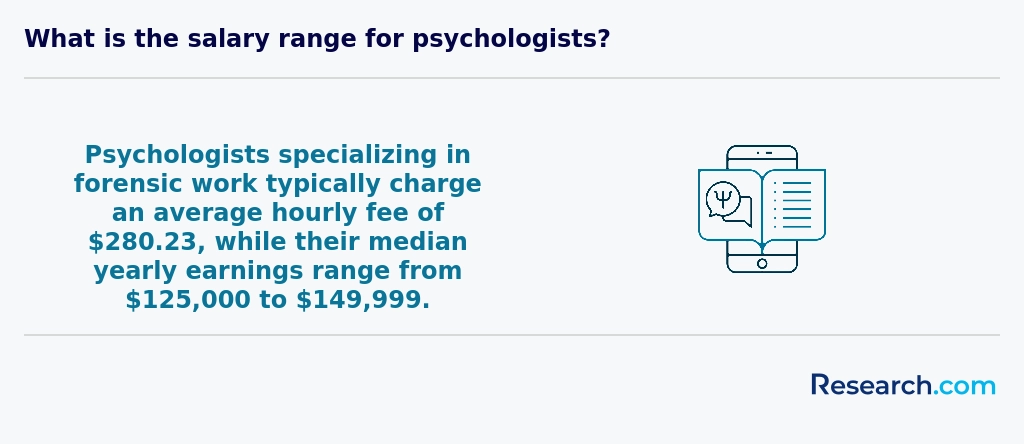
The rapidly evolving landscape of psychology careers calls for a deeper look into emerging opportunities that attract graduates from online programs in the Midwest. Recent industry trends indicate that roles such as behavioral analysts, digital mental health consultants, and forensic psychologists are on the rise. For instance, as technology transforms healthcare and social services, many graduates find innovative ways to apply their knowledge to interdisciplinary fields. A growing area is forensic psychology-forensic psychology demand has seen a notable increase as law enforcement and legal teams seek professionals who can analyze behavioral patterns and support criminal investigations. In addition to specialized roles, graduates are increasingly turning to consulting positions, research careers, and educational roles that leverage their unique insights into human behavior. Networking events, professional associations, and university-sponsored career centers offer essential support by connecting students with industry leaders and potential employers. These career support systems not only help bridge the transition from academic success to professional achievement but also ensure that graduates remain adaptable in a competitive job market. By staying informed about industry shifts and integrating practical experience with their online education, students are better positioned to pursue careers that resonate with both current market needs and future growth areas in psychology.
What's the difference between online and on-campus psychology degree?
Online and on-campus psychology degrees in the Midwest share core curricula aligned with accreditation standards, but they differ notably in delivery and experience. Graduates from the University of Illinois Urbana-Champaign often praise on-campus programs for immersive lab work and face-to-face discussions, which foster deeper engagement and networking. Meanwhile, students at Northern Illinois University highlight the flexibility of online study, balancing coursework with jobs or family, especially valuable for those living far from campus.
Midwestern programs typically require some in-person attendance for practicums or research labs, ensuring hands-on experience despite online formats. According to the NCES, approximately 30% of psychology undergraduates nationally engaged in online learning pre-pandemic, a figure that continues to rise.
Cost differences also matter: average in-state tuition at four-year public Midwest institutions ranges from $8,000 to $11,000 annually, with online options sometimes offering lower per-credit fees but possible tech-related costs. On-campus students enjoy richer social interactions through campus services, which many online learners find harder to replicate authentically.
Tuition and Financial Aid Options for Online Psychology Programs in the Midwest
Navigating tuition costs and securing financial aid are critical steps for students pursuing an online psychology degree in the Midwest. On average, public institutions charge between $300 and $450 per credit hour for in-state students and $400 to $600 for out-of-state learners, making total tuition for a 120-credit bachelor’s program range from $36,000 to $72,000. Private nonprofit universities may demand $500 to $900 per credit, so it’s essential to compare rates and plan early. Many Midwest schools offer merit-based scholarships, need-based grants, and department-specific awards that can reduce your out-of-pocket expenses by up to 25%. Completing the Free Application for Federal Student Aid (FAFSA) opens doors to Pell Grants and Federal Direct Loans, which often feature lower interest rates and flexible repayment plans. Additionally, work-study programs and employer tuition reimbursement can further offset costs, while state agencies in Illinois, Ohio, and Michigan frequently administer supplemental grant funds for psychology majors. For students seeking even lower tuition rates or specialized financial aid packages, our Cheapest Online Psychology Degree Programs Ranking in Alabama highlights programs with the most competitive price points and robust aid options. Evaluating both tuition and aid early ensures you can invest confidently in your future career without unexpected financial burdens.
What is the average cost of online psychology degree in the Midwest?
The average cost of an online psychology degree in the Midwest reflects considerable variation depending on residency and institution type. Median total expenses for students completing their degree online hover around $47,220, with in-state students typically paying approximately $43,440 and out-of-state students facing higher costs near $67,680. These figures align with trends seen in popular Midwestern universities where graduates often recall balancing tuition costs with other essential expenses.
Midwestern public universities generally offer more affordable tuition rates for their online psychology programs compared to private institutions, making them an attractive choice for budget-conscious students. Many graduates appreciate how these schools accommodate online learners through flexible financial aid packages and clearer tuition reciprocity agreements across state lines, which can reduce costs for out-of-state enrollees. This practical support enhances students' ability to manage their finances while pursuing their degree.
Students pursuing a Midwest online psychology degree tuition fees report that the cost per credit hour typically ranges between $300 and $600, making it crucial to plan for a full program of about 120 credit hours. Graduates who completed their online coursework often mention budgeting for technology fees and course materials, which are necessary but often subsidized through digital resources. Such factors highlight the importance of a comprehensive financial plan beyond just tuition.
Those interested in the field should also consider career outlooks in psychology, with rising forensic psychology demand signaling growing opportunities post-graduation. Understanding the financial commitment within the Midwest context equips prospective students to make informed decisions aligned with their career goals and personal circumstances.
Accreditation and Quality Assurance
Choosing a credible online psychology program starts with verifying both institutional and programmatic accreditation. Regional accreditation, such as from the Higher Learning Commission (HLC) in the Midwest, confirms that a college meets stringent educational standards, ensuring credit transferability and broad employer recognition. Programmatic accreditation-particularly by the American Psychological Association (APA) for clinical and counseling tracks-guarantees that your curriculum aligns with best practices in psychology education and research. Before enrolling, prospective students should consult the U.S. Department of Education’s Database of Accredited Postsecondary Institutions and Programs (DAPIP) or the accreditor’s official site to confirm their chosen school’s status. Accreditation directly affects eligibility for federal financial aid and state licensure: many psychology boards require graduation from an APA-accredited program for clinical practice. Additionally, accredited programs often provide access to licensed faculty, robust student support, and up-to-date resources that enhance learning outcomes. For those planning to extend their expertise beyond the bachelor’s level, examining pathways such as an online phd neuropsychology can illustrate how advanced programs maintain rigorous accreditation standards, preparing graduates for specialized roles in research and clinical settings. Prioritizing accreditation ensures your degree holds value in both academic and professional contexts.
What financial aid is available to online psychology degree students in the Midwest?
Students pursuing online psychology degrees in the Midwest often leverage multiple financial aid sources to manage costs. With the average annual tuition around $9,000 for in-state students at public universities, such as the University of Illinois or Ohio State University, federal aid is a key resource. Graduates report that completing the FAFSA unlocks access to Pell Grants, which require no repayment, and work-study opportunities that supplement income while studying.
State-specific programs further ease financial burdens. Illinois' Monetary Award Program (MAP) and Ohio's College Opportunity Grant provide need-based assistance geared toward online learners, helping reduce out-of-pocket expenses significantly. Graduate testimonials highlight how these grants made enrollment feasible without incurring excessive debt.
In addition to federal and state aid, many Midwestern institutions offer tailored scholarships for psychology majors. These include merit-based awards and scholarships for returning adult students or veterans, commonly utilized by students at schools like Michigan State University and Indiana University. Private scholarships from organizations such as the American Psychological Association also provide valuable funding, which many students utilize to support their academic advancement.
Cost and Financial Aid for Online Psychology Programs in the Midwest
The cost of pursuing an online psychology degree in the Midwest can vary significantly depending on the institution, location, and program specifics. On average, tuition for online psychology programs can range from $300 to $600 per credit hour, with the total cost for a bachelor's degree potentially reaching $36,000 to $72,000 for a 120-credit hour program. However, many universities offer financial aid, scholarships, and grants to help students offset these costs. For instance, federal student aid programs such as the Pell Grant and the Federal Supplemental Educational Opportunity Grant (FSEOG) can provide substantial assistance. Additionally, institutions may offer their own scholarships, like the University of Illinois's Presidential Scholarship or Ohio State University's Land Grant Scholarship, which can significantly reduce the financial burden on students. Some online programs also participate in tuition reduction programs or offer discounts for military personnel, first responders, and their families. To further alleviate costs, students can explore external scholarship opportunities, such as the American Psychological Association (APA) Scholarships or the National Alliance on Mental Illness (NAMI) Education Scholarship. It's also worth noting that many employers offer tuition reimbursement programs for employees pursuing higher education, which can be a valuable resource for working professionals. By understanding the various financial aid options available, prospective students can make more informed decisions about their educational investments, ensuring that the pursuit of an online psychology degree remains both accessible and affordable.
What are the prerequisites for enrolling in online psychology degree program in the Midwest?
Enrolling in an online psychology degree program in the Midwest typically requires a high school diploma or GED equivalent for undergraduate applicants. Many universities like those in Illinois and Ohio have adopted test-optional policies, so submitting SAT or ACT scores is often optional, easing stress for applicants. However, graduates from these programs frequently recall the importance of submitting comprehensive transcripts, as institutions such as the University of Michigan or Indiana University emphasize verifying a minimum GPA between 2.5 and 3.0 to ensure readiness for college-level psychology coursework.
Transfer students share positive experiences when their previous college credits in biology, statistics, or introductory psychology match Midwest schools' core requirements, speeding up degree completion and reducing tuition costs. For graduate-level online psychology programs, students from popular Midwest colleges report that holding a bachelor's degree, providing strong letters of recommendation, and showcasing relevant research or professional experience bolster their acceptance chances and deepen their academic confidence.
Accreditation and Licensure Considerations
Choosing an accredited online psychology program ensures your credits transfer smoothly and meets state licensure criteria in the Midwest.
- Regionally accredited by bodies like the Higher Learning Commission for academic quality.
- Approved by the American Psychological Association (APA) for clinical licensure pathways.
- Meets supervised practicum and internship requirements needed for state licensure boards.
- Recognized by NC-SARA for online learning across state lines.
- Plan for a master’s degree by researching affordable and APA-approved online psychology masters programs to meet advanced licensure standards.
What courses are typically in online psychology degree programs in the Midwest?
Online psychology degree programs in the Midwest typically include foundational courses such as Introduction to Psychology, Research Methods, and Statistics, building essential skills in experimental design and data analysis. Graduates from well-regarded institutions like the University of Illinois or Michigan State University often recall how these courses clarified complex theories by applying them to everyday decision-making and social interactions.
Students progress to specialized classes like Biological Psychology or Neuroscience, which explain brain functions influencing behavior, and Developmental Psychology, covering growth stages from infancy to adulthood. For example, learners at popular Midwestern colleges find Abnormal Psychology particularly impactful, gaining meaningful understanding of mental disorders and treatment frameworks.
Moreover, courses in Social and Cognitive Psychology engage students in analyzing real-world human interactions and thought processes. Ethics and Professional Issues classes prepare them for practical challenges post-graduation. Many report that electives such as Child Psychology or Industrial-Organizational Psychology enhance their career readiness by connecting theory to professional contexts.
What types of specializations are available in online psychology degree programs in the Midwest?
Online psychology degree specializations Midwest programs typically include clinical psychology, counseling psychology, industrial-organizational psychology, developmental psychology, and social psychology. Graduates from popular Midwestern universities report that focusing on clinical psychology helped them build practical skills for diagnosing and treating mental health issues, which expanded their career opportunities in healthcare settings. Counseling psychology specialization often appeals to students aiming to support emotional well-being in schools or community centers, offering relatable experiences through case studies shared by program alumni.
Industrial-organizational psychology addresses workplace behavior and motivation, an attractive option for those interested in human resources or corporate consulting roles. Developmental psychology explores human growth and lifespan changes, preparing graduates for work in education or child services, as experienced by many who studied at well-known Midwestern colleges with strong psychology programs. Social psychology, with its focus on interpersonal influence, aligns well with careers in marketing and public policy.
These specializations enhance employability within the region, reinforced by Midwest accredited psychology majors online programs that also incorporate research or practicum components. For students seeking advanced focus, exploring opportunities like an online phd neuropsychology can be a valuable next step.
How do you choose the best online psychology degree in the Midwest?
Choosing the best online psychology degree in the Midwest requires prioritizing programs accredited by recognized agencies like the Higher Learning Commission to ensure national acceptance and quality. Graduates from well-known Midwestern universities often emphasize the value of a comprehensive curriculum that includes cognitive psychology, research methods, and statistics, paired with practical experiences like internships or lab work. Such components promote confidence and career readiness in real-world settings.
Cost is another critical factor; the average annual tuition for public in-state psychology bachelor's programs in the Midwest typically ranges from $9,000 to $12,000. Graduates recall balancing affordability with program quality, sometimes exploring options via the Cheapest Online Psychology Degree Programs Ranking in Alabama for comparative insight. Transparent information on additional fees and resources such as textbooks also impacts decision-making, reinforcing the importance of how to find affordable online psychology degrees Midwest.
Student support and faculty expertise directly influence success; students from Midwestern colleges appreciate accessible advising, tutoring, and professors with doctoral credentials and virtual office hours. Tracking graduation rates and job placement data can further indicate program effectiveness and smooth transition to psychology careers, supporting efforts to identify the best accredited online psychology programs Midwest.

What career paths are available for online psychology degree students in the Midwest?
Graduates with an online psychology degree careers Midwest find opportunities in sectors such as human services, research, healthcare, and education. Behavioral health technician and case manager roles in community service agencies are common, supported by a 9% employment growth forecast in the region according to BLS data. Those from acclaimed Midwest universities report gaining practical skills that employers highly value.
Research and data analysis positions attract graduates who apply statistical and critical thinking skills within market research firms and state universities. The Midwest's concentration of research centers facilitates access to these analytical roles. Graduates often share that these positions allow them to contribute meaningfully to data-driven projects affecting public policy and education.
Healthcare roles like psychiatric technicians or rehabilitation specialists also appeal, with hospitals and residential care facilities in Illinois, Ohio, and Michigan frequently hiring online graduates. These roles provide hands-on experience assisting licensed professionals managing mental health cases.
In education, school paraprofessionals and special education assistants are in demand, reflecting the region's emphasis on student mental health. Many graduates from popular psychology programs cherish the rewarding nature of supporting youth well-being firsthand.
Some graduates continue to advance by pursuing a master's degree that pay well, opening doors to licensed psychologist or counseling careers. The flexibility of Midwest programs allows tailoring career trajectories aligned with individual goals.
What is the job market for online psychology degree in the Midwest?
The job market for online psychology degree jobs Midwest reflects consistent growth driven by expanding telepsychology and increasing demand for mental health services. Graduates from popular Midwestern universities often find entry-level roles such as social services assistants or case managers, with average starting salaries ranging from $37,000 to $45,000. These positions offer a practical introduction to the field while encouraging further certification for clinical practice. Those pursuing careers in states like Illinois or Ohio benefit from diverse job opportunities, with Illinois alone reporting around 5,000 psychology-related positions paying median wages near $80,000 annually.
Many graduates appreciate the cost-efficiency of Midwestern online programs-annual tuition averages between $9,000 and $15,000-enabling them to enter the workforce with manageable debt. Alumni from institutions like the University of Michigan or Indiana University often report positive experiences leveraging their degrees in schools, hospitals, and corporate settings. Psychology professionals also explore roles in human resources or marketing research, enhancing career flexibility.
Students interested in broadening their options might explore the fastest high paying degree alternatives while gaining relevant experience correlated with Midwest psychology career outlook online degrees.
Frequently Asked Questions About psychology
Students pursuing online psychology degrees in the Midwest can maximize their learning by actively engaging with their courses and peers. Research from the American Psychological Association emphasizes the importance of participating in virtual discussions and group projects to enhance understanding and application of psychological concepts.
Midwestern universities often offer access to local internships and practicum opportunities, which provide valuable hands-on experience. Exploring partnerships within community mental health organizations can strengthen practical skills and improve employability after graduation.
Additionally, maintaining a consistent study schedule helps manage the demands of online learning effectively. According to the National Center for Education Statistics, students who dedicate regular time to coursework exhibit higher retention rates.
Utilizing academic resources such as tutoring centers, career services, and library databases within their institution also supports student success throughout the program.
The field of psychology is expanding to include several emerging niches that reflect current societal needs and technological advances. In the Midwest, specialties like neuropsychology and health psychology are gaining popularity due to increasing demand for experts in brain health and chronic illness management. According to the Bureau of Labor Statistics, positions in clinical and counseling psychology are expected to grow by 13% through 2032, with many roles focusing on trauma and substance use recovery.
Additionally, forensic psychology is becoming more prominent, driven by a rise in legal system applications. Online programs in the region often offer coursework tailored to these areas, preparing students for these evolving roles. The integration of telepsychology also marks a significant shift, providing wider access to mental health services, especially in rural Midwestern communities.
After earning an online psychology degree in the Midwest, graduates should focus on building practical experience to enhance employability. Internships and volunteer roles in local mental health clinics or counseling centers provide critical hands-on skills. According to the U.S. Bureau of Labor Statistics, employment for psychology-related jobs in Midwest states like Illinois and Ohio is expected to grow about 8% through 2030, indicating steady demand.
Networking is vital; professional associations such as the Illinois Psychological Association offer events and resources to connect with employers. Additionally, completing certification exams or considering graduate studies can improve job prospects. Staying informed about local job markets and state licensure requirements also supports successful entry into the workforce.
Employers in the Midwest highly value critical thinking and strong communication skills in psychology graduates. These abilities are essential for analyzing behavioral data and effectively conveying findings to clients or colleagues.
Additionally, proficiency in research methods and statistical analysis is crucial. According to the Bureau of Labor Statistics, skills in data interpretation improve employability in clinical and counseling roles common in Midwestern states.
Interpersonal skills also rank prominently. Psychology professionals must demonstrate empathy and cultural competence due to the region's diverse populations, enhancing client outcomes in both urban and rural settings.
Finding internships in the Midwest for psychology students requires strategic planning and local knowledge. Many universities collaborate with regional hospitals, mental health clinics, and community centers to offer placement opportunities. The American Psychological Association (APA) highlights that connections with accredited programs improve chances of quality internships.
Students should leverage their institution's career services and alumni networks for Midwest-specific placements. States like Illinois, Ohio, and Michigan have growing mental health sectors, enhancing internship availability. Platforms such as Handshake and state internship databases also list psychology-related positions. Early application is crucial since many internships fill quickly, especially in metropolitan areas like Chicago and Columbus.
Obtaining an online psychology degree in the Midwest can significantly enhance career mobility and advancement. Many employers in states like Illinois, Ohio, and Michigan increasingly recognize accredited online degrees, especially from regionally accredited institutions. According to the Bureau of Labor Statistics, the Midwest is expected to see a 10% growth in psychology-related jobs by 2030, making qualified graduates highly competitive.
Online programs offer flexibility, enabling students to gain credentials without disrupting their current employment. This flexibility often leads to quicker promotions or transitions into specialized fields such as clinical, counseling, or industrial-organizational psychology.
Moreover, earning a bachelor's degree online can serve as a critical first step toward graduate education, which is commonly required for higher-level psychological roles and licensure in many Midwestern states.
Studying for a psychology degree in the Midwest offers unique advantages for those aiming at interdisciplinary careers. Midwestern universities often emphasize applied learning, integrating psychology with fields like healthcare, education, and social work.
This region's programs frequently include coursework and projects that foster collaboration across disciplines, preparing students for roles that require broad skill sets. According to the National Center for Education Statistics (NCES), the Midwest awards a significant share of bachelor's degrees in psychology, reflecting strong regional demand.
Furthermore, many programs encourage research partnerships with public health and education departments, honing critical thinking applicable beyond psychology. This approach readies graduates for diverse professional environments, enhancing employability in industries valuing multidimensional expertise.
Choosing between a thesis and a non-thesis psychology degree program in the Midwest depends on your career goals and learning preferences. Thesis programs typically require original research and are ideal if you plan to pursue graduate studies or a research-focused career. They often take longer to complete and require strong writing and analytical skills.
Non-thesis programs focus more on coursework and practical applications, suitable for those aiming at professional roles in counseling, human services, or business. According to the National Center for Education Statistics, Midwest institutions offer nearly 30% of online psychology degrees with both options, reflecting regional demand for flexibility.
Consider your interest in research, time commitments, and future plans when deciding.
Students based in the Midwest who pursue online psychology degrees have several options to study aspects of their program abroad through exchange or partnership agreements. Many regional universities collaborate with international institutions, enabling students to take specialized psychology courses or conduct research overseas during summer or short-term sessions. For example, universities in Illinois and Ohio often offer study-abroad modules in Europe, where students can learn about cross-cultural psychology practices.
These programs complement online studies by providing global perspectives without requiring a full-time overseas commitment. The American Psychological Association highlights that such experiences enhance cultural competence, a crucial skill in psychology careers. However, direct online psychology degrees fully delivered by foreign institutions remain rare for U.S.-based students due to accreditation limitations.
In the Midwest, part-time job opportunities that complement psychology degree education often focus on gaining practical experience while pursuing studies. Many students work as mental health aides or behavioral health technicians, supporting clinical staff in hospitals or community centers. According to the U.S. Bureau of Labor Statistics (BLS), these roles typically require interpersonal skills and offer exposure to psychological practices.
Other popular options include research assistant positions at universities or nonprofit organizations. These roles allow students to engage with data collection and analysis, important for careers in psychology research.
Additionally, roles such as school support staff or social services assistants provide direct client interaction, valuable for applied psychology fields. The Midwest's healthcare and educational sectors show steady growth in these positions, offering numerous part-time opportunities aligned with psychology studies.
Online psychology students in the Midwest benefit from various networking opportunities despite the remote nature of their studies. Many programs partner with regional psychology associations, such as the Midwestern Psychological Association, which hosts annual conferences attracting over 1,000 psychology professionals and students. These events provide valuable chances to connect with faculty, peers, and local practitioners.
Additionally, universities often facilitate virtual meetups, discussion boards, and mentorship programs tailored specifically for online learners. Internship placements through Midwest-based clinics and organizations also enhance real-world connections. According to the American Psychological Association, students engaged in such networking report higher job placement rates post-graduation.
Alumni networks are crucial resources for online psychology degree students in the Midwest. They offer access to professional connections, which can improve job prospects in a competitive psychology field. According to the National Association of Colleges and Employers, 80% of jobs are filled through networking, highlighting this benefit.
Midwestern programs often emphasize regional ties, helping students connect with local employers and internships in healthcare, education, and research. These networks also provide mentorship opportunities, guiding graduates through licensure and certifications needed for psychology careers in states like Illinois and Ohio.
Additionally, many alumni groups host events, webinars, and job boards tailored for psychology professionals in the region, increasing chances for career advancement.
Customizing an online psychology degree program in the Midwest allows students to align their education with specific career goals. Many Midwest universities offer a range of electives and specialization tracks, such as clinical, counseling, or industrial-organizational psychology. These options help tailor the curriculum to fit roles in mental health services, human resources, or research. Additionally, some programs provide opportunities for internships or applied research projects, which are valuable for gaining practical experience.
Students can also choose programs accredited by the American Psychological Association (APA) or regionally accredited institutions, ensuring quality and better job prospects. According to the National Center for Education Statistics, over 60% of psychology graduates from Midwest online programs find employment within their chosen specialty within six months.
Online psychology students in the Midwest commonly face challenges related to balancing coursework with personal and professional responsibilities. Many learners juggle full-time jobs while managing demanding study schedules. Limited in-person interaction can also hinder the development of practical skills crucial in psychology, such as counseling techniques.
Access to local internships or practica is often problematic, since hands-on experience is vital for licensure and career advancement. According to the Illinois Board of Higher Education, approximately 45% of psychology students report difficulties securing quality practicum placements within their communities.
Moreover, technical issues and varying levels of digital literacy can impede progress, especially in rural areas where internet connectivity is inconsistent.
With an online psychology degree from the Midwest, graduates can pursue several recognized professional certifications. Many choose to prepare for the Licensed Psychological Associate (LPA) credential, available in states like Illinois and Minnesota, which allows practice under supervision.
Others may work toward becoming a Certified Alcohol and Drug Counselor (CADC), a common certification in Midwestern states addressing substance abuse issues. Additionally, the National Certified Counselor (NCC) credential from the National Board for Certified Counselors is popular among graduates seeking licensure as Licensed Professional Counselors (LPC).
These certifications often require additional supervised experience and passing relevant exams. Checking specific state requirements is essential.
Crafting a winning application for an online psychology program in the Midwest requires careful attention to detail. Start by highlighting any relevant experience, such as volunteer work or jobs related to mental health, to demonstrate genuine interest. Midwest institutions often value applicants who show a clear understanding of the program's curriculum and outcomes. Including a well-written personal statement that explains your goals and motivation is essential. Additionally, strong letters of recommendation from academic or professional sources can significantly strengthen your application. According to the National Center for Education Statistics, Midwestern schools admit about 60% of applicants into psychology programs, emphasizing the importance of a standout application.
The field of psychology offers diverse career opportunities globally, with strong demand in many countries including the United States. For students in the Midwest considering an online psychology degree, it is important to understand how this profession is viewed worldwide.
Psychology careers focus on improving mental health and well-being, which is a universal need. In the US, including the Midwest, employer demand for psychologists is projected to grow 8% through 2032 according to the Bureau of Labor Statistics. This aligns with global trends emphasizing mental health awareness and treatment.
Internationally, psychologists often require licensure similar to US standards, with education typically involving undergraduate and graduate studies. This common structure helps graduates from Midwest online programs adapt or collaborate globally.
By earning an accredited psychology degree online from a Midwestern institution, students can position themselves competitively in both domestic and international markets.
Gaining practical experience during an online psychology degree in the Midwest is crucial for building skills and improving job prospects. Many accredited Midwestern universities require students to complete internships or practicum courses, often coordinated with local mental health clinics, schools, or social service agencies.
Students can also seek volunteer work or part-time roles in community centers or hospitals to apply psychological theories in real settings. According to the National Association of School Psychologists, Midwestern states like Illinois and Ohio have robust internship networks supporting psychology students.
Additionally, some programs partner with virtual counseling services, allowing remote supervised practice that fits online schedules. This combination of internships and volunteering bridges the gap between academic knowledge and professional practice.
Choosing the right concentration within an online psychology degree program in the Midwest starts with understanding your career goals. Common concentrations, such as clinical, counseling, or industrial-organizational psychology, each prepare students for different roles. For example, industrial-organizational psychology is in demand in Midwest industries, including manufacturing and healthcare.
Additionally, consider programs accredited by the American Psychological Association (APA), as this influences licensure eligibility. According to the National Center for Education Statistics, Midwest universities offer growing online options with flexible concentrations tailored to regional job markets.
Research the faculty expertise and internship opportunities, which are essential for hands-on experience. Lastly, align your choice with state licensure requirements, since some Midwest states require specific coursework for professional practice.
Top Trending Psychology Rankings
See What Experts Have To Say About Studying Psychology
Read our interview with Psychology experts

Joann Farrell Quinn, Ph.D., MBA
Psychology Expert
Director at the College of Medicine Department of Medical Education
Morsani College of Medicine

Catherine Caldwell-Harris, Ph.D.
Psychology Expert
Associate Professor of Psychology
Boston University

Elizabeth L. Jeglic Ph.D.
Psychology Expert
Professor of Psychology
City University of New York

References
- Why Get a Psychology Degree Online? | University of Bridgeport https://www.bridgeport.edu/news/reasons-to-get-your-psychology-degree-online/
- FAFSA Approved Medical Programs | Midwest Institute MO https://www.midwestinstitute.edu/financial-aid/
- Doctor of Clinical Psychology Program https://www.midwestern.edu/academics/degrees-programs/college-health-sciences/doctor-clinical-psychology-program
- What Certifications Can I Get With A Bachelor's In Psychology? https://www.psychology.org/resources/certification-skills-for-psychology-major-resumes/
- Alumni Perspectives - Meet Our FPN Alumni https://www.aanmelder.nl/alumni-perspectives-june-2023
- Have You Found a Niche? https://www.apaservices.org/practice/business/marketing/building/niche
- 2025 Most Popular Online Psychology Degrees in Wisconsin https://www.onlineu.com/degrees/psychology/wisconsin
- Study Psychology Abroad https://astarfuture.co.uk/study_psychology_abroad.html
- Skills of a Psychology Major - Psychology Department https://wagner.edu/psychology/skills/
- Online Psychology B.A./B.S. | Psychology | Bemidji State University https://www.bemidjistate.edu/academics/psychology/courses-programs/online-psychology-ba/


