
2027 Easiest Online Bachelor's in Psychology Degree Programs Ranking in the USA

Co-Founder and Chief Data Scientist
Choosing the right online psychology degree can be overwhelming, but it doesn't have to be. The 2027 Easiest Online Bachelor's in Psychology Degree Programs Ranking in the USA, created by the Research.com team of data scientists, is designed to guide you toward programs that balance quality and accessibility.
Whether you're starting fresh or advancing your career, this article helps you discover programs that fit your needs. Earning a psychology degree opens doors to meaningful work and personal growth. Let this ranking inspire your next step toward a rewarding future.
Key benefits of getting online psychology degree in America
- Psychology graduates can enjoy rewarding careers with strong earning potential, such as Human Resources Specialists making around $76,060 annually and Marketing Research Analysts earning about $83,190 per year, reflecting the value of this degree.
- Graduates from well-known universities often explore diverse career paths, including clinical research, marketing analysis, and child development, showing the versatile opportunities a psychology degree provides.
- Completing a psychology degree online from a respected institution offers flexible schedules and the ability to balance work and life, making education more accessible and enjoyable compared to traditional on-campus programs.
- Key benefits of getting online psychology degree in America
- What can I expect from online psychology degree in America?
- Where can I work with online psychology degree in America?
- How much can I make with online psychology degree in America?
- 2027 Easiest Online Bachelor's in Psychology Degree Programs Ranking in the USA
- Key Findings
- How long does it take to complete online psychology degree in America?
- Accreditation and Quality Assurance
- What's the difference between online and on-campus psychology degree?
- Next Steps: Graduate Education and Licensure Pathways
- What is the average cost of online psychology degree in America?
- Importance of Accreditation and Licensing
- What financial aid is available to online psychology degree students in America?
- Importance of Accreditation in Online Psychology Programs
- What are the prerequisites for enrolling in online psychology degree program in America?
- Accreditation and Licensure: Ensuring Your Online Psychology Degree Meets Professional Standards
- What courses are typically in online psychology degree programs in America?
- What types of specializations are available in online psychology degree programs in America?
- How do you choose the best online psychology degree in America?
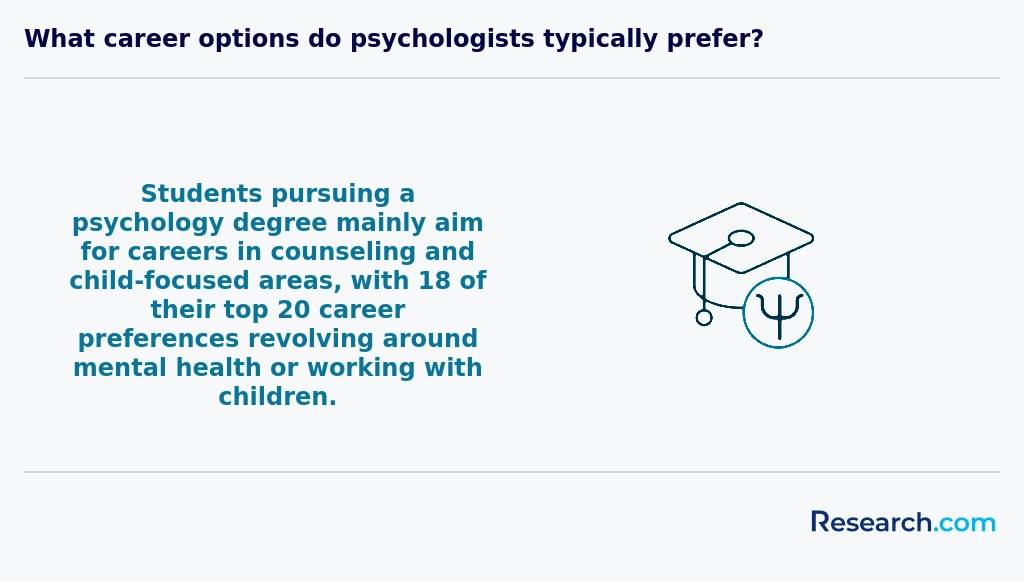
- What career paths are available for online psychology degree students in America?
- What is the job market for online psychology degree in America?
- Top Trending Psychology Rankings
- See What Experts Have To Say About Studying Psychology
What can I expect from online psychology degree in America?
When it comes to the average cost of an online psychology degree in America, you can expect it to typically range between $15,000 and $40,000 for a full four-year program. Many students who've graduated from popular schools like Arizona State University or Penn State have shared how affordable the online route felt compared to traditional campus tuition. Plus, since you're studying remotely, expenses like commuting and housing don't factor in, which can save a lot of money.
Some graduates mention that financial aid, scholarships, and flexible payment plans offered by universities really helped ease the burden. Schools often charge per credit hour, so depending on how many courses you take each semester, the total can shift a bit. Imagine juggling work and family while earning your degree at your own pace-this flexibility often makes the cost feel worth every dollar.
Graduates also highlight that investing in an accredited program, like those recognized by the APA, ensures quality education that opens doors in the job market, making the cost a smart investment in the long run.
Where can I work with online psychology degree in America?
With an online psychology degree from popular schools like Arizona State University or Penn State, grads often find themselves in a variety of exciting roles. Many start out as behavioral health technicians or case managers, working in hospitals or rehab centers-imagine helping people on their path to recovery and feeling like you're making a real difference every day.
Others jump into human resources, where understanding what makes people tick helps with hiring and team building. Some graduates from schools like University of Florida share how their psychology background gave them an edge in HR specialist roles, making work more meaningful because they're improving workplace culture.
Then there are grads who dive into market or social science research, analyzing trends and data to solve real-world problems. This path suits those who love numbers and spotting patterns, often leading to jobs as research assistants or data analysts.
For those aiming higher, a bachelor's from a reputable online program can be a stepping stone toward counseling or social work careers, which require extra credentials but bring powerful ways to impact communities, especially in education or youth services.
How much can I make with online psychology degree in America?
If you're wondering how much you can make with an online psychology degree in America, let's dive right in! Graduates working as Human Resources Specialists, a popular role for psychology majors, earn a neat average of around $76,000 a year. Imagine landing that job after studying at a well-known school like Arizona State University-already a solid paycheck that feels great coming in every month.
Some grads go into research roles, like Marketing Research Analyst positions, pulling in about $83,000 annually. Picture yourself analyzing consumer behavior while working remotely, like many students from the University of Florida who enjoy blending psych knowledge with business.
For those interested in clinical research or survey work, salaries average near $62,000. These jobs offer hands-on experience right out of schools such as Pennsylvania State University, making it easier to build a career ladder. Even childcare roles connected to psychology backgrounds pay around $32,000, a decent start that many graduates find rewarding working with kids in their communities.
2027 Easiest Online Bachelor's in Psychology Degree Programs Ranking in the USA
How do we rank schools?
Investing in your education is a significant decision that can shape your future, and the Research.com team understands the importance of making informed choices. To assist prospective students seeking accessible psychology degrees, we have meticulously crafted the "2027 Easiest Online Bachelor's in Psychology Degree Programs Ranking in the USA." Our commitment to quality, credibility, and accuracy is reflected in the extensive research and analysis conducted to compile this ranking.
We utilized the following reputable data sources to ensure a comprehensive evaluation of psychology programs:
By exploring this ranking, readers will gain valuable insights into the easiest online bachelor's psychology programs available across the USA, helping them make well-informed decisions about their educational journey. For more details on our methodology, please visit our Research.com methodology page.

# 2 position
University of Maryland Global Campus
Bachelor of Psychology


# 8 position
Bethel University, Minnesota
Bachelor of Psychology


Key Findings
- Many accredited universities offer fully online bachelor's degrees in psychology, allowing students to study flexibly from anywhere.
- Annual tuition for online psychology bachelor's degrees ranges from $10,000 to over $30,000, depending on whether the institution is public or private.
- Median salaries for psychology graduates are typically between $50,000 and $60,000 within a few years after graduation.
- The psychology job market is projected to grow by about 8% from 2021 to 2031, matching the average growth rate for all occupations.
- Licensure for clinical or counseling psychology requires a graduate degree and supervised experience, so online programs with licensure pathways are recommended for aspiring practitioners.
How long does it take to complete online psychology degree in America?
If you're thinking about getting an online psychology degree in America, expect to spend around four years finishing a bachelor's if you're studying full-time. That's true at well-known schools like Arizona State University or the University of Florida, where students feel the pace matches on-campus programs thanks to strict accreditation rules. Some graduates say they loved the flexibility of online classes, letting them work or take care of family while still making steady progress.
But not everyone sticks to the four-year plan. Part-time students often stretch their studies to six years or more because of busy schedules or jobs. On the flip side, some motivated folks from places like Penn State World Campus finish faster by stacking summer courses and heavier credit loads, wrapping up in two or three years.
Master's degrees add about two years after your bachelor's, and if you're eyeing a PhD or PsyD, brace for four to seven years more. Those longer programs usually involve some hands-on practice too, which can't all be done online.
Accreditation and Quality Assurance
Choosing an accredited online psychology program ensures your degree is recognized by employers, graduate schools, and licensure boards. Look for:
- Regional accreditation (e.g., Middle States, SACSCOC) for transferability and broad acceptance
- American Psychological Association (APA) approval for programs emphasizing clinical or counseling psychology
- State authorization to confirm the institution can legally enroll students in your region
Graduating from a program with both regional and APA accreditation smooths the path to licensure, graduate study, and professional opportunities, including accelerated mft programs.
What's the difference between online and on-campus psychology degree?
Online and on-campus psychology degrees in the US really differ in how you experience learning. For example, graduates from big state schools like the University of Michigan often talk about loving the face-to-face vibe-the ease of bouncing ideas off professors or friends right after class, and grabbing coffee to chat about the latest psych theories. Meanwhile, online learners at places like Arizona State University enjoy the freedom to study late at night or during lunch breaks, juggling family or jobs without stressing about missing campus events.
Costs can vary a lot too. State schools might charge around $10,000 a year for in-state students, while private colleges can be way pricier. Online programs often save you some cash because there's no need to pay for campus facilities, but those savings depend on the school.
Hands-on stuff like labs or internships still matter a lot. Some online programs help you find local spots for these, but on-campus students usually get easier access to research centers and campus-based opportunities. Both paths need accredited schools, so your degree counts when applying for jobs or grad school.
Next Steps: Graduate Education and Licensure Pathways
After completing an online bachelor’s in Psychology, many graduates choose to advance their expertise through master’s or doctoral programs to meet licensure requirements and specialize in clinical practice, research, or counseling. Graduate pathways typically include:
- Master of Arts (MA) or Master of Science (MS) in Psychology: These two-year programs build advanced research skills and prepare students for roles in mental health settings or for entry into doctoral studies.
- Doctor of Psychology (PsyD) and PhD in Psychology: PsyD programs emphasize clinical training and are ideal for those pursuing practitioner-focused careers, whereas PhD programs concentrate on research and academia. When selecting a doctorate, prioritize regionally accredited institutions and APA-accredited clinical tracks to ensure recognition by state licensing boards. State licensure for clinical psychologists generally requires: 1. A doctoral degree from an accredited program. 2. Completion of 1,500–2,000 supervised clinical hours. 3. Passing the Examination for Professional Practice in Psychology (EPPP). 4. Adherence to continuing education requirements for renewal. To explore top-ranked clinical doctorate options, consider reviewing the best psyd programs in the us, which lists APA-accredited PsyD programs renowned for their clinical training and licensure support.
What is the average cost of online psychology degree in America?
The average cost of online psychology degrees in America can be pretty varied, but most students will find themselves spending around $50,000 in total tuition fees. For example, many graduates from popular universities known for their psychology programs mention paying somewhere between $40,000 and $67,000, especially if they're out-of-state students. On the other hand, in-state students often enjoy lower rates, closer to $40,000, making their studies more manageable financially.
Many students love the flexibility of online programs at well-known colleges, which offer the chance to balance work and study without piling up massive debt. It's common to see tuition calculated per credit hour, and since a degree usually needs about 120 credits, costs can add up quickly. But some schools give discounts for online courses, which helps to keep the overall price down.
Financial aid, scholarships, and grants are lifesavers for lots of folks, cutting down what they actually pay. If you want to check out some of the cheapest psychology degree online options, those can be great starting points. Graduates often say the investment feels worth it, given the strong foundation the degree provides toward rewarding careers in the field.
So, when estimating your budget for an online psychology degree, think about these average cost online psychology degree USA figures and keep an eye on financial help - it can make all the difference in your journey.

Importance of Accreditation and Licensing
Accreditation is the cornerstone of a reputable online Psychology degree program in America, ensuring that your education meets nationally recognized standards and that credits can transfer seamlessly to graduate schools or licensure pathways. When researching programs, verify institutional accreditation through regional accrediting bodies approved by the U.S. Department of Education or the Council for Higher Education Accreditation (CHEA). For specialized Psychology tracks-such as clinical, counseling, or school psychology-programmatic accreditation from the American Psychological Association (APA) or the Masters in Psychology and Counseling Accreditation Council (MPCAC) is often required to qualify for state licensure exams. Licensure requirements vary by state but typically include a combination of an accredited degree, supervised clinical hours, and successful passage of the Examination for Professional Practice in Psychology (EPPP). Before enrolling, check your state board’s website for specific post-graduate requirements. Some programs integrate practicum or internship placements that fulfill these supervised hours, making it easier to transition from student to licensed professional. Always confirm that your chosen online program offers clear pathways to clinical supervision and supports students through the licensure process. Cost-conscious students should balance affordability with accreditation status. While fully accredited programs may carry higher tuition, discounts, scholarships, or in-state rates can offset expenses. If you’re looking for budget-friendly options without compromising quality, explore our rankings of the cheapest psychology degree online for accredited institutions that uphold rigorous academic standards. Prioritizing both accreditation and cost-efficiency will maximize return on investment and future career prospects in psychology.
What financial aid is available to online psychology degree students in America?
If you're diving into an online psychology degree in America, you're in luck-there are tons of financial aid options to help ease the cost. For example, many students at places like Arizona State University or the University of Florida use the FAFSA to grab federal grants like the Pell Grant, which can cover a big chunk of tuition-sometimes up to $7,395 a year! It's like free money that helps take the pressure off out-of-pocket costs.
Loans are also common, especially federal ones with reasonable interest rates and flexible payback setups. Some grad students even tap into Federal PLUS loans to cover extra costs. Heard from a recent graduate who managed her loans smartly, making repayment doable after finishing her degree.
On top of that, state grants pop up everywhere. Californian students love the College Promise Grant that slashes fees at CSU campuses offering psychology programs online. And don't forget private scholarships-from groups like the American Psychological Association or Psi Chi-often offering awards between $500 and $5,000, which really makes a difference. Scholarships plus work-study gigs working on campus psychology research or counseling? Many students say that combination helped them stay financially afloat while gaining valuable experience.
Importance of Accreditation in Online Psychology Programs
Accreditation is a crucial factor to consider when selecting an online psychology program in America, as it affects the quality of education and eligibility for financial aid. Recognized accrediting bodies, such as the American Psychological Association (APA) for doctoral programs, or an accrediting body approved by the U.S. Department of Education for other programs, ensure that the program meets certain academic standards. Graduates from accredited programs are more likely to be competitive in the job market and eligible for licensure or certification. Some key benefits of attending an accredited online psychology program include increased job prospects, higher earning potential, and greater opportunities for advancement. When researching online psychology programs, it's essential to check for accreditation status and ensure that the program is recognized by the relevant accrediting bodies. By doing so, students can ensure that they receive a high-quality education and are well-prepared for their future careers in psychology. Additionally, accreditation provides a level of accountability and ensures that the program is committed to ongoing improvement and excellence. Overall, attending an accredited online psychology program is essential for students who want to pursue a successful and rewarding career in psychology.
What are the prerequisites for enrolling in online psychology degree program in America?
If you're thinking about enrolling in an online psychology degree in America, the main thing you need is a high school diploma or something equivalent like a GED. Most popular schools, like those well-known public universities from California or Florida, expect that as a basic starting point. Graduates often say having a GPA around 2.5 to 3.0 helps, but don't stress too much if yours is a bit lower-some programs are chill about it, especially if you shine elsewhere.
In the past, standardized tests like the SAT or ACT were a must, but many psychology programs now skip those or make them optional, which feels like a relief for lots of students juggling jobs or family. Still, sending in scores can give you a little extra boost when applying.
You'll probably also need to write a short personal statement or get a couple of recommendation letters. One grad from a Midwestern college mentioned how their essay about wanting to help people really made their application stand out. And while you don't have to have taken psychology classes in high school, having some background in biology or stats can make the first courses less intimidating.
Accreditation and Licensure: Ensuring Your Online Psychology Degree Meets Professional Standards
When evaluating online Bachelor’s in Psychology programs, accreditation is your guarantee of academic rigor and licensure eligibility. Always choose a regionally accredited institution-approved by agencies such as the Higher Learning Commission or WASC-that also maintains programmatic accreditation through bodies like the American Psychological Association (APA) or the Council for Accreditation of Counseling and Related Educational Programs (CACREP). These endorsements confirm that curricula meet stringent standards for coursework, faculty qualifications, supervised practicum hours and research requirements. Licensure requirements vary by state: practitioners must typically complete a set number of supervised clinical hours, pass the Examination for Professional Practice in Psychology (EPPP), and fulfill continuing education credits post‐licensure. Before enrolling, review your target state board’s criteria-South Dakota, for example, mandates a minimum of 1,500 practicum hours and a master’s or higher from an APA‐accredited program. For a cost-effective path that aligns with both accreditation and licensure standards, explore the Most Affordable Psychology Degree Programs Ranking in South Dakota, which highlights accredited online options designed to meet state licensing prerequisites. By prioritizing accredited programs recognized by your state board, you’ll earn a degree that opens doors to professional practice across America.
What courses are typically in online psychology degree programs in America?
When you dive into an online psychology degree in America, you'll quickly find yourself exploring a mix of courses that build a solid base in understanding human behavior. For example, many grads from big-name schools like Arizona State University or University of Florida mention how starting with Introduction to Psychology really hooked them by breaking down everything from why people think the way they do to how emotions shape choices.
Another favorite is Research Methods and Statistics, which might sound dry at first but turns out to be super useful. One student shared how learning to analyze data felt like unlocking a secret code to real-world behavior-imagine figuring out trends in social media habits or even improving mental health programs.
Core courses like Biopsychology, Developmental Psychology, and Social Psychology give you a peek into how brains work, how people grow over time, and how our social lives impact who we are. And don't forget about Abnormal Psychology, which dives into mental health issues-a topic many find eye-opening and deeply meaningful.
Lots of programs also let you pick electives, so if you're into counseling or forensic psychology, you can tailor your studies to what really fires you up. It's a cool way to turn your passion into something career-ready.
What types of specializations are available in online psychology degree programs in America?
If you're diving into an online psychology degree in America, you'll find tons of cool specializations to pick from that fit your vibe and goals. For instance, many graduates from big-name universities love clinical psychology because it really gets into understanding and helping with mental health issues-think counseling and therapy, stuff that makes a real difference in people's lives. Then there's developmental psychology, which is perfect if you're curious about how people grow and change from babies to seniors, a favorite among students eyeing careers in education or child development.
Another hot pick is cognitive psychology, where you explore how the brain processes things like memory and perception, which some grads find fascinating, especially those interested in education or even workplace training. Speaking of workplaces, industrial-organizational psychology lets you dive into employee behavior and company culture, a practical choice for folks who want careers in HR or consulting. You'll also see some programs offering forensic psychology if you're into the legal side of things, analyzing criminal behavior and court-related psychology.
Online options in America make it easy to find the best psychology concentration options in America that fit your life and budget. Plus, many students dream of advancing further, so checking out the best psyd programs in the us online can be a great next step once you've nailed your specialization.
How do you choose the best online psychology degree in America?
When choosing the best online psychology degree in America, think about accreditation first. Graduates from well-known schools like UCLA or University of Florida rave about how their program's regional accreditation and APA-aligned coursework helped them with licensure prep and grad school applications. Plus, look for programs that offer hands-on experiences like internships or capstone projects-these make a huge difference when you're ready to jump into a real job.
Cost matters too, especially if you're hunting for affordable online psychology programs America has to offer. One grad mentioned how choosing a program with in-state tuition options saved them thousands, making it easier to focus on studies rather than stressing about debt. Also, check out resources like the Most Affordable Psychology Degree Programs Ranking in South Dakota for some great budget-friendly picks.
Finally, think about flexibility. Some students loved asynchronous classes since they balanced full-time jobs, while others preferred live sessions for more interaction. Picking a style that fits your life is key when exploring best online psychology degrees USA.
What career paths are available for online psychology degree students in America?
If you're wondering what career paths an online psychology degree in America can open up, there are plenty of exciting options. Graduates from popular colleges often land roles as psychiatric technicians or behavioral health specialists, where they get hands-on experience helping others while earning around $36,000 a year. Some even move on to earn their master's or doctoral degrees to become licensed psychologists or counselors, boosting their salary potential significantly. Many find it thrilling to work in clinical settings, while others love applying their psychology knowledge in business or education.
People with a psychology degree often find themselves thriving in roles like employee training, market research, or nonprofit coordination-jobs that let them make a real difference. It's pretty common for graduates to say their degree helped them understand people better, which is super useful in these fields. If you're aiming for quick progress, you might also want to check out programs like a fastest associates degree to get started sooner.
Overall, those seeking online psychology degree careers in the USA enjoy flexible and growing opportunities that really match a wide range of interests and lifestyles.
What is the job market for online psychology degree in America?
The job market for online psychology degree graduates in America is holding steady, with steady growth signaling solid opportunities ahead. Many graduates from popular schools like University of Florida or Arizona State find themselves stepping into roles in human resources, social services, or market research-fields where understanding people and their behavior is a real asset. It's common to see grads sharing stories of landing jobs at local nonprofits or businesses thanks to skills they developed during their online studies.
While advanced clinical roles usually require grad school, a bachelor's degree provides a great jumping-off point for entry-level positions in a variety of sectors. The job outlook for online psychology degrees in the USA shows that employers appreciate strong communication and analytical skills, qualities honed through psychology programs at universities like Penn State World Campus or Oregon State University.
Graduates often mention how balancing work with their online program boosted their confidence and real-world experience. If you want to push your career further, consider supplementing your degree with internships or exploring 1 year certificate programs that pay well to stand out even more.
Frequently Asked Questions About psychology
Online psychology degree students in America can maximize their learning experience by actively engaging with course materials and instructors. According to the American Psychological Association, students who participate in discussion forums and seek regular feedback tend to perform better. Utilizing university resources such as virtual tutoring and counseling services also supports academic success.
Time management is critical; setting a consistent study schedule helps maintain focus amid distractions. Many accredited programs require internships or practicum experiences, which provide valuable real-world training. Students should prioritize these opportunities to enhance their skills.
Networking with peers and professionals through online groups or local psychology associations further enriches understanding and career prospects. Staying informed about developments via trusted sources like the National Institute of Mental Health can keep students current in the field.
The field of psychology is diversifying, with several emerging niches gaining attention in the United States. One fast-growing area is health psychology, which focuses on how behavior impacts physical health and chronic illness management. According to the U.S. Bureau of Labor Statistics (BLS), demand for health psychologists is expected to grow 13% from 2022 to 2032, faster than average for all occupations.
Another niche is forensic psychology, where psychologists work with the legal system. This specialization is expanding as law enforcement increasingly uses psychological expertise in criminal profiling and victim support.
Neuropsychology is also emerging due to advances in brain science and aging populations. Professionals analyze brain-behavior relationships and often assist with rehabilitation for brain injuries.
Environmental psychology, studying human interaction with surroundings, is gaining traction amid rising climate concerns and urban planning needs. Data from the American Psychological Association highlights these niches as growth areas in career opportunities.
After completing an online psychology degree in America, preparing for the job market involves several key steps. First, gaining practical experience through internships or volunteer work is essential, as the U.S. Bureau of Labor Statistics reports that hands-on experience improves employment prospects for psychology graduates. Networking within professional organizations, such as the American Psychological Association (APA), can provide valuable connections and job leads.
Additionally, many entry-level psychology positions require licensure or certification, which varies by state and specialization. Graduates should research specific state requirements early. Developing strong communication and research skills is also important, as employers value candidates who can apply psychological principles effectively in diverse settings.
Continuous education and considering advanced degrees often enhance career prospects in the competitive U.S. psychology job market.
Employers in America highly value several key skills in graduates with psychology degrees. Strong critical thinking and analytical abilities are essential, as they enable graduates to interpret research and assess behavioral data effectively. Communication skills, both written and verbal, rank among the top attributes since psychologists must clearly convey complex information to clients and colleagues.
Interpersonal skills are also critical, allowing graduates to build trust and rapport in clinical or counseling settings. According to the American Psychological Association (APA), adaptability and problem-solving are increasingly sought after due to the evolving nature of mental health fields.
Technical skills, including proficiency in statistics and experience with research software like SPSS, enhance employability in both academic and applied psychology roles. Overall, these skills reflect the multidisciplinary demands of psychology careers in the U.S.
Finding internships relevant to a psychology degree in America requires proactive research and utilizing multiple resources. Many psychology programs, including online ones, partner with local clinics, schools, and research centers to provide internship opportunities.
Students should check with their university's career services and faculty advisors, who often have established connections. The American Psychological Association (APA) offers a comprehensive internship database, which is a trusted resource often used by students nationwide.
Furthermore, networking through professional psychology organizations and attending conferences can open doors. According to the APA, about 70% of psychology students secure internships through university support or networking.
Online platforms like Handshake or PsychJobs can also list relevant internships, especially in research or clinical settings. Early application is crucial, as competitive psychology internships fill quickly.
An online psychology degree in America significantly enhances career mobility and advancement opportunities. According to the U.S. Bureau of Labor Statistics, psychology-related fields are projected to grow 8% from 2021 to 2031, faster than average for all occupations.
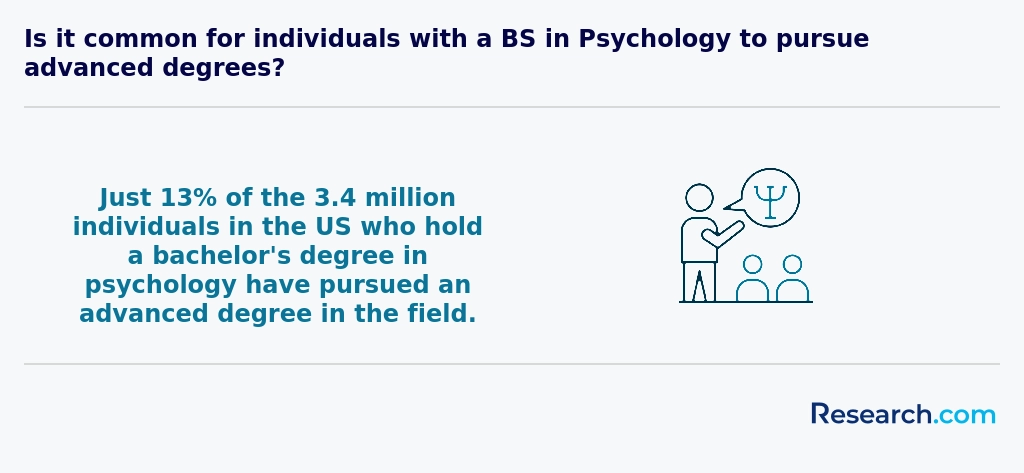
Students who earn online degrees can access flexible learning while maintaining employment, allowing for career growth without interruption. Graduates may qualify for roles in counseling, human resources, social services, and research.
Additionally, many states recognize online degrees from accredited institutions for licensure eligibility, a crucial factor for clinical psychology careers.
Employers increasingly value the digital skills gained through online study, complementing psychology expertise and promoting advancement.
Studying for a psychology degree in America equips students with skills relevant to various interdisciplinary roles. Psychology programs in U.S. universities often include courses in sociology, biology, and statistics, which build a broad knowledge base. This multidisciplinary approach prepares graduates to work alongside professionals in healthcare, education, business, and social services.
According to the American Psychological Association, nearly 75% of psychology graduates report feeling prepared for roles beyond traditional psychology careers. Students develop strong analytical, research, and communication skills valued in fields like human resources, marketing, and public health. Online programs also emphasize applied learning, enhancing practical versatility.
When choosing between a thesis and a non-thesis psychology degree program in America, consider your career goals. Thesis programs emphasize research and prepare students for graduate studies or roles involving data analysis. According to the American Psychological Association (APA), thesis tracks often require original research and a formal defense, offering valuable experience for academic or clinical advancement.
Non-thesis programs typically focus on practical skills and coursework, ideal for students aiming to enter the workforce quickly. These programs may require a comprehensive exam instead of a research project, saving time and easing workload.
Your decision should align with whether you prefer hands-on research or applied psychology roles.
American students interested in studying psychology abroad through online programs have several options, although these are somewhat limited compared to domestic offerings. Many US-accredited institutions collaborate with foreign universities to provide joint or dual degree options, allowing students to earn internationally recognized credentials without leaving the country. These programs often follow American Psychological Association (APA) guidelines to ensure quality and transferability.
Some international universities offer online psychology degrees accessible to US students, but prospective enrollees should carefully verify accreditation standards to ensure their degree will be recognized in the United States. According to the National Center for Education Statistics, nearly 14% of American undergraduates were enrolled exclusively in distance education courses in 2021, a trend likely to include more international collaborations.
Language barriers and differing licensure requirements can complicate pursuing psychology degrees fully abroad, even online. However, with growing globalization in education, American students now benefit from increasing access to diverse programs beyond traditional borders, expanding their academic and professional horizons.
Students pursuing online psychology degrees in America can benefit from several part-time job opportunities that complement their education. Popular roles include behavioral health technician, research assistant, and mental health aide. These positions provide practical experience while supporting academic learning.
According to the Bureau of Labor Statistics, behavioral health technician jobs are expected to grow by 13% from 2022 to 2032, reflecting rising demand in mental health services.
Research assistant roles, often found at universities or healthcare facilities, help students gain hands-on experience with psychological studies and data analysis.
Mental health aide positions offer direct client interaction, vital for those considering clinical psychology careers.
Networking opportunities for online psychology students in America are increasingly robust. Many accredited programs offer virtual events, discussion forums, and group projects to foster connections among students and faculty. According to the American Psychological Association (APA), joining student divisions or interest groups can provide valuable contacts and mentorships.
Students also benefit from memberships in professional organizations like the APA or Psi Chi, which host online conferences and local chapter meetings. These platforms enable students to interact with peers and professionals nationwide, expanding networks beyond their immediate geography.
Additionally, internships and practicum placements arranged by online programs often facilitate in-person networking in clinical or research settings. Such blended experiences help bridge online study with local professional communities, essential for career growth in psychology.
Alumni networks play a significant role in supporting online psychology degree students in America. These networks connect current students with graduates working in diverse psychology fields, offering mentorship and career advice. According to the American Psychological Association (APA), networking is crucial for securing internships and job placements in competitive markets.
Through alumni events and online communities, students gain access to job openings and professional development resources. Many psychology programs report that over 70% of their graduates find employment through connections made within these networks. This support helps bridge the gap often experienced in online education by fostering a sense of community.
In the United States, customizing an online psychology degree program to fit your career goals is increasingly feasible. Many accredited universities offer elective courses and specializations, such as clinical, counseling, or industrial-organizational psychology. This flexibility allows you to tailor your studies toward specific fields.
Some programs also provide opportunities for internships or practicum placements, which are vital for hands-on experience and boost employability in competitive psychology careers. According to the American Psychological Association, about 65% of online psychology programs now integrate such experiential learning.
Additionally, students can often select research projects or capstone topics aligned with their interests, enhancing skills crucial for graduate studies or professional roles.
Online psychology students in America commonly face several challenges. One major issue is limited access to hands-on clinical experience, a crucial part of psychology training required for licensure by many state boards. According to the American Psychological Association (APA), practical internships and supervised practice can be harder to coordinate remotely. Additionally, students may struggle with time management and self-discipline, as online courses demand strong motivation and independent study skills.
Technical difficulties and disparities in internet access also affect many learners, especially in rural areas. Furthermore, some employers and graduate programs still prefer applicants with traditional, on-campus degrees, which may impact career prospects. Finally, maintaining engagement and building professional networks online can be challenging compared to face-to-face environments.
With an online psychology degree in the United States, you can pursue several professional certifications to enhance your credentials. Popular options include Certified Alcohol and Drug Counselor (CADC), offered by various state boards, which requires additional supervised hours and exams.
You may also qualify for the National Certified Counselor (NCC) credential through the National Board for Certified Counselors, often a stepping stone toward licensure.
For those interested in applied behavior analysis, becoming a Board Certified Assistant Behavior Analyst (BCaBA) is possible with a bachelor's degree plus specific coursework and supervised experience.
Keep in mind that many advanced certifications and licenses, such as Licensed Professional Counselor (LPC), require a master's or doctorate degree plus supervised clinical hours, reflecting rules from state licensing boards and the American Psychological Association.
To write a winning application for an online psychology program in America, start by thoroughly researching programs accredited by the American Psychological Association (APA) or regionally accredited institutions. Highlight relevant experience, such as volunteer work or internships in mental health settings, to demonstrate commitment to psychology.
Craft a clear and compelling personal statement explaining why you are passionate about psychology and how the program aligns with your career goals. Use specific examples and avoid clichés.
Include strong letters of recommendation from academic or professional references who can attest to your strengths and potential for success in a psychology degree.
Lastly, ensure your academic records meet program prerequisites, typically requiring a solid foundation in science and psychology courses, reflecting the U.S. Department of Education's guidance on program readiness.
The field of psychology is recognized worldwide for its crucial role in understanding human behavior, but career opportunities and requirements vary significantly by country. In America, psychology careers often require advanced degrees, with the U.S. Bureau of Labor Statistics projecting a 13% growth for psychologists between 2021 and 2031, faster than average for all occupations.
Globally, psychology professionals face diverse certification standards. For example, U.S. training emphasizes licensed clinical practice and research, supported by institutions accredited by the American Psychological Association (APA). This accreditation is critical for students pursuing online psychology degrees, ensuring their education meets professional standards.
The broad applicability of psychology careers in America includes positions in healthcare, education, and industry, mirroring trends seen in countries like Canada and the UK, where psychology graduates also enjoy strong demand. The global perspective reinforces the value of a psychology degree earned in the U.S., especially through reputable online programs that align with national licensure requirements.
Gaining practical experience while studying for an online psychology degree in America is essential for career readiness. Many accredited programs require internships or practicum placements, which can often be completed locally. Students should work with their school's career services to find opportunities in mental health clinics, hospitals, or social service agencies.
Volunteering with organizations such as the American Psychological Association's local chapters can also offer hands-on experience. According to the Bureau of Labor Statistics, applied experience improves job prospects for psychology graduates. Additionally, some programs offer virtual simulations and case studies to build skills remotely.
Choosing the right concentration within an online psychology degree in America depends on your career goals and interests. Common specializations include clinical, counseling, forensic, and industrial-organizational psychology. According to the American Psychological Association, industrial-organizational psychology is among the fastest-growing fields, with job growth expected at 8% through 2031.
Consider whether you want to pursue graduate studies or enter the workforce immediately. Some concentrations require licensure, such as clinical psychology, which mandates a doctorate for independent practice. Reviewing curriculum details and faculty expertise helps assess program quality. Additionally, check if practicum or internship opportunities are available online or locally. Align your choice with demand trends and personal passion for best outcomes.
Top Trending Psychology Rankings
See What Experts Have To Say About Studying Psychology
Read our interview with Psychology experts

Robin M. Kowalski. Ph.D.
Psychology Expert
Professor of Psychology
Clemson University

Elizabeth L. Jeglic Ph.D.
Psychology Expert
Professor of Psychology
City University of New York

Joann Farrell Quinn, Ph.D., MBA
Psychology Expert
Director at the College of Medicine Department of Medical Education
Morsani College of Medicine

References
- Alumni Perspectives - Meet Our FPN Alumni https://www.aanmelder.nl/alumni-perspectives-june-2023
- 10 High-Paying Jobs with a BS in Psychology | University of Bridgeport https://www.bridgeport.edu/news/high-paying-jobs-with-a-bachelors-in-psychology-degree/
- The Role of Psychology in Career Development and Planning https://psyvanta.com/the-role-of-psychology-in-career-development-and-planning/
- A Guide to Psychology Internships | Psychology Degree Guide https://psychologydegreeguide.org/resources/internships/
- Top 10 Best Online Bachelors in Psychology Degree Programs 2016 https://www.bestpsychologydegrees.com/top/online-bachelors/
- Study Psychology Abroad | Go Overseas https://www.gooverseas.com/study-abroad/psychology
- Ontario Psychological Association - Networking and Community Resources https://www.psych.on.ca/become-a-member-(1)/member-services/networking-and-community-resources
- Call for papers https://www.hogrefe.com/us/journal/international-perspectives-in-psychology-research-practice-consultation
- Society for the Teaching of Psychology https://teachpsych.org/page-1784686/8675326
- Online Psychology Degrees | University of Phoenix https://www.phoenix.edu/online-psychology-degrees.html


