
2027 Easiest Online Master's in Psychology Degree Programs Ranking in Pennsylvania

Co-Founder and Chief Data Scientist
Are you considering advancing your career with a master's degree in psychology but unsure where to start? Our article features the 2027 Easiest Online Master's in Psychology Degree Programs Ranking in Pennsylvania, carefully crafted by the Research.com team of data scientists. This ranking is designed to help you make an informed choice about the best psychology programs that fit your needs and lifestyle.
Discover programs that offer flexibility and quality education, making it easier to achieve your goals. Pursuing a psychology degree opens doors to rewarding career paths and personal growth. Let us guide you toward a brighter future.
Key benefits of getting online psychology degree in Pennsylvania
- Graduates with an online psychology degree in Pennsylvania can expect competitive salaries, such as $91,990 annually for School Psychologists and $60,080 for Mental Health Counselors, reflecting strong financial rewards in this field.
- Psychology degree holders often pursue diverse career paths, including roles as Industrial-Organizational Psychologists or Marriage and Family Therapists, offering exciting opportunities in various settings from businesses to healthcare.
- Completing a psychology degree online provides flexibility and convenience, allowing students to balance work and study while gaining the same quality education as traditional programs from respected Pennsylvania universities.
- Key benefits of getting online psychology degree in Pennsylvania
- What can I expect from online psychology degree in Pennsylvania?
- Where can I work with online psychology degree in Pennsylvania?
- How much can I make with online psychology degree in Pennsylvania?
- 2027 Easiest Online Master's in Psychology Degree Programs Ranking in Pennsylvania
- Key Findings
- How long does it take to complete online psychology degree in Pennsylvania?
- Licensure and Certification Requirements in Pennsylvania
- What's the difference between online and on-campus psychology degree?
- Licensure and Certification Pathways in Pennsylvania
- What is the average cost of online psychology degree in Pennsylvania?
- Career Paths for Online Psychology Graduates in Pennsylvania
- What financial aid is available to online psychology degree students in Pennsylvania?
- What are the prerequisites for enrolling in online psychology degree program in Pennsylvania?
- What courses are typically in online psychology degree programs in Pennsylvania?
- What types of specializations are available in online psychology degree programs in Pennsylvania?
- How do you choose the best online psychology degree in Pennsylvania?
- What career paths are available for online psychology degree students in Pennsylvania?
- What is the job market for online psychology degree in Pennsylvania?
- Related Psychology Rankings for Nearby States
- Top Trending Psychology Rankings
- See What Experts Have To Say About Studying Psychology
What can I expect from online psychology degree in Pennsylvania?
The average cost of an online psychology degree in Pennsylvania can feel surprisingly accessible when you consider the full picture of expenses and benefits. Graduates from well-known institutions like Penn State World Campus or Temple University often share how the tuition rates-typically ranging from $15,000 to $30,000 for the entire program-allowed them to invest in their future without overwhelming debt. Unlike traditional on-campus programs, the financial relief from eliminating commuting and housing costs transforms the overall affordability.
Students reflect on how this cost-effectiveness creates more space for focusing on clinical internships or research projects that matter, instead of juggling multiple jobs. This balance generates a deep sense of accomplishment and confidence, knowing their education aligns with Pennsylvania's licensure requirements without sacrificing personal stability.
In Pennsylvania, the value of an online psychology program extends beyond tuition-it's about gaining a comprehensive, flexible education tuned to real-world practice and financial realities, helping graduates step into mental health roles ready and empowered.
Where can I work with online psychology degree in Pennsylvania?
Graduates of online psychology programs from well-known Pennsylvania schools like Penn State or Temple University often find themselves stepping into diverse roles beyond the classroom. Imagine starting as a behavioral health technician in a busy Philadelphia clinic, drawing on your master's degree knowledge to support patients daily. Many peers share stories of becoming licensed professional counselors or marriage and family therapists, roles that require licensure but bring rewarding connections through real impact.
Not everyone aims for a clinical license, yet they still thrive in vibrant sectors like human resources at Pittsburgh's growing corporations or program coordination with nonprofit organizations in Harrisburg. One graduate discovered a fulfilling path as an academic advisor, where psychological insights empower students navigating college challenges. These roles show how an online psychology degree in Pennsylvania unlocks opportunities far beyond textbook theory, blending passion with practical influence.
Working in healthcare or government agencies also beckons. The state's 12% growth in mental health counselor jobs signals expanding possibilities for those embracing advanced behavioral science, proving that your degree isn't just a credential-it's a doorway to meaningful, evolving careers that enrich communities.
How much can I make with online psychology degree in Pennsylvania?
Graduates holding online psychology degrees from Pennsylvania institutions like Temple University or Pennsylvania State University often find diverse and promising salary paths awaiting them. For instance, entering the field as a mental health counselor can yield a mean annual wage around $60,080, a figure that can grow with experience and specialization.
Other roles, such as marriage and family therapists, come with even higher mean salaries, approximately $68,730 annually, reflecting rewarding career opportunities beyond just traditional clinical psychology.
School psychologists, often employed by Pennsylvania's public school systems, enjoy mean wages near $91,990, showing how educational settings can provide solid financial stability.
For those graduates daring to aim higher, industrial-organizational psychology offers a striking mean salary of $154,380, rewarding skills applied in corporate and organizational environments.
These numbers illustrate the value of pursuing relevant licensure and certifications after an online degree. Graduates describe the satisfaction not just from earnings but from making a tangible difference in communities across cities like Pittsburgh and Philadelphia, where demand for psychology professionals is robust and growing.
2027 Easiest Online Master's in Psychology Degree Programs Ranking in Pennsylvania
How do we rank schools?
Investing in your education is a significant decision that can shape your future, and the Research.com team understands the importance of making informed choices. To assist prospective students in Pennsylvania, we have meticulously crafted the "2027 Easiest Online Master's in Psychology Degree Programs Ranking." Our commitment to quality, credibility, and accuracy is reflected in the extensive research and analysis conducted to compile this ranking.
We utilized the following reputable data sources to ensure a comprehensive evaluation of psychology programs:
By exploring this ranking, readers will gain valuable insights into the easiest online master's in psychology degree programs available in Pennsylvania, enabling them to make well-informed decisions about their educational journey. For more details on our methodology, please visit our Research.com methodology page.

# 2 position
Penn State University Park
Master of Psychology of Leadership

Key Findings
- The cost for a master's online psychology degree in Pennsylvania ranges from $20,000 to $45,000, with public universities generally offering lower tuition than private ones.
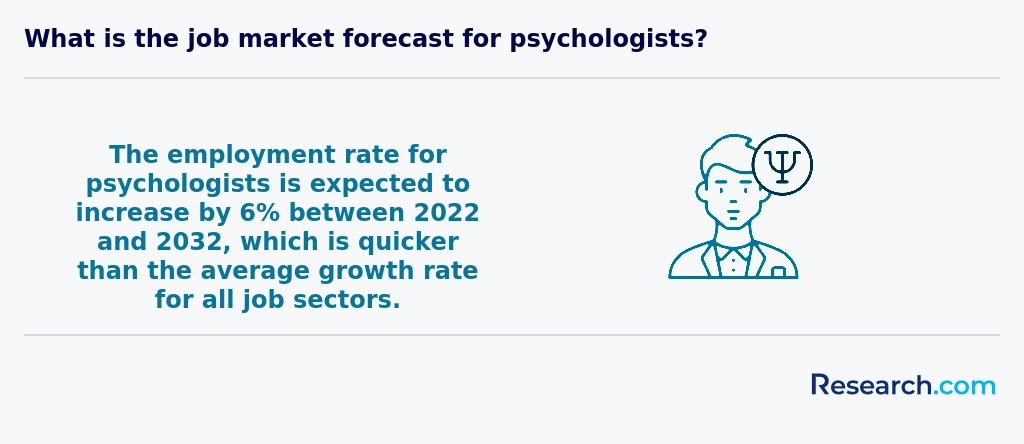
- Employment for psychologists in Pennsylvania is expected to grow by about 10% over the next ten years, matching the national average.
- Starting salaries for early-career psychologists with a master's degree are typically between $50,000 and $65,000 annually.
- Mid-career psychologists, especially those with doctoral degrees or licensure, can earn around $85,000 or more per year in Pennsylvania.
- Licensure requires supervised experience hours and passing the Examination for Professional Practice in Psychology (EPPP).
- Degrees accredited by the American Psychological Association (APA) or regional bodies meet the standards necessary for licensure and professional credibility in Pennsylvania.
How long does it take to complete online psychology degree in Pennsylvania?
Master's students, often drawn to schools such as Drexel University or La Salle, balance a more variable path. Full-time learners usually complete their degree within two years, immersing themselves in 30 to 45 credit hours alongside internships or thesis projects. Part-time students, meanwhile, take pride in extending their studies over three years or more, savoring the flexibility to apply insights immediately in their careers.
Many find this pacing not just a timeline, but a meaningful phase of growth, allowing tailored progress that fits individual life rhythms. The real-life rhythm of balancing study, work, and personal commitments in Pennsylvania's vibrant academic landscape gives this duration a sense of lived experience-not just a number.
Licensure and Certification Requirements in Pennsylvania
Licensure is one of the most important issues for online Psychology students in Pennsylvania because not every psychology master’s degree leads to the same professional credential. Requirements vary by role, and students should verify current rules with the relevant Pennsylvania board or agency before enrolling.
Common requirements cited for Pennsylvania pathways
- Psychology-related professional practice: The source describes master’s degree curriculum standards that are typically 48–60 semester hours, followed by 3,000 hours of supervised clinical experience under a licensed psychologist or qualified supervisor. Students should confirm whether their intended credential requires a master’s, doctoral degree, or another approved pathway.
- Examinations: Candidates may need to complete the Examination for Professional Practice in Psychology (EPPP), administered by the Association of State and Provincial Psychology Boards (ASPPB), and Pennsylvania’s jurisprudence exam covering state laws and ethics.
- Psychologist or LPE-related pathways: The source references licensure as a Psychologist (Psy.D. or Ph.D. level) and, for master’s degree holders, eligibility for certification as a Licensed Psychological Examiner (LPE). Because credential rules can be specific and change over time, applicants should verify current eligibility directly with Pennsylvania authorities.
- Licensed Professional Counselor pathway: For those pursuing specialized roles such as Licensed Professional Counselors (LPC), Pennsylvania requires 60 credit hours in counseling-focused coursework, 3,000 supervised hours, and passage of the National Counselor Examination (NCE).
- School psychology: Aspiring school psychologists must secure certification through the Pennsylvania Department of Education, which requires an approved program, a practicum, and the School Psychologist Praxis exam.
- Continuing education: Maintaining licensure in Pennsylvania involves 30 continuing education credits every two years.
Some graduates compare adjacent child-focused pathways before committing to a psychology license. For example, you can explore how long does it take to become a child life specialist to understand a different certification timeline. Regardless of the path, students should plan supervised hours, exam preparation, and continuing education early so that the online degree supports the intended credential.
What's the difference between online and on-campus psychology degree?
Choosing between an online or on-campus psychology degree in Pennsylvania often boils down to how you want to experience your education. Graduates from Penn State's on-campus program recall the energy of face-to-face discussions and spontaneous study groups that sparked new insights. Meanwhile, those who completed Temple University's online program emphasize the freedom to balance evening shifts with coursework, appreciating the ability to pause and revisit lectures at their own pace.
Both paths cover core topics like cognitive theories and research methods, but Pennsylvania's licensing requirements mean online students must arrange local, supervised clinical hours-imagine coordinating a practicum while juggling everyday life. Some graduates cherish the campus vibe at Villanova University, where networking feels organic, while online alumni highlight virtual advising that, though less immediate, still provides essential support.
Ultimately, the difference reflects more than location-it's a choice between immersive social connection and flexible independence, each carrying its own rewards and challenges for psychology learners in Pennsylvania.
Licensure and Certification Pathways in Pennsylvania
Aspiring psychologists and counselors who complete an online Psychology degree in Pennsylvania should map licensure requirements before enrolling, not after graduation. The Pennsylvania State Board of Psychology oversees psychology licensure processes, and counseling or school-based credentials may involve additional boards or agencies.
Core steps to review
- Educational verification: Graduates must hold a master’s or doctoral degree in Psychology from an accredited institution, depending on the credential pursued. If you are comparing cost and program rigor across regions, you may also review the Low Cost Psychology Degree Programs Ranking in Springfield, MA.
- Supervised clinical hours: Pennsylvania requires a minimum of 3,000 postdoctoral supervised hours for Psychologists or 3,600 total supervised hours for Licensed Professional Counselors, completed under a Board-approved supervisor.
- Examination: Candidates must pass the Examination for Professional Practice in Psychology (EPPP) and, where applicable, the Pennsylvania Jurisprudence Exam.
- Continuing education: After licensure, Pennsylvania mandates 30 hours of continuing education every two years to renew the license.
How to reduce licensure problems later
- Confirm accreditation: Verify that the online program has appropriate regional accreditation and is recognized for your intended Pennsylvania credential.
- Ask for written licensure guidance: Request clear documentation from the program about whether its curriculum meets Pennsylvania requirements.
- Plan supervision early: Identify qualified supervisors and approved settings before or immediately after graduation.
- Prepare for exams: Use university preparation resources, practice tests, and state guidance for the EPPP and jurisprudence exam.
- Track every requirement: Keep records of coursework, practicum hours, supervision logs, exam results, and continuing education credits.
Online Psychology graduates can move from virtual classrooms into professional practice across Pennsylvania, but only if the degree, supervised experience, exams, and renewal requirements match the credential they intend to pursue.
What is the average cost of online psychology degree in Pennsylvania?
The average cost of an online psychology degree in Pennsylvania typically centers around $23,565, reflecting a median value that balances both in-state and out-of-state tuition fees. In-state students often see totals closer to $15,480, which makes pursuing a degree within the state more accessible, especially at public universities known for their affordability. For students juggling work and family commitments, these figures offer a practical foundation to plan educational expenses without sacrificing quality.
Many graduates from well-known Pennsylvania institutions share stories of managing these costs through strategic choices-selecting accredited programs that provide rich, immersive learning experiences without exorbitant fees. Such programs often ensure accreditation credibility, which graduates later value when seeking employment or advanced studies. It's important to acknowledge that the cost is not just about tuition; technology fees and materials also subtly factor in, though many schools supply digital resources to ease this burden.
Exploring affordable online psychology master's programs Pennsylvania offers can reveal options with tuition rates on the lower end of the spectrum. These programs attract students who are eager to grow professionally while keeping finances in check. Furthermore, federal grants and scholarships can make a transformative difference by reducing the net expense of a degree earned remotely.
Students motivated to deepen their expertise might also consider pathways beyond master's degrees, such as online doctoral degrees in psychology, which often require a more substantial investment but can open doors to specialized careers. Reflecting on these options challenges the notion that high tuition solely defines value-many find that the blend of affordability, program quality, and flexible delivery creates a fulfilling and financially sustainable education journey in Pennsylvania.
Career Paths for Online Psychology Graduates in Pennsylvania
Graduates holding an online Psychology master’s in Pennsylvania can pursue careers that draw on counseling knowledge, research skills, organizational insight, and behavioral science. Some paths involve direct service, while others are non-clinical and focus on data, programs, policy, schools, or workplace behavior.
- Clinical and counseling roles: Graduates may work toward credentials such as Licensed Professional Counselors (LPC) or Licensed Clinical Social Workers (LCSW), depending on their degree, coursework, supervised experience, and exam completion. Potential settings include outpatient clinics, hospitals, community mental health centers, private practices, and telehealth platforms.
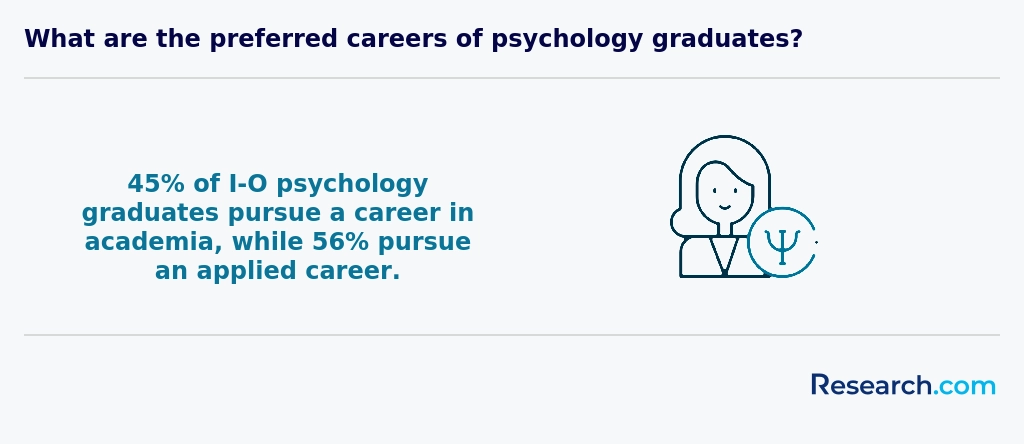
- Organizational and industrial psychology: Students interested in workplace well-being may move into human resources, talent development, organizational development, employee engagement, leadership training, or wellness program design.
- Academia and research: Graduates with strong methodological training may work as research assistants, data analysts, program evaluators, or adjunct faculty. These roles can involve study design, survey work, data interpretation, grant support, or evaluation of mental health initiatives.
- Specialized and hybrid careers: Some alumni pursue school psychology-related work, forensic psychology applications, behavioral analysis, or roles that combine education, legal systems, and mental health support.
For students still comparing fields, the differences between career in psychology vs sociology can clarify how psychology-centered training differs from a broader social systems approach. The best career outcomes usually come from aligning electives, practicum placements, capstone projects, and networking with a clearly defined professional goal.
What financial aid is available to online psychology degree students in Pennsylvania?
Many psychology students in Pennsylvania find that financial aid is not just a safety net but a gateway to pursuing their passions without overwhelming debt. For example, those enrolled in online programs at well-known institutions like Temple University or Penn State often start by completing the FAFSA, unlocking access to federal Pell Grants and Direct Loans with manageable interest rates. These forms of federal aid provide both undergraduates and graduate students the means to focus on their studies instead of financial stress.
State-specific support adds another layer of relief. The Pennsylvania State Grant Program, targeted toward residents attending approved institutions, has helped countless online psychology students reduce tuition costs substantially, turning dreams of a degree into tangible reality.
Institutional scholarships, often merit-based or linked to behavioral sciences, are particularly encouraging for students at Drexel University and University of Pittsburgh, who share stories of how these awards acknowledge their dedication and career goals.
Working professionals pursuing psychology degrees online also benefit from employer tuition reimbursement, which transforms education into an attainable investment supported by their workplace. Not to forget, discipline-focused scholarships from organizations like the APA or Pennsylvania Psychological Association further empower students to deepen their research and professional development journey.
What are the prerequisites for enrolling in online psychology degree program in Pennsylvania?
Enrolling in an online psychology degree in Pennsylvania often means demonstrating readiness through specific prerequisites that reflect your dedication and academic preparedness. Graduates from renowned institutions like Penn State or Temple often recall how holding a bachelor's degree-whether strictly in psychology or a related field like sociology-helped build the foundational knowledge needed. This isn't just a formality; it's a vital step ensuring you can engage deeply with graduate coursework.
Many programs ask for transcripts showing at least a 3.0 GPA, reflecting consistent performance. Some graduates remember feeling reassured when their solid academic record opened doors, while others without perfect scores gained acceptance thanks to professional experience or compelling letters of recommendation from mentors who knew their potential.
Gone are the days when GRE scores were standard for entry. For Pennsylvania online psychology programs, these tests are often waived, lifting barriers and inviting more passionate learners. Personal statements allow applicants to vividly express their goals and connection to psychology-something graduates frequently cite as an empowering moment in their application journey.
Some programs, especially those with licensing paths, require background checks or proof of relevant experience-reminders that psychology is both an academic and ethical commitment. These steps may feel challenging, yet many students find them affirming, reinforcing their resolve to contribute meaningfully to the field.
What courses are typically in online psychology degree programs in Pennsylvania?
Online psychology degree programs in Pennsylvania consistently immerse students in essential courses such as General Psychology, research methods, and statistics-key foundations that graduates often recall as pivotal when navigating real-world challenges. For example, students at popular institutions like Penn State or Temple University frequently describe their early encounters with data analysis as empowering, unlocking a new way to understand human behavior beyond textbook theory.
Core courses dive deeper into specialized branches like Developmental Psychology, with vivid case studies on human growth helping students relate to clients of all ages, and Cognitive Psychology, where they explore mental processes critical for problem-solving. Graduates reflect on how insights from Biological and Social Psychology courses enriched their empathy and driven their passion to foster healthier communities in diverse Pennsylvania settings.
Abnormal psychology and counseling courses challenge students to confront stigmas around mental health, blending theory with ethical practice-skills that alumni value highly when entering Pennsylvania's growing healthcare field. Electives such as forensic or industrial-organizational psychology further enliven the experience by connecting classroom learning to dynamic, real-life roles.
What types of specializations are available in online psychology degree programs in Pennsylvania?
Choosing an online psychology degree in Pennsylvania means navigating a landscape rich with diverse specializations that shape your future career. Graduates from well-known universities often share stories about how focusing on clinical psychology transformed their understanding of mental health, enabling them to work compassionately with real clients facing complex diagnoses. Others have thrived by diving into counseling psychology, acquiring skills that prepare them for deeply rewarding therapeutic roles. Pennsylvania students particularly praise the growing availability of forensic psychology tracks, which uniquely blend legal systems with mental health-offering immersive learning that feels like stepping directly into a courtroom drama.
Another standout is the popular industrial-organizational psychology concentration, which appeals to students interested in workplace dynamics and human behavior in business settings. These students often highlight the practical impact of industrial-organizational psychology courses, making abstract theories come alive through hands-on applications. Pursuing such psychology master's concentration options in Pennsylvania provides learners not only with specialized knowledge but with the flexibility and affordability that align perfectly with their demanding lives, making these programs exceptionally attractive.
How do you choose the best online psychology degree in Pennsylvania?
Choosing the best online psychology degree in Pennsylvania means questioning the usual checklist: don't just chase affordability or brand names alone. Graduates from Penn State and Temple often share how accreditation made their degree genuinely valuable, especially when licensing boards scrutinize credentials. It's not just about finding an affordable accredited psychology master's degree Pennsylvania offers but one that truly aligns with your career ambitions and learning style.
Imagine juggling family responsibilities and a full-time job; asynchronous courses at universities like Drexel empower students to study on their own timetable while accessing essential support services. This flexibility turns challenges into motivation, fueling a sense of accomplishment. Yet, even with a great curriculum, ignoring Pennsylvania's specific licensing demands can stall your progress- always verify program compliance to avoid surprises later.
One graduate recounted how choosing a program with relevant specializations and expert faculty helped them thrive professionally. For insights into licensure-specific pathways, exploring resources on psychology licensure application in Ohio can offer parallels valuable to Pennsylvania students. Remember, the goal is a degree that's not just a credential but a gateway to your future.

What career paths are available for online psychology degree students in Pennsylvania?
Graduates of online psychology degrees in Pennsylvania discover career options far beyond the traditional therapist path, challenging preconceived notions of what a psychology degree delivers. Many alumni from institutions like Penn State World Campus find themselves thriving as licensed professional counselors or behavioral therapists, roles that demand earning a master's and fulfilling state licensure with supervised hours. This reflects the growth and demand within Pennsylvania's mental health field.
Others leverage their degree into education-focused roles, becoming school counselors or case managers, a path bolstered by Pennsylvania's rising need for educational support professionals. Programs at universities popular for psychology in Pennsylvania often integrate coursework aimed at such certifications, blending academic insight with practical application.
Yet, the versatility of an online psychology career in Pennsylvania extends into business and research sectors where graduates apply their deep understanding of human behavior to marketing, human resources, or community programming. Some even pivot toward social services, linking their skills to impactful roles connected with social work degrees in massachusetts tuition, exemplifying the interdisciplinary possibilities accessible through psychology.
What is the job market for online psychology degree in Pennsylvania?
The job market for an online psychology degree in Pennsylvania is both vibrant and evolving, reflecting a growing societal need that graduates from institutions such as Temple University and Drexel University frequently attest to. These graduates often find themselves stepping into roles within dynamic urban centers like Philadelphia, where demand for mental health services is surging. Psychology career opportunities in Pennsylvania extend across mental health clinics, schools, and corporate wellness programs, with many employers valuing the flexibility and rigor of online degree holders.
Many graduates describe a rewarding sense of purpose as they navigate licensure pathways and remote telehealth roles, which have expanded possibilities statewide. Despite the conventional view that a psychology career path can be uncertain, the state's average psychologist salary near $85,000 and projected employment growth around 8% suggest otherwise. Students weighing whether to pursue this path should also consider the tangible benefits offered by an online master's program, such as those at Penn State World Campus. For those curious about the nuanced differences between related fields, reviewing the differences between career in psychology vs sociology can clarify the right fit.
Frequently Asked Questions About psychology
Online psychology degree students in Pennsylvania can maximize their learning by actively engaging with course materials and instructors. Consistent participation in virtual discussions and group projects fosters deeper understanding and critical thinking. Utilizing university resources such as online libraries and counseling services enhances academic support.
Students should also seek internships or practicum opportunities within Pennsylvania's mental health facilities to gain practical experience, which is often a program requirement. According to the Pennsylvania Department of Labor & Industry, psychology careers in the state are expected to grow 8% through 2030, making applied experience valuable.
Setting a structured study schedule and minimizing distractions helps maintain focus during online learning.
The field of psychology is evolving rapidly, with several emerging niches gaining prominence, especially for students pursuing online degrees in Pennsylvania. One fast-growing area is neuropsychology, which explores brain-behavior relationships and is vital in diagnosing and treating cognitive disorders. Another expanding niche is health psychology, focusing on how psychological factors affect physical health, a growing concern in Pennsylvania's aging population.
Additionally, forensic psychology is increasingly important due to Pennsylvania's emphasis on mental health within the criminal justice system. Industrial-organizational psychology also continues to grow, addressing workplace behavior and employee well-being. According to the Bureau of Labor Statistics, these specialties show above-average growth nationally, reflecting trends relevant to Pennsylvania's workforce.
After completing an online psychology degree in Pennsylvania, preparing for the job market involves strategic steps to maximize employment opportunities. Graduates should begin by obtaining relevant licensure if their career path requires it, such as becoming a Licensed Psychologist or Licensed Professional Counselor. The Pennsylvania State Board of Psychology outlines specific requirements, including supervised experience hours and passing the Examination for Professional Practice in Psychology (EPPP).
Networking is crucial; joining state associations like the Pennsylvania Psychological Association offers connections and job boards tailored to local opportunities. Additionally, gaining hands-on experience through internships or part-time roles strengthens employability. According to the U.S. Bureau of Labor Statistics, psychology-related employment in Pennsylvania is expected to grow by 7% from 2021 to 2031, indicating steady demand.
Continuing education and certifications can also enhance a graduate's marketability. Many employers value skills in data analysis, therapeutic techniques, and ethical practice, which are often highlighted in specialized training. Job seekers should utilize Pennsylvania's career services and online platforms designed for healthcare professionals to stay informed about openings and trends.
Employers in Pennsylvania highly value a combination of technical and interpersonal skills in psychology degree graduates. Critical thinking and strong analytical abilities are essential, enabling graduates to interpret research data and assess behavioral patterns effectively. Communication skills, both written and verbal, are also crucial for presenting findings and collaborating with clients or clinical teams.
In Pennsylvania's healthcare and counseling sectors, employers seek graduates proficient in ethical decision-making, reflecting adherence to APA guidelines. Familiarity with data management software and psychological assessment tools is increasingly important, given the rise of telehealth and digital record-keeping.
According to the Pennsylvania Department of Labor & Industry, soft skills such as empathy, patience, and cultural competence significantly enhance employability in local mental health services.
Finding internships relevant to a psychology degree in Pennsylvania involves a strategic approach combining academic resources and local opportunities. Many universities in Pennsylvania partner with clinical settings, schools, and mental health agencies to offer internship placements. Students pursuing online psychology degrees should first consult their program's internship coordinator or career services for tailored guidance and approved sites.
The Pennsylvania Psychological Association and the Pennsylvania Department of Human Services list accredited internship programs that meet state licensure requirements. Additionally, platforms like the Association of Psychology Postdoctoral and Internship Centers (APPIC) provide searchable listings, including Pennsylvania-based sites.
In 2023, more than 60% of psychology internships in Pennsylvania were concentrated in hospital and community mental health settings, offering practical experience in assessment and counseling. Leveraging local networks and professional organizations can enhance placement chances.
Obtaining an online psychology degree in Pennsylvania can significantly enhance career mobility and professional advancement. The state's growing demand for mental health professionals offers graduates numerous opportunities across healthcare, education, and social services. According to the Pennsylvania Department of Labor & Industry, employment of psychologists and counselors is projected to grow faster than average through 2030.
Online programs provide flexible access to accredited education, allowing students to balance work with study. Graduates often qualify for licensure, a key step for clinical roles, counseling, or therapy positions. Additionally, many employers in Pennsylvania value the convenience and rigor of accredited online degrees, particularly from regionally recognized institutions.
The ability to earn advanced certifications or specializations through online education also supports upward mobility, enabling professionals to pursue leadership roles or specialized clinical practices within Pennsylvania's healthcare system.
Studying psychology online in Pennsylvania offers students valuable preparation for interdisciplinary roles by emphasizing diverse skill sets. Pennsylvania universities align their curricula with standards from the American Psychological Association, ensuring students gain a strong foundation in research methods, developmental psychology, and behavioral science.
These programs often incorporate coursework in related fields like sociology, neuroscience, and public health. This interdisciplinary approach prepares graduates for collaborative work settings such as healthcare teams, social services, or educational institutions.
According to the Pennsylvania Department of Education, nearly 30% of psychology graduates enter occupations requiring cross-disciplinary knowledge, highlighting the region's workforce demand for versatile professionals.
Choosing between a thesis and a non-thesis psychology degree program in Pennsylvania depends on your career goals and learning preferences. Thesis programs typically require original research and writing, which can be important if you plan to pursue a PhD or research-focused roles. Non-thesis options often emphasize coursework and practical experience, suitable for those aiming for professional practice or applied psychology.
The Pennsylvania Department of Education notes that many accredited online programs offer both tracks, allowing flexibility. Additionally, the Bureau of Labor Statistics reports that psychology jobs in Pennsylvania grew by 5% from 2021 to 2023, reflecting demand for varied skills.
Consider faculty expertise and available resources when deciding. Research experience is valued in academic careers, while non-thesis routes may accelerate completion.
Students based in Pennsylvania who wish to study psychology abroad through online programs have limited direct options, as most international universities require on-campus attendance for psychology degrees. However, Pennsylvania residents can consider enrolling in American universities that offer internationally accredited online psychology programs, which maintain U.S. standards and often allow some international placements or research opportunities.
Another possibility is participating in study-abroad or exchange programs linked to U.S. schools, permitting students to take psychology courses overseas while remaining enrolled in their home institution. The Pennsylvania Department of Education provides guidance on credit transfers to support these arrangements.
The U.S. Bureau of Labor Statistics estimates psychology-related job growth in Pennsylvania at 10% through 2030, reflecting steady demand for qualified graduates. This trend encourages students to find reputable programs recognized by the American Psychological Association (APA), even when pursuing international study options.
Students pursuing online psychology degrees in Pennsylvania can benefit from several part-time job opportunities that complement their education. Positions such as research assistants at universities or mental health organizations allow hands-on experience with psychological studies and data analysis. According to the Bureau of Labor Statistics, Pennsylvania employs thousands of psychology-related workers, providing diverse entry-level openings.
Counseling aides and behavioral health technicians are common roles in hospitals and community centers across the state. These jobs enhance practical skills in patient interaction and therapeutic support, valuable for future licensed psychologists.
Additionally, tutoring psychology courses or assisting professors with administrative tasks can strengthen academic understanding and professional networks within Pennsylvania's academic community.
Online psychology students in Pennsylvania have growing networking opportunities despite their remote status. Many accredited universities offer virtual events, webinars, and discussion forums tailored to psychology fields. These platforms enable students to connect with peers, faculty, and local industry professionals.
Additionally, Pennsylvania hosts several regional psychology associations, such as the Pennsylvania Psychological Association, which welcomes online students to join networking meetings and conferences. These connections can be vital for internships and career placements within the state.
Local chapters of national organizations like the American Psychological Association often provide virtual access to workshops, expanding networking possibilities. According to the Bureau of Labor Statistics, Pennsylvania employs nearly 7,000 psychologists, underscoring the value of building local professional relationships early.
Alumni networks offer valuable support for online psychology degree students in Pennsylvania by connecting them with experienced professionals and recent graduates. These networks often provide exclusive access to job postings, mentorship programs, and continuing education opportunities. For students, Pennsylvania's strong psychology community, including organizations like the Pennsylvania Psychological Association, can be leveraged through alumni groups to enhance career development.
Research shows that nearly 70% of jobs in the psychology field are secured through networking, making alumni connections crucial. Additionally, these networks help students stay updated with local licensure requirements and industry trends specific to Pennsylvania.
Customizing an online psychology degree program in Pennsylvania allows students to align their studies with specific career goals. Many Pennsylvania institutions offer elective courses or specializations in fields such as clinical psychology, counseling, or industrial-organizational psychology. These options enable students to develop targeted skills relevant to desired professions.
Additionally, students can often select capstone projects or internships that provide practical experience within Pennsylvania's diverse mental health and business sectors. According to the Pennsylvania Department of Education, about 30% of psychology master's programs nationwide include such flexible elements, helping students tailor their education to market demands.
Understanding state licensure requirements also guides program choices, ensuring graduates meet professional standards in Pennsylvania's psychology workforce. Consulting with academic advisors is a useful step to create a personalized study plan fitting career ambitions.
Online psychology students in Pennsylvania often face challenges related to maintaining motivation and time management. Balancing coursework with personal and professional responsibilities can be difficult without the structured environment of traditional classes.
Additionally, access to hands-on experiences such as internships or practicums may be limited or require traveling, which can be a hurdle for some students. According to the Pennsylvania Department of Education, ensuring clinical training that meets state licensure requirements is a key concern for online learners.
Networking and peer interaction can also be less spontaneous online, impacting collaboration and support systems vital for graduate psychology education.
With an online psychology degree in Pennsylvania, graduates can pursue various professional certifications to advance their careers. One notable option is the Licensed Professional Counselor (LPC) credential, which requires completing a master's degree, supervised experience, and passing a state exam. LPCs often provide mental health services across the state.
Additionally, those with a psychology degree may seek certification as a Certified Addictions Counselor (CAC), which supports work in substance abuse treatment. Another credential is the Board Certified Behavior Analyst (BCBA), valuable for careers in applied behavior analysis, especially in educational and clinical settings.
The Pennsylvania Department of State and the National Board for Certified Counselors provide up-to-date requirements and statistics relevant to these certifications.
Writing a winning application for an online psychology program in Pennsylvania involves several key steps. First, ensure your academic transcripts reflect a strong background in psychology or related fields, as many programs require a minimum GPA of 3.0. Highlight relevant experience such as research, internships, or work in mental health settings.
Craft a compelling personal statement that clearly explains your goals and why you chose an online program. Pennsylvania employers value applicants who demonstrate both academic aptitude and practical understanding.
Letters of recommendation should come from faculty or professionals familiar with your qualifications. Finally, verify all materials meet the program's deadlines and requirements.
The field of psychology holds significant value worldwide, but career opportunities and recognition can vary by region. In the United States, including Pennsylvania, psychology is a well-established profession with clear licensure pathways and a strong emphasis on clinical practice and research. According to the Pennsylvania Department of State, licensed psychologists must meet rigorous education and training standards.
Globally, psychology careers often differ in scope and regulation. While the U.S. emphasizes doctoral-level credentials for licensure, other countries may accept master's degrees for practice. This affects mobility for professionals trained in Pennsylvania.
Demand for psychologists in Pennsylvania is growing, with the U.S. Bureau of Labor Statistics projecting a 6% employment increase from 2021 to 2031. This growth reflects wider recognition of mental health's global importance. Understanding these global variations helps Pennsylvania students pursue a psychology career with an informed view of international standards.
Gaining practical experience while studying for an online psychology degree in Pennsylvania is essential for skill development and career readiness. Many accredited programs incorporate practicum or internship components that students can complete locally.
Students often partner with Pennsylvania hospitals, counseling centers, and community organizations to fulfill hands-on requirements. For example, facilities affiliated with the Pennsylvania Psychological Association provide supervised opportunities.
The state's licensing board requires specific clinical hours for professional credentials, so starting these early during the program can be advantageous. Online students should seek programs with established local partnerships or flexible practicum options.
Additionally, some universities offer virtual simulations and case study analyses to supplement in-person experience.
Choosing the right concentration within an online psychology degree program in Pennsylvania requires understanding both your career goals and the state's job market. Common concentrations include clinical psychology, counseling, industrial-organizational psychology, and school psychology. Pennsylvania's Department of Labor reports steady demand for mental health professionals, especially in clinical settings.
Consider a concentration aligned with Pennsylvania's licensure requirements. For example, clinical psychology often requires supervised hours and specific coursework. If you aim to work in schools, a concentration in school psychology may offer clearer pathways. Research each program's curriculum to see if it prepares you for state licensure exams or certifications.
Additionally, review job growth projections from the U.S. Bureau of Labor Statistics, which highlights a 14% growth rate in Pennsylvania for psychologists from 2021 to 2031, particularly in therapy and counseling roles. Matching concentrations with those areas might improve employment prospects.
Related Psychology Rankings for Nearby States
- 2027 Easiest Online Master's in Psychology Degree Programs Ranking in New York
- 2027 Easiest Online Master's in Psychology Degree Programs Ranking in Ohio
- 2027 Easiest Online Master's in Psychology Degree Programs Ranking in Virginia
- 2027 Easiest Online Master's in Psychology Degree Programs Ranking in Massachusetts
- 2027 Easiest Online Master's in Psychology Degree Programs Ranking in Indiana
- 2027 Easiest Online Master's in Psychology Degree Programs Ranking in Alabama
- 2027 Easiest Online Master's in Psychology Degree Programs Ranking in Florida
- 2027 Easiest Online Master's in Psychology Degree Programs Ranking in Missouri
- 2027 Easiest Online Master's in Psychology Degree Programs Ranking in Kansas
- 2027 Easiest Online Master's in Psychology Degree Programs Ranking in Texas
Top Trending Psychology Rankings
See What Experts Have To Say About Studying Psychology
Read our interview with Psychology experts

Joann Farrell Quinn, Ph.D., MBA
Psychology Expert
Director at the College of Medicine Department of Medical Education
Morsani College of Medicine

Robin M. Kowalski. Ph.D.
Psychology Expert
Professor of Psychology
Clemson University

Elizabeth L. Jeglic Ph.D.
Psychology Expert
Professor of Psychology
City University of New York

References
- Psychology https://www.commonwealthu.edu/academics/programs/psychology-bs
- Program Details: https://www.eastern.edu/academics/online-undergraduate-programs/ba-psychology-online
- Online Psychology Degrees in Pennsylvania: Compare Schools https://www.degreesforgood.org/online-degrees/psychology-programs/pennsylvania-pa/
- Psychology | York College of Pennsylvania https://www.ycp.edu/academics/programs/psychology
- Mental Health Challenges Faced by Psychology Students | The Healthcare Guys https://healthcareguys.com/2023/11/23/mental-health-challenges-faced-by-psychology-students/
- Online Psychology Degrees | University of Phoenix https://www.phoenix.edu/online-psychology-degrees.html
- A Guide to Psychology Internships | Psychology Degree Guide https://psychologydegreeguide.org/resources/internships/
- How To Find Psychology Internships https://www.psychology.org/resources/how-to-find-an-internship/
- 2025 Most Popular Online Psychology Degrees in Pennsylvania https://www.onlineu.com/degrees/psychology/pennsylvania
- Why Get a Psychology Degree Online? | University of Bridgeport https://www.bridgeport.edu/news/reasons-to-get-your-psychology-degree-online/


