
2027 Most Affordable Online Psychology Degree Programs Ranking in St. Paul, MN

Co-Founder and Chief Data Scientist
Choosing the right psychology degree can feel overwhelming, especially when looking for affordable options in St. Paul, MN. This article presents the 2027 Most Affordable Online Psychology Degree Programs Ranking in St. Paul, MN, created by the Research.com team of data scientists. It's designed to help you make an informed choice based on thorough research and reliable data.
Exploring this ranking will guide you toward programs that balance cost and quality. Earning a psychology degree opens doors to meaningful careers and personal growth. This article encourages you to take confident steps toward your academic future.
Key benefits of getting online psychology degree in St. Paul
- Salary for psychology degree graduates: Graduates in St. Paul can expect competitive salaries, such as a Human Resources Specialist earning around $76,060 annually or a Marketing Research Analyst making about $83,190 per year.
- Career paths: Psychology graduates from local universities often pursue diverse roles, including Clinical Research Associates or Survey Researchers, both with average wages near $62,370, showcasing versatile opportunities.
- Benefits of online degrees: Earning a psychology degree online offers flexibility and convenience, allowing students to balance work and life while gaining credentials from respected St. Paul institutions.
- Key benefits of getting online psychology degree in St. Paul
- What can I expect from online psychology degree in St. Paul?
- Where can I work with online psychology degree in St. Paul?
- How much can I make with online psychology degree in St. Paul?
- 2027 Most Affordable Online Psychology Degree Programs Ranking in St. Paul, MN
- Key Findings
- How long does it take to complete online psychology degree in St. Paul?
- What's the difference between online and on-campus psychology degree?
- What is the average cost of online psychology degree in St. Paul?
- What financial aid is available to online psychology degree students in St. Paul?
- What are the prerequisites for enrolling in online psychology degree program in St. Paul?
- What courses are typically in online psychology degree programs in St. Paul?
- What types of specializations are available in online psychology degree programs in St. Paul?
- How do you choose the best online psychology degree in St. Paul?
- What career paths are available for online psychology degree students in St. Paul?
- What is the job market for online psychology degree in St. Paul?
- Top Trending Psychology Rankings
- See What Experts Have To Say About Studying Psychology
What can I expect from online psychology degree in St. Paul?
Imagine you're diving into an online psychology degree in St. Paul, curious about the financial adventure ahead. Most students from well-known local institutions find that the average cost hovers around $300 to $400 per credit hour for in-state tuition at public universities. This means if you take a typical full course load, the investment feels surprisingly manageable compared to national rates. One graduate shared how this affordability made pursuing her passion for developmental psychology a reality without overwhelming debt.
Private colleges in St. Paul often charge more, but many students discover generous financial aid and scholarships designed specifically for online learners, easing the burden further. These funds open doors to enriching experiences-like arranging local internships that meet Minnesota's licensure standards while juggling work and family life.
This balance between cost, flexibility, and quality drives optimism among students exploring the vibrant psychology scene in St. Paul's top universities and colleges.
Where can I work with online psychology degree in St. Paul?
Graduates from online psychology programs at popular St. Paul institutions often find themselves stepping into vibrant roles that truly make a difference. Imagine working as a mental health technician at Regions Hospital, supporting therapists in a fast-paced environment where every day offers new challenges and rewarding human connections. These positions tap into your passion for helping others while sharpening essential clinical skills.
Others dive into the school systems, where they assist as behavioral interventionists or counselors, guiding kids through tough moments and seeing their progress firsthand. The excitement of growth here is palpable, especially knowing you're contributing to the community's future.
Some graduates embrace roles in local government or nonprofits, like Ramsey County Social Services, working directly in outreach and advocacy. This path feels like joining a mission-driven team focused on tangible social impact-perfect for those craving meaningful work.
For students curious about organizational behavior, St. Paul's growing business sector offers opportunities as HR assistants or recruiters, where understanding people's motivation directly shapes company cultures. The variety of roles reflects the adventurous spirit of psychology learners eager to explore diverse career landscapes.
How much can I make with online psychology degree in St. Paul?
Graduates from online psychology programs in St. Paul often find exciting paths where their knowledge turns into rewarding careers. Imagine a human resources specialist at a thriving Minneapolis-based company, earning an average of $76,060 annually, using keen insights from their psychology background to improve workplace dynamics and employee wellbeing.
Others might dive into research, like a marketing research analyst who explores consumer behavior while drawing on their psychology skills and making about $83,190 per year. This blend of curiosity and practical application opens doors within St. Paul's vibrant business landscape.
Hands-on roles, like clinical research associates or survey researchers, also beckon. These professionals typically make around $62,370 yearly, often collaborating with local universities such as the University of St. Thomas or Hamline University to advance mental health studies, sparking both community impact and personal growth.
Meanwhile, those passionate about nurturing young minds might find joy as childcare workers, earning about $32,070 annually, combining empathy with real-world experience in early childhood development across St. Paul's diverse neighborhoods.
2027 Most Affordable Online Psychology Degree Programs Ranking in St. Paul, MN
How do we rank schools?
Investing in your education is a significant decision that can shape your future, and the Research.com team understands the importance of making informed choices. To assist prospective students in St. Paul, MN, we have meticulously crafted the "2027 Most Affordable Online Psychology Degree Programs Ranking in St. Paul, MN." Our commitment to quality, credibility, and accuracy is reflected in the extensive research and analysis conducted to compile this ranking.
We utilized the following reputable data sources to ensure a comprehensive evaluation of online psychology degree programs:
By exploring this ranking, readers will gain valuable insights into the most affordable and credible online psychology degree programs available in St. Paul, MN, empowering them to make well-informed decisions about their educational journeys. For more details on our methodology, please visit our Research.com methodology page.
# 1 position
Bethel University, Minnesota
Bachelor of Psychology

Key Findings
- Tuition for online psychology degrees in St. Paul ranges from $10,000 to $20,000 per year, with private universities typically charging more than public ones.
- Entry-level salaries for psychology graduates in St. Paul average around $45,000 annually, increasing to about $75,000 or more with experience and advanced degrees.
- The local job market mainly demands professionals in mental health counseling, school psychology, and research, with moderate growth expected over the next decade.
- Accreditation and meeting Minnesota's licensing requirements are essential, especially for clinical practice, often requiring a mix of online courses and in-person supervised experience.
- Financial aid options such as federal aid, state grants, and scholarships are available to help manage the costs of online psychology programs.
How long does it take to complete online psychology degree in St. Paul?
Imagine diving into an online psychology degree from a well-known St. Paul institution, like the University of St. Thomas or Hamline University, where the journey's length depends on the route you choose. Most eager bachelor's graduates there celebrate completing their 120 credit hours in about four years, balancing coursework with the vibrant pace of city life. It's a steady adventure, perfect for those ready to immerse themselves full-time.
For master's hopefuls, the path shrinks but varies, often stretching between 1.5 and 3 years. Graduates recall juggling part-time study options while working locally, stretching their experience to four years but relishing the flexibility and growth. Doctoral candidates, meanwhile, embrace an extended quest spanning 4 to 7 years, enriched by exams and internships that deepen their expertise and connection to St. Paul's clinical settings.
The thrill of transferring credits or choosing accelerated online formats sparks excitement, speeding the journey for some fortunate students. Each step unfolds uniquely but carries the rewarding promise of joining St. Paul's skilled psychology community.
What's the difference between online and on-campus psychology degree?
Choosing between online and on-campus psychology degrees in St. Paul often feels like stepping into two distinct yet equally exciting worlds. Imagine a student juggling a busy day job who thrives on the flexibility of an online program-logging into the University of Minnesota's hybrid psychology classes whenever their schedule allows, accessing lectures late at night, and contributing to lively virtual discussions. This freedom sparks motivation and empowers self-paced success.
Conversely, on-campus learners relish bustling days filled with face-to-face chats that deepen understanding. Graduates from St. Paul's public universities often recall the energizing corridor conversations after psychology lectures and hands-on access to campus labs and counseling centers-moments that brought theories to life.
Cost-wise, many find online programs appealing by cutting housing and commuting expenses, yet retaining the respected credentials from familiar Minnesota institutions. Plus, whether online or on-site, securing practicums is a crucial step, with local universities providing strong internship connections right in St. Paul's community.
- Flexibility: Online lets you learn anytime; on-campus fits a daily campus rhythm.
- Interaction: In-person sparks deeper social bonds; online relies on engaging digital forums.
- Cost: Online trims extra living costs, but tuition often matches on-campus rates.
- Resources: On-campus means libraries and labs; online offers digital study tools.
- Practicum access: Local partnerships favor on-campus, while online programs support community placements.
What is the average cost of online psychology degree in St. Paul?
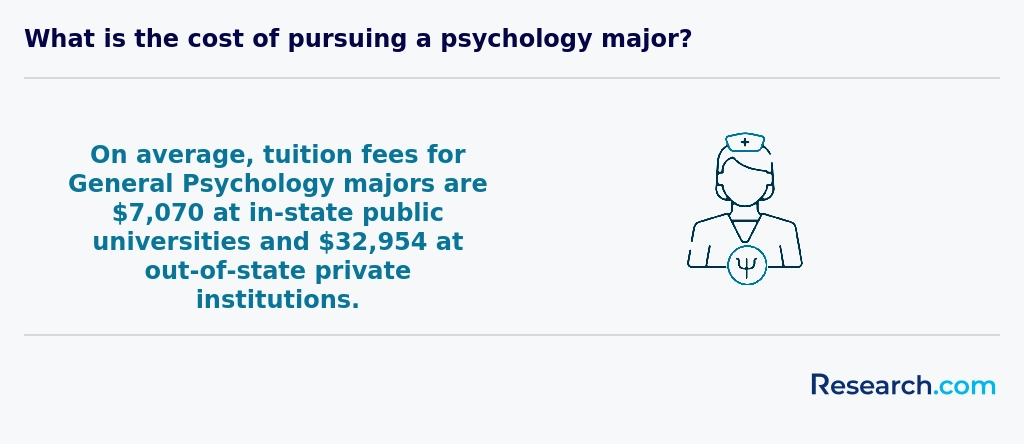
Exploring the average cost of an online psychology degree in St. Paul reveals an intriguing range shaped by local institutions and study choices. For eager learners diving into programs at the University of Minnesota or Minnesota State Colleges, the median total cost hovers around $35,325. Graduates often describe the investment as a worthwhile journey that opens doors to exciting career paths and personal growth.
Public universities in St. Paul typically charge tuition rates near $13,000 annually for residents, but online offerings can provide even more flexibility with costs roughly between $300 and $500 per credit hour. Imagine earning your bachelor's degree online while balancing a busy life; since these degrees usually require about 120 credits, the financial commitment can feel manageable with the right planning. In fact, some students explore bachelor's degree online fast options that fit their dynamic schedules and budgets.
The appeal of affordable online psychology programs in St. Paul Minnesota lies in this accessibility combined with the familiarity of well-established local colleges. Beyond tuition, additional fees for technology and materials gently supplement the total cost, but these are often offset by smart financial aid or scholarships. Graduates frequently share stories of personal resilience and community support, creating a warm sense of belonging alongside academic achievement.
What financial aid is available to online psychology degree students in St. Paul?
Imagine starting your journey in psychology at a well-known St. Paul institution like the University of St. Thomas, knowing there are multiple financial lifelines to ease your path. Many online psychology students discover federal aid, such as Pell Grants, that can cover up to $7,395 annually, relieving a significant portion of tuition stress without needing repayment.
Local residents often tap into Minnesota's State Grant Program, which many psychology students at Hamline University have found to provide around $3,000 each year, making the pursuit of a degree feel much more achievable. Beyond these, institutional scholarships at places like Macalester College reward dedication, academic excellence, or focused interests like clinical psychology.
Working adults juggling studies find hope in employer tuition assistance, a common perk among St. Paul companies invested in employee growth. Plus, psychology students can apply for scholarships from groups like the APA, fueling ambitions toward licensure and careers with real-world impact.
What are the prerequisites for enrolling in online psychology degree program in St. Paul?
If you're reaching for a Master's or Doctorate at a place like the University of St. Thomas, you'll need an undergraduate degree, ideally in psychology or a similar field. Picture a graduate who juggled prerequisite courses in psychology, statistics, and biology before diving deeper into research. They also crafted personal statements and gathered heartfelt recommendations, conveying their dedication.
St. Paul students often speak about the excitement of blending online learning with occasional hands-on internships nearby, while managing reliable internet and tech-key to their success and inspiring their confidence as they explore the fascinating mind.
What courses are typically in online psychology degree programs in St. Paul?
Online psychology degree programs in St. Paul open the door to an exciting array of courses that spark curiosity and deepen understanding of the human mind. Imagine starting with Introduction to Psychology at institutions like the University of St. Thomas or Hamline University-graduates often describe this as an eye-opening journey into how thoughts and behaviors shape daily life.
Students quickly dive into Research Methods in Psychology and Psychological Statistics, skills that empower them to design experiments and interpret data with confidence. Many graduates recall how these classes transformed their perspective, making sense of complex studies and real-world problems.
Core subjects cover fascinating areas such as Developmental Psychology, where you explore life's unfolding stages, and Abnormal Psychology, revealing insights into mental health challenges faced by people around St. Paul. Social Psychology and Cognitive Psychology courses enrich understanding of interactions and mental processes that influence decisions and relationships.
For those eager to specialize, programs often offer Applied Psychology tracks in Industrial-Organizational or Health Psychology-perfect for those imagining careers improving workplaces or community wellness in St. Paul.
What types of specializations are available in online psychology degree programs in St. Paul?
Exploring online psychology degree specializations in St. Paul MN reveals exciting pathways that match diverse passions and career dreams. Many graduates from popular local colleges dive into clinical psychology, where understanding mental health challenges and practicing therapy brings real-world impact and personal fulfillment. Others thrive in cognitive psychology, fascinated by the mysteries of memory and brain function, often sharing how they've enjoyed research projects that feel like stepping into a detective role unraveling the mind's secrets.
Developmental psychology attracts those curious about human growth across all life stages, with students appreciating how their studies translate into roles in education or social services. Industrial-organizational psychology speaks to learners eager to transform workplace dynamics and foster better teams-many praise the practical skills gained through case studies specific to Minnesota's job market. Health psychology, increasingly popular among online learners in St. Paul, opens doors to blending mental and physical health insights to support behavioral wellness.
Residents interested in affordable psychology majors from St. Paul online colleges often celebrate the flexible options that make balancing studies and life possible, especially when searching for the easiest bachelor degrees to start their journey.
How do you choose the best online psychology degree in St. Paul?
Choosing the best accredited psychology programs St. Paul means diving deep into what truly matters: accreditation, curriculum, and cost. Graduates from local colleges often share how accreditation by the Higher Learning Commission gave them confidence their education would open real doors in Minnesota's competitive job market. Imagine exploring courses that focus on counseling or research, perfectly tailored to your passion and career dreams. Many students appreciate how St. Paul's programs align with local employment trends, especially with psychology-related jobs expected to grow by 7% here.
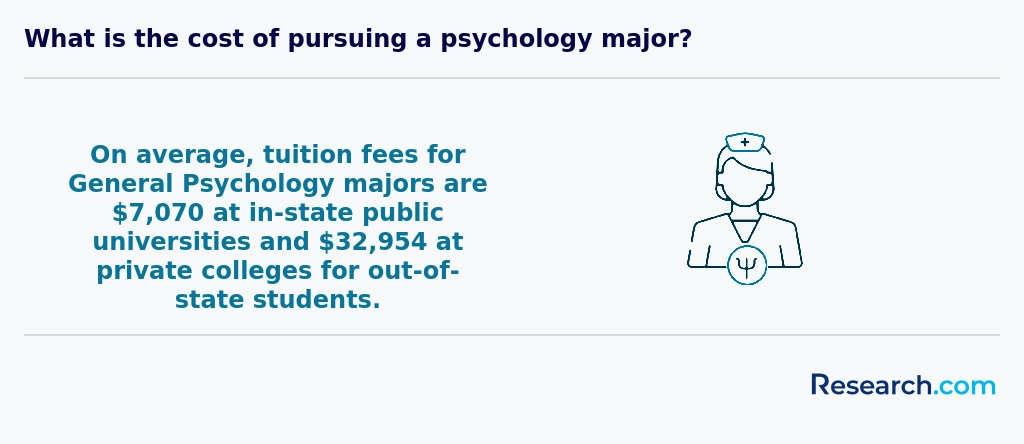
Affordability can't be overlooked; many find the affordable online psychology degree St. Paul MN options extremely welcoming, with public universities offering quality tuition around $7,000 to $15,000 annually. It's smart to consider the full price tag, including books and tech fees. One graduate described how accessible faculty support and interactive learning made all the difference in their journey.
For those curious about maximizing income potential, check out what certificate makes the most money for insights linked to psychology careers. This exploration can help you chart an adventurous, rewarding path in psychology from the vibrant heart of St. Paul.
What career paths are available for online psychology degree students in St. Paul?
Graduates with an online psychology degree in St. Paul discover a landscape rich with diverse career paths that spark curiosity and personal growth. Many step into roles as mental health counselors or school psychologists, thriving in familiar local institutions like the University of Minnesota, where they turn theory into real-world support for individuals facing life's challenges. Others channel their passion into clinical research assistant positions, diving into studies that shape tomorrow's psychological science. Exploring the bustling healthcare and social assistance sectors in St. Paul, graduates find opportunities filled with meaningful human connections and community impact.
For those enchanted by organizational psychology or human factors, the city's vibrant businesses offer chances to boost workplace well-being and enhance user experiences through innovative solutions. Local graduates often share stories of how their St. Paul psychology degree job opportunities opened doors to exciting career adventures. If you're eager to accelerate your journey, consider a quick masters degree as a next step to deepen your expertise and increase your impact.
What is the job market for online psychology degree in St. Paul?
The job market for online psychology degree jobs St. Paul MN is vibrant and evolving, especially as the Twin Cities' healthcare and social services sectors expand. Graduates from popular local institutions often share how their flexible online studies paired with internships unlock doors to roles like mental health counselors and behavioral therapists. Imagine joining a local clinic or school, applying theories learned remotely, while gaining real-world skills through volunteer work-all while exploring career paths uniquely tied to St. Paul's community needs.
Looking ahead toward the St. Paul psychology job market 2027, growth in telehealth means many graduates enjoy greater freedom working remotely, serving clients across the metro area. These opportunities are bolstered when students earn degrees accredited by respected bodies, providing credibility and practical training.
For those curious about affordable paths, many find that a degree from a St. Paul university, combined with experiences secured via partnerships in the city, offers both quality education and job readiness. Prospective students can explore options at a top online trades school to support their career adventure in psychology with flexible learning formats suited to their lifestyle.
Frequently Asked Questions About psychology
Online psychology degree students in St. Paul can enhance their learning by actively engaging with virtual class discussions and utilizing campus resources. The University of St. Thomas and Hamline University, both located in St. Paul, offer online psychology programs accredited by the Higher Learning Commission, ensuring quality education. Students should seek internships or volunteer opportunities within local mental health organizations to gain practical experience. Minnesota's Department of Employment and Economic Development reports that clinical, counseling, and school psychologists have a 7% job growth projected through 2030, highlighting the importance of hands-on skills. Regular communication with faculty and peer networking are also key to success.
The psychology field is expanding with several emerging niches that reflect current societal needs and technological advances. One growing area is digital mental health, which combines psychology with technology to provide online therapy and mental health apps. This niche is especially relevant for St. Paul residents seeking remote care options.
Another notable niche is neuropsychology, focused on understanding brain-behavior relationships, which has increasing demand due to aging populations in Minnesota. Clinical health psychology also sees growth as healthcare providers integrate mental wellness into overall patient care. These niches offer varied career paths for students pursuing online psychology degrees in St. Paul.
After completing an online psychology degree in St. Paul, preparing for the job market involves several practical steps. First, obtaining relevant internships or volunteer experiences in local mental health facilities can build crucial skills and professional networks. The Minnesota Department of Employment and Economic Development reports steady demand for psychology professionals, with growth driven by healthcare and social services.
Graduates should also consider earning additional certifications, such as Licensed Professional Counselor (LPC), which is required for certain psychology roles in Minnesota. Networking through local organizations like the Minnesota Psychological Association can provide valuable job leads and mentorship.
Finally, tailoring resumes to highlight both academic knowledge and practical experience increases competitiveness in the St. Paul job market.
Employers in St. Paul highly value psychology graduates with strong critical thinking and research skills. The ability to analyze data, conduct ethical research, and apply psychological theories to real-world situations is essential. According to the Minnesota Department of Employment and Economic Development, communication skills are also crucial, as many psychology roles require clear interaction with clients and colleagues.
Problem-solving capabilities and cultural competence are increasingly important given St. Paul's diverse population. Graduates who demonstrate adaptability and proficiency with statistical software often have an advantage in the local job market. These skills align with national trends emphasizing both technical and interpersonal abilities in psychology careers.
Finding psychology internships in St. Paul involves connecting with local organizations that offer practical experience relevant to your degree. Key employers include healthcare providers, mental health clinics, and university research labs, such as those affiliated with the University of St. Thomas or Hamline University, both recognized for strong psychology departments.
Students can search internship listings on platforms like the Minnesota Psychological Association or the local chapter of the American Psychological Association (APA). Many placements focus on clinical, counseling, or industrial-organizational psychology.
Networking through these associations and your online program's career services can increase opportunities. According to the Minnesota Department of Employment and Economic Development, psychology jobs in the St. Paul metro area are projected to grow by 6% through 2030, signaling promising internship availability.
Obtaining an online psychology degree can significantly impact career mobility and advancement in St. Paul. The flexibility of online programs allows working professionals to continue employment while enhancing their qualifications. According to the U.S. Bureau of Labor Statistics, psychologists in Minnesota, including St. Paul, had a median annual salary of approximately $85,000 in 2022, with growth projected at 12% through 2030-faster than average for all occupations.
Graduates with accredited online degrees often become eligible for licensure as Licensed Professional Counselors (LPC) or other certifications, which are essential for higher-level roles in mental health services. St. Paul's growing healthcare sector values advanced credentials, linking degree attainment directly to promotions and salary increases.
Moreover, online education expands access to specialized fields like industrial-organizational psychology, broadening employment opportunities beyond traditional clinical roles within St. Paul's diverse job market. The overall result is greater upward mobility and a stronger competitive position in Minnesota's psychology workforce.
Studying for an online psychology degree in St. Paul equips students with a broad skill set essential for interdisciplinary roles. Many programs emphasize collaboration across fields such as health care, education, and social work, reflecting the integrated nature of psychological practice. For example, at institutions following Minnesota's educational standards, students gain knowledge in research methods, behavioral science, and ethics, preparing them for diverse career paths.
St. Paul's strong healthcare sector creates opportunities for graduates to work alongside medical professionals, enhancing patient care through psychological insights. According to the Minnesota Department of Employment and Economic Development, psychology-related jobs in the region are expected to grow by 9.2% through 2028, highlighting demand for versatile professionals.
Overall, these programs foster critical thinking and communication skills, which are vital for contributing effectively in multidisciplinary teams within various industries.
When choosing between a thesis and a non-thesis online psychology degree program in St. Paul, consider your career goals and learning preferences. A thesis option usually requires original research and is preferred for students aiming to pursue doctoral studies or research-intensive careers. It develops strong analytical and writing skills. Non-thesis programs often focus on coursework and practical knowledge, appealing to those seeking professional practice or immediate employment.
Financially, non-thesis paths may be shorter and less costly, with St. Paul tuition averaging around $12,000 per year for online degrees, according to the Minnesota Office of Higher Education. Check university requirements carefully to ensure alignment with your objectives.
Students based in St. Paul looking to study psychology abroad have several online options through U.S. institutions offering internationally recognized degree programs. Many accredited universities provide fully online psychology degrees, enabling flexibility without relocating. Popular schools include those listed by the American Psychological Association, which ensure quality and transferability of credits. While no foreign universities are directly partnered with St. Paul institutions, students can consider study-abroad semesters or global internships embedded within some programs.
According to U.S. Department of Education data, about 15% of psychology degrees in Minnesota are earned online, a number expected to grow by 2027. St. Paul also benefits from state support for distance education, facilitating access to top-ranked online psychology programs nationwide.
Part-time job opportunities in St. Paul that complement a psychology degree include roles such as behavioral health technician, research assistant, and mental health aide. These positions offer practical experience in clinical and research settings, enhancing skills relevant to psychology careers. According to the Minnesota Department of Employment and Economic Development, St. Paul has a growing demand for behavioral health workers due to increased mental health awareness.
Research assistant roles at local institutions like the University of St. Thomas provide exposure to data collection and analysis, integral to psychological studies. Mental health aides often assist licensed professionals in facilities, combining hands-on learning with flexible schedules.
Such jobs help students apply theoretical knowledge while earning income and networking within the local mental health community.
Online psychology students in St. Paul benefit from a variety of networking opportunities despite the remote format. Many local universities offer virtual career fairs and alumni networking events that welcome online learners. The Minnesota Psychological Association, headquartered nearby, hosts regional conferences, workshops, and online forums useful for connecting with professionals in the field.
Additionally, St. Paul has numerous psychology-focused meetups and support groups that, while primarily in-person, often provide hybrid options where online students can participate. According to the U.S. Bureau of Labor Statistics, the Twin Cities area employs over 6,000 psychologists, creating ample potential contacts for students aiming to enter the local workforce.
Professional social media groups and LinkedIn communities also serve as valuable platforms to engage with psychologists and counselors active in Minnesota's mental health sector.
Alumni networks offer vital support to online psychology degree students in St. Paul by connecting them to a professional community. Graduates can access mentorship opportunities from experienced psychologists who understand local industry demands. This network is especially valuable given that Minnesota ranks high nationally for mental health services employment, according to the U.S. Bureau of Labor Statistics.
These connections often lead to internships and job placements within the St. Paul area, aiding career growth. Alumni events and online forums provide a platform to share research insights relevant to regional mental health trends. Such networks may also enhance collaboration and continuous learning beyond graduation.
Customizing an online psychology degree program in St. Paul allows students to align their studies with specific career goals. Many accredited Minnesota institutions offer flexible curricula where students can select electives in areas like clinical, counseling, or industrial-organizational psychology. This tailored approach helps prepare for roles ranging from therapy to human resources.
Online programs often include practicum options or partnerships with local organizations for hands-on experience, essential for licensing in Minnesota. Additionally, students can pursue concentrations or certificates that complement psychology, such as child development or mental health counseling, enhancing employability.
Resources like the Minnesota Psychological Association provide guidance on licensure requirements and recognized specialties relevant to practitioners in the St. Paul area.
Online psychology students in St. Paul often face challenges related to balancing coursework with personal and professional responsibilities. Many are working adults who find managing time for synchronous classes and internships difficult. Additionally, building practical skills remotely can be challenging, as psychology programs frequently require hands-on experience through supervised clinical work.
Another common issue is limited access to local practicum sites, which can affect students' ability to fulfill practicum or internship requirements within Minnesota's regulatory framework. According to the Minnesota Board of Psychology, students must complete supervised hours under licensed professionals for licensure eligibility.
Technical barriers, such as unreliable internet access or unfamiliarity with digital learning platforms, also pose difficulties, especially for those in underserved areas of St. Paul. Lastly, maintaining motivation and engagement without in-person interaction tends to be challenging for many online learners.
With an online psychology degree, graduates in St. Paul can pursue several professional certifications to advance their careers. One common path is becoming a Licensed Professional Clinical Counselor (LPCC), which requires completing supervised clinical hours and passing a state exam regulated by the Minnesota Board of Behavioral Health and Therapy. Another option is certification as a Certified Alcohol and Drug Counselor (CADC), which is in demand due to Minnesota's focus on substance abuse treatment.
The American Board of Professional Psychology also offers specialty certifications like neuropsychology or forensic psychology, though these usually require a doctoral degree. For those interested in school settings, the National Certified School Psychologist (NCSP) credential is available with additional training and practicum experience.
To write a winning application for an online psychology program in St. Paul, start by clearly explaining your motivation for studying psychology and how the degree fits your career goals. Highlight any relevant experience, including volunteer work or jobs related to mental health. Admissions committees value strong communication skills, so ensure your personal statement is well-organized and free of errors.
Include transcripts that demonstrate solid academic performance, especially in social sciences. According to the Minnesota Office of Higher Education, programs in St. Paul often prefer applicants with at least a 3.0 GPA. Finally, secure strong letters of recommendation from professionals familiar with your work or academic potential.
Psychology careers are increasingly valued worldwide due to the rising awareness of mental health. In the United States, including St. Paul, the demand for qualified psychologists is expected to grow by 6% from 2021 to 2031, according to the U.S. Bureau of Labor Statistics. This growth reflects a global trend emphasizing mental wellness and psychological research.
Many countries have varied requirements for psychology licensure, but U.S. degrees, especially those accredited by the American Psychological Association, are widely respected internationally. Students in St. Paul can benefit from online programs that meet these high standards, allowing for global career opportunities.
Additionally, organizations like the American Psychological Association support professionals in connecting with international research and practice, enhancing global collaboration and job prospects.
Students pursuing an online psychology degree in St. Paul can gain practical experience by seeking internships and volunteer roles in local mental health organizations. Institutions like the Minnesota Psychological Association note that hands-on involvement is crucial for developing applied skills. Many online programs encourage or require practicum hours, which students can complete at approved locations nearby.
Additionally, St. Paul's community centers, hospitals, and counseling clinics often offer opportunities to observe or assist professionals. Students should consult their program advisors to identify eligible placements that meet licensure or certification requirements in Minnesota.
Networking through local psychology groups and attending virtual workshops can also enhance practical knowledge.
Choosing the right concentration within an online psychology degree in St. Paul involves evaluating your career goals and interests. Psychology offers diverse paths such as clinical, counseling, educational, or industrial-organizational psychology. In St. Paul, industrial-organizational psychology is growing due to a strong local business sector, while clinical psychology remains popular for those interested in therapy or mental health services.
Accreditation and program flexibility matter too. Look for programs recognized by the American Psychological Association or regionally accredited institutions. St. Paul students may also consider concentrations that align with Minnesota's licensure requirements, especially if planning to work locally.
Research job outlook data from the Minnesota Department of Employment and Economic Development, which predicts steady growth in psychology-related jobs by 2030. Choosing a concentration that fits both your passion and local demand increases your future opportunities.
Related Psychology Rankings for Nearby Cities
- 2027 Most Affordable Online Psychology Degree Programs Ranking in Minneapolis, MN
- 2027 Most Affordable Online Psychology Degree Programs Ranking in Grand Forks, ND
- 2027 Most Affordable Online Psychology Degree Programs Ranking in Chicago, IL
- 2027 Most Affordable Online Psychology Degree Programs Ranking in Columbia, MO
- 2027 Most Affordable Online Psychology Degree Programs Ranking in Hays, KS
- 2027 Most Affordable Online Bachelor's in Psychology Degree Programs Ranking in Springfield, MO
- 2027 Most Affordable Online Psychology Degree Programs Ranking in California, PA
- 2027 Most Affordable Online Psychology Degree Programs Ranking in University Park, PA
- 2027 Most Affordable Psychology Degree Programs Ranking in Saint Paul
- 2027 Most Affordable Psychology Degree Programs Ranking in Minneapolis
Top Trending Psychology Rankings
See What Experts Have To Say About Studying Psychology
Read our interview with Psychology experts

Joann Farrell Quinn, Ph.D., MBA
Psychology Expert
Director at the College of Medicine Department of Medical Education
Morsani College of Medicine

Catherine Caldwell-Harris, Ph.D.
Psychology Expert
Associate Professor of Psychology
Boston University

Elizabeth L. Jeglic Ph.D.
Psychology Expert
Professor of Psychology
City University of New York

References
- Alumni Perspectives - Meet Our FPN Alumni https://www.aanmelder.nl/alumni-perspectives-june-2023
- Online Psychology Degree Salary by Career Path https://www.collegetransitions.com/blog/online-psychology-degree-salary-by-career-path/
- Incorporating Career Exploration and Skill Development ... https://teachpsych.org/page-1784686/8675326
- Online Psychology Degrees https://www.phoenix.edu/online-psychology-degrees.html
- FAFSA and Financial Aid for Psychology Students https://www.psychology.org/resources/financial-aid/
- Mental Health Challenges Faced by Psychology Students https://healthcareguys.com/2023/11/23/mental-health-challenges-faced-by-psychology-students/
- How to help students cope with mental health challenges https://www.eaie.org/resource/help-students-cope-mental-health-challenges.html
- Bachelor of Arts in Counseling Psychology https://spu.ac.ke/bachelor-of-arts-in-counseling-psychology
- Alumni Network - https://efpsa.org/alumni-network/
- Financial Aid for Psychology Students https://www.onlinepsychologydegrees.com/financial-aid/


