
2027 Most Affordable Psychology Degree Programs Ranking in Jersey City

Co-Founder and Chief Data Scientist
Choosing the right psychology degree program in Jersey City can feel overwhelming, but you're not alone. This article presents the 2027 Most Affordable Psychology Degree Programs Ranking in Jersey City, carefully developed by the Research.com team of data scientists.
With clear, data-backed insights, this ranking helps you find programs that balance quality and affordability. Pursuing a psychology degree opens doors to meaningful careers and personal growth-knowing your options empowers you to make a confident decision that fits your goals and budget.
Key benefits of getting psychology degree in Jersey City
- Graduates with a psychology degree in Jersey City can earn an average annual wage of about $62,370 as Clinical Research Associates or Survey Researchers, with some roles like Marketing Research Analysts reaching around $83,190, offering strong earning potential.
- Career paths from local universities include roles in human resources, research analysis, and clinical support, giving graduates versatile and rewarding opportunities to apply their skills in various industries.
- Completing a psychology degree online from a respected Jersey City institution provides flexibility and convenience, allowing students to balance work and study while gaining the same valuable knowledge as traditional programs.
- Key benefits of getting psychology degree in Jersey City
- What can I expect from psychology degree in Jersey City?
- Where can I work with psychology degree in Jersey City?
- How much can I make with psychology degree in Jersey City?
- 2027 Most Affordable Psychology Degree Programs Ranking in Jersey City
- Key Findings
- How long does it take to complete psychology degree in Jersey City?
- Licensure and Certification in New Jersey
- What's the difference between online and on-campus psychology degree?
- Accreditation and Licensure Requirements
- What is the average cost of psychology degree in Jersey City?
- Campus Life and Community Resources in Jersey City, NJ
- What financial aid is available to psychology degree students in Jersey City?
- Return on Investment for Psychology Degrees in Jersey City, NJ
- What are the prerequisites for enrolling in psychology degree program in Jersey City?
- Why Pursue an Affordable Psychology Degree in New Jersey
- What courses are typically in psychology degree programs in Jersey City?
- What types of specializations are available in psychology degree programs in Jersey City?
- How do you choose the best psychology degree in Jersey City?
- What career paths are available for psychology degree students in Jersey City?
- What is the job market for psychology degree in Jersey City?
- Top Trending Psychology Rankings
- See What Experts Have To Say About Studying Psychology
What can I expect from psychology degree in Jersey City?
The average cost of pursuing a psychology degree in Jersey City varies depending on the institution and degree level. At well-known universities such as Saint Peter's University or New Jersey City University, undergraduate tuition typically ranges from $10,000 to $18,000 per year for in-state students, while graduate programs may cost between $12,000 and $22,000 annually. Graduates often reflect positively on their investment, emphasizing the value gained from access to experienced faculty and practical internship opportunities in local hospitals and community centers.
Many students appreciate the balance of rigorous academic training and applied experience, which justifies the cost by enhancing job readiness. For example, psychology students gain hands-on exposure through practicums, helping them build confidence in real-world clinical settings. These immersive learning environments contribute to a rewarding educational journey despite financial considerations, as graduates report strong preparedness for licensure exams and entry-level positions within New Jersey's healthcare facilities.
Where can I work with psychology degree in Jersey City?
Graduates with a psychology degree from institutions like New Jersey City University often find rewarding employment across diverse sectors within Jersey City. Many pursue clinical roles in hospitals and community health centers, such as the Jersey City Medical Center, where they apply their knowledge as mental health counselors or behavioral therapists. These positions foster a strong sense of fulfillment through direct patient support and rehabilitation.
Others leverage their training in educational settings, joining public or private schools as school psychologists or counselors. Here, graduates contribute meaningfully by supporting students' mental health and aiding special education programs, closely collaborating with the Jersey City Public Schools system.
Psychology graduates also thrive in corporate environments, engaging in organizational development, employee training, and recruitment. Their understanding of human behavior enhances workplace dynamics and boosts productivity in Jersey City's growing business sectors.
Lastly, roles within research institutions and nonprofits focusing on social services provide opportunities for program development and advocacy. This variety allows graduates to choose career paths that align with their passions and goals, reflecting Jersey City's expanding demand for psychological expertise.
How much can I make with psychology degree in Jersey City?
Graduates with a psychology degree in Jersey City can expect diverse earning opportunities depending on their specialization and education level. Human Resources Specialists with psychology backgrounds earn a mean annual wage of around $76,060, reflecting solid mid-level income potential in corporate or organizational settings. Those pursuing careers as Marketing Research Analysts in Jersey City benefit from a higher mean salary of about $83,190 annually, combining analytical skills with psychological insights to drive business strategy.
Entry-level roles such as Clinical Research Associates and Survey Researchers offer competitive mean incomes near $62,370 per year, allowing recent graduates to gain valuable experience while earning a stable income in healthcare or academic research environments. Childcare Workers, often an initial step for those exploring developmental psychology, report mean wages of $32,070, which can increase with specialization and certifications.
Psychology students from local institutions like Saint Peter's University or New Jersey City University often find these salary figures encouraging, especially as they land positions in Jersey City's growing healthcare and community sectors. The practical application of psychological principles in these roles aligns well with the city's expanding demand for mental health services, fostering rewarding career pathways and personal growth.
2027 Most Affordable Psychology Degree Programs Ranking in Jersey City
How do we rank schools?
Investing in your education is a significant decision that can shape your future, and the Research.com team understands the importance of making informed choices. To assist prospective students in Jersey City, we have meticulously crafted the "2027 Most Affordable Psychology Degree Programs Ranking in Jersey City." Our commitment to quality, credibility, and accuracy is reflected in the extensive research and analysis conducted to compile this ranking.
We utilized the following reputable data sources to ensure a comprehensive evaluation of psychology programs:
By exploring this ranking, readers will gain valuable insights into the most affordable psychology degree options available in Jersey City, helping them make informed decisions about their educational investments. For more details on our methodology, please visit our Research.com methodology page.


Key Findings
- Tuition for psychology degrees in Jersey City ranges from $8,000 to over $20,000 per year depending on whether the school is public or private.
- The total cost for a bachelor's degree in psychology is estimated between $40,000 and $80,000 over four years including fees and living expenses.
- Entry-level psychology jobs in Jersey City offer salaries between $40,000 and $50,000 annually.
- Licensed psychologists in the area earn between $75,000 and $90,000 per year.
- Psychology-related jobs in Jersey City are expected to grow by about 10% over the next decade, which is higher than the national average.
- Many psychology programs in Jersey City include internships or partnerships with local healthcare providers to help students gain practical experience.
How long does it take to complete psychology degree in Jersey City?
Completing a psychology degree in Jersey City varies depending on the degree level pursued. An associate degree, commonly offered at Hudson County Community College, typically takes about two years to finish, appealing to students seeking a quicker, cost-effective entry into the field. Graduates from these programs often appreciate the balance between studies and work, allowing them to advance without overwhelming commitments.
Bachelor's degrees in psychology, such as those available at Saint Peter's University, usually require four years of full-time study. Students report that this timeline provides ample opportunity to engage deeply with core psychology concepts while exploring electives and specializations tailored to their interests.
For those pursuing graduate education in Jersey City, master's programs generally add two more years, while doctoral degrees can extend from four to seven years. Graduates frequently note that the extended duration reflects the rigorous research and clinical training essential for professional readiness and licensure.
Licensure and Certification in New Jersey
All psychology graduates aiming to practice in Jersey City must secure state licensure:
- Degree requirements: master’s for Licensed Professional Counselor; doctoral for Clinical Psychologist.
- Supervised experience: complete 3,000–4,000 hours under Board-approved supervision.
- Exam passage: EPPP for psychologists; NCMHCE or NJ Board exam for counselors.
- Application: submit official transcripts, exam results, and fees to the NJ Board of Psychological Examiners.
- Continuing education: fulfill 36–40 credit hours every two years to renew.
Choosing a CACREP-accredited program can streamline your eligibility. Explore accredited online counseling programs to align your education with licensure standards.
What's the difference between online and on-campus psychology degree?
Online psychology degrees in Jersey City appeal to students needing flexibility, as many working adults and parents appreciate completing coursework on their own schedules. Graduates from programs at institutions like New Jersey City University often mention how this format allowed them to balance family and job commitments without sacrificing progress.
Conversely, on-campus programs at universities such as Saint Peter's University provide immersive experiences with direct access to campus resources. Graduates frequently recall the value of participating in hands-on research labs and engaging face-to-face with faculty during practicums and internships-a critical advantage for those pursuing clinical roles.
Students in Jersey City also highlight networking opportunities unique to the campus environment, from study groups to counseling center support. Meanwhile, digital platforms in online programs emphasize discussion boards and virtual simulations, offering distinct but effective learning approaches.
Choosing between formats often depends on personal learning preferences and career ambitions, with both pathways maintaining accreditation standards essential for licensure and professional growth in psychology within Jersey City.
Accreditation and Licensure Requirements
Choosing an accredited psychology program ensures your degree meets the standards set by the New Jersey Board of Psychological Examiners and, for doctoral candidates, by the American Psychological Association (APA). Regional accreditation is required for all degree levels; APA accreditation is required for doctoral licensure.
New Jersey licensure typically follows these steps:
- Graduate from an accredited psychology program.
- Complete 1,500 hours of supervised practicum and 3,000 hours of internship.
- Pass the Examination for Professional Practice in Psychology (EPPP).
- Apply for state licensure and pass the New Jersey Jurisprudence Examination.
If your goal is counseling practice, confirm your program meets specific state requirements or explore online counseling programs that align with New Jersey licensure standards.
What is the average cost of psychology degree in Jersey City?
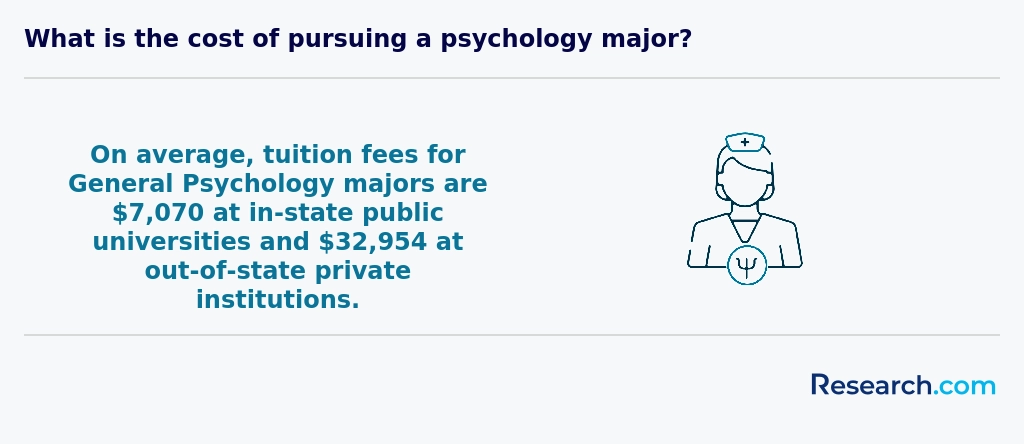
The average cost of obtaining a psychology degree in Jersey City typically reflects both in-state and out-of-state tuition differences. For local students attending institutions such as New Jersey City University, the median in-state total cost is approximately $28,506. Out-of-state students generally face a higher median tuition cost, close to $42,756 for the entire degree duration. These figures encompass tuition, fees, and associated educational expenses, illustrating the financial commitment involved in pursuing psychology in this area.
Many graduates share that while the costs can be substantial, the investment translates into valuable educational experiences and promising career opportunities. For example, students at Jersey City's universities often appreciate the balance between affordable tuition and access to quality faculty and resources tailored specifically to psychology programs. Those pursuing graduate degrees find the possibility of financial aid and scholarships instrumental in managing expenses.
Understanding the average cost of psychology degree in Jersey City is crucial for prospective students who want to plan their financial path carefully. In addition to tuition, students should consider supplementary costs such as books, supplies, and living expenses, which can significantly impact the overall budget. Those seeking affordable psychology degree programs Jersey City-wide may find it beneficial to explore options through affordable psychology programs in New Jersey, which can help tailor educational pursuits to personal financial situations.
Campus Life and Community Resources in Jersey City, NJ
Students often wonder what everyday life is like beyond the classroom, and campus culture can play a pivotal role in shaping their educational journey. In Jersey City, psychology programs are supported by vibrant campus communities that offer extensive resources-from well-equipped libraries and research centers to active student organizations and wellness programs that foster a sense of belonging. These environments help students build strong networks, enhance collaborative skills, and explore extracurricular interests that complement their academic pursuits. Moreover, local partnerships with mental health organizations and community clinics provide unique internship opportunities, allowing students to apply classroom theories to real-world scenarios while broadening their practical experience. For those seeking flexible learning options that maintain academic rigor, many institutions now offer online formats, such as masters in aba online, which seamlessly integrate quality curriculum with opportunities to engage with a digitally connected community. This blend of academic support and community involvement not only enriches the overall student experience but also prepares psychology graduates to thrive in their future careers.
What financial aid is available to psychology degree students in Jersey City?
Students pursuing psychology degrees in Jersey City often rely on a combination of federal, state, and institutional financial aid to manage tuition costs, which range from $10,000 to over $25,000 annually depending on the school. Federal aid begins with completing the FAFSA, unlocking access to Pell Grants valued up to $7,500 a year, as well as federal student loans that graduates use judiciously to balance education costs and future debt.
State programs, particularly through New Jersey's HESAA, provide grants like the Tuition Aid Grant (TAG) to in-state students attending institutions such as New Jersey City University or Saint Peter's University. Many psychology students describe TAG as a vital resource that significantly eases financial pressure during their studies.
Merit-based scholarships awarded by these universities reward academic excellence and leadership, often boosting student morale and financial stability. Additionally, work-study placements within psychology departments offer hands-on experience paired with income, helping students remain financially and academically engaged.
Private scholarships from organizations like the American Psychological Association complement these options, supporting students eager to advance their careers without overwhelming debt. Graduates often recall how this multifaceted aid helped them focus on their passion for psychology rather than financial strain.
Return on Investment for Psychology Degrees in Jersey City, NJ
One of the most critical considerations for prospective students is the long-term value of a Psychology degree. By analyzing tuition costs, average student debt, and median starting salaries, applicants can better predict how quickly they will recoup their investment: • Average Debt Load: Graduates of in-state public institutions in Jersey City carry an average debt of approximately $22,000, while those from private colleges typically graduate with $35,000 in student loans. • Median Starting Salary: Entry-level Psychology professionals in Jersey City report median salaries around $50,000–$55,000, with roles in Human Resources and Clinical Research offering higher starting wages. • Payback Period: Assuming a 5% interest federal loan, graduates can expect to complete debt repayment in roughly 8–10 years if dedicating 10% of their gross income. Those who secure positions in high-demand sectors-such as market research or organizational psychology-may shorten this timeline significantly. • Long-Term Earnings: Over a 20-year career span, Psychology professionals in Jersey City often see salary growth of 3%–5% annually, potentially doubling their initial earnings by mid-career. For students comparing affordability and return metrics across regions, our detailed Affordable Psychology Degree Programs Ranking in Wichita, KS offers additional insights into cost-effective programs with strong ROI profiles. By understanding these financial benchmarks, future Jersey City Psychology majors can select programs that balance educational quality with sustainable career growth.
What are the prerequisites for enrolling in psychology degree program in Jersey City?
To enroll in a psychology degree program in Jersey City, applicants typically need a high school diploma or equivalent, such as a GED. Graduates from local universities often recall how completing coursework in biology, mathematics, and English during high school helped them confidently tackle the analytical and scientific demands of psychology studies on campus.
Many programs also ask for standardized test scores like the SAT or ACT, though some Jersey City institutions have become test-optional, providing flexibility for students balancing various commitments. Official transcripts are essential, showcasing strong academic performance that enhances acceptance odds.
For graduate psychology degrees in Jersey City, students must hold an undergraduate degree, preferably in psychology or related fields, with foundational courses like statistics and research methods completed. Graduates commonly appreciate having prior research experience or psychology-related work, which made their applications stand out during admissions.
These prerequisites ensure readiness for the rigorous coursework at well-regarded Jersey City colleges, where students often express pride in their thorough preparation and the rewarding challenges encountered throughout their studies.

Why Pursue an Affordable Psychology Degree in New Jersey
Pursuing an affordable psychology degree in New Jersey can be a wise decision for those interested in the field of psychology, as it allows students to gain valuable knowledge and skills without accumulating overwhelming debt. By exploring affordable psychology programs in New Jersey, prospective students can find programs that fit their budget and academic goals, ultimately leading to a fulfilling career in psychology. This approach enables students to focus on their studies and personal growth, rather than being burdened by financial concerns, and can lead to a more successful and satisfying educational experience.
What courses are typically in psychology degree programs in Jersey City?
Psychology degree programs in Jersey City offer a comprehensive curriculum designed to build foundational knowledge and practical skills. Graduates from well-known local colleges often recall engaging entry-level courses such as Introduction to Psychology, where they explored major theories across cognitive and behavioral domains. Many found the Research Methods in Psychology course particularly rewarding, as it equipped them with essential skills to design studies and analyze data, which proved invaluable during internships at clinical or counseling centers.
As students advance, they encounter specialized topics like Abnormal Psychology, allowing deeper understanding of mental health disorders and treatment methods. Courses in Cognitive and Personality Psychology help students relate theories to everyday human behavior, making their studies resonate on a personal level. Practical learning experiences complement academic classes, enabling students to apply ethical standards and assessment techniques in real-world settings, often cited by graduates as pivotal moments in their academic journeys.
What types of specializations are available in psychology degree programs in Jersey City?
Psychology degree specializations in Jersey City encompass several focused areas that equip students with targeted expertise. Common options include Clinical Psychology, where graduates gain skills in diagnosing and treating mental disorders; Counseling Psychology, which emphasizes therapeutic techniques to support individuals through life challenges; and Industrial-Organizational Psychology, highly relevant locally due to Jersey City's business environment, concentrating on workplace behavior and organizational improvement. Other key specializations are Developmental Psychology, exploring human growth over the lifespan, and Forensic Psychology, which ties psychological principles to legal contexts such as courts and correctional facilities.
Graduates from popular Jersey City colleges often share how hands-on internships tied to these specializations deepened their real-world understanding and passion for psychology. Such engagement, made accessible by the region's proximity to New York City, enriches the Jersey City psychology program concentration options. Students aiming to advance their expertise can also consider pursuing a masters in aba online, further broadening their career potential in applied behavior analysis.
How do you choose the best psychology degree in Jersey City?
Choosing the best psychology degree in Jersey City begins with verifying the accreditation of local institutions to ensure recognized quality. Graduates from well-accredited programs often share how this foundation was key in securing competitive internships and jobs. Many students appreciate nearby options like Essex County College, noted for affordable associate and bachelor's degrees, which align well with the needs of those seeking affordable psychology degree programs in Jersey City.
When assessing programs, consider the degree level aligned with your ambitions. Bachelor's-level graduates from Jersey City institutions often find roles in counseling or social services, while those pursuing advanced degrees unlock opportunities in clinical practice or research. Emotional engagement with faculty and practical experiences, such as internships offered by prominent colleges, empower students to confidently navigate their career paths.
Cost transparency is crucial. In-state tuition averages about $13,000 annually, but exploring financial aid and scholarships at private schools can be beneficial. To understand comparative affordability, prospective students can consult the Affordable Psychology Degree Programs Ranking in Wichita, KS as a benchmark for evaluating regional price points and program value.

What career paths are available for psychology degree students in Jersey City?
Psychology graduates in Jersey City have access to diverse career paths that leverage their skills in real-world settings. Many pursue licensure and work as professional psychologists in hospitals, private practices, and community mental health centers, providing therapy and assessments. Graduates from well-known local colleges often describe their clinical experiences as deeply rewarding, helping them make meaningful impacts on individual lives.
Beyond clinical roles, numerous jobs with psychology degree Jersey City include social services and community program management. Here, professionals support vulnerable populations, creating fulfilling opportunities with tangible societal benefits. Another common trajectory leads to human resources or organizational development in Jersey City's bustling corporate environment, where applying psychological principles enhances workforce productivity.
Research opportunities at Jersey City universities attract graduates interested in experimental psychology, data analysis, and behavioral science. These roles often offer an intellectually stimulating career path. Those seeking flexible education options can explore accelerated bachelor programs online, enabling quicker entry into these varied psychology career opportunities in Jersey City.
What is the job market for psychology degree in Jersey City?
The job market for psychology degree holders in Jersey City offers promising career opportunities driven by the city's diverse population and proximity to New York City. Graduates from reputable local universities often find roles in healthcare facilities, schools, and community organizations where culturally sensitive mental health services are highly valued. For many, starting positions such as case managers or mental health technicians provide valuable experience with annual salaries typically between $35,000 and $45,000. Those who pursue advanced degrees and licensure can access higher-paying roles like licensed psychologists, earning $80,000 to $100,000 or more.
Career opportunities for psychology graduates Jersey City include increasing numbers of openings in counseling and therapy, with demand supported by state labor reports. Recent graduates share positive experiences, noting that the city's healthcare and social assistance sectors supply robust work environments combining clinical practice and community outreach. Students considering this field in Jersey City can also explore a range of affordable public and private university programs, some of which are highlighted among the top online programs for seniors.
Frequently Asked Questions About psychology
Psychology degree students in Jersey City can enhance their education by engaging with local universities offering accredited programs, such as New Jersey City University. Taking advantage of internships at nearby hospitals, mental health clinics, and community organizations provides practical experience vital for understanding psychological theories in real-world contexts.
Active participation in research projects is also important. Students can collaborate with faculty on studies addressing urban mental health challenges, an area relevant to Jersey City's diverse population. According to the Bureau of Labor Statistics, psychology-related jobs in New Jersey are projected to grow by 10% through 2030, emphasizing the importance of skill development.
Networking through psychology clubs and local conferences further enriches students' professional growth and insight into current trends.
The psychology field is evolving with several emerging niches attracting interest among students in Jersey City and across the US. One growing area is neuropsychology, which explores the relationship between the brain and behavior. This niche is gaining importance due to advances in brain imaging technologies and increasing demand for specialists in traumatic brain injury and dementia.
Another emerging niche is health psychology, focusing on how psychological factors affect physical health and illness management. With chronic diseases on the rise, professionals in this area are in high demand, especially in urban centers like Jersey City.
Additionally, industrial-organizational psychology is expanding as companies seek experts to improve workplace productivity and employee well-being. This niche is forecasted to grow 10% through 2030 according to the Bureau of Labor Statistics.
Finally, forensic psychology continues to rise, integrating psychology with the legal system. Given Jersey City's proximity to major legal hubs, this field offers promising opportunities.
Preparing for the job market after earning a psychology degree in Jersey City involves a few key steps. First, gaining relevant experience through internships or volunteer work is crucial. Local hospitals, mental health clinics, and community centers often offer opportunities for hands-on learning. According to the Bureau of Labor Statistics, psychology-related jobs in New Jersey are projected to grow by 8% from 2020 to 2030.
Networking with professionals in the field is also important. Joining local chapters of psychology associations can connect graduates to job openings and mentorship. Additionally, pursuing certifications, such as Licensed Psychological Associate (LPA) credentials in New Jersey, can improve job prospects significantly.
Employers in Jersey City highly value psychology graduates who demonstrate strong critical thinking and communication skills. These abilities help professionals effectively analyze behavioral data and convey findings to diverse audiences. According to the U.S. Bureau of Labor Statistics, interpersonal skills remain crucial in clinical and counseling roles prevalent in the region.
Additionally, proficiency in research methods and statistical analysis is essential, as psychology jobs often require interpreting complex data. Familiarity with software like SPSS or R boosts employability.
Adaptability and cultural competence also stand out, reflecting Jersey City's diverse population. Graduates who can work across different cultural backgrounds have a competitive edge in both community mental health and organizational settings.
Finding internships in Jersey City relevant to a psychology degree involves leveraging both local resources and academic connections. Many students start by consulting their university's career center, which often maintains partnerships with healthcare facilities, schools, and social service agencies in the area.
Jersey City hosts a variety of organizations such as Hudson County Community College's counseling programs and local mental health clinics that routinely accept interns. According to data from the National Association of Colleges and Employers (NACE), 60% of psychology students secure internships through on-campus recruitment, underscoring the importance of university support.
Additionally, online platforms like Handshake and the New Jersey State Internship Exchange list updated internship opportunities in the region. Networking at local psychology conferences and joining professional groups such as the New Jersey Psychological Association can also increase access to relevant internships.
A psychology degree in Jersey City can significantly enhance career mobility and advancement within the region's growing healthcare and social services sectors. According to the U.S. Bureau of Labor Statistics, employment of psychologists nationwide is projected to grow 6% from 2021 to 2031. Locally, Jersey City's diverse population drives demand for mental health professionals in schools, hospitals, and community organizations.
Graduates with a psychology degree often qualify for roles such as mental health counselor, social worker, or human resources specialist, each offering potential for upward movement. Professional licensure, which typically requires a master's or doctoral degree plus supervised experience, further increases advancement opportunities.
The proximity to New York City also expands networking and career options, benefiting Jersey City psychology degree holders. Access to continuing education and specialized certifications can improve earning potential and leadership prospects in this competitive field.
Studying for a psychology degree in Jersey City offers a strong foundation for interdisciplinary roles by integrating various fields such as social work, education, and healthcare. Many local programs emphasize practical experience through internships and partnerships with nearby hospitals and community organizations, enhancing collaboration skills.
The curriculum often includes courses in neuroscience, counseling, and behavioral science, equipping students with diverse knowledge applicable to multiple professions. According to the National Center for Education Statistics, interdisciplinary competencies are increasingly valued in psychology careers, especially within urban centers like Jersey City.
This multidisciplinary approach prepares graduates to work effectively in teams and adapt to roles where psychological expertise intersects with other domains, fulfilling the demand for versatile professionals in the evolving job market.
When choosing between a thesis and a non-thesis psychology degree program in Jersey City, consider your career goals first. Thesis programs focus on research, requiring a substantial project, which can be beneficial if you plan to pursue doctoral studies or research roles. Non-thesis options typically emphasize coursework and practical skills, often appealing to those targeting counseling or applied psychology careers.
Jersey City institutions like New Jersey City University offer both tracks, with thesis students often engaging in faculty-led research. According to the National Center for Education Statistics, about 35% of psychology master's students nationwide choose thesis routes for research experience. This choice also affects program length; thesis paths may take longer due to research demands.
Funding availability is another factor; thesis students sometimes qualify for assistantships. Ultimately, assess your professional plans, learning preferences, and available resources before deciding.
Students based in Jersey City who wish to study psychology abroad have several pathways through US higher education programs offering international study options. Many universities in New York and New Jersey maintain partnerships with institutions overseas, allowing psychology majors to participate in study abroad programs. For example, some schools offer semester exchanges in Europe or Asia, providing exposure to diverse psychological theories and research practices.
Research shows that students who study abroad tend to develop stronger cross-cultural communication skills, valued in psychology careers. According to the Institute of International Education, over 10,000 US students studied abroad in 2022 in social science fields, including psychology.
Jersey City students should consult academic advisors at local colleges like Saint Peter's University or nearby Rutgers to explore available international options. Financial aid and scholarships may also help offset costs for approved study abroad experiences in psychology.
Students pursuing psychology degrees in Jersey City can benefit from various part-time job opportunities that complement their education. Working as a research assistant at local universities or healthcare centers provides hands-on experience with psychological studies and data analysis. Hospitals and mental health clinics in Hudson County often seek part-time behavioral health technicians, helping students gain clinical exposure.
Additionally, tutoring psychology courses or assisting in academic centers can reinforce knowledge while developing communication skills. Volunteer roles with organizations like Jersey City's mental health nonprofits also offer practical experience in client interaction and case management. These positions enhance resumes and support future graduate or professional opportunities in psychology fields.
Psychology students in Jersey City have multiple opportunities to build valuable professional networks. Local universities, such as Saint Peter's University, often host psychology clubs and guest lectures where students can meet professors and peers with similar interests. The proximity to New York City also expands networking options significantly, granting access to events held by national organizations like the American Psychological Association.
Internships and practicum placements in Jersey City's healthcare facilities, including local hospitals and counseling centers, offer practical experience while fostering connections with professionals. Additionally, regional conferences on mental health usually take place within commuting distance, supporting students in staying current and connected within the field.
The New Jersey Psychological Association provides valuable resources, including mentorship programs and workshops, helping students develop career contacts early on.
Alumni networks play a crucial role for psychology degree students in Jersey City by offering professional connections and mentorship opportunities. Graduates of local universities often share job leads, internships, and volunteer positions within the area's mental health community, which can be highly competitive.
These networks also provide support through workshops and events tailored to psychology students, helping them stay updated on industry trends and licensure requirements specific to New Jersey. According to the National Association of Colleges and Employers, over 80% of jobs are filled through networking, highlighting the value of these connections.
Additionally, alumni can offer guidance on graduate school admissions and research opportunities, which is especially valuable given Jersey City's proximity to major academic institutions and clinical facilities.
Customizing a psychology degree program in Jersey City allows students to align their education with specific career goals. Many local colleges and universities offer flexible curricula enabling students to choose electives in areas such as clinical, counseling, or industrial-organizational psychology. Internship opportunities at nearby hospitals, schools, and businesses support practical experience, crucial for career readiness. Additionally, some institutions provide options to pursue research projects or dual majors, enhancing specialized skills. According to the New Jersey Office of Higher Education, students benefit from tailored advising to select courses that meet licensing requirements and employment trends within the state, ensuring relevant and marketable qualifications.
Psychology students in Jersey City often face several challenges during their studies. One common difficulty is managing the competitive admission process, as local institutions attract many applicants due to the city's proximity to New York City's academic resources.
Another challenge involves balancing coursework with practical experience. Psychology programs usually require extensive internships or research hours, which can be time-consuming alongside regular classes.
Financial constraints are significant as well. According to the National Center for Education Statistics, nearly 40% of New Jersey students rely on financial aid, highlighting the affordability struggles specific to this region.
Lastly, students may find access to specialized faculty and research opportunities limited compared to larger metropolitan universities, affecting their hands-on training and networking prospects.
With a psychology degree in Jersey City, graduates can pursue various professional certifications to enhance their careers. Popular options include becoming a Licensed Professional Counselor (LPC) or Licensed Clinical Social Worker (LCSW), both requiring graduate study and state licensure. The New Jersey Board of Psychological Examiners also offers licensure for psychologists, which necessitates a doctoral degree, supervised experience, and passing the Examination for Professional Practice in Psychology (EPPP).
Other certifications psychologists often seek include Certified Alcohol and Drug Counselor (CADC) and Board Certified Behavior Analyst (BCBA). These credentials improve employability in clinical and community settings.
According to the New Jersey Department of Labor, employment of counselors in the state is projected to grow 14% by 2030, emphasizing the value of certification for job prospects.
Writing a winning application for a psychology program in Jersey City starts with a clear and concise personal statement. Highlight your passion for psychology and any relevant experience, such as volunteer work or internships. Admissions committees value candidates who demonstrate understanding of the field and strong communication skills.
Include a well-structured resume emphasizing academic achievements, research participation, and extracurricular activities related to psychology.
Strong letters of recommendation from professors or professionals in psychology boost your application. Jersey City programs often require a minimum GPA of 3.0, so maintain solid academic performance.
Research local schools like New Jersey City University for specific requirements and deadlines to tailor your application effectively.
Psychology careers in Jersey City reflect broader global trends emphasizing mental health and human behavior. The U.S. Bureau of Labor Statistics projects a 8% growth in psychologist employment from 2022 to 2032, aligning with worldwide demand for mental health professionals. Globally, psychology integrates scientific research with practical applications, from clinical settings to organizational environments.
Jersey City offers access to diverse clinical and counseling opportunities, influenced by its urban population. According to the American Psychological Association, psychologists with advanced degrees are most competitive, often requiring Doctoral-level education for licensure. Many international students study psychology in the U.S. to benefit from its comprehensive training and research resources.
Understanding cultural diversity and international perspectives is crucial, as psychology careers increasingly address multicultural mental health issues. Local programs often incorporate this global outlook, preparing graduates for varied professional roles in an interconnected world.
Gaining practical experience while studying for a psychology degree in Jersey City is essential for career readiness. Many local colleges, such as New Jersey City University, offer internship programs with nearby hospitals, schools, and social service agencies. According to the National Association of Colleges and Employers, internships improve job prospects by 60%.
Additionally, students can volunteer at mental health clinics or community centers in Jersey City, gaining hands-on skills. Some programs incorporate practicum courses enabling supervised work with clients under licensed professionals, which meets requirements for licensure.
Networking through campus psychology clubs and local professional organizations also helps secure relevant opportunities, complementing academic study with real-world experience.
Choosing the right concentration within a psychology degree program in Jersey City involves considering your career goals and interests. Psychology offers diverse fields such as clinical, counseling, industrial-organizational, and developmental psychology. Research local job trends; for example, Jersey City shows growing demand in mental health services and human resources sectors, according to the U.S. Bureau of Labor Statistics. Evaluating course offerings at nearby institutions like New Jersey City University can help align your academic focus with market needs. Additionally, internship opportunities in Jersey City's healthcare facilities offer practical experience that may guide your decision.
Related Psychology Rankings for Nearby Cities
- 2027 Most Affordable Psychology Degree Programs Ranking in New York
- 2027 Most Affordable Psychology Degree Programs Ranking in New Haven
- 2027 Most Affordable Psychology Degree Programs Ranking in Springfield
- 2027 Most Affordable Psychology Degree Programs Ranking in Albany
- 2027 Most Affordable Psychology Degree Programs Ranking in Amherst
- 2027 Most Affordable Psychology Degree Programs Ranking in Worcester
- 2027 Most Affordable Psychology Degree Programs Ranking in Baltimore
- 2027 Most Affordable Psychology Degree Programs Ranking in Cambridge
- 2027 Most Affordable Psychology Degree Programs Ranking in Boston
- 2027 Most Affordable Psychology Degree Programs Ranking in Washington
Top Trending Psychology Rankings
See What Experts Have To Say About Studying Psychology
Read our interview with Psychology experts

Catherine Caldwell-Harris, Ph.D.
Psychology Expert
Associate Professor of Psychology
Boston University

Robin M. Kowalski. Ph.D.
Psychology Expert
Professor of Psychology
Clemson University

Elizabeth L. Jeglic Ph.D.
Psychology Expert
Professor of Psychology
City University of New York

References
- Have You Found a Niche? https://www.apaservices.org/practice/business/marketing/building/niche
- Online Psychology Schools in New Jersey https://www.onlinepsychologydegrees.com/states/new-jersey/
- Psychology https://www.njcu.edu/academics/schools-colleges/william-j-maxwell-college-arts-sciences/departments/psychology
- Mental Health Challenges Faced by Psychology Students | The Healthcare Guys https://healthcareguys.com/2023/11/23/mental-health-challenges-faced-by-psychology-students/
- Psychology - SWPS University https://english.swps.pl/academics/warsaw/ba-programs/psychology
- Alumni Perspectives - Meet Our FPN Alumni https://www.aanmelder.nl/alumni-perspectives-june-2023
- Ontario Psychological Association - Networking and Community Resources https://www.psych.on.ca/become-a-member-(1)/member-services/networking-and-community-resources
- A Guide to Psychology Internships | Psychology Degree Guide https://psychologydegreeguide.org/resources/internships/
- Study Psychology Abroad | Go Overseas https://www.gooverseas.com/study-abroad/psychology
- What can I do with a psychology degree? https://www.hull.ac.uk/study/undergraduate/courses/psychology-bsc-hons/what-can-i-do-with-a-psychology-degree


