
2027 Most Popular Psychology Degree Programs Ranking in Amherst

Co-Founder and Chief Data Scientist
Choosing the right psychology degree program is an important step for students in Amherst who want to build a meaningful career. This article introduces the 2027 Most Popular Psychology Degree Programs Ranking in Amherst, carefully created by the Research.com team of data scientists.
By exploring this ranking, you'll gain clear insights into programs that match your goals and interests. Understanding your options can make the decision easier and more confident.
Getting a psychology degree opens doors to rewarding opportunities in helping others and growing personally. Let's explore the best options together.
Key benefits of getting psychology degree in Amherst
- Psychology degree graduates in Amherst can expect competitive salaries, such as a Human Resources Specialist earning around $76,060 annually and a Marketing Research Analyst making approximately $83,190.
- Graduates from local colleges often pursue rewarding careers in clinical research, marketing, or childcare, providing diverse opportunities to impact community well-being and development.
- Completing a psychology degree online in Amherst offers flexibility and convenience, allowing students to balance studies with personal commitments while gaining the same valuable skills as traditional programs.
- Key benefits of getting psychology degree in Amherst
- What can I expect from psychology degree in Amherst?
- Where can I work with psychology degree in Amherst?
- How much can I make with psychology degree in Amherst?
- 2027 Most Popular Psychology Degree Programs Ranking in Amherst
- Key Findings
- How long does it take to complete psychology degree in Amherst?
- Alternative Pathways and Career Opportunities Beyond Traditional Psychology Degrees
- What's the difference between online and on-campus psychology degree?
- Why Choose a Popular Psychology School
- What is the average cost of psychology degree in Amherst?
- Licensure Pathways for Psychology Graduates in Amherst, MA
- What financial aid is available to psychology degree students in Amherst?
- Student Support and Resources
- What are the prerequisites for enrolling in psychology degree program in Amherst?
- Accreditation and Quality Assurance for Psychology Programs in Amherst, MA
- What courses are typically in psychology degree programs in Amherst?
- What types of specializations are available in psychology degree programs in Amherst?
- How do you choose the best psychology degree in Amherst?
- What career paths are available for psychology degree students in Amherst?
- What is the job market for psychology degree in Amherst?
- Top Trending Psychology Rankings
- See What Experts Have To Say About Studying Psychology
What can I expect from psychology degree in Amherst?
The average cost of earning a psychology degree in Amherst, particularly at the University of Massachusetts Amherst, invites both excitement and careful planning. For in-state students, tuition and fees hover around $16,700 per year, making this compelling program fairly accessible. Out-of-state students experience a larger investment of about $38,500 annually, which reflects the wider prestige and resources available.
Imagine walking through the bustling UMass Amherst campus, where graduates often reminisce about diving into hands-on research labs and brainstorming with passionate professors. These experiences make the cost feel like an investment in a personal journey toward understanding the human mind. Many graduates speak of scholarships, financial aid, and work-study options that eased their path, turning daunting expenses into manageable stepping stones.
Choosing psychology in Amherst means embracing a vibrant academic world, where the cost extends beyond dollars to the richness of mentorship, internships, and community that prepares you for a fulfilling career.
Where can I work with psychology degree in Amherst?
With a psychology degree in Amherst, doors open into a world teeming with rewarding career paths. Graduates often dive into mental health roles at well-known local spots like Cooley Dickinson Health Care, where they provide therapy or support patients in clinics and hospitals. Imagine starting your day counseling someone who truly values your empathy and expertise-this is the heart of many Amherst-based mental health jobs.
Working close to the University of Massachusetts Amherst also lets graduates explore research assistantships or become student counselors, blending academic curiosity with real-world impact. Many find excitement in roles supporting students or helping coordinate important research projects, feeling the vibrant pulse of one of the region's top universities.
Some graduates venture into social services, stepping into case management or substance abuse counseling. Picture yourself making a difference at local nonprofits focused on youth or family support, applying your psychology skills to turn lives around with passion and purpose.
Others uncover opportunities in organizational psychology within local businesses, learning the ropes of human resources and employee training. Even entry-level roles here inspire a sense of growth and adventure as you carve out your unique career journey right in Amherst.
How much can I make with psychology degree in Amherst?
Graduates with a psychology degree from Amherst's renowned institutions, like UMass Amherst, often find themselves stepping into roles that offer rewarding financial and personal growth. Imagine starting as a human resources specialist earning around $76,060 annually-enough to feel confident in your career choice while working closely with people and organizational dynamics.
Others venture into market research analysis, where the average annual wage reaches about $83,190. This path can be thrilling for those curious about consumer behavior and data-driven decision-making. You could be the mind behind strategies shaping local businesses or beyond.
Those diving into clinical research associate positions earn roughly $62,370 per year. Picture yourself contributing to groundbreaking studies in healthcare, playing an essential role in advancing psychological science right from a Western Massachusetts hub.
Entry-level graduates sometimes explore roles like survey researchers, with similar salaries near $62,370, where curiosity meets practical impact, turning insights into actionable knowledge for communities around Amherst.
2027 Most Popular Psychology Degree Programs Ranking in Amherst
How do we rank schools?
Investing in your education is a significant decision that can profoundly impact your future, and the Research.com team recognizes the importance of providing trustworthy guidance. To support prospective students in Amherst, we have carefully developed the "2027 Most Popular Psychology Degree Programs Ranking in Amherst." Our dedication to quality, credibility, and accuracy is demonstrated through thorough research and detailed analysis behind this ranking.
We utilized the following reputable data sources to ensure a comprehensive and reliable evaluation of psychology programs:
By examining this ranking, readers will acquire valuable insights into the leading psychology degree programs in Amherst, empowering them to make well-informed educational decisions. For additional information on how this ranking was created, please visit our Research.com methodology page.


Key Findings
- Tuition costs in Amherst vary, with public universities charging $10,000 to $20,000 annually for in-state students and private colleges charging $35,000 to $50,000 per year.
- Entry-level psychology jobs in Amherst typically pay between $45,000 and $55,000, while mid-career psychologists can earn $70,000 to $90,000 annually.
- The psychology job market in Amherst is growing, with opportunities in clinical, counseling, school psychology, research, human resources, and social services.
- Students have access to internships and research through partnerships with local hospitals, mental health clinics, and educational institutions.
- Licensure in Massachusetts requires completing an accredited degree, supervised hours, and passing a state exam, which Amherst programs can help facilitate.
How long does it take to complete psychology degree in Amherst?
Diving into a psychology degree in Amherst is like embarking on a meaningful journey, often spanning four vibrant years for undergraduates at places like the University of Massachusetts Amherst. Imagine pacing through around 120 credit hours, blending fascinating psychology courses with the broader world of liberal arts. Many students find joy in balancing a full-time load of about 15 credits per semester, which aligns perfectly to finish in four years-giving them plenty of time to explore interests and grow.
For those ready to delve deeper into the mysteries of the mind, graduate studies offer thrilling challenges. Master's degrees typically take two to three years, with some graduates embracing a thesis option that adds an enriching research adventure. Meanwhile, doctoral candidates at Amherst often spend five to seven years immersed in coursework, practica, and groundbreaking dissertation work, feeling the rewarding support of expert faculty and vibrant research communities.
Students frequently share stories of careful planning around internships or practicum placements, optimizing their timelines while savoring real-world experiences. These milestones often turn into treasured memories, fueling a strong sense of accomplishment and readiness for future careers.
Alternative Pathways and Career Opportunities Beyond Traditional Psychology Degrees
Sometimes pursuing a traditional psychology degree may not be the ideal or most accessible route for every aspiring mental health professional. For those who are eager to work in the field but lack a formal background in psychology, alternative pathways offer practical training and certification opportunities that can lead to fulfilling careers in counseling and related areas. By enrolling in specialized certificate programs, engaging in apprenticeships, and attending targeted workshops, individuals can build the necessary skills while gaining real-world experience in mental health support. Many professionals have successfully navigated this route by combining online learning, hands-on internships, and mentorship opportunities to develop a robust skill set that meets employer expectations. For a comprehensive guide on navigating this alternative journey, consider exploring how to become a counselor, which offers practical advice on entering the field without a traditional psychology degree. These flexible educational paths not only reduce the burden of lengthy academic commitments but also align well with emerging industry trends that value practical experience alongside academic achievement.
What's the difference between online and on-campus psychology degree?
Choosing between an online and an on-campus psychology degree in Amherst feels like picking your own adventure. Imagine walking through the lush campus of the University of Massachusetts Amherst, joining lively classroom discussions, and forming friendships that spark late-night study sessions. Graduates often recall how this face-to-face interaction sharpened their communication skills and made networking feel natural and enjoyable.
On the flip side, picture logging in from your cozy room to attend an online psychology class when it suits your busy schedule. Many Amherst students juggling work or family find this flexibility liberating, as they access coursework anytime without the commute. It's a way to dive into studies while still managing life's demands.
Yet, some graduates share that on-campus programs offer hands-on experiences that online classes can't quite match-think real lab work or internships right in Amherst's local clinics. These moments are especially exciting for those eager to explore clinical psychology firsthand.
Both paths hold unique charms, reflecting the vibrant diversity of psychology education available right here in Amherst.
Why Choose a Popular Psychology School
When considering a psychology degree in Amherst, MA, one of the most critical decisions is choosing the right institution. This decision can significantly impact a student's educational experience, future career opportunities, and personal growth. For those seeking a well-regarded education in psychology, researching and finding a popular psychology school is essential. Such institutions often boast renowned faculty, cutting-edge research facilities, and a rich academic environment that fosters intellectual curiosity and practical skills. Moreover, attending a popular psychology school can open doors to valuable networking opportunities, internships, and job placements, setting graduates on a path to success in their chosen careers. By investing time in exploring these options, prospective students can make informed decisions about their educational journey, ultimately leading to a fulfilling and impactful career in the field of psychology.
What is the average cost of psychology degree in Amherst?
The average cost of a psychology degree in Amherst offers a fascinating mix of accessibility and ambition. For those dreaming of studying at the University of Massachusetts Amherst, in-state students typically face a median total tuition and fees cost around $17,772. Graduates recall their excitement balancing a manageable budget with rich educational experiences that made every dollar worthwhile. Meanwhile, out-of-state students encounter a median total cost near $58,359, reflecting wider opportunities and investments in their future careers.
Exploring psychology degree tuition and fees Amherst 2027 reveals these numbers can fluctuate based on program levels and residency. Graduate psychology programs, for example, often have higher fees, commensurate with the immersive research and clinical training students embrace eagerly. These students often share stories of hands-on learning and breakthroughs that justify the expense, emphasizing the unique value Amherst-area education provides.
Amherst also hosts several smaller colleges where the cost of earning a psychology degree can differ, often accompanied by various scholarships and aid-a positive surprise for hopefuls ready to find their path. Many who choose these institutions find the experience rewarding, remarking on vibrant campus life and engaged professors. Prospective students might consider options carefully by checking resources like the popular psychology school rankings to match cost with program fit and personal goals.

Licensure Pathways for Psychology Graduates in Amherst, MA
Navigating psychology licensure requirements in Massachusetts is a critical step for graduates aiming to practice as licensed professionals. After earning a bachelor’s or master’s degree, candidates must complete supervised clinical hours-typically 1,500 to 2,000 under a licensed psychologist-and pass the Examination for Professional Practice in Psychology (EPPP). The Massachusetts Board of Registration in Psychology evaluates education transcripts, supervised experience, and examination scores before granting licensure. For those holding a master’s degree, pursuing an advanced credential through an online ma clinical psychology program can bolster eligibility for clinical practice and ensure coursework aligns with board standards. Continuing education is mandatory: licensed psychologists must complete 12 continuing education hours annually, including ethics and diversity trainings, to maintain their registration. Understanding these pathways upfront empowers Amherst students to plan internships, select accredited programs, and map out the timeline from graduation to full licensure.
What financial aid is available to psychology degree students in Amherst?
When diving into a psychology degree in Amherst, financial aid opportunities come alive like hidden treasures waiting to be discovered. Graduates from UMass Amherst often recall how completing the FAFSA opened doors to Pell Grants-providing up to $7,395 annually without the weight of repayment. This simple step brought a sigh of relief to many juggling tuition costs.
Scholarships tailored specifically for psychology students add another layer of support. Amherst College students frequently share stories of securing merit-based awards covering thousands of dollars, sometimes even full tuition. Imagine uncovering that kind of help just by showcasing your passion and academic dedication.
- State grants for Massachusetts residents ease tuition expenses at local institutions, turning financial stress into opportunity.
- Work-study programs let students fund their journey while gaining hands-on clinical or research experience on Amherst campuses.
- Private scholarships from groups like the Psi Chi Honor Society further brighten the path, rewarding academic promise nationwide.
For those advancing beyond a bachelor's, Amherst's graduate students often thrive with fellowships and assistantships offering tuition remission and stipends, transforming education into an enriching adventure rather than a burden.
Student Support and Resources
Pursuing a Psychology degree in Amherst, MA comes with a wealth of support services designed to enhance your academic success and professional readiness. From dedicated academic advising to hands-on research opportunities, Amherst’s institutions ensure students have access to:
- Academic Advising and Tutoring Centers: Personalized guidance on course selection, research projects, and study strategies helps you navigate rigorous coursework.
- Research Labs and Faculty Mentorship: Engage in cutting-edge studies in cognitive, developmental, or social psychology under the supervision of experienced faculty members.
- Career Services and Internship Placement: Career counselors connect you with local mental health clinics, schools, and businesses for internships that build your resume and professional network.
- Counseling and Wellness Programs: Access to on-campus counseling centers supports your mental health, modeling best practices you’ll one day apply as a psychology professional.
- Student Organizations and Peer Networks: Join Psychology Club or Psi Chi Honor Society for workshops, conferences, and peer-led study groups that foster collaboration and leadership. Many Amherst graduates supplement their support network by exploring affordable degree options elsewhere. For example, prospective students curious about tuition savings can compare costs with programs highlighted in the Most Affordable Psychology Degree Programs Ranking in Nevada. Whether you seek research assistantships, peer mentoring, or career fairs, Amherst’s comprehensive support infrastructure empowers Psychology majors to thrive academically, personally, and professionally.
What are the prerequisites for enrolling in psychology degree program in Amherst?
Diving into a psychology degree in Amherst is an exciting quest that begins with meeting some essential prerequisites. Imagine walking the vibrant halls of the University of Massachusetts Amherst, where entering students often share stories of their journey through high school courses in English, math, and science, paired with a strong GPA-usually around 3.0 or higher. These foundational steps feel like unlocking doors to a world of human behavior exploration.
Graduate hopefuls recall the thrill of submitting detailed statements of purpose, reflecting on their passion and research dreams, alongside letters of recommendation that speak of their dedication. Many recall the challenge and reward of showcasing a bachelor's degree with solid psychology coursework, proving readiness for advanced study.
Some students share how navigating test requirements, like the GRE, felt like an adventurous hurdle-one that's gradually fading at Amherst institutions. Overall, these prerequisites set the stage for an academic journey filled with curiosity and discovery in the heart of Massachusetts.

Accreditation and Quality Assurance for Psychology Programs in Amherst, MA
Ensuring that your chosen psychology program holds proper accreditation is essential for both educational quality and future licensure. In Amherst, MA, most institutions are regionally accredited by the New England Commission of Higher Education (NECHE), which validates that they meet rigorous academic standards. For graduates aiming to become licensed clinical psychologists or school psychologists, attending an APA-accredited program is particularly important, as it satisfies key requirements for certification and licensure in many states. Beyond regional and programmatic accreditation, prospective students should verify that internship and practicum sites affiliated with their campus meet industry benchmarks. NECHE accreditation guarantees a strong general curriculum, while specialized accreditation-such as the American Psychological Association (APA) for doctoral programs-ensures that clinical training components, ethical standards, and supervision protocols adhere to the highest professional guidelines. This dual layer of oversight provides students with confidence that their degree will be recognized by graduate schools, employers, and licensing boards. When comparing costs and quality, accreditation can also influence financial aid eligibility and transfer credit acceptance. For students weighing options beyond Amherst, it’s valuable to examine affordability metrics alongside accreditation status. For example, our Most Affordable Psychology Degree Programs Ranking in Nevada highlights accredited programs that balance low tuition with strong academic reputations-an approach you can mirror by prioritizing NECHE- and APA-approved institutions here in Massachusetts.
What courses are typically in psychology degree programs in Amherst?
Studying psychology in Amherst opens a world of fascinating courses that ignite curiosity and inspire discovery. Imagine diving into General Psychology at Amherst College or UMass Amherst, where you explore the vast landscape of human behavior and thought, setting the stage for deeper adventures in the field.
Graduates often recall the thrill of studying Developmental Psychology-tracking emotional growth from infancy to adulthood, making every lecture feel like a glimpse into real-life stories. Cognitive Psychology challenges you to unpack mysteries of memory and problem-solving, turning ordinary moments into puzzles worth solving.
Many students at Amherst also cherish courses in Biological Psychology, linking brain activity with emotions, or Social Psychology, where lively group dynamics come to life during classroom discussions and experiments.
The hands-on research methods and statistics classes sharpen skills for designing experiments, sparking that satisfying "aha!" moment as data reveals hidden patterns. Internships and lab work, staples at local colleges, bring classroom theories to vivid life, fueling excitement for a future in psychology.
What types of specializations are available in psychology degree programs in Amherst?
Diving into psychology degree specializations in Amherst unveils a vibrant spectrum of opportunities. At well-known institutions like the University of Massachusetts Amherst, students often choose paths like Clinical Psychology, where graduates find fulfillment in diagnosing and treating mental health challenges, or Cognitive Psychology, which fascinates those eager to explore memory and problem-solving in dynamic research settings.
Amherst psychology program concentration options also include Developmental Psychology, perfect for those inspired by human growth stages, and Health Psychology, drawing students passionate about the mind-body connection in hospital environments. Graduates frequently share how Social Psychology sparked their interest in community and organizational impact, while Neuropsychology appealed to those curious about neuroscience's role in behavior.
Hands-on learning shapes these experiences, with many students gaining real-world insight through internships or research projects. For those wondering about alternative career routes, exploring how to become a counselor can open doors beyond traditional paths, enriching Amherst's adventurous academic vibe.
How do you choose the best psychology degree in Amherst?
Choosing the best psychology degree in Amherst invites a journey through exciting options that match your ambitions. Imagine joining the University of Massachusetts Amherst, where graduates often share how engaging with experimental research projects sparked their passion for cognitive psychology. Others recall the thrill of hands-on counseling practicums, discovering whether applied psychology or industrial-organizational tracks fit their real-life goals better. Exploring these program focuses deeply shapes your experience and career path.
Affordability can open new doors to adventure, too. Graduates from affordable psychology colleges in Amherst often highlight how scholarships or assistantships eased their financial worries, letting them dive fully into studies without constant stress. Some even explore flexible paths like the online ma clinical psychology to balance life and learning, adding an unexpected dimension to their college journey.
Local campus resources create a vibrant community feel, where career counseling and internships connect you with the wider western Massachusetts healthcare world. Graduates cherish these links, turning classroom knowledge into rewarding, real-world experience that fuels both confidence and curiosity.
What career paths are available for psychology degree students in Amherst?
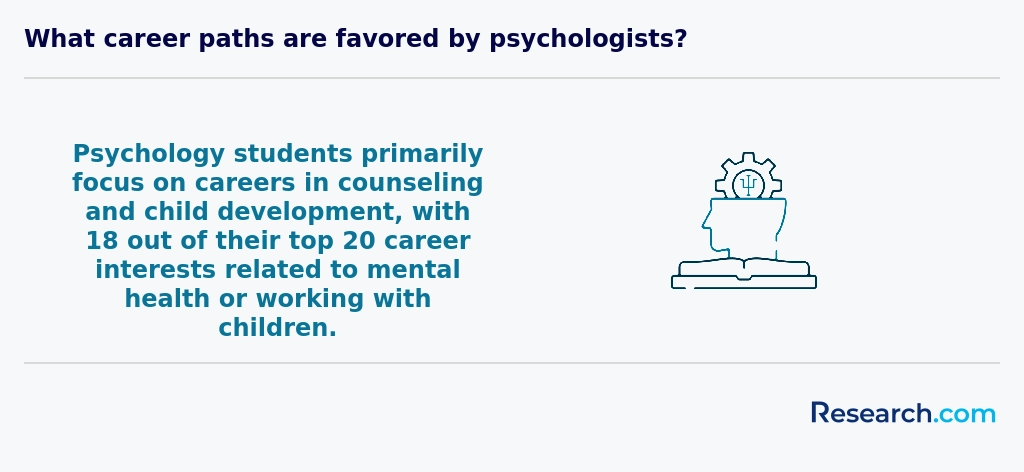
Graduates with a psychology degree in Amherst find themselves at an exciting crossroads with many career options that match their passions and skills. Many students from well-known Amherst colleges embrace roles as mental health counselors or community behavioral specialists, working directly to improve lives. Others glide into school psychologist positions, shaping educational experiences for children and teens. The vibrant local job market, including nearby Springfield and Northampton, invites psychology graduates to explore human resources or organizational behavior analyst roles, where understanding human dynamics sparks new workplace innovations.
For those chasing research adventures, Amherst's proximity to top academic centers opens doors to experimental psychology and cognitive science roles. Many alumni rejoice in internships and research assistant positions that deepen their expertise, proving that excitement for discovery thrives here. If you're curious about expanding your horizons, consider checking the Most Affordable Psychology Degree Programs Ranking in Nevada as a reference to compare opportunities. This wide range of jobs with psychology degree Amherst offers fuels the drive for meaningful, rewarding careers rooted in real human connections.
What is the job market for psychology degree in Amherst?
The job market for psychology degree holders in Amherst pulses with opportunity, especially for those eager to immerse themselves in diverse roles. Graduates from popular colleges like the University of Massachusetts Amherst find themselves stepping into vibrant hospitals, community mental health clinics, and bustling educational institutions offering counseling services. This rich landscape reflects the broader Massachusetts trend where demand for clinical and counseling psychologists remains robust, creating exciting paths for new professionals.
One Amherst psychology graduate described their transition from campus research labs to government agencies focusing on community health as an exhilarating journey, full of learning and growth. The Amherst psychology graduate employment outlook also embraces positions in human resources and behavioral research, highlighting the versatility of this degree. Their earnings often surpass national averages, with median salaries around $98,000 in Massachusetts.
For those balancing studies and life, Amherst's educational infrastructure encourages exploration of pathways like the best accelerated online degrees for working adults, making the pursuit of advanced credentials more feasible and rewarding.
Frequently Asked Questions About psychology
Psychology degree students in Amherst can maximize their learning experience by actively engaging with both academic and community resources. Amherst is home to reputable institutions like the University of Massachusetts Amherst, which offers extensive research opportunities in cognitive, clinical, and social psychology. Participating in research labs allows students to apply theory to practice, enhancing critical thinking and practical skills.
Internships at local mental health centers or schools further deepen understanding through real-world experience. Amherst's collaborative academic environment encourages networking with professors and peers, which can support career development.
Additionally, students benefit from attending psychology-related seminars and workshops frequently hosted on campus, staying updated on emerging trends and methodologies.
The field of psychology is constantly evolving, and several emerging niches are gaining attention within psychology programs in Amherst. One such area is neuropsychology, focusing on brain-behavior relationships, reflecting growing interest in brain health and neurological disorders. Another expanding niche is health psychology, which explores how psychological factors influence physical health and wellness.
Environmental psychology is also on the rise, studying how physical spaces impact mental well-being, important in urban planning and community health. Additionally, technology-driven specialties like cyberpsychology examine human behavior in digital spaces, responding to increasing online interactions.
According to recent regional education reports, Amherst's universities are adapting curricula to include these growing fields, aligning with national workforce trends that project a 14% growth in related psychology occupations by 2031 (U.S. Bureau of Labor Statistics).
Preparing for the job market after completing a psychology degree in Amherst involves several strategic steps. Start by engaging in internships or research assistant positions offered by local universities such as the University of Massachusetts Amherst, which has strong psychology programs and community connections. This practical experience is valued by employers and helps build professional networks.
Students should also consider joining psychology clubs or honor societies to enhance their resumes and participate in workshops focused on career skills. According to the U.S. Bureau of Labor Statistics, employment for psychologists is projected to grow 8% from 2022 to 2032, reflecting steady demand.
Obtaining certifications in specialized areas like behavioral analysis can improve job prospects. Additionally, attending career fairs in the Amherst area allows direct contact with potential employers in mental health, education, and human services sectors.
Employers in Amherst value psychology graduates who demonstrate strong critical thinking and analytical skills. These abilities allow graduates to assess research findings and apply theoretical knowledge effectively to real-world problems. Communication skills, both written and verbal, are also crucial, as psychology professionals must convey complex information clearly to clients and colleagues.
Data from the Bureau of Labor Statistics highlights that teamwork and interpersonal skills are essential for collaboration in clinical and research settings. Additionally, proficiency with data analysis software such as SPSS or R is increasingly important, reflecting the growing reliance on empirical data in psychology roles.
Ethical judgment and cultural competence are highly sought after, enabling graduates to work respectfully and responsibly within diverse populations, a key concern for employers in the Amherst area according to local job market surveys.
Finding internships in Amherst relevant to a psychology degree involves leveraging local educational institutions and community resources. Students should start by consulting their college's career services, as schools like the University of Massachusetts Amherst have established partnerships with nearby mental health clinics and research centers.
Amherst offers a variety of settings for psychology internships, including hospitals, nonprofit organizations, and school counseling programs. According to the National Association of Colleges and Employers, internships completed during a degree increase employment chances by 60%, highlighting their importance.
Additionally, students can explore listings on platforms such as Handshake and Indeed, filtering for Amherst-based psychology internships. Networking through faculty and attending local psychology-related events also often lead to opportunities.
A psychology degree in Amherst offers significant benefits for career mobility and advancement. Graduates often find opportunities in diverse fields such as healthcare, education, social services, and business due to the broad skill set developed during their studies. According to the U.S. Bureau of Labor Statistics, psychology-related occupations are expected to grow by 8% nationally through 2031, slightly above average.
In Amherst specifically, degrees from local institutions can provide a competitive edge given the area's strong focus on research and applied psychology. Networking and internships facilitated by these schools often lead to better job placements.
Moreover, advanced degrees in psychology correlate with higher salaries and leadership roles. For instance, clinical psychologists in Massachusetts earn a median annual wage of approximately $97,000, which is above the national average, supporting career growth prospects.
Studying for a psychology degree in Amherst equips students with a strong foundation in behavioral science, research methods, and statistical analysis. Amherst's programs emphasize interdisciplinary collaboration, integrating psychology with fields like biology, education, and social sciences. According to data from the American Psychological Association, graduates with interdisciplinary training are increasingly sought after in healthcare, marketing, and human resources.
Amherst institutions often provide opportunities for practical experience through internships and research projects that cross traditional academic boundaries. This prepares students to work effectively in teams that involve diverse expertise.
Overall, Amherst's psychology degrees foster skills essential for careers in mental health, policy-making, and organizational development, where interdisciplinary understanding is crucial.
When choosing between a thesis and a non-thesis psychology degree program in Amherst, consider your career goals first. Thesis programs typically involve original research and are ideal if you plan to pursue a PhD or research-oriented roles. Non-thesis options usually focus on coursework and practical training, suiting students aiming for applied psychology or professional practice.
In Amherst, graduate programs like those at UMass Amherst offer both paths. According to the UMass Graduate School, about 60% of psychology graduate students choose the thesis route, highlighting its popularity for academic careers. Costs and time commitment also differ; thesis programs often take longer due to research demands.
Assess your strengths in research and interest in conducting studies. If you prefer hands-on experience without extensive research, non-thesis programs can be efficient.
Students based in Amherst looking to study psychology abroad have several avenues to explore. Many institutions in Amherst, such as the University of Massachusetts Amherst, offer study abroad programs in partnership with universities worldwide, allowing psychology majors to take relevant courses overseas for credit. According to UMass Amherst's study abroad office, over 350 psychology students participate annually in such programs.
Additionally, students can seek independent exchange programs and summer research internships in countries known for psychology excellence, including the UK, Canada, and Australia. These options provide exposure to diverse psychological theories and practices not always available in the US curriculum.
Financial aid and scholarships specifically for psychology students studying abroad are also growing, making these opportunities more accessible.
Students pursuing psychology degrees in Amherst can benefit greatly from part-time jobs that offer practical experience. Positions such as research assistants at local institutions, including the University of Massachusetts Amherst, provide valuable exposure to psychological research methods. These roles often involve data collection, analysis, and supporting ongoing studies, which enrich academic learning.
Additionally, Amherst's numerous healthcare facilities and community centers offer opportunities as behavioral health aides or peer support counselors. These jobs allow students to develop interpersonal skills essential for clinical psychology careers. According to the U.S. Bureau of Labor Statistics, internships and work experience significantly improve employment prospects in psychology-related fields.
Psychology students in Amherst benefit from a variety of networking opportunities that enhance their academic and professional growth. Local colleges and universities often host psychology clubs and organizations, such as the Psi Chi honor society, which connect students with peers and faculty in the field. These groups organize events, guest lectures, and community projects that foster professional relationships.
The Amherst area also provides access to internships and research assistant positions in local mental health clinics and educational institutions. According to the Massachusetts Department of Higher Education, such practical experiences are vital for building professional networks.
Additionally, conferences and workshops frequently held in nearby Boston and Northampton offer students chances to meet psychologists and career mentors. These combined opportunities create a supportive environment for psychology students to develop valuable connections.
Alumni networks play a crucial role for psychology degree students in Amherst by providing valuable career connections and mentorship opportunities. Members of these networks often include graduates working in research, clinical practice, and education, who can offer guidance based on real-world experience.
These networks facilitate job placements and internships, with Amherst-based psychology alumni frequently collaborating with local hospitals and mental health centers. According to a 2023 survey by the National Association of Colleges and Employers, 72% of psychology students found employment through alumni referrals.
Furthermore, alumni events and online platforms enable current students to stay updated about the latest trends in psychology and expand professional skills beyond the classroom.
Customizing a psychology degree program in Amherst allows students to align their education with specific career goals. Many local institutions offer flexible curricula where students can choose electives that focus on clinical, cognitive, developmental, or social psychology. This flexibility helps tailor the degree to roles such as counseling, research, or human resources.
Internship opportunities with Amherst-area hospitals, schools, and research centers provide practical experience key to specialization. According to the National Center for Education Statistics, about 65% of psychology students in Massachusetts select programs that emphasize applied skills, enhancing job readiness.
Additionally, students can pursue dual degrees or minors in fields like neuroscience or education to broaden expertise and increase career options.
Psychology students in Amherst often face intense academic pressure due to the rigorous coursework and research expectations typical of US higher education. Balancing diverse subjects like statistics, neuroscience, and counseling theory can be overwhelming. Additionally, securing competitive internships and research placements is a common challenge, as local opportunities are limited and highly sought after.
Many students also report financial strain, with Amherst's average tuition costs exceeding $30,000 per year, according to College Board data. This often necessitates juggling part-time jobs alongside studies, impacting time management.
Finally, maintaining mental health amid stressful environments remains a concern, reflecting national trends highlighted by the American Psychological Association.
With a psychology degree in Amherst, you can pursue several professional certifications that enhance your career opportunities. One common path is becoming a Licensed Professional Counselor (LPC), which requires additional supervised experience and passing a state exam. Amherst is in Massachusetts, where the Board of Registration of Allied Mental Health and Human Services Professionals oversees these certifications.
Other certifications include Certified Addiction Counselor and Behavioral Analyst credentials, available after meeting education and training standards. National certifications from bodies like the American Psychological Association (APA) often complement state licensure.
These certifications can improve job prospects in clinical, counseling, or educational psychology roles throughout the region.
Writing a winning application for a psychology program in Amherst begins with clear demonstration of your academic readiness. Amherst-area psychology programs, such as those offered by UMass Amherst, typically require a minimum GPA of 3.0, but competitive applicants often exceed this benchmark. Strong letters of recommendation from professors or professionals familiar with your research or academic skills are essential.
Highlight any relevant research experience or internships clearly, as psychology programs value practical exposure. The personal statement should articulate your passion for psychology, specific interests within the field, and career goals. According to U.S. News & World Report, tailored personal essays improve acceptance chances.
Additionally, preparing for and submitting GRE scores, if required, with a focus on verbal and analytical writing sections, can strengthen your application. Finally, meet all Amherst school deadlines precisely to avoid disqualification.
Careers in psychology are increasingly valued worldwide, reflecting the growing awareness of mental health's importance. In the United States, including Amherst, psychology graduates benefit from diverse opportunities in clinical, counseling, and research roles. According to the U.S. Bureau of Labor Statistics, employment of psychologists is projected to grow 8% from 2022 to 2032, faster than the average for all occupations. Amherst offers several reputable psychology programs that align with this trend, preparing students for both national and global challenges in mental health. Moreover, international collaboration and research exchange programs enrich students' global understanding and career prospects.
Gaining practical experience while studying for a psychology degree in Amherst can greatly enhance your skills and employability. Many local institutions, including the University of Massachusetts Amherst, offer internship opportunities in clinical, counseling, and research settings. Students often engage in supervised practicums, which allow hands-on experience working with clients or conducting psychological research.
Additionally, Amherst houses several mental health clinics and community organizations that frequently seek student volunteers. Participating in these programs provides real-world exposure and networking possibilities. According to the UMass Amherst Psychology Department, nearly 70% of undergraduates complete internships or research projects before graduation.
Engaging with faculty-led research projects also provides valuable laboratory experience critical for those aiming at graduate studies or specialized careers.
Choosing the right concentration within a psychology degree program in Amherst involves understanding your career goals and interests. Psychology programs commonly offer concentrations such as clinical, developmental, cognitive, and social psychology. Each focuses on different aspects of human behavior and mental processes.
Students should explore course offerings and faculty expertise at institutions like the University of Massachusetts Amherst, which provides specialized tracks. Reviewing recent employment data from the Bureau of Labor Statistics reveals that clinical psychologists and counselors show strong job growth, guiding some students toward clinical concentrations.
Additionally, consider available internships and research opportunities in Amherst. Practical experience is crucial for graduate school admission or workforce readiness in psychology fields. Consulting academic advisors can also help align your concentration choice with long-term professional objectives.
Related Psychology Rankings for Nearby Cities
- 2027 Most Popular Psychology Degree Programs Ranking in Worcester
- 2027 Most Popular Psychology Degree Programs Ranking in Albany
- 2027 Most Popular Psychology Degree Programs Ranking in Boston
- 2027 Most Popular Psychology Degree Programs Ranking in Bronx
- 2027 Most Popular Psychology Degree Programs Ranking in Queens
- 2027 Most Popular Psychology Degree Programs Ranking in New York
- 2027 Most Popular Psychology Degree Programs Ranking in Rochester
- 2027 Most Popular Psychology Degree Programs Ranking in Buffalo
- 2027 Most Popular Psychology Degree Programs Ranking in Cleveland
- 2027 Most Popular Psychology Degree Programs Ranking in Detroit
Top Trending Psychology Rankings
See What Experts Have To Say About Studying Psychology
Read our interview with Psychology experts

Robin M. Kowalski. Ph.D.
Psychology Expert
Professor of Psychology
Clemson University

Catherine Caldwell-Harris, Ph.D.
Psychology Expert
Associate Professor of Psychology
Boston University

Joann Farrell Quinn, Ph.D., MBA
Psychology Expert
Director at the College of Medicine Department of Medical Education
Morsani College of Medicine

References
- Study Psychology Abroad https://astarfuture.co.uk/study_psychology_abroad.html
- Study Psychology Abroad | Go Overseas https://www.gooverseas.com/study-abroad/psychology
- Alumni Network - https://efpsa.org/alumni-network/
- Professional Networking For Psychologists | Psychology.org https://www.psychology.org/resources/professional-networking/
- How to help students cope with mental health challenges https://www.eaie.org/resource/help-students-cope-mental-health-challenges.html
- Society for the Teaching of Psychology https://teachpsych.org/page-1784686/8675326
- A Guide to Psychology Internships | Psychology Degree Guide https://psychologydegreeguide.org/resources/internships/
- Psychology Online Degree Pathway https://www.learndirect.com/course/psychology-online-degree
- Why Get a Psychology Degree Online? | University of Bridgeport https://www.bridgeport.edu/news/reasons-to-get-your-psychology-degree-online/
- Ontario Psychological Association - Networking and Community Resources https://www.psych.on.ca/become-a-member-(1)/member-services/networking-and-community-resources


