
2027 Most Popular Psychology Degree Programs Ranking in Florida

Co-Founder and Chief Data Scientist
Choosing the right psychology degree program is an exciting step toward a fulfilling career. If you're a student in Florida exploring your options, this article is here to guide you.
The 2027 Most Popular Psychology Degree Programs Ranking in Florida, created by the Research.com team of data scientists, offers clear insights on top programs. It's designed to help you make confident decisions about where to study.
Discover programs that match your goals and passions, and find encouragement in the rewarding paths a psychology degree can open for you.
Key benefits of getting psychology degree in Florida
- Salary: Graduates with a psychology degree in Florida often find roles such as Human Resources Specialist or Marketing Research Analyst, earning mean annual wages around $76,060 and $83,190 respectively, reflecting strong earning potential.
- Career paths: A psychology graduate from the University of Florida might pursue diverse roles including Clinical Research Associate or Survey Researcher, benefiting from a variety of fulfilling job opportunities in both clinical and business settings.
- Online degree benefits: Completing a psychology degree online through the University of Central Florida offers flexibility and convenience, allowing students to balance work and studies while gaining a respected credential that opens doors in Florida's job market.
- Key benefits of getting psychology degree in Florida
- What can I expect from psychology degree in Florida?
- Where can I work with psychology degree in Florida?
- How much can I make with psychology degree in Florida?
- 2027 Most Popular Psychology Degree Programs Ranking in Florida
- Key Findings
- How long does it take to complete psychology degree in Florida?
- Return on Investment: Evaluating Your Psychology Degree in Florida
- What's the difference between online and on-campus psychology degree?
- Accelerated Online Psychology Degree Programs: Enhancing Your Path to a Faster Career
- What is the average cost of psychology degree in Florida?
- Licensing and Certification Requirements for Psychology Graduates in Florida
- What financial aid is available to psychology degree students in Florida?
- Cost and Financial Aid Considerations for Psychology Students in Florida
- What are the prerequisites for enrolling in psychology degree program in Florida?
- Licensure and Certification Requirements for Psychology Graduates in Florida
- What courses are typically in psychology degree programs in Florida?
- What types of specializations are available in psychology degree programs in Florida?
- How do you choose the best psychology degree in Florida?
- What career paths are available for psychology degree students in Florida?
- What is the job market for psychology degree in Florida?
- Related Psychology Rankings for Nearby States
- Top Trending Psychology Rankings
- See What Experts Have To Say About Studying Psychology
What can I expect from psychology degree in Florida?
The average cost of earning a psychology degree in Florida varies depending on the institution and program level, but students often find the investment manageable considering the quality of education. For example, graduates from the University of Florida typically report tuition expenses ranging from $6,000 to $8,000 per year for in-state undergraduates, plus additional fees and living costs. At Florida State University, many students similarly note that total yearly costs stay within a comparable range, allowing them to focus on meaningful hands-on experiences like internships and research projects rather than financial burdens.
Graduate psychology programs generally carry higher tuition, with many students at Florida-based universities paying between $10,000 and $20,000 annually. Despite these costs, graduates emphasize the rewarding nature of their studies, highlighting how specialized tracks-such as clinical or counseling psychology-equip them with skills crucial for licensure and a successful career.
Positive feedback from alumni often centers on the access to extensive university resources and the vibrant academic community, which help justify the financial commitment and create a motivating environment for career-focused individuals.
Where can I work with psychology degree in Florida?
A psychology degree from institutions like the University of Florida or Florida State University opens varied career avenues across healthcare, education, and business. Graduates often find rewarding roles as licensed psychologists in clinical settings, including hospitals and private practices, after completing doctoral programs and obtaining state licensure. Many express satisfaction working directly with patients, helping to improve mental health outcomes in their communities.
Those holding bachelor's or master's degrees frequently work as mental health counselors, social workers, or behavioral health technicians. For example, graduates from the University of Miami have shared positive experiences supporting clients in rehabilitation centers and schools, making a real difference in people's lives. Florida's growing population ensures consistent demand for these professionals.
Educational settings also employ psychology graduates as school psychologists and counselors, essential for student well-being. Additionally, some graduates pursue academia or research roles at colleges and universities, contributing to advancing psychological science.
Moreover, many find stimulating careers in business sectors such as marketing or human resources, applying psychological principles to understand consumer behavior or improve workplace dynamics in urban hubs like Miami and Tampa.
How much can I make with psychology degree in Florida?
Graduates with a psychology degree in Florida often find promising salary prospects across various career paths. For example, those pursuing roles as Human Resources Specialists can expect a mean annual wage of approximately $76,060, reflecting solid earning potential shortly after graduation. Similarly, Marketing Research Analysts enjoy a higher average salary around $83,190, a figure appealing to many graduates from universities like the University of Florida or Florida State University.
Other common roles include Clinical Research Associates and Survey Researchers, both averaging about $62,370 per year, highlighting viable options for those interested in research-oriented careers. Childcare Workers with psychology backgrounds earn around $32,070 annually, which might suit graduates focusing on early childhood development.
Many graduates from popular Florida institutions experience satisfaction entering these fields, noting strong local demand and opportunities across cities such as Miami and Tampa. These roles not only offer competitive starting salaries but also allow for meaningful work in diverse environments, encouraging graduates to feel confident and optimistic about their career paths within the state.
2027 Most Popular Psychology Degree Programs Ranking in Florida
How do we rank schools?
Investing in your education is a significant decision that can significantly impact your career and personal growth, and the Research.com team recognizes the importance of making well-informed choices. To support prospective students in Florida, we have carefully developed the "2027 Most Popular Psychology Degree Programs Ranking in Florida." Our dedication to quality, credibility, and accuracy is demonstrated through the thorough research and data analysis undertaken to create this ranking.
We utilized the following reputable data sources to ensure a comprehensive evaluation of psychology programs:
By reviewing this ranking, readers will gain valuable insights into the most sought-after psychology degree programs in Florida, empowering them to make informed decisions that align with their educational and professional goals. For more information on how this ranking was created, please visit our Research.com methodology page.


Key Findings
- Florida offers psychology degrees at bachelor's, master's, and doctoral levels through accredited institutions with public universities charging about $6,500 annually for in-state undergraduates and private schools up to $25,000 per year.
- The average yearly salary for psychologists in Florida is around $81,000, while entry-level positions with a bachelor's degree start near $45,000.
- Job opportunities are growing faster than the national average, especially in metropolitan areas like Miami, Tampa, and Orlando, with roles in clinical, counseling, and school settings.
- A doctoral degree is required for independent licensure as a psychologist in Florida, while bachelor's and master's levels often lead to support roles or related fields.
- Graduate programs emphasize supervised internships, important for licensure, and many programs prepare students for the Examination for Professional Practice in Psychology (EPPP).
- Financial aid, scholarships, and internship options are broadly available to help manage education costs in Florida's psychology programs.
How long does it take to complete psychology degree in Florida?
Completing a psychology degree in Florida generally aligns with typical US timelines but offers some local variations. A Bachelor of Arts or Science in Psychology usually spans about four years of full-time study. Graduates from institutions like the University of Florida or Florida State University often share how balancing foundational courses with electives enriches their academic journey while fitting neatly within this timeframe. Some students find part-time study or accelerated tracks offer flexibility, enabling them to finish sooner or extend their learning experience as needed.
For those advancing to graduate studies, a master's degree typically requires an additional two years. Programs at the University of Central Florida exemplify this pace, where students engage deeply in specialized coursework and practical experiences. Doctoral programs, such as PhD or PsyD options in Florida, take significantly longer-between four to seven years-due to rigorous research, clinical training, and supervised hours mandated by the Florida Board of Psychology. Many doctoral candidates find the immersive, hands-on nature of these programs rewarding, despite the extended commitment.
Return on Investment: Evaluating Your Psychology Degree in Florida
When choosing a psychology program, understanding the return on investment (ROI) is essential to ensure that tuition costs align with your long-term earnings and career goals. In Florida, the average in-state tuition for a bachelor’s in psychology is approximately $23,158 per year, while out-of-state and private institutions can reach upwards of $33,467 annually. Considering a mean starting salary of $49,340, graduates typically recoup their investment within 4–6 years of full-time employment, depending on specialization and employment sector. To maximize ROI, analyze both direct and indirect costs: tuition, fees, textbooks, and opportunity costs, such as income forgone while studying. Graduates who pursue clinical or industrial-organizational psychology often see higher median salaries-up to $73,080 for Human Resources Specialists-accelerating payback periods. Conversely, entry-level roles like childcare workers average $29,570, extending ROI timelines but offering valuable experience and professional growth opportunities. Selective financial planning and program choice can further enhance value. Explore federal aid, state-sponsored grants, and competitive scholarships to reduce upfront costs. Consider part-time or online formats to maintain income streams during study. For those open to alternative locations or transfer pathways, compare budget-friendly rankings such as the Inexpensive Psychology Degree Programs Ranking in Wichita, KS to identify programs with lower tuition and strong outcomes, then transfer credits or pursue accelerated pathways to complete your Florida degree with minimized debt.
What's the difference between online and on-campus psychology degree?
Online and on-campus psychology degrees in Florida differ primarily in learning environment and interaction. Graduates from University of Florida's on-campus program often recall the value of in-person discussions and hands-on lab work, which foster immediate feedback and deeper connections with professors and peers. These experiences enhance practical skills through supervised clinical internships and group projects, enriching their academic journey.
In contrast, graduates from Florida International University's online program highlight flexibility as a key benefit, allowing them to balance studies with professional or family commitments. The online format employs video lectures, virtual labs, and discussion boards, offering a comparable curriculum but requiring greater self-motivation and time management. Access to digital libraries and remote counseling replaces on-site campus resources.
Tuition costs for both formats in Florida are often similar, with public universities charging between $6,000 and $15,000 annually for in-state students. However, networking and clinical placement coordination may be more straightforward on campus, impacting career opportunities and confidence during practicum experiences.
Accelerated Online Psychology Degree Programs: Enhancing Your Path to a Faster Career
With the increasing demand for flexible learning options, many prospective students are considering accelerated online psychology degree programs as a strategic way to advance their careers without sacrificing quality education. These programs are designed to compress coursework into a shorter timeframe, enabling students to acquire the necessary knowledge and skills at a faster pace while balancing personal and professional responsibilities. By leveraging innovative online platforms, accelerated programs often incorporate interactive virtual labs, real-time discussions with faculty, and flexible scheduling that caters to working professionals. Students opting for these accelerated paths benefit from streamlined curricula that focus on essential competencies, practical application, and research-based methodologies. This approach not only helps in reducing the time to graduation but also prepares students for competitive roles in various psychology-related fields. For those interested in exploring more options, our ranking of the best online accelerated psychology degree programs provides a curated list of programs that maintain rigorous academic standards while offering the convenience of online learning. Accelerated online programs are particularly appealing to individuals seeking immediate entry or advancement in careers such as clinical psychology, human resources, counseling, and organizational development. The merging of efficiency with quality education ensures that graduates are well-equipped to meet the dynamic challenges of today’s job market in psychology.
What is the average cost of psychology degree in Florida?
The average cost of a psychology degree in Florida reflects a wide range influenced by whether students attend public or private institutions and their residency status. According to recent median data, the typical total cost for completing a psychology degree sits around $41,689. In-state students benefit from significantly lower expenses, with a median total cost near $17,368, making public universities like the University of Florida or Florida State University popular choices for affordable education. Graduates from these institutions often share positive experiences of balancing manageable tuition with strong academic programs and research opportunities.
Private universities such as the University of Miami or Rollins College generally have higher tuition fees with out-of-pocket costs frequently approaching the median total cost near $41,689. Despite the expense, many psychology students value the smaller class sizes and specialized mentoring these schools provide during their studies, enriching their educational journey. Those seeking graduate-level training, for example in clinical or counseling psychology, should anticipate tuition exceeding undergraduate levels, especially at doctoral programs.
Beyond tuition, students must consider living expenses and additional fees that collectively influence the overall financial commitment to earning a psychology degree in Florida. Careful planning and exploring financial aid resources can ease these burdens. Prospective Florida students who want to find the cheapest psychology school in Florida will find options ranging widely, underscoring the importance of thorough research when evaluating Florida psychology degree tuition and fees.

Licensing and Certification Requirements for Psychology Graduates in Florida
Obtaining a psychology degree in Florida is just the first step toward a rewarding career; graduates must also navigate state licensure to practice legally. To become a licensed psychologist in Florida, candidates typically follow these key steps: 1. Earn an Accredited Doctoral or Master’s Degree – Complete a doctoral degree (Ph.D. or Psy.D.) from a program accredited by the American Psychological Association (APA) or a regionally accredited institution with equivalent standards. – For school psychologists, a specialist degree (Ed.S.) or master’s plus post-master’s requirements may suffice. 2. Supervised Professional Experience – Accumulate a minimum of 4,000 hours of supervised experience, including at least 2,000 hours post-doctoral under a Florida-licensed psychologist. – Maintain detailed logbooks of practicum and internship hours to submit with your licensure application. 3. Pass the Examination for Professional Practice in Psychology (EPPP) – Register with the Association of State and Provincial Psychology Boards (ASPPB) to take the EPPP, covering domains like assessment, intervention, and ethics. – Achieve a passing score as defined by the Florida Board of Psychology (typically around 500 on the EPPP scale). 4. Florida Laws and Rules Examination – Complete the Florida-specific jurisprudence exam, testing knowledge of the Florida Statutes Chapter 490 and Board Rules Chapter 64B19. 5. Submit Application and Background Check – File an application with the Florida Department of Health, including official transcripts, verification of supervision, EPPP scores, and a fingerprint-based background check. 6. Maintain Continuing Education – Renew your license biennially by completing at least 30 hours of continuing education, including courses on ethics and Florida law. Navigating these requirements ensures you meet Florida’s high standards for competence and public safety. For those evaluating program costs alongside licensure readiness, you may also want to explore Inexpensive Psychology Degree Programs Ranking in Wichita, KS to compare tuition benchmarks.
What financial aid is available to psychology degree students in Florida?
Psychology students in Florida benefit from multiple financial aid options essential for managing tuition costs at institutions like the University of Florida or Florida State University. Graduates often recall how applying for the FAFSA unlocked access to federal programs such as the Pell Grant, which provides up to $7,395 annually to eligible low-income undergraduates without the burden of repayment. This initial step is crucial for many to alleviate financial stress early in their academic journey.
State-specific aid also plays a pivotal role. The Florida Bright Futures Scholarship, widely accessed by students at the University of Miami and other public universities, rewards academic excellence during high school, significantly reducing tuition expenses. Additionally, departmental scholarships targeted at psychology majors frequently support students demonstrating research commitment or mental health career aspirations, often easing financial pressures through several thousand dollars in awards.
Private scholarships from organizations like the American Psychological Association further empower aspiring psychologists in Florida. Graduates share how these funds, complemented by federal and state loan programs with manageable repayment options, foster confidence and focus on their studies rather than financial burdens.
Cost and Financial Aid Considerations for Psychology Students in Florida
When considering a psychology degree in Florida, one crucial factor to think about is the cost and how to finance your education. The cost of attending a psychology program in Florida can vary significantly depending on whether you choose an in-state public university, an out-of-state public university, or a private college. For instance, in-state students attending public colleges can expect to pay around $7,070 per year for a General Psychology major, making it a more affordable option. On the other hand, out-of-state students looking to enroll in private colleges can expect to pay an average of $32,954 annually, which can be a substantial investment. Understanding these costs is essential for planning your educational journey. If you're looking for an affordable option, you might want to check out the cheapest psychology school in Florida to find a program that fits your budget. Additionally, exploring financial aid options such as scholarships, grants, and assistantships can significantly reduce the financial burden, allowing you to focus on your studies and future career in psychology.
What are the prerequisites for enrolling in psychology degree program in Florida?
To enroll in psychology degree programs in Florida, students must meet clear academic and administrative prerequisites. Undergraduate applicants typically need a high school diploma or GED with a competitive GPA, often between 2.5 and 3.0, though some renowned Florida universities expect higher. Graduates of these programs frequently recall the relief of meeting these criteria after rigorous preparation, feeling motivated to pursue their passion for psychology.
Standardized test scores like the SAT or ACT remain a factor at many institutions, although an increasing number of Florida colleges are test-optional, which benefits many applicants who excel beyond traditional exams. For instance, graduates from popular state universities often highlight how foundational coursework in biology and social sciences helped them confidently engage with the challenging psychology curriculum.
Graduate applicants face stricter expectations: a bachelor's degree, substantial psychology coursework, and typically GRE scores-although some programs now waive this. Many graduates affirm that research internships and compelling letters of recommendation proved decisive in their acceptance at top Florida graduate schools, highlighting the importance of practical experience paired with academic achievement.
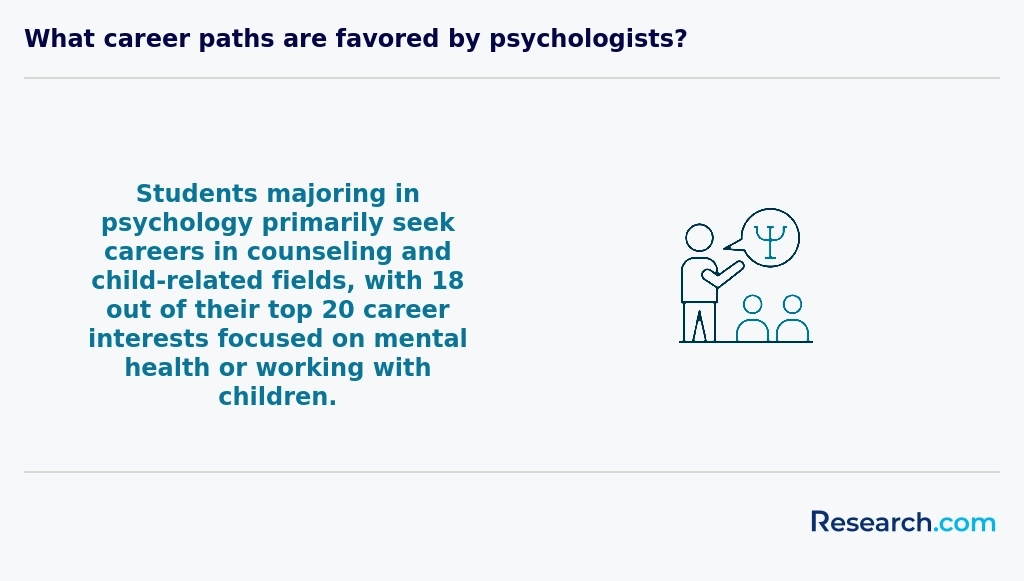
Licensure and Certification Requirements for Psychology Graduates in Florida
Before beginning professional practice, psychology graduates in Florida must meet specific licensure and certification requirements to ensure compliance with state regulations and uphold the highest standards of care. First, candidates must earn a regionally accredited doctoral degree in psychology or its equivalent; for those seeking a shorter path, many students consider enrolling in affordable master psychology programs online before advancing to terminal degrees. Next, applicants must complete a minimum of 4,000 hours of supervised postdoctoral experience, with at least 2,000 hours accrued after earning the doctoral degree, under the supervision of a licensed psychologist approved by the Florida Board of Psychology. Following supervised practice, candidates must pass the Examination for Professional Practice in Psychology (EPPP), administered by the Association of State and Provincial Psychology Boards (ASPPB). The EPPP tests knowledge across core domains-biological bases of behavior, cognitive-affective bases, and ethical/legal/professional issues-ensuring readiness for clinical and research roles. Additionally, Florida requires successful completion of the Florida Laws and Rules Examination, which evaluates understanding of state-specific statutes governing confidentiality, professional conduct, and disciplinary procedures. Upon passing both exams and verifying supervised hours, applicants submit a licensure application to the Florida Department of Health, including official transcripts, verification of supervised experience, and background screening. Once approved, licensed psychologists must pursue 40 hours of continuing education every two years-20 hours in general psychology and 3 hours in ethics-to maintain active status. Specialty certifications, such as Board Certification in Clinical Neuropsychology or Health Service Psychology, are available through the American Board of Professional Psychology (ABPP) for those seeking advanced credentials and enhanced career prospects in Florida’s competitive psychology landscape.
What courses are typically in psychology degree programs in Florida?
Psychology degree programs in Florida commonly feature core courses that provide a comprehensive understanding of human behavior and mental processes. Graduates from universities such as the University of Florida often highlight developmental psychology classes where they studied human growth from infancy through adulthood, gaining essential insights applicable to real-life interactions and counseling scenarios.
Students regularly engage with subjects like cognitive psychology and abnormal psychology, which delve into how people think, learn, and cope with mental health challenges. For example, a graduate from Florida State University recalled applying knowledge from abnormal psychology courses during an internship at a community mental health center, finding the experience both enlightening and rewarding.
Furthermore, foundational courses in statistics and research methods are integral, teaching future psychologists how to design studies and analyze data effectively. Social psychology classes are particularly valued in Florida's diverse communities, helping students understand group dynamics and cultural influences. Electives and practical components such as lab work and internships enrich the curriculum, offering hands-on experience that bolsters confidence and career readiness across popular Florida institutions.
What types of specializations are available in psychology degree programs in Florida?
Psychology degree specializations in Florida are designed to prepare students for diverse professional roles, with common concentrations including Clinical Psychology, Counseling Psychology, School Psychology, Industrial-Organizational Psychology, and Forensic Psychology. For instance, graduates from popular universities in the state often share how their Clinical Psychology specialization involved rigorous training and extensive supervised experience, directly aligning with Florida's licensing requirements. Those focusing on Counseling Psychology find great fulfillment helping individuals navigate emotional and social challenges, often qualifying them for the Licensed Mental Health Counselor credential recognized statewide.
Students pursuing School Psychology at Florida colleges appreciate the chance to work closely with educational systems, supporting student mental health and learning needs. Meanwhile, Industrial-Organizational Psychology attracts those eager to influence workplace behavior and enhance corporate environments across Florida's dynamic economy. Forensic Psychology offers a unique blend of legal and psychological expertise, appealing to graduates interested in working with the criminal justice system. Such Florida psychology program concentration options are key for tailoring education to career goals, as reflected in the success stories and satisfaction expressed by recent alumni.
Many students explore additional niches like health psychology or neuropsychology to suit Florida's demographic trends. Interested individuals can consult the ranking of the best online accelerated psychology degree programs for flexible study alternatives.
How do you choose the best psychology degree in Florida?
Choosing the best psychology degree programs in Florida involves evaluating degree levels and institutional strengths. Graduates from the University of Florida and Florida State University often highlight the value of accredited doctoral programs that meet Florida Board of Psychology licensure requirements, facilitating a smooth transition into professional practice. For those aiming to enter counseling or social services, bachelor's degrees from these institutions provide solid foundational knowledge paired with practical experiences through internships and research opportunities.
Cost considerations are equally important. Many students seeking affordable psychology degrees Florida 2027 find that public universities offer quality programs with tuition significantly lower than private options. With rising demand for flexible learning, students appreciate programs that support part-time or online study, as evidenced by positive feedback from graduates balancing work and education. Those interested in advanced training may explore master psychology programs online to continue their education without relocating.
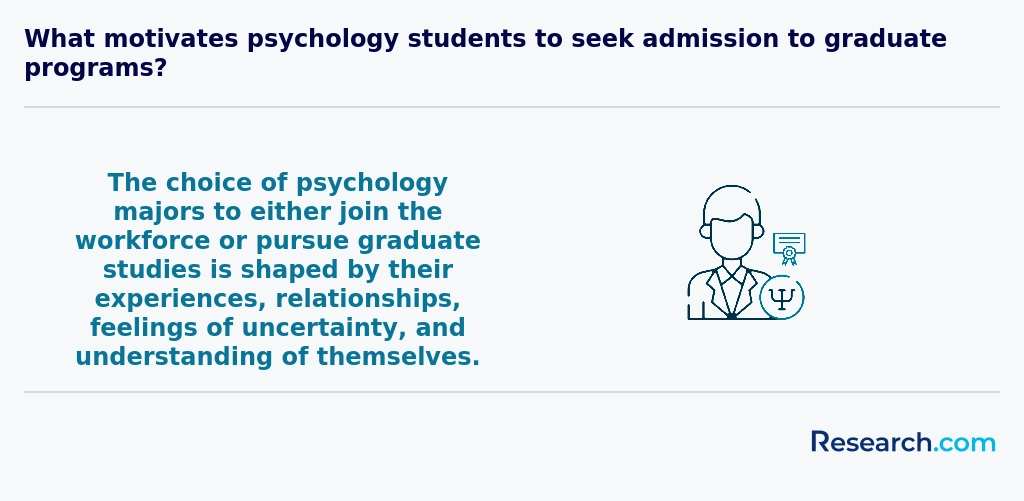
What career paths are available for psychology degree students in Florida?
Graduates from psychology programs in Florida find diverse opportunities across clinical, educational, business, and research settings. Many aspiring licensed psychologists in the state pursue doctoral degrees from institutions such as the University of Florida or Florida State University, advancing toward licensure through the Florida Board of Psychology. These professionals work in hospitals, private practices, and schools, enjoying rewarding careers that meet the growing mental health needs of Florida's communities. This makes psychology career opportunities in Florida especially promising for those seeking meaningful work in mental health.
For those holding bachelor's or master's degrees, roles like behavioral health technicians or human resources specialists are common, offering hands-on experience in healthcare and organizational environments. Graduates from colleges like the University of Central Florida often share enthusiasm for applying their skills in expanding sectors such as social services and business hubs in Miami or Tampa. Florida psychology degree job prospects also include industrial-organizational psychology, where graduates enhance workplace productivity and employee well-being.
Research positions in renowned Florida universities provide additional career paths, enabling psychology graduates to engage in cutting-edge studies in neuroscience and social behavior. Many find these roles a valuable stepping stone to advanced degrees, fueling their passion for academic growth. For more affordable degree options, students often consult rankings like the Inexpensive Psychology Degree Programs Ranking in Wichita, KS to plan their educational journey prudently.
What is the job market for psychology degree in Florida?
The job market for psychology degree holders in Florida presents diverse opportunities across healthcare, education, and business sectors. Graduates from well-known universities in Florida often find rewarding roles as licensed clinical psychologists or school psychologists, reflecting the steady growth of mental health services statewide. This positive trend aligns with wider Florida psychology career outlook 2027, which predicts about 6% growth in psychologist employment from 2022 to 2032. Many graduates share that the ability to directly impact community well-being, whether through hospital work in Miami or school counseling positions in Tampa, enriches their professional fulfillment.
Entry-level roles often attract those holding bachelor's degrees, offering positions such as research assistants or behavioral health technicians. However, advancing in clinical or counseling roles generally requires master's or doctoral qualifications and licensure. Florida's public universities are particularly popular for such studies due to affordable tuition, encouraging students to pursue opportunities locally without excessive debt. Those seeking accelerated paths might explore 1 year masters degrees, accelerating entry into the competitive field.
Overall, the psychology degree job opportunities Florida offers are strengthened by a growing healthcare market and a statewide demand for mental health professionals. Graduates appreciate that salaries around $90,000 reflect a balance between rewarding compensation and manageable living costs, especially in urban centers where demand is highest.
Frequently Asked Questions About psychology
Psychology degree students in Florida can maximize their learning experience by actively engaging in both academic and practical opportunities. Florida has over 50 institutions offering accredited psychology programs, providing a range of specializations from clinical to industrial-organizational psychology.
Students should seek internships and research assistant positions, as hands-on experience is crucial. According to the Florida Department of Education, many programs encourage partnerships with local mental health clinics and research centers, which enhances real-world skills.
Joining professional organizations like the Florida Psychological Association can also expand networking and learning opportunities. Furthermore, utilizing resources such as academic advising and tutoring helps maintain strong academic performance, a key factor since Florida's licensing board requires specific coursework and supervised experience for psychologists.
The field of psychology in Florida is evolving rapidly, with several emerging niches gaining significant attention. One notable area is neuropsychology, which studies how brain injuries and neurological conditions affect behavior and cognition. Florida's aging population drives demand for specialists in this niche, as highlighted by the Florida Board of Psychology.
Another growing focus is health psychology, addressing how mental health impacts physical well-being. Practitioners often work in hospitals or community health settings.
Forensic psychology also sees expansion, supporting the legal system by assessing defendants or assisting criminal investigations. The Florida Department of Law Enforcement recognizes its importance in public safety.
Finally, industrial-organizational psychology is rising, helping Florida's businesses improve worker productivity and satisfaction.
After completing a psychology degree in Florida, preparing for the job market requires strategic steps. Graduates should pursue relevant internships or volunteer positions, which Florida's diverse healthcare and community services sectors often offer. Gaining practical experience enhances employability and builds professional networks.
Obtaining licensure is crucial for clinical or counseling roles. In Florida, this involves meeting the requirements of the Florida Board of Psychology, including supervised hours and passing the Examination for Professional Practice in Psychology (EPPP).
Continuing education through certifications or advanced degrees can also improve job prospects. According to the U.S. Bureau of Labor Statistics, Florida's psychology-related jobs are expected to grow 14% between 2021 and 2031, signaling increasing opportunities.
Job seekers should utilize university career services and state job boards to identify openings specific to psychology fields.
Employers in Florida highly value psychology degree graduates who demonstrate strong communication skills, both written and verbal. The ability to clearly explain psychological concepts and research findings is crucial in clinical, counseling, and organizational settings. According to the Florida Department of Economic Opportunity, interpersonal skills are equally important for effective client interaction and teamwork.
Additionally, critical thinking and data analysis skills remain in demand. Graduates often use statistical methods and research design knowledge to interpret psychological data accurately. Proficiency in software like SPSS or R can enhance job prospects.
Florida employers also seek ethical awareness and cultural competence, reflecting the state's diverse population. Understanding ethical guidelines and being sensitive to different cultural backgrounds are essential in many psychology-related roles.
Finding internships in Florida for psychology students involves leveraging university resources and local professional networks. Most accredited psychology programs in Florida, such as those at the University of Florida and Florida State University, offer internship placement assistance through their career services or psychology departments. These internships commonly occur in hospitals, mental health clinics, schools, and research centers.
Students can also explore opportunities through the Florida Psychological Association (FPA), which connects students with licensed psychologists offering supervised internships. According to the Bureau of Labor Statistics, Florida is among the top states for psychology job growth, highlighting increasing internship availability.
Applying early and maintaining a strong academic record improves placement success. Additionally, websites like Handshake and internships.com frequently list psychology internships specifically in Florida.
A psychology degree in Florida can significantly enhance career mobility and advancement opportunities. Florida's growing healthcare and social services sectors demand skilled professionals with psychology backgrounds, facilitating job growth. According to the U.S. Bureau of Labor Statistics, Florida's employment for clinical, counseling, and school psychologists is projected to grow 14% from 2022 to 2032, faster than the national average.
Graduates with psychology degrees often advance to specialized roles, including mental health counseling, human resources, and research. Licensing requirements in Florida, such as obtaining a psychologist license through the Florida Board of Psychology, also create clear pathways for professional development.
The degree's versatility allows career shifts across education, healthcare, and business, enhancing mobility in Florida's diverse economy.
Studying for a psychology degree in Florida equips students with skills relevant to interdisciplinary roles by emphasizing collaboration across diverse fields like healthcare, education, and business. Many Florida universities integrate coursework in biology, sociology, and statistics, fostering a comprehensive understanding of human behavior within broader social systems.
According to the Florida Department of Education, psychology programs often include practical experiences that connect theory to real-world settings, enhancing communication and problem-solving skills critical for teamwork. Furthermore, Florida's growing healthcare sector, which employs over 100,000 mental health professionals, supports interdisciplinary opportunities for psychology graduates.
This varied training prepares students to work effectively alongside professionals in medicine, social services, and technology-driven environments.
When choosing between a thesis and a non-thesis psychology degree program in Florida, consider your career goals first. Thesis programs typically require original research and are ideal if you aim to pursue doctoral studies or research careers. Non-thesis tracks usually focus more on coursework and applied knowledge, suitable for those seeking professional practice or immediate employment.
Florida's universities, such as the University of Florida and Florida State University, offer both options. According to the National Center for Education Statistics, nearly 40% of psychology graduates in Florida choose thesis tracks, reflecting strong research emphasis statewide.
Also, thesis programs often demand more time and commitment, averaging six months to a year for the research project. Non-thesis programs may allow faster completion but less research experience.
Students based in Florida who wish to study psychology abroad have several pathways to consider. Many Florida universities, including the University of Florida and Florida State University, offer exchange programs with international institutions. These programs allow students to earn credits that transfer back to their Florida degree, ensuring smooth progress toward graduation.
The Institute of International Education reports that about 1.5% of all U.S. study abroad participants engage in psychology or social science fields. Florida students can benefit from this trend by selecting partner universities known for strong psychology departments, such as those in the UK, Canada, or Australia.
Some programs also include clinical or research internships abroad, enhancing practical experience valuable in psychology careers. Florida's education system emphasizes ensuring credits meet American Psychological Association standards, maintaining program quality for abroad studies.
Part-time job opportunities in Florida that complement psychology degree education offer valuable hands-on experience. Many students find roles as behavioral health technicians or mental health aides in local clinics and hospitals. These positions involve assisting licensed professionals in patient care and can deepen understanding of psychological practices.
Florida's growing healthcare sector supports opportunities in rehabilitation centers or community mental health facilities. According to the Florida Department of Economic Opportunity, psychology-related roles in healthcare expect above-average growth rates, reflecting demand for trained personnel.
Additionally, research assistant positions at universities such as the University of Florida or Florida State University give students exposure to experimental methods and data analysis.
Some students also work as case managers or social service assistants, gaining practical skills in client interaction and support processes.
Psychology students in Florida benefit from various networking opportunities that support their academic and professional growth. Universities like the University of Florida and Florida State University have active psychology clubs and honor societies such as Psi Chi, which connect students with peers and faculty. These groups often host guest lectures and career fairs tailored to psychology fields.
Students can also attend events organized by the Florida Psychological Association, which offers conferences and workshops that foster networking with licensed professionals statewide. Internship programs in hospitals and community centers provide practical experience and valuable industry contacts. According to the Bureau of Labor Statistics, Florida's growing healthcare sector increases opportunities for psychology students to build professional relationships during their studies.
Alumni networks play a vital role for psychology degree students in Florida by offering support that extends beyond the classroom. These networks connect current students with graduates working in various psychology fields across the state, such as clinical, counseling, and educational psychology. Through organized events and online platforms, alumni provide mentorship, career advice, and internship opportunities.
According to the Florida Psychology Association, programs with active alumni networks report higher student employment rates within six months of graduation. Networking also helps students learn about regional job markets and licensure requirements specific to Florida, important for entering the state's competitive workforce.
Strong alumni connections facilitate professional growth by sharing insights on emerging psychology trends and continuing education options available within Florida universities.
Customizing a psychology degree in Florida allows students to align their education with specific career goals. Many Florida universities offer specialized tracks within their psychology programs, such as clinical, counseling, industrial-organizational, or forensic psychology. Students can select elective courses that focus on their desired field, gaining relevant skills and knowledge.
Internships and practicum experiences are common, providing practical exposure in diverse settings like hospitals, schools, or businesses. This hands-on training enhances employability. According to the Florida Department of Education, institutions like the University of Florida and Florida State University provide flexible curricula accommodating varied career pathways.
Additionally, students often have options to engage in research projects, contributing to academic growth and specialized expertise.
Psychology students in Florida often face a range of challenges throughout their academic journey. One common difficulty is managing the demanding coursework combined with practical training requirements, such as internships or field placements. These experiences are crucial but can be time-consuming and competitive due to limited local placements. According to the Florida Board of Psychology, this practical training is essential for licensure but often requires balancing with academic deadlines.
Another challenge involves financial pressures. Tuition and living expenses in Florida's public and private universities can be significant, and financial aid options may not fully cover all costs.
Students also navigate evolving licensure regulations, as Florida requires specific coursework and supervised hours that can vary by institution. Staying updated with these requirements is essential for timely graduation and professional certification.
With a psychology degree in Florida, graduates can pursue several professional certifications to enhance their careers. One common certification is the Licensed Mental Health Counselor (LMHC), which requires a master's degree in psychology or a related field, completion of supervised clinical hours, and passing a state exam. Florida also offers licensure as a Licensed Psychologist, which involves earning a doctoral degree, completing supervised experience, and passing the Examination for Professional Practice in Psychology (EPPP).
Other certifications include Certified Alcohol and Drug Counselor (CADC) and Board Certified Behavior Analyst (BCBA). These credentials expand opportunities in counseling, therapy, and behavioral analysis.
According to the Florida Department of Health, the demand for licensed behavioral health professionals is growing steadily, with employment expected to increase by over 20% through 2030. Earning these certifications can significantly improve job prospects and salary potential within the state.
To write a winning application for a psychology program in Florida, start by thoroughly researching the program's requirements and values. Florida's universities, like the University of Florida and Florida State University, often emphasize a strong academic record and relevant experience.
Highlight your GPA, ideally above 3.5, and emphasize any psychology-related coursework or research. According to the Florida Board of Governors, programs seek applicants demonstrating critical thinking and ethical understanding.
Include a clear, focused personal statement explaining your goals and motivation for studying psychology in Florida. Also, get strong letters of recommendation from professors or professionals familiar with your skills.
Finally, prepare for any required tests like the GRE, ensuring scores meet or exceed the average for admitted students, typically around the 50th percentile or higher.
Psychology careers have a growing global importance, especially when viewed through the lens of U.S. higher education standards. In Florida, psychology degrees follow guidelines aligned with the American Psychological Association (APA), ensuring graduates meet rigorous academic and professional criteria recognized worldwide. This connection helps Florida-trained psychologists engage with international research and practice.
Globally, demand for mental health professionals is rising. In the U.S., including Florida, the Bureau of Labor Statistics projects a 8% growth in psychologist jobs from 2022 to 2032, reflecting an expanding field. Florida's diverse population also offers unique opportunities for culturally competent practice, vital in a globalized workforce.
Florida universities often emphasize research and clinical training, promoting skills valued internationally. Students trained in Florida can expect to find opportunities not only statewide but also abroad, thanks to shared educational standards and licensing reciprocity in many countries.
Gaining practical experience while studying for a psychology degree in Florida is essential for building skills and improving job prospects. Many Florida universities offer internship programs that connect students with local hospitals, mental health clinics, and community organizations. These internships provide valuable hands-on exposure to clinical settings and research environments.
Additionally, students can participate in faculty-led research projects, where they assist with data collection and analysis. According to the Florida Department of Education, over 70% of psychology programs in the state encourage practical training through supervised fieldwork.
Volunteer opportunities also allow students to work with diverse populations, enhancing their understanding of psychological principles in real-life contexts.
Choosing the right concentration within a psychology degree program in Florida begins with understanding your career goals and interests. Popular concentrations include clinical psychology, counseling, industrial-organizational psychology, and school psychology. Each focuses on different settings, such as healthcare, business, or education.
Consider the demand in Florida's job market: data from the U.S. Bureau of Labor Statistics shows clinical and counseling psychologists earn median salaries around $79,000 annually and have steady job growth. School psychology is also in demand due to Florida's growing student population.
Research program accreditation and internship opportunities, especially those aligned with your chosen concentration. Florida programs accredited by the American Psychological Association offer rigorous training and licensure preparation.
Related Psychology Rankings for Nearby States
- 2027 Most Popular Psychology Degree Programs Ranking in Georgia
- 2027 Most Popular Psychology Degree Programs Ranking in Alabama
- 2027 Most Popular Psychology Degree Programs Ranking in Mississippi
- 2027 Most Popular Psychology Degree Programs Ranking in North Carolina
- 2027 Most Popular Psychology Degree Programs Ranking in Louisiana
- 2027 Most Popular Psychology Degree Programs Ranking in Arkansas
- 2027 Most Popular Psychology Degree Programs Ranking in Maryland
- 2027 Most Popular Psychology Degree Programs Ranking in Delaware
- 2027 Most Popular Psychology Degree Programs Ranking in Oklahoma
- 2027 Most Popular Psychology Degree Programs Ranking in Iowa
Top Trending Psychology Rankings
See What Experts Have To Say About Studying Psychology
Read our interview with Psychology experts

Elizabeth L. Jeglic Ph.D.
Psychology Expert
Professor of Psychology
City University of New York

Robin M. Kowalski. Ph.D.
Psychology Expert
Professor of Psychology
Clemson University

Catherine Caldwell-Harris, Ph.D.
Psychology Expert
Associate Professor of Psychology
Boston University

References
- Have You Found a Niche? https://www.apaservices.org/practice/business/marketing/building/niche
- Know more about thesis vs non- thesis: what is the difference? https://studyfans.com/en/blogs/816
- Why Get a Psychology Degree Online? | University of Bridgeport https://www.bridgeport.edu/news/reasons-to-get-your-psychology-degree-online/
- Best Types Of Online Psychology Degrees 2025 https://www.psychology.org/degrees/
- What Can You Do with a Psychology Degree? Explore Career Paths | USAHS https://www.usa.edu/blog/what-can-you-do-with-a-psychology-major/
- Alumni Perspectives - Meet Our FPN Alumni https://www.aanmelder.nl/alumni-perspectives-june-2023
- What can I do with a psychology degree? https://www.hull.ac.uk/study/undergraduate/courses/psychology-bsc-hons/what-can-i-do-with-a-psychology-degree
- A Guide to Psychology Internships | Psychology Degree Guide https://psychologydegreeguide.org/resources/internships/
- Society for the Teaching of Psychology https://teachpsych.org/page-1784686/8675326
- Call for papers https://www.hogrefe.com/us/journal/international-perspectives-in-psychology-research-practice-consultation


