
2027 Most Popular Psychology Degree Programs Ranking in Greensboro

Co-Founder and Chief Data Scientist
Choosing the right psychology degree program in Greensboro can feel overwhelming. To make this easier, we present the 2027 Most Popular Psychology Degree Programs Ranking in Greensboro, developed by the Research.com team of data scientists. This ranking helps you identify programs that truly stand out, so you can make an informed decision.
Pursuing a psychology degree opens doors to meaningful careers and personal growth. Reading this article will guide you toward options that match your goals, giving you confidence about your academic journey and future opportunities.
Key benefits of getting psychology degree in Greensboro
- Salary for psychology degree graduates: Graduates can expect competitive salaries, such as Clinical Research Associates earning about $62,370 annually and Marketing Research Analysts making around $83,190 per year, offering financial stability in Greensboro.
- Career paths: Psychology degree holders from local universities in Greensboro often pursue diverse roles like Human Resources Specialists or Survey Researchers, opening doors to rewarding and varied job opportunities.
- Online degree benefits: Earning a psychology degree online from Greensboro-based colleges offers flexibility and convenience, allowing students to balance work and study while gaining recognized qualifications.
- Key benefits of getting psychology degree in Greensboro
- What can I expect from psychology degree in Greensboro?
- Where can I work with psychology degree in Greensboro?
- How much can I make with psychology degree in Greensboro?
- 2027 Most Popular Psychology Degree Programs Ranking in Greensboro
- Key Findings
- How long does it take to complete psychology degree in Greensboro?
- Alternative Pathways to a Successful Therapy Career
- What's the difference between online and on-campus psychology degree?
- Affordable Psychology Degree Options in Greensboro, NC
- What is the average cost of psychology degree in Greensboro?
- Licensure and Certification Requirements in North Carolina
- What financial aid is available to psychology degree students in Greensboro?
- Return on Investment and Student Debt
- What are the prerequisites for enrolling in psychology degree program in Greensboro?
- Choosing the Right Psychology Program in Greensboro, NC
- What courses are typically in psychology degree programs in Greensboro?
- What types of specializations are available in psychology degree programs in Greensboro?
- How do you choose the best psychology degree in Greensboro?
- What career paths are available for psychology degree students in Greensboro?
- What is the job market for psychology degree in Greensboro?
- Top Trending Psychology Rankings
- See What Experts Have To Say About Studying Psychology
What can I expect from psychology degree in Greensboro?
The average cost of pursuing a psychology degree in Greensboro is notably affordable compared to many other regions, primarily due to public institutions like the University of North Carolina at Greensboro (UNCG). As of 2023, in-state tuition at UNCG for undergraduate psychology students hovers around $7,700 annually, which many graduates recall as a manageable investment considering the quality and breadth of the program offered.
Some graduates emphasize how this cost-effectiveness allowed them to focus on internships and research without the heavy stress of overwhelming debt. They often highlight opportunities to secure scholarships and graduate assistantships, which can further reduce expenses. However, while these financial benefits exist, not every student's experience is uniform; out-of-state tuition and graduate-level programs might carry higher costs, posing challenges for some.
Ultimately, studying psychology in Greensboro blends affordable education with access to hands-on experiences, making it a compelling choice for those mindful of balancing cost with career preparation.
Where can I work with psychology degree in Greensboro?
Graduates with psychology degrees from institutions like the University of North Carolina at Greensboro often find themselves drawn to diverse career paths in their hometown. Many have shared how working in healthcare settings such as Cone Health or Novant Health allows them to apply clinical skills directly, helping patients in outpatient clinics or inpatient units.
Others remark on the rewarding experience of joining the Guilford County Schools system, where they support student wellbeing as counselors or behavioral specialists, creating positive impacts on young lives. This local school district's size provides ample opportunities to those eager to engage with educational psychology in practice.
Some graduates emphasize their surprise at finding meaningful roles in Greensboro's business sector, where human resources departments value their understanding of human motivation to enhance workplace culture. Success stories frequently involve collaborating with both local firms and larger corporations.
In addition, psychology alumni often speak about contributing to community wellness through nonprofit organizations that offer mental health and substance abuse support. Those inclined towards academia or research appreciate roles as assistants or coordinators at UNC Greensboro, where their work advances behavioral science studies.
How much can I make with psychology degree in Greensboro?
Graduates with a psychology degree in Greensboro can expect starting salaries to vary widely based on their chosen career path and level of education. For instance, those entering roles such as Clinical Research Associate or Survey Researcher typically see mean annual wages around $62,370, according to recent U.S. Bureau of Labor Statistics data. This aligns with local reports indicating that psychology master's degree holders from institutions like the University of North Carolina at Greensboro often begin their careers earning approximately $48,000 annually.
Other psychology-related professions provide different salary trajectories. Human Resources Specialists, a common alternative career for psychology graduates, have a mean annual wage near $76,060, reflecting the transferability of psychological insights to organizational settings. Meanwhile, Marketing Research Analysts can earn upwards of $83,190, which some graduates of Greensboro colleges pursue by combining psychology with marketing studies.
Psychology graduates often share feelings of optimism when landing roles that allow them to apply their knowledge practically, whether in research settings or human services. However, it is important to balance this enthusiasm with realistic expectations about salary growth and the necessity of certifications or advanced degrees, which can significantly improve earning potential in the Greensboro area's competitive job market.
2027 Most Popular Psychology Degree Programs Ranking in Greensboro
How do we rank schools?
Investing in your education is a significant decision that can shape your future, and the Research.com team understands the importance of making informed choices. To assist prospective students in Greensboro, we have meticulously crafted the "2027 Most Popular Psychology Degree Programs Ranking in Greensboro." Our commitment to quality, credibility, and accuracy is reflected in the extensive research and analysis conducted to compile this ranking.
We utilized the following reputable data sources to ensure a comprehensive evaluation of psychology degree programs:
By exploring this ranking, readers will gain valuable insights into the most popular psychology degree programs available in Greensboro, empowering them to make well-informed educational decisions. For more information on how this ranking was created, please visit our Research.com methodology page.


Key Findings
- Psychology degrees in Greensboro are offered by institutions like the University of North Carolina at Greensboro, providing both undergraduate and graduate programs.
- In-state undergraduate tuition at public universities ranges from $7,000 to $9,000 per year, while private and graduate programs often exceed $15,000 annually.
- Entry-level psychology graduates with a bachelor's degree typically earn between $35,000 and $45,000 per year in Greensboro.
- Advanced degree holders, such as those with master's or doctoral degrees, usually start with higher salaries and more specialized job opportunities.
- Experienced licensed clinical psychologists or counselors can earn over $75,000 annually, depending on their specialization and employer.
- Internships and practicum experiences are essential for psychology students, with many placements available in healthcare, schools, and nonprofit organizations.
How long does it take to complete psychology degree in Greensboro?
Completing a psychology degree in Greensboro generally follows established timelines but offers some flexibility based on personal circumstances. For instance, full-time bachelor's students at the University of North Carolina at Greensboro typically finish in about four years. Graduates often mention the excitement of progressing steadily, balancing coursework with campus activities that enrich their understanding. Part-time learners share stories of juggling jobs or family commitments, extending their studies to five or six years without feeling overwhelmed, thanks to the accommodating schedules.
When advancing to graduate studies, Master's programs usually add about two years. Some alumni recall how thesis-based tracks demanded focused research, while others appreciated applied practice options that aligned better with their career goals and allowed part-time enrollment. This flexibility is especially valuable in Greensboro's educational environment.
Doctoral candidates face a longer journey, often between five to seven years. Graduates from nearby doctoral programs highlight the rewarding challenges of combining coursework, internships, and dissertation research, often finding support through community networks in Greensboro. These real-life experiences showcase how timelines can vary, balancing ambition with practical life demands.
Alternative Pathways to a Successful Therapy Career
While a psychology degree offers a clear route to careers in mental health, many aspiring professionals are increasingly interested in alternative pathways that allow them to build a successful therapy career without following the traditional degree path. These alternative avenues not only emphasize practical experience, certification programs, and specialized training courses but also allow individuals to develop key interpersonal skills and industry insights. For example, those looking to enter the field can explore community-based workshops, hands-on internships, or mentorship programs that focus on applied behavioral techniques. Additionally, numerous online resources and career guides can help prospective professionals navigate certification processes and emerging trends in mental health services. For more detailed guidance on entering the field, consider exploring opportunities from a therapist without degree perspective. This alternative approach can be particularly appealing for individuals with a passion for helping others who want to quickly transition into therapeutic roles while gaining the necessary credentials through non-traditional educational channels. By weighing these alternatives, prospective students can tailor their career journey to meet personal goals and market demand, ultimately ensuring they are well-prepared to excel in the dynamic field of mental health.
What's the difference between online and on-campus psychology degree?
Choosing between online and on-campus psychology degrees in Greensboro hinges on how students prioritize interaction and flexibility. Graduates from the University of North Carolina at Greensboro often highlight the value of on-campus programs for the direct access to professors, collaborative research projects, and hands-on internships within the local community. This immersion allows deeper engagement with the subject and real-world applications that many find rewarding.
Conversely, graduates of online psychology programs appreciate the ability to balance studies with work or family commitments, a flexibility that on-campus schedules may not afford. While online learners may miss some immediate peer engagement, they benefit from digital platforms that foster meaningful, though sometimes less spontaneous, connections.
Cost considerations also differ. For example, UNCG's online graduate tuition generally aligns with on-campus fees, but savings come from reduced commuting and housing expenses. Ultimately, selecting between formats depends on personal circumstances, including how one values campus culture and career networking versus scheduling convenience.
Affordable Psychology Degree Options in Greensboro, NC
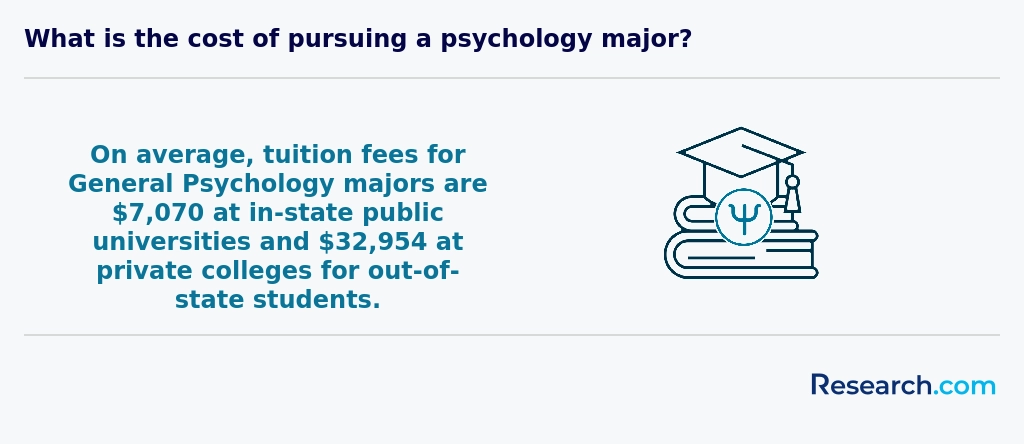
When evaluating psychology programs, tuition and related expenses often guide your decision as much as academic quality. In Greensboro, public institutions like UNC Greensboro offer in-state rates around $7,070 per year, while private colleges can exceed $30,000 annually. To stretch your budget further, consider these strategies: 1. In-State vs. Out-of-State Tuition • Prioritize residency-based tuition-establishing in-state status can save tens of thousands over four years. • Explore regional exchange agreements or reciprocity programs that reduce out-of-state fees. 2. Institutional and External Scholarships • Apply early for departmental awards-psychology majors at Greensboro College and NC A&T frequently secure $2,500–$5,000 merit scholarships. • Research state and national grants; the NC Need-Based Scholarship and Federal Pell Grant often cover significant portions of tuition. 3. Accelerated and Dual-Enrollment Options • Some programs offer 3+1 or dual-degree tracks, allowing completion of a bachelor’s and master’s in as few as five years, reducing overall costs. • Investigate summer sessions or intersession courses, which may be offered at discounted rates. 4. Comparative Research on Low-Cost Programs • For additional budget-friendly alternatives, see the Low Cost Psychology Degree Programs Ranking in Baton Rouge, LA, which highlights institutions recognized for affordability without sacrificing quality. 5. Work-Study and Cooperative Education • Enroll in work-study programs within university counseling centers or research labs to offset tuition. • Explore paid internships and co-op placements that integrate practicum credits with income, maximizing both experience and earnings. By combining residency status, scholarship opportunities, accelerated curricula, and hands-on work programs, prospective students can significantly reduce the financial burden of a psychology education in Greensboro, NC-ensuring both academic excellence and fiscal responsibility.
What is the average cost of psychology degree in Greensboro?
The average cost of obtaining a psychology degree in Greensboro varies notably depending on residency status and level of study. For many students attending the University of North Carolina at Greensboro (UNCG), which is one of the most recognized institutions offering a psychology curriculum in the area, the median in-state total cost is approximately $7,661. Out-of-state students face significantly higher costs, with the median total nearing $36,388. This gap reflects the common trend at public universities where residents benefit from subsidized tuition rates.
Undergraduates often find the tuition manageable compared to private university rates, which can exceed $25,000 annually nationwide. Yet, graduates from Greensboro institutions recount the emotional positivity tied to investing in their education despite the expense, especially when financial aid and scholarships help ease the burden. These personal experiences showcase how the economics of obtaining a psychology degree integrate with the overall rewarding journey of academic and professional growth.
Additional expenses, including textbooks, lab materials, and clinical practicum fees, may also influence the total outlay, often pushing the yearly cost higher than just tuition and fees. For those carefully considering their options, it's important to explore the most popular psychology schools in Greensboro and assess their particular programs and associated expenses. Such due diligence aligns with understanding the nuanced average cost of psychology degree in Greensboro and helps prospective students make informed decisions.
Licensure and Certification Requirements in North Carolina
Graduates must satisfy specific state mandates to practice as licensed psychologists or school counselors in North Carolina, ensuring both legal compliance and professional credibility. To obtain licensure as a psychologist, candidates need a doctoral degree in psychology from an APA-accredited program or its equivalent, completion of at least 3,500 hours of supervised experience (including 1,750 post-doctoral hours), and passage of the Examination for Professional Practice in Psychology (EPPP) plus the North Carolina jurisprudence exam. For those aiming to become licensed clinical mental health counselors or school psychologists, a master’s degree with 60 or more graduate semester hours, 3,000 supervised internship hours, and successful completion of the National Counselor Examination (NCE) or Praxis School Psychologist test are required. Applicants must submit official transcripts, verification of supervised hours, and background checks to the North Carolina Psychology Board or the Department of Public Instruction for school credentials. Continuing education is mandatory: licensed psychologists must complete 40 hours of approved CE every two years, while counselors and school psychologists typically require 18–30 hours biennially. For students comparing graduate paths, exploring masters in psychology online cheap programs can offer cost-effective solutions that meet North Carolina’s educational prerequisites for licensure.
What financial aid is available to psychology degree students in Greensboro?
Students pursuing psychology degrees in Greensboro commonly rely on multiple financial aid sources to manage costs. For instance, completing the Free Application for Federal Student Aid (FAFSA) often grants access to Pell Grants, which can provide up to $7,395 annually without repayment obligations. Graduates from UNC Greensboro and North Carolina A&T State University frequently mention how these grants formed the backbone of their funding strategy, enabling them to focus more on studies and less on financial stress.
In addition, state aid such as North Carolina's Education Lottery Scholarships and Need-Based Grants offer meaningful support, especially for residents attending public institutions locally. Some psychology students report these awards have substantially reduced their tuition burden.
Institutional scholarships designed specifically for psychology or behavioral science students can vary widely but often reward academic merit, leadership, or community involvement. Work-study options also provide valuable part-time experience within campus counseling centers or research labs, blending financial relief with professional growth.
While federal student loans remain an option with flexible terms, many graduates advise exhausting grants and scholarships first to minimize debt.
Return on Investment and Student Debt
Investing in a psychology degree in Greensboro, NC, entails weighing tuition costs against potential earnings and debt obligations to ensure a positive return on investment (ROI). On average, bachelor’s graduates incur $25,000–$35,000 in student loans, while master’s and doctoral candidates may graduate with $50,000–$80,000 in debt. When compared to the mean annual salaries-$73,080 for Human Resources Specialists and $57,760 for Clinical Research Associates-most graduates can expect to repay their undergraduate loans within 5–7 years, assuming a standard 10-year repayment plan and consistent full‐time employment in psychology‐related roles. To minimize borrowing, prospective students should explore cost-effective options such as in‐state public universities, community college transfer pathways, and targeted scholarships. For those open to relocating or supplementing their education, our Low Cost Psychology Degree Programs Ranking in Baton Rouge, LA highlights institutions where tuition and fees are among the nation’s lowest-often under $10,000 per year-without compromising academic quality or accreditation standards. Loan forgiveness programs and income-driven repayment plans further enhance long-term affordability for graduates pursuing careers in public mental health, school psychology, or nonprofit sectors. By carefully assessing total cost of attendance, projected earnings, and available financial aid, students can craft a debt management strategy that aligns with their career goals, ensuring that the lifelong value of a psychology degree far outweighs its upfront investment.
What are the prerequisites for enrolling in psychology degree program in Greensboro?
Enrolling in psychology degree programs in Greensboro typically requires a solid academic foundation, starting with a high school diploma that includes coursework in English, math, and social sciences. Graduates from local colleges often recall how meeting a minimum GPA around 2.5 to 3.0 was crucial when applying to programs at institutions like UNC Greensboro or Greensboro College. Although some schools encourage SAT or ACT scores, many have shifted to test-optional policies, easing pressure for applicants and focusing on overall preparation.
For those entering graduate programs, a bachelor's degree with specific psychology coursework is essential. Many successful master's candidates share how completing classes in research methods and biological psychology helped them feel confident when facing advanced studies. Letters of recommendation and a clear statement of purpose also weigh heavily, reflecting not just academic readiness but genuine passion for the field. Some graduates recall how relevant research or work experience gave them an edge, demonstrating hands-on commitment.
These prerequisites are designed to ensure students in Greensboro are prepared both intellectually and emotionally to engage deeply with psychology, helping make their educational journey both challenging and rewarding.

Choosing the Right Psychology Program in Greensboro, NC
To make an informed decision about which psychology program to attend in Greensboro, NC, prospective students should consider several factors, including accreditation, curriculum, research opportunities, faculty expertise, career support services, and cost. When evaluating these factors, it's essential to look for programs that offer a comprehensive education, practical experience, and a supportive learning environment. For instance, students interested in clinical psychology may want to explore programs that offer hands-on training in mental health settings. Additionally, learners can explore the most popular psychology schools to find the best fit for their academic and career goals. By carefully considering these factors and exploring different program options, students can set themselves up for success in their future careers as psychologists.
What courses are typically in psychology degree programs in Greensboro?
Psychology degrees in Greensboro typically include foundational courses that span a variety of core topics essential for understanding human behavior. Graduates from local institutions often reflect on how courses like general psychology helped them grasp broad theories, while classes in developmental and abnormal psychology deepened their awareness of real-world mental health challenges they witnessed during internships.
Research methods and statistics are emphasized, enabling students to confidently design experiments and analyze data, skills former students attribute to their success in graduate studies or clinical roles. Biological and social psychology courses bring theory into practice, illustrating how brain function can influence everyday interactions on campus or in community settings.
Many students appreciate the option to choose electives such as forensic or health psychology, which allow them to tailor their education toward specific careers. For example, some graduates recall health psychology electives paving the way for rewarding roles in local hospitals, making the academic experience feel immediately relevant and engaging.
- Foundations of Psychology
- Developmental Psychology
- Abnormal Psychology
- Research Methods and Statistics
- Biological Psychology
- Social Psychology
- Cognitive Psychology
- Elective Specializations
What types of specializations are available in psychology degree programs in Greensboro?
Psychology degree specializations in Greensboro commonly include clinical, counseling, industrial-organizational, and developmental psychology. Graduates from popular local universities often highlight how clinical psychology's focus on diagnosing and treating mental health disorders feels rewarding, particularly when internships in hospital settings provide real-world experience. Counseling psychology attracts students interested in helping others manage daily stress, offering a more therapeutic approach that some find deeply fulfilling.
Greensboro psychology program concentrations also extend to industrial-organizational psychology, which connects well with the city's growing business environment. Those specializing here appreciate how principles learned in class translate directly into improving employee motivation and organizational culture, making their roles in corporate settings meaningful. Developmental psychology, by contrast, immerses students in human growth across the lifespan, often inspiring those drawn to education or healthcare with cases that are both challenging and hopeful.
For students uncertain about traditional paths, some find alternative careers by becoming a therapist without degree, demonstrating the practical flexibility within the field's options in Greensboro.
How do you choose the best psychology degree in Greensboro?
Choosing the best psychology degree in Greensboro involves weighing multiple factors beyond just the program's reputation. Graduates from the University of North Carolina at Greensboro often recall how accreditation and curriculum alignment with career goals made a significant difference in their educational experience. For instance, selecting a program accredited by the American Psychological Association can influence licensure eligibility and job prospects, particularly for those aiming at clinical or research roles.
Cost considerations also play a crucial role with many students focused on finding affordable psychology degrees Greensboro NC. Comparing tuition fees, financial aid, and flexible scheduling options at local institutions such as Guilford College can help balance quality with budget constraints. Some graduates highlight the value of programs offering part-time or online study to accommodate busy lives.
Another perspective comes from those who chose to pursue a masters in psychology online cheap, appreciating how this expanded their access to expert faculty and practical internships despite location limits. Exploring career services and alumni outcomes often reveals realistic expectations and valuable mentorship possibilities within Greensboro's psychology community.

What career paths are available for psychology degree students in Greensboro?
Graduates exploring psychology degree career options Greensboro find multiple paths reflecting the city's dynamic economy and educational ecosystem. Many assume clinical roles, yet licensed counselors and behavioral health specialists often thrive within local hospitals and community clinics, gaining satisfaction from direct patient support. Those who studied at the University of North Carolina at Greensboro frequently mention how hands-on internships shaped their readiness for mental health technician roles.
Job opportunities with psychology degree Greensboro extend beyond clinical settings. Educational psychology is a common direction, particularly within Guilford County Schools, where school psychologists address real student challenges. Graduates share how being involved in academic advising and developmental interventions fosters a deep connection with youth, creating meaningful impacts in their communities.
Other grads find purpose in research or data analysis at nearby universities, contributing to applied behavioral studies. Some pursue diverse roles in human resources, social work, forensic psychology, or health psychology-all requiring adaptable psychological expertise. For those weighing costs, reviews of accessibility linked to the region's public institutions can be insightful, as seen in the Low Cost Psychology Degree Programs Ranking in Baton Rouge, LA.
What is the job market for psychology degree in Greensboro?
The psychology degree job opportunities Greensboro offers are shaped by a blend of regional growth and healthcare expansion. Graduates from universities like the University of North Carolina at Greensboro often find roles in mental health clinics or community programs, where the demand for counselors and clinical psychologists is rising steadily. Many graduates describe feeling optimistic about the variety of career paths available to them, from social work to research and human resources. However, it's important to note that higher-level clinical positions typically require doctoral degrees and licensure, which can extend the timeline before full professional salaries are accessible.
The career outlook for psychology graduates Greensboro reflects trends seen nationally but also benefits from local investments in education and mental health services. Access to internships through well-regarded institutions enhances practical experience, which graduates say makes the competitive job market more manageable. For those weighing cost and time, considering options like the top online associate degree in 6 months may provide a flexible starting point before pursuing advanced degrees needed for specialized roles.
Frequently Asked Questions About psychology
Psychology degree students in Greensboro can maximize their learning experience by actively engaging in both academic and practical opportunities. Institutions like the University of North Carolina at Greensboro offer access to research labs where students contribute to ongoing studies, enhancing theoretical knowledge with real-world application. Joining student organizations related to psychology also helps in networking and skill development.
Internships in local mental health clinics and community centers provide essential hands-on experience, crucial for understanding diverse populations in Greensboro. According to the Bureau of Labor Statistics, practical experience significantly improves employment prospects for psychology graduates in North Carolina. Additionally, utilizing campus resources such as tutoring and academic advising supports academic success.
The field of psychology is rapidly evolving, with several emerging niches gaining attention among students and professionals alike. In Greensboro, growing interest centers around neuropsychology, which studies the relationship between brain function and behavior. This specialty is crucial due to advancements in brain imaging and therapy techniques.
Another promising area is health psychology, focusing on how psychological factors affect physical health. Given the rising demand for mental health services in North Carolina, schools in Greensboro highlight this niche. Additionally, industrial-organizational psychology, which applies psychological principles to workplace environments, is expanding due to local business growth.
These emerging niches reflect broader trends in U.S. psychology education and employment, emphasizing interdisciplinary and applied approaches.
Graduates with a psychology degree in Greensboro should begin preparing for the job market by gaining practical experience during their studies. Internships and volunteer opportunities at local mental health clinics or social service agencies build relevant skills and professional networks. According to the U.S. Bureau of Labor Statistics, employment for psychologists is expected to grow 6% through 2030, making practical experience crucial for competitiveness. Greensboro offers connections to organizations like the Mental Health Association of Central Carolinas, which can aid students in job placement. Additionally, earning certifications such as Certified Rehabilitation Counselor or Licensed Psychological Associate may improve job prospects locally. Networking through Greensboro's job fairs and professional groups also supports career development.
Employers in Greensboro highly value psychology degree graduates with strong critical thinking and analytical skills. These competencies enable graduates to assess complex behavioral data and develop evidence-based solutions, which is essential in settings such as counseling centers and healthcare facilities.
Communication skills, both written and verbal, are also crucial. According to the Bureau of Labor Statistics, effective communication enhances collaboration with clients and interdisciplinary teams, a key expectation among local employers.
Additionally, proficiency in research methods and statistical analysis is important, as many positions require graduates to interpret data and contribute to ongoing studies. Ethical understanding and cultural competence are emphasized due to the diverse populations served in Greensboro's community organizations and schools.
Finding internships in Greensboro related to a psychology degree involves several strategic steps. Start by exploring local universities such as the University of North Carolina at Greensboro, which often partner with nearby healthcare providers and community agencies to offer internships. The NC Department of Health and Human Services website lists opportunities in mental health services that welcome psychology students.
Networking is essential. Joining organizations like the North Carolina Psychological Association can connect students to internship openings and professional mentors. Utilize Greensboro's healthcare institutions, such as Cone Health, which periodically provide clinical and research internships.
Also, check online platforms like Handshake and internships.com, filtering specifically for Greensboro and psychology-related roles to find current listings. Persistence and early application enhance chances of securing valuable field experience in psychology within Greensboro.
A psychology degree in Greensboro can significantly enhance career mobility and advancement opportunities. Graduates often find roles in healthcare, education, social services, and business sectors where understanding human behavior is essential. According to the U.S. Bureau of Labor Statistics, the employment of psychologists in North Carolina is projected to grow 8% from 2022 to 2032, indicating steady demand. Local institutions like the University of North Carolina at Greensboro provide strong networks and internship opportunities that help students connect with employers in clinical and research settings. This regional demand supports upward mobility for those pursuing advanced qualifications in psychology.
Studying for a psychology degree in Greensboro equips students with skills applicable across multiple fields. Local programs emphasize interdisciplinary learning by integrating coursework from sociology, biology, and health sciences, reflecting the interconnected nature of mental health and human behavior.
Several institutions in Greensboro collaborate with nearby medical centers and social service agencies, offering students practical experiences that enhance teamwork with professionals in medicine, education, and counseling. This approach prepares graduates for careers in diverse settings, including healthcare, human resources, and community services.
According to the North Carolina Department of Commerce, Greensboro's growing healthcare and social assistance sectors create demand for psychology graduates who can function effectively in multidisciplinary teams.
When choosing between a thesis and a non-thesis psychology degree program in Greensboro, students should consider their career goals. Thesis programs typically emphasize research skills, which can be advantageous for those seeking to enter doctoral studies or research positions. Non-thesis programs focus more on coursework and practical applications, making them suitable for students aiming for clinical or counseling roles.
In Greensboro, universities like the University of North Carolina at Greensboro offer both tracks, with approximately 30% of psychology graduate students opting for thesis options as of 2023 (source: UNC Greensboro Graduate Catalog). This choice often depends on whether a student prefers research or applied practice.
Additionally, thesis programs may take longer to complete due to the research project, while non-thesis tracks often allow for a quicker graduation timeline. Financial considerations and faculty mentorship availability should also influence the decision.
Students based in Greensboro who wish to study psychology abroad have several pathways through US higher education institutions. Many universities in North Carolina, including those near Greensboro, offer study abroad programs or exchange agreements with universities worldwide, allowing psychology majors to gain international experience while earning credits toward their degree.
For example, the University of North Carolina at Greensboro (UNCG) provides opportunities for psychology students to participate in global research projects or semester-long programs in countries like the UK, Spain, and China. According to Open Doors Report 2023, about 6% of psychology students nationwide study abroad, reflecting growing interest in global perspectives.
Additionally, some Greensboro students pursue dual-enrollment programs or summer internships internationally, enhancing their practical skills in cross-cultural psychology or clinical settings. These options help graduates stand out in an increasingly global job market.
Students pursuing psychology degrees in Greensboro can find part-time job opportunities that enhance their academic knowledge and practical skills. Local psychology clinics and counseling centers often seek interns or assistant staff, providing direct exposure to client interactions under supervision. This hands-on experience is valuable for understanding therapeutic techniques and patient behavior.
Additionally, community mental health organizations in Greensboro sometimes hire part-time support workers. These roles help students gain insight into public health psychology and case management. According to the North Carolina Department of Commerce, Greensboro's health services sector grew by 4% in 2023, increasing job availability.
Research assistant positions at institutions like the University of North Carolina at Greensboro allow students to engage in data collection, analysis, and study design, which are crucial for future psychology careers. Libraries and educational nonprofits also offer part-time roles that sharpen communication skills relevant to psychology.
Psychology students in Greensboro have access to diverse networking opportunities through local universities and professional organizations. Institutions such as the University of North Carolina at Greensboro (UNCG) often host events where students can meet faculty, alumni, and professionals in the field. The Greensboro Psychological Association offers student memberships, providing access to conferences, workshops, and local research presentations.
Internships and practicum placements within Greensboro's healthcare and educational facilities allow students to build connections with practitioners. Additionally, the city's proximity to major research centers in North Carolina facilitates attendance at regional psychology conferences. These opportunities help students gain insights and establish professional relationships essential for career development.
Alumni networks play a significant role in supporting psychology degree students in Greensboro by offering valuable connections and resources. Graduates from institutions like the University of North Carolina at Greensboro often return to share job leads, internship opportunities, and career advice.
These networks foster mentorship, helping current students navigate the competitive psychology job market. For example, alumni involvement has been linked to increased internship placements in local clinics and mental health agencies, which is vital for practical experience in psychology.
Moreover, alumni events provide chances to build professional relationships, which can lead to collaborative research or employment. According to recent data from the Greensboro Chamber of Commerce, over 60% of local psychology-related job openings are filled through networking, underscoring the importance of strong alumni connections.
Students pursuing psychology degrees in Greensboro can tailor their programs by choosing from various electives and concentrations that align with their career goals. Many local institutions offer specializations such as clinical psychology, counseling, or industrial-organizational psychology. According to the National Center for Education Statistics, tailoring coursework to fit career interests improves job placement rates by up to 15% in related fields.
Additionally, students can engage in internships or research projects in Greensboro's healthcare facilities and community centers. These hands-on experiences provide practical skills and networking opportunities. Academic advisors in Greensboro help design individualized study plans, ensuring that students meet licensing or certification requirements for careers like therapy or human resources. Customizing your degree in this way allows for a focused and competitive career path.
Psychology students in Greensboro often face several common challenges during their studies. Many report difficulty balancing rigorous coursework with part-time jobs or internships, especially since practical experience is crucial in psychology programs. According to recent data from the National Center for Education Statistics, around 45% of students nationwide juggle employment while studying, a figure comparable in Greensboro.
Additionally, mastering complex research methods and statistics can be daunting for those new to these subjects. Students must also navigate limited local opportunities for specialized clinical placements, which are essential for hands-on learning and licensure preparation.
Time management and mental health pressures are frequently mentioned, as the intensive study load and exposure to sensitive psychological topics can be emotionally taxing.
With a psychology degree in Greensboro, graduates can pursue various professional certifications to enhance their careers. Common certifications include becoming a Licensed Professional Counselor (LPC), which requires passing the National Counselor Examination and meeting state-specific educational and supervised experience requirements in North Carolina.
Another widely recognized certification is Certified Substance Abuse Counselor (CSAC), valuable due to local demand for addiction specialists. Graduates can also aim for certification as a Behavior Analyst (BCBA) by completing graduate coursework and supervised hours and passing the Behavior Analyst Certification Board exam.
These certifications help demonstrate expertise and improve job prospects in Greensboro's growing mental health sector. For updated licensure requirements, check resources like the North Carolina Psychology Board or local universities offering psychology programs.
Writing a winning application for a psychology program in Greensboro requires clear focus and attention to detail. Start by thoroughly researching local universities such as the University of North Carolina at Greensboro, which reported over 300 students enrolled in its psychology undergraduate program in 2023, according to the National Center for Education Statistics.
Highlight relevant academic achievements, especially coursework in psychology and related sciences. Including volunteer or internship experience in clinical or research settings in Greensboro-based facilities can strengthen your profile.
Personal statements should be precise, reflecting your passion for psychology and career goals within the field. Tailoring your essay to demonstrate understanding of the specific program's strengths will make your application stand out.
Finally, secure strong letters of recommendation from professors or supervisors familiar with your dedication and academic potential in psychology.
Psychology careers are increasingly valued worldwide for addressing mental health, social behavior, and human development. In the United States, including Greensboro, the demand for psychologists is expected to grow by 8% from 2021 to 2031, according to the U.S. Bureau of Labor Statistics. This growth reflects a global trend emphasizing mental health awareness and support.
Greensboro offers various accredited psychology programs that align with international standards, preparing students for careers both domestically and abroad. Studies show that psychology professionals often engage in cross-cultural research and global health initiatives.
Understanding diverse psychological practices is crucial as many roles require working with multicultural populations, demonstrating how local education can support global career opportunities.
Gaining practical experience while studying psychology in Greensboro is essential for career development. Many universities in the area, such as the University of North Carolina at Greensboro (UNCG), offer internship opportunities that allow students to work in clinical, counseling, or research settings. These internships often provide hands-on experience under professional supervision.
Additionally, students can participate in on-campus research projects, collaborating with faculty members who specialize in various psychology subfields. According to the National Center for Education Statistics, approximately 65% of psychology students nationwide engage in internships before graduation, which improves job prospects.
Local hospitals, mental health clinics, and nonprofits frequently seek psychology interns, providing valuable real-world exposure relevant to the Greensboro community.
Choosing the right concentration within a psychology degree program in Greensboro involves careful consideration of your career goals and interests. Psychology offers various specializations, such as clinical, counseling, industrial-organizational, and developmental psychology. It is important to research which local institutions provide concentrations that match your aspirations.
Consider the job market in Greensboro, where roles in health services and counseling psychology are growing. According to the Bureau of Labor Statistics, employment for psychologists in North Carolina is expected to grow by 8% through 2032. Visiting program websites and speaking with academic advisors can help clarify which concentration aligns with your strengths.
Additionally, evaluate the availability of internships and practicum opportunities in Greensboro, as hands-on experience is vital in psychology training. Look for programs that offer connections with local clinics, schools, or businesses to enhance your practical skills and job readiness.
Related Psychology Rankings for Nearby Cities
- 2027 Most Popular Psychology Degree Programs Ranking in Durham
- 2027 Most Popular Psychology Degree Programs Ranking in Raleigh
- 2027 Most Popular Psychology Degree Programs Ranking in Charlotte
- 2027 Most Popular Psychology Degree Programs Ranking in Atlanta
- 2027 Most Popular Psychology Degree Programs Ranking in Columbus
- 2027 Most Popular Psychology Degree Programs Ranking in Cincinnati
- 2027 Most Popular Psychology Degree Programs Ranking in Cleveland
- 2027 Most Popular Psychology Degree Programs Ranking in Birmingham
- 2027 Most Popular Psychology Degree Programs Ranking in New York
- 2027 Most Popular Psychology Degree Programs Ranking in Montgomery
Top Trending Psychology Rankings
See What Experts Have To Say About Studying Psychology
Read our interview with Psychology experts

Robin M. Kowalski. Ph.D.
Psychology Expert
Professor of Psychology
Clemson University

Joann Farrell Quinn, Ph.D., MBA
Psychology Expert
Director at the College of Medicine Department of Medical Education
Morsani College of Medicine

Elizabeth L. Jeglic Ph.D.
Psychology Expert
Professor of Psychology
City University of New York

References
- Psychology Major https://catalog.guilford.edu/catalog/academic-departments-majors/psychology/psychology/
- Bachelor of Science in Psychology https://www.alfabetaglobal.com/schools/the-university-of-north-carolina-at-greensboro/programs/bachelor-of-science-in-psychology-af08baaf-21c6-4b2d-ab69-1a26663eedad
- How Psychology Students Can Get Clinical Experience Before Graduating | The Playful Psychologist https://www.theplayfulpsychologist.com/post/students-experience-how-to-get-the-experience-you-need-before-you-graduate
- Professional Networking For Psychologists | Psychology.org https://www.psychology.org/resources/professional-networking/
- Community Psychology in Global Perspective http://siba-ese.unisalento.it/index.php/cpgp
- Psychology - SWPS University https://english.swps.pl/academics/warsaw/ba-programs/psychology
- Alumni Perspectives - Meet Our FPN Alumni https://www.aanmelder.nl/alumni-perspectives-june-2023
- Study Psychology Abroad | Go Overseas https://www.gooverseas.com/study-abroad/psychology
- Best North Carolina Psychology Degrees Updated for 2025, Online Included https://www.psychologydegrees.org/state/north-carolina
- What Can You Do With a Psychology Degree? Careers, Paths, and What to Study https://www.griffith.ie/knowledge/what-can-you-do-with-a-psychology-degree-careers-paths-and-what-to-study


