
2027 Most Popular Psychology Degree Programs Ranking in Illinois

Co-Founder and Chief Data Scientist
Choosing the right psychology degree program in Illinois can feel overwhelming. To help, the Research.com team of data scientists has created the 2027 Most Popular Psychology Degree Programs Ranking in Illinois. This ranking offers clear insights into the top programs worth considering.
Reading this article will guide you toward programs that fit your goals and passions. A psychology degree opens doors to meaningful careers where you can make a real difference. Explore your options confidently and take the next step toward a rewarding future in psychology.
Key benefits of getting psychology degree in Illinois
- Psychology graduates in Illinois can earn competitive salaries, such as a Marketing Research Analyst with a mean annual wage of $83,190 or a Human Resources Specialist averaging $76,060 per year, offering strong financial rewards.
- A psychology degree opens many career paths, from clinical roles to research and human services-graduates from Illinois State University often find fulfilling jobs in healthcare, education, or corporate settings.
- Online psychology degrees from institutions like DePaul University provide flexible learning, allowing students to balance studies with life, accelerating career advancement without sacrificing current responsibilities.
- Key benefits of getting psychology degree in Illinois
- What can I expect from psychology degree in Illinois?
- Where can I work with psychology degree in Illinois?
- How much can I make with psychology degree in Illinois?
- 2027 Most Popular Psychology Degree Programs Ranking in Illinois
- Key Findings
- How long does it take to complete psychology degree in Illinois?
- Licensing and Certification Requirements for Psychology Graduates in Illinois
- What's the difference between online and on-campus psychology degree?
- Next Steps for Aspiring Psychologists
- What is the average cost of psychology degree in Illinois?
- Licensure and Certification Requirements in Illinois
- What financial aid is available to psychology degree students in Illinois?
- Most Affordable Options for Psychology Students in Illinois
- What are the prerequisites for enrolling in psychology degree program in Illinois?
- Accreditation and Licensing Requirements for Psychology Programs in Illinois
- What courses are typically in psychology degree programs in Illinois?
- What types of specializations are available in psychology degree programs in Illinois?
- How do you choose the best psychology degree in Illinois?
- What career paths are available for psychology degree students in Illinois?
- What is the job market for psychology degree in Illinois?
- Related Psychology Rankings for Nearby States
- Top Trending Psychology Rankings
- See What Experts Have To Say About Studying Psychology
What can I expect from psychology degree in Illinois?
The average cost of pursuing a psychology degree in Illinois varies, but students often find it manageable with careful planning. Graduates from universities like the University of Illinois Urbana-Champaign share that tuition for a bachelor's degree typically ranges around $15,000 to $25,000 per year for in-state students, while private schools like Loyola University Chicago might be higher. Many describe the investment as worthwhile, especially when hands-on experiences-such as internships or research projects-bring theories to life in real-world settings.
Master's and doctoral programs, such as those at Northern Illinois University, naturally cost more, sometimes doubling undergraduate tuition, but they open doors to licensure and exciting careers. Students often talk about how absorbing the vibrant campus cultures and collaborative mental health initiatives adds value beyond dollars. Scholarships and assistantships frequently help ease the financial load, turning initial concerns into enthusiasm for the journey toward becoming a licensed psychologist in Illinois.
Where can I work with psychology degree in Illinois?
Picture yourself stepping into a vibrant mental health clinic in Chicago, where psychology graduates from the University of Illinois bring their training to life as licensed counselors, helping clients navigate their journeys toward wellness. Many find rewarding roles in hospitals or schools, like those supported by Northwestern University alumni working as school psychologists, guiding students through emotional and learning challenges with compassion and skill.
Illinois offers a colorful palette of opportunities beyond clinical care. Imagine joining a government team at the Illinois Department of Human Services, crafting programs that uplift vulnerable communities, or working within correctional facilities to support inmate rehabilitation-a path taken by dedicated psychology graduates seeking to make real-world change.
For those curious about the business side, envision applying psychological insights at a bustling Chicago market research firm, optimizing consumer experiences and workplace dynamics-fields growing steadily and calling for your unique expertise.
And if you crave scholarly adventure, graduate research at Illinois colleges opens doors to explore human behavior from new angles, fueling discoveries that inspire and innovate across the state and beyond.
How much can I make with psychology degree in Illinois?
Graduates from Illinois institutions like the University of Illinois Urbana-Champaign and Northwestern University often find themselves stepping into intriguing roles with competitive salaries. For example, a graduate working as a Human Resources Specialist can anticipate an average annual wage of around $76,060, offering a solid starting point to explore organizational dynamics and workplace psychology.
Others might dive into the world of data with a role as a Marketing Research Analyst, earning roughly $83,190 yearly. This role taps into psychology graduates' analytical skills and curiosity about consumer behavior, making every project a new adventure in understanding people.
Those who enjoy the research path may become Clinical Research Associates or Survey Researchers, both roles offering mean annual wages near $62,370. Graduates in Illinois appreciate that these roles connect them to impactful studies and evolving mental health practices.
Even graduates working in childcare settings can build meaningful careers with an average annual wage of approximately $32,070, nurturing young minds while gaining hands-on experience in developmental psychology.
Across Illinois, these diverse paths show psychology graduates turning their passion for understanding people into well-paying careers with real-world impact-making this degree a thrilling springboard for exploration.
2027 Most Popular Psychology Degree Programs Ranking in Illinois
How do we rank schools?
Investing in your education is a significant decision that can shape your future, and the Research.com team understands the importance of making informed choices. To assist prospective students in Illinois, we have meticulously crafted the "2027 Most Popular Psychology Degree Programs Ranking in Illinois." Our commitment to quality, credibility, and accuracy is reflected in the extensive research and analysis conducted to compile this ranking. We utilized the following reputable data sources to ensure a comprehensive evaluation of psychology degree programs:
By exploring this ranking, readers will gain valuable insights into the most popular psychology programs in Illinois, helping them make informed decisions about their educational paths. For more details on our methodology, please visit our Research.com methodology page.


Key Findings
- Annual tuition for psychology programs in Illinois averages about $12,000 for in-state students at public universities and can exceed $30,000 at private schools.
- Entry-level psychology graduates with a bachelor's degree typically earn around $45,000 per year, while those with advanced degrees can make between $70,000 and $85,000.
- Licensed clinical psychologists, especially with doctorates, can earn more than $90,000 annually, notably in urban areas like Chicago.
- The job market in Illinois for psychology roles is expected to grow by about 10% over the next decade, matching national trends.
- Licensing to become a clinical psychologist requires completing a doctoral program, supervised experience, passing the EPPP exam, and ongoing continuing education.
How long does it take to complete psychology degree in Illinois?
Diving into a psychology degree in Illinois sparks an exciting journey that typically spans several years, depending on the level you pursue. Many enthusiastic graduates from the University of Illinois at Urbana-Champaign share how their four-year bachelor's program felt like an enriching expedition filled with foundational courses and eye-opening electives.
For those adventurers eager to dig deeper, a master's degree usually adds about two more years, as students at Illinois State University balance rigorous coursework with hands-on research or clinical experience-bringing theory to vibrant life. Graduates describe this phase as a thrilling blend of challenge and discovery, especially when engaging directly with communities or experimental labs.
Then there's the doctoral path, a commitment of 5 to 7 years at places like the University of Chicago or Adler University, where the journey intensifies with comprehensive exams, original research, and clinical training. Many doctoral students reflect on this period as transformative, pushing boundaries and igniting profound personal growth.
Whether studying full-time or part-time, each step in Illinois offers unique opportunities to explore psychology's vast landscape in dynamic, relatable ways.
Licensing and Certification Requirements for Psychology Graduates in Illinois
Becoming a licensed psychologist or counselor in Illinois involves meeting specific educational, examination, and supervised-practice criteria designed to protect public well-being and ensure practitioner competence. To pursue full licensure as a Clinical Psychologist, candidates must hold a doctoral degree (PhD or PsyD) from an APA-accredited program, complete at least 1,500 hours of supervised practicum, pass the Examination for Professional Practice in Psychology (EPPP), and clear the state jurisprudence assessment. Aspiring Licensed Professional Counselors (LPCs) typically earn a master’s degree in counseling or psychology, accumulate 3,000 hours of post-graduate supervised experience, and succeed on both the National Counselor Examination (NCE) and the Illinois Jurisprudence Exam. Illinois also recognizes several specialty certifications-such as School Psychologist or Marriage and Family Therapist-that require additional credentialing from bodies like the National Association of School Psychologists (NASP) or the American Association for Marriage and Family Therapy (AAMFT). Continuing education is mandatory: licensed psychologists must complete 40 hours of approved courses every two years, while LPCs need 30 hours per renewal cycle. For students comparing regional cost-effectiveness, reviewing our Affordable Psychology Degree Programs Ranking in Utah can offer insights into tuition, licensure support, and exam-prep resources that may mirror or exceed Illinois offerings. Understanding these certification pathways early allows you to align your choice of program with the practical requirements needed to launch your professional practice in Illinois.
What's the difference between online and on-campus psychology degree?
Choosing between online and on-campus psychology degrees in Illinois feels like stepping onto two unique paths, each with its own vibrant rhythm. Graduates from the University of Illinois often describe the on-campus experience as a lively blend of face-to-face discussions and hands-on practice in labs and counseling centers, fueling a sense of community and real-world readiness. Picture attending a seminar in a historic classroom, then collaborating on a group project right after, feeling the buzz of peer energy and faculty guidance.
Meanwhile, online students from institutions like DePaul University embrace a flexible adventure, weaving study into busy days filled with work or family. Their coursework unfolds through digital connections, allowing them to join lively discussions or submit assignments from cozy corners of their homes. This freedom sparks creativity and determination, making education feel tailor-made for their lifestyle without sacrificing academic quality.
The choice often hinges on balancing interactive learning with flexibility, as Illinois students explore what best fits their dreams and daily realities.
Next Steps for Aspiring Psychologists
As you explore the many facets of psychology education in Illinois, it’s important to plan your next steps strategically. Begin by reflecting on your personal and career goals to determine the most suitable educational path-whether that means pursuing an accelerated program, specializing further, or leveraging internship and research opportunities. Engage with experienced faculty, participate in student communities, and take advantage of career services tailored to psychology students. For those seeking flexible learning options that accelerate your journey, consider exploring the best online accelerated psychology degree programs available, as they offer immediate pathways to build both practical expertise and academic credentials. Additionally, stay informed about evolving industry trends, program innovations, and networking avenues that can further enhance your professional prospects once you graduate. This proactive approach will equip you with the foundational skills and strategic insights needed to thrive in the dynamic field of psychology.
What is the average cost of psychology degree in Illinois?
The average cost to earn a psychology degree in Illinois invites a fascinating exploration through numbers and personal stories. On average, the total cost for completing a psychology degree in the state sits around $45,684 for out-of-state students and $31,360 for those who qualify as in-state residents, making this a crucial factor for prospective students to consider. Graduates from well-known schools like the University of Illinois at Urbana-Champaign often share how balancing tuition expenses with academic ambitions shaped their college journey, blending excitement with practical budgeting.
In Illinois, understanding the average cost of psychology degree in Illinois is more than just a figure-it's about envisioning your future in vibrant campus environments while managing costs thoughtfully. Beyond tuition, factors like housing, textbooks, and even those essential practicum fees add layers to the financial picture, painting a rich backdrop for student life experiences. Many students appreciate that Illinois offers diverse options, from public universities where in-state tuition can be surprisingly affordable to private colleges that deliver a premium education with higher price points.
For those eager to discover affordability and quality in one place, there's a compelling case for checking out the cheapest psychology schools in Illinois. This resource highlights how investing in a psychology degree here can be an achievable dream, fueled by the state's balance of cost and academic excellence. Navigating tuition and fees becomes part of the adventure toward becoming a confident, informed psychology graduate ready to make a difference.

Licensure and Certification Requirements in Illinois
Becoming a licensed psychologist in Illinois involves meeting education, supervision, and examination criteria set by the Illinois Department of Financial and Professional Regulation (IDFPR). Graduates must hold a doctoral degree in psychology from an APA-accredited program and complete a minimum of 1,500 supervised professional experience hours, typically accrued through internships, postdoctoral fellowships, or clinical placements under a licensed psychologist. After completing supervised experience, candidates must pass the Examination for Professional Practice in Psychology (EPPP), administered by the Association of State and Provincial Psychology Boards (ASPPB), which assesses knowledge in domains such as assessment, intervention, research, and ethics. Illinois also requires a jurisprudence exam covering state-specific laws, ethical guidelines, and record-keeping standards. Once licensed, psychologists must renew their credential biennially and complete at least 20 hours of continuing education (CE) per renewal period, including ethics, cultural competence, and evidence-based practice coursework. Resources like the IDFPR website and the Illinois Psychological Association provide approved CE providers and licensure updates. Balancing licensure requirements with program costs is essential; students may explore cost comparisons through our Affordable Psychology Degree Programs Ranking in Utah to assess value alongside educational quality. By understanding the licensure pathway in Illinois-from degree requirements to supervised hours and CE-prospective students can strategically select programs that align with their career goals, ensuring a seamless transition from graduation to professional practice.
What financial aid is available to psychology degree students in Illinois?
Imagine starting your psychology journey at the University of Illinois Urbana-Champaign or Loyola University Chicago and discovering a financial safety net waiting to catch you. Many students feel relief when they tap into federal aid by completing the FAFSA, unlocking access to Federal Pell Grants of up to $7,395 annually and low-interest loans that ease tuition worries. One graduate recalls balancing campus work-study jobs with classes, turning a paycheck into priceless experience.
Illinois-specific help adds another layer of support. The Illinois Monetary Award Program (MAP) grants can cut tuition costs substantially, especially for in-state students. At schools like Northern Illinois University, students often rely on ISAC scholarships-such as the Advantage Illinois Grant-which feel like a rewarding nod to their dedication with real-dollar support on tuition bills.
For those diving deeper into psychology, research assistantships and fellowships from Chicago's top programs bring exciting opportunities: tuition waivers and stipends that turn intense study periods into manageable, enriching adventures. Many graduates recall how these awards transformed their academic stresses into focused career-building moments full of hope and possibility.
Most Affordable Options for Psychology Students in Illinois
For students seeking to pursue a psychology degree in Illinois without accumulating significant debt, exploring the most affordable options is crucial. Many institutions in the state offer competitive pricing for their psychology programs, making higher education more accessible. When considering affordability, it's essential to look beyond tuition fees and factor in living costs, textbook expenses, and potential financial aid. Students can visit https://research.com/rankings/psychology/most-affordable-psychology-il as a resource to find the cheapest psychology schools in illinois, comparing costs and program offerings to make an informed decision. By doing so, prospective students can balance their educational aspirations with financial responsibility, setting themselves up for success in their future careers in psychology.
What are the prerequisites for enrolling in psychology degree program in Illinois?
Unlocking a psychology degree in Illinois feels like embarking on a thrilling journey, starting with a foundation built on solid high school achievements. Imagine a student at a lively Chicago university recalling how their strong background in biology and chemistry opened doors to understanding complex human behaviors. Many Illinois programs expect you to have a high school diploma or GED, and while SAT or ACT scores often come into play, some schools have relaxed these in recent years, inviting a broader range of explorers to join.
Undergraduates find that excelling in math and English spells success in tackling research methods and statistics, essential tools for diving deep into psychology. Picture a community college graduate near Springfield who completed key courses like introductory psychology and statistics before smoothly transferring to a four-year school - a common path here.
For graduate hopefuls, the adventure intensifies. They usually bring a bachelor's in psychology or related fields, along with glowing letters of recommendation and stories of internships or research that sparked their passion. Whether studying in Urbana or Peoria, this mix of academic rigor and personal experience shapes resilient, enthusiastic psychologists-in-training ready to explore the mind's mysteries.

Accreditation and Licensing Requirements for Psychology Programs in Illinois
Choosing an accredited psychology program is the first step toward becoming a licensed psychologist in Illinois. All institutions should hold regional accreditation from agencies such as the Higher Learning Commission (HLC). For doctoral and certain master’s specializations-like clinical psychology-programs must also carry American Psychological Association (APA) accreditation, while school psychology tracks often require National Association of School Psychologists (NASP) approval. Verifying these credentials ensures your degree meets academic rigor and state licensing standards. To practice independently, graduates must fulfill Illinois Department of Financial and Professional Regulation (IDFPR) requirements:
- Earn a suitable degree (typically a master’s or doctoral) from an accredited institution.
- Complete a minimum of 3,360 supervised hours under an IDFPR-approved supervisor.
- Pass the Examination for Professional Practice in Psychology (EPPP) with the score mandated by the state. Many students balance licensure prerequisites with flexible learning by enrolling in online graduate programs. For example, reputable masters in psychology online programs offer structured practicum placements and exam preparation tailored to Illinois licensure pathways. Once licensed, psychologists in Illinois must complete continuing education (CE) credits-typically 20 hours every two years-covering ethics, multicultural practice, and evidence-based treatments. Staying current with CE requirements not only preserves your license but also reinforces the quality of care you provide to clients across Illinois.
What courses are typically in psychology degree programs in Illinois?
Embarking on a psychology degree in Illinois means diving into a dynamic curriculum full of discovery. At institutions like the University of Illinois Urbana-Champaign or Loyola University Chicago, students often start with General Psychology, where they unravel the mysteries behind thoughts and emotions. Graduates recall excitement as they connected theories to everyday experiences, like understanding why stress triggers certain reactions.
Courses such as Developmental Psychology take you on a journey through human growth stages-from playful childhood to reflective aging. This real-world approach helps learners at Northern Illinois University visualize family dynamics or childhood milestones. Many find themselves fascinated by Biological Psychology or Neuroscience, where the focus shifts to the brain's complexities, sparking awe at the biochemical dance beneath behavior.
Social and cognitive psychology classes reveal why people behave in groups or make decisions, often enlightened by lively discussions at Illinois State University. Throughout, research and statistics courses empower students with hands-on data skills, a favorite topic for those excited to conduct their own studies or internships at local clinics.
What types of specializations are available in psychology degree programs in Illinois?
In Illinois, diving into a psychology degree means unlocking a variety of exciting specializations that fit your unique career path and passions. Imagine exploring clinical psychology at the University of Illinois Urbana-Champaign, where graduates feel invigorated by hands-on experience treating real patients and mastering evidence-based approaches. Or picture yourself at Illinois State University, honing counseling psychology skills that empower you to support individuals facing life's personal challenges with compassion and cultural sensitivity. Those drawn to the curiosity of how our minds work might choose experimental psychology, joining cutting-edge research at DePaul University on brain functions and social behavior-giving them a front-row seat to discovery. The adventure doesn't stop there; industrial-organizational psychology attracts those interested in applying psychology to motivate employees and innovate workplaces. For a thrilling blend of law and mind, forensic psychology programs connect students with real legal cases, providing eye-opening insights into criminal behavior. With such diverse Illinois psychology program concentration options, every student's journey feels personal and purposeful. For those eager to find flexible pathways, consider checking out the best online accelerated psychology degree programs available.
How do you choose the best psychology degree in Illinois?
Choosing the best psychology degree in Illinois means embarking on a journey where every decision shapes your path. Imagine exploring the vibrant campus of the University of Illinois at Urbana-Champaign, where graduates cherish the balance of strong APA accreditation and immersive clinical practicum experiences. Many find that matching the degree level to their goals - from bachelor's through doctoral studies - creates a solid foundation for success. For example, a graduate from Illinois State University recalls how hands-on internships made all the difference in feeling confident stepping into the workforce.
Affordability and flexibility matter too. Students seeking affordable psychology degrees Illinois often weigh tuition costs along with financial aid, enjoying the perks of in-state rates at public universities. Some even choose hybrid or online programs to fit busy lives, such as specially designed masters in psychology online programs. Exploring these options with an open mind opens doors to new experiences and career opportunities.
What career paths are available for psychology degree students in Illinois?
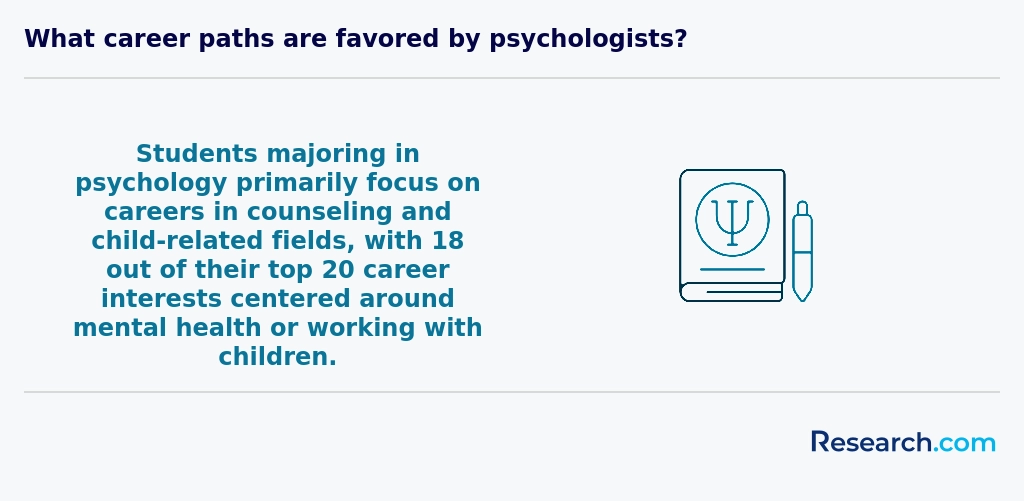
Graduates exploring psychology career opportunities in Illinois find themselves stepping into a vibrant array of paths. Imagine working as a licensed mental health professional in bustling Chicago, supporting individuals through complex emotional journeys in hospitals or cozy private practices. Many graduates from the University of Illinois at Urbana-Champaign and Northwestern University share excitement about blending clinical practice with meaningful community impact.
Others take the adventurous route into research or academia, diving into advanced degrees to unlock discoveries that push the field forward. This quest often leads them to teach emerging students or contribute to influential studies within Illinois's renowned institutions.
Business sectors also beckon with roles in human resources and organizational development, where psychology degree jobs and salaries reflect the value of understanding human behavior to drive success.
For those curious about the cost of this thrilling journey, tuition varies widely, but exploring options like the Affordable Psychology Degree Programs Ranking in Utah can inspire smart educational choices.
What is the job market for psychology degree in Illinois?
The job market for a psychology degree in Illinois is bustling with opportunity, fueled by the state's diverse communities and strong urban centers like Chicago. Graduates from well-known universities feel energized stepping into roles such as clinical or school psychologists, where the demand aligns with a growing recognition of mental health needs. Exploring employment opportunities for psychology graduates Illinois reveals options not only in hospitals and schools but also in private practices and government agencies, offering dynamic career paths.
Many psychology students at Illinois colleges discover the challenge and excitement of obtaining licensure, which opens doors to higher-paying roles. Median salaries for clinical psychologists hover around $82,000, providing a competitive edge compared to national figures. Those eager to accelerate their careers often look for specialized programs or consider fast college courses to gain qualifications more swiftly and jump into the workforce.
Graduates report that balancing the costs of graduate programs with promising job prospects makes the journey worthwhile, especially given Illinois' vibrant mental health field. The outlook for psychology degree job outlook Illinois is bright, making it a thrilling path for those ready to impact lives and embrace new professional adventures.
Frequently Asked Questions About psychology
Psychology degree students in Illinois can maximize their learning by engaging in diverse practical experiences. Internships and research assistant roles at local clinics and universities provide hands-on exposure crucial for understanding psychological theories in action. According to the Illinois Board of Higher Education, approximately 70% of psychology programs in the state emphasize experiential learning opportunities.
Joining psychology clubs and organizations also fosters networking with peers and professionals, enhancing both academic and career prospects. Additionally, students should utilize Illinois' extensive online resources and libraries, such as those at the University of Illinois, to stay current with research developments. Balancing coursework with real-world application enriches overall mastery in psychology.
Emerging niches within the psychology field reflect evolving societal needs and technological advancements. In Illinois, areas such as neuropsychology and health psychology are gaining traction, influenced by increasing awareness of brain health and chronic disease management. According to the Illinois Psychological Association, neuropsychology specialists address conditions like traumatic brain injuries, which are becoming more recognized in clinical settings.
Another growing area is industrial-organizational psychology. Illinois' diverse economy drives demand for experts who improve workplace productivity and employee well-being. Additionally, forensic psychology is expanding, supporting the state's legal system with psychological evaluations and expert testimony.
Technology integration is also fueling growth in telepsychology, allowing remote mental health services to reach more Illinois residents, especially in underserved regions.
After completing a psychology degree in Illinois, preparing for the job market involves several key steps. First, gaining relevant experience through internships or volunteer positions in clinical, educational, or research settings is crucial. Illinois offers numerous opportunities in hospitals, schools, and nonprofit organizations to build practical skills.
Networking is also essential. Connecting with professionals via the Illinois Psychological Association or attending local career fairs can open doors. Additionally, many roles require licensure; for example, becoming a Licensed Clinical Professional Counselor (LCPC) involves supervised hours and passing an exam regulated by the Illinois Department of Financial and Professional Regulation.
Recent data from the U.S. Bureau of Labor Statistics shows that Illinois's psychology sector is expected to grow moderately, underscoring the importance of specialized skills such as data analysis and psychological testing.
Strengthening your resume with certifications, such as Applied Behavior Analysis (ABA), can further improve employability. Finally, considering graduate education in Illinois may expand job prospects and increase earning potential.
Employers in Illinois highly value psychology graduates who demonstrate strong critical thinking and analytical skills. These abilities enable graduates to assess complex data and apply psychological principles effectively. According to the Illinois Department of Employment Security, problem-solving is among the top skills sought in psychology-related roles statewide.
Communication skills, both written and verbal, are essential as psychologists often work with diverse populations or collaborate across disciplines. The ability to convey research findings clearly is also crucial for roles in clinical, counseling, or industrial-organizational psychology.
Additionally, knowledge of ethical standards and cultural competency is key due to Illinois's diverse population. Familiarity with research methods and statistical software remains important, particularly in academic or research-focused careers.
Finding internships in Illinois for psychology students involves several strategic steps. First, students should consult their university's career services, which often maintain partnerships with local organizations offering placements tailored to psychology majors. According to the Illinois Board of Higher Education, nearly 60% of psychology programs in the state recommend internships as a graduation requirement, emphasizing practical experience.
Additionally, students can explore opportunities at Chicago-area hospitals, mental health clinics, and nonprofit organizations. Websites like Handshake and the Illinois Counseling Association also list relevant internships. Networking with faculty and attending Illinois psychological conferences increases chances of discovering openings.
Planning early-ideally one semester ahead-is crucial since Illinois internships frequently have competitive application processes.
A psychology degree in Illinois offers significant advantages for career mobility and advancement. According to the Illinois Department of Employment Security, holders of psychology degrees experience a 10% faster job growth rate in related fields compared to the state average. This degree equips graduates with skills applicable in various roles such as clinical psychology, counseling, human resources, and social services.
Advanced degrees, particularly at the master's and doctoral levels, further increase opportunities for leadership and specialized positions. Licensed psychologists in Illinois earn a median salary above $80,000 annually, which often reflects educational attainment.
Employers value critical thinking, research abilities, and understanding of human behavior, all central to psychology education. These factors enhance prospects for promotions and transitions within sectors.
Studying for a psychology degree in Illinois offers a strong foundation for interdisciplinary roles, integrating knowledge from various fields such as healthcare, education, and social services. Many universities in Illinois emphasize applied learning and research collaboration, which prepare students to work in diverse settings. For example, the Illinois Board of Higher Education highlights that psychology graduates often engage in teamwork with professionals from social work, nursing, and business sectors.
Programs frequently include courses on cognitive science, behavioral health, and data analysis, broadening skills beyond traditional psychology. This interdisciplinary approach aligns with growing job market demands in Illinois, where sectors like healthcare and human services require versatile expertise. The Bureau of Labor Statistics notes a steady 9% growth in related occupations statewide through 2031.
When choosing between a thesis and a non-thesis psychology degree program in Illinois, consider your career goals and learning preferences. Thesis programs typically involve conducting original research and writing a detailed paper, preparing students for doctoral studies or research-intensive roles. Non-thesis options often emphasize coursework and practical experience, suitable for those seeking careers in applied psychology or related fields without a research focus.
In Illinois, many public universities offer both options, with thesis programs usually taking longer to complete. According to the Illinois Board of Higher Education, about 40% of psychology master's students choose thesis tracks, reflecting interest in research-oriented careers.
Evaluate faculty expertise and resources, such as access to labs, when deciding. Additionally, consider future plans - a thesis can strengthen applications for PhD programs, while a non-thesis might fast-track entry into professional roles.
Students based in Illinois interested in studying psychology abroad have several options through established study abroad programs linked to Illinois universities. Many institutions, such as the University of Illinois and Northwestern University, offer psychology majors opportunities to participate in exchanges or short-term programs across Europe, Asia, and Australia.
These programs typically include coursework relevant to psychology and often integrate experiential learning components like research or internships. According to the Institute of International Education, Illinois ranks among the top states sending U.S. students abroad, with psychology being a popular field within these exchanges.
Additionally, Illinois students can explore international psychological research collaborations or enroll in dual-degree programs partnering U.S. and foreign universities. This approach enriches cultural competence, an essential skill in psychology careers.
Part-time jobs that complement psychology degree education in Illinois often involve practical experience with mental health, research, or social services. Many students find roles as research assistants at universities, where they help collect and analyze data, gaining valuable insights into psychological studies. Institutions like the University of Illinois and Northwestern University often offer such opportunities.
Another common option is working as a behavioral health technician or aide in clinics and hospitals. Illinois employs thousands in mental health services, supported by the Illinois Department of Human Services, which shows steady demand for entry-level roles.
Additionally, tutoring positions in psychology or related courses allow students to reinforce their knowledge while earning income. Local nonprofits also frequently seek part-time coordinators for community outreach programs focused on mental health awareness.
Psychology students in Illinois have access to various networking opportunities that support their academic and professional growth. Many universities, including the University of Illinois and Northwestern University, host psychology clubs and honor societies where students can connect with peers and faculty. These groups often organize guest lectures, workshops, and local conferences.
Additionally, Illinois has active local chapters of national organizations such as the American Psychological Association (APA), offering networking events and mentorship programs. According to APA Illinois, participation in these events can enhance job prospects and research collaborations.
Students may also find internship placements at Chicago-area hospitals and mental health clinics, which serve as practical networking venues. The Illinois Psychological Association reports that internships and volunteering significantly increase students' professional contacts within the state.
Alumni networks play a significant role for psychology degree students in Illinois by providing valuable connections and career support. Graduates from Illinois institutions, such as the University of Illinois and Northwestern University, often engage with a broad community of professionals in mental health fields. Research by the Illinois Board of Higher Education highlights that 65% of psychology graduates find employment through networking.
These networks offer mentorship opportunities, internships, and job leads within local clinics, schools, and hospitals. Additionally, alumni events and online groups help students stay informed about industry trends and continuing education programs in Illinois, enhancing career readiness and professional growth.
Customizing a psychology degree program in Illinois allows students to focus on areas that align with their career goals. Many universities offer concentrations such as clinical psychology, counseling, industrial-organizational psychology, or neuroscience. Selecting relevant electives, internships, or research projects enhances practical skills and career readiness.
Illinois schools often provide flexible scheduling, including evening, weekend, and online courses to accommodate working students. Exploring partnerships with local healthcare providers or businesses can give hands-on experience crucial for future employment.
According to the Illinois Board of Higher Education, tailoring your studies can improve job market competitiveness, especially in a state with a growing demand for mental health professionals.
Psychology students in Illinois often face significant challenges related to balancing rigorous academic requirements with practical experience. Many programs in the state require students to complete extensive research projects and internships, which can be time-consuming alongside coursework. According to the Illinois Board of Higher Education, about 60% of psychology undergraduates engage in research or fieldwork before graduation, adding to their workload.
Financial concerns also impact students. Tuition for in-state psychology programs averages around $12,000 per year at public universities, and students must often seek scholarships or part-time work to manage expenses. Additionally, competition for limited internship placements can create stress and uncertainty.
A psychology degree in Illinois can open doors to various professional certifications that enhance career prospects. Graduates often pursue licensure as a Licensed Professional Counselor (LPC) or Licensed Clinical Professional Counselor (LCPC), both regulated by the Illinois Department of Financial and Professional Regulation. These licenses require supervised clinical hours and passing the National Counselor Examination.
Other common certifications include becoming a Certified Alcohol and Drug Counselor (CADC), which supports work in substance abuse treatment, or obtaining credentialing as a Behavior Analyst through the Behavior Analyst Certification Board.
For those interested in school settings, Illinois offers certification as a School Psychologist, which requires a specialist degree and approval from the Illinois State Board of Education. According to the Bureau of Labor Statistics, Illinois employs over 5,000 psychologists, signaling steady demand for credentialed professionals.
Applying to a psychology program in Illinois requires careful preparation to stand out. Start by maintaining a strong GPA, ideally above 3.5, as Illinois schools like the University of Illinois Urbana-Champaign prioritize academic excellence. Include relevant experience such as internships or volunteer work in mental health settings, demonstrating your commitment to the field.
Craft a compelling personal statement explaining why you want to study psychology in Illinois, referencing specific research interests or faculty where possible. Use clear, concise language and avoid clichés. Letters of recommendation from professors familiar with your academic abilities and character are crucial.
Additionally, perform well on the GRE if required; many Illinois programs still use it as an admissions criterion. According to Illinois Board of Higher Education data (2023), programs increasingly value holistic applications, so showcasing well-rounded achievements can improve your chances.
The psychology field offers diverse career opportunities worldwide, influenced by cultural, social, and economic factors. In the United States, including Illinois, psychology careers often emphasize clinical practice, research, and applied psychology in schools or businesses. According to the Bureau of Labor Statistics, Illinois employs over 13,000 psychologists as of 2023, reflecting steady demand in healthcare and education sectors.
Globally, practitioners may focus on community-based mental health or neuropsychology, but in the U.S., licensure requirements and graduate education strongly shape career paths. Illinois psychology programs align with these standards, preparing students for licensed professional roles.
International comparisons show that U.S. psychology degrees hold strong recognition, benefiting professionals seeking collaboration or further study overseas. Understanding these global and local dynamics is essential for Illinois students planning their careers in psychology.
Gaining practical experience during a psychology degree in Illinois is essential for career readiness. Many Illinois universities offer internship opportunities through partnerships with local hospitals, mental health clinics, and social service agencies. For example, the Illinois Board of Higher Education notes that internships help students develop applied skills and build professional networks.
Students can also participate in research projects led by faculty members. Engaging in research allows hands-on experience with psychological methods and data analysis. According to the American Psychological Association, such involvement improves job prospects post-graduation.
Volunteer work at community organizations or crisis centers is another valuable option. Illinois has diverse services where psychology students contribute while gaining insights into mental health support systems.
Choosing the right concentration within a psychology degree program in Illinois involves considering your career goals and personal interests. Illinois universities often offer concentrations such as clinical, counseling, industrial-organizational, and developmental psychology, each leading to different career paths.
Research from the Illinois Board of Higher Education highlights that clinical and counseling psychology are among the fastest-growing fields in the state, responding to rising mental health service demands. Industrial-organizational psychology is popular in Chicago's corporate sector, offering roles in human resources and organizational development.
It helps to review course offerings, faculty expertise, and internship opportunities related to your chosen concentration to ensure alignment with your professional aspirations. Additionally, consider licensure requirements, as clinical and counseling psychologists in Illinois need specific credentials to practice.
Related Psychology Rankings for Nearby States
- 2027 Most Popular Psychology Degree Programs Ranking in Iowa
- 2027 Most Popular Psychology Degree Programs Ranking in Minnesota
- 2027 Most Popular Psychology Degree Programs Ranking in Arkansas
- 2027 Most Popular Psychology Degree Programs Ranking in North Dakota
- 2027 Most Popular Psychology Degree Programs Ranking in Oklahoma
- 2027 Most Popular Psychology Degree Programs Ranking in Mississippi
- 2027 Most Popular Psychology Degree Programs Ranking in Alabama
- 2027 Most Popular Psychology Degree Programs Ranking in Georgia
- 2027 Most Popular Psychology Degree Programs Ranking in North Carolina
- 2027 Most Popular Psychology Degree Programs Ranking in Louisiana
Top Trending Psychology Rankings
See What Experts Have To Say About Studying Psychology
Read our interview with Psychology experts

Catherine Caldwell-Harris, Ph.D.
Psychology Expert
Associate Professor of Psychology
Boston University

Robin M. Kowalski. Ph.D.
Psychology Expert
Professor of Psychology
Clemson University

Joann Farrell Quinn, Ph.D., MBA
Psychology Expert
Director at the College of Medicine Department of Medical Education
Morsani College of Medicine

References
- Why Get a Psychology Degree Online? | University of Bridgeport https://www.bridgeport.edu/news/reasons-to-get-your-psychology-degree-online/
- Best Types Of Online Psychology Degrees 2025 https://www.psychology.org/degrees/
- Alumni Perspectives - Meet Our FPN Alumni https://www.aanmelder.nl/alumni-perspectives-june-2023
- Online Psychology Degree Programs in Illinois https://www.onlinepsychologydegrees.com/states/illinois/
- CLINICAL PSYCHOLOGY (THESIS / NON-THESIS) - Lisansüstü Eğitim Enstitüsü https://lee.nisantasi.edu.tr/en/clinical-psychology-thesis-non-thesis/
- Illinois Programs https://www.ilispa.org/graduate-programs
- Society for the Teaching of Psychology https://teachpsych.org/page-1784686/8675326
- Psychology - SWPS University https://english.swps.pl/academics/warsaw/ba-programs/psychology
- Sample letters in psychology https://www.mystudies.com/en-in/human-and-social-sciences/psychology/letter-model/
- Psychology | Illinois College https://www.ic.edu/psychology


