
2027 Most Valuable Psychology Degree Programs Ranking in South Carolina

Co-Founder and Chief Data Scientist
Choosing the right psychology degree program in South Carolina can shape your future in meaningful ways. This article presents the 2027 Most Valuable Psychology Degree Programs Ranking in South Carolina, developed by the Research.com team of data scientists. It's designed to help you make an informed decision about which programs truly stand out.
Whether you're passionate about understanding human behavior or aiming for a rewarding career, this ranking offers valuable insights. Exploring your options with trusted data allows you to confidently pursue a degree that fits your goals and aspirations.
Key benefits of getting psychology degree in South Carolina
- Salary benefits: Psychology graduates in South Carolina can earn competitive salaries, such as Clinical Research Associates making about $62,370 annually and Human Resources Specialists earning around $76,060. These figures show strong earning potential in diverse fields.
- Career paths: Graduates from universities like the University of South Carolina find opportunities in roles like Marketing Research Analyst, with a mean wage of $83,190, demonstrating varied and rewarding job options. This variety allows you to choose a path that fits your passion and skills.
- Online degree advantages: Earning your psychology degree online from institutions such as Clemson University offers flexibility and convenience, making it easier to balance work and study while still qualifying for promising roles. This approach opens doors without sacrificing your current lifestyle.
- Key benefits of getting psychology degree in South Carolina
- What can I expect from psychology degree in South Carolina?
- Where can I work with psychology degree in South Carolina?
- How much can I make with psychology degree in South Carolina?
- 2027 Most Valuable Psychology Degree Programs Ranking in South Carolina
- Key Findings
- How long does it take to complete psychology degree in South Carolina?
- Licensing and Certification Requirements for Psychology Graduates in South Carolina
- What's the difference between online and on-campus psychology degree?
- Licensure Requirements in South Carolina
- What is the average cost of psychology degree in South Carolina?
- Advanced Studies and Career Advancement in Psychology
- What financial aid is available to psychology degree students in South Carolina?
- Licensing and Certification Requirements for Psychologists in South Carolina
- What are the prerequisites for enrolling in psychology degree program in South Carolina?
- Most Affordable Options for Psychology Students in South Carolina
- What courses are typically in psychology degree programs in South Carolina?
- What types of specializations are available in psychology degree programs in South Carolina?
- How do you choose the best psychology degree in South Carolina?
- What career paths are available for psychology degree students in South Carolina?
- What is the job market for psychology degree in South Carolina?
- Related Psychology Rankings for Nearby States
- Top Trending Psychology Rankings
- See What Experts Have To Say About Studying Psychology
What can I expect from psychology degree in South Carolina?
Many students pursuing psychology degrees in South Carolina find that the average cost aligns closely with public tuition rates at institutions such as the University of South Carolina and Clemson University. These costs often range around $12,000 to $15,000 per year for in-state students, making psychology education relatively accessible compared to national averages. Graduates commonly recall balancing tuition with part-time work or scholarships, reflecting a realistic investment in their future careers.
At Coastal Carolina University, students emphasize the value of programs that integrate research and hands-on internships, often noting how these practical experiences justify the costs and enrich their learning beyond textbooks. They describe moments in labs or community clinics where theory meets reality, affirming their choice despite financial challenges.
Far from being a simple transaction, paying for a psychology degree in South Carolina involves embracing a transformative journey-one where mounting education expenses mirror genuine growth in empathy, critical thinking, and professional readiness. This nuanced cost-benefit experience shapes not only careers but personal resilience and commitment to mental health fields within the state.
Where can I work with psychology degree in South Carolina?
Psychology graduates in South Carolina find themselves stepping into diverse roles that often defy expectations. Many begin their careers in healthcare environments-hospitals, mental health clinics, and rehab centers-where their work directly impacts lives. Graduates from the University of South Carolina or Clemson University often share how roles as mental health counselors or case managers offered deeply rewarding experiences, blending theory with real human connection.
Others thrive in educational settings, not just as school counselors but as academic advisors or research assistants, supporting student well-being and academic growth across public schools and universities statewide. Working in social services, especially with agencies like the South Carolina Department of Social Services, reveals how a psychology degree empowers graduates to influence child welfare and community health.
Corporate sectors also crave psychology insights, with graduates applying their understanding of motivation and behavior in human resources or marketing, shaping company culture and customer engagement. These career paths highlight the unexpected versatility and emotional fulfillment that studying psychology in South Carolina can ignite.
How much can I make with psychology degree in South Carolina?
Psychology graduates in South Carolina often discover that the path from classroom theories to a paycheck is more varied than expected. For instance, those stepping into roles like Human Resources Specialist can anticipate an average yearly wage of about $76,060, a figure that reflects a solid starting point for many who studied at institutions such as the University of South Carolina or Clemson University. Meanwhile, graduates drawn to data-driven roles as Marketing Research Analysts may find their efforts rewarded with higher earnings, near $83,190 annually, highlighting how specialized skills can significantly boost income.
Not all psychology graduates aim for these roles, though. Those working as Clinical Research Associates or Survey Researchers earn around $62,370 per year, a solid salary that often comes from early career positions affiliated with health or social research projects many students engage with during internships. These salaries paint a picture of attainable success woven into the fabric of South Carolina's academic and professional landscape.
Graduates share stories of navigating salary negotiations with newfound confidence, gladly trading off static expectations for the exciting reality of financial growth tied directly to their education and local job market nuances. Students from colleges like The College of Charleston often remark on how awareness of regional salary trends empowers their career choices and inspires a dynamic view of what a psychology degree truly offers in the Palmetto State.
2027 Most Valuable Psychology Degree Programs Ranking in South Carolina
How do we rank schools?
Investing in your education is a significant decision that can shape your future, and the Research.com team understands the importance of making informed choices. To assist prospective students in South Carolina, we have meticulously crafted the "2027 Most Valuable Psychology Degree Programs Ranking in South Carolina." Our commitment to quality, credibility, and accuracy is reflected in the extensive research and analysis conducted to compile this ranking.
We utilized the following reputable data sources to ensure a comprehensive evaluation of psychology programs:
By exploring this ranking, readers will gain valuable insights into the most valuable psychology degree programs available in South Carolina, empowering them to make well-informed decisions about their educational journeys. For more details on our methodology, please visit our Research.com methodology page.


# 19 position
Bob Jones University
Bachelor of Science in Counseling Psychology

# 20 position
Bob Jones University
Master of Arts in Psychology
Key Findings
- In-state tuition for psychology programs at public universities in South Carolina ranges from $10,000 to $14,000 per year, while private schools charge between $25,000 and $40,000 annually.
- Additional costs to consider include textbooks, fees, and living expenses when planning for a psychology degree.
- Starting salaries for psychology graduates with a bachelor's degree are around $38,000 per year, with master's and doctoral degree holders earning more.
- The average psychologist salary in South Carolina is about $77,000, with clinical, counseling, and school psychologists typically making between $70,000 and $85,000.
- Psychology jobs in South Carolina are expected to grow by 7% over the next decade, with high demand in healthcare, education, and social services sectors.
- Licensure for psychologists requires a doctoral degree, supervised experience, and passing the EPPP exam, while master's level counselors follow different state licensing rules.
How long does it take to complete psychology degree in South Carolina?
Completing a psychology degree in South Carolina most often aligns with national norms, yet the journey's pace can surprise those who dive in. At institutions like the University of South Carolina or Clemson University, graduates typically spend four years earning their bachelor's degree, juggling 120 credit hours of coursework-from core psychology concepts to general education. Imagine balancing late-night study sessions with campus life; many find this period energizing despite challenges.
Advancing to a master's degree usually takes an additional two to three years, depending on if students choose a research-intensive path or applied focus. Graduates recall the rewarding intensity of thesis projects or practicum experiences that solidify their professional confidence.
The doctoral level-PhD or PsyD-introduces complexity, stretching from four to seven years and blending coursework with practical internships. For example, students in the University of South Carolina's Clinical Psychology PhD program share how immersive research and clinical hours steadily build their expertise, a marathon that, while demanding, feels deeply fulfilling.
These timeframes aren't rigid; part-time study and financial considerations can stretch them, but many find the steady progression through these stages both motivating and transformative.
Licensing and Certification Requirements for Psychology Graduates in South Carolina
After completing a psychology degree in South Carolina, graduates must navigate state licensure to practice professionally. The South Carolina Board of Examiners in Psychology oversees credentialing for various roles-from Licensed Psychological Associates (LPA) to Licensed Psychologists (Ph.D. or Psy.D.). Key steps include:
- Accredited Degree: Earn a bachelor’s, master’s, or doctoral degree from a program accredited by the APA or regionally recognized bodies.
- Supervised Experience: Complete 1,500–2,000 hours of supervised post-degree experience under a licensed psychologist, depending on the credential level.
- Examination for Professional Practice in Psychology (EPPP): Pass the national EPPP, testing core competencies in biological bases, assessment, ethics, and more.
- Jurisprudence Exam: Successfully complete South Carolina’s jurisprudence or ethics examination, covering state laws and professional standards.
- Application & Fees: Submit a detailed application, official transcripts, supervisor evaluations, and required fees to the Board. For students aiming to fast-track clinical practice, pursuing a doctoral pathway is essential-explore online psy.d programs that align with South Carolina’s educational requirements. Once licensed, psychologists in the state must complete 40 hours of continuing education every two years, including 6 hours in ethics, to maintain their credential and stay abreast of best practices. Proper planning of your education and supervised hours ensures a smooth transition from graduate to licensed professional in South Carolina’s thriving psychology community.
What's the difference between online and on-campus psychology degree?
Imagine a psychology student at the University of South Carolina juggling a part-time job and family while completing their degree online. The flexibility allows them to study late at night, accessing lectures from their living room, which perfectly suits their busy lifestyle. Conversely, a Clemson University psychology major thrives in face-to-face settings, benefiting from direct interactions during lab work and internships that build confidence and camaraderie with professors and peers.
Online programs in South Carolina often match the academic rigor of on-campus formats but demand exceptional self-discipline and time management, which some graduates find empowering yet challenging. Meanwhile, on-campus students enjoy immediate access to campus resources like research labs and counseling centers, fostering hands-on experience and stronger networking opportunities crucial for psychology careers.
Both formats meet SACSCOC accreditation, yet the choice hinges on personal learning style and lifestyle. A rural student may feel uplifted by online accessibility, while another in Columbia may treasure the vibrancy of campus life. These differences shape not only the learning journey but also the emotional connection to the field.
Licensure Requirements in South Carolina
To practice psychology or counseling in South Carolina, graduates must meet state board criteria and obtain the proper credentials:
- Earn a qualifying degree from an APA-accredited doctoral program or a CACREP-accredited master’s program (consider an affordable online masters in psychology to fulfill academic standards)
- Complete a minimum of 3,000 supervised professional experience hours (pre- and post-doctoral or post-master’s depending on license type)
- Pass the Examination for Professional Practice in Psychology (EPPP) and any state jurisprudence exams
- Submit a licensure application and required fees to the South Carolina Board of Examiners in Psychology
- Maintain and renew licensure by completing annual continuing education credits as specified by the board
What is the average cost of psychology degree in South Carolina?
The average cost of a psychology degree in South Carolina stands near $40,720, with in-state students often facing a median total cost around $15,554. This figure is a clear indicator that while public universities such as the University of South Carolina or Coastal Carolina University offer relatively accessible tuition, the total investment still requires serious financial planning. Many graduates recall balancing their course load with part-time jobs or internships, appreciating how these experiences enriched their education despite the costs.
Considering South Carolina psychology degree tuition and fees reveals a nuanced picture. While tuition at public institutions is lower for residents, expenses from books, supplies, and living costs add up quickly. Students who enroll at private schools like Furman University often encounter tuition well over $35,000 annually, yet they value the intimacy of smaller classes and specialized psychology tracks. These features can make the larger price tag feel like a worthwhile investment, reflecting their confidence in the career prospects their degree affords.
For students curious about stretching their budgets without compromising quality, exploring financial aid and scholarships is essential. Many find helpful resources at state organizations, making the idea of a psychology degree feel more within reach. Those eager to delve into more affordable options might consider checking out affordable psychology programs in South Carolina, which guide students toward programs designed to reduce overall debt.
Ultimately, the average cost of a psychology degree in South Carolina demands thoughtful reflection on both the expense and value of education. It invites prospective students to imagine a future where their investment aligns with personal passion and professional success, not just tuition numbers.

Advanced Studies and Career Advancement in Psychology
For many psychology graduates, the journey does not end at the bachelor’s or master’s level; advanced studies open up critical opportunities for research, clinical leadership, and academic roles. Pursuing graduate or doctoral studies not only deepens theoretical knowledge but also fosters specialized skills and innovative research approaches which are increasingly in demand in today’s complex mental health landscape. Advanced education, particularly at the doctoral level, can refine one's expertise in areas such as neuropsychology, forensic psychology, and counseling, while emphasizing evidence-based practices and ethical research. Many professionals choose to further their education through online psychology doctorate degree programs to gain flexibility while balancing practical experience with rigorous study. This pathway is ideal for those aiming to contribute to groundbreaking research, secure leadership roles within healthcare and academic institutions, or even establish private practices that integrate comprehensive mental health services. In today’s evolving job market, understanding the benefits of continued education and remaining abreast of innovative trends are essential steps in achieving long-term career advancement.
What financial aid is available to psychology degree students in South Carolina?
Financial aid for psychology students in South Carolina often begins with federal support, such as the FAFSA, unlocking access to grants like the Pell Grant, which awarded up to $7,395 in 2023-2024. Imagine a psychology student at the University of South Carolina relieved to have this grant ease their tuition burden, allowing more focus on research and clinical practice rather than finances.
State scholarships like the LIFE Scholarship also transform the experience by covering tuition at public universities for those who meet academic standards. Graduates from Clemson University often speak of how this scholarship turned dreams into achievable goals, removing the weight of financial stress.
On-campus merit scholarships and assistantships further brighten the path, with psychology departments offering tailored awards and teaching roles-an opportunity to gain practical experience while funding studies. External awards from bodies such as the American Psychological Association provide another hopeful avenue, rewarding both need and excellence.
While loans remain an option, many South Carolina students advise prioritizing scholarships and grants first, framing their journey through financial aid as not just a challenge, but a stepping stone to success.
Licensing and Certification Requirements for Psychologists in South Carolina
Becoming a licensed psychologist in South Carolina requires adherence to state-specific educational and professional standards that ensure quality care and public safety. First, aspiring clinicians must earn at least a master’s degree in psychology from a program accredited by the American Psychological Association (APA) or the Psychological Clinical Science Accreditation System (PCSAS). Many candidates choose to pursue a doctoral degree (Ph.D. or Psy.D.) to access the full range of license categories, especially for practice in clinical and forensic settings. After degree completion, candidates must accumulate a minimum of 2,000 supervised post-doctoral hours under a licensed psychologist. These hours must be documented and approved by the South Carolina Board of Examiners in Psychology. Once supervised experience is verified, applicants are eligible to sit for the Examination for Professional Practice in Psychology (EPPP), administered by the Association of State and Provincial Psychology Boards (ASPPB). In addition to the EPPP, South Carolina requires a state jurisprudence examination covering ethical standards, state statutes, and professional conduct guidelines. Successful candidates receive a license that must be renewed biennially, with evidence of 40 hours of continuing education (CE) credits-at least 20 in professional or scientific content and 3 in ethics. Specialties such as school psychology or industrial-organizational psychology may require additional certifications and CE in niche topics like educational assessment or workplace consultation. Prospective students evaluating program costs might also explore regional affordability trends by reviewing our Inexpensive Psychology Degree Programs Ranking in Maine, which offers insights into low-cost pathways and scholarship opportunities outside South Carolina. Understanding these licensing and certification steps early on can streamline the transition from degree completion to practice, ensuring that graduates meet all professional requirements to serve their communities effectively.
What are the prerequisites for enrolling in psychology degree program in South Carolina?
To embark on a psychology degree in South Carolina, students quickly realize that a high school diploma or GED is just the starting point. Many undergraduates recalling their first semester at institutions like the University of South Carolina or Clemson University found that having solid foundations in English, math, and science helped them thrive, especially courses touching on biology or social sciences. These prerequisites aren't arbitrary hurdles-they prepare students to engage deeply with complex psychological concepts from day one.
Interestingly, some colleges still ask for SAT or ACT scores, though many have shifted to test-optional policies, reflecting evolving views on standardized testing's role. Graduate hopefuls often describe applying to programs at places like The Citadel or College of Charleston as a leap requiring a bachelor's degree with a competitive GPA-often above 3.0-and specialized coursework in areas like developmental psychology and research methods.
Graduates frequently emphasize that meeting these prerequisites isn't about ticking boxes but about building confidence and readiness to contribute meaningfully to the field. The journey demands intellectual curiosity and a genuine desire to understand human behavior within South Carolina's unique social landscape.

Most Affordable Options for Psychology Students in South Carolina
Pursuing a psychology degree in South Carolina can be a costly endeavor, but there are several options available for students looking to minimize their expenses. One of the most effective ways to reduce costs is to explore affordable psychology programs in South Carolina, which offer quality education at a lower price point. By considering factors such as tuition fees, living expenses, and financial aid options, students can make informed decisions about their educational investments. Additionally, many institutions in South Carolina offer scholarships, grants, and assistantships to help psychology students fund their studies, making it possible to achieve their academic goals without breaking the bank.
What courses are typically in psychology degree programs in South Carolina?
Psychology degree programs in South Carolina typically immerse students in courses like Introduction to Psychology, Developmental Psychology, and Abnormal Psychology, forming a vital foundation for understanding human behavior. Graduates from well-regarded institutions such as the University of South Carolina often recall how the blend of Social Psychology and Cognitive Psychology courses helped them relate theory directly to everyday interactions, making academic concepts vividly clear.
Classes in Biological Psychology or Neuroscience and Research Methods push students to grasp the biological underpinnings of behavior and develop skills in scientific inquiry. At colleges around the state, students describe moments of excitement when learning Statistics for Behavioral Sciences finally "clicked," empowering them to confidently analyze real-world data.
Specialized electives like clinical or forensic psychology frequently personalize learning, helping students envision their future careers in counseling or criminal justice, while practicum experiences provide hands-on application, turning textbook knowledge into meaningful practice under the guidance of seasoned professionals.
What types of specializations are available in psychology degree programs in South Carolina?
Psychology degree specializations in South Carolina plunge students into a rich array of paths that challenge simple notions of what psychology really encompasses. Graduates from Clemson University often reflect on the deep empathy gained through clinical psychology, where therapeutic techniques become second nature amid diagnosing complex mental health conditions. Meanwhile, at the University of South Carolina, students pursuing counseling psychology find themselves equipped to navigate real-life struggles, helping individuals through significant personal challenges with nuanced counseling skills.
South Carolina psychology program concentration options extend beyond these, inviting students to explore cognitive psychology's investigation of memory and decision-making or the dynamic realms of developmental and industrial-organizational psychology. Graduates often describe the satisfaction of applying behavioral science to improve workplace well-being or understanding human development over a lifetime.
Many students also cherish combining core classes with unique electives-offered notably at Clemson and USC-allowing personal and interdisciplinary growth in areas like forensic or health psychology. For those ready to push their expertise further, South Carolina offers options like online psychology doctorate degree programs, blending flexibility with advanced scholarship.
How do you choose the best psychology degree in South Carolina?
Choosing the best psychology degree in South Carolina isn't just about picking the school with the lowest tuition or the flashiest campus. Graduates from institutions like the University of South Carolina often recall how vital accreditation was in shaping their licensure path-SACSCOC accreditation and APA-aligned curricula truly matter when aiming for professional psychology roles. Affordable psychology colleges in South Carolina can seem appealing, but understanding the total cost of attendance-including fees and living expenses-is what ensures you won't be caught off guard.
Consider the immersive experiences at Clemson University, where involvement in community practicum placements gave graduates confidence and real-world skills beyond textbooks. It's these opportunities that transform studies into a deeply fulfilling pursuit. Career support and focused EPPP exam preparation also weigh heavily in choosing the right program; some have found their success was directly tied to programs tailored to South Carolina's licensing demands. For those looking at flexible routes, exploring online psy.d programs may complement busy lifestyles without sacrificing quality.
What career paths are available for psychology degree students in South Carolina?
Graduates with a psychology degree in South Carolina often discover career paths that defy simple categorization. Beyond traditional roles like clinical psychologist or counselor, many find themselves drawn to innovative positions in business, marketing, and human factors, particularly in vibrant communities around universities such as the University of South Carolina or Clemson. These graduates experience firsthand how psychology skills translate into analyzing consumer behavior or enhancing workplace dynamics.
Jobs with a psychology degree South Carolina also branch into healthcare and social services, where bachelor's degree holders start as psychiatric technicians or case managers, gaining critical experience. Those who pursue advanced degrees immerse themselves in school psychology or licensed clinical practice, responding to real demands in the state's hospitals and community centers. Success stories from local graduates underline the emotional fulfillment found in these roles, helping vulnerable populations and shaping healthier communities.
Students weighing their educational investment benefit from resources like the Inexpensive Psychology Degree Programs Ranking in Maine, which offers insight into managing costs effectively, empowering more South Carolina students to pursue psychology without overwhelming debt.
Exploring psychology career opportunities in South Carolina reveals a landscape rich with variety and growth, especially as social service jobs expand, inviting graduates eager to make a meaningful impact.
What is the job market for psychology degree in South Carolina?
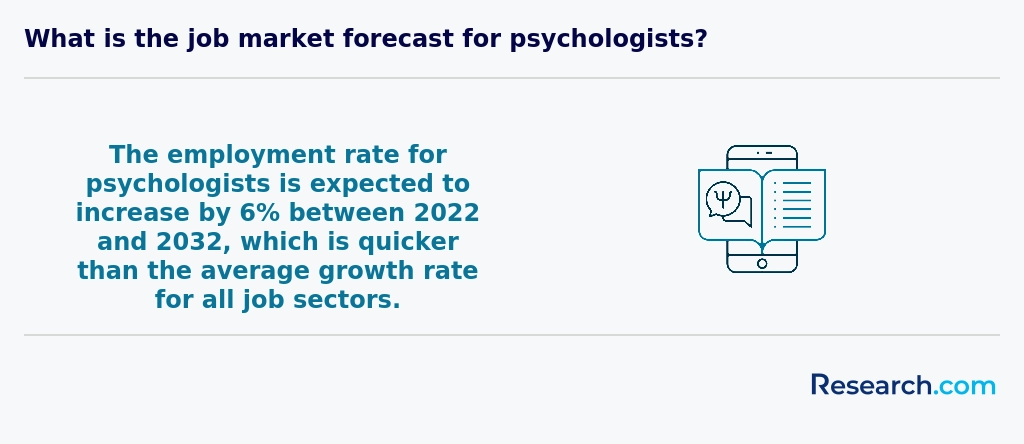
The job market for psychology degree holders in South Carolina reveals a complex balance between opportunity and challenge. Graduates from universities like the University of South Carolina or Clemson often find themselves energized by urban centers such as Charleston and Greenville, where demand for mental health services is growing. However, these graduates must grapple with salaries slightly below the national average, which prompts reflection on the true value of a psychology degree here. Many graduates share experiences of starting in social services or case management roles, recognizing these positions as essential stepping stones toward licensed clinical practice.
South Carolina's lower cost of living adds a subtle layer of optimism that tempers concerns about wage limits. For those pursuing paths beyond a bachelor's degree, regional universities provide strong networks, encouraging clinical or counseling psychologist licensure, which remains pivotal for career growth. Additionally, some find value in exploring certificate careers that pay well as practical alternatives or supplements while moving toward advanced qualifications.
Thus, the South Carolina psychology career outlook 2027 is nuanced; while challenges exist, especially for bachelor's degree holders, the state's commitment to expanding mental health infrastructure offers promising avenues for graduates ready to engage deeply with their communities.
Frequently Asked Questions About psychology
Students pursuing psychology degrees in South Carolina can enhance their education by engaging in hands-on research opportunities. Many universities, such as the University of South Carolina, offer active labs where undergraduates assist in faculty-led studies, providing practical experience that complements classroom learning. According to the South Carolina Commission on Higher Education, participating in internships or practicums at mental health facilities also helps students apply theoretical knowledge.
Joining psychology clubs or honor societies helps build professional networks and develop communication skills crucial for future careers. Additionally, attending local conferences like those hosted by the South Carolina Psychological Association exposes students to current research and career trends.
Emerging niches within psychology in South Carolina reflect national trends and local needs. One fast-growing area is forensic psychology, where specialists assist legal professionals by evaluating criminal behavior. South Carolina's criminal justice system increasingly relies on experts, creating demand for such skills.
Another expanding field is health psychology, focusing on how mental factors affect physical health. Given South Carolina's challenges with chronic diseases, health psychologists play vital roles in prevention and treatment.
Additionally, neuropsychology is gaining prominence due to advances in brain research and increased awareness of conditions like traumatic brain injury and dementia.
These niches offer promising career paths supported by recent regional employment data from the U.S. Bureau of Labor Statistics and state workforce reports.
Preparing for the job market after completing a psychology degree in South Carolina involves gaining relevant experience and networking locally. Many employers in the state value internships or practicum placements, which allow students to apply theory in real-world settings. South Carolina offers opportunities in healthcare, education, and social services, especially in urban areas like Charleston and Columbia.
Obtaining licensure is important for clinical or counseling roles. The South Carolina Department of Labor, Licensing and Regulation outlines specific requirements for psychologists and counselors, which usually include graduate degrees and supervised hours. Graduates should also consider joining professional associations such as the South Carolina Psychological Association to connect with peers and access job listings.
Developing strong research, communication, and data analysis skills can increase employability. According to the U.S. Bureau of Labor Statistics, South Carolina's demand for psychologists is expected to grow, highlighting the importance of preparing early with both academic credentials and practical experience.
Employers in South Carolina highly value several key skills in psychology degree graduates. Critical thinking and analytical abilities rank at the top, enabling graduates to assess research data and clinical information effectively. Strong communication skills, both written and verbal, are essential for interacting with clients and multidisciplinary teams. Additionally, proficiency in research methods and statistical analysis is important, as highlighted by the South Carolina Department of Employment and Workforce's emphasis on evidence-based practices.
Interpersonal skills and cultural competence also matter, given the state's diverse population. Adaptability and ethical judgment are crucial in clinical and counseling roles. Overall, these competencies prepare graduates to meet South Carolina's growing mental health service demands.
Finding psychology internships in South Carolina requires a strategic approach involving universities, local organizations, and licensed professionals. Many schools with psychology programs in South Carolina, such as Clemson University and the University of South Carolina, offer internship listings and partnerships with clinics, hospitals, and community centers.
Students should contact their college's psychology department or career services early to access exclusive, relevant internship opportunities. According to the South Carolina Department of Labor, healthcare and social assistance sectors, including mental health services, have been growing steadily, which creates more internship options.
Additionally, students can search state government websites and local non-profits focused on mental health for internships. Networking with licensed psychologists in South Carolina also helps secure positions that offer supervised clinical experience required for licensure.
A psychology degree in South Carolina can significantly enhance career mobility and advancement opportunities. Graduates often find roles in various sectors such as healthcare, education, social services, and business. According to the U.S. Bureau of Labor Statistics, the state has seen steady growth in psychology-related occupations, with a 6% projected increase through 2030.
South Carolina's licensing requirements for psychologists typically demand a doctoral degree, but bachelor's and master's degrees open doors to roles like counseling assistants or human resources specialists. Institutions such as the South Carolina Board of Examiners in Psychology provide clear pathways for licensure and career progression.
Employers value the critical thinking and research skills developed in psychology programs, which contribute to leadership and specialized positions. Networking opportunities through universities and professional organizations in the state also support career growth within the local job market.
Studying for a psychology degree in South Carolina offers strong preparation for interdisciplinary roles through diverse coursework and practical experiences. Programs often emphasize collaboration across fields such as healthcare, education, and social services, reflecting the state's demand for versatile professionals. For example, USC and Clemson incorporate research methods and applied psychology courses that promote problem-solving alongside experts from nursing, social work, and education.
The South Carolina Department of Employment reports growing opportunities in health and human services, underscoring the need for graduates who understand psychological principles in wider contexts. This interdisciplinary focus improves communication skills and prepares students for integrated team environments.
Choosing between a thesis and a non-thesis psychology degree program in South Carolina depends on your career goals and interests. A thesis program involves conducting original research and writing a formal paper, which is ideal if you plan to pursue a PhD or research-based jobs. Non-thesis programs often require additional coursework or a capstone project, better suited for students aiming for applied psychology careers or professional practice.
South Carolina universities, like the University of South Carolina, report that about 40% of psychology master's students choose thesis options, reflecting its popularity among those targeting academia or clinical research roles.
Consider faculty expertise, available resources, and your time commitment before deciding.
Students based in South Carolina interested in studying psychology abroad have several pathways to consider. Many institutions, including the University of South Carolina and Clemson University, offer established study abroad programs or exchange partnerships with universities in Europe, Asia, and Australia. These opportunities allow students to take psychology courses that can often transfer back to their South Carolina degree. According to the Institute of International Education, U.S. psychology students accounted for roughly 7% of all study abroad participants in 2022, reflecting growing interest in international experiences.
Options include semester-long programs, summer sessions, and internships abroad focused on cross-cultural psychology, behavioral research, or mental health practices. Students should consult their academic advisors to ensure credits align with South Carolina Psychology Higher Education Board requirements. Financial aid and scholarships specifically for study abroad in psychology are sometimes available through both South Carolina institutions and external organizations.
Students pursuing psychology degrees in South Carolina have access to various part-time job opportunities that can enrich their education. Common roles include research assistant positions at universities like the University of South Carolina or Clemson University, where students gain practical experience in data collection and analysis.
Additionally, internships or part-time work as behavioral health technicians are available in clinics and community health centers, offering hands-on experience with clients. According to the South Carolina Department of Employment and Workforce, healthcare support roles are expected to grow by 12% through 2030, highlighting job availability in this field.
Other options include positions in educational settings as teacher aides or counseling assistants, which help develop interpersonal skills relevant to psychology careers.
Psychology students in South Carolina have access to various networking opportunities that support their academic and professional growth. Many universities, such as the University of South Carolina and Clemson University, offer psychology clubs and honor societies where students can connect with peers and faculty.
Statewide, the South Carolina Psychological Association provides student memberships, enabling access to conferences and workshops. These events allow students to meet licensed professionals and learn about current research and job prospects.
Internship programs through local hospitals, schools, and counseling centers also serve as key networking platforms, helping students build practical experience and professional contacts.
Alumni networks provide valuable resources for psychology degree students in South Carolina by offering connections to professionals in the field. These networks often facilitate mentorship programs, internships, and job placement assistance, which are crucial given that South Carolina's psychology job market grew about 7% between 2020 and 2030, according to the U.S. Bureau of Labor Statistics.
Through alumni events and online platforms, students can engage with graduates working in clinical, educational, and research roles, gaining insights into career paths. Participation in these networks has been linked to higher employment rates within six months of graduation in South Carolina's psychology programs, as reported by the National Association of Colleges and Employers (NACE).
Access to experienced alumni helps students stay informed about local industry trends and licensing requirements specific to South Carolina, enhancing their professional readiness early on.
In South Carolina, customizing a psychology degree to fit your career goals involves selecting specialized courses and practical experiences that align with your interests. Many universities offer concentrations such as clinical, counseling, industrial-organizational, or developmental psychology. These tracks allow students to focus on areas matched to careers in mental health, business, or education.
Internships and research opportunities are key for hands-on experience. South Carolina's colleges often connect students with local hospitals, schools, and agencies, helping develop relevant skills.
Additionally, some programs support study abroad or dual-degree options for broader perspectives.
According to U.S. News, personalized education pathways can improve graduate employability in South Carolina's psychology field.
Psychology students in South Carolina often face challenges related to financial constraints and limited access to research opportunities. According to the National Center for Education Statistics, in-state tuition averages at public universities can be a significant burden for many students pursuing psychology degrees.
Another common difficulty is finding adequate internships and practicum placements, which are critical for gaining practical experience. Due to South Carolina's smaller number of large urban centers, students may compete for limited spots, delaying their progress toward licensure.
Additionally, balancing rigorous coursework with work or personal commitments is a common struggle. Psychology programs demand strong time management skills to handle diverse classes such as abnormal psychology, statistics, and research methods.
With a psychology degree in South Carolina, graduates can pursue various professional certifications to enhance their careers. One of the most recognized is licensure as a Licensed Professional Counselor (LPC), requiring a master's degree, supervised experience, and passing a state exam. According to the South Carolina Board of Examiners in Psychology, becoming a Licensed Psychologist involves earning a doctoral degree and completing over 3,000 hours of supervised practice.
Other certifications include Certified Alcohol and Drug Counselor (CADC) and Board Certified Behavior Analyst (BCBA), both of which are accessible to those with relevant graduate education and clinical training. These credentials can significantly increase job prospects in mental health and behavioral fields.
Applying to psychology programs in South Carolina requires careful preparation and attention to detail. Most universities, including the University of South Carolina and Clemson University, expect applicants to have a strong GPA, typically above 3.0, and relevant coursework in psychology or related fields. Demonstrating involvement in research or volunteer work in mental health settings can significantly strengthen your application.
Personal statements should clearly explain your motivation and career goals in psychology, reflecting an understanding of the program's focus. Additionally, letters of recommendation from professors or supervisors who know your academic abilities provide valuable support. Some schools may require GRE scores, so check specific program requirements in advance.
According to the South Carolina Commission on Higher Education, psychology remains a competitive and growing field in the state, with increasing demand for qualified graduates. Tailoring your application to highlight both academic achievement and practical experiences will increase your chances of acceptance.
Psychology careers in South Carolina reflect broader global trends where the demand for mental health professionals continues to grow. In the U.S., including South Carolina, the Bureau of Labor Statistics projects a 13% employment increase for psychologists from 2021 to 2031, faster than the average for all occupations.
Globally, psychology is valued for improving mental wellness, organizational efficiency, and educational methods. South Carolina's universities offer programs aligned with American Psychological Association (APA) standards, which is important for international recognition and mobility.
Students pursuing psychology degrees in South Carolina can eventually work in diverse settings worldwide, emphasizing the universal need for mental health expertise. Licensure requirements vary by country, but a U.S. degree provides a strong foundation for global opportunities.
Gaining practical experience while studying for a psychology degree in South Carolina is essential for career readiness. Many universities in the state offer internship programs in partnership with local hospitals, mental health clinics, and nonprofit organizations. These internships provide hands-on experience working with diverse populations and real-life psychological cases.
Students can also participate in research assistant positions under faculty guidance, contributing to ongoing studies. According to the South Carolina Commission on Higher Education, over 60% of psychology undergraduates in the state engage in experiential learning through internships or research before graduation.
Additionally, some programs include practicum courses, allowing supervised client interaction before entering the workforce.
Choosing the right concentration within a psychology degree program in South Carolina involves aligning your interests with career goals and understanding local job market demands. Popular concentrations include clinical, counseling, industrial-organizational, and developmental psychology.
Research from the South Carolina Department of Employment and Workforce highlights clinical and counseling psychology as growing fields, especially in healthcare settings. Students should consider how each concentration prepares them for licensure and graduate studies, since many advanced roles require specialized training.
Additionally, examining faculty expertise and available internships at South Carolina universities can help pinpoint strengths in specific areas. Understanding regional opportunities, such as work in hospitals, schools, or corporate environments, supports an informed choice aligned with state employment trends.
Related Psychology Rankings for Nearby States
- 2027 Most Valuable Psychology Degree Programs Ranking in Kentucky
- 2027 Most Valuable Psychology Degree Programs Ranking in Mississippi
- 2027 Most Valuable Psychology Degree Programs Ranking in Maryland
- 2027 Most Valuable Psychology Degree Programs Ranking in Missouri
- 2027 Most Valuable Psychology Degree Programs Ranking in Ohio
- 2027 Most Valuable Psychology Degree Programs Ranking in Pennsylvania
- 2027 Most Valuable Psychology Degree Programs Ranking in New Jersey
- 2027 Most Valuable Psychology Degree Programs Ranking in Illinois
- 2027 Most Valuable Psychology Degree Programs Ranking in Massachusetts
- 2027 Most Valuable Psychology Degree Programs Ranking in New York
Top Trending Psychology Rankings
See What Experts Have To Say About Studying Psychology
Read our interview with Psychology experts

Joann Farrell Quinn, Ph.D., MBA
Psychology Expert
Director at the College of Medicine Department of Medical Education
Morsani College of Medicine

Robin M. Kowalski. Ph.D.
Psychology Expert
Professor of Psychology
Clemson University

Catherine Caldwell-Harris, Ph.D.
Psychology Expert
Associate Professor of Psychology
Boston University

References
- South Carolina Psychology Schools | Psychology Degree Guide https://psychologydegreeguide.org/state/south-carolina/
- South Carolina School Psychologist Requirements | SC | School-Psychologists.com https://www.school-psychologists.com/state/south-carolina-school-psychologist-certification/
- Psychology Programs and Careers in South Carolina https://www.onlinepsychologydegrees.com/states/south-carolina/
- What can I do with a psychology degree? https://www.hull.ac.uk/study/undergraduate/courses/psychology-bsc-hons/what-can-i-do-with-a-psychology-degree
- How To Find Psychology Internships https://www.psychology.org/resources/how-to-find-an-internship/
- https://www.uscb.edu https://www.uscb.edu/academics/humanities-social-sciences/psychology/major/index.html
- Alumni Perspectives - Meet Our FPN Alumni https://www.aanmelder.nl/alumni-perspectives-june-2023
- How to help students cope with mental health challenges https://www.eaie.org/resource/help-students-cope-mental-health-challenges.html
- Thesis vs non- thesis : what is the difference? https://studyfans.com/en/blogs/816
- Best 20+ South Carolina Psychology Degrees Updated for 2025, Online Included https://www.psychologydegrees.org/state/south-carolina


