
2027 Best Online Master's in Public Health Degree Programs Ranking in Massachusetts

Co-Founder and Chief Data Scientist
If you're considering advancing your career in public health, finding the right online master's program in Massachusetts is a crucial step. This article features the 2027 Best Online Master's in Public Health Degree Programs Ranking in Massachusetts, carefully developed by the Research.com team of data scientists. It is designed to guide you toward the top programs worth your attention.
By exploring this ranking, you'll gain valuable insights to make a confident, well-informed decision. Earning a master's in public health opens many doors to meaningful work that improves lives and communities.
Key benefits of getting online public health degree in Massachusetts
- Graduates with a public health degree in Massachusetts can expect competitive salaries with roles like Public Health Program Manager or Healthcare Administrator earning around $134,440 annually, while Epidemiologists make about $90,430 per year.
- Many graduates from Massachusetts colleges, such as UMass Amherst, pursue diverse careers in health administration, epidemiology, or health informatics, offering flexible and impactful opportunities in public health.
- Online public health degrees provide convenient learning options, allowing students from anywhere in Massachusetts to balance work and study effectively, as demonstrated by successful graduates of online programs at institutions like Northeastern University.
- Key benefits of getting online public health degree in Massachusetts
- What can I expect from online public health degree in Massachusetts?
- Where can I work with online public health degree in Massachusetts?
- How much can I make with online public health degree in Massachusetts?
- 2027 Best Online Master's in Public Health Degree Programs Ranking in Massachusetts
- Key Findings
- How long does it take to complete online public health degree in Massachusetts?
- Why CEPH Accreditation Matters for Your Online MPH
- What's the difference between online and on-campus public health degree?
- Alumni Outcomes and Return on Investment
- What is the average cost of online public health degree in Massachusetts?
- What financial aid is available to online public health degree students in Massachusetts?
- What are the prerequisites for enrolling in online public health degree program in Massachusetts?
- Online Learning Experience and Support Services
- What courses are typically in online public health degree programs in Massachusetts?
- What types of specializations are available in online public health degree programs in Massachusetts?
- How do you choose the best online public health degree in Massachusetts?
- What career paths are available for online public health degree students in Massachusetts?
- What is the job market for online public health degree in Massachusetts?
- Related Public Health Rankings for Nearby States
- Top Trending Public Health Rankings
What can I expect from online public health degree in Massachusetts?
The average cost of an online public health degree in Massachusetts typically hovers between $25,000 and $45,000, depending on the institution and program length. Imagine a graduate from a well-known university juggling late-night classes while managing a busy healthcare job; the investment feels tangible but worthwhile. Massachusetts schools like Boston University and UMass Amherst offer competitive tuition that many students find balanced by financial aid or employer tuition assistance, making the price tag less daunting.
These graduates often reflect on the value of their education-not just as a line on a resume, but as a gateway to impactful roles in state health departments or nonprofits combating local crises like the opioid epidemic. The cost stretches beyond dollars; it's a commitment to becoming a catalyst for change in communities familiar to Massachusetts students, blending rigorous academics with real-world urgency and hope.
Where can I work with online public health degree in Massachusetts?
Graduates with an online public health degree in Massachusetts often find themselves weaving through a vibrant tapestry of career possibilities, from bustling hospital hallways to the quiet corners of community centers. Imagine stepping into the Massachusetts Department of Public Health, where your role could shape policies that curb infectious diseases or forge new programs to tackle substance use-real work that moves the needle for millions.
Others craft their impact within world-class health systems like Massachusetts General or Brigham and Women's Hospital, driving initiatives that uplift patient care and community well-being. Alumni from Harvard T.H. Chan or Boston University often share stories of diving into data analytics, translating complex health trends into actionable insights that protect neighborhoods across the Bay State.
Nonprofits and community health hubs burst with opportunity too-think program coordination or energizing health campaigns that ripple through underserved populations. Many graduates thrive in occupational health, sculpting safer workplaces for Massachusetts employees, blending science with advocacy in everyday practice.
Each path pulses with purpose, where your online degree transforms into a toolkit for meaningful change amid Massachusetts' unique healthcare landscape.
How much can I make with online public health degree in Massachusetts?
Graduates with an online public health degree from Massachusetts universities like the University of Massachusetts Amherst or Harvard's online programs often uncover salary surprises that spark both pride and motivation. Imagine stepping out with a Public Health Program Manager role paying an average of $134,440 annually-enough to turn league tables and family conversations. Epidemiologists, the detectives of disease, pull in about $90,430 a year, lending scientific muscle to their substantial paychecks. Meanwhile, Healthcare Administrators and Health and Safety Managers, steering large organizations, share that $134,440 median, reflecting the vital responsibility they carry.
Nearby, Health Informatics Specialists, tapping into the pulse of data for about $70,260 yearly, illustrate how diverse public health careers can be rewarding in unexpected ways. Graduates recall juggling online classes with personal lives, yet their efforts translate into salaries that outpace many local averages. In Massachusetts' fertile environment, those numbers bloom into real opportunities-a paycheck reflecting not just education, but community impact and upward momentum in a state blazing trails in health innovation.
2027 Best Online Master's in Public Health Degree Programs Ranking in Massachusetts
How do we rank schools?
Investing in your education is a significant decision that can shape your future, and the Research.com team understands the importance of making informed choices. To assist prospective students in Massachusetts, we have meticulously crafted the "2027 Best Online Master's in Public Health Degree Programs Ranking in Massachusetts." Our commitment to quality, credibility, and accuracy is reflected in the extensive research and analysis conducted to compile this ranking.
We utilized the following reputable data sources to ensure a comprehensive evaluation of public health programs:
By exploring this ranking, readers will gain valuable insights into the top online Master's in Public Health degree programs in Massachusetts, helping them make well-informed decisions about their educational and professional futures. For more details on our methodology, please visit our Research.com methodology page.


# 3 position
UMassOnline
Master of Public Health Practice
Key Findings
- Tuition for online public health master's programs in Massachusetts ranges from $20,000 to $45,000, with public universities generally offering lower prices for in-state students.
- Early-career public health graduates typically earn between $55,000 and $70,000 annually, with experienced professionals making $80,000 to $100,000 or more.
- The job market for public health fields in Massachusetts is expected to grow by about 11% over the next decade, faster than the national average.
- Most Massachusetts online public health programs have CEPH accreditation, ensuring recognized quality education and flexible scheduling for working students.
- The state's strong health research sector offers opportunities in public health laboratories, healthcare analytics, and epidemiology for graduates.
How long does it take to complete online public health degree in Massachusetts?
Imagine juggling a full-time job in Boston while chasing your online MPH through a well-known Massachusetts university like UMass or BU. For many, this dance takes about two years of disciplined evenings and weekends, aligning perfectly with full-time online MPH programs designed to fit ambitious lives. Others, balancing family and work, feel the rhythm stretch to three or even four years, leisurely pacing through part-time programs that offer flexibility without sacrificing rigor.
Then there's the sprint-some graduates recall powering through accelerated tracks at Harvard T.H. Chan School of Public Health, blasting through 12 to 18 months by stacking summer courses and extra credits. Transfer credits, accepted by schools like Northeastern, often lighten the load, knocking semesters off and stirring a sense of triumph and relief.
- Full-time online MPH programs typically require 42 to 48 credit hours and take about 2 years
- Part-time online options may extend from 3 up to 4 years
- Accelerated programs allow completion in approximately 12 to 18 months
- Transfer credits can reduce program length by one or more semesters
- Graduate certificates in public health usually require 12 to 18 credits and take under 1 year
Picture yourself with a public health graduate certificate from a Massachusetts school, wrapping up in under a year-feeling accomplished and ready to leap forward. The CEPH stamp ensures that whether you take the scenic route or the express lane, your degree holds weight nationally and locally, opening doors across the Commonwealth.
Why CEPH Accreditation Matters for Your Online MPH
CEPH accreditation is the gold standard for Master’s in Public Health programs, ensuring that your online degree meets rigorous academic and professional benchmarks. Accredited programs undergo continuous peer review to verify that curricula align with evolving public health competencies, preparing graduates to excel in diverse roles-from epidemiology to health policy. Employers, licensing boards, and federal agencies often require or prefer candidates with CEPH-accredited credentials, making accreditation a critical factor in career advancement and competitive job placement. Beyond industry recognition, CEPH-accredited programs provide structured opportunities for practicum experiences, networking with public health leaders, and access to specialized resources such as dedicated research centers and alumni networks. Accreditation also influences eligibility for federal financial aid and scholarships, safeguarding your investment by ensuring program quality and institutional accountability. For students seeking guidance on top-tier programs, exploring the best ceph accredited mph online program can streamline your decision-making process. When evaluating online MPH options in Massachusetts, confirm CEPH accreditation early in your research to avoid surprises later in licensing or certification pathways. Look for clear accreditation statements on university websites, and cross-reference findings with the official CEPH directory. Prioritizing accredited programs not only guarantees educational excellence but also cements your credentials in a competitive job market, ultimately enhancing your professional credibility and impact in the field of public health.
What's the difference between online and on-campus public health degree?
Imagine juggling a full-time healthcare job in Boston while earning your public health degree-this is where the online programs shine for Massachusetts students. Graduates from schools like UMass Amherst appreciate the freedom to dive into epidemiology lectures between shifts, sipping coffee at home rather than rushing to campus. The asynchronous format essentially turns a busy day into a learning adventure tailored precisely to your pace.
Contrast that with traditional on-campus students at Harvard T.H. Chan School who thrive in bustling lecture halls and lively lab sessions. They feed off real-time debates and hands-on experiences-like collaborative projects at nearby public health centers-fueling their motivation through personal connections and instant feedback.
Costs in Massachusetts wobble between $15,000 and $25,000 annually whether online or on-campus. However, online students sidestep commuting fees and Boston's pricey housing, gaining practical savings. Both paths meet rigorous CEPH accreditation standards, assuring quality no matter if you're watching lectures from your living room or walking into Fenway.
Alumni Outcomes and Return on Investment
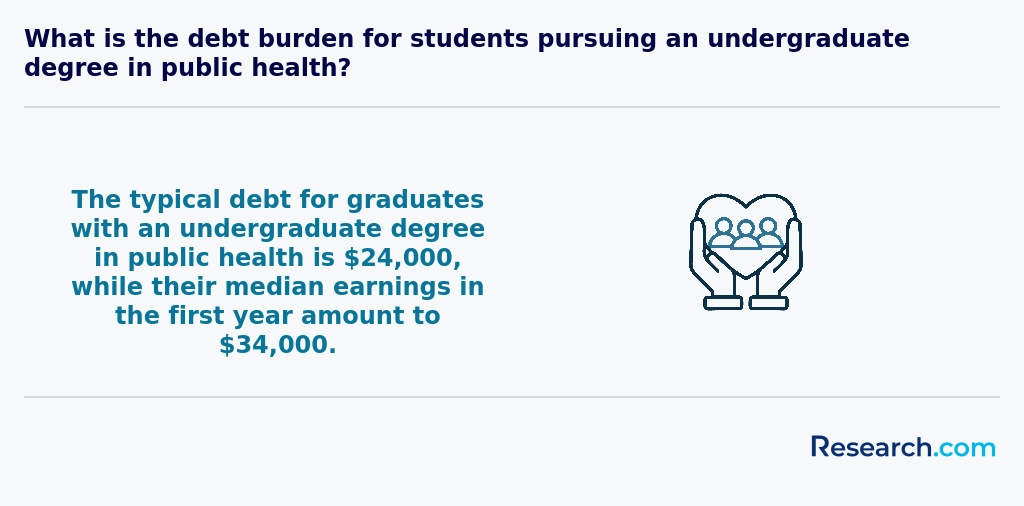
Graduates of online Master’s in Public Health programs in Massachusetts often achieve strong returns on their educational investment, with average starting salaries ranging from $65,000 to $85,000 and median mid‐career earnings exceeding $100,000. According to recent alumni surveys: • 88% of graduates report securing full‐time positions within six months of completion, including roles in epidemiology, health policy, and community health management. • Average student debt at program completion is $28,000, with typical repayment periods of 7–10 years; many alumni leverage employer tuition reimbursement to shorten this timeframe. • Alumni satisfaction scores rate curriculum relevance at 4.6 out of 5, highlighting fieldwork placements and capstone projects as career accelerators. To maximize ROI, prospective students should compare tuition - which in Massachusetts ranges from $600 to $1,200 per credit hour - alongside scholarship opportunities and projected salary growth. For those exploring cost‐effective alternatives, our sister ranking on affordable degrees offers valuable context: Low Cost Public Health Degree Programs Ranking in South Carolina. By analyzing debt‐to‐income ratios, employment rates, and long‐term salary trajectories, applicants can make data‐driven decisions that align with their financial goals and professional aspirations, ensuring their online MPH degree delivers both personal fulfillment and measurable economic benefits.
What is the average cost of online public health degree in Massachusetts?
When diving into the numbers behind the average cost of online public health degree Massachusetts options, envision the financial journey of a student balancing ambition with budget. Graduates from the University of Massachusetts Amherst often recall the steady pacing of $600 per credit hour, which sums to around $24,000 for a full degree-a figure that feels like an attainable summit rather than a mountain too steep. This in-state tuition landscape offers a supportive backdrop for those eager to make an impact without overwhelming debt clouds.
Contrast that with the tale from graduates of private institutions such as Simmons University or Boston University, where the investment escalates past $1,200 per credit hour. For many, this translates to a total tuition north of $40,000, demanding a leap of faith and financial planning but promising a prestigious credential and broader resources. Those navigating these waters often find creative ways to manage expenses, supplemented by scholarships or employer tuition assistance that ease the strain and transform possibility into reality.
The Massachusetts online MPH tuition and fees also include hidden tributaries like technology fees and textbooks, which prudent students anticipate and budget for. Known for its highly ranked programs, the state offers pathways that align with various financial means, inviting you to explore the cheapest public health schools in massachusetts to find the perfect fit for your journey.
What financial aid is available to online public health degree students in Massachusetts?
Imagine logging into your online public health course at a well-known Massachusetts university, feeling the weight of tuition costs lighten thanks to the MassGrant program, a lifeline for residents chasing their degrees without drowning in debt. Graduates from institutions like the University of Massachusetts or Boston University recall how applying through FAFSA unlocked federal Direct Unsubsidized Loans and Grad PLUS Loans, vital financial scaffolding that made their ambitions tangible.
Picture a healthcare worker in Springfield leveraging employer tuition assistance to transform weekday shifts into real steps toward earning a master's in public health. Many find this workplace backing indispensable, especially in a field where employers cherish continuous learning.
Scholarships from professional groups such as the Massachusetts Public Health Association often arrive like unexpected gifts, sparking hope and recognition for those balancing academics and life's chaos. Online program-specific scholarships at local universities further sweeten the deal, easing the path to degree completion and letting students focus on what truly matters: their passion for public health.
What are the prerequisites for enrolling in online public health degree program in Massachusetts?
To step into an online public health program in Massachusetts, you'll need more than just enthusiasm-you'll bring along a bachelor's degree, preferably in biology, sociology, or health sciences. Picture a graduate from a Boston-based university eager to dive deeper but first showing solid proof of coursework in statistics and social sciences. This academic foundation acts like the sturdy boots needed for trekking through complex public health landscapes.
Beyond transcripts, a GPA close to 3.0 often unlocks the application's door, signaling readiness for the challenging yet rewarding journey ahead. Some programs still ask for GRE scores, but many Massachusetts schools waive them, recognizing that passion and experience can speak louder than test numbers.
Imagine a graduate who volunteered at a community health center in Cambridge, their hands-on experience painting vivid stories alongside their letters of recommendation. Such practical insights and a heartfelt personal statement about improving urban healthcare serve as emotional fuel for their acceptance. This blend of academic grit and real-world commitment perfectly echoes the heartbeat of Massachusetts' public health mission.

Online Learning Experience and Support Services
When exploring online Public Health degree programs in Massachusetts, it is essential to understand the digital learning environment and the support services available to help you succeed. High-quality online programs provide an intuitive learning management system, interactive virtual classrooms, and dedicated technical support available around the clock to assist students with any platform-related concerns. Many universities also offer online tutoring, career counseling, and networking opportunities through virtual events which can transform your educational experience into a seamless, community-driven journey. If you're looking for value-driven options, check out our guide on the cheapest public health schools in massachusetts that combine robust online support with affordable tuition. Additionally, these programs often incorporate engaging multimedia content such as webinars, discussion forums, and breakout sessions, ensuring that students remain connected and gain hands-on experience despite the remote learning format. Overall, the emphasis on a comprehensive digital infrastructure and personalized student support aims to replicate a traditional campus experience while providing unmatched flexibility and accessibility.
What courses are typically in online public health degree programs in Massachusetts?
Diving into the heart of an online public health degree in Massachusetts, you'll find a vibrant mosaic of courses crafted to sharpen your ability to heal communities. Graduates from prominent schools like Boston University or Harvard's Extension Program often recall how Epidemiology transformed their perspective-tracking disease outbreaks felt like deciphering real-life mysteries shaping the Bay State's diverse neighborhoods.
Picture grappling with Biostatistics as your roadmap to decoding complex health data, empowering you to make decisions that matter amid urban and rural contrasts unique to Massachusetts.
Environmental Health courses spark awareness of how the changing climates of Berkshire or Cape Cod silently influence well-being, while Health Policy and Management immerses you in crafting policies that ripple through Massachusetts' intricate healthcare system.
Social and Behavioral Sciences paint the human stories behind raw numbers, preparing you to design interventions that resonate in communities from Worcester to Springfield.
Many alumni cherish electives like global health or opioid addiction prevention, connecting classroom concepts with urgent state challenges, fueling both passion and purpose.
What types of specializations are available in online public health degree programs in Massachusetts?
Imagine diving into an online public health degree in Massachusetts where you navigate the intricate webs of epidemiology, uncovering patterns of disease with the same fervor as graduates from renowned Boston universities who've tracked infectious outbreaks in real time. Here, health policy and management specializations empower students to reshape healthcare landscapes, inspired by the state's pioneering reforms-graduates say it feels like holding the reins to a healthier tomorrow. Environmental health, fueled by Massachusetts' green ambitions, invites learners to confront climate threats head-on, transforming concern into impactful community action.
Social and behavioral sciences unravel the complex societal tapestries that mold health outcomes, echoing stories from students who collaborated on initiatives addressing local disparities across diverse populations. And for the globally-minded, a specialization in global health broadens horizons far beyond state borders, igniting passion through perspectives shaped at top public health schools.
Such varied online public health specializations Massachusetts offers let learners tailor their journey to match their calling, making education a vivid experience. To find your path among these dynamic focus areas, check out the best ceph accredited mph online program.
How do you choose the best online public health degree in Massachusetts?
Imagine juggling evenings spent decoding epidemiology case studies while sipping coffee from your favorite Boston café, all without sacrificing your day job. That's the reality embraced by many who seek the best online public health degrees Massachusetts offers. Graduates from UMass Amherst's MPH program rave about its CEPH accreditation-it's like a golden ticket reassuring employers of your rigor and readiness. Tuition might feel like a steep climb-around $930 per credit-but savvy students balance that with scholarships or employer tuition aid, turning cost worries into manageable steps. Flexibility is king here; asynchronous classes let you attend lectures after work or on weekends, molding the program around your life instead of the other way around.
Choosing an online MPH in Massachusetts isn't just about curriculum-it's about connection. Graduates find themselves plugged into vibrant local networks fueled by Boston's public health scene, with clear pathways to roles in epidemiology and health promotion. And if you're hunting for budget-friendly options, be sure to explore the Low Cost Public Health Degree Programs Ranking in South Carolina to expand your horizon.
What career paths are available for online public health degree students in Massachusetts?
Imagine diving into the heartbeat of Massachusetts' public health scene where graduates with an online public health degree navigate thrilling career paths. From epidemiologists decoding outbreak mysteries in Boston's bustling hospitals to health educators sparking change in Worcester's neighborhoods, the options are endless. Many graduates from renowned Massachusetts institutions share stories of transforming data into lifesaving policies or crafting community programs that flourish amidst urban diversity-true tests of passion meeting purpose in online public health jobs Massachusetts.
Others find themselves steering the helm as public health administrators, managing grants and innovations backed by the state's nearly billion-dollar investment, while environmental health advocates tackle pollution and workplace safety with fierce dedication. There's also a compelling wave of graduates working tirelessly on health equity, partnering with underserved populations to rewrite narratives through research and advocacy.
Curious about how this journey ties into your own ambitions? Explore a detailed list of college majors and careers that can inspire your path forward.
What is the job market for online public health degree in Massachusetts?
The landscape for online public health jobs in Massachusetts pulses with opportunity, fueled by the state's commitment to robust healthcare and academic excellence. Graduates from renowned programs at universities like Boston University and the University of Massachusetts find themselves stepping into roles where their work directly impacts community health, whether implementing disease prevention strategies in state health departments or analyzing data at research institutions. One graduate shared how their online MPH allowed them to balance study and work while landing a role focused on health equity in Boston's diverse neighborhoods.
Public health career opportunities often intertwine with Massachusetts' strong focus on social determinants of health and emergency preparedness, creating vibrant avenues in epidemiology and policy management. For many, the choice to pursue an online MPH is both strategic and practical-not just because Massachusetts public universities offer competitive tuition but also because this flexibility opens doors far beyond traditional classrooms. Those exploring which bachelor degree is easy to study locally might find this path a compelling blend of affordability and impact.
Frequently Asked Questions About public health
Online public health degree students in Massachusetts can maximize their learning by actively engaging with course materials and participating in virtual discussions. Massachusetts ranks high in public health initiatives, so staying informed on state-specific health challenges enhances practical understanding. Utilizing resources like the Massachusetts Department of Public Health's data and reports provides valuable context for studies. Networking through online forums and local professional associations can create opportunities for internships and employment in the state.
Time management is essential to balance coursework with personal and professional responsibilities. Taking advantage of faculty office hours and mentoring programs improves academic support. Finally, applying learned concepts to current public health issues in Massachusetts strengthens critical thinking and career readiness.
The field of public health is rapidly evolving, especially within Massachusetts, where emerging niches reflect current societal needs. One significant area is health informatics, which blends data science and public health to improve healthcare delivery. This niche is growing as health systems increasingly rely on digital records and big data analysis.
Another key niche is environmental health, focusing on how pollution and climate change impact populations. Massachusetts has active research centers addressing these challenges due to its urban and coastal geography.
Additionally, global health equity and pandemic preparedness have gained traction since COVID-19 highlighted the importance of coordinated response strategies. According to the Massachusetts Department of Public Health, investments in these areas have increased in recent years.
Preparing for the job market after completing an online public health degree in Massachusetts requires strategic planning and practical experience. Many graduates benefit from internships or practicum placements gained during their studies, which provide valuable hands-on skills and networking opportunities. The Massachusetts Department of Public Health often partners with academic programs to offer such experiences.
Massachusetts boasts a strong healthcare sector, with more than 50,000 public health-related jobs expected by 2030 according to the U.S. Bureau of Labor Statistics. This growth highlights the need for skills in epidemiology, health policy, and community health education.
Graduates should focus on obtaining relevant certifications, such as Certified in Public Health (CPH), to improve employability. Additionally, engaging with professional associations like the Massachusetts Public Health Association can help build connections and stay updated on local job openings and trends.
Employers in Massachusetts seek public health graduates with strong analytical skills to interpret data and inform policy decisions. Proficiency in biostatistics and epidemiology is especially valuable, as these abilities support disease tracking and health program evaluation. Communication skills are critical, enabling graduates to convey complex health information clearly to diverse audiences.
Leadership and project management capabilities are also essential, helping professionals coordinate initiatives effectively. Knowledge of health equity and cultural competence is increasingly important in Massachusetts, where addressing disparities remains a priority, as noted by the Massachusetts Department of Public Health. Familiarity with public health law and ethics adds depth to a graduate's expertise, ensuring compliance with local regulations and ethical standards.
Finding public health internships in Massachusetts involves targeted research and leveraging local resources. Many state and city health departments, including the Massachusetts Department of Public Health, offer internship programs catering to online and in-person students. Opportunities also exist at prominent hospitals and research centers like the Boston University School of Public Health.
Networking through university career services and professional organizations such as the Massachusetts Public Health Association can increase access to internships. Websites like MassCareers and Handshake frequently list public health internships across the state.
Considering Massachusetts ranks among the top states for healthcare employment, with over 250,000 health-related jobs as of 2023 (U.S. Bureau of Labor Statistics), securing internships here provides valuable practical experience aligned with job market demands.
An online public health degree in Massachusetts significantly enhances career mobility and advancement opportunities for professionals in the field. According to the Massachusetts Department of Public Health, the state is experiencing growing demand for public health workers, driven by expanding healthcare infrastructure and community health initiatives.
Graduates with online degrees benefit from increased flexibility while gaining credentials recognized by employers throughout Massachusetts. Higher education levels correlate with higher earning potential; for example, the U.S. Bureau of Labor Statistics reports that those with a master's in public health can expect a median wage 20% higher than those without.
Many hospitals, government agencies, and nonprofits in Massachusetts prefer or require advanced degrees for leadership roles in epidemiology, health policy, and administration. An online degree also allows professionals to stay employed locally while pursuing education, supporting continuous career growth without relocation.
Studying for a public health degree in Massachusetts equips students with skills essential for interdisciplinary roles. Massachusetts is home to leading institutions that emphasize collaboration across healthcare, policy, and social sciences. This approach reflects the state's complex public health landscape, which includes diverse populations and distinct health challenges.
Online programs often integrate case studies involving epidemiology, health policy, management, and community health. These curricula prepare graduates to work alongside professionals in medicine, government, and education. According to the Massachusetts Department of Public Health, the demand for public health professionals with broad expertise has grown steadily, reflecting the need to address multifaceted health issues.
Such programs foster critical thinking, data analysis, and communication abilities, enabling students to navigate interdisciplinary teams effectively and contribute to comprehensive public health solutions.
When choosing between a thesis and a non-thesis online public health degree in Massachusetts, consider your career goals. A thesis option involves research and writing a detailed study, which suits those aiming for doctoral programs or research roles. In Massachusetts, public health employers often value research experience due to the state's focus on data-driven health initiatives, such as those by the Massachusetts Department of Public Health.
The non-thesis track typically emphasizes coursework and practical skills, ideal for professionals pursuing leadership or administrative roles in health agencies or nonprofits. The practical approach aligns with workforce needs reported by the Massachusetts Health Policy Commission, which highlights demand for public health practitioners with applied skills.
Also, the thesis route usually requires more time and self-discipline, while the non-thesis program can offer a quicker path to graduation. Choose a format that matches your learning style and professional aspirations.
Students based in Massachusetts who wish to study public health abroad while enrolled in online degree programs have several pathways to explore. Many accredited U.S. universities with online public health degrees offer study abroad options or international research partnerships. These experiences may include summer internships, fieldwork, or collaboration with global health organizations, allowing students to gain valuable global perspectives without interrupting their studies.
Massachusetts ranks among the top states for public health infrastructure, hosting institutions like Harvard T.H. Chan School of Public Health, which collaborate internationally. As a result, students can often access international learning opportunities through course extensions or university-sponsored programs.
Since fully online degrees are recognized nationwide, Massachusetts students can leverage these connections to tailor their educational experiences abroad while completing their degrees online, supporting both local expertise and global health exposure.
In Massachusetts, part-time job opportunities that complement online public health degrees often include roles in community health, research assistance, and health education. For example, working as a community health worker allows students to engage directly with diverse populations, helping to improve health outcomes. According to the Massachusetts Department of Public Health, these roles are essential in addressing local health disparities.
Research assistant positions at universities or public health organizations provide valuable experience in data collection and analysis, especially given Massachusetts' strong research infrastructure. Many positions focus on pressing issues like opioid addiction and COVID-19 response.
Health educator roles in nonprofits and hospitals also help students apply public health theories in real-world settings. These jobs often offer flexible hours suitable for students combining work and study.
Online public health students in Massachusetts have several networking opportunities that complement their virtual learning experience. Many universities, including the University of Massachusetts Amherst and Boston University, offer access to professional organizations such as the Massachusetts Public Health Association (MPHA). This group hosts regular events and webinars where students can connect with public health professionals statewide.
Additionally, students often benefit from virtual career fairs, alumni networks, and local professional chapters of national groups like the American Public Health Association (APHA). Massachusetts has a strong public health workforce, with over 22,000 professionals reported by the U.S. Bureau of Labor Statistics, providing rich potential connections.
These opportunities allow students to build relationships, explore internships, and stay informed about state-specific public health initiatives and policies.
Alumni networks provide significant benefits for online public health degree students in Massachusetts by fostering professional connections within the state's robust healthcare sector. These networks often offer mentorship programs that connect current students with experienced public health professionals, enhancing career guidance and industry insights.
Massachusetts is home to numerous public health organizations and research institutions, such as the Massachusetts Department of Public Health and Harvard T.H. Chan School of Public Health, where alumni frequently hold influential roles. Networking through alumni can lead to internships, job opportunities, and collaborative projects that are essential for career advancement.
Furthermore, alumni events and platforms facilitate knowledge sharing about local public health challenges, including opioid addiction and infectious disease control, which are priorities in Massachusetts. This localized support enhances students' practical understanding and professional preparedness.
In Massachusetts, students pursuing an online public health degree can tailor their program to align with specific career goals by choosing from various specializations such as epidemiology, health policy, or community health. Many institutions offer elective courses and practicums that reflect local health priorities, which is key since Massachusetts ranks high in healthcare innovation and public health initiatives according to the Massachusetts Department of Public Health.
Students may also opt for online internships with state agencies or nonprofits, enhancing practical experience. Flexible scheduling enables working professionals to balance education and career development effectively.
Customizing your degree by focusing on data analytics or health equity can increase career opportunities in Massachusetts' diverse healthcare sector.
Online public health students in Massachusetts often face challenges related to balancing coursework with work and family commitments. Many students are working professionals managing full-time jobs, which can lead to time-management difficulties. According to data from the Massachusetts Department of Higher Education, around 45% of graduate students are part-time, highlighting this trend. Additionally, some students encounter issues with access to reliable internet or technology, which is essential for fully participating in remote learning.
Networking and hands-on experience can be limited in online programs, as public health often requires practical community or clinical work. Students may also find navigating practicum placements challenging, given Massachusetts' strict state regulations and licensure requirements for certain public health roles.
Finally, adapting to the online learning format itself can be difficult, especially for those used to traditional, in-person instruction, impacting engagement and retention. Support services vary across institutions, affecting student success.
An online public health degree can open doors to several professional certifications recognized across the United States, including Massachusetts. The most prominent is the Certified in Public Health (CPH) credential offered by the National Board of Public Health Examiners. This certification demonstrates mastery of core public health knowledge and is valued by employers in Massachusetts' growing healthcare sector.
Additionally, graduates may pursue certifications in epidemiology, health education, or environmental health, depending on their specialization. For example, becoming a Certified Health Education Specialist (CHES) can enhance career opportunities in community health programs.
Massachusetts' Department of Public Health supports these certifications, aligning with workforce demands in the state's public health agencies.
To write a winning application for an online public health program in Massachusetts, start by clearly demonstrating your commitment to public health. Highlight any relevant work or volunteer experience, especially local Massachusetts projects addressing issues like opioid addiction or community health disparities, which are prevalent in the state.
Include a well-crafted personal statement that aligns your goals with the program's mission. Massachusetts' public health initiatives often emphasize health equity and chronic disease prevention, so referencing these priorities can strengthen your application. Additionally, maintain a strong academic record and secure letters of recommendation from professionals familiar with your public health potential.
Finally, tailor your resume to reflect skills in research and data analysis, since Massachusetts institutions value evidence-based practice, supported by data from sources like the Massachusetts Department of Public Health.
The field of public health is increasingly viewed through a global lens, reflecting interconnected health challenges and solutions. Professionals trained in public health often work on issues like infectious diseases, chronic conditions, and health equity worldwide. Massachusetts ranks highly in U.S. health research and education, with institutions contributing to global health studies and initiatives.
An online public health degree from Massachusetts prepares graduates to address global health concerns while understanding local and national policies. According to the Massachusetts Department of Public Health, the state has actively engaged in global health efforts, emphasizing the need for skilled leaders familiar with both U.S. and international frameworks.
Graduates can pursue careers in agencies such as the World Health Organization or agencies within the U.S. government that influence global health policy. This global perspective enhances the versatility and impact of a public health career.
Gaining practical experience while studying for an online public health degree in Massachusetts is essential for career readiness. Many programs require internships or fieldwork that can be completed locally. Students often collaborate with Massachusetts-based organizations such as the Department of Public Health or local hospitals, providing hands-on exposure to public health initiatives.
Massachusetts hosts numerous public health agencies and nonprofits, offering internship opportunities aligned with crucial issues like chronic disease prevention and pandemic response. According to the Massachusetts Department of Public Health, these placements enrich student learning and enhance job prospects.
Additionally, some universities partner with community health centers to offer virtual practicum options, allowing remote students to gain experience while complying with online study schedules.
Choosing the right concentration within an online public health degree in Massachusetts begins with evaluating your career goals. Public health fields like epidemiology, health policy, and community health each focus on different areas of improving population well-being.
Consider Massachusetts's public health priorities, such as chronic disease prevention and healthcare access, highlighted by the Massachusetts Department of Public Health. Selecting a concentration aligned with these can increase job opportunities locally.
Research program specializations at Massachusetts universities offering online MPH degrees. Look for accredited programs recognized by the Council on Education for Public Health (CEPH) to ensure quality education.
Lastly, assess your current skills and interests, and seek concentrations that build strengths relevant to your intended role in public health practice or research.
Related Public Health Rankings for Nearby States
- 2027 Best Online Master's in Public Health Degree Programs Ranking in New York
- 2027 Best Online Master's in Public Health Degree Programs Ranking in Pennsylvania
- 2027 Best Online Master's in Public Health Degree Programs Ranking in Maryland
- 2027 Best Online Master's in Public Health Degree Programs Ranking in Virginia
- 2027 Best Online Master's in Public Health Degree Programs Ranking in North Carolina
- 2027 Best Online Master's in Public Health Degree Programs Ranking in Michigan
- 2027 Best Online Master's in Public Health Degree Programs Ranking in Illinois
- 2027 Best Online Master's in Public Health Degree Programs Ranking in Florida
- 2027 Best Online Master's in Public Health Degree Programs Ranking in Missouri
- 2027 Best Online Master's in Public Health Degree Programs Ranking in North Dakota
Top Trending Public Health Rankings
References
- Financial Aid Guide https://www.publichealth.org/resources/financial-aid/
- Public Health & Community Health Degree | MCLA https://mcla.edu/academics/academic-departments/phch/
- Online Public Health Degree Programs | 2026 Edition https://www.publichealthdegrees.org/online/
- Master of Public Health - UNE Online https://online.une.edu/program/master-of-public-health/
- The Top 26 Free Online Public Health Courses https://www.mphonline.org/free-online-public-health-courses/
- What is the Salary Outlook with MPH Degree? https://mphprogramslist.com/what-is-the-salary-outlook-for-mph-program-grads/
- Engaging students through service-learning opportunities ... https://sneb.org/engaging-students-through-service-learning-opportunities-in-public-health/
- 15 Top Cost-No-Object and 15 Top Affordable Master's in ... https://www.healthcare-administration-degree.net/best/top-affordable-cost-no-object-mph-degree-programs/
- A Comprehensive Guide to MPH Programs in Massachusetts https://masterspublichealth.com/mph-programs-in-massachusetts/
- How an Online MPH Degree Can Impact Public Health in 2024 https://dblp.ucnedu.org/blog/how-an-online-mph-degree-can-impact-public-health/










