
2027 Best Online Public Health Degree Programs Ranking in North Dakota

Co-Founder and Chief Data Scientist
Choosing the right public health degree program can feel overwhelming, especially with so many options available. Our 2027 Best Online Public Health Degree Programs Ranking in North Dakota was thoughtfully created by the Research.com team of data scientists to guide you in making an informed decision.
This article highlights top programs tailored for students in North Dakota, making it easier to find quality education that fits your goals and lifestyle. Pursuing a public health degree opens doors to meaningful careers that truly impact communities for the better.
Key benefits of getting online public health degree in North Dakota
- Graduates with a public health degree in North Dakota can expect competitive salaries, such as $52,610 annually for Community Health Workers and up to $86,710 for Environmental Health Specialists, making this field financially rewarding.
- Career paths are diverse, including roles like Medical Assistants or Health Educators, allowing graduates from universities like North Dakota State University to find meaningful work that fits their interests and skills.
- Choosing an online public health degree, such as from the University of North Dakota, offers flexible learning schedules and the ability to balance work and study, making it easier to advance your career without disrupting your life.
- Key benefits of getting online public health degree in North Dakota
- What can I expect from online public health degree in North Dakota?
- Where can I work with online public health degree in North Dakota?
- How much can I make with online public health degree in North Dakota?
- 2027 Best Online Public Health Degree Programs Ranking in North Dakota
- Key Findings
- How long does it take to complete online public health degree in North Dakota?
- What's the difference between online and on-campus public health degree?
- Accreditation: Ensuring Program Quality and Recognition
- What is the average cost of online public health degree in North Dakota?
- Curriculum and Coursework Overview
- What financial aid is available to online public health degree students in North Dakota?
- What are the prerequisites for enrolling in online public health degree program in North Dakota?
- Typical Coursework for Online Public Health Degrees in North Dakota
- What courses are typically in online public health degree programs in North Dakota?
- What types of specializations are available in online public health degree programs in North Dakota?
- How do you choose the best online public health degree in North Dakota?
- What career paths are available for online public health degree students in North Dakota?
- What is the job market for online public health degree in North Dakota?
- Related Public Health Rankings for Nearby States
- Top Trending Public Health Rankings
What can I expect from online public health degree in North Dakota?
When considering the average cost of an online public health degree in North Dakota, students often find that tuition varies depending on the institution but generally remains accessible compared to national averages. For instance, graduates from public universities such as the University of North Dakota report tuition ranges around $8,000 to $12,000 per year for residents, reflecting affordable options for in-state learners. This cost includes comprehensive access to faculty experts and resources tailored to the state's rural health challenges.
Many students appreciate how the online format allows them to balance work and family, reducing additional expenses like relocation or commuting. Alumni describe feeling supported by programs that emphasize practical learning, which justifies the investment despite modest tuition costs.
However, it's important to note that private institutions or programs with specialized concentrations may charge higher rates. Prospective students should consider the return on investment by assessing the quality of education, internship opportunities within North Dakota's health departments, and job placement success locally.
Where can I work with online public health degree in North Dakota?
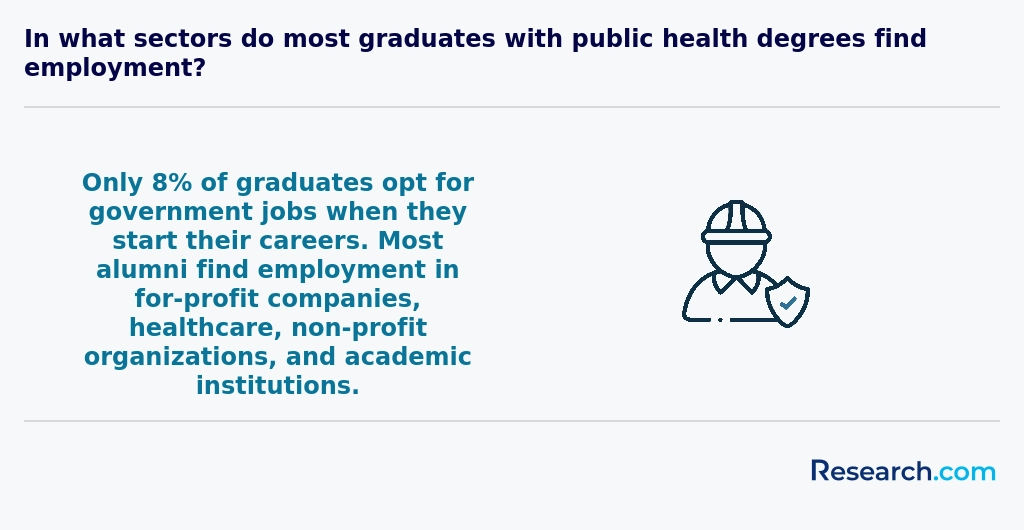
Graduates from online public health programs in North Dakota often find employment across diverse sectors such as government agencies, healthcare systems, tribal communities, educational institutions, and non-profits. For example, many graduates from the University of North Dakota (UND) and North Dakota State University (NDSU) report working with the North Dakota Department of Health, where roles vary from epidemiology to health education and policy analysis. These positions address real-world health issues like infectious diseases and chronic condition prevention.
Others join local tribal health organizations like the Standing Rock Sioux Tribe or Turtle Mountain Band of Chippewa Indians. Here, public health graduates engage in culturally sensitive projects focusing on substance use prevention and maternal-child health, which provides a rewarding sense of community impact.
Hospitals in Fargo or Bismarck offer additional pathways, especially in public health administration and health informatics-a growing field that recent graduates have found exciting for applying data skills. Despite regional variability, these career paths highlight the tangible benefits and meaningful work available to public health students in North Dakota.
How much can I make with online public health degree in North Dakota?
Graduates holding an online public health degree in North Dakota can expect varied earning potential depending on their chosen career path and level of experience. For example, community health workers typically earn a mean annual wage of around $52,610, reflecting entry-level opportunities often pursued by recent graduates from institutions like the University of North Dakota or North Dakota State University.
Health educators, who often benefit from a Master of Public Health (MPH) degree, report a higher mean annual salary near $69,790. Many online graduates appreciate how this aligns well with state averages, confirming their skills are valued locally as well as nationally. These roles often involve engaging with community programs, a rewarding challenge cited by alumni who thrive in directly impacting public health outcomes.
More specialized professionals-such as environmental health specialists and occupational health and safety specialists-command salaries above $85,000 annually. Graduates finding roles in these areas often praise the practical training from North Dakota's online programs, which equip them to meet workforce needs in both urban centers like Fargo and rural communities.
While salaries vary, these figures suggest a positive outlook for online public health graduates aiming to balance meaningful work with financial stability within North Dakota's evolving health sector.
2027 Best Online Public Health Degree Programs Ranking in North Dakota
How do we rank schools?
Investing in your education is a significant decision that can shape your future, and the Research.com team understands the importance of making informed choices. To assist prospective students in North Dakota, we have meticulously crafted the "2027 Best Online Public Health Degree Programs Ranking in North Dakota." Our commitment to quality, credibility, and accuracy is reflected in the extensive research and analysis conducted to compile this ranking.
We utilized the following reputable data sources to ensure a comprehensive evaluation of public health programs:
By exploring this ranking, readers will gain valuable insights into the top online public health degree programs in North Dakota, enabling them to make well-informed decisions about their educational futures. For more details on our methodology, please visit our Research.com methodology page.


Key Findings
- Online public health degrees in North Dakota cover key subjects like epidemiology, health policy, community health, and biostatistics.
- Undergraduate programs typically cost between $10,000 and $20,000, while graduate programs such as the MPH range from $15,000 to $30,000.
- The demand for public health professionals in North Dakota is expected to grow by about 12% in the next decade, higher than the national average of 11%.
- Starting salaries for public health graduates average around $45,000, with experienced professionals earning between $60,000 and $75,000.
- Many programs include practicum or internships focusing on rural and tribal health, providing valuable local experience.
How long does it take to complete online public health degree in North Dakota?
Completing an online public health degree in North Dakota typically takes around four years for bachelor's students studying full-time, though many appreciate the option to extend this to six years or more by studying part-time. This flexibility appeals especially to working professionals balancing jobs and family, allowing them to progress at a comfortable pace without sacrificing quality.
For master's level students, such as those enrolled in the University of North Dakota's MPH program, the expected timeline is closer to two years full-time. However, graduates often report valuing the program's accommodation of part-time study, which can lengthen graduation to three years or be accelerated depending on personal commitments and workload.
Real-world requirements such as internships or practicums may influence the total completion time, but many North Dakota schools schedule these components flexibly. This practical approach helps students gain essential experience without feeling overwhelmed by rigid deadlines.
Graduates frequently express satisfaction with the asynchronous course design, highlighting how it supports maintaining work-life balance during intense public health demand periods, such as those faced during the COVID-19 pandemic.
What's the difference between online and on-campus public health degree?
Choosing between an online and on-campus public health degree in North Dakota often comes down to how you want to balance flexibility with face-to-face interaction. For example, students attending the University of North Dakota appreciate the structured routine of attending lectures and labs in person, which helps build strong connections with professors and classmates. These graduates often share how the campus environment fueled their motivation and provided hands-on experiences crucial for public health careers.
Conversely, online students value the ability to study at their own pace, fitting coursework around work and family responsibilities. Many online learners from North Dakota State University highlight the convenience of asynchronous classes while noting the challenge of limited in-person networking. Still, both formats require some on-site participation for internships or labs, ensuring practical skills are developed despite the delivery mode.
Cost considerations also differ: on-campus students face extra expenses like housing and transportation, which online students can often avoid. However, technology costs-reliable internet and updated hardware-are necessary for remote learners. Both paths meet rigorous CEPH standards, so your decision hinges on how you prefer to learn and live while earning your degree.
Accreditation: Ensuring Program Quality and Recognition
When selecting an online Public Health degree in North Dakota, accreditation is non-negotiable-it guarantees that your education meets rigorous standards recognized by employers, certifications boards, and licensure bodies. Two key layers of accreditation to verify are: • Regional Accreditation: Confirm your institution is accredited by a U.S. Department of Education–recognized agency such as the Higher Learning Commission (HLC). This ensures transferable credits and eligibility for federal financial aid. • Programmatic Accreditation: Look for Council on Education for Public Health (CEPH) accreditation on bachelor’s or master’s programs. CEPH-accredited curricula align with industry competencies and often expedite eligibility for certifications, internships, and competitive job postings. Accredited programs also facilitate pathways into specialized roles-such as Certified Health Education Specialist (CHES) or Epidemiologist-by satisfying prerequisite education requirements. Many graduates take advantage of credit articulation agreements between public health departments and allied fields; for those beginning at the associate level, consider exploring our guide to the best online associate in health sciences degree to map a seamless transfer into a bachelor’s track. Prioritizing accreditation safeguards your investment and positions you for recognized credentials and a fulfilling public health career.
What is the average cost of online public health degree in North Dakota?
The average cost of an online public health degree in North Dakota generally ranges between $7,500 and $9,000 annually for in-state students attending public universities like North Dakota State University or the University of North Dakota. Graduates from these programs often share that the relatively affordable tuition allowed them to pursue their education without overwhelming financial stress, enabling more focus on mastering the public health field.
While tuition and fees for North Dakota public health programs online offer good value, out-of-state students typically face significantly higher costs, sometimes double those of residents. This price disparity can affect decisions about where to enroll, especially when weighing the benefits of staying in-state. Private institutions, though less common for online public health degrees in the state, may charge upwards of $20,000 to $30,000 annually, which some students find justifiable for the different resources or networking opportunities provided.
It's important to remember that tuition alone doesn't capture the full financial picture. Additional fees for technology, books, or supplies may apply, and some programs include them while others do not. Students benefiting from financial aid or employer programs often cite these as vital supports that made pursuing an online degree feasible. For prospective students, exploring career growth opportunities during and after their degree can further clarify the return on investment in public health education in North Dakota.

Curriculum and Coursework Overview
A comprehensive online Public Health program should clearly outline its curriculum and coursework to help you understand the academic journey ahead. In these programs, you’ll start with foundational courses that introduce the core principles of public health, such as biology, statistics, and social sciences, and then progress into more specialized subjects. For example, entry-level courses like Introduction to Public Health explore basic concepts and community health ethics while advanced coursework-such as Epidemiology, Environmental Health, and Health Policy-equips you with the analytical and strategic skills needed to tackle real-world issues. Typically, the curriculum includes a balanced mix of theoretical lectures, virtual labs, interactive case studies, and collaborative projects that mirror on-the-ground experiences. Specific courses that many programs offer include: • Introduction to Public Health – Establishing a broad understanding of public health principles and history. • Epidemiology – Focusing on disease patterns, statistical analysis, and outbreak investigation techniques. • Environmental Health – Examining the impact of environmental factors on community well-being. • Health Policy and Management – Providing insights into policy formation, healthcare systems, and administrative practices. • Biostatistics – Learning quantitative methods essential for data-driven decision making. • Global Health – Exploring international health trends and the challenges of cross-border public health issues. This structured, interactive curriculum not only builds a solid academic foundation but also emphasizes practical experience. By engaging with real-world projects and virtual team collaborations, you develop the problem-solving abilities and critical thinking skills required to thrive in an ever-evolving public health landscape.
What financial aid is available to online public health degree students in North Dakota?
Students pursuing online public health degrees in North Dakota often find a mix of financial aid options, though navigating them can feel complex. Graduates from institutions like the University of North Dakota recall how completing the FAFSA was a crucial first step, unlocking access to federal grants such as Pell Grants. These grants, especially valuable for those from low-income families, offered a welcome relief by not requiring repayment.
State-specific scholarships, like the North Dakota Academic and Career/Technical Education Scholarship, also prove essential. Many recipients from North Dakota State University appreciated how this aid eased their path by supporting workforce-focused degrees, including public health.
Additionally, institutional scholarships and assistantships provided by these universities help reduce costs further, often rewarding merit or need and sometimes targeting students intending to improve rural health outcomes. Working professionals found employer tuition reimbursement programs especially encouraging, allowing them to balance education and work without overwhelming financial strain.
Though financial aid availability is promising, students must actively seek out all resources, including offerings from professional health organizations, to piece together sufficient funding for their studies.
What are the prerequisites for enrolling in online public health degree program in North Dakota?
Enrolling in an online public health degree in North Dakota generally requires meeting clear academic prerequisites, though experiences can vary by institution. At universities like the University of North Dakota, undergraduates must present a high school diploma or equivalent, often from a background emphasizing biology or social sciences. Graduates pursuing a Master of Public Health (MPH) typically hold a bachelor's degree with a minimum GPA around 3.0, a standard that reflects a commitment to academic excellence without being overly restrictive.
Graduates recall how submitting letters of recommendation and crafting a personal statement helped them connect their professional goals with the program's demands, boosting their confidence. Some programs provide flexibility by offering foundational or bridging courses online for those lacking specific prerequisites like epidemiology or biostatistics, which eases the transition for students from unrelated fields.
While many institutions in North Dakota maintain this baseline, applicants should approach requirements thoughtfully, recognizing that alternatives exist and that personal motivation and relevant volunteer experience often play a key role in successful admission.
Typical Coursework for Online Public Health Degrees in North Dakota
When you enroll in an online Public Health degree in North Dakota, you can expect a well-rounded curriculum designed to build foundational knowledge and practical skills. Core courses often include epidemiology, biostatistics, environmental health, health policy, and health promotion. These classes emphasize both theory and application, ensuring that students can analyze population data, design community interventions, and evaluate program outcomes. Common core courses: • Epidemiology and Disease Surveillance: Methods for tracking disease patterns and evaluating intervention strategies. • Biostatistics for Public Health: Statistical tools for data analysis, hypothesis testing, and interpretation of health data. • Environmental Health Science: Assessment of physical, chemical, and biological factors affecting community wellness. • Health Policy and Management: Frameworks for policy development, health systems administration, and ethical decision-making. • Health Communication and Promotion: Strategies for crafting effective public health messages across diverse populations. Electives and capstone experiences allow customization based on career goals. Popular electives include Global Health Challenges, Program Planning & Evaluation, and Occupational Health. Most programs culminate in a capstone project or practicum, where students apply skills in real-world settings-partnering with local health departments, NGOs, or virtual research teams. For prospective students comparing costs or exploring alternative regions, our internal resource on budget-friendly options provides additional insights. Check out the Low Cost Public Health Degree Programs Ranking in Idaho to see how North Dakota’s offerings stack up against affordable programs elsewhere. This comparison can help you balance quality, flexibility, and return on investment as you plan your public health education journey.
What courses are typically in online public health degree programs in North Dakota?
Online public health degree programs in North Dakota typically include courses like epidemiology, biostatistics, and environmental health, which graduates often find highly relevant to real-world challenges. For instance, students at North Dakota State University recall analyzing local disease outbreaks in coursework that mirrored situations they encountered in their communities. This grounding in epidemiology is vital for tackling health risks specific to rural settings.
Health policy and management courses help students understand the complexities of public health systems that serve dispersed populations. Graduates appreciate how these lessons prepare them to navigate regulations and improve service delivery in places where healthcare access can be limited.
Courses addressing social determinants of health and community health assessment provide practical skills for evaluating and responding to disparities-something many North Dakota students find motivating, given the state's unique rural and agricultural context.
- Introduction to Public Health
- Epidemiology
- Biostatistics
- Environmental Health
- Health Policy and Management
- Social and Behavioral Sciences
- Community Health Assessment
While curricula vary, these courses form a strong foundation that many graduates describe as both challenging and rewarding, directly applicable to improving health outcomes in their home communities.
What types of specializations are available in online public health degree programs in North Dakota?
Online public health degree specializations in North Dakota typically include Epidemiology, Community Health, and Health Policy and Management. Graduates from universities such as the University of North Dakota often remark on how the Epidemiology focus gave them practical skills for tackling disease outbreak tracking in rural areas, which are common across the state. Community Health is especially meaningful given North Dakota's sizable American Indian populations, where students learn to create health programs that address real disparities, bringing a sense of purpose to their studies. Some also appreciate the Health Policy and Management track, which prepares them for leadership roles in healthcare organizations amid the state's evolving healthcare system.
Students often highlight the value of understanding nursing teamwork within these programs, which builds collaboration skills essential in public health settings. The variety of specializations available from North Dakota accredited public health programs online allows learners to tailor their education to practical workforce demands, aligning academic preparation with community needs.
Emerging fields like Environmental Health also attract students concerned about agriculture and energy impacts on local well-being. The diversity of these options reflects ongoing debates about which public health challenges deserve priority, encouraging thoughtful consideration before specialization choices.
How do you choose the best online public health degree in North Dakota?
Choosing the best online public health programs North Dakota involves weighing several critical factors beyond just price or convenience. Graduates from local institutions often highlight the importance of accreditation, notably from the Council on Education for Public Health (CEPH), which ensures academic rigor and better job prospects. For example, one graduate appreciated how their program covered regional health issues, like rural healthcare access and Native American community wellness, making their education more relevant and impactful.
Affordability plays a role, too, but options vary widely-public universities generally range between $8,000 and $15,000 per year for in-state tuition, yet additional fees and resources must be considered. Some students balance their studies with work by selecting programs offering asynchronous classes or part-time schedules, aligning with their lifestyles and commitments.
Practical experience matters; a few North Dakota graduates found that programs partnering with local health agencies provided invaluable networking and internships. If comparing with programs in other fields, understanding nursing program lengths in texas can sometimes offer insights into structuring flexible health sciences education. Reflecting on these points will help you find an affordable public health degree North Dakota suited to your goals.

What career paths are available for online public health degree students in North Dakota?
Graduates holding an online public health degree in North Dakota find diverse career paths reflecting the state's unique health landscape. Many take on roles as public health educators or health promotion specialists, designing outreach programs that address rural and Native American health disparities-efforts that are highly valued by local communities and employers alike. Students from popular institutions such as the University of North Dakota share how their coursework directly prepared them for these roles, emphasizing practical skills and community engagement. This firsthand preparation enhances job satisfaction and effectiveness.
Another prominent career path involves epidemiology, where graduates analyze disease patterns-an especially relevant skill amid recent public health crises. North Dakota's increasing need for data-driven health analysts offers promising opportunities, though some graduates note the challenges of limited local funding compared to larger states. Choosing an online program in North Dakota balances accessibility with relevant local focus, making it ideal for those committed to serving their communities.
For students interested in policy work or healthcare administration, roles in health policy and management enable them to influence state programs or run healthcare facilities. Environmental health specialists also play a vital role, monitoring agricultural risks unique to North Dakota, a concern raised by graduates from schools known for their strong environmental curriculum. While exploring different public health degree job opportunities North Dakota, it's worth noting some graduates consider diversifying skills through complementary online nursing programs, such as those listed among Public nursing schools Alabama, to increase versatility in healthcare fields.
What is the job market for online public health degree in North Dakota?
Graduates with an online public health degree in North Dakota find a job market that, while smaller than in more populous states, offers meaningful opportunities especially in rural health settings. Local universities known for their health programs often highlight graduates securing roles in state and local health departments, nonprofit organizations, and healthcare facilities. Many report satisfaction with their ability to apply flexible online learning to real-world challenges like managing community health initiatives.
The job market for online public health degree in North Dakota is shaped by steady employment growth around 12%, mirroring national trends for health educators and community health workers. Salaries average around $55,000, though entry-level wages can vary. Graduates have emphasized the importance of networking locally and gaining experience through internships to maximize their career potential. North Dakota's emphasis on public health initiatives creates a tangible demand for professionals who combine online education with practical skills.
Cost-conscious students appreciate that some North Dakota public universities offer online public health degrees for less than $15,000 annually, making it a viable option. Those exploring options may also consider a best online associate in health sciences degree for foundational knowledge and career entry.
Examples from alumni illustrate how online studies equip them for roles in corporate wellness programs and environmental health agencies, showing diverse career paths within the local market. The pathway for online graduates in North Dakota public health degree career opportunities is positively evolving but requires proactive engagement and experience-building.
Frequently Asked Questions About public health
Students pursuing online public health degrees in North Dakota can enhance their education by engaging actively with local public health issues. North Dakota's rural communities face unique health challenges, such as limited access to care and higher rates of chronic diseases, offering valuable case studies for practical learning (North Dakota Department of Health, 2023).
Participating in virtual internships or community projects with organizations like the North Dakota Public Health Association helps apply theoretical knowledge to real-world problems. Additionally, joining online study groups improves comprehension and retention by fostering peer discussions.
Utilizing university resources such as academic advising and tutoring, alongside regularly consulting up-to-date public health data, supports academic success. Staying informed about statewide health trends strengthens students' critical analysis and research skills.
The field of public health is rapidly evolving, with several emerging niches gaining importance. One growing area is health informatics, which combines data science and health care to improve community outcomes. North Dakota's investments in rural health technology have created opportunities for specialists who can manage electronic health records and data analytics.
Another expanding niche is environmental health, with growing attention to climate change impacts on communities. North Dakota's unique landscape presents challenges related to agricultural practices and water quality, leading to specialized roles in environmental health policy and prevention.
Additionally, the opioid crisis and mental health awareness have increased demand for experts in behavioral health epidemiology. This niche focuses on data-driven strategies to reduce substance abuse and mental health disparities, critical concerns in North Dakota's public health landscape.
Preparing for the job market after completing an online public health degree in North Dakota involves several key steps. Graduates should focus on gaining practical experience through internships or volunteer work with local health departments or nonprofit organizations. The North Dakota Department of Health offers valuable opportunities to engage in community health initiatives, which can enhance resumes. Networking with professionals through state-specific associations, such as the North Dakota Public Health Association, is also beneficial.
Certification, such as the Certified in Public Health (CPH) credential, can improve job prospects and is recognized nationwide. According to the U.S. Bureau of Labor Statistics, public health employment in North Dakota is expected to grow by 8% from 2020 to 2030, emphasizing the demand for trained professionals. Staying informed about local health issues and continuing education can further increase competitiveness in this evolving field.
Employers in North Dakota's public health sector prioritize critical skills in graduates of online public health degree programs. First, strong data analysis abilities are essential, as professionals often work with health statistics to design effective interventions. Knowledge of epidemiology is also highly valued, helping to track and control disease outbreaks.
Communication skills rank highly, since public health workers must educate diverse communities and collaborate with agencies. Familiarity with local health regulations, including those from the North Dakota Department of Health, improves job readiness. Additionally, problem-solving abilities allow graduates to develop practical solutions for rural and tribal health challenges common in the state.
According to the Bureau of Labor Statistics, demand in North Dakota for health educators is projected to grow steadily through 2030, emphasizing leadership and adaptability skills in candidates.
Finding internships in North Dakota relevant to a public health degree involves exploring opportunities through universities, healthcare organizations, and government agencies. Many public health programs in the state maintain partnerships with local health departments, hospitals, and nonprofits. The North Dakota Department of Health is a key resource, offering internship programs focused on community health, epidemiology, and policy.
Additionally, institutions such as Sanford Health and Essentia Health provide internship and volunteer options for public health students. Networking at virtual career fairs or through university career centers can also increase access to internships.
According to the North Dakota Department of Career and Technical Education, internships help strengthen skills needed in the state's growing public health sector.
Obtaining an online public health degree in North Dakota can significantly enhance career mobility and advancement opportunities within the state. North Dakota's growing healthcare sector, including organizations like Sanford Health and North Dakota Department of Health, increasingly values candidates with formal public health education. According to the U.S. Bureau of Labor Statistics, health educators and community health workers in North Dakota are expected to see above-average job growth of around 12% through 2031.
Online degrees offer flexibility for working professionals seeking promotions or career changes. Graduates with such credentials often qualify for leadership roles in health policy, epidemiology, and community health programs.
Moreover, North Dakota's state licensure and certification requirements favor candidates with accredited public health degrees, boosting their eligibility for specialized positions.
Studying for a public health degree online in North Dakota equips students with skills applicable across multiple sectors. Programs emphasize collaboration with fields like healthcare, social services, and environmental science, reflecting the state's diverse public health challenges. For example, North Dakota faces rural health access issues, requiring knowledge in policy, community engagement, and healthcare management.
Curricula often include epidemiology, biostatistics, and health behavior, fostering interdisciplinary problem-solving. According to the North Dakota Department of Health, public health professionals must work alongside medical providers, educators, and policymakers to address local health disparities.
Such training prepares graduates to contribute to a variety of roles, enhancing workforce flexibility in this evolving field.
Choosing between a thesis and a non-thesis public health degree program in North Dakota depends on your career goals and learning preferences. Thesis programs typically involve original research, requiring students to design, conduct, and write a formal study. This path suits those aiming for a research or academic career. Non-thesis options focus more on practical skills and coursework, often including a capstone project or comprehensive exam.
In North Dakota, where public health roles emphasize practical solutions to rural health challenges, non-thesis degrees can prepare students for leadership or policy jobs. According to the North Dakota Department of Health, demand for public health practitioners who can apply knowledge directly in communities remains strong.
Funding and program length also differ; thesis paths may extend study time and require faculty mentorship. Research requirements often affect tuition costs and availability of assistantships, especially in state universities. Consider your personal circumstances carefully before deciding.
Students in North Dakota interested in studying public health abroad face limited direct options due to the lack of North Dakota-based institutions offering international online public health degrees. However, many US schools provide global learning opportunities through partnerships and study abroad programs within their online curricula.
Institutions like the University of North Dakota emphasize public health's global context by incorporating international case studies and virtual exchanges. According to the Association of Schools and Programs of Public Health, these approaches help students gain global perspectives without physically relocating.
For those seeking international accreditation or curricula, enrolling in US online programs with global recognition may be the most accessible pathway while remaining based in North Dakota.
Part-time job opportunities in North Dakota can significantly complement an online public health degree by providing practical experience. Roles such as community health worker, health educator, and research assistant are common entry points. These positions often involve outreach, data collection, and health promotion activities that align with public health curricula.
According to the Bureau of Labor Statistics, North Dakota's healthcare support occupations are projected to grow by 12% from 2022 to 2032, faster than average nationwide. This reflects local demand for public health professionals, especially in rural areas.
Many public health students also find part-time internships with state agencies like the North Dakota Department of Health, offering valuable exposure to epidemiology and emergency preparedness.
Online public health students in North Dakota benefit from numerous networking opportunities despite the virtual format. Many universities in the state offer online students access to professional public health organizations such as the North Dakota Public Health Association (NDPHA), which hosts events, webinars, and conferences.
Students can connect with local health departments that frequently collaborate with academic institutions for internships and community projects. According to the U.S. Bureau of Labor Statistics, North Dakota's public health sector is growing steadily, emphasizing the importance of professional networking.
Additionally, schools often facilitate virtual career fairs, alumni groups, and mentorship programs to help online learners build connections essential for career advancement.
Alumni networks provide valuable support for online public health degree students in North Dakota by creating connections within the local health community. Graduates often gain access to job opportunities, mentorship, and professional development through these networks. In North Dakota, where the public health workforce is growing to address rural health challenges, such connections can be crucial for career advancement. According to the North Dakota Department of Health, collaborations fostered by alumni help address regional health disparities more effectively. These networks also encourage knowledge sharing about local policies and employers, offering students practical insights beyond their coursework.
Customizing an online public health degree program in North Dakota allows students to align their education with specific career goals. Many programs offer elective courses focused on areas such as epidemiology, health policy, environmental health, or community health education. This flexibility helps students build expertise relevant to local public health challenges, including rural health issues prevalent in the state. According to the North Dakota Department of Health, workforce demands are growing fastest for community health workers and epidemiologists, highlighting useful specialization options.
Some universities also provide opportunities for practical experience through virtual internships or partnerships with North Dakota health agencies, enhancing career readiness while studying remotely. Students can select part-time or accelerated formats to accommodate working professionals or those seeking faster completion. Overall, these options make it feasible to tailor degree programs to match individual professional ambitions within the state's public health sector.
Online public health students in North Dakota often face challenges related to limited local access to high-speed internet, especially in rural areas. According to the Federal Communications Commission, nearly 25% of North Dakota's rural residents lack reliable broadband, affecting their ability to participate in live lectures and submit coursework on time. Additionally, students must balance coursework with work and family obligations, as many enrolled professionals study part-time while employed in demanding public health roles. Access to local practicum sites for hands-on experience can also be limited, requiring extra effort to find suitable placements within the state's smaller healthcare networks.
Another difficulty includes navigating the transferability of credits between North Dakota institutions and online universities from other states. Students need clear guidance on program accreditation to ensure their degrees meet state public health certification requirements. These factors highlight the importance of strong academic advising and technological support for successful online learning in North Dakota's public health education landscape.
With an online public health degree, North Dakota students can pursue several recognized professional certifications that enhance career opportunities. One of the most prominent is the Certified in Public Health (CPH) credential offered by the National Board of Public Health Examiners. This certification demonstrates mastery of core public health skills and is nationally respected.
Graduates may also consider specialist credentials like the Certified Health Education Specialist (CHES) for those focusing on health promotion and education. Additionally, public health professionals in North Dakota can obtain certifications in epidemiology or environmental health through state agencies, helping meet regional workforce needs as reported by the North Dakota Department of Health.
These certifications add credibility and often lead to roles in local health departments, nonprofit organizations, and healthcare institutions throughout the state.
To write a winning application for an online public health program in North Dakota, start by clearly demonstrating your motivation and understanding of public health challenges specific to the state. Highlight any experience with rural health issues, given North Dakota's predominantly rural population. According to the North Dakota Department of Health, addressing health disparities in rural areas is a key priority, so showing awareness of this can strengthen your application.
Emphasize relevant academic credentials and professional experience, especially in health sciences or community work. Include strong letters of recommendation from supervisors or professors familiar with your skills and commitment.
Finally, ensure your personal statement is well-organized, free of errors, and tailored specifically to the program you are applying for, reflecting why an online degree fits your educational and career goals.
Public health careers are increasingly valued worldwide for their role in improving population health and managing global health challenges. In the United States, including North Dakota, there is growing recognition of the need for professionals trained in public health principles to address issues like infectious diseases, health equity, and chronic illness.
Globally, the demand for public health experts is rising, driven by pandemics, aging populations, and climate change. According to the U.S. Bureau of Labor Statistics, employment for health educators and community health workers is projected to grow 11% from 2022 to 2032.
For North Dakota specifically, public health focuses on rural health access and Native American community needs. Online public health programs cater well to students statewide, offering flexibility while preparing graduates for diverse roles locally and abroad.
Gaining practical experience while studying for an online public health degree in North Dakota is essential for career readiness. Many programs encourage students to complete internships or field placements with local health departments, hospitals, or community organizations. North Dakota's Department of Health offers internship opportunities where students can engage in real-world projects addressing rural health challenges.
Additionally, online students can participate in virtual practicums or research projects in partnership with state agencies. The University of North Dakota Public Health program notes that such experiences help build skills in data analysis, program planning, and health education.
Networking through professional associations like the North Dakota Public Health Association also supports experiential learning.
Choosing the right concentration within an online public health degree program in North Dakota begins with assessing your career goals. Public health in North Dakota faces specific challenges such as rural healthcare access and chronic disease management, which many programs address through specialized tracks like epidemiology, health policy, or community health.
Consider concentrations that align with state priorities. For example, the North Dakota Department of Health highlights cancer prevention and opioid misuse as critical issues. Programs that offer training in these areas may better prepare you for local job markets.
Additionally, research program accreditation and faculty expertise. Accredited programs ensure quality education, while faculty with experience in North Dakota's public health landscape can provide relevant insights and networking opportunities.
Review curriculum details carefully. Look for courses that focus on rural health and indigenous populations, which are significant demographics in North Dakota, as indicated by Census data and state health reports.
Finally, consider the flexibility of the program to balance work and study, as many public health students are working professionals contributing to the state's health workforce.
Related Public Health Rankings for Nearby States
- 2027 Best Online Public Health Degree Programs Ranking in South Dakota
- 2027 Best Online Public Health Degree Programs Ranking in Minnesota
- 2027 Best Online Public Health Degree Programs Ranking in Iowa
- 2027 Best Online Public Health Degree Programs Ranking in Wisconsin
- 2027 Best Online Public Health Degree Programs Ranking in Kansas
- 2027 Best Online Public Health Degree Programs Ranking in Illinois
- 2027 Best Online Public Health Degree Programs Ranking in Missouri
- 2027 Best Online Public Health Degree Programs Ranking in Michigan
- 2027 Best Online Public Health Degree Programs Ranking in Ohio
- 2027 Best Online Public Health Degree Programs Ranking in Texas
Top Trending Public Health Rankings
References
- Public Health Degrees & Careers | How To Work In Public Health https://www.learnhowtobecome.org/medical-health-careers/public-health/
- Students and Alumni associations - Europubhealth https://www.europubhealth.org/students-alumni-associations/
- Best programs to become a health education specialist in North Dakota https://clema.ai/north-dakota/occupations/health-education-specialists
- Are there Practical Experience Courses in an MPH Program? - Master's in Public Health Degree Programs https://www.masterspublichealth.net/faq/are-there-practical-experience-courses-in-an-mph-program/
- Public Health Jobs https://publichealthjobs.aspph.org/
- Yes, the Public Health Job Market is Tough, But You’re Tougher! | PH SPOT https://phspot.org/yes-the-public-health-job-market-is-tough-but-youre-tougher/
- Letter of Intent for Admissions to Masters of Public Health - how this program fits to my goals? https://essayforum.com/graduate/intent-admissions-masters-public-health-64817/
- Why Public Health is the Ideal Career Path for Gen Z - Reach Out https://we-reachout.org/why-public-health-is-the-ideal-career-path-for-gen-z/
- New Professionals - Ontario Public Health Association https://opha.on.ca/new-professionals/
- What do you learn in a bachelor's in public health? | edX https://www.edx.org/resources/what-do-you-learn-in-a-bachelors-in-public-health










