
2027 Easiest Online Public Health Degree Programs Ranking in Texas

Co-Founder and Chief Data Scientist
Choosing the right public health degree program can feel overwhelming, especially with so many options online. That's why this article offers a helpful 2027 Easiest Online Public Health Degree Programs Ranking in Texas created by the Research.com team of data scientists. It's designed to guide Texas students toward programs that balance quality and accessibility.
Reading this ranking can save time and ease your decision-making process, showing which programs might be the best fit for your goals. Pursuing a public health degree opens doors to meaningful, rewarding careers making a positive impact in communities.
Key benefits of getting online public health degree in Texas
- Graduates with a public health degree in Texas can earn competitive salaries, such as $86,710 annually for Environmental Health Specialists and $69,790 for Health Educators, providing strong financial stability.
- Career paths are diverse, ranging from Community Health Workers to Occupational Health and Safety Specialists, as shown by many successful graduates from the University of Texas Health Science Center.
- Online degrees offer flexibility and convenience, allowing students like those at Texas A&M to balance work and study while still earning respected credentials in public health.
- Key benefits of getting online public health degree in Texas
- What can I expect from online public health degree in Texas?
- Where can I work with online public health degree in Texas?
- How much can I make with online public health degree in Texas?
- 2027 Easiest Online Public Health Degree Programs Ranking in Texas
- Key Findings
- How long does it take to complete online public health degree in Texas?
- What's the difference between online and on-campus public health degree?
- What is the average cost of online public health degree in Texas?
- What financial aid is available to online public health degree students in Texas?
- Typical Courses and Curriculum Overview
- What are the prerequisites for enrolling in online public health degree program in Texas?
- Student Support and Community Resources
- What courses are typically in online public health degree programs in Texas?
- What types of specializations are available in online public health degree programs in Texas?
- How do you choose the best online public health degree in Texas?
- What career paths are available for online public health degree students in Texas?
- What is the job market for online public health degree in Texas?
- Related Public Health Rankings for Nearby States
- Top Trending Public Health Rankings
What can I expect from online public health degree in Texas?
The average cost for an online public health degree in Texas can vary, but many students find that tuition for accredited programs at popular universities, like the University of Texas or Texas A&M, ranges between $8,000 and $15,000 per year for in-state residents. Graduates often mention how affordable rates compared to on-campus options allow them to continue working full-time while advancing their education without financial strain.
Some students share that choosing a CEPH-accredited program made a big difference in their career readiness, and the reasonable tuition made investing in their future feel achievable. For example, those attending Texas universities benefit from lower in-state tuition, keeping costs manageable as they balance online classes with busy personal and professional lives.
Financial aid, scholarships, and employer tuition reimbursement are also common resources students use to offset expenses. One graduate described using flexible payment plans offered by their school, which eased monthly budgeting while they gained critical skills in epidemiology and health policy relevant to Texas' diverse population.
Where can I work with online public health degree in Texas?
Graduates with an online public health degree in Texas find rewarding careers across local and state government agencies, including the Texas Department of State Health Services. Many alumni from universities like the University of Texas system share how they apply their skills managing health programs and responding to emergencies, which brings a strong sense of purpose and community impact.
Hospitals and healthcare organizations are other common employers, where graduates engage in health promotion and patient advocacy. Texas students pursuing public health at institutions like Texas A&M University note the growing demand for professionals in these roles, fueled by one of the fastest-growing healthcare sectors in the state.
Nonprofits and community health centers offer roles in outreach and program coordination, especially supporting underserved populations. Graduates frequently describe feeling motivated by the direct difference they make in these settings.
For those drawn to research and education, universities in Texas provide opportunities to analyze health trends and influence policy. This career path often resonates with public health students who value ongoing learning and evidence-based problem solving.
Overall, the robust job market in Texas-with projected employment growth over 15% for health educators and community workers-opens practical and meaningful career paths for online public health degree holders.
How much can I make with online public health degree in Texas?
Graduates from online public health programs in Texas, such as those offered by the University of Texas or Texas A&M, often find entry-level roles like community health workers earning around $52,610 yearly. This can be a practical starting point while gaining experience in local health departments or nonprofit organizations. Those who advance into health educator positions can see mean salaries rise to about $69,790 per year, reflecting the added responsibility of designing public health campaigns and education programs.
More specialized roles, such as environmental health specialists or occupational health and safety specialists, bring mean annual wages close to $86,000, depending on location and employer. For example, graduates working in Houston's medical centers or Dallas' industrial sectors often report feeling proud contributing to safer, healthier community environments while enjoying competitive pay.
Pragmatic graduates value studying public health in Texas for its combination of affordable online education and growing demand. Many find their earnings escalate steadily as they gain certificates, certifications, or master's degrees at institutions like the University of North Texas Health Science Center, reinforcing their career growth while serving Texas communities.
2027 Easiest Online Public Health Degree Programs Ranking in Texas
How do we rank schools?
Investing in your education is a significant decision that can shape your future, and the Research.com team understands the importance of making informed choices. To assist prospective students in Texas, we have meticulously crafted the "2027 Easiest Online Public Health Degree Programs Ranking in Texas." Our commitment to quality, credibility, and accuracy is reflected in the extensive research and analysis conducted to compile this ranking.
We utilized the following reputable data sources to ensure a comprehensive evaluation of public health degree programs:
By exploring this ranking, readers will gain valuable insights into the most accessible online public health programs in Texas, enabling well-informed decisions aligned with their career goals. For more details on our methodology, please visit our Research.com methodology page.


Key Findings
- Online public health degrees in Texas range from Bachelor of Science to Master of Public Health (MPH) and are often fully accredited.
- Tuition costs generally fall between $20,000 and $40,000, with public universities offering lower prices for in-state students.
- Entry-level salaries for public health graduates start around $45,000 to $55,000, while experienced workers can earn between $65,000 and $90,000 annually.
- Texas shows a 10% job growth rate for health educators and community health workers expected from 2020 to 2030.
- Many programs include internships or capstone projects to improve job prospects and are accredited by organizations like the Council on Education for Public Health (CEPH).
How long does it take to complete online public health degree in Texas?
Completing an online public health degree in Texas depends on the program level and your schedule flexibility. For a Bachelor of Science in Public Health, most full-time students at popular schools like the University of Texas at Austin or Texas A&M finish in about four years, juggling coursework with personal commitments. Some graduates share how taking classes part-time stretched their studies to six years, but that allowed them to balance work and family without stress.
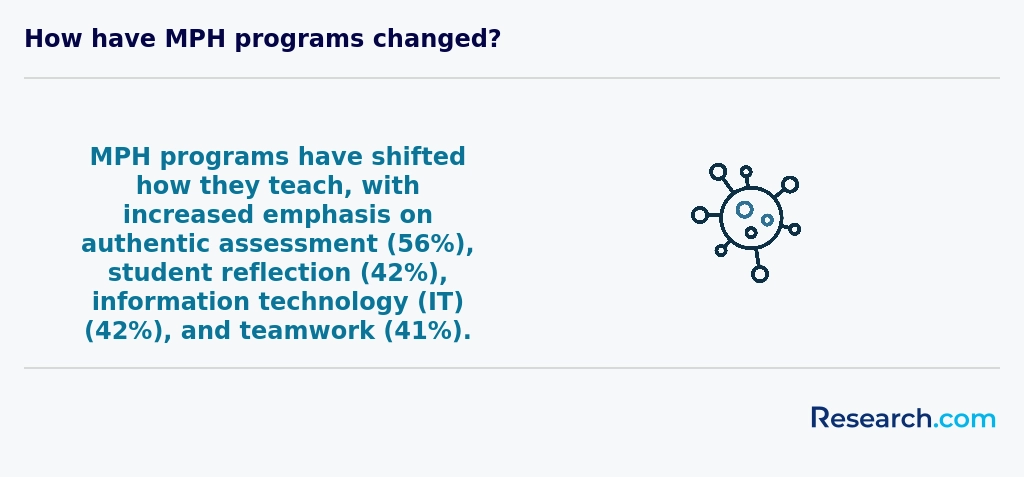
Master of Public Health (MPH) students in Texas often complete their degrees in two years with full-time study. However, many working professionals choose part-time options at institutions like the University of North Texas Health Science Center, extending their program to three or four years while maintaining jobs and other responsibilities. A few graduates embraced accelerated paths, completing their MPH in as little as 12 to 18 months by taking continuous intensive courses.
Doctoral public health programs-offered at schools such as Texas Tech University-vary widely, usually taking between three and five years. Factors like dissertation work and internships can add time but also create meaningful, career-boosting experiences.
What's the difference between online and on-campus public health degree?
Online public health degrees in Texas, such as those from the University of Texas Health Science Center, offer flexibility ideal for working adults. Graduates often highlight how asynchronous classes allowed them to balance family and job responsibilities without sacrificing progress. You can watch lectures and complete assignments anytime, making it easier to fit studies into your busy schedule.
In contrast, on-campus programs at institutions like Texas A&M provide structured settings with direct access to professors and peers. Graduates value the hands-on experiences in labs and lively in-person discussions that deepen understanding. This format suits students who thrive on routine and in-person collaboration.
Cost differences also matter: on-campus MPH programs typically cost between $20,000 and $45,000, while online options can save you thousands by cutting out commuting and housing expenses. Remember that both formats meet rigorous CEPH accreditation standards, ensuring equal academic quality regardless of how you study.
Deciding between formats means weighing your need for flexibility, learning style, and budget within the Texas public health education landscape.
What is the average cost of online public health degree in Texas?
The average cost of an online public health degree in Texas varies but generally falls around a median total cost of $33,600. For in-state students, the median total cost is noticeably lower, about $22,176, making it more affordable to pursue degrees from well-known Texas institutions such as the University of Texas or Texas A&M. Graduates from these programs often mention how the in-state tuition rates helped manage their expenses while still providing quality education and flexibility.
Out-of-state students typically face higher expenses, with a median cost around $50,313, nearly doubling the in-state figures. This cost difference is a key consideration for those weighing options between Texas public universities and other national programs. Many students have found that these costs align with the high level of support and resources available to public health scholars in Texas.
When estimating Texas online public health degree tuition fees, keep in mind that total expenses include not just tuition but additional fees for technology, course materials, and administrative services. These can add several hundred dollars each semester. Many programs offer fixed tuition for the entire course, which can simplify budgeting. Students often recommend checking for scholarships and financial aid offered specifically to Texas public health students to offset these costs.
Some graduates took advantage of scholarships and grants targeted at public health majors, easing the financial burden significantly. For detailed planning, it's helpful to review specific program costs through a list of best online health sciences programs offered in Texas, which can guide you in choosing a program that fits your budget and career goals.
What financial aid is available to online public health degree students in Texas?
Students pursuing an online public health degree in Texas often rely on a mix of federal, state, and institutional financial aid to manage expenses. Many graduates from universities like the University of Texas or Texas A&M recall applying for Pell Grants through FAFSA, which can cover up to $7,395 annually, considerably easing tuition pressures. Beyond grants, federal Direct Loans provide flexible repayment options, making them a practical choice for part-time students balancing work and study.
State-specific programs like the TEXAS Grant and the Texas Public Educational Grant also play a key role. These grants reward eligible undergraduates based on residency and academic progress, producing real impact for students attending Texas Tech or UTHealth's online programs. Scholarships offered by groups such as the Texas Public Health Association further reduce costs, sometimes funding specializations or research projects.
Additionally, institutional scholarships and work-study arrangements at top Texas universities help students earn while they learn, often through public health outreach roles. For those employed in healthcare, employer tuition assistance can cover much of the remaining costs, making completing an online degree both affordable and rewarding.
Typical Courses and Curriculum Overview
In online Public Health degree programs in Texas, you'll explore a robust curriculum that combines theoretical foundations with practical applications. Core courses often include: • Introduction to Public Health – Covering the basics of community health, health disparities, and global health trends. • Epidemiology – Emphasizing disease patterns, outbreak investigations, and preventive strategies critical to public health practice. • Biostatistics – Teaching data analysis techniques that are essential for interpreting health trends and research outcomes. • Environmental and Occupational Health – Explaining the impact of environmental factors and workplace safety on community well-being. • Health Policy and Management – Focusing on healthcare systems, policy formulation, and effective administration of health organizations. • Social and Behavioral Sciences in Public Health – Exploring the role of behavioral insights in addressing health challenges at a community level. • Research Methods and Ethics – Guiding students through designing studies, statistical analysis, and ethical considerations in public health research. These courses are designed to provide Texas students with the comprehensive skill set needed to excel in diverse public health careers while offering flexibility through interactive online platforms.
What are the prerequisites for enrolling in online public health degree program in Texas?
To enroll in an online public health degree in Texas, you need to meet specific academic and technical prerequisites tailored to prepare you for success. At popular schools like Texas A&M or the University of Texas, undergraduates must have a high school diploma or GED and maintain a GPA around 2.5 to 3.0. Graduate programs, such as an MPH, require a bachelor's degree from an accredited institution.
Graduates recall how submitting official transcripts and letters of recommendation was a straightforward step, but demonstrating relevant experience truly helped strengthen their applications. This experience can come from volunteer or work roles in health settings lasting six months to two years, making your background relatable to public health challenges in Texas.
Many programs emphasize completing coursework in biology, chemistry, and statistics. For example, students often find taking a year of college-level biology and statistics essential, which supports understanding core topics like epidemiology. Adapting to online learning is simple with reliable internet, a good computer setup, and basic tech skills, helping students stay engaged and motivated throughout their studies.

Student Support and Community Resources
A high-quality online Public Health degree in Texas is defined not only by its curriculum but also by the breadth of support services available to students. From the moment you enroll, robust academic advising guides course selection and ensures you meet degree requirements on time. Dedicated career services teams host virtual workshops, résumé reviews, and mock interviews that connect you with Texas employers. Meanwhile, technical support desks operate 24/7 to troubleshoot platform issues, ensuring uninterrupted access to lectures, discussion boards, and virtual labs. Library and research services offer online access to peer-reviewed journals, public health databases, and interlibrary loan programs, empowering you to conduct evidence-based projects. Many programs also feature peer mentoring circles and virtual study groups, fostering a sense of community and accountability among classmates across Texas and beyond. Counseling and wellness resources-including telehealth sessions and stress-management webinars-promote mental health and resilience, equipping you to balance academic, professional, and personal responsibilities. To explore additional programs with exemplary support frameworks, review our list of best online health sciences programs, which highlights institutions renowned for comprehensive student services and career outcomes. These resources not only amplify your learning experience but also ensure you graduate confident, connected, and ready to lead public health initiatives statewide.
What courses are typically in online public health degree programs in Texas?
Online public health degrees in Texas typically include courses designed to build a solid foundation in health sciences and policy. For example, graduates from popular institutions like the University of Texas often mention how courses such as Introduction to Public Health made theoretical concepts tangible by exploring real-life scenarios like local disease outbreaks and prevention strategies. Epidemiology courses focus on understanding patterns of illness across populations, which students find essential for practical work in Texas's diverse communities.
Biostatistics classes teach students to analyze data effectively-skills graduates recall using when assessing health trends during their internships at Texas health departments. Courses on Health Policy and Management equip students to navigate and influence governmental health systems, a real advantage for those aiming to work in public agencies or hospitals across Texas.
Additionally, Environmental Health and Social and Behavioral Sciences are core subjects that tie coursework to everyday challenges in Texas, such as addressing environmental risks in urban and rural areas or studying how social factors affect health behaviors among different cultural groups. These courses prepare students to handle practical issues with confidence and empathy.
What types of specializations are available in online public health degree programs in Texas?
Online public health specializations Texas programs often include Epidemiology, Health Policy and Management, Environmental Health, Global Health, and Behavioral Health or Health Promotion. Graduates from popular colleges in Texas appreciate how Epidemiology prepares them for tracking disease trends in diverse populations across the state. For instance, one graduate used their skills to assist local health departments during outbreaks, feeling proud to contribute meaningfully to community safety.
Focusing on Texas public health degree focus areas like Health Policy and Management equips students to shape impactful health systems amid the state's rapidly growing population. Environmental Health is perfect for those interested in reducing pollution-related risks in Texas' industrial hubs, a specialization praised by graduates working in occupational safety roles. Meanwhile, Global Health attracts students eager to address international and immigrant health challenges specific to Texas's role in global trade.
Those choosing Behavioral Health benefit from learning strategies to promote healthier lifestyles, a pressing need given Texas' rising chronic disease rates. For practical comparisons of costs, check the Inexpensive Public Health Degree Programs Ranking in Utah, which helps put Texas tuition into perspective for online learners.
How do you choose the best online public health degree in Texas?
Start by verifying the program's accreditation, especially CEPH accreditation, since it guarantees a high-quality education that Texas employers respect. Graduates from Texas A&M and the University of Texas system often praise the practical skills they gained, helping them secure jobs in Houston's health sector.
Consider the curriculum carefully. Look for courses offering a deep dive into epidemiology, biostatistics, and health policy. Many online public health degree programs Texas-based students choose also provide options to specialize in areas like community health or health informatics, which align with fast-growing fields in Texas urban centers.
Check how flexible the program delivery is-online classes with asynchronous options let working professionals study around busy schedules. Graduates shared that having access to support services tailored for remote learners made the experience manageable and fulfilling.
Balance cost with value; Texas programs average between $8,000 and $25,000 annually, often more affordable than national options. Don't forget to explore scholarships, employer assistance, and financial aid. For those wondering about career paths, consult resources like what certificates make the most money to maximize your investment.
What career paths are available for online public health degree students in Texas?
Graduates with an online public health degree in Texas often find clear pathways into careers such as health educator or community health worker. Many Texas graduates from institutions like the University of Texas or Texas A&M share how they applied their skills to create impactful community programs targeting disease prevention, especially in underserved areas. The state's vast and diverse population creates strong demand for these roles, matching the interest of those who want to make a tangible difference locally.
Other graduates take on epidemiology roles, tracking infectious diseases in real time with state agencies or hospital systems. Texas's size and vulnerability to outbreaks highlight the importance of epidemiologists, which makes this career path especially rewarding. For those interested in shaping policy, working as a health policy analyst or public health administrator offers a way to influence statewide health spending and access.
Environmental health specialists also find opportunities around Texas's industrial regions, ensuring safe workplaces and reducing pollution impact. Biostatisticians and data analysts analyze vital health data to support these efforts, tying directly into online public health degree jobs Texas employers seek. If you want to explore easy doctorate degrees, this foundation is a practical start.
What is the job market for online public health degree in Texas?
The job market for online public health degree jobs Texas is robust and expanding, especially in metropolitan hubs such as Houston, Dallas, and Austin. Graduates from well-known programs at Texas universities often find opportunities with the Texas Department of State Health Services or major hospital systems, where their skills in health education and disease prevention are highly valued. Many graduates describe their first roles as health educators or community health workers, helping to improve local health outcomes.
Given the growing focus on equity and emergency preparedness in Texas, public health professionals can expect steady demand. Entry-level salaries typically start around $40,000, with experienced workers earning upwards of $75,000, making this a practical career choice. For students planning their path, researching schools that offer affordable, quality online programs in Texas can be a smart step.
Those interested in more accelerated options may also explore the cheapest fastest masters degree paths available, which can open doors to advanced roles like epidemiologists or public health analysts. This approach helps new graduates quickly meet workforce needs while building meaningful careers close to their communities.
Frequently Asked Questions About public health
Students pursuing online public health degrees in Texas can enhance their learning by actively engaging with course materials and participating in virtual discussions. Texas has a growing public health sector, with the Texas Department of State Health Services reporting over 21% projected job growth in related fields through 2030, making practical knowledge important.
Utilizing campus resources, such as online libraries and academic advising, supports student success. Building connections with peers and faculty through virtual networking can provide valuable insights and career opportunities. Additionally, students should seek internships with local health organizations to gain hands-on experience in Texas's diverse communities.
Emerging niches within the public health field reflect the evolving health challenges faced by Texas and the nation. One significant area is health informatics, where professionals analyze data to improve community health outcomes. As reported by the Texas Health Institute, demand for health informatics specialists is expected to grow by over 15% by 2028.
Another key niche is environmental health, addressing issues like air quality and water safety, critical concerns in Texas' large urban and industrial regions. Additionally, health equity and social justice have gained focus, tackling disparities in access to care.
Online public health programs in Texas increasingly offer concentrations in these areas, catering to workforce needs.
After completing an online public health degree in Texas, preparing for the job market involves strategic steps. First, gaining practical experience through internships or volunteer work is crucial. Texas offers many opportunities in local health departments and nonprofit organizations.
Networking is also vital; joining state associations like the Texas Public Health Association can connect you with professionals and job openings.
Certification enhances employability-consider the Certified Health Education Specialist (CHES) credential, widely recognized in Texas public health roles.
According to the Texas Health and Human Services, demand for public health professionals in Texas is expected to grow by 15% through 2030, emphasizing strong job prospects.
Employers in Texas highly value public health graduates with strong analytical skills. The ability to collect, interpret, and use health data is crucial, especially as Texas faces unique challenges like chronic disease and access to care disparities, according to the Texas Department of State Health Services.
Communication skills are equally important. Graduates must effectively share health information with diverse populations, including underserved communities.
Knowledge of health policy and program planning is also sought after, enabling graduates to support public health initiatives statewide.
Familiarity with epidemiology and community health interventions enhances employability. The Texas Workforce Commission highlights that these combined skills increase a candidate's job prospects in local and state health departments.
Finding internships in Texas for public health students involves leveraging multiple local and state resources. Start by exploring the Texas Department of State Health Services, which offers internship opportunities in various public health sectors. Many universities in Texas have partnerships with Houston's Texas Medical Center and other health organizations, providing access to practical experiences.
Additionally, check listings on Handshake or the Texas Public Health Association's career portal, which frequently feature internships for students. Networking through professional groups like the Texas Public Health Association can increase visibility to local opportunities.
Given Texas' population of nearly 30 million and diverse health challenges, internships often focus on epidemiology, health promotion, and community health, offering valuable hands-on experience.
Obtaining an online public health degree in Texas can significantly enhance career mobility and advancement opportunities. The Texas workforce values practical skills and accreditation, which many online programs offer through recognized institutions.
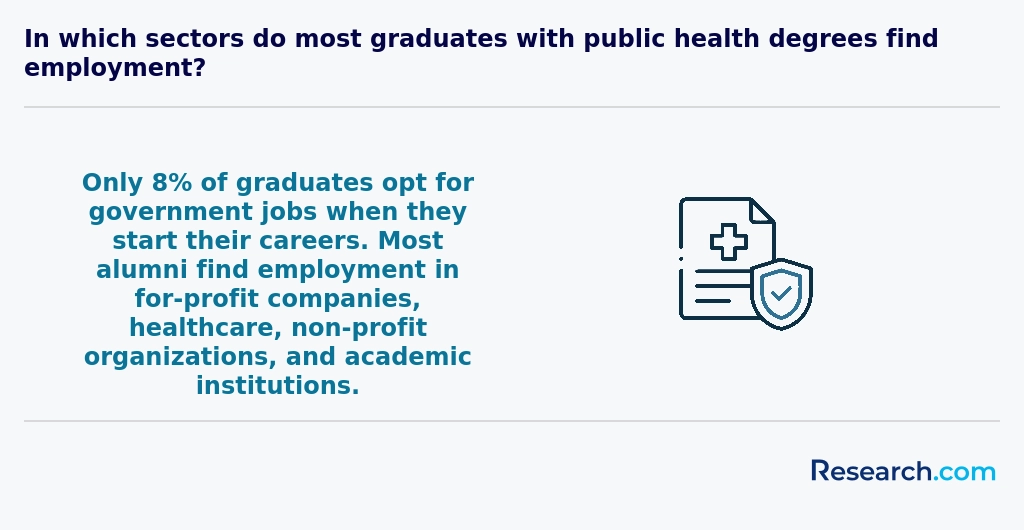
Public health employment in Texas is projected to grow by 15% from 2020 to 2030, faster than the national average (Bureau of Labor Statistics). This growth fuels demand for skilled public health professionals, enabling degree holders to access diverse roles in government, healthcare, and nonprofit sectors.
Online degrees also provide flexibility for current professionals to upskill without leaving their jobs, often leading to promotions or transitions into higher-paying leadership positions. According to the Texas Department of State Health Services, managerial roles in public health offer median salaries exceeding $80,000 annually, reflecting advancement benefits tied to educational attainment.
Studying for an online public health degree in Texas equips students with skills essential for interdisciplinary roles by integrating knowledge across various fields such as epidemiology, health policy, environmental health, and social sciences. Texas universities emphasize collaboration, preparing graduates to work alongside healthcare professionals, policymakers, and community organizations.
Texas faces unique public health challenges, including high rates of chronic diseases and diverse populations, which require multi-sectoral approaches. Programs often include case studies and practicum experiences focused on these real-world issues, improving students' problem-solving and communication skills.
According to the Texas Department of State Health Services, nearly 4 million Texans live in areas considered medically underserved, highlighting the need for versatile public health professionals.
When choosing between a thesis and a non-thesis online public health degree program in Texas, consider your career goals and learning preferences. Thesis programs focus on research, requiring you to conduct original studies and write a detailed paper. This path suits those aiming for doctoral programs or research careers. Non-thesis options emphasize practical skills and coursework, ideal for professionals seeking leadership or administrative roles.
Texas hosts many public health challenges, including rural health disparities and infectious diseases, making research skills valuable for some students. Data from the Texas Department of State Health Services highlights the need for skilled practitioners and researchers.
Both formats typically require around 40 credit hours but differ in workload. Cost, time commitment, and faculty expertise also vary and should influence your decision.
Students based in Texas seeking to study public health abroad through online programs have several pathways available. Many Texas universities with public health degrees offer study abroad options integrated into their online curricula, allowing students to gain international experience without relocating. Institutions such as the University of Texas School of Public Health collaborate with global partners for virtual internships and research projects.
Additionally, organizations like the Council on Education for Public Health (CEPH) accredit programs that may include global health components, encouraging international perspectives in coursework. Texas ranks among states with high public health demand, reinforcing the value of global health knowledge for future careers. Although fully foreign online public health degrees are rare for Texas students, pursuing hybrid models with international exposure is increasingly viable.
Part-time job opportunities in Texas that complement public health degree education often focus on community engagement, health education, and data management. Positions such as community health worker, public health program assistant, or medical records clerk allow students to gain practical experience while studying online. The Texas Department of State Health Services frequently hires part-time staff for outreach and educational campaigns, providing roles that align well with public health curricula.
According to the Texas Workforce Commission, healthcare support roles are projected to grow by 14% through 2030, indicating strong job prospects. Students may also find part-time opportunities in nonprofit organizations addressing health disparities, which are significant concerns in Texas urban and rural areas.
Online public health students in Texas benefit from diverse networking opportunities designed to connect them with professionals and peers statewide. Many universities offer virtual career fairs and alumni networking events, enabling students to engage with experienced public health practitioners. Texas also hosts numerous professional organizations, such as the Texas Public Health Association, which often provide online forums and statewide conferences accessible to remote learners.
Students can join local Texas chapters of national groups like the American Public Health Association, expanding their network regionally and nationally. Additionally, Texas' large public health workforce, exceeding 100,000 professionals according to the Texas Department of State Health Services, presents abundant mentorship and internship prospects for online students.
Alumni networks provide valuable support for online public health degree students in Texas. These networks connect current students with graduates working in diverse public health roles across the state.
Texas has a growing need for public health professionals, driven by its large population and health disparities. Alumni can offer mentorship, career advice, and job referrals tailored to this dynamic environment.
According to the Texas Department of State Health Services, areas such as Dallas and Houston have significantly expanded public health initiatives, creating opportunities for graduates.
Through alumni events and online platforms, students gain access to a community that can help navigate licensing, continuing education, and job market trends specifically in Texas.
Customizing an online public health degree in Texas allows you to align your education with your specific career goals. Many Texas universities offer elective courses and specialization tracks, such as epidemiology, health policy, or community health. Choosing these options helps tailor your skills toward roles like disease control, health education, or policy development.
Internships and practicum experiences, often available remotely or in local settings, give practical exposure. According to the Texas Department of State Health Services, focusing on region-specific health issues like chronic disease management can increase job readiness.
Additionally, some programs allow adding certificates alongside your degree, enhancing expertise in areas like biostatistics or environmental health.
Online public health students in Texas face several common challenges. Many struggle with balancing coursework alongside professional and personal responsibilities, especially since public health programs often require practical fieldwork or internships that can be difficult to arrange remotely. According to the Texas Department of State Health Services, coordinating statewide internship opportunities for online learners remains a significant barrier.
Technical issues also affect students, as reliable internet access varies widely across Texas, particularly in rural areas. This digital divide can hinder access to live lectures and resources. Furthermore, some students report feeling isolated without in-person interaction, which affects motivation and networking opportunities.
Lastly, navigating financial aid and tuition costs poses challenges, as online tuition rates and available scholarships vary between Texas institutions, with some programs charging higher fees for out-of-state students. Research from the Texas Higher Education Coordinating Board highlights these concerns as ongoing hurdles for many online learners.
An online public health degree in Texas opens pathways to several professional certifications that can enhance career prospects. Common certifications include the Certified in Public Health (CPH) credential, offered by the National Board of Public Health Examiners, which is valued nationwide.
Graduates may also pursue the Certified Health Education Specialist (CHES) certification, especially relevant for health promotion roles, including within Texas's expanding community health programs. The Texas Department of State Health Services supports professionals holding these credentials as they align with state public health priorities.
Other certifications include Certified Epidemiologist and Certified Health Administrator, often required for advanced public health roles across Texas healthcare facilities and government agencies. These certifications require accredited degrees and passing standardized exams.
To write a winning application for an online public health program in Texas, start by clearly articulating your career goals and how the degree aligns with them. Texas has a growing need for public health professionals, with the Texas Department of State Health Services emphasizing prevention and health promotion. Highlight any relevant work or volunteer experience, especially in community health settings.
Ensure your personal statement is concise and focused, demonstrating knowledge of current public health challenges in Texas, such as chronic disease management and health disparities. Strong letters of recommendation from professionals familiar with your skills and commitment can bolster your application. Finally, verify all academic records and test scores meet the program's requirements to avoid delays.
A public health career offers a valuable global perspective by addressing health challenges that transcend borders. Professionals trained in public health are vital for managing pandemics, improving health equity, and promoting disease prevention worldwide. In the U.S., including Texas, the demand for public health graduates is rising due to increased awareness of community health and emergency preparedness.
According to the Texas Department of State Health Services, Texas emphasizes a diverse public health workforce to tackle issues from urban health disparities to rural care access. Globally, public health roles require understanding social determinants of health, which are increasingly integrated into U.S. public health education.
Studying public health online in Texas enables students to gain skills applicable both locally and internationally. This flexibility supports careers in organizations such as the CDC and WHO, aligning with global health initiatives and enhancing cross-cultural collaboration.
Gaining practical experience while studying online for a public health degree in Texas is essential for career readiness. Many Texas universities offer internships or practicum placements with local health departments, hospitals, and nonprofit organizations. These hands-on opportunities provide real-world exposure to public health challenges specific to Texas, such as addressing health disparities in rural areas or managing chronic diseases prevalent in the state.
Students can also engage in virtual simulations or community-based projects that allow flexible, remote participation. According to the Texas Department of State Health Services, internships connected to state-run programs help develop skills in epidemiology, health education, and policy analysis.
Choosing the right concentration within an online public health degree in Texas depends on your career goals and local health needs. Texas faces significant public health challenges, including high rates of chronic diseases and disparities in rural areas, as reported by the Texas Department of State Health Services. Focusing on epidemiology or community health may prepare you to address these issues directly.
Consider concentrations like health policy or global health if you are interested in shaping healthcare systems or working beyond state borders. Reviewing course offerings and faculty expertise at Texas institutions can help ensure your specialization aligns with job market demands.
Researching alumni outcomes from specific programs can provide insight into employment trends and earning potential within Texas.
Related Public Health Rankings for Nearby States
- 2027 Easiest Online Public Health Degree Programs Ranking in Kansas
- 2027 Easiest Online Public Health Degree Programs Ranking in Missouri
- 2027 Easiest Online Public Health Degree Programs Ranking in Arizona
- 2027 Easiest Online Public Health Degree Programs Ranking in Florida
- 2027 Easiest Online Public Health Degree Programs Ranking in Iowa
- 2027 Easiest Online Public Health Degree Programs Ranking in South Carolina
- 2027 Easiest Online Public Health Degree Programs Ranking in North Carolina
- 2027 Easiest Online Public Health Degree Programs Ranking in Illinois
- 2027 Easiest Online Public Health Degree Programs Ranking in Virginia
- 2027 Easiest Online Public Health Degree Programs Ranking in South Dakota
Top Trending Public Health Rankings
References
- Financial Aid Guide https://www.publichealth.org/resources/financial-aid/
- Public Health Careers.org: Home https://www.publichealthcareers.org/
- Master of Public Health at UNT Health Fort Worth https://www.unthealth.edu/tcom/public-health/master-of-public-health.html
- Best MPH Programs in Texas https://www.mphonline.org/best-mph-programs-texas/
- Public Health Schools and MPH Programs in Texas https://www.publichealthdegrees.org/st/texas/
- Engaging students through service-learning opportunities ... https://sneb.org/engaging-students-through-service-learning-opportunities-in-public-health/
- Online Health Science Degrees with Financial Aid https://www.edumed.org/online-schools/health-science-degrees/financial-aid/
- 2026 Most Affordable Online MPH Programs https://www.onlineu.com/most-affordable-colleges/public-health-masters-degrees
- Best Online MPH Programs in Texas for 2026 https://www.onlinemastersdegrees.org/best-programs/public-health-mph/texas-tx/
- Develop lifelong skills with active learning design https://feedbackfruits.com/use-case/developing-lifelong-skills-with-active-learning-design











