
2027 Most Valuable Online Master's in Public Health Degree Programs Ranking in North Dakota

Co-Founder and Chief Data Scientist
Choosing the right online Master's in Public Health program can shape your future career and impact your community. This article introduces the 2027 Most Valuable Online Master's in Public Health Degree Programs Ranking in North Dakota, thoughtfully compiled by the Research.com team of data scientists.
Designed to guide North Dakota students, this ranking highlights programs that deliver quality education and real value. Exploring these options will help you confidently select a program that fits your goals, opening doors to meaningful career opportunities in public health.
Your journey toward making a difference starts with informed decisions.
Key benefits of getting online public health degree in North Dakota
- Public health degree graduates in North Dakota can expect competitive salaries, such as Public Health Program Managers and Healthcare Administrators earning around $134,440 annually, while Epidemiologists earn close to $90,430 yearly.
- Career paths for graduates include roles like Health Informatics Specialist or Health and Safety Manager, offering diverse opportunities in community health, data analysis, and safety regulation across various industries.
- Online public health degrees provide flexibility to balance work and study, allowing students from North Dakota to gain practical experience while advancing their education without relocating.
- Key benefits of getting online public health degree in North Dakota
- What can I expect from online public health degree in North Dakota?
- Where can I work with online public health degree in North Dakota?
- How much can I make with online public health degree in North Dakota?
- 2027 Most Valuable Online Master's in Public Health Degree Programs Ranking in North Dakota
- Key Findings
- How long does it take to complete online public health degree in North Dakota?
- What's the difference between online and on-campus public health degree?
- Admissions Process and Application Tips
- What is the average cost of online public health degree in North Dakota?
- Emerging Trends in Public Health Education
- What financial aid is available to online public health degree students in North Dakota?
- What are the prerequisites for enrolling in online public health degree program in North Dakota?
- Accreditation and Professional Certification
- What courses are typically in online public health degree programs in North Dakota?
- What types of specializations are available in online public health degree programs in North Dakota?
- How do you choose the best online public health degree in North Dakota?
- What career paths are available for online public health degree students in North Dakota?
- What is the job market for online public health degree in North Dakota?
- Related Public Health Rankings for Nearby States
- Top Trending Public Health Rankings
What can I expect from online public health degree in North Dakota?
The average cost of an online public health degree in North Dakota typically ranges from $15,000 to $30,000, depending on the institution and program length. Graduates from well-known universities like the University of North Dakota often recall balancing quality education with affordable tuition, appreciating how the investment felt worthwhile given the flexible schedules and practical training they received.
Many students find value in programs that offer asynchronous classes, allowing them to work full-time while advancing their studies. This flexibility, combined with opportunities for local internships or virtual fieldwork, turns abstract public health concepts into concrete experiences-like designing community interventions or analyzing rural health data relevant to North Dakota's unique challenges.
Graduates often reflect on how their education empowered them to address issues such as chronic diseases and health disparities in rural areas. For them, the cost was not just tuition but an investment into immediate and lasting community impact, making the financial commitment deeply meaningful and motivating.
Where can I work with online public health degree in North Dakota?
Graduates of online public health programs from institutions like the University of North Dakota or North Dakota State University often find a rewarding range of career opportunities across the state. Many step into roles with the North Dakota Department of Health, contributing directly to important initiatives like disease control and emergency preparedness-work that brings a deep sense of purpose and community impact.
Others build fulfilling careers in healthcare facilities such as hospitals and clinics, where their expertise in epidemiology and health education helps improve patient care and promote wellness on a broad scale. Alumni often share how meaningful it feels to support rural communities in places like Fargo or Grand Forks, where access to healthcare can be challenging but their work makes a real difference.
Nonprofits and local health departments also provide vibrant career paths, involving outreach programs and health equity efforts that foster personal growth and positive social change. Many graduates appreciate the collaborative spirit when working with universities and state agencies, where teaching and research roles allow them to shape the future of public health in North Dakota.
How much can I make with online public health degree in North Dakota?
Graduates with an online public health degree in North Dakota find that their earning potential varies considerably based on their chosen career paths and accumulated experience. For example, those stepping into roles as Public Health Program Managers or Healthcare Administrators can expect mean annual wages around $134,440, reflecting the advanced responsibilities and leadership required. Epidemiologists in the state earn roughly $90,430 annually, offering a rewarding balance between research and community health impact. Meanwhile, careers such as Health Informatics Specialists provide mean salaries near $70,260, blending data with healthcare to drive informed decisions.
Many North Dakota graduates from respected institutions, such as those affiliated with the University of North Dakota, report satisfaction in starting salaries near $50,000 in entry-level roles, growing to six figures as they specialize or take on management tasks. Working within state agencies or hospital systems often includes valuable benefits, amplifying total compensation.
Choosing a specialization like epidemiology or health informatics can notably enhance earning prospects, demonstrating the tangible value of focused expertise developed through these programs.
2027 Most Valuable Online Master's in Public Health Degree Programs Ranking in North Dakota
How do we rank schools?
Investing in your education is a significant decision that can shape your future, and the Research.com team understands the importance of making informed choices. To assist prospective students in North Dakota, we have meticulously crafted the "2027 Most Valuable Online Master's in Public Health Degree Programs Ranking in North Dakota." Our commitment to quality, credibility, and accuracy is reflected in the extensive research and analysis conducted to compile this ranking.
We utilized the following reputable data sources to ensure a comprehensive evaluation of public health programs:
By exploring this ranking, readers will gain valuable insights into the most valuable online Master's in Public Health programs in North Dakota, empowering them to make well-informed decisions about their educational investment. For more details on our methodology, please visit our Research.com methodology page.


Key Findings
- Online public health degrees in North Dakota range from $10,000 to $25,000 for the entire program, with lower tuition available at public institutions and in-state pricing for residents.
- The state sees moderate job growth in fields like health education, community health, and epidemiology through 2030.
- Starting salaries for public health graduates average between $45,000 and $55,000 per year, rising to around $70,000 or more with experience.
- Programs include coursework in epidemiology, health policy, environmental health, and community outreach to support licensure and certification requirements.
- These degrees can be completed fully online through accredited regional institutions, ensuring quality education and flexibility.
How long does it take to complete online public health degree in North Dakota?
Completing an online public health degree in North Dakota generally aligns with national norms but offers flexibility tailored to individual circumstances. For example, graduates from the University of North Dakota often share how full-time bachelor's programs take about four years, mirroring the traditional timeline yet allowing them to balance coursework with personal commitments through online study.
Master of Public Health students, many of whom juggle work and family, find the program's design accommodating. With options to study part-time, some complete their degree in about two years, while others take up to three years, tailoring the pace to their lives. This flexibility eases pressure, fostering positive experiences despite rigorous course demands.
Graduates frequently highlight how asynchronous classes helped them manage irregular work schedules, making the journey less stressful. Moreover, when prior experience or credits allow waivers, students often feel motivated by a noticeably shorter path. These real-life accounts underscore the thoughtful balance North Dakota's online public health programs provide between quality education and practical life needs.
What's the difference between online and on-campus public health degree?
Online and on-campus public health degrees in North Dakota differ primarily in flexibility and environment. Graduates from the University of North Dakota often reflect on how the online program's asynchronous format allowed them to manage family and work commitments while studying, especially helpful for those in remote areas. This flexibility lets students study at their own pace without the stress of commuting long distances.
In contrast, those attending on-campus programs, such as at North Dakota State University, value the vibrant face-to-face interactions and hands-on experiences. Being physically present creates opportunities for deeper connections with faculty and peers, plus access to community health projects and local partnerships that enrich practical learning.
Many graduates appreciate the cost savings of online degrees, avoiding housing or travel expenses, though some note that technology fees can add up. Ultimately, both paths in North Dakota offer quality, accredited education tailored to varied lifestyles and career goals.
Admissions Process and Application Tips
Navigating the admissions process for an online Master’s in Public Health in North Dakota can be straightforward if you plan ahead and follow these key steps: 1. Review Prerequisites and Deadlines • Verify that you meet the minimum GPA (commonly 3.0) and have completed required coursework in statistics, biology, and social sciences. • Note application deadlines: most fall admission cycles close between December and February, while spring starts may require submissions by August. • Confirm whether standardized test scores (GRE/MAT) are required or if a waiver is available. 2. Prepare Strong Application Materials • Personal Statement: Craft a 500–700 word essay that highlights your motivation for public health, specific North Dakota community interests, and career goals. Use concrete examples, such as rural outreach or policy research. • Letters of Recommendation: Request two to three references from academic or professional mentors who can attest to your leadership, research aptitude, and commitment to health equity. • Resume/CV: Emphasize relevant internships, research projects, volunteer work, and any public health certifications. 3. Optimize Financial Aid and Scholarships • Submit FAFSA by early spring to maximize federal aid. • Apply separately for North Dakota Health Service Corps grants and institution-specific scholarships. • Compare program costs and funding options-consider also our Low Cost Public Health Degree Programs Ranking in Indiana for broader affordability benchmarks. 4. Highlight E-Portfolios and Capstone Interests • If your program requires a practicum or capstone, outline potential project ideas that address local health disparities. • Showcase prior data-analysis or community outreach work through an online portfolio or GitHub repository. 5. Leverage Admissions Advising • Schedule virtual meetings with program advisors to clarify curriculum tracks (e.g., epidemiology vs. health policy) and internship placements. • Attend online open houses or information sessions to connect with alumni and ask about part-time vs. full-time enrollment impacts. By systematically organizing materials, meeting deadlines, and showcasing your passion for community health, you’ll strengthen your application for North Dakota’s top online MPH programs.
What is the average cost of online public health degree in North Dakota?
The average cost of an online public health degree in North Dakota hovers around $32,760, reflecting tuition rates at institutions like North Dakota State University and the University of North Dakota. Graduates often share how this investment felt reasonable considering the quality and flexibility offered by these programs. For many, balancing family or work commitments with studies was made more manageable, knowing that the financial burden stayed within a predictable range. This makes the idea of pursuing affordable online master's in public health programs North Dakota particularly appealing to those who want to stay local but need a flexible schedule.
For example, a graduate from a well-known public university in North Dakota recalled feeling relieved that online tuition rates were on par with in-state campus tuition, which directly eased their budgeting concerns. They also highlighted how additional expenses like technology fees and textbooks were factors to plan for, but did not drastically alter their overall costs. Such practical insights give prospective students a clearer understanding of real costs beyond just tuition.
Many who have pursued their MPH online in North Dakota also emphasized opportunities to reduce expenses through scholarships and grants, especially when they committed to working in-state after graduation. This financial support is a vital consideration for those evaluating the average cost of online public health degree in North Dakota.
Students interested in exploring options for related healthcare fields might also consider looking into online sonography degrees accreditation, which can offer complementary pathways in healthcare with distinct pricing and scheduling advantages.
Emerging Trends in Public Health Education
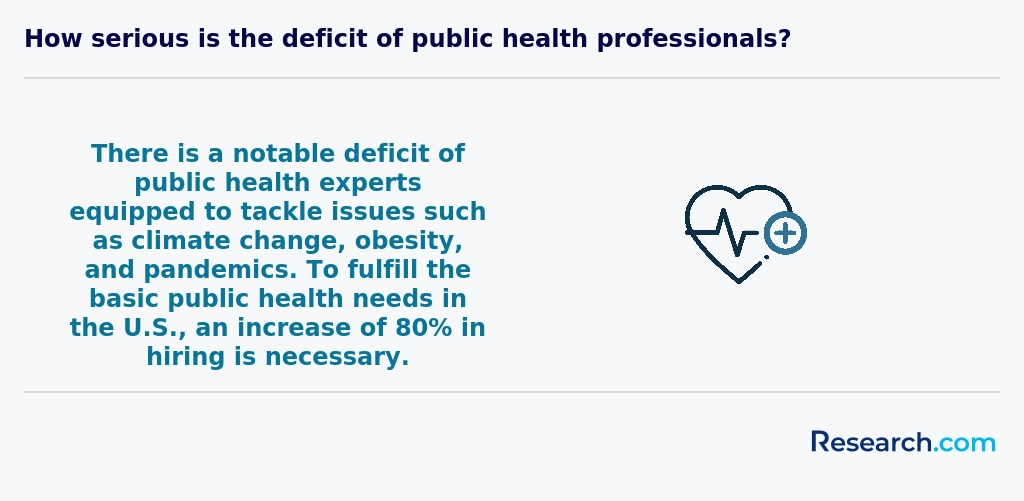
The landscape of Public Health education is rapidly evolving, driven by advancements in technology and new approaches to curriculum design. Today’s programs increasingly incorporate experiential learning via virtual simulations, real-time data analysis, and collaborative online projects that mirror current industry practices. This shift not only enhances student engagement but also prepares graduates to navigate a dynamic healthcare environment marked by ongoing public health challenges and innovative solutions. Many institutions are now integrating courses that emphasize digital health, data-driven decision-making, and interdisciplinary collaboration. Such developments enable learners to apply theoretical knowledge in practical settings, ensuring that they are well-equipped to handle complex issues like pandemic preparedness and health disparities. For instance, students can enhance their learning experience by exploring programs that prioritize affordability alongside quality-an excellent resource is available for those researching the cheapest public health programs in north dakota. By staying attuned to these emerging trends, prospective students are better positioned to choose programs that not only fit their career aspirations but also offer the latest tools and methodologies essential for making a significant impact in public health. This forward-thinking approach ultimately builds a foundation of expertise and adaptability, qualities that are highly valued by employers in today's competitive job market.
What financial aid is available to online public health degree students in North Dakota?
Students pursuing an online public health degree in North Dakota often find relief through a variety of financial aid avenues tailored to their unique situation. For example, graduates from the University of North Dakota recall how completing the FAFSA opened doors to Pell Grants and Federal Direct Loans, instrumental in easing their tuition burden. These federal options form the backbone of most funding, supplying grants that don't require repayment alongside manageable loan plans.
Beyond federal aid, North Dakota's state-specific scholarships, like the ND Graduate Fellowship Program, play a vital role. Many graduates from North Dakota State University express gratitude for this support, which helps bridge funding gaps without excessive debt. Scholarships aimed specifically at public health or health professions, offered by organizations such as the American Public Health Association, further expand opportunities.
Employer tuition assistance is another key resource. Working professionals enrolled in online programs often share how healthcare employers in North Dakota provide reimbursement, encouraging career advancement without financial strain. Navigating these options with thoughtful planning turns financial concerns into a manageable part of one's educational journey.
What are the prerequisites for enrolling in online public health degree program in North Dakota?
To enroll in an online public health degree program in North Dakota, students typically need a bachelor's degree from an accredited institution. Graduates from universities such as the University of North Dakota have shared how having a background in health sciences or related fields helped them navigate the coursework more confidently. A solid undergraduate GPA, often around 3.0, is also commonly expected to demonstrate academic readiness.
While some campuses may ask for GRE scores, many programs have waived this requirement recently, making education more accessible-something many working professionals appreciate deeply. Experience in public health fields can strengthen an application, but dedication shown through a thoughtful statement of purpose and strong letters of recommendation often holds equal weight.
Students pursuing these degrees emphasize the importance of technical skills, like comfort with virtual learning tools and reliable internet access, which are crucial for success given the fully online format. Institutions such as North Dakota State University provide robust support for mastering these platforms, helping learners feel prepared and connected.

Accreditation and Professional Certification
Choosing an online master’s in public health program in North Dakota that is accredited by the Council on Education for Public Health (CEPH) ensures your degree meets rigorous academic and professional standards. CEPH accreditation not only validates the quality of core courses-such as epidemiology, biostatistics, and health policy-but also guarantees your eligibility to sit for the Certified in Public Health (CPH) exam administered by the National Board of Public Health Examiners. Graduating from a CEPH-accredited program enhances your credibility with employers and paves the way for advanced roles in government agencies, non-profits, and private sector organizations. In addition to CEPH, some North Dakota institutions hold regional accreditation from bodies like the Higher Learning Commission (HLC), which affirms the overall academic integrity of the university. State authorization reciprocity agreements further expand your options, allowing you to complete practicum or capstone projects across state lines without additional licensure hurdles. Before applying, verify each program’s accreditation status on the CEPH website and consult your state board of public health for any location-specific requirements. For students interested in integrating data analytics and health systems technology into their public health toolkit, we also offer insights on related fields-explore our rankings of the best online health informatics programs to compare curricula, student outcomes, and professional certifications in informatics. By aligning accreditation, certification, and specialization, you’ll maximize your return on investment and position yourself as a leader in the rapidly evolving landscape of community health.
What courses are typically in online public health degree programs in North Dakota?
Online public health degrees in North Dakota commonly include courses deeply rooted in the state's unique health landscape. Graduates from institutions like the University of North Dakota often highlight their epidemiology classes that sharpen an understanding of rural health trends, a key skill when addressing disease patterns in dispersed communities.
Biostatistics courses stand out as vital, teaching students to analyze data that influences real decisions affecting North Dakota's agricultural and small-town populations. Many recall how environmental health classes brought to life concerns about water quality and workplace safety-issues that resonate in the region's farming and industry sectors.
Health policy and management coursework prepares students to navigate the complexities of state and federal regulations, a challenge graduates appreciate when advocating for improved resources in local public health systems. Social and behavioral sciences offer practical strategies to engage diverse communities, including Native American populations.
These programs balance theory with hands-on learning, empowering students to confidently tackle public health issues meaningful to North Dakota's environment and people.
What types of specializations are available in online public health degree programs in North Dakota?
North Dakota's online public health degrees offer specializations that truly resonate with the state's unique health landscape. Graduates from institutions like the University of North Dakota often highlight Epidemiology as a pivotal focus, reflecting the state's rural context and the critical need to track disease patterns and outbreaks. This specialization equips students to work directly with state health departments, shaping real-world responses to public health challenges. Another powerful concentration is Health Policy and Management, essential for those eager to navigate and influence healthcare systems amid ongoing reforms in North Dakota's healthcare infrastructure. Students find this track rewarding as it often leads to impactful roles in statewide health agencies.
Community Health and Behavioral Science specializations offer practical approaches to improving health outcomes in local populations. Many graduates cherish how these tracks empowered them to implement tobacco cessation and nutrition programs targeted at North Dakotans. Environmental Health also stands out, addressing concerns tied to agriculture and industry prevalent in the state.
For a broader perspective, students sometimes explore related fields, comparing options with other disciplines like online nursing degrees massachusetts programs. Such insights enrich their understanding and career planning.
Through these diverse specializations, North Dakota MPH degree concentration options reflect a blend of local relevance and national public health priorities, allowing students to make meaningful community contributions.
How do you choose the best online public health degree in North Dakota?
Choosing the best online public health degree North Dakota offers means prioritizing accreditation, especially from CEPH, to ensure the program meets rigorous standards. Graduates from institutions like the University of North Dakota mention how this accreditation opened doors for local job opportunities and certifications. Flexibility matters too; many students balancing family or work cherish asynchronous courses that fit North Dakota's rural lifestyle. One graduate shared how attending a popular college's hybrid program let them manage farm duties while progressing steadily through their degree.
Another key insight is aligning curriculum choices with the state's public health needs, such as cardiovascular health and rural access challenges seen across North Dakota. Schools that emphasize these areas prepare students better for impactful careers. Cost is often a concern; looking for affordable online MPH programs North Dakota residents can access, including in-state tuition or reciprocity, eases financial stress. Additionally, explore financial aid and community scholarships.
Finally, pay attention to faculty expertise and career support. Graduates frequently praise programs that offer mentorship grounded in North Dakota's health landscape. To complement your public health studies, consider the advantages of MSN degree as part of your long-term planning.

What career paths are available for online public health degree students in North Dakota?
Graduates with an online public health degree in North Dakota often find rewarding roles across diverse sectors. Many embrace opportunities in state and local government agencies, including the North Dakota Department of Health, where they focus on disease prevention and health education-crucial areas given the state's unique rural health challenges. Those from institutions like the University of North Dakota and North Dakota State University describe a strong sense of purpose working to protect community wellbeing.
Others pursue careers in healthcare organizations or hospitals, taking on positions in health services management and community outreach. The practical training in biostatistics and health informatics offered through these programs equips graduates to contribute to data-driven improvements in patient care, a growing priority in North Dakota's healthcare landscape. For students interested in blending health and policy, roles as health policy analysts or environmental health specialists present impactful pathways to shape public health strategy and promote sustainability within the state.
Informed by feedback from recent graduates, one sees how vital experiential learning is in applying public health concepts. For those exploring related fields, the state also offers strong nutritional science study options, which complement public health competencies well. Pursuing an online degree here not only prepares students for fulfilling careers but also instills a distinct connection to their communities through meaningful work in North Dakota's evolving health sector.

What is the job market for online public health degree in North Dakota?
The job market for online public health degree holders in North Dakota remains promising, with steady demand fueled by the state's attention to rural healthcare and public health challenges. Graduates from respected programs at institutions like the University of North Dakota have found fulfilling roles in local hospitals and state health departments, supporting initiatives against substance abuse and chronic diseases. Many appreciate how their education prepares them to become community health educators, epidemiologists, or policy analysts who make a tangible impact in both urban hubs like Fargo and more remote counties.
Public health career opportunities North Dakota offers are notable for their balance of meaningful work and competitive wages-often above the national average when adjusted for living costs. The ability to study through online formats enables students across the state to access flexible education without relocating, a factor shared by several graduates who transitioned smoothly into roles due to strong connections fostered by their online MPH programs.
For those considering advancing their credentials while managing work and life, exploring options like online bsn programs Texas demonstrates how accessibility and affordability can open doors to rewarding healthcare professions in their home states as well.
Frequently Asked Questions About public health
Students pursuing online public health degrees in North Dakota can enhance their learning by actively engaging with local health data and resources. North Dakota's Department of Health provides valuable statistics on rural health challenges, which offer practical context for coursework. Incorporating state-specific issues like workforce shortages and opioid misuse into study projects can deepen understanding.
Networking with professionals through virtual events hosted by organizations like the North Dakota Public Health Association enables students to connect theory with real-world practice. Additionally, selecting programs accredited by CEPH ensures rigorous standards and greater career credibility. Taking advantage of university tutoring and library resources supports academic success in the fully online format.
The public health field is rapidly evolving, with several emerging niches gaining importance. One key area is epidemiology, especially given the recent focus on infectious diseases and their control. Professionals trained in data analysis and disease tracking are increasingly in demand.
Another growing niche is environmental health, addressing challenges such as water quality and pollution, which are critical in North Dakota's agricultural regions. Health informatics is also expanding, combining IT skills with health data to improve healthcare delivery and outcomes.
Behavioral health is gaining attention due to rising mental health needs nationwide, including North Dakota. Specialists who design community-based prevention programs are particularly valuable in rural settings.
After completing an online public health degree in North Dakota, students should focus on building relevant experience to enter the job market successfully. Internships and practicum opportunities are crucial, as they provide hands-on skills valued by employers.
Networking within the local public health community, including connections to the North Dakota Department of Health, can open job opportunities. According to the U.S. Bureau of Labor Statistics, North Dakota has a growing demand for healthcare and public health workers, expecting a 10% job growth through 2031.
Certification, such as the Certified in Public Health (CPH), can enhance credibility. Additionally, developing strong communication and data analysis skills aligns with employer needs in this field. Continuing education helps graduates stay competitive in a dynamic public health environment.
Employers in North Dakota value a range of skills from graduates of online public health degree programs. Strong analytical abilities are essential, as professionals must interpret data to address health trends effectively. Communication skills, both written and verbal, enable clear dissemination of health information to diverse communities. Knowledge of epidemiology and biostatistics is highly sought after, supporting evidence-based decision-making.
Project management skills also rank highly, given the need to coordinate public health initiatives. According to the North Dakota Department of Health, familiarity with local health challenges, such as rural healthcare access and opioid use, increases a graduate's appeal. Public health graduates who understand policy development and community engagement tend to excel in the state's workforce.
Finding internships in North Dakota relevant to a public health degree involves strategic planning and local networking. Start by exploring opportunities through the North Dakota Department of Health, which offers placements in epidemiology, community health, and policy development. Universities with public health programs often maintain partnerships with local health organizations, providing a pathway to internships.
Many internships are advertised on state job boards and local public health association websites, such as the North Dakota Public Health Association. Additionally, consider reaching out to hospitals, tribal health centers, and nonprofit organizations active in rural health initiatives.
According to the U.S. Bureau of Labor Statistics, North Dakota's public health sector is growing steadily, highlighting the importance of gaining practical experience. Networking via LinkedIn groups focused on North Dakota health professionals can also be valuable.
Obtaining an online public health degree in North Dakota can significantly enhance career mobility and advancement within the state's growing health sector. According to the North Dakota Department of Health, public health professionals are increasingly in demand, driven by statewide initiatives to address rural health disparities and chronic diseases.
Graduates with a Master of Public Health (MPH) or similar qualifications often gain access to leadership roles in government agencies, hospitals, and nonprofit organizations. The flexibility of online programs allows working professionals to earn credentials without pausing their careers, facilitating promotion opportunities.
Additionally, the Bureau of Labor Statistics reports a positive job outlook for healthcare occupations in North Dakota, with a projected growth rate above the national average. This trend makes formal public health education a key factor in securing competitive positions and higher salaries in the local market.
Studying for an online public health degree in North Dakota equips students with skills essential for interdisciplinary roles. Programs emphasize collaboration across healthcare, policy, and community sectors, reflecting the state's diverse health needs. For example, North Dakota faces challenges such as rural healthcare access and increasing rates of chronic diseases, requiring multifaceted approaches.
Students gain knowledge in epidemiology, health policy, and environmental health, preparing them to work effectively with professionals from different fields. Many programs incorporate case studies relevant to North Dakota's population, enhancing practical understanding.
According to the North Dakota Department of Health, integrating data analysis and policy advocacy is key in local public health initiatives. This training ensures graduates are ready to contribute across sectors.
Choosing between a thesis and a non-thesis online public health degree in North Dakota depends on your career goals and learning preferences. Thesis programs emphasize research, requiring students to complete an original study, which can be beneficial if you plan to pursue a PhD or work in academic or research positions.
Non-thesis programs focus more on practical skills and coursework, ideal for students aiming to enter the workforce quickly or advance in public health practice. North Dakota's Department of Health highlights a growing need for practitioners skilled in policy and community health, which aligns well with non-thesis degrees.
Consider your time commitment, as thesis options usually take longer. Check individual university requirements since some online programs offer flexible formats tailored to working professionals.
Students in North Dakota interested in studying public health abroad have several options through online programs offered by accredited U.S. universities with global perspectives. These programs often include international coursework and virtual collaborations, allowing students to engage with public health issues worldwide without the need to travel.
While North Dakota itself does not host foreign-based public health schools, its residents can enroll in U.S. institutions with established study abroad partnerships or global health tracks.
The Association of Schools and Programs of Public Health (ASPPH) highlights that approximately 30% of online MPH programs offer international components, which can supplement students' understanding of global health challenges important for those from states like North Dakota, where rural health disparities are a concern (North Dakota Department of Health, 2023).
Part-time job opportunities in North Dakota that complement public health education often include roles in healthcare facilities, community organizations, and government agencies. Many students find positions as public health aides or health educators, assisting with outreach and health promotion efforts across the state.
Healthcare support jobs in hospitals and clinics are common, with North Dakota's growing healthcare sector offering stable part-time work that builds practical skills.
Additionally, roles with the North Dakota Department of Health or tribal health programs provide valuable experience in policy implementation and epidemiology, essential areas within public health.
These positions help students apply classroom knowledge while understanding local health challenges, especially in rural communities where public health needs are significant, according to data from the North Dakota Department of Health.
Online public health students in North Dakota have access to diverse networking opportunities despite the remote format. Institutions like the University of North Dakota and North Dakota State University encourage students to engage virtually with faculty, alumni, and peers through online forums and webinars.
The state's public health workforce, employing over 1,300 professionals according to the North Dakota Department of Health (2023), provides a foundation for connecting via local chapter events of organizations such as the American Public Health Association.
Students can also join professional groups like the North Dakota Public Health Association, which hosts networking events and conferences that are often accessible online.
These platforms help students build professional relationships, find mentorship, and access job opportunities within North Dakota's growing public health sector.
Alumni networks offer significant advantages to online public health degree students in North Dakota. These networks connect current students with graduates working across the state's healthcare sector, facilitating mentorship and career guidance. North Dakota's strong focus on rural health presents unique job opportunities supported by alumni connections within local public health departments and nonprofit organizations.
According to the North Dakota Department of Health, alumni often help students access internships and job placements, enhancing practical experience. Networking can lead to collaborations on research projects, vital for those interested in epidemiology or health policy.
Engaging with alumni increases exposure to regional public health challenges, enriching students' education beyond textbooks.
Online public health degree programs in North Dakota offer flexible options to tailor your studies according to your career goals. Many programs allow students to choose from various concentrations, such as epidemiology, health policy, or community health education, aligning your learning with specific job markets.
Customizable electives let you focus on skills most relevant to your interests or regional health needs, like rural health care or Native American health initiatives, important given North Dakota's diverse population.
Internships and practicum placements can often be arranged locally, providing practical experience while building professional networks within the state's public health system.
Accredited universities in North Dakota also enable part-time study and asynchronous classes, supporting working professionals. According to the North Dakota Department of Health, public health professionals in the state urgently need expertise in chronic disease and behavioral health, guiding curricular choices for students.
Online public health students in North Dakota often face challenges related to limited local public health resources and networking opportunities. Rural areas dominate the state, with about 60% of the population living outside metropolitan regions, according to the U.S. Census Bureau. This can make finding nearby internships or practicum sites difficult. Additionally, intermittent internet connectivity in rural parts of North Dakota may disrupt access to course materials and live sessions. Balancing work, family, and study commitments is another common issue for many online learners, especially as public health professionals often work irregular hours. Navigating accreditation and licensure requirements for public health roles can also be complex.
With an online public health degree, professionals in North Dakota can pursue several respected certifications to advance their careers. The Certified in Public Health (CPH) credential, offered by the National Board of Public Health Examiners, is highly valued nationwide and demonstrates expertise in core public health sciences. Additionally, the Certified Health Education Specialist (CHES) certification focuses on health promotion and education and is relevant for many public health roles.
North Dakota's Department of Health supports professional development through these certifications, emphasizing workforce growth. Public health employees in North Dakota also benefit from licensure in specialized areas such as epidemiology and environmental health, depending on their career goals.
Obtaining these certifications often requires a combination of academic qualifications, professional experience, and successful completion of standardized exams.
Writing a winning application for an online public health program in North Dakota begins with understanding the state's health landscape. Emphasize your commitment to addressing local public health challenges, such as North Dakota's opioid crisis and rural health disparities, reported by the North Dakota Department of Health. Admissions committees value applicants who demonstrate both academic readiness and practical awareness.
Highlight relevant experience, including volunteer work or employment in healthcare settings. Strong letters of recommendation from professionals familiar with your public health interests can strengthen your application.
Be clear about your career goals and how the program's curriculum aligns with them. Use concise, focused personal statements to convey motivation and understanding of online learning demands.
Public health careers are increasingly important worldwide as communities face challenges like pandemics, chronic diseases, and environmental issues. In the United States, including North Dakota, public health professionals play a vital role in designing and managing health programs that protect populations and promote well-being.
Globally, public health workers collaborate on disease prevention, policy creation, and health education. According to the North Dakota Department of Health, the state's public health workforce supports both rural and urban areas, emphasizing emergency preparedness and chronic disease management.
Many international organizations now prioritize training in public health to address global health disparities, making this field dynamic and impactful. U.S. online degrees often incorporate global health perspectives, preparing students for careers that may extend beyond national borders.
Gaining practical experience while studying for an online public health degree in North Dakota is crucial for career growth. Many programs encourage internships or practicum placements with local public health departments, healthcare facilities, or community organizations. North Dakota's public health sector, including the North Dakota Department of Health, often partners with universities to offer such opportunities.
The state's emphasis on rural health initiatives allows students to work on projects addressing unique population health challenges. Additionally, some online degrees include virtual simulations and case studies to build real-world skills.
Students should communicate with academic advisors to identify approved local sites for hands-on learning.
Choosing the right concentration within an online public health degree in North Dakota depends on your career goals and the region's health needs. The state has significant challenges such as rural health disparities and a growing aging population, pointing to opportunities in rural health and gerontology specializations. According to the North Dakota Department of Health, chronic diseases and mental health are also priority areas. Selecting a focus in epidemiology or health policy could prepare you to address these issues effectively.
Research available programs to see which concentrations align with workforce demands in North Dakota. Many schools offer areas like community health, environmental health, or health administration that reflect local priorities.
Additionally, consider practical requirements like internships or fieldwork support, especially if you plan to stay and work in North Dakota's public health system.
Related Public Health Rankings for Nearby States
- 2027 Most Valuable Online Master's in Public Health Degree Programs Ranking in Illinois
- 2027 Most Valuable Online Master's in Public Health Degree Programs Ranking in Missouri
- 2027 Most Valuable Online Master's in Public Health Degree Programs Ranking in Michigan
- 2027 Most Valuable Online Master's in Public Health Degree Programs Ranking in Texas
- 2027 Most Valuable Online Master's in Public Health Degree Programs Ranking in Florida
- 2027 Most Valuable Online Master's in Public Health Degree Programs Ranking in North Carolina
- 2027 Most Valuable Online Master's in Public Health Degree Programs Ranking in Virginia
- 2027 Most Valuable Online Master's in Public Health Degree Programs Ranking in Pennsylvania
- 2027 Most Valuable Online Master's in Public Health Degree Programs Ranking in Maryland
- 2027 Most Valuable Online Master's in Public Health Degree Programs Ranking in New York
Top Trending Public Health Rankings
References
- Pre-Professional Health Experience Guide | PublicHealthOnline.org https://www.publichealthonline.org/pre-professional-experience/
- North Dakota Public Health Training Network https://www.ndphtn.com/
- The Networking Guide for Public Health Professionals https://www.publichealthdegrees.org/resources/professional-networking/
- Masters in Public Health in North Dakota | Online MPH Degree for Public Health Jobs in ND https://www.publichealthcareeredu.org/north-dakota/
- ND Healthcare Professional Loan Repayment Program https://www.hhs.nd.gov/health/primary-care-office/north-dakota-health-service-corps/healthcare-professional-loan-repayment
- Letter of Intent for Admissions to Masters of Public Health - how this program fits to my goals? https://essayforum.com/graduate/intent-admissions-masters-public-health-64817/
- 5 Internships for a Master’s in Public Health Student - Healthcare Administration Degree Programs https://www.healthcare-administration-degree.net/lists/5-internships-for-a-masters-in-public-health-student/
- Is an Online MPH Right for You? | University of Bridgeport https://www.bridgeport.edu/news/is-an-online-mph-right-for-you/
- Best programs to become a health education specialist in North Dakota https://clema.ai/north-dakota/occupations/health-education-specialists
- Public Health https://disabroad.org/program/public-health/











