
2027 Most Valuable Public Health Degree Programs Ranking in Puerto Rico

Co-Founder and Chief Data Scientist
Choosing the right public health degree program can feel overwhelming, especially with so many options available in Puerto Rico. This article introduces the 2027 Most Valuable Public Health Degree Programs Ranking in Puerto Rico, created by the Research.com team of data scientists to guide you through this decision.
By exploring this ranking, you'll gain valuable insights into which programs offer the best opportunities for your future career and personal growth. Pursuing a public health degree opens doors to making a positive impact in communities while building a meaningful and rewarding profession.
Key benefits of getting public health degree in Puerto Rico
- Salary: Graduates with a public health degree in Puerto Rico can expect competitive salaries, such as $52,610 annually for Community Health Workers and $86,710 for Environmental Health Specialists, reflecting strong earning potential.
- Career paths: Many graduates from popular Puerto Rican universities enter rewarding roles in health education, safety, and environmental health, offering diverse opportunities to make a positive impact locally.
- Online degree benefits: Earning a public health degree online offers flexibility for busy students in Puerto Rico, enabling them to balance work and study while still accessing quality education and career support.
- Key benefits of getting public health degree in Puerto Rico
- What can I expect from public health degree in Puerto Rico?
- Where can I work with public health degree in Puerto Rico?
- How much can I make with public health degree in Puerto Rico?
- 2027 Most Valuable Public Health Degree Programs Ranking in Puerto Rico
- Key Findings
- How long does it take to complete public health degree in Puerto Rico?
- What's the difference between online and on-campus public health degree?
- What is the average cost of public health degree in Puerto Rico?
- What financial aid is available to public health degree students in Puerto Rico?
- What are the prerequisites for enrolling in public health degree program in Puerto Rico?
- What courses are typically in public health degree programs in Puerto Rico?
- What types of specializations are available in public health degree programs in Puerto Rico?
- How do you choose the best public health degree in Puerto Rico?
- What career paths are available for public health degree students in Puerto Rico?
- What is the job market for public health degree in Puerto Rico?
- Top Trending Public Health Rankings
What can I expect from public health degree in Puerto Rico?
Tuition for public health degrees in Puerto Rico is refreshingly affordable, especially when compared to many mainland U.S. institutions. At universities like the University of Puerto Rico's Graduate School of Public Health, students often find that two years of dedicated study and immersive fieldwork come at a cost that feels accessible and fair. Graduates frequently share how this financial ease allows them to focus more on learning about pressing local health issues-like diabetes or hurricane response-rather than worrying about overwhelming debt.
The approachable cost supports a dynamic learning adventure, where students engage in real-world scenarios, such as analyzing data on Zika outbreaks or participating in community health initiatives. This hands-on experience is complemented by tuition fees that match the reality of island living, making opportunities to strengthen public health infrastructure possible for many eager learners.
Many alumni highlight how studying locally transforms their outlook, providing both a sense of purpose and the confidence to impact Puerto Rico's unique public health landscape sustainably.
Where can I work with public health degree in Puerto Rico?
Graduates with a public health degree from universities like the University of Puerto Rico or local private colleges find themselves stepping into a world rich with opportunity. Imagine working alongside the Puerto Rico Department of Health, crafting strategies to protect your community from rising health threats or leading emergency preparedness programs that could save lives during hurricanes. The excitement of becoming part of the island's healthcare system, in bustling hospitals or clinics, channeling data into life-changing health education programs, is a reality many alumni eagerly describe.
Others choose nonprofit organizations, diving into projects that champion environmental health or fight for health equity in underserved neighborhoods. The sense of purpose here is palpable-graduates recall moments of seeing direct impact from their grant-writing or advocacy efforts. Some even embrace academia, joining colleges to teach the next wave of public health heroes while spearheading research rooted in Puerto Rico's unique health challenges.
Private companies also beckon, blending science with innovation by crafting wellness initiatives or health policy evaluations. The island's growing demand for skilled public health workers creates an adventurous playground where graduates can truly make a difference every day.
How much can I make with public health degree in Puerto Rico?
Graduates from public health programs at universities like the University of Puerto Rico often find themselves eagerly stepping into roles where their impact is both immediate and meaningful. For example, community health workers typically start with an average annual salary around $52,610, giving recent grads a solid foundation to build upon while working directly with local populations.
Others, fresh from their studies, venture into health educator positions and celebrate earning closer to $69,790 per year. This pay scale reflects not just the value of their degree, but also the critical role they play in shaping healthier communities across Puerto Rico.
Those who pursue specialized careers, such as environmental health specialists or occupational health and safety specialists, regularly enjoy salaries upwards of $85,000. Imagine applying your knowledge to improve safety standards in industries vital to Puerto Rico's economy while earning a rewarding salary.
Graduates often share stories of combining their education with hands-on experience around San Juan or Mayagüez, enhancing their expertise and boosting their career prospects in many exciting sectors across the island.
2027 Most Valuable Public Health Degree Programs Ranking in Puerto Rico
How do we rank schools?
Investing in your education is a significant decision that can shape your future, and the Research.com team understands the importance of making informed choices. To assist prospective students in Puerto Rico, we have meticulously crafted the "2027 Most Valuable Public Health Degree Programs Ranking in Puerto Rico." Our commitment to quality, credibility, and accuracy is reflected in the extensive research and analysis conducted to compile this ranking.
We utilized the following reputable data sources to ensure a comprehensive evaluation of public health programs:
By exploring this ranking, readers will gain valuable insights into the most valuable public health degree programs in Puerto Rico, empowering them to make informed decisions about their educational and career paths. For more details on our methodology, please visit our Research.com methodology page.
# 1 position
San Juan Bautista School of Medicine
Master of Public Health
# 2 position
University of Puerto Rico-Medical Sciences
Master of Public Health
# 3 position
Ponce Health Sciences University
Master of Public Health in International Health

# 4 position
Atenas University
Master of Public Health
# 5 position
Ponce Health Sciences University
Doctor of Public Health
# 6 position
Universidad Ana G. Mendez-Gurabo Campus
Bachelor of Science in Public Health
# 7 position
Universidad Ana G. Mendez-Cupey Campus
Bachelor of Science in Public Health

# 9 position
Universidad Ana G. Mendez-Carolina Campus
Bachelor of Science in Public Health
Key Findings
- Several institutions in Puerto Rico, including the University of Puerto Rico, offer accredited public health degrees recognized in the U.S.
- Annual tuition for bachelor's degrees ranges from $4,000 to $8,000 for residents, while graduate programs like MPH cost between $8,000 and $15,000 per year.
- Graduates entering the public health field can expect starting salaries between $35,000 and $45,000 annually.
- Experienced public health professionals typically earn between $55,000 and $75,000, depending on their role and employer.
- Public health jobs in Puerto Rico are available in healthcare, government, research, and policy development, addressing key issues like infectious disease and environmental health.
How long does it take to complete public health degree in Puerto Rico?
Pursuing a public health degree in Puerto Rico often feels like embarking on a dynamic journey through both rigorous academics and vibrant local culture. At institutions like the University of Puerto Rico or Inter American University, undergraduates usually spend about four years fully immersed in coursework, research, and community projects. Graduates often recall how the hands-on experience, especially working on health initiatives tackling tropical diseases, made those years fly by with a sense of purpose.
When it comes to the Master of Public Health (MPH), most students dive into a two-year full-time experience packed with fieldwork that connects classroom knowledge to real challenges in Puerto Rico's healthcare landscape. Some prefer part-time study, stretching this adventure over three or four years, balancing work, family, and ambitions. Many speak fondly of the practicum moments where theory met reality, deepening their drive to improve local health outcomes.
Doctoral candidates embark on an even more intense 4-5 year exploration, often partnering with local agencies like the Puerto Rico Department of Health. This collaboration enriches research on pressing issues such as chronic disease or epidemiology, making the doctoral journey a rewarding blend of scholarship and community impact.
What's the difference between online and on-campus public health degree?
Choosing between online and on-campus public health degrees in Puerto Rico opens distinct paths full of unique adventures. Imagine a graduate from the University of Puerto Rico's Medical Sciences Campus, thriving in hands-on labs and community projects, feeling the energizing buzz of collaborating face-to-face with professors and classmates. This on-campus experience anchors learning in real places, fueling those eager to dive into teamwork and fieldwork directly.
Meanwhile, another graduate embraces the freedom of an online program, balancing studies with work and family across Puerto Rico's beautiful yet remote areas. Completing assignments on a flexible schedule, they savor the independence and adaptability that asynchronous learning offers, perfect for self-motivated explorers charting their own course. Despite the distance, these online learners connect with up-to-date public health methods through virtual discussions and digital tools.
Both paths share strong accreditation, ensuring quality education, but they unfold very different daily experiences. Tuition in Puerto Rico's public universities typically cost less than on the mainland, inviting many to pursue their passion with affordable options suited to diverse lifestyles.
What is the average cost of public health degree in Puerto Rico?
The average total expense for a public health degree in Puerto Rico is notably approachable, with median costs around $7,750 for in-state students and $17,450 for those coming from out-of-state. Imagine a student at the University of Puerto Rico, comfortably balancing studies and life on the island, appreciating how the affordable tuition allows them to focus more on mastering public health rather than worrying about breaking the bank. This is a reality for many graduates who found their journey financially feasible thanks to these lower costs compared to mainland universities.
Exploring the total expenses for public health programs Puerto Rico reveals a blend of tuition and living costs well suited to the island's lifestyle. Public institutions, such as the University of Puerto Rico system, offer tuition rates that feel less daunting, encouraging aspiring public health professionals to dive deep into their studies without overwhelming financial pressure. Graduates often share how this balance fuels their enthusiasm, especially in programs where hands-on experience and community involvement take center stage.
In addition to tuition, some students benefit from scholarships and federal aid like the Pell Grant, fueling optimism about funding their education and career future. For students considering alternative pathways, it's worth checking out options like the fastest associates degree online, a route some public health enthusiasts explore to build foundational knowledge quickly and affordably. These flexible options blend well with the vibrant academic atmosphere in Puerto Rico, making the cost journey even more inviting.

What financial aid is available to public health degree students in Puerto Rico?
Imagine diving into public health at the University of Puerto Rico, where tuition is surprisingly affordable-averaging around $4,000 to $7,000 a year-yet many students discover that financial aid truly opens doors. Graduates often recall how submitting the FAFSA unlocked access to generous Pell Grants covering up to $7,395 annually, making education stress-free and achievable. Beyond grants, they found relief in Direct Subsidized Loans that don't pile on interest while studying full-time, a breeze compared to juggling expenses alone.
At the Graduate School of Public Health, some were fortunate to receive merit-based scholarships that not only eased tuition burdens but also provided stipends, fueling their ambitions and daily costs. Others enthusiastically took part in HRSA programs, awarded for committing to serve underserved Puerto Rican communities-turning passion into support. Local government initiatives, though varied, add an extra layer of encouragement, making the public health path in Puerto Rico both adventurous and attainable.
- Federal Pell Grants up to $7,395 annually.
- Direct Subsidized and Unsubsidized Loans for eligible students.
- University scholarships and grants for academic merit and financial need.
- HRSA-funded loan repayment and scholarship programs for public health workers in underserved areas.
- Potential state and local government aid programs.
What are the prerequisites for enrolling in public health degree program in Puerto Rico?
Embarking on a public health degree journey in Puerto Rico begins with meeting some exciting yet clear prerequisites that open doors to a vibrant learning community. Graduates from universities like the University of Puerto Rico often recall needing a high school diploma with strong skills in biology, chemistry, and math-subjects that sharpen the curiosity needed to tackle health challenges.
Many find submitting SAT or ACT scores an adventure in itself, though a growing number of institutions now welcome students through test-optional pathways, making the process more accessible. Those eager to pursue graduate degrees, like an MPH, usually come equipped with a bachelor's degree, sometimes in health sciences or related fields, adding deeper insight to their academic toolkit.
Beyond academics, alumni highlight the importance of letters of recommendation and personal statements that capture one's passion and vision for public health. For non-native English or Spanish speakers, proving language ability with TOEFL or IELTS scores feels like a step into a new cultural experience, essential in Puerto Rico's bilingual classrooms.
These prerequisites, paired with the local affordability and a community-driven approach, make studying public health in Puerto Rico not just a program, but a gateway to meaningful impact.
What courses are typically in public health degree programs in Puerto Rico?
Diving into public health studies in Puerto Rico means encountering a blend of courses that feel both essential and exciting. Graduates from well-known institutions like the University of Puerto Rico often share how Epidemiology opened their eyes to tracking diseases that directly impact their communities, making lessons deeply personal. Imagine analyzing outbreaks right in your own backyard-it's thrilling and meaningful.
Courses in Biostatistics help students confidently handle complex health data, turning numbers into stories about real people. Meanwhile, Environmental Health reveals urgent local concerns, from hurricane aftermaths to pollution's silent effects, which students witness firsthand on the island.
Many describe their passion growing in Health Policy and Management, learning to navigate and improve Puerto Rico's unique healthcare systems. Plus, studying Social and Behavioral Sciences lets students creatively tackle health behaviors that shape their neighbors' lives. These courses don't just teach-they connect you to your island in ways textbooks alone can't capture.
What types of specializations are available in public health degree programs in Puerto Rico?
Exploring public health specializations in Puerto Rico reveals a dynamic mix tailored to the island's unique health landscape. Graduates from popular universities delight in focusing on Epidemiology, diving deep into disease trends shaped by Puerto Rico's high rates of diabetes and asthma. Others become passionate about Health Promotion and Behavioral Sciences, crafting community programs tackling obesity and mental health challenges, bringing real change to neighborhoods they know well.
Environmental Health captivates students curious about how hurricanes and pollution affect local communities, making their studies feel urgent and deeply connected to home. Many are drawn to Global Health, inspired by Puerto Rico's strategic place among Caribbean and Latin American nations, ready to tackle infectious diseases beyond borders. Leadership seekers pursue Health Policy and Management, eager to enhance healthcare systems that impact every Puerto Rican.
Whether you're just starting or looking for easy degrees online with a local flavor, Puerto Rico's public health degree options offer vibrant pathways that blend academic rigor with the island's real-world public health adventures.
How do you choose the best public health degree in Puerto Rico?
Choosing the best public health degree programs Puerto Rico offers means diving into programs that truly connect with the island's unique healthcare challenges. Graduates from popular universities share how exploring specializations like tropical diseases or rural healthcare deeply enriched their studies and prepared them for real-world impact. Imagine walking the halls of a respected college in Puerto Rico, where community health ties aren't just theory but lived experiences through partnerships with local health agencies.
Cost is often a real concern, yet many find affordable public health degrees Puerto Rico provides an inviting path without compromising quality. The balance of lower tuition and strong faculty expertise creates an energizing environment for learners eager to contribute meaningfully. One graduate recalls how practical internships at local hospitals sparked their passion for public service.
For those curious about accelerating their journey, some seek out fast associate degree programs online to build foundational skills quickly before stepping into more specialized study. Picking a program with hands-on opportunities and solid connections is an adventure that shapes your future in public health on the island.
What career paths are available for public health degree students in Puerto Rico?
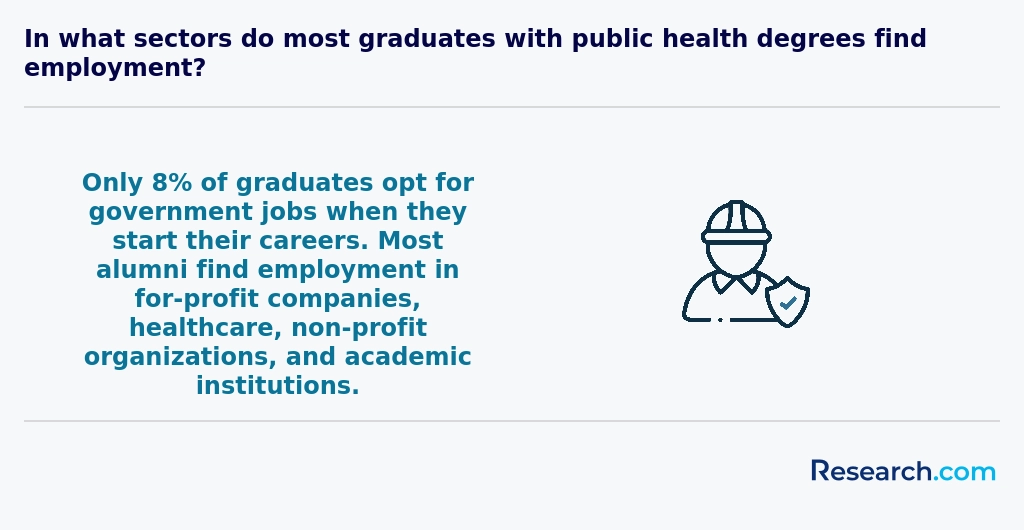
Graduates with a public health degree in Puerto Rico discover a thrilling array of career paths tailored to the island's unique health landscape. Whether delving into the role of an epidemiologist tracking disease outbreaks or becoming a community health worker educating neighborhoods on wellness, the possibilities spark a sense of purpose and adventure. Many graduates from top institutions like the University of Puerto Rico relish hands-on experiences managing health campaigns and navigating emergency response efforts during hurricane seasons.
Exploring job prospects for public health graduates Puerto Rico reveals opportunities in government agencies, healthcare facilities, and nonprofits, where bilingual skills and cultural understanding open doors nationwide. Some graduates find rewarding careers as policy analysts influencing health legislation or as environmental health specialists protecting local ecosystems. The blend of practical experience, affordability of programs, and the island's pressing health challenges makes pursuing these roles exciting and meaningful.
Students curious about how to fund their journey often explore fafsa approved online schools, expanding both knowledge and financial feasibility while preparing for diverse career opportunities in public health.
What is the job market for public health degree in Puerto Rico?
The job market for public health degree holders in Puerto Rico is a vibrant landscape full of opportunity and meaningful work. Graduates from institutions like the University of Puerto Rico often find themselves stepping into roles with the Puerto Rico Department of Health, local community centers, or research projects focused on improving health outcomes after events like Hurricane Maria. The employment outlook for public health graduates Puerto Rico reflects this momentum, with a national growth rate of about 13% through 2031 promising steady demand. Many alumni share stories of applying bilingual skills and cultural knowledge to design health programs that resonate deeply with Puerto Rican communities.
Studying public health in Puerto Rico offers the advantage of affordable tuition fees compared to the mainland, making it easier to pursue a career in this field without overwhelming debt. Graduates appreciate how their unique education and experience give them a competitive edge locally and federally. For those considering their future, exploring options like public health closely tied to local needs feels both adventurous and rewarding. Some also discover easy trades to learn that pay well as alternative career paths to enhance their skill sets.
Frequently Asked Questions About public health
Public health degree students in Puerto Rico can maximize their learning experience by engaging actively in community-based projects. Puerto Rico faces unique health challenges such as high rates of asthma and diabetes, making local internships invaluable for practical exposure. Participating in research at institutions like the Puerto Rico Department of Health or the University of Puerto Rico's Graduate School of Public Health enhances understanding of regional health trends.
Networking through local health organizations and attending conferences in the Caribbean region also broadens perspectives. Utilizing bilingual resources and training in English and Spanish improves communication skills, vital in the U.S. healthcare context. Staying informed on CDC data for Puerto Rico ensures coursework remains relevant and timely.
Emerging niches within public health are rapidly evolving, reflecting changing health priorities and technological advances. In Puerto Rico, areas like health informatics and genomics are gaining traction, driven by the need to improve disease tracking and personalized medicine. According to the Puerto Rico Department of Health, chronic diseases remain a leading cause of death, highlighting opportunities in chronic disease epidemiology and prevention strategies. Environmental health also stands out due to the island's vulnerability to climate change and natural disasters. Additionally, global health and emergency preparedness are growing fields, particularly relevant given Puerto Rico's experience with hurricanes and public health crises over recent years.
After completing a public health degree in Puerto Rico, preparing for the job market involves several strategic steps. First, gaining relevant experience through internships or practicums is essential. Many programs include fieldwork with local health departments or community organizations, which strengthens practical skills and professional networks.
Additionally, obtaining certifications such as Certified Health Education Specialist (CHES) can enhance job prospects. According to the U.S. Bureau of Labor Statistics, public health jobs in Puerto Rico are expected to grow steadily due to ongoing needs in disease prevention and health promotion.
Building connections through professional organizations like the Puerto Rico Public Health Association also supports career growth and access to job openings.
Employers in Puerto Rico seek specific skills from public health degree graduates to address local and regional challenges effectively. Analytical skills rank highly, as professionals must interpret health data to inform community health strategies. Communication abilities are also essential for educating diverse populations and promoting health initiatives across the island.
Leadership and program management skills enable graduates to coordinate public health projects, often in resource-limited settings. Knowledge of epidemiology and biostatistics is critical due to Puerto Rico's frequent public health concerns like dengue and Zika virus outbreaks.
Additionally, cultural competence is vital given the unique demographic and linguistic makeup of Puerto Rico. According to the Puerto Rico Department of Health, these combined skills empower graduates to improve health outcomes in local communities.
Finding internships in Puerto Rico relevant to a public health degree involves connecting with local health departments, hospitals, and nonprofit organizations. The Puerto Rico Department of Health offers internship opportunities focused on epidemiology and community health programs. Universities often have partnerships with agencies such as the Centers for Disease Control and Prevention (CDC) Caribbean office or the Puerto Rico Community Foundation, which support public health initiatives.
Students should also explore federal programs like the CDC Public Health Associate Program, open to Puerto Rican residents. Participation in internships can provide hands-on experience with critical issues like chronic disease prevention and disaster response, essential given Puerto Rico's unique health challenges documented by the National Institutes of Health.
Networking through academic advisors and professional associations, such as the American Public Health Association's Puerto Rico chapter, is highly recommended to access internship listings and mentorship opportunities.
In Puerto Rico, obtaining a public health degree significantly enhances career mobility and advancement opportunities. Graduates gain specialized knowledge critical to addressing local health challenges, such as managing chronic diseases and improving community wellness, which are top public health priorities reported by the Puerto Rico Department of Health.
The U.S. Bureau of Labor Statistics projects a steady growth rate of about 11% for health education specialists and community health workers nationwide, reflecting increased demand that applies to Puerto Rico as well. This demand opens doors to roles in government agencies, hospitals, and nonprofit organizations.
Many employers in Puerto Rico prefer candidates with accredited public health degrees, as these programs provide essential skills in epidemiology, health policy, and data analysis, supporting faster promotion and salary growth.
Studying for a public health degree in Puerto Rico equips students for interdisciplinary roles by emphasizing collaboration across diverse fields such as epidemiology, health education, policy, and environmental health. Programs integrate local health challenges, including high rates of chronic diseases, with broader U.S. public health practices. This approach prepares graduates to work effectively in community health agencies, government, and private sectors.
Courses often involve practical training and partnerships with organizations like the Puerto Rico Department of Health, enabling hands-on experience in real-world settings. According to the CDC, interdisciplinary skills are vital for addressing complex public health issues prevalent in the region.
Choosing between a thesis and a non-thesis public health degree program in Puerto Rico depends on your career goals and learning preferences. A thesis program requires conducting original research, which is ideal if you plan to pursue a doctoral degree or a research-focused career. It often takes longer but provides valuable skills in data analysis and scientific writing.
Non-thesis programs usually focus on practical skills and coursework, appealing to those seeking direct entry into public health practice or administration. For instance, the University of Puerto Rico offers both options aligned with US higher education standards, reflecting trends reported by the Association of Schools and Programs of Public Health.
According to recent data from Puerto Rico's Department of Health, public health professionals often work in community health settings, where applied skills from non-thesis programs are highly valuable. Consider also time commitment and funding availability when deciding.
Students based in Puerto Rico who want to study public health abroad have several options within the U.S. higher education system. Numerous universities in the mainland United States offer accredited Master of Public Health (MPH) programs with online and on-campus formats, making access flexible. For example, institutions like Johns Hopkins University and the University of North Carolina are well-regarded for their public health programs.
Puerto Rican students can also consider federally funded scholarship programs such as the Public Health Service Loan Repayment Program, which supports service in underserved areas after graduation. According to the U.S. Bureau of Labor Statistics, Puerto Rico faces public health challenges including high rates of chronic diseases, which increases demand for qualified professionals.
These factors encourage students to pursue advanced degrees in diverse settings across the U.S., enhancing their skills with varied public health perspectives.
Students pursuing public health degrees in Puerto Rico have several part-time job opportunities that complement their academic experience. Working as community health workers or health educators allows students to apply public health theories directly by supporting local outreach programs and prevention initiatives. These roles often exist within municipal health departments or nonprofit organizations focused on chronic diseases, which account for nearly 70% of deaths in Puerto Rico according to the Centers for Disease Control and Prevention (CDC).
Additionally, employment in research assistant positions at universities or public health institutes offers valuable exposure to epidemiological studies and data analysis. Internships or part-time roles in clinics also provide hands-on experience with patient education and health promotion, enhancing skills critical for careers in public health.
Public health students in Puerto Rico benefit from diverse networking opportunities that connect them with professionals, academics, and policymakers. Many universities offering public health degrees collaborate with local hospitals, government agencies, and non-profits. These partnerships provide students with internships, workshops, and seminars that foster relationships in the field.
The Puerto Rico Public Health Association and the Caribbean Public Health Agency often host conferences and events that draw students and experts together. Participation in these gatherings can enhance career prospects and professional skills. According to the Puerto Rico Department of Health, over 20% of public health graduates find work through such networks annually.
Additionally, universities typically support student organizations and mentorship programs, encouraging active engagement within the public health community. These experiences allow students to build local-and sometimes international-connections essential for career advancement.
Alumni networks offer significant advantages to public health degree students in Puerto Rico by providing access to a broad community of professionals. These networks help students connect with experts who understand local health challenges, such as dengue fever outbreaks and chronic disease management, which are prevalent on the island.
Through alumni events and online groups, students can find mentorship, internships, and job opportunities. Studies show that graduates with active alumni support often experience a higher employment rate within six months, an important factor in Puerto Rico's competitive public health job market.
Additionally, alumni networks facilitate collaboration on research projects addressing key public health concerns unique to Puerto Rico's population. This connectivity strengthens students' practical skills and career preparation in the context of U.S. higher education standards.
Customizing a public health degree in Puerto Rico allows students to align their education with their specific career goals. Many universities offer flexible coursework options and electives in areas such as epidemiology, environmental health, and health policy. Selecting specialized tracks can help prepare graduates for roles in government agencies or healthcare organizations. Puerto Rico faces unique public health challenges, like chronic disease management and disaster response, making focused study particularly valuable.
Internships and research opportunities, often available through partnerships with local health departments, enhance practical skills. According to the Puerto Rico Department of Health, hands-on experience increases job readiness significantly. Additionally, bilingual proficiency is encouraged to support diverse communities effectively.
Public health students in Puerto Rico face several challenges as they pursue their degrees. One major issue is limited funding and resources available to local universities, which can affect access to modern research facilities and internship opportunities. According to the Puerto Rico Public Health Department, the island's public health infrastructure is still recovering from recent natural disasters, impacting practical training options.
Language barriers can also be a concern, as many programs blend English and Spanish materials. Additionally, students often must balance academic responsibilities with economic pressures, since Puerto Rico has a higher poverty rate compared to the U.S. mainland, influencing dropout rates.
With a public health degree in Puerto Rico, you can pursue several professional certifications recognized across the United States. One common certification is the Certified Health Education Specialist (CHES), offered by the National Commission for Health Education Credentialing. Many public health graduates also pursue the Certified in Public Health (CPH) credential from the National Board of Public Health Examiners, which validates broad public health knowledge.
Due to Puerto Rico's unique health challenges, including high rates of chronic diseases reported by the Puerto Rico Department of Health, specialized certifications like Certified Epidemiology Technician (CET) are valuable for local practitioners.
These certifications enhance career opportunities in government, healthcare, and nonprofit sectors both on the island and the mainland.
Writing a winning application for a public health program in Puerto Rico requires careful preparation and attention to detail. Start by researching accredited institutions offering public health degrees to ensure your chosen program meets U.S. accreditation standards. Highlight any experience relevant to public health challenges in Puerto Rico, such as community health work or disaster response, as these are critical areas on the island based on data from the Puerto Rico Department of Health.
Strong academic records matter; aim for a competitive GPA, generally above 3.0, and prepare for required entrance exams. Craft a compelling personal statement that reflects your commitment to improve public health locally. Letters of recommendation from professors or professionals familiar with your work strengthen your application.
The global perspective on a public health career emphasizes its vital role in addressing health disparities, especially in vulnerable regions like Puerto Rico. Public health professionals work to prevent disease, promote wellness, and improve healthcare systems worldwide.
In the U.S., including Puerto Rico, the demand for public health workers is growing. According to the U.S. Bureau of Labor Statistics, employment in public health-related occupations is expected to grow by 17% from 2021 to 2031, faster than the average for all occupations.
Puerto Rico faces unique public health challenges, such as chronic diseases and natural disasters, which require skilled professionals. Earning a public health degree locally can prepare graduates to contribute directly to these urgent needs.
Gaining practical experience while pursuing a public health degree in Puerto Rico is essential to building professional skills and enhancing employability. Many universities in the region offer internships and practicum placements with local health departments, community clinics, and non-profit organizations. These opportunities allow students to work directly on pressing health issues such as dengue fever control, chronic disease prevention, and health education campaigns.
The Puerto Rico Department of Health often partners with academic institutions to provide students with hands-on training in epidemiology and environmental health. Additionally, organizations like the Centers for Disease Control and Prevention (CDC) have collaborations that sometimes include student involvement in regional public health initiatives. According to the Council on Education for Public Health (CEPH), experiential learning is a key requirement for accredited programs, ensuring students gain relevant field experience.
Choosing the right concentration within a public health degree program in Puerto Rico depends on your career goals and local health priorities. Common concentrations include epidemiology, health policy, environmental health, and community health education. Puerto Rico faces unique challenges such as high rates of chronic diseases and environmental concerns, which influence program offerings.
Review programs accredited by the Council on Education for Public Health (CEPH) to ensure quality education. According to the Puerto Rico Department of Health, chronic illnesses like diabetes and heart disease are leading causes of mortality, making epidemiology and chronic disease prevention particularly relevant.
Consider concentrations that align with your strengths and the island's health needs to maximize impact in your future career.
Top Trending Public Health Rankings
References
- Best Public Health Colleges in Puerto Rico 2026 https://collegelist.me/best-value-colleges/public-health/puerto-rico
- How to Be a Good Candidate for a Public Health Job https://www.publichealthdegrees.org/careers/highest-paid-public-health-jobs/good-candidate/
- Master of Public Health in International Health https://phsu.edu/academics/programs/master-of-public-health-in-international-health.php
- Public Health Jobs in Public Health https://www.publichealthcareers.org/jobs/public-health/us-pr/
- APHA Internships & Fellowships https://www.apha.org/professional-development/apha-internships
- Work Experience Opportunities - Everyone Health Careers https://careerseveryonehealth.co.uk/work-experience/
- Yes, the Public Health Job Market is Tough, But You’re Tougher! | PH SPOT https://phspot.org/yes-the-public-health-job-market-is-tough-but-youre-tougher/
- How to Get Your First Public Health Job - PHERN https://phern.communitycommons.org/early-career-professional-learning-series/how-to-get-your-first-public-health-job/
- Public Health Challenges – IPA SDG Dashboard https://sdg.internationalpublishers.org/sdgaction/public-health-challenges/
- Medical University of GdaÅsk https://publichealth.mug.edu.pl/










