
2027 Best Social Work Degree Programs Ranking in Puerto Rico

Co-Founder and Chief Data Scientist
Choosing the right social work degree program is an important step toward a fulfilling career dedicated to making a difference in Puerto Rico's communities. This article features the 2027 Best Social Work Degree Programs Ranking in Puerto Rico, created by the Research.com team of data scientists.
Our ranking helps you explore reputable programs, so you can make an informed decision that fits your goals and values. Pursuing a social work degree opens doors to meaningful work, personal growth, and lasting impact on people's lives.
Discover programs that align with your passion and prepare you for a successful future in social work.
Key benefits of getting social work degree in Puerto Rico
- Graduates with a social work degree in Puerto Rico can earn competitive salaries, such as $68,800 annually for Social Workers and $59,190 for Child Welfare Specialists and Residential Counselors, offering financial stability.
- Career paths are diverse, including roles like Community Organizer or Youth Worker, reflecting the success of social work alumni from the University of Puerto Rico who find meaningful work in varied social services.
- Online social work degrees offer flexible schedules and allow students to balance work and study, as experienced by graduates from popular Puerto Rican universities, making education more accessible and convenient.
- Key benefits of getting social work degree in Puerto Rico
- What can I expect from social work degree in Puerto Rico?
- Where can I work with social work degree in Puerto Rico?
- How much can I make with social work degree in Puerto Rico?
- 2027 Best Social Work Degree Programs Ranking in Puerto Rico
- Key Findings
- How long does it take to complete social work degree in Puerto Rico?
- What's the difference between online and on-campus social work degree?
- What is the average cost of social work degree in Puerto Rico?
- What financial aid is available to social work degree students in Puerto Rico?
- What are the prerequisites for enrolling in social work degree program in Puerto Rico?
- What courses are typically in social work degree programs in Puerto Rico?
- What types of specializations are available in social work degree programs in Puerto Rico?
- How do you choose the best social work degree in Puerto Rico?
- What career paths are available for social work degree students in Puerto Rico?
- What is the job market for social work degree in Puerto Rico?
- Top Trending Social Work Rankings
- See What Experts Have To Say About Studying Social Work
What can I expect from social work degree in Puerto Rico?
The average cost of pursuing a social work degree in Puerto Rico tends to be more affordable compared to many mainland U.S. institutions. Graduates from the University of Puerto Rico system often share their relief at manageable tuition fees, which allow them to focus more on learning and fieldwork rather than financial stress. For example, students attending public universities typically encounter tuition costs that align with other U.S. territories, making it a practical choice for those balancing budgets.
Private colleges, while more expensive, attract students who value smaller class sizes and specialized curricula, enhancing their educational experience despite higher costs. Many graduates reflect on how these investments in education were worthwhile, given the opportunities for licensure and meaningful careers in diverse social settings across Puerto Rico.
Experiencing campus life in places like San Juan or Mayagüez, students often appreciate how their financial decisions open doors to crucial internships dealing with urban challenges or rural community work, enriching their understanding of social issues firsthand.
Where can I work with social work degree in Puerto Rico?
Graduates from social work programs at institutions like the University of Puerto Rico and Interamerican University often find themselves drawn to meaningful public sector roles. Many cherish their work within municipal agencies or commonwealth departments, such as the Department of Family, where they provide essential support to children, elderly citizens, and survivors of domestic violence. These roles offer a profound sense of purpose and connection to the community.
Healthcare facilities also welcome social work professionals warmly. Graduates often describe the rewarding challenge of helping patients navigate complex healthcare systems in hospitals and mental health centers. Opportunities with organizations like the Puerto Rico Mental Health and Anti-Addiction Services Administration allow them to make tangible differences for individuals facing mental health and addiction struggles.
Additionally, social workers from these programs contribute positively within schools and nonprofits, where they connect families to resources and advocate for social justice. Licensing through the Puerto Rico Board of Social Work Examiners further equips these professionals to succeed across diverse, impactful career paths.
How much can I make with social work degree in Puerto Rico?
Graduates with social work degrees from well-regarded institutions in Puerto Rico, such as the University of Puerto Rico or the Inter American University, often enter career paths where starting salaries range from around $30,000 to $40,000 annually. This is influenced by the island's economic landscape, but many find that the lower cost of living helps balance the financial picture.
For those pursuing roles directly tied to their degree, national data reflects promising earning potential. For instance, Child Welfare Specialists in the U.S. earn an average of about $59,190 per year. Similarly, Residential Counselors see comparable salaries, which speaks to the steady demand for these roles among Puerto Rican graduates.
Community Organizers and Youth Workers, who often draw on social work training, may enjoy higher returns, with mean annual wages around $83,400 nationally. Graduates who licensed as clinical social workers in Puerto Rico report satisfaction not only in their meaningful contributions but also in salaries approaching or exceeding $40,000.
Those who embrace further specialization and local certifications notice better career growth, helping to close the gap between island and mainland earnings. Many graduates reflect positively on how their education opened doors to fulfilling careers, reinforced by practical experience they gained while studying on the island.
2027 Best Social Work Degree Programs Ranking in Puerto Rico
How do we rank schools?
Investing in your education is a significant decision that can shape your future, and the Research.com team understands the importance of making informed choices. To assist prospective students in Puerto Rico, we have meticulously crafted the "2027 Best Social Work Degree Programs Ranking in Puerto Rico." Our commitment to quality, credibility, and accuracy is reflected in the extensive research and analysis conducted to compile this ranking.
We utilized the following reputable data sources to ensure a comprehensive evaluation of social work degree programs:
By exploring this ranking, readers will gain valuable insights into the top social work degree programs in Puerto Rico, helping them make well-informed decisions about their educational and professional futures. For more details on our methodology, please visit our Research.com methodology page.
# 1 position
Pontifical Catholic University of Puerto Rico-Ponce
Bachelor of Social Work
# 2 position
Pontifical Catholic University of Puerto Rico-Ponce
Master of Social Work


# 7 position
Universidad Ana G. Mendez-Gurabo Campus
Master of Social Work
# 8 position
Universidad Ana G. Mendez-Carolina Campus
Bachelor of Social Work
# 9 position
Universidad Ana G. Mendez-Cupey Campus
Bachelor of Social Work
Key Findings
- Social work degrees in Puerto Rico include Bachelor of Social Work (BSW) and Master of Social Work (MSW) programs accredited by the Council on Social Work Education (CSWE).
- Tuition for a bachelor's degree typically ranges from $5,000 to $8,000 per year at public universities, while MSW programs cost between $7,000 and $12,000 annually.
- Entry-level social workers earn between $25,000 and $30,000 per year, with experienced clinical social workers making up to $40,000 to $50,000 annually.
- Licensure is required to practice as a clinical social worker in Puerto Rico, which involves supervised experience and passing a national exam.
- The job market is steady with demand in healthcare, public welfare, schools, and nonprofit organizations.
How long does it take to complete social work degree in Puerto Rico?
For those advancing to a Master of Social Work, the timeline usually ranges between one to two years, depending on prior qualifications. Graduates appreciate that having a Bachelor of Social Work often opens doors to accelerated MSW programs lasting just about a year, allowing faster entry into professional practice.
Part-time study options provide flexibility that many working students value, even if it lengthens completion time to three or more years. Many find this balance rewarding, enabling them to work, study, and serve their communities simultaneously, which builds resilience and deeper commitment to the field.
What's the difference between online and on-campus social work degree?
Many graduates from the University of Puerto Rico share how the online social work program allowed them to balance family, work, and education without sacrificing quality. The flexibility of accessing lectures and assignments anytime made it easier to keep up with studies while managing other responsibilities. This convenience often sparks a sense of relief and motivation among students who might otherwise struggle to attend traditional classes.
Conversely, those who chose the on-campus route at the same university often emphasize the enriching face-to-face discussions and immediate support from faculty and peers. The structured environment creates a strong network that many find invaluable when preparing for real-world social work challenges. Students also benefit from smoother coordination of clinical placements on campus, which enhances their hands-on experience.
Both paths lead to eligibility for the Licensed Social Worker exam in Puerto Rico, yet graduates recommend carefully considering personal learning styles and life circumstances. Ultimately, whether online or on-campus, social work students in Puerto Rico embrace a rewarding journey shaped by flexibility, connection, and professional readiness.
What is the average cost of social work degree in Puerto Rico?
The average cost of a social work degree in Puerto Rico reflects a balance between affordability and quality education. For many students attending public universities such as the University of Puerto Rico, in-state tuition typically amounts to around $6,550 for the entire program. This accessible price point allows students to focus more on meaningful community engagement rather than financial stress. Graduates often share that the manageable cost combined with strong local support helped them fully embrace their studies and fieldwork experiences.
However, private institutions usually command higher tuition fees, bringing the median total cost closer to $17,450. These programs often offer enhanced facilities and additional resources, giving students opportunities to deepen their expertise. Even so, the average cost of social work degree Puerto Rico-wide remains notably lower than many mainland U.S. options, making social work a practical goal for those passionate about contributing to Puerto Rican communities.
Students sometimes explore financial strategies to lessen expenses and accelerate their education. For instance, some choose colleges with accelerated programs to shorten the time and overall cost invested. This approach is especially appealing for those balancing work or family commitments while pursuing their social work degree.
Reflecting on alumni experiences from both public and private schools, it's clear that the combination of reasonable tuition and vibrant social work networks creates an encouraging environment. These graduates frequently highlight the profound personal satisfaction found in applying their knowledge locally, thankful that the social work degree tuition and fees Puerto Rico offers remain within reachable limits.

What financial aid is available to social work degree students in Puerto Rico?
Students pursuing a social work degree in Puerto Rico often find financial aid essential to bridging the gap between tuition and living expenses. At institutions like the University of Puerto Rico, Río Piedras Campus, graduates recall how federal Pell Grants provided crucial support, offering up to $7,395 annually without the burden of repayment. This aid made focusing on studies and community fieldwork more achievable amid financial challenges.
Many have also benefited from federal Direct Subsidized Loans, which help manage costs with the advantage of no interest accruing during enrollment. For example, a graduate shared how these loans eased the pressure of tuition fees ranging between $5,000 and $15,000 yearly, depending on the program and campus.
Additionally, scholarships offered by local colleges and social work organizations often reward merit, financial need, or commitment to service. Work-study programs stand out as another vital option, enabling students to gain hands-on experience while supporting themselves.
Such layered financial resources bring hope and practicality, allowing aspiring social workers in Puerto Rico to pursue their passion with greater confidence.
What are the prerequisites for enrolling in social work degree program in Puerto Rico?
To enroll in social work programs in Puerto Rico, a high school diploma or its equivalent is essential for undergraduate studies, while a bachelor's degree is required for graduate programs like the MSW. Graduates from universities such as the University of Puerto Rico often remark on the importance of a solid foundation in social sciences-like psychology or sociology-which helps them confidently navigate their coursework and fieldwork.
Standardized tests such as the SAT or ACT may be part of the undergraduate admissions process, though some institutions have flexibility depending on the applicant's background. For those pursuing graduate degrees, submitting letters of recommendation, personal statements, and demonstrating relevant volunteer or work experience in social services significantly bolsters the application. Many graduates recall how their prior community engagement deepened their passion and readiness for the field.
Puerto Rico's bilingual and culturally rich landscape means that strong skills in both Spanish and English are often necessary. For instance, students at institutions like Bayamón Central University find that bilingual proficiency not only facilitates classroom learning but also enriches their ability to serve diverse communities effectively, making their educational journey deeply rewarding.
What courses are typically in social work degree programs in Puerto Rico?
Social work degrees in Puerto Rico consistently include core courses that build a strong foundation for impactful careers. Graduates from institutions like the University of Puerto Rico often speak of how courses such as Human Behavior and the Social Environment help them deeply understand the diverse life experiences of their clients. This knowledge is essential when working with communities across the island, where cultural and generational differences are pronounced.
Classes in Social Welfare Policy and Services provide important insight into both US federal policies and Puerto Rico's unique social landscape. Graduates frequently reflect on how this coursework clarified the legal and ethical frameworks they apply daily in clinics or non-profits.
The emphasis on Social Work Research and Evaluation equips students with practical tools to analyze community needs and measure the effectiveness of interventions, a skill praised by those involved in local disaster recovery efforts.
Finally, the mandatory Field Practicum/Internship immerses students in real-world settings like schools and hospitals, fostering confidence and professional growth. Many describe this hands-on experience as transformative, turning theory into meaningful action within Puerto Rico's vibrant communities.
What types of specializations are available in social work degree programs in Puerto Rico?
Graduates from well-known universities and colleges in Puerto Rico often reflect on the value of specializing within their social work degrees, tailored to the island's specific social fabric. Common specializations include Clinical Social Work, which equips students to provide counseling and mental health support, crucial for addressing emotional challenges in Puerto Rico's diverse communities. Others choose Child and Family Social Work, preparing them to actively protect and empower young people and families within local systems. The landscape of social work degree specializations Puerto Rico offers also includes Community Social Work, which inspires graduates to become advocates for social justice, working directly with marginalized groups to foster change.
School Social Work is another popular track, with graduates valuing their ability to support the emotional and educational needs of students in Puerto Rico's public and private schools. Healthcare Social Work prepares students to navigate complex healthcare environments, assisting patients managing chronic illnesses or disabilities. Many find that these specializations come alive through real-world practice, especially when enrolled at institutions recognized for their strong community connections. For those seeking flexible pathways, exploring the top online colleges with open admissions policies complements traditional programs well, expanding access and opportunity for aspiring social workers.
How do you choose the best social work degree in Puerto Rico?
Choosing the best social work degree in Puerto Rico starts with ensuring the program is recognized, particularly through CSWE accreditation. Graduates from well-known institutions like the University of Puerto Rico often share how this credibility paved the way for smooth licensure and meaningful job placements. This accreditation guarantees that courses cover essential practice skills, which is crucial for thriving in Puerto Rico's unique social landscape.
Many students express appreciation for the affordable social work degrees Puerto Rico offers compared to mainland institutions, with tuition often below $5,000 annually. This makes advanced education accessible without overwhelming financial strain. Moreover, programs with strong community partnerships provide real-life practicum opportunities, allowing students to engage with diverse populations and local agencies, which enriches their learning and employability.
For those juggling work and study, online options are becoming increasingly attractive. If affordability and flexibility are key priorities, you might explore affordable masters degrees that complement your goals, while preparing for careers that demand at least an MSW in Puerto Rico's social work field.

What career paths are available for social work degree students in Puerto Rico?
Graduates with a social work degree in Puerto Rico find diverse career paths deeply rooted in local community needs. Many alumni from popular universities describe roles as clinical social workers providing mental health counseling in hospitals or private practices, where they witness the transformative impact of empathy and support firsthand. Others serve as child welfare specialists in government agencies, protecting vulnerable children and empowering families during crises-work that often feels profoundly rewarding amidst Puerto Rico's unique social landscape. The collaboration between school social workers and educators to manage student behavioral challenges is another common path, demanding both patience and insight. These varied roles reflect the broad scope of jobs with social work degree Puerto Rico offers, blending passion with purpose in settings familiar to graduates.
Community outreach coordinators often engage with urgent social issues like homelessness and substance abuse, developing programs that make tangible differences. Graduates emphasize how local colleges prepare them well for such challenges, and the affordability at public institutions compared to mainland options can be appealing. Some pursue policy advocacy careers, influencing social equity through thoughtful legislation. Many also note that exploring accredited colleges that don't charge an application fee helped them begin this meaningful journey smoothly.
What is the job market for social work degree in Puerto Rico?
Graduates holding social work degrees from institutions such as the University of Puerto Rico and Carlos Albizu University often find themselves entering a job market shaped by unique local challenges and enduring social needs. The social work job opportunities in Puerto Rico tend to be concentrated in healthcare settings, schools, government agencies, and non-profit organizations addressing poverty, mental health, and disaster recovery. Many graduates recall the rewarding feeling of directly assisting families affected by hurricanes or navigating substance abuse programs, experiences that make the lower salary range, typically between $30,000 and $40,000, feel meaningful despite being less than mainland figures.
Tuition at these universities remains affordable, encouraging students from diverse backgrounds to pursue social work degrees. The Puerto Rico social work degree employment outlook suggests steady demand, especially for those who obtain licensure like the Licensed Clinical Social Worker (LCSW). Many graduates find that investing effort in licensure and clinical experience broadens their prospects and enriches their ability to contribute meaningfully to the community.
For students weighing options, considering future social work careers alongside educational costs is essential. Those unsure about their path may explore related careers for an introvert to find the best personal fit within social services or adjacent fields.
Frequently Asked Questions About social work
Social work degree students in Puerto Rico can maximize their learning by engaging deeply with both academic coursework and practical fieldwork. Accredited programs often require field placements in diverse settings, such as hospitals, schools, and community agencies, providing essential hands-on experience.
Students should seek internships that align with Puerto Rico's unique social and cultural needs, including services for vulnerable populations affected by economic challenges and natural disasters. According to the Council on Social Work Education (CSWE), practical experience boosts job readiness and improves professional skills.
Networking with local social service organizations and attending workshops or seminars can also expand knowledge and professional connections.
Additionally, taking advantage of bilingual instruction options enhances communication skills vital for the island's predominantly Spanish-speaking communities.
Emerging niches within social work in Puerto Rico reflect both local and broader U.S. trends. One growing area is trauma-informed care, addressing the high rates of natural disasters and their psychological impact on communities. Social workers specializing in this field help individuals and families recover from hurricanes and earthquakes.
Another expanding niche is geriatric social work, responding to Puerto Rico's aging population. The U.S. Census Bureau reports that about 21% of Puerto Rico's population is over 60, increasing demand for professionals skilled in elder care and support services.
Additionally, substance abuse and mental health services remain critical. The Substance Abuse and Mental Health Services Administration notes rising behavioral health challenges on the island, creating opportunities for social workers trained in addiction counseling and mental health advocacy.
After earning a social work degree in Puerto Rico, preparing for the job market involves several key steps. First, obtaining licensure is essential; candidates must pass the Puerto Rico Board of Social Work Examiners exam, which aligns with U.S. licensing standards. Networking through local professional organizations like the Puerto Rico Chapter of the National Association of Social Workers (NASW) can provide valuable job leads and mentorship.
Internships and practicum experiences during the degree program are critical, offering real-world skills and connections. Additionally, improving bilingual communication skills enhances job prospects due to Puerto Rico's predominantly Spanish-speaking population.
According to the U.S. Bureau of Labor Statistics, social work jobs in Puerto Rico are expected to grow steadily, making early job preparation vital.
Employers in Puerto Rico seek specific skills in social work degree graduates to address the island's unique social challenges. Strong communication and interpersonal abilities are essential, as professionals frequently engage with diverse populations, including families affected by economic hardship and natural disasters. Critical thinking and problem-solving skills enable social workers to develop effective intervention plans.
Knowledge of local laws and culturally competent practices is highly valued, reflecting Puerto Rico's distinct legal and social systems. According to the Council on Social Work Education, graduates with skills in crisis management and community outreach tend to have better job placements. Adaptability and ethical judgment also rank among the top skills employers prioritize in this field.
Finding internships in Puerto Rico for social work students involves several accessible steps. Many accredited programs require fieldwork, partnering with local agencies like the Departamento de la Familia or community health centers. These institutions offer practical experience in diverse settings such as child welfare, mental health, and substance abuse.
Students should consult their university's social work department for approved internship listings. The Puerto Rico Chapter of the National Association of Social Workers (PRNASW) often shares opportunities and resources relevant to internships and networking.
Additionally, the U.S. Department of Housing and Urban Development provides funding for community programs where social work interns can gain hands-on experience.
Internships typically last a semester, with students completing 400-600 hours. Early application and proactive communication with supervisors greatly improve placement chances.
Obtaining a social work degree in Puerto Rico significantly enhances career mobility and advancement opportunities within the island's social services sector. Graduates with a Bachelor's or Master's in Social Work are often required for positions in governmental agencies, healthcare systems, and nonprofit organizations, where licensed social workers are in demand.
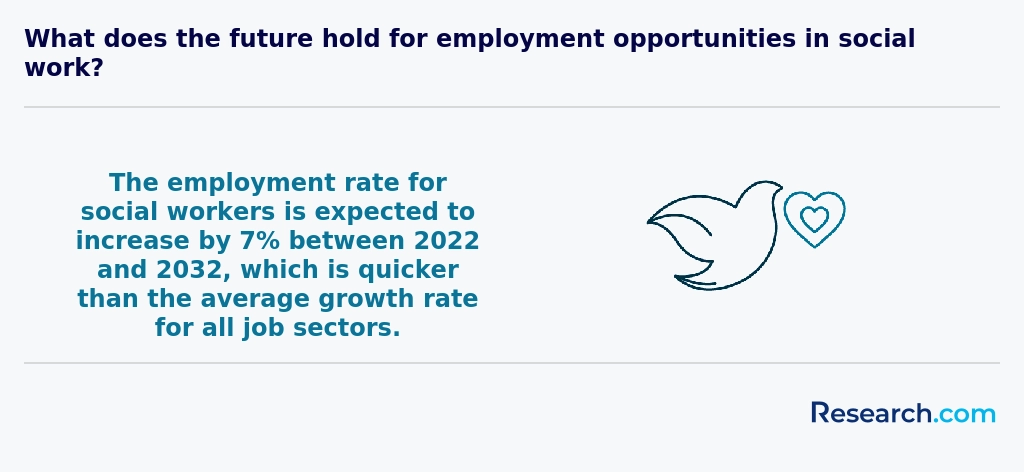
According to the Puerto Rico Department of Labor, the social work profession is expected to grow by 7% between 2022 and 2032, faster than the average for all occupations. This growth creates entry-level and advancement opportunities for degree holders.
Holding a degree also enables professionals to pursue licensure through the Puerto Rico Board of Social Work Examiners, a key requirement for clinical roles and higher-paying positions. Licensure increases eligibility for supervisory, policy-making, and specialized roles.
Additionally, advanced degrees such as the MSW can open doors to leadership and administrative positions in both public and private sectors, promoting career advancement beyond front-line social work.
Studying for a social work degree in Puerto Rico prepares students for interdisciplinary roles by emphasizing collaboration across multiple fields such as healthcare, education, and community development. Programs often include coursework in psychology, public health, and law, equipping graduates with a broad skill set to address complex social issues.
Puerto Rican social work degrees adhere to U.S. accreditation standards, ensuring graduates meet criteria for licensure and practice within diverse professional settings. According to the Council on Social Work Education, many Puerto Rican institutions incorporate field internships in varied environments, fostering practical teamwork experience.
This approach helps students develop cultural competence and effective communication skills essential for working in teams with professionals from different disciplines.
Choosing between a thesis and a non-thesis social work degree program in Puerto Rico depends on your career goals and academic interests. Thesis programs usually emphasize research and prepare students for doctoral studies or research-intensive roles. Non-thesis programs focus more on practical skills and fieldwork, appealing to those aiming for clinical practice or community service jobs.
In Puerto Rico, accredited social work programs must align with the Council on Social Work Education (CSWE) standards, ensuring both tracks meet professional competency requirements. According to the Puerto Rico Board of Social Work Examiners, about 60% of social workers pursue clinical positions, favoring non-thesis routes.
Consider how much time you can commit; thesis programs often require an extra semester for research, while non-thesis options allow quicker graduation and workforce entry. Consult specific university policies for detailed curriculum structures.
Students in Puerto Rico seeking to study social work abroad have several options within the US higher education system. They can enroll in accredited social work programs at mainland universities offering both Bachelor of Social Work (BSW) and Master of Social Work (MSW) degrees. These programs often provide online or hybrid options, allowing students to begin studies remotely and complete fieldwork locally.
The Council on Social Work Education (CSWE) accredits over 800 programs across the US, ensuring quality education and eligibility for professional licensure. Many Puerto Rican students pursue programs in states with large Puerto Rican communities, such as New York and Florida, facilitating cultural continuity.
Financial aid and scholarships are sometimes available specifically for Puerto Rican students. According to the Puerto Rico Department of Education, expanding access to mainland programs helps bridge regional gaps in specialized social work training.
Students pursuing social work degrees in Puerto Rico have several part-time job options that can enhance their academic experience. Positions such as case aides or community outreach workers provide practical exposure to social service environments. These roles often involve assisting licensed social workers and supporting clients in various settings, including schools, healthcare facilities, and nonprofit organizations.
According to the U.S. Bureau of Labor Statistics, social work-related jobs in Puerto Rico are projected to grow moderately, increasing opportunities for hands-on learning. Additionally, working with local agencies serving vulnerable populations, like elderly care centers, can deepen understanding of cultural and socioeconomic factors affecting clients.
Such jobs develop valuable skills in communication, assessment, and crisis intervention, complementing coursework and preparing students for future professional licensure exams.
Social work students in Puerto Rico benefit from various networking opportunities that connect them with professionals, agencies, and organizations within the U.S. higher education system and the local community. Universities with accredited social work programs often facilitate internships and field placements, which serve as critical points for building professional networks.
Organizations such as the Puerto Rico Chapter of the National Association of Social Workers (NASW-PR) provide students access to conferences, workshops, and mentorship programs tailored to emerging social workers. These events support relationship-building and career development in the social services sector.
Additionally, collaborations between universities and public agencies enable students to engage directly with social service initiatives, increasing practical experience and professional contacts. According to NASW data, Puerto Rico hosts over 1,500 licensed social workers, an active professional community that students can tap into during their studies.
Alumni networks play a significant role in supporting social work degree students in Puerto Rico. These networks provide valuable connections to professionals working in various social service agencies across the island.
Through alumni associations, current students gain access to mentorship opportunities, helping them navigate their careers effectively. According to the Council on Social Work Education, schools with active alumni networks often see higher graduate employment rates.
In Puerto Rico, where community ties are vital, alumni can introduce students to local organizations, internships, and job openings. This enhances practical experience and builds a professional reputation early on.
Networking also fosters collaboration and knowledge sharing, which are essential for addressing Puerto Rico's unique social challenges.
In Puerto Rico, social work degree programs often offer various ways to tailor your education to match your career goals. Many universities allow students to select electives that focus on specialized areas such as mental health, child welfare, or community development. This flexibility helps address local social issues effectively.
Fieldwork placements are another opportunity for customization. Through internships or practicum experiences, you can gain hands-on training in settings that align with your interests, such as hospitals, schools, or nonprofit organizations.
According to the Council on Social Work Education, programs accredited in Puerto Rico emphasize culturally relevant training, which is essential for serving diverse communities on the island.
Social work students in Puerto Rico encounter several distinctive challenges that can affect their academic progress and professional development. One major difficulty is the limited availability of accredited programs on the island, which restricts options and can lead to higher competition for placements in field internships.
Economic factors also play a significant role, as many students balance studies with part-time jobs or family responsibilities, reflecting the island's broader economic struggles. According to a 2022 report by the Puerto Rico Department of Labor, nearly 40% of young adults experience financial instability that impacts educational attainment.
Additionally, students often face the challenge of adapting to evolving social issues, including increased demand for mental health services after Hurricane Maria and the COVID-19 pandemic. This requires staying updated with new practices, which can be demanding in resource-limited settings.
Language barriers sometimes arise when students must work with English-speaking populations or engage with federal policies, given that most studies and documentation are in English. This bilingual requirement can add complexity to their training and practical experience.
With a social work degree in Puerto Rico, graduates can pursue several professional certifications to enhance their career opportunities. The most common credential is the Licensed Master Social Worker (LMSW), which requires passing a national exam administered by the Association of Social Work Boards (ASWB).
After gaining supervised experience, social workers may apply for the Licensed Clinical Social Worker (LCSW) certification. This advanced license allows for clinical counseling and psychotherapy roles.
These licenses are recognized across the U.S., including Puerto Rico, aligning with national standards. According to the Puerto Rico Board of Social Work Examiners, around 1,500 active social workers currently hold LMSW or LCSW licenses on the island.
Additional certifications in areas like school social work or substance abuse counseling can be pursued, often requiring specialized training and exams.
To write a winning application for a social work program in Puerto Rico, start by highlighting your passion for community service and your understanding of local social issues. Puerto Rico's social work programs value applicants who demonstrate cultural competence and a commitment to addressing challenges such as poverty and disaster recovery, prevalent on the island as noted by the Puerto Rico Association of Social Workers.
Include clear examples of relevant volunteer work or employment to show your practical experience. Strong letters of recommendation from supervisors or professors who can attest to your interpersonal skills are essential.
Make sure your personal statement is concise and reflects your goals aligned with social work values regulated by the Council on Social Work Education (CSWE) accredited programs in Puerto Rico.
Social work careers hold significant importance globally, focusing on improving individuals' well-being and addressing social injustices. In the US and Puerto Rico, social workers play a vital role in healthcare, education, and community services. According to the Bureau of Labor Statistics, social work employment is projected to grow 12% from 2022 to 2032, faster than average for all occupations. In Puerto Rico, social workers often address unique cultural and economic challenges, with programs accredited by the Council on Social Work Education ensuring professional standards. Globally, social work emphasizes human rights and social equity, which align with US educational values and career opportunities.
Gaining practical experience while studying for a social work degree in Puerto Rico is essential for developing the skills needed in this field. Most accredited programs require students to complete supervised internships or field placements.
These placements are often arranged through partnerships with local agencies, including community health centers, schools, and non-profits. Students gain hands-on experience working with diverse populations facing issues such as poverty, substance abuse, and family challenges.
In Puerto Rico, the Council on Social Work Education (CSWE) accredits programs that meet national standards, including practical training. According to the CSWE, internships can range from 400 to 900 hours depending on the degree level.
Additionally, students may access workshops and volunteer opportunities to strengthen skills and build their professional network during their studies.
Choosing the right concentration within a social work degree program in Puerto Rico involves understanding both your career goals and the region's social needs. Puerto Rico faces unique challenges, including economic hardship and natural disasters, which impact community welfare and require specialized social work.
Popular concentrations include clinical social work, focusing on mental health and therapy, and community development, which addresses larger social issues. Accreditation by the Council on Social Work Education (CSWE) is key to ensuring quality education recognized across the U.S.
Consider program offerings at local universities, internship opportunities, and licensure requirements set by Puerto Rico's Board of Social Work Examiners. The Bureau of Labor Statistics reports that social workers in Puerto Rico typically earn less than the U.S. average, making job fit and stability important factors.
Top Trending Social Work Rankings
See What Experts Have To Say About Studying Social Work
Read our interview with Social Work experts

References
- Know more about thesis vs non- thesis: what is the difference? https://studyfans.com/en/blogs/816
- Surviving your social work degree placement - Community Care https://www.communitycare.co.uk/content/news/surviving-your-social-work-degree-placement
- Students see Puerto Rico recovery through social work lens https://fgcu360.com/2019/09/24/students-see-puerto-rico-recovery-social-work-lens/
- What is a Social Worker? - Career Insights | Teal https://www.tealhq.com/career-paths/social-worker
- How To Become A Social Worker | Psychology.org https://www.psychology.org/social-work/how-to-become/
- Practice & Networking Groups | AASW https://www.aasw.asn.au/about-aasw/practice-networking-groups/
- Social Work https://al.edu.pl/en/studies/english-courses-for-erasmus-students/social-work
- Social work certificates | edX https://www.edx.org/certificates/social-work-certificates
- MSW Specializations: Clinical, Macro, Advanced Generalist Programs https://www.masterofsocialwork.com/resources/msw-specializations
- Events https://basw.co.uk/events


