
2027 Easiest Online Bachelor's in Social Work Degree Programs Ranking in the South

Co-Founder and Chief Data Scientist
Choosing the right online bachelor's in social work degree program can feel overwhelming, especially with so many options in the South. This article introduces the 2027 Easiest Online Bachelor's in Social Work Degree Programs Ranking in the South, carefully compiled by the Research.com team of data scientists. It is designed to help you make an informed decision about which programs are truly worth your time and effort.
By exploring these programs, you can find a path that fits your lifestyle and goals. Earning a social work degree opens doors to meaningful careers that make a real difference in communities. Let this guide support your journey toward a rewarding future.
Key benefits of getting online social work degree in the South
- Social work graduates in the South can expect competitive salaries, with roles like Social Worker earning a mean annual wage of $68,800 and Community Organizer positions reaching $83,400, providing financial stability and rewarding career opportunities.
- A social work degree opens diverse career paths including Child Welfare Specialist, Youth Worker, and Residential Counselor, offering graduates from Southern universities a variety of ways to make a positive community impact.
- Online social work degrees from well-known Southern universities offer flexibility and convenience, allowing students to balance work and life while gaining quality education that equals traditional programs in credibility and success.
- Key benefits of getting online social work degree in the South
- What can I expect from online social work degree in the South?
- Where can I work with online social work degree in the South?
- How much can I make with online social work degree in the South?
- 2027 Easiest Online Bachelor's in Social Work Degree Programs Ranking in the South
- Key Findings
- How long does it take to complete online social work degree in the South?
- What's the difference between online and on-campus social work degree?
- Why Pursue a Social Work Degree in the South
- What is the average cost of online social work degree in the South?
- Accreditation and Licensure Requirements for Online Social Work Programs in the South
- What financial aid is available to online social work degree students in the South?
- Licensure and Certification Process for Social Workers
- What are the prerequisites for enrolling in online social work degree program in the South?
- Accreditation and Licensure: Ensuring Your Degree Leads to Practice
- What courses are typically in online social work degree programs in the South?
- What types of specializations are available in online social work degree programs in the South?
- How do you choose the best online social work degree in the South?
- What career paths are available for online social work degree students in the South?
- What is the job market for online social work degree in the South?
- Top Trending Social Work Rankings
- See What Experts Have To Say About Studying Social Work
What can I expect from online social work degree in the South?
The average cost of an online social work degree in the South varies but generally remains competitive compared to national figures. Graduates from well-known Southern universities often recall that tuition rates were more affordable, especially when qualifying for in-state residency pricing. For instance, students attending institutions in Texas or Florida found that state-specific tuition rates substantially reduced financial pressure, allowing them to focus more on coursework rather than worrying about debt.
One common experience shared by graduates is the availability of financial aid, including federal grants and scholarships tailored to social work students. This funding often eased the burden, making the degree more attainable for those balancing family or employment commitments. However, costs can differ notably between universities and the exact structure of each program, which emphasizes the importance of prospective students carefully researching individual schools.
Despite these advantages, some students highlight that unexpected expenses, such as technology fees or local practicum arrangements, occasionally add to the overall investment. Nevertheless, many find the combination of flexible learning schedules and financial supports a worthwhile trade-off for completing a respected, accredited degree in their home region.
Where can I work with online social work degree in the South?
Graduates with online social work degrees in the South often find roles across healthcare, education, government, and nonprofit sectors, although the availability and nature of these jobs can vary significantly by state and locality. For instance, healthcare social work positions in hospitals or mental health clinics-common employment areas for graduates from universities like the University of North Carolina or Florida State University-frequently involve supporting patients through recovery or managing mental health programs. Such roles can be both challenging and deeply rewarding, offering direct impact on individual well-being.
Child and family social work, especially within school systems or child welfare agencies, represents another practical path, with professionals helping students navigate mental health or family difficulties. Graduates from Texas A&M or Georgia State, who engage with local communities, highlight the emotional fulfillment from seeing positive changes in children's lives but also caution that pressures can be intense.
Positions in state or local government and nonprofits provide alternative avenues. Graduates report satisfaction working on rural community outreach or veteran support programs, often citing a strong sense of purpose despite occasional bureaucratic hurdles. Overall, an online social work degree from a Southern institution opens varied doors, but career success depends on local demand, licensure, and personal resilience in service-oriented environments.
How much can I make with online social work degree in the South?
Graduates with an online social work degree in the South can anticipate a range of earnings depending on their chosen career path and location. Positions such as Child Welfare Specialists and Residential Counselors report mean annual wages near $59,000, reflecting steady entry-to-mid level pay. Those pursuing roles like Community Organizer or Youth Worker often see higher averages around $83,000 annually, signaling the value of specialized skills and experience.
Social Workers more broadly earn an average of $68,800 per year in the region, which aligns well with data showing mid-career salaries between $55,000 and $65,000. Many graduates from well-known institutions in the South find this salary range offers financial comfort due to the comparatively low cost of living. For example, graduates from universities offering accredited online social work degrees report positive experiences balancing work and advanced study, leading to viable career growth.
It's important to recognize variability: metropolitan areas like Houston or Atlanta generally offer higher pay than rural locales. Graduates who progress into licensed clinical roles or supervisory positions often see salaries increase toward the upper range. Thus, an online degree opens multiple paths, but outcomes depend heavily on individual efforts and regional factors.
2027 Easiest Online Bachelor's in Social Work Degree Programs Ranking in the South
How do we rank schools?
Investing in your education is a significant decision that can greatly impact your career and future. The Research.com team recognizes the importance of providing reliable information and has dedicated extensive efforts to ensure the quality, credibility, and accuracy of the "2027 Easiest Online Bachelor's in Social Work Degree Programs Ranking in the South." We carefully analyzed multiple reputable data sources to create a trustworthy guide for prospective students. The following resources were used in compiling this ranking:
By consulting this ranking, readers will gain valuable insights into the most accessible online social work programs in the southern region, enabling them to make well-informed educational choices. For a detailed explanation of our ranking process, please visit our Research.com methodology page.


# 3 position
Florida State College at Jacksonville
Bachelor of Human Services


Key Findings
- Online social work bachelor's programs in the South are fully online and meet state licensure requirements.
- Tuition for in-state students ranges from $7,000 to $15,000 per year, with public universities generally costing less than private ones.
- Starting salaries for social work graduates in the South typically range from $38,000 to $45,000 annually.
- Social work employment in the South is expected to grow 12% to 15% through 2030, driven by healthcare and child welfare needs.
- Licensing requires supervised clinical hours and passing the ASWB exam, with online programs facilitating local practicum arrangements.
- Accreditation by the Council on Social Work Education (CSWE) is essential for licensure eligibility and program quality assurance.
How long does it take to complete online social work degree in the South?
Completing an online social work degree in the South varies widely, often taking between two to four years for a Bachelor of Social Work (BSW). Graduates from popular universities like the University of Florida report finishing in about four years full-time, though those balancing work and family responsibilities often extend their studies to six years or more through part-time enrollment.
Many Southern universities, such as Texas State University, offer accelerated BSW programs enabling students to graduate in two to three years by attending summer terms or intensifying their course load. This flexibility is especially appreciated by working adults, reflecting the region's focus on accommodating diverse student needs.
For a Master of Social Work (MSW), online completion times range from one to three years. Some graduates entering advanced standing options-already holding a BSW-appreciate finishing in as little as one year, while others take up to three years part-time, depending on their personal schedules and practicum placements.
Students frequently emphasize how asynchronous classes and flexible field practicum scheduling in Southern institutions ease the balancing of academic and personal priorities, making degree completion more manageable and rewarding.
What's the difference between online and on-campus social work degree?
Choosing between online and on-campus social work degrees in the South often hinges on how students interact with their learning environment. Graduates from popular Southern universities note that on-campus programs offer the benefit of face-to-face engagement, with direct feedback during lectures and easier access to practicum placements through university partnerships with local agencies.
Conversely, students pursuing online degrees appreciate the flexibility to manage studies alongside work or family, especially in cities throughout the South where balancing responsibilities is crucial. One graduate shared how completing practicum hours locally deepened their connections within their own community without requiring relocation.
Cost considerations also arise; some Southern schools charge similar tuition for both formats, while others offer discounted rates online, reducing expenses like commuting or housing. However, online learners must be comfortable using technology, managing their time independently, and navigating digital platforms.
Graduates often highlight improved online graduation rates, reflecting a growing credibility of remote programs, yet they recognize that the choice depends on individual preferences and support systems available across institutions in the South.
Why Pursue a Social Work Degree in the South
Pursuing a Social Work degree in the South can be a highly rewarding experience, offering a unique blend of cultural diversity, community engagement, and professional growth. With a strong demand for social workers in the region, graduates can expect to find employment in a wide range of settings, from mental health clinics to non-profit organizations. For those interested in advancing their education, considering the best online social work programs in Texas can provide a valuable starting point. By studying Social Work in the South, students can gain a deep understanding of the social and economic issues facing communities in the region, and develop the skills and knowledge needed to make a positive impact. With the flexibility of online programs, students can balance their coursework with other responsibilities, and still achieve their goal of becoming a Social Worker, making a difference in the lives of individuals, families, and communities.
What is the average cost of online social work degree in the South?
The average cost of an online social work degree in the South varies significantly but can typically be understood through median totals. For residents attending in-state public universities, the total cost often hovers around $12,585, making these options quite accessible for many students seeking affordable online social work programs Southern US. Graduates from schools in states like Texas, Florida, and Georgia often share experiences of balancing quality education with reasonable tuition, highlighting the value they received without overwhelming debt.
Out-of-state students generally face a higher median total cost, approximately $48,152, which reflects the increased tuition rates and fees applicable beyond residency boundaries. This fee structure challenges some prospective students but can be worthwhile when considering the long-term professional benefits of accredited programs in the region. These costs contrast sharply with the median total cost for private schools in the South, often pushing the final price over $49,000, where students appreciate the specialized curricula and smaller class sizes despite the premium.
Financial aid, scholarships, and employer tuition assistance play vital roles in easing this financial burden, as many social work students recount relief upon receiving support that made education attainable. For those weighing their options carefully, researching programs with recognized accreditation, such as CSWE, remains crucial for successful career outcomes. Those interested might explore the best online social work programs in Texas, which offer competitive pricing coupled with strong reputations.
Accreditation and Licensure Requirements for Online Social Work Programs in the South
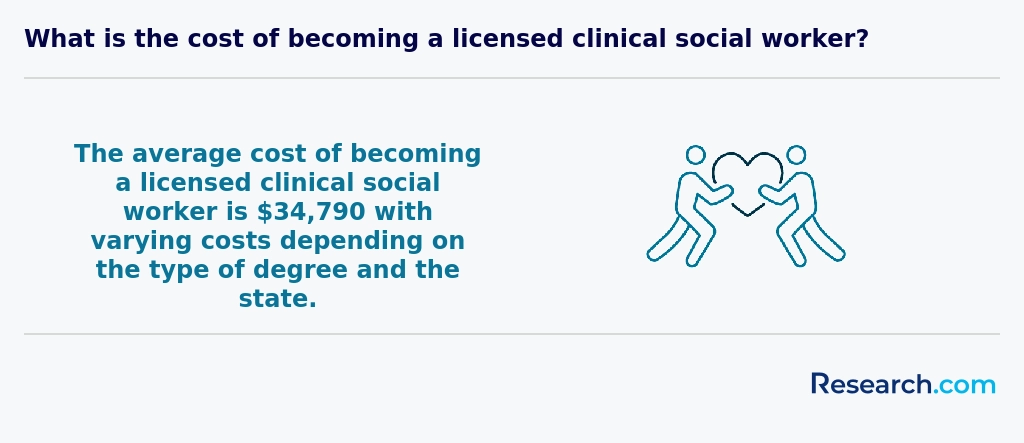
Accreditation by the Council on Social Work Education (CSWE) is essential for any credible online Bachelor’s in Social Work (BSW) program in the South. CSWE-accredited programs ensure that your coursework meets rigorous standards in human behavior, social welfare policy, research methods, and field practice. Without CSWE accreditation, graduates may be ineligible for state licensure or membership in professional associations like the National Association of Social Workers (NASW). State licensure requirements vary across Southern states but typically involve: • Earning a CSWE-accredited degree (BSW or MSW) • Completing a supervised practicum (usually 900–1,200 hours) • Passing the Association of Social Work Boards (ASWB) Examination at the bachelor’s or master’s level • Fulfilling state-specific background checks and continuing education (CE) credits Graduates who wish to advance more quickly into clinical roles can explore top msw advanced standing programs that recognize BSW credit and shorten the path to licensure. After obtaining the Licensed Bachelor Social Worker (LBSW) credential, many professionals return to school for an MSW, pursue the Clinical Social Work Exam, and earn the Licensed Clinical Social Worker (LCSW) designation, unlocking higher earning potential and leadership roles. Continuing education is often mandated to maintain licensure; common topics include ethics, cultural competence, and telehealth practices. Before enrolling, confirm that your chosen institution provides CE support, a state-approved exam prep course, and clear guidance on renewing your license. By prioritizing CSWE accreditation and staying informed about licensure pathways, you’ll secure a solid foundation for a thriving social work career in the South.
What financial aid is available to online social work degree students in the South?
Students pursuing online social work degrees in the South often rely on a mixture of federal, state, and institutional financial aid to manage tuition costs, which can range from $8,000 to $20,000 annually at public universities like the University of North Carolina or the University of Texas. Federal aid, accessed through FAFSA, opens doors to Pell Grants offering up to $7,395 for eligible students, which many graduates recall as a vital resource during their studies.
State-specific scholarships further supplement this support. For instance, Georgia's HOPE Scholarship and Texas Educational Opportunity Grant have enabled students from these states to continue their education without the heavy burden of debt, as many alumni report feeling motivated by this reliable assistance.
Institutional grants and private scholarships from organizations such as the NASW Foundation also provide critical financial relief. Graduates often mention how these awards helped them focus more on their coursework and less on expenses.
Finally, employer tuition reimbursement programs play a key role, especially for working social service professionals in the South, who balance career advancement with affordability-turning financial aid into a practical pathway to success.
Licensure and Certification Process for Social Workers
After completing an online Social Work program in the South, graduates must navigate a series of licensure and certification processes to ensure they are fully prepared to enter the workforce. This section highlights the typical steps involved-from accumulating necessary fieldwork hours and passing a standardized exam to understanding state-specific requirements. Recognizing these processes is essential for ensuring that educational credentials translate into professional credentials that meet both local and national standards. In many Southern states, graduates are required to complete supervised field placements and pass exams such as the Association of Social Work Boards (ASWB) licensure test before they can practice independently. Research shows that careful preparation and adherence to these standards not only bolster professional credibility but also enhance career prospects in various settings. For those particularly interested in the mental health aspect of social work, exploring the requirements to become a mental health social worker can provide a clear roadmap for success in this specialized field. Institutions across the South often provide support through preparatory courses, workshops, and ongoing counseling to help graduates transition smoothly from academic settings to licensure. This guidance not only reinforces the practical skills learned during the coursework but also builds confidence as students prepare for the professional challenges ahead. Emphasizing licensure and certification ultimately leads to improved professional outcomes and helps maintain the high standards expected by employers and regulatory bodies alike.
What are the prerequisites for enrolling in online social work degree program in the South?
To enroll in an online social work degree program in the South, applicants usually need a high school diploma or equivalent, with many schools expecting a GPA around 2.5 to 3.0. A graduate from a well-known Southern university recalls that meeting these academic standards gave her confidence entering courses that demanded critical thinking and empathy.
Transcripts must be submitted, especially for transfer students aiming to use prior credits. For example, graduates from regional colleges often appreciate flexible credit transfer policies, which saved them time and tuition costs by recognizing general education credits while requiring social work courses to meet specific program standards.
Standardized tests like the SAT or ACT may still be requested, though more universities in the South have adopted test-optional policies. One graduate explained that opting out of testing reduced stress and encouraged her to focus on other application components, such as essays.
Personal statements are broadly valued to assess motivation and communication skills. Graduates often describe writing these essays as a meaningful opportunity to reflect on their passion for social justice and helping communities.
Some programs, particularly those accredited by the Council on Social Work Education, also ask for recommendation letters, emphasizing the importance of endorsement from mentors familiar with the applicant's dedication and character.
Accreditation and Licensure: Ensuring Your Degree Leads to Practice
Choosing a CSWE-accredited online social work program is only the first step-obtaining state licensure is what ultimately enables you to practice. Accreditation guarantees your coursework meets the rigor required by licensing boards, while understanding each state’s licensure pathway ensures a smooth transition from student to professional. Key considerations include: 1. CSWE Accreditation • Verifies your BSW or MSW program meets national standards. • Required by most state boards to sit for the ASWB exam. 2. State Exam Requirements • BSW graduates typically qualify for the ASWB Bachelor’s Exam (LMSW or LSW). • MSW graduates sit for the ASWB Master’s Exam (LCSW or LCSW-C). • Exam content covers ethics, human development, assessment, intervention and clinical evaluation. 3. Supervised Practice Hours • Most states require 2,000–4,000 post-degree supervised hours. • Supervisors must hold independent licensure (LCSW or equivalent). • Hour requirements and acceptable settings vary by state. 4. Application and Fees • Submit official transcripts and exam scores to your state board. • Pay application, exam and renewal fees (ranging $100–$300). • Plan for periodic continuing education to maintain licensure. To ensure you select an affordable, accredited pathway in Texas, explore the Most Affordable Social Work Degree Programs Ranking in Houston, TX and confirm each school’s licensure support, from exam prep workshops to field-placement coordinators. With a clear roadmap to certification, you’ll confidently embark on a rewarding social work career across the South.
What courses are typically in online social work degree programs in the South?
Online social work degrees in the South typically include courses centered on social work principles, ethics, and human behavior within social environments. Graduates from institutions like the University of Southern Mississippi often share how foundational classes, such as social welfare policy and services, helped them grasp the complexities of advocating for vulnerable populations impacted by regional laws and policies. These courses provide crucial context for understanding systemic challenges unique to Southern communities.
Practice-focused courses like case management and counseling techniques are also emphasized to equip students with hands-on skills. For example, students at Florida State University report feeling confident entering field placements after completing culturally competent practice classes tailored to the South's diverse populations, including considerations of racial, socioeconomic, and cultural factors prevalent in states like Georgia and Texas.
Electives such as mental health and child welfare allow students to specialize according to their career goals, aiding their preparation for licensure exams. Many graduates find these courses meaningful, linking classroom learning to real situations encountered during supervised practicum experiences across local agencies, proving vital for their professional readiness.
What types of specializations are available in online social work degree programs in the South?
Online social work degree specializations in the South often reflect the region's unique social challenges and opportunities. Graduates from Southern programs frequently mention how concentrations like Child and Family Social Work have prepared them to engage effectively with vulnerable populations suffering from poverty or abuse, especially in communities where resources can be scarce. Others emphasize the relevance of Mental Health and Substance Abuse specializations, which address urgent regional issues and offer practical skills for supporting recovering individuals. For those drawn to working with older adults, Gerontology provides valuable insight, particularly given states like Florida's growing elderly population.
Popular universities and colleges known for Southern online social work program concentration options often design curricula grounded in real-world issues. For example, healthcare social work students describe how their training helped them navigate hospital systems and advocate for patients, while school social work concentrations address the recurring academic and personal struggles faced by students in underserved rural areas. Some programs also offer specialized tracks aligned with requirements to become a mental health social worker, a crucial step for many graduates aiming to serve local populations effectively.
How do you choose the best online social work degree in the South?
Choosing the best online social work degree in the South demands careful evaluation of accreditation, cost, and program flexibility. Graduates from popular Southern universities often highlight the significance of CSWE accreditation, which ensures their degree meets licensure requirements and validates the practical skills gained. However, some point out that cost differences between in-state and out-of-state tuition, along with fees for practicum placements, can affect affordability. Exploring affordable accredited social work degrees Southern US programs means balancing price with resources like advising and career counseling.
Many students appreciate programs offering asynchronous classes that fit around work and family, providing a more manageable experience while still fostering peer collaboration online. For instance, graduates share how flexible schedules allowed them to maintain jobs and personal commitments while excelling academically. Considering programs with strong support services in clinical placements is crucial, especially since demand in states like Texas and Florida is growing.
Finally, graduates advise researching faculty expertise and how curricula address specialized fields such as child welfare or healthcare social work, common priorities in the South. For those interested in advancing quickly, reviewing top msw advanced standing programs can be a smart step toward efficient completion.
What career paths are available for online social work degree students in the South?
Graduates with an online social work degree in the South often find themselves drawn to diverse career paths shaped by regional needs. Many start as case managers or social service assistants, roles that offer hands-on experience assisting vulnerable populations with housing, employment, or healthcare challenges. For example, graduates from universities known for strong social work programs in the South frequently share how working as social service assistants in urban Texas or Florida environments enlightened them about systemic barriers faced by clients.
For those pursuing advanced licensure, clinical social work opens doors to providing therapy and counseling in clinics or private practices, a career path noted for its rewarding emotional impact. South regional social work job opportunities also include school social work, where professionals address student well-being and mental health-an area gaining more focus with growing awareness in Southern school districts.
Others explore advocacy or community outreach roles that tackle socioeconomic disparities, common across Southern communities. Many choose programs praised in the Most Affordable Social Work Degree Programs Ranking in Houston, TX, valuing financial aid options that make pursuing social work degrees more accessible while preparing them for these varied roles.
What is the job market for online social work degree in the South?
Graduates holding an online social work degree in the South face a job market shaped by steady demand but regional salary variations. Many social work career opportunities in Southern states are tied to healthcare, school systems, and community services. For instance, graduates from universities like the University of North Carolina or the University of Florida often find roles in hospitals or public school districts that underscore the importance of socially responsive providers. These graduates appreciate that while mean salaries around $44,000 to $56,000 may be below some national averages, the lower living costs and close-knit community settings create rewarding and sustainable career paths.
Students frequently discuss how balancing work with online study at institutions popular in the South allows them to gain licensure preparation while actively engaging with local social needs. Many find that completing accredited online programs, or even exploring fast track programs, helps maintain competitiveness in a field increasingly emphasizing practical experience alongside education.
The job outlook for an online social work degree in the South is supported by population growth and expanding urban social services, fostering more opportunities in diverse settings from mental health clinics to veteran support agencies.
Frequently Asked Questions About social work
Online social work degree students in the South can maximize their learning by actively engaging with their virtual classrooms and peers. Participating in discussion boards and group projects enhances understanding of social work principles in diverse Southern communities. Utilizing available university resources such as virtual tutoring, libraries, and career services supports academic success.
Field placements or internships, often required for social work accreditation, allow students to gain valuable hands-on experience. Many Southern states support local agencies offering these opportunities, which can be located via the Council on Social Work Education's database.
Networking with professionals through online platforms or regional social work associations also deepens practical knowledge.
The social work field is evolving rapidly, with new niches growing especially in southern U.S. states. One emerging area is telebehavioral health, which expands mental health support through online platforms. This niche has grown due to rural populations in the South having limited access to traditional services.
Another growing sector is gerontology, addressing the needs of an aging Southern population. The U.S. Census Bureau projects a 22% increase in people over 65 in southern states by 2030, emphasizing demand for social workers trained in elder care.
Additionally, social work focused on disaster recovery and community resilience has gained importance in the South, a region regularly affected by hurricanes and floods, according to FEMA reports.
After completing an online social work degree in the South, graduates should focus on obtaining licensure, which is required in all states for clinical positions. The Licensed Social Worker (LSW) or Licensed Master Social Worker (LMSW) credentials are common starting points. Graduates should also seek internships or supervised practicums, as these experiences enhance employability and meet state licensing requirements. Networking through regional professional organizations like the Southern Council on Social Work Education can provide valuable job leads. According to the U.S. Bureau of Labor Statistics, social work jobs in southern states are projected to grow by 12% by 2031, highlighting strong demand in the region.
Employers in the Southern US value social work graduates who demonstrate strong communication and interpersonal skills. These are essential for effectively engaging with diverse populations and addressing community needs. Critical thinking and problem-solving abilities also rank highly, as social workers must navigate complex situations.
Knowledge of regional social policies and cultural competence is particularly important in the South, where economic and social challenges vary widely across states. According to the National Association of Social Workers (NASW), adaptability and ethical decision-making are key traits sought after by employers.
Graduates with practical experience through internships or fieldwork tend to have an advantage in this competitive job market.
Finding internships in the South related to social work degrees involves strategic research and local networking. Many Southern universities with social work programs have established partnerships with community agencies, healthcare providers, and government organizations that offer field placements required for degree completion.
States like Texas, Georgia, and Florida have strong social work networks, supported by bodies such as the Southern Council on Social Work Education. According to the Bureau of Labor Statistics, these states employ a high number of social workers, increasing internship opportunities.
Students should contact their chosen school's internship coordinator early. Additionally, organizations such as United Way chapters and local mental health clinics often provide internships.
Online students can also explore virtual internships or hybrid placements fitting distance learning schedules, expanding options significantly.
Obtaining an online social work degree in the South significantly enhances career mobility and advancement opportunities. The Southern region hosts a growing demand for licensed social workers, particularly in states like Texas, Georgia, and Florida, where population growth increases social service needs. According to the U.S. Bureau of Labor Statistics, these states project employment growth rates above the national average for social workers through 2030.
Online social work degrees accredited by the Council on Social Work Education (CSWE) enable graduates to meet licensure requirements across many Southern states. This flexibility supports career changes and upward movement into clinical, administrative, or policy roles.
Employers in healthcare, child welfare, and mental health sectors increasingly value the accessibility and rigor of online programs. Graduates can thus access wider job markets without relocating, a key factor in the South's often rural or underserved areas.
Studying for a social work degree in the South uniquely equips students for interdisciplinary roles by emphasizing collaboration across various sectors. Southern programs often integrate coursework that covers healthcare, education, and criminal justice, reflecting the region's diverse community needs. According to the Council on Social Work Education, schools in the South prioritize hands-on experiences in settings like hospitals and schools, where professionals work alongside counselors, educators, and medical staff.
This integrated approach prepares graduates to address complex social issues requiring teamwork across professions. For example, many Southern programs include training on coordinating care with mental health specialists and public health officials, vital in rural and underserved areas. This regional focus ensures graduates can adapt to multifaceted roles in real-world settings.
Choosing between a thesis and a non-thesis online social work degree program in the South depends largely on your career goals. A thesis option is ideal for students interested in research or planning to pursue graduate studies, as it emphasizes analytical skills and original research. Non-thesis programs often focus more on practical experience and coursework, preparing students for direct practice in the field.
In Southern states, many accredited programs, such as those recognized by the Council on Social Work Education, offer both options. According to the Southern Association of Colleges and Schools, about 60% of social work programs in the region provide non-thesis tracks, reflecting local workforce needs.
Consider your time commitment as thesis tracks may require more extensive work, while non-thesis programs can often be completed faster, fitting better with employment or family obligations.
Students based in the South interested in studying social work abroad have limited direct options through Southern US institutions, as most online programs focus on domestic accreditation and licensure requirements. However, some universities offer study abroad partnerships or international field placements within their online bachelor's programs. For example, a few schools in the region collaborate with agencies in Latin America and Europe to provide global social work experience while maintaining US degree standards.
Accreditation by the Council on Social Work Education (CSWE) remains critical, so students often complete core coursework online and supplement with approved international internships. The Southern Regional Education Board (SREB) notes increasing interest in global social work competencies among Southern students. This hybrid approach allows hands-on international exposure without relocating, meeting professional criteria for US licensure.
Part-time job opportunities in the South that complement social work degree education often involve direct community engagement. Common roles include case management assistant positions, support roles in local nonprofit organizations, and counseling aide jobs. These positions allow students to apply classroom knowledge practically while gaining valuable experience.
According to the Bureau of Labor Statistics, social work employment in southern states like Texas, Florida, and Georgia continues to grow steadily, encouraging part-time work in healthcare facilities and social service agencies. Working in shelters, rehabilitation centers, or schools can offer hands-on exposure to diverse populations, which is essential for social work practitioners.
Students should consider roles with flexible hours to balance coursework and field practice requirements. Many universities in the South also partner with community agencies to help students find relevant part-time employment aligned with their studies.
Online social work students in the South have access to multiple networking opportunities through regional and national organizations. Groups like the Southern Council on Social Welfare and the National Association of Social Workers (NASW) offer virtual events, conferences, and local chapter meetings. These gatherings enable students to connect with experienced professionals and peers in states such as Texas, Georgia, and Florida.
Many universities also facilitate online networking through dedicated platforms and mentorship programs. According to NASW, social workers in the South grow by about 12% annually, emphasizing the importance of building professional connections early. Students benefit from internships and practicum placements arranged through affiliated agencies in the region.
Alumni networks offer valuable support to online social work degree students in the South by connecting them to a broad community of professionals. These networks provide opportunities for mentorship, internships, and job placement, which can be crucial in a region with growing demand for licensed social workers. According to the National Association of Social Workers, southern states have a 12% higher employment growth rate for social workers than the national average, making networking essential.
Strong alumni ties also encourage knowledge sharing about regional social policies and programs, enhancing students' practical understanding. Additionally, many Southern universities organize local alumni events that foster professional relationships and continuing education.
Customizing an online social work degree program in the South allows students to align their education with specific career goals. Many Southern universities offer concentrations, such as child welfare, mental health, or gerontology, enabling learners to specialize within their degree. Selecting electives and field placements focused on these areas helps build relevant skills and experience.
Accredited programs, often by the Council on Social Work Education (CSWE), ensure quality and regional relevance. Some schools also provide flexible scheduling and part-time options, catering to working professionals. According to the Southern Regional Education Board, over 20% of social work graduates in the South pursue advanced certifications, reflecting the importance of targeted coursework and practicum choices.
Online social work students in the South often face unique challenges related to regional resources and infrastructure. Limited access to reliable high-speed internet in rural areas can hinder participation in live classes and timely submission of assignments, as reported by the Federal Communications Commission.
Additionally, students frequently struggle with balancing work, family, and study commitments, especially since many social work students are non-traditional learners aged 30 and older, according to the National Association of Social Workers.
Finding local practicum placements is another challenge, given that social work programs require hands-on experience and some Southern states have fewer agencies supporting internships.
With an online social work degree, professionals in the South can pursue several important certifications that enhance career opportunities. The most recognized credential is the Licensed Social Worker (LSW), which allows practice under supervision. After gaining experience, graduates can pursue the Licensed Clinical Social Worker (LCSW), enabling independent clinical practice. These licenses are regulated by state boards, so requirements vary slightly across Southern states.
Additional certifications include the Certified Alcohol and Drug Counselor (CADC) and the Certified School Social Work Specialist (C-SSWS), which are valuable in specialized fields. According to the National Association of Social Workers, demand for licensed social workers in the South is growing due to expanding healthcare and education services.
Applying to an online social work program in the South requires careful preparation to ensure your application stands out. Start by thoroughly researching accredited Southern schools, as many programs require CSWE accreditation. Highlight any relevant experience in social work or community service, emphasizing your commitment to helping diverse populations typical in Southern states. According to the National Association of Social Workers, demand for social workers in the South is growing, so demonstrating awareness of regional challenges strengthens your case. Personal statements should be clear, concise, and reflect your passion and professionalism. Finally, request strong recommendation letters from supervisors or educators familiar with your abilities.
The global perspective on social work as a career highlights its importance in addressing social justice, health, and human rights worldwide. In the US, social work education emphasizes cultural competence and adaptability, skills essential for international contexts. For students in the South pursuing online social work degrees, understanding these global themes can expand career opportunities beyond local communities.
According to the Council on Social Work Education, over 40% of social work programs in the South include coursework focused on global social issues. This equips graduates with knowledge important for tackling challenges such as migration, poverty, and mental health.
Internationally, social work roles vary but share common goals of advocacy and support. Recognizing this helps Southern students appreciate the broader impact of their education and future work.
Gaining practical experience is essential while pursuing an online social work degree in the South. Most accredited programs incorporate field placements or internships, which allow students to work directly with community agencies, hospitals, or schools. These supervised experiences usually require 400 to 900 hours, depending on the state and program standards, as outlined by the Council on Social Work Education (CSWE).
Students can coordinate placements locally to meet state licensure requirements, which vary significantly across Southern states like Texas, Florida, and Georgia. According to the National Association of Social Workers, Southern programs emphasize rural and urban social services, providing diverse hands-on learning opportunities.
Additionally, some universities offer virtual simulations and online peer collaboration to supplement in-person experiences, helping to build practical skills remotely while maintaining flexibility in scheduling.
Choosing the right concentration within an online social work degree program in the South involves assessing your career goals and the regional job market. The Southern U.S. has a high demand for social workers specializing in healthcare, child welfare, and mental health, according to the Bureau of Labor Statistics (BLS, 2023). Exploring concentrations like clinical social work, school social work, or community advocacy can align your studies with these local needs.
Consider accredited programs by the Council on Social Work Education (CSWE) to ensure quality education and eligibility for licensure. Additionally, examine practicum opportunities that match your focus area in your state.
Top Trending Social Work Rankings
See What Experts Have To Say About Studying Social Work
Read our interview with Social Work experts

References
- Social Work Career Pathways https://socialworklicensemap.com/social-work-careers/pathways/
- A Guide to the BSW Job Market - Aurora University https://online.aurora.edu/bsw-jobs-market-guide/
- Social Work News https://www.mysocialworknews.com/article/how-to-find-your-social-work-niche
- Global Perspectives in Social Work https://www.gu.se/en/study-in-gothenburg/exchange-student/courses/sw1118
- The Pros and Cons of Online MSW Programs – Should I Pursue an MSW Online? https://www.masterofsocialwork.com/resources/pros-and-cons-online-msw-programs
- Online Social Work Major | SUNY Plattsburgh https://www.plattsburgh.edu/programs/social-work-major-online.html
- 1+ Social Worker Cover Letter Examples (with In-Depth Guidance) https://www.tealhq.com/cover-letter-examples/social-worker
- 585 Institutions offering Social Work Courses Abroad https://www.hotcoursesabroad.com/study/training-degrees/international/social-work-courses/cgory/l19-3/sin/ct/programs.html
- Tripod Partners https://www.tripodpartners.com/career-advice/social-work/advancing-your-social-work-career-tips-for-promotion/
- How to become a social worker https://basw.co.uk/careers/how-become-social-worker


