
2027 Easiest Online Bachelor's in Social Work Degree Programs Ranking in the USA

Co-Founder and Chief Data Scientist
Embarking on a journey to earn a bachelor's degree in social work online can open doors to a rewarding career dedicated to helping others. Choosing the right program is key to your success and satisfaction. This article introduces the 2027 Easiest Online Bachelor's in Social Work Degree Programs Ranking in the USA, developed by the Research.com team of expert data scientists.
By exploring this ranking, you'll gain valuable insights to help identify programs that fit your needs and lifestyle. Pursuing a social work degree empowers you to make a meaningful impact while advancing your professional goals.
Key benefits of getting online social work degree in America
- Social work graduates in America can expect rewarding salaries, such as Child Welfare Specialists earning a mean annual wage of $59,190 and Social Workers making around $68,800, reflecting the value of their impactful work.
- Career paths are diverse, ranging from community organizing to residential counseling, allowing graduates to find meaningful roles that match their passion for helping others.
- Online social work degrees offer flexibility and convenience, enabling students to balance studies with life commitments while gaining quality education from respected institutions, making career advancement more accessible.
- Key benefits of getting online social work degree in America
- What can I expect from online social work degree in America?
- Where can I work with online social work degree in America?
- How much can I make with online social work degree in America?
- 2027 Easiest Online Bachelor's in Social Work Degree Programs Ranking in the USA
- Key Findings
- How long does it take to complete online social work degree in America?
- Licensure and Certification Requirements
- What's the difference between online and on-campus social work degree?
- Licensure, Certification, and Professional Development
- What is the average cost of online social work degree in America?
- Most Affordable Options for Online Social Work Degrees
- What financial aid is available to online social work degree students in America?
- Pathway to an MSW: Advanced Standing for BSW Graduates
- What are the prerequisites for enrolling in online social work degree program in America?
- What courses are typically in online social work degree programs in America?
- What types of specializations are available in online social work degree programs in America?
- How do you choose the best online social work degree in America?
- What career paths are available for online social work degree students in America?
- What is the job market for online social work degree in America?
- Top Trending Social Work Rankings
- See What Experts Have To Say About Studying Social Work
What can I expect from online social work degree in America?
The average cost of an online social work degree in America varies, but many students find programs at state universities to be both affordable and high in quality. Graduates from popular schools share stories of balancing work and family while managing tuition that often ranges from $8,000 to $20,000 per year, depending on the institution and program level. This investment feels worthwhile as they advance confidently toward licensure and meaningful careers.
Students at well-known universities experience a blend of rigorous coursework and supportive faculty, all while staying connected through digital platforms. Practical field internships offer real-world exposure in healthcare or community agencies, enriching their learning far beyond textbooks. The flexibility to study on their own schedules brings hope and motivation, especially for those juggling multiple responsibilities.
Financial aid options including scholarships from national social work organizations help ease costs, making this transformative journey accessible. The rewarding path of becoming a social worker in America, armed with a CSWE-accredited degree, inspires many to pursue their dreams with optimism and determination.
Where can I work with online social work degree in America?
Graduates with an online social work degree from well-regarded institutions like the University of Southern California or the University of Michigan often find themselves stepping confidently into diverse and rewarding careers. Many begin in entry-level roles within schools, non-profits, and healthcare settings, where they make tangible differences by supporting children facing social and emotional challenges or assisting families navigating complex systems.
Others thrive in healthcare environments such as hospitals or mental health clinics, helping patients understand treatment options and connecting them to vital community resources. Imagine working alongside nurses and doctors, guiding a patient through recovery with empathy and expertise-this is the real impact many graduates experience.
Government agencies also offer vibrant opportunities, from aiding veterans to supporting public assistance programs. Graduates often share how their online degrees equipped them with practical skills and a passion to serve, allowing them to uplift communities across America. With an online social work degree, the doors to meaningful, hands-on career paths are wide open.
How much can I make with online social work degree in America?
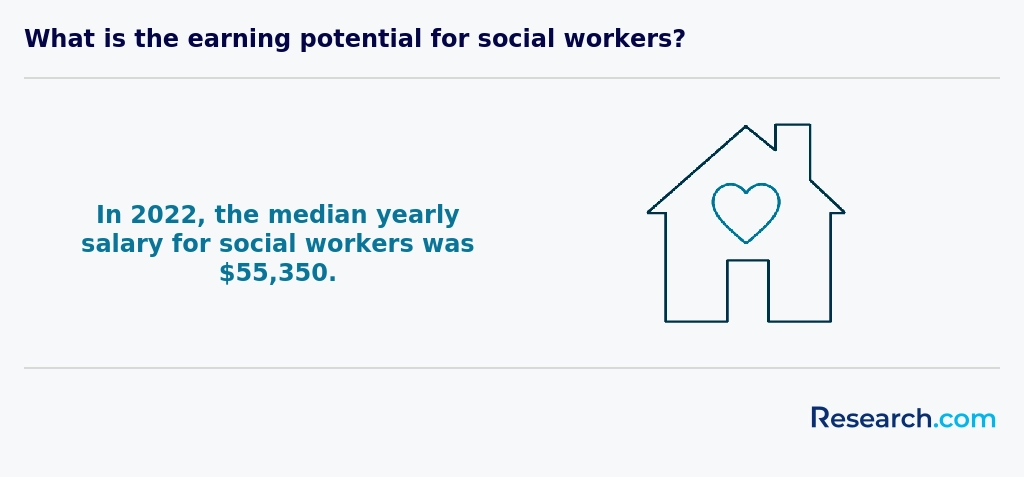
Graduates with an online social work degree in America can look forward to rewarding salary opportunities that reflect their dedication and passion for helping others. For instance, social workers commonly earn a mean annual wage of around $68,800, with many entering roles such as healthcare social work or child welfare where wages vary but remain encouraging. Positions like Child Welfare Specialists and Residential Counselors both offer mean wages near $59,190, providing solid starting points for new professionals.
Some graduates become Community Organizers or Youth Workers, where the mean annual wage rises to about $83,400, showcasing the potential for significant growth as you gain experience and specialize. Many who complete their studies at respected institutions such as the University of Southern California or the University of Michigan find their online degrees opening doors to these impactful roles.
These figures highlight that with commitment and the right online program, a fulfilling career with a strong income is within reach. Imagine the pride of helping families and communities thrive while earning a competitive salary that supports your personal and professional goals.
2027 Easiest Online Bachelor's in Social Work Degree Programs Ranking in the USA
How do we rank schools?
Investing in your education is a significant decision that can shape your future, and the Research.com team understands the importance of making informed choices. To assist prospective students, we have meticulously crafted the "2027 Easiest Online Bachelor's in Social Work Degree Programs Ranking in the USA." Our commitment to quality, credibility, and accuracy is demonstrated through thorough research and careful analysis behind this ranking.
We utilized the following reputable data sources to ensure a comprehensive evaluation of social work degree programs:
By exploring this ranking, readers will gain valuable insights into the easiest and most accessible online social work degree programs available across the USA, empowering them to make informed decisions about their educational journey. For more details on our methodology, please visit our Research.com methodology page.
# 1 position
Florida State College at Jacksonville
Bachelor of Human Services





# 15 position
Mary Baldwin University
Bachelor of Social Work


# 17 position
University of Massachusetts Global
Bachelor of Social Work


# 20 position
Thomas Edison State University
Bachelor of Social Services

Key Findings
- Most accredited online Bachelor of Social Work (BSW) programs require in-person fieldwork or internships for practical experience.
- Tuition varies widely: public in-state programs cost between $8,000 and $15,000 per year, while out-of-state and private schools may exceed $20,000 annually.
- The median annual wage for social workers was about $51,760 in 2023, with entry-level salaries ranging from $40,000 to $45,000.
- Employment for social workers is expected to grow 12% from 2022 to 2032, faster than the average for all jobs.
- Graduating from a CSWE-accredited program is required for licensure in most states, which also includes passing a state exam and completing supervised practice hours.
How long does it take to complete online social work degree in America?
Completing an online social work degree in America is an exciting journey full of growth and opportunity. Most students pursuing a Bachelor of Social Work (BSW) from respected institutions like the University of Michigan or UCLA find they can finish in about four years when studying full-time. Graduates often share how balancing coursework with life challenges taught them resilience and time management-valuable skills for their future careers.
For those eager to accelerate their studies, many universities offer programs where, with transferred credits or a heavier course load, completion can happen in as little as three years. Others, especially part-time students juggling jobs or family, might take five years or more, but this flexibility allows them to tailor their education to their unique lives without sacrificing progress.
Master's in Social Work (MSW) students from schools such as Columbia University or Boston College typically complete their degrees in two years full-time, though some choose accelerated or part-time paths that range from 12 months to over three years. These adaptable options empower students to follow their ambitions at a pace that fits their personal and professional rhythms.
Licensure and Certification Requirements
Earning an online Bachelor’s in Social Work is just the first step; obtaining the required licensure and certifications is essential to practice professionally. Most states require graduates to pass the Association of Social Work Boards (ASWB) Bachelor’s exam to become a Licensed Social Worker (LSW). This exam assesses core competencies in ethics, human development, and clinical practice. Upon passing, professionals can engage in supervised work and, after gaining the required 2–4 years of experience, sit for the ASWB Master’s or Clinical exams to become a Licensed Master Social Worker (LMSW) or Licensed Clinical Social Worker (LCSW). Each state’s Board of Social Work sets specific education, examination, and supervised practice requirements. For instance, Indiana mandates 1,500 hours of supervised practice before LMSW eligibility, while California requires 3,200 hours for LCSW certification. Graduates should verify their state’s criteria early in their program to ensure seamless transitions from student to licensed practitioner. Many online programs strategically align their curriculum with these licensure requirements. For example, offerings highlighted in Low Cost Social Work Degree Programs Ranking in Indiana maintain CSWE accreditation and embed practicum structures that satisfy state board prerequisites. After licensure, maintaining certification involves continuing education units (CEUs) to stay current on best practices, ethical standards, and emerging social issues. States typically require 20–45 CEUs every 2–3 years, available through workshops, conferences, and online courses. By understanding and planning for licensure exams, supervised hours, and ongoing CEU obligations, online social work graduates can confidently navigate the path from degree completion to thriving, credentialed professionals.
What's the difference between online and on-campus social work degree?
Choosing between online and on-campus social work degrees in America opens exciting possibilities tailored to your unique lifestyle. Many graduates from renowned institutions like the University of Michigan or Boston University cherish the flexibility online programs offer, enabling them to balance family, work, and study seamlessly. Imagine attending lectures from your living room while managing daily commitments, all without sacrificing the quality of your education.
On-campus learners at schools such as the University of North Carolina Chapel Hill often highlight the energizing atmosphere of direct interactions with professors and peers, creating friendships and professional networks that blossom in vibrant campus settings. These in-person connections fuel motivation and enhance engagement, bringing social work theory to life through immersive experiences.
Regardless of the format, all programs in the U.S. maintain rigorous standards accredited by CSWE, ensuring your degree opens doors to meaningful field placements and fulfilling careers. Graduates frequently share how hands-on internships, whether coordinated from a campus or arranged through online support, build confidence and real-world skills critical for making a difference in communities.
Licensure, Certification, and Professional Development
After completing your degree, one of the most critical steps toward a successful career in social work is obtaining the necessary licensure and certifications. Navigating these requirements involves understanding state-specific licensure exams, accumulating practical fieldwork hours, and committing to ongoing professional development. Many graduates find it helpful to connect with industry experts and career guidance resources to ensure that they meet all professional standards. For instance, those interested in specializing in mental health social work should familiarize themselves with the process to become confidently credentialed. For a detailed overview, visit what requirements are needed to become a mental health social worker. Emphasizing hands-on experience, networking with professionals, and staying informed about continuing education opportunities will empower you to confidently transition from academia to professional practice, ensuring long-term career success and fulfillment.
What is the average cost of online social work degree in America?
The average cost of an online social work degree in America varies, but on median, students can expect to invest around $49,200 for the entire program. Those studying in-state often benefit from lower fees, with median total costs near $31,692, while out-of-state learners typically see median expenses around $39,712. This range allows many passionate individuals to pursue their dreams affordably, especially through public universities known for their supportive tuition rates and flexible online formats.
Graduates from well-regarded colleges often recall how manageable tuition paired with financial aid options made their education journey exciting rather than overwhelming. For instance, students enrolled in popular programs at public institutions frequently pay between $300 to $500 per credit hour, totaling approximately 120 credit hours to complete the degree. This makes budgeting transparent and attainable, empowering students focused on making a positive impact in their communities.
Those exploring affordable online social work bachelor's programs 2027 can find lasting value in accredited programs that not only offer competitive pricing but also enhance career outcomes. Many graduates share how their debt was eased through scholarships, employer tuition assistance, and federal grants accessed via FAFSA. Prioritizing accredited schools is a wise step, promoting both quality education and financial support.
To discover more about cost-friendly education options, prospective students should explore the list of affordable social work schools in America. This resource highlights institutions committed to delivering reputable social work degrees with thoughtful pricing, helping you realize your social work aspirations without unnecessary financial stress.

Most Affordable Options for Online Social Work Degrees
To help students make informed decisions about their education, it's essential to consider the affordability of online Social Work degree programs. Many students prioritize affordability when selecting a program, and our team at Research.com has compiled a list of the most affordable options. For those interested in exploring affordable options, checking out the affordable social work schools can provide valuable insights and help students find a program that fits their budget and meets their academic needs. By considering factors such as tuition rates, financial aid, and scholarship opportunities, students can make a more informed decision about which online Social Work degree program is the best fit for them.
What financial aid is available to online social work degree students in America?
Many online social work students in America find encouragement in the diverse financial aid options that make their dreams attainable. Graduates from universities like the University of Michigan and Boston University often share how federal financial aid, especially through FAFSA, has been a game changer. Pell Grants, offering up to $7,395 annually, relieve significant tuition pressure without requiring repayment, allowing students to focus fully on their studies and community impact.
State scholarships and loan forgiveness programs also motivate students by rewarding service in underserved areas-perfect for those passionate about making a difference locally. Social work graduates frequently highlight scholarships from professional organizations like the NASW Foundation, which recognize dedication and social justice commitment.
Working professionals pursuing degrees online benefit greatly from employer tuition assistance, with nearly 60% of U.S. employers supporting educational goals, helping learners balance work and study.
Flexible payment plans offered by many schools further brighten the path, enabling students to manage costs comfortably while pursuing their vital calling in social work.
Pathway to an MSW: Advanced Standing for BSW Graduates
Many online Bachelor’s in Social Work (BSW) programs are designed to pave a clear pathway toward a Master of Social Work (MSW) through advanced standing options. Advanced standing reduces the number of credits required for a full-term MSW, allowing qualified BSW holders to complete their graduate degree in as little as one year. Eligibility typically requires:
- A CSWE-accredited BSW degree with a minimum GPA (often 3.0 or higher)
- Completion of foundational practice and research courses
- Documentation of field practicum hours (usually 400+ hours) Benefits of advanced standing include accelerated time-to-degree, lower tuition costs, and early entry into clinical or leadership roles. Graduates who capitalize on these accelerated tracks often secure licensure sooner, boosting earning potential and career mobility. For a curated list of top-tier options, explore our guide to advanced standing programs in social work. Tips for maximizing your advanced standing application:
- Confirm CSWE accreditation and MSW program policies before enrolling in a BSW track
- Engage in diverse field placements to showcase competency across practice settings
- Maintain strong relationships with academic and field supervisors for glowing recommendations By strategically selecting a BSW that aligns with advanced standing criteria, students can streamline their educational journey, minimize debt, and transition more rapidly into high-impact social work roles.
What are the prerequisites for enrolling in online social work degree program in America?
Enrolling in an online social work degree in America opens doors to a fulfilling career dedicated to helping others. Most programs, especially those at renowned schools like the University of Southern California and Boston University, require a high school diploma for bachelor's degrees, and a completed bachelor's for advanced studies like the MSW. Graduates often share how meeting GPA requirements-typically around 2.5 to 3.0-became a motivated challenge, pushing them to excel in courses like statistics and ethics.
Many students find that having background courses in psychology or sociology deepens their understanding and passion, preparing them for hands-on experiences. Volunteering or working in community centers, as many successful alumni have done, not only strengthens applications but also sparks a real connection to the field. Writing a personal statement about their commitment to social justice allows applicants to share their unique stories and drive.
These prerequisites aren't barriers but stepping stones, guiding hopeful students toward impactful careers in social work across America's diverse communities.
What courses are typically in online social work degree programs in America?
Online social work degree programs in America typically include courses that empower students to make a real difference in people's lives. Graduates from well-known institutions like the University of Southern California or Boston University often describe how foundational classes such as Human Behavior in the Social Environment opened their eyes to the complex ways individuals grow within families and communities. These courses build essential understanding to approach challenges with empathy and insight.
Students quickly find themselves inspired by classes like Social Welfare Policy and Services and Social Work Ethics and Professionalism, which equip them to advocate for fairness and dignity. Many recall how hands-on projects helped them connect policies to real struggles faced by families locally and across the nation.
Advanced courses in Mental Health and Substance Abuse Social Work and Community Practice and Development prepare future social workers for specialized roles, fostering skills that graduates use to support healing and growth every day. These experiences, often accompanied by meaningful field placements arranged near their homes, bring textbook knowledge vividly to life, offering a deep sense of purpose and accomplishment.
What types of specializations are available in online social work degree programs in America?
Online social work degree programs in America offer inspiring specializations tailored to different passions and career paths. Graduates from top universities often share how focusing on clinical social work empowered them to provide compassionate counseling and evidence-based mental health support to individuals and families. For those drawn to protecting vulnerable populations, child and family welfare provides essential skills to navigate foster care and family therapy, reflecting a commitment to changing young lives for the better-something widely embraced across American colleges.
Specializing in gerontology opens doors to serve the growing population of older adults, helping students understand elder care and chronic illness management-topics gaining importance as America's demographics shift. Other rewarding areas include substance abuse counseling, healthcare social work, school social work, and community advocacy.
Many social work students recognize how such diverse online options equip them with practical expertise and hope, making a real difference in American communities. If you wonder what requirements are needed to become a mental health social worker, this path provides both meaningful impact and personal growth.
These varied options highlight the types of social work programs in America, offering something for every aspiring helper ready to uplift others.
How do you choose the best online social work degree in America?
Choosing the best online social work degree in America means prioritizing programs that align with your personal and professional goals while offering flexibility for your lifestyle. Graduates from well-known universities often highlight how accredited programs, especially those recognized by the Council on Social Work Education (CSWE), gave them confidence to meet licensure requirements in their states. These programs frequently include vital field placements or internships, providing invaluable real-world experiences that transform learning into meaningful community impact.
Many students appreciate options at universities renowned for their student support and tailored pacing-ideal for working adults seeking affordable online social work programs America-wide. Focusing on specialties that resonate with your passion, such as mental health or family services, can enrich your journey and future career opportunities. Exploring advanced standing programs in social work offers further personalized pathways for qualified students eager to advance quickly through their studies.
Remember to research state-specific licensure laws to ensure your program prepares you fully for practice where you want to grow. Taking these steps can empower you to make a confident, inspired choice that leads to a fulfilling career helping others and thriving in the dynamic field of social work.
What career paths are available for online social work degree students in America?
Graduates of online social work degree programs in America have a wide range of fulfilling career paths that truly make a difference in people's lives. Many find joy becoming Licensed Social Workers (LSW) or Licensed Clinical Social Workers (LCSW), providing counseling and therapy in hospitals, schools, or private practices, where they support mental health and substance abuse recovery.
Others thrive as healthcare social workers, helping patients manage chronic illnesses or access community resources, a role especially rewarding in hospital settings affiliated with well-known universities. School social work is another inspiring option, where graduates guide students through personal challenges and promote safe learning environments, often drawing on training from popular colleges recognized for their supportive online social work career options USA.
Community and public social work allow professionals to advocate for vulnerable populations, design impactful programs, and coordinate services that uplift entire neighborhoods. Many graduates pursuing these paths emphasize how affordable programs like those featured in the Low Cost Social Work Degree Programs Ranking in Indiana enable them to start meaningful careers without overwhelming debt.
The positive, transformative experiences reported by social work students reflect how pursuing social work degree job opportunities America-wide not only opens doors but fuels a lifelong passion to serve, inspire, and empower others.
What is the job market for online social work degree in America?
The job market for online social work degree jobs USA is vibrant and full of opportunity. Graduates from well-known programs at respected universities often find meaningful roles in healthcare, schools, and government agencies, helping individuals and families navigate complex life challenges. Many report a deep sense of fulfillment knowing their work directly improves community well-being. With licensed social workers in high demand, graduates experience steady career growth and salary potential, especially those who pursue clinical specialties.
Social work students from top colleges in America often emphasize the value of practical internships embedded in their online degrees, which open doors to professional networks and real-world experience. The rising focus on mental health services and elder care fuels multiple pathways to employment, encouraging students to aim high and stay motivated. For affordable pathways, prospective students can explore the top 6-month online associate degree programs to begin their social service journey.
Social work career opportunities America-wide continue to expand, driven by ongoing societal needs and supportive licensure policies. Graduates often share stories of strong job placements in dynamic metropolitan areas, illustrating a hopeful future for new professionals dedicated to making a difference.
Frequently Asked Questions About social work
Online social work degree students in America can maximize their learning by actively engaging with digital course materials and participating in virtual discussions. Consistent interaction with professors and peers helps deepen understanding and builds essential communication skills. Since accredited programs often require field placements, students should seek meaningful practicum experiences at local agencies to apply theory in real-world settings.
Time management is crucial; establishing a structured study schedule improves retention and balances academic and personal responsibilities. According to the Council on Social Work Education (CSWE), most accredited online programs follow rigorous standards ensuring quality education comparable to in-person classes. Leveraging campus resources remotely, such as tutoring and career services, also supports success.
Emerging niches within the social work field in the United States reflect evolving societal needs and challenges. One notable area is gerontological social work, focusing on aging populations as the U.S. Census Bureau projects that by 2034, older adults will outnumber children for the first time in history. Another growing niche is behavioral health, where social workers address mental health and substance abuse problems, responding to increased demand amplified by the COVID-19 pandemic (SAMHSA, 2023).
Additionally, social workers specializing in healthcare and palliative care are becoming vital as complex medical needs rise. Environmental social work is an emerging field addressing the social impacts of climate change, increasingly relevant in urban and rural communities. These niches offer expanding career paths for graduates of online social work programs.
After completing an online social work degree in America, preparing for the job market involves practical steps to enhance employability. First, obtaining state licensure is essential; most states require a Licensed Bachelor Social Worker (LBSW) or Licensed Master Social Worker (LMSW) credential.
Networking through professional organizations like the National Association of Social Workers (NASW) can provide valuable opportunities. Additionally, gaining supervised field experience during or after the degree program improves job prospects. According to the U.S. Bureau of Labor Statistics, social work employment is projected to grow 12% from 2022 to 2032, highlighting the demand for qualified practitioners.
Developing skills in areas such as case management, cultural competence, and trauma-informed care also supports career readiness.
Employers in the United States highly value social work graduates who demonstrate strong communication skills. Being able to clearly convey ideas and empathize with clients is essential for effective case management and advocacy. According to the National Association of Social Workers (NASW), critical thinking and problem-solving abilities rank among the top competencies sought in new hires.
In addition, cultural competence is increasingly important due to the diverse populations social workers serve. Understanding and respecting different backgrounds ensures better client outcomes. Data from the Bureau of Labor Statistics (BLS) highlights that employers also look for graduates who can efficiently manage time and handle stressful situations without compromising service quality.
Finally, proficiency with technology and electronic health records has become a necessary skill as many agencies move toward digital record-keeping and remote client interactions. These skills combined prepare graduates to meet the evolving demands of social work careers in America.
Finding internships for social work degrees in America typically begins with utilizing university resources. Many accredited programs require field placements as part of their curriculum, which helps students secure internships through school partnerships.
The National Association of Social Workers (NASW) offers career resources and listings of approved agencies that frequently host social work interns. According to the Council on Social Work Education (CSWE), field education is the signature pedagogy, with over 650 accredited programs facilitating practical experience.
Students can also search for internships through government agencies, nonprofits, and healthcare organizations. Websites like USAJOBS.gov and state health departments regularly post social work internship opportunities relevant to degree requirements.
Networking within local social service communities and attending online job fairs tailored to social work also increase chances of placement.
Online social work degrees in America offer significant career mobility and advancement opportunities. The Council on Social Work Education (CSWE) accredits many online programs, ensuring they meet national quality standards recognized by employers. Graduates with a Bachelor of Social Work (BSW) can qualify for entry-level positions, while a Master of Social Work (MSW) is often required for clinical roles.
According to the U.S. Bureau of Labor Statistics, social work jobs are projected to grow 12% from 2022 to 2032, faster than the average for all occupations. Online degrees provide flexibility that helps working professionals advance without interrupting employment.
Many states require continuing education and licensure, which online programs often support through specialized courses. This enhances a candidate's prospects for promotions and higher salaries, typically above the median $60,000 annual wage reported for social workers in 2023.
Studying for a social work degree in America equips students with skills essential for interdisciplinary roles across healthcare, education, and criminal justice sectors. Programs accredited by the Council on Social Work Education (CSWE) emphasize collaboration with professionals from diverse fields. According to the U.S. Bureau of Labor Statistics, social workers often coordinate with psychologists, nurses, and educators to address complex client needs.
Online degrees provide training in communication, ethical practices, and evidence-based interventions, fostering teamwork in multidisciplinary environments. Coursework usually includes human behavior, policy analysis, and cultural competence, preparing graduates to work effectively in settings where multiple disciplines intersect.
When choosing between a thesis and a non-thesis online social work degree program in America, consider your career goals. Thesis programs typically require conducting original research and writing a substantial paper, which benefits students interested in clinical practice, research, or pursuing advanced degrees like a PhD.
Non-thesis programs usually focus on coursework and practical skills, appealing to students aiming for direct social work practice or licensure as Licensed Social Workers (LCSW). The Council on Social Work Education (CSWE) accredits programs and outlines competencies required for licensure in most states.
Thesis tracks may take longer but offer deeper research experience; non-thesis paths tend to be more flexible and shorter. Understanding your professional aims can guide your choice effectively.
American students interested in studying social work abroad through online programs have several options. Many accredited U.S. universities partner with foreign institutions to offer joint or dual degrees, allowing students to earn a U.S.-recognized social work degree while engaging with international perspectives.
Students may also participate in virtual exchange programs or international internships facilitated by their U.S. schools to gain global experience. According to the Council on Social Work Education (CSWE), only programs accredited by them ensure eligibility for licensure in the U.S., so verifying accreditation is critical.
Some schools provide courses with a global social work focus, enabling U.S.-based students to gain cross-cultural competencies without leaving the country. The Bureau of Labor Statistics notes a growing demand for social workers with international knowledge, particularly in public health and community development sectors.
Part-time job opportunities that complement social work degree education in America often involve roles in community support and human services. Positions such as case aide, behavioral health technician, or crisis hotline responder provide practical experience relevant to social work. These jobs help students develop essential skills like client communication and ethical decision-making.
According to the U.S. Bureau of Labor Statistics (BLS), many social work-related roles pay between $15 and $20 per hour, offering flexible schedules to fit study commitments. Working in non-profits or healthcare settings also exposes students to diverse populations, enriching their understanding of social issues before graduation.
Online social work students in America have various networking opportunities despite the virtual format. Many accredited programs encourage participation in online forums, webinars, and social media groups dedicated to social work professionals. These platforms allow students to connect with peers, faculty, and industry experts.
Additionally, national organizations like the National Association of Social Workers (NASW) offer student memberships, giving access to local chapters, conferences, and workshops. According to NASW, over 120,000 social workers across the U.S. participate in these events, which significantly enhance professional networking and mentorship opportunities.
Field placements and internships required by most programs also provide in-person networking chances, facilitating connections within local communities and agencies.
Alumni networks provide essential support for students pursuing online social work degrees in America. These networks connect current students with graduates who have firsthand experience in the field, offering mentorship and career advice tailored to social work.
Through alumni connections, students gain access to job opportunities, internships, and professional development resources. According to the Council on Social Work Education (CSWE), nearly 85% of social work graduates find employment within a year, often benefiting from networking through alumni.
Moreover, alumni events and online forums foster a sense of community, which is crucial for the remote nature of online programs. This support helps students stay engaged and motivated throughout their studies.
Customizing your online social work degree in America involves selecting specializations and electives aligned with your career goals. Many accredited programs offer concentrations such as child welfare, mental health, or clinical social work, allowing you to tailor your learning experience. According to the Council on Social Work Education (CSWE), students who focus on specific areas tend to enhance their job prospects in competitive markets.
Additionally, choosing programs with flexible internships or practicum placements can provide valuable hands-on experience in your preferred field. You can also pursue dual degrees or certificates in related areas like public health to broaden your expertise. This approach prepares you for diverse roles within the social work profession.
Online social work students in America often face unique challenges that can impact their learning experience. One major difficulty is balancing coursework with personal and professional responsibilities. A 2023 report by the Council on Social Work Education noted that 65% of social work students are employed while studying, which can create time-management struggles.
Technical issues also pose barriers. Reliable internet access and familiarity with digital platforms are crucial, yet a 2022 Pew Research study found that 15% of American households with students lack consistent high-speed internet, affecting online engagement.
Additionally, building professional connections and gaining practical experience can be harder remotely, since fieldwork placements require in-person interaction, which sometimes limits availability for online learners.
With an online social work degree in America, graduates can pursue several professional certifications to enhance their career prospects. The most recognized is the Licensed Social Worker (LSW) credential, which allows practice under supervision in most states. Many then advance to become Licensed Clinical Social Workers (LCSW), requiring additional supervised experience and passing a clinical exam.
Other certifications include the Certified Social Work Case Manager (C-SWCM) and the Certified School Social Work Specialist (C-SSWS), offered by the National Association of Social Workers (NASW). These validate specialized skills in case management and school settings.
According to the Bureau of Labor Statistics, social work employment is expected to grow 12% from 2022 to 2032, highlighting the value of certification for improved job opportunities.
To write a winning application for an online social work program in America, start by thoroughly researching accredited schools recognized by the Council on Social Work Education (CSWE). Accreditation ensures the program meets national standards, which is crucial for licensure.
Highlight your commitment to social work by sharing relevant volunteer or work experience. According to the Bureau of Labor Statistics, practical experience strengthens applications and prepares students for diverse client needs.
Write a clear, compelling personal statement that explains your motivation for pursuing social work and how the online format fits your goals. Be specific about your career aspirations and how the program's curriculum supports them.
Include strong letters of recommendation from professionals familiar with your skills in social service or leadership roles. Many programs recommend at least two referees.
Finally, ensure your application is free from errors and submitted before deadlines, as timely applications reflect professionalism and organization.
Social work is recognized globally as a vital profession addressing social challenges and promoting wellbeing. In the United States, the demand for social workers is expected to grow by 12% from 2022 to 2032, according to the U.S. Bureau of Labor Statistics. This growth reflects a broader international trend where social work increasingly focuses on culturally competent practices and systemic change.
American online social work programs often incorporate global perspectives, preparing students to understand complex social issues beyond local contexts. Organizations like the International Federation of Social Workers emphasize ethical standards and professional development worldwide, influencing U.S. curricula.
Understanding global social work helps American students apply diverse approaches to practice, crucial in today's interconnected society.
Gaining practical experience is essential when earning an online social work degree in America. Many accredited programs require students to complete field placements or internships, which are supervised in agencies such as hospitals, schools, or community organizations. These placements provide hands-on experience serving diverse populations, a critical requirement set by the Council on Social Work Education (CSWE).
Students often coordinate with their university's field office to find local opportunities that fit their schedule. According to the National Association of Social Workers (NASW), over 85% of programs mandate at least 400 hours of supervised fieldwork. This practical training enhances skills, builds professional networks, and improves job readiness post-graduation.
Choosing the right concentration within an online social work degree program in America depends on your career goals and interests. Common concentrations include clinical social work, child and family welfare, mental health, and community organization. Each offers specialized skills for distinct roles.
Consider licensing requirements in your state, as some concentrations better prepare you for the Licensed Clinical Social Worker (LCSW) exam. According to the Council on Social Work Education (CSWE), clinical social work is among the fastest-growing fields, reflecting rising mental health service demand.
Research program accreditation and field placement opportunities, which are crucial for hands-on experience and certification eligibility in the U.S.
Top Trending Social Work Rankings
See What Experts Have To Say About Studying Social Work
Read our interview with Social Work experts

References
- 585 Institutions offering Social Work Courses Abroad https://www.hotcoursesabroad.com/study/training-degrees/international/social-work-courses/cgory/l19-3/sin/ct/programs.html
- Online Social Work Degree | Affordable Social Work Degree - USCI https://www.uscareerinstitute.edu/online-social-work-associate-degree
- What is a Social Worker? - Career Insights | Teal https://www.tealhq.com/career-paths/social-worker
- Social Work Degree Online (BSSW) | University of Phoenix https://www.phoenix.edu/online-behavioral-sciences-degrees/social-work-bachelors-degree.html
- Bachelor’s degrees in social work (BSW) online https://www.onlinemswprograms.com/online-social-work-degrees/bsw/
- Education Meets Social Work on the College Campus https://www.socialworktoday.com/news/pp_063017_3.shtml
- 2025 Best Online Social Work Degrees https://www.onlineu.com/degrees/social-work
- The Power of Finding Your Niche as a Social Worker https://www.credentialedapparel.com/blogs/news/the-power-of-finding-your-niche-as-a-social-worker
- Global Definition of Social Work https://www.ifsw.org/what-is-social-work/global-definition-of-social-work/
- Master of Social Work: Top 10 Careers | Jobs with an MSW Degree https://www.pacificoaks.edu/voices/psychology/10-careers-paths-for-graduates-with-a-degree-in-social-work-sw/


