
2027 Easiest Online Master's in Social Work Degree Programs Ranking in Iowa

Co-Founder and Chief Data Scientist
Choosing the right online master's in social work program can feel overwhelming, especially in Iowa's growing educational landscape. This article introduces the 2027 Easiest Online Master's in Social Work Degree Programs Ranking in Iowa, created by the Research.com team of data scientists to help guide your decision.
By exploring this ranking, you'll discover which programs offer the most accessible pathways to earning your degree without sacrificing quality. Whether you're starting a new career or advancing your current one, this resource aims to support your goals and confidence in pursuing social work.
Key benefits of getting online social work degree in Iowa
- Salary for social work degree graduates: Graduates in Iowa can expect rewarding salaries, such as Clinical Social Workers earning around $68,800 annually and School Social Workers making about $59,190 per year, highlighting strong financial potential in these roles.
- Potential career paths: Social work degree holders from Iowa universities often pursue roles like Medical Social Workers with a mean annual wage of $67,430 or Policy Analysts earning approximately $102,210, showcasing diverse and fulfilling opportunities.
- Benefits of an online degree: Earning a social work degree online offers flexible scheduling and the convenience to balance work or family while advancing your education, making it easier for Iowa students to achieve their career goals without disruption.
- Key benefits of getting online social work degree in Iowa
- What can I expect from online social work degree in Iowa?
- Where can I work with online social work degree in Iowa?
- How much can I make with online social work degree in Iowa?
- 2027 Easiest Online Master's in Social Work Degree Programs Ranking in Iowa
- Key Findings
- How long does it take to complete online social work degree in Iowa?
- What's the difference between online and on-campus social work degree?
- What is the average cost of online social work degree in Iowa?
- Licensure Requirements for Social Work Graduates in Iowa
- What financial aid is available to online social work degree students in Iowa?
- Career Paths and Future Opportunities in Social Work
- What are the prerequisites for enrolling in online social work degree program in Iowa?
- Licensing and Certification Requirements for Social Workers in Iowa
- What courses are typically in online social work degree programs in Iowa?
- What types of specializations are available in online social work degree programs in Iowa?
- How do you choose the best online social work degree in Iowa?
- What career paths are available for online social work degree students in Iowa?
- What is the job market for online social work degree in Iowa?
- Related Social Work Rankings for Nearby States
- Top Trending Social Work Rankings
- See What Experts Have To Say About Studying Social Work
What can I expect from online social work degree in Iowa?
The average cost of an online social work degree in Iowa typically ranges from $15,000 to $30,000 for the entire Master of Social Work (MSW) program, depending on the institution and whether students qualify for in-state tuition. Graduates from well-known Iowa universities often share that while the upfront cost feels significant, it pales compared to the value gained through flexible scheduling and local practicum opportunities that fit their busy lives.
Many students describe feeling empowered balancing coursework with family and work, especially when practicum placements are arranged within their own communities. This real-world experience not only enhances learning but also builds connections that positively influence job prospects in Iowa's growing social services sector.
Looking forward, emerging financial aid options and partnerships between colleges and local agencies may lower costs further, making social work degrees increasingly attainable. Several graduates express optimism about these trends, noting that affordable, accredited online programs in Iowa are opening doors for passionate individuals eager to serve diverse populations across both rural and urban areas.
Where can I work with online social work degree in Iowa?
Graduates with an online social work degree from Iowa universities often find rewarding careers in diverse settings like child welfare agencies, schools, and healthcare systems such as UnityPoint Health or the University of Iowa Hospitals and Clinics. Many alumni share how working in these roles provides meaningful connections with families and communities, helping navigate challenging times with empathy and expertise.
Several graduates from popular Iowa colleges note the growing demand in government programs focused on rural communities, where addressing poverty, aging populations, and substance abuse is vital. The evolving landscape promises more opportunities in juvenile justice, veterans' services, and public health sectors, allowing social workers to make a tangible difference.
Nonprofits serving refugees, homeless individuals, and survivors of domestic violence frequently hire social workers skilled in advocacy and case management, offering graduates a profound sense of purpose. Holding licensure like LBSW or LISW further expands these prospects, enabling clinical and supervisory roles that enrich professional growth and impact.
How much can I make with online social work degree in Iowa?
Graduates with an online social work degree in Iowa often discover dynamic salary opportunities reflective of their chosen paths. For instance, those pursuing clinical roles can anticipate mean annual wages around $68,800, benefiting from advanced skills and credentials that clinical social work demands. Medical social workers in Iowa report similar earning potential with mean salaries near $67,430, reflecting strong demand in healthcare settings affiliated with major universities such as the University of Iowa.
School social workers, another common career outcome for graduates of respected Iowa programs, typically earn about $59,190 annually. These roles frequently appeal to graduates passionate about impacting youth and education in communities like Cedar Rapids or Des Moines.
It's exciting to consider emerging trends where licensed graduates might extend their skills into policy analysis, a field boasting even higher earnings with mean wages exceeding $102,000 per year. Graduates from Iowa colleges often feel encouraged by this prospect, motivated by their foundational social work training combined with policy-focused growth, offering both professional fulfillment and financial reward in a variety of urban and rural settings across the state.
2027 Easiest Online Master's in Social Work Degree Programs Ranking in Iowa
How do we rank schools?
Investing in your education is a significant decision that can shape your future, and the Research.com team understands the importance of making informed choices. To assist prospective students in Iowa, we have meticulously crafted the "2027 Easiest Online Master's in Social Work Degree Programs Ranking in Iowa." Our commitment to quality, credibility, and accuracy is reflected in the extensive research and analysis conducted to compile this ranking.
We utilized the following reputable data sources to ensure a comprehensive evaluation of social work programs:
By exploring this ranking, readers will gain valuable insights into the easiest online master's in social work programs in Iowa, helping them make confident and well-informed decisions about their educational paths. For more information on how this ranking was created, please visit our Research.com methodology page.


Key Findings
- Many Iowa universities offer accredited online Bachelor of Social Work (BSW) and Master of Social Work (MSW) programs recognized by the Council on Social Work Education (CSWE).
- In-state tuition for online bachelor's degrees ranges from $8,000 to $12,000 per year, while master's programs cost between $10,000 and $20,000 annually.
- Entry-level social workers in Iowa earn an average salary of about $42,000 per year, with experienced professionals making between $55,000 and $65,000.
- Iowa's social work job market is projected to grow by approximately 8% over the next decade, faster than the average for all occupations.
- Licensure requires passing the ASWB exam and completing accredited degrees with sufficient field placements or practicum experience for hands-on training.
How long does it take to complete online social work degree in Iowa?
Graduates from popular Iowa institutions like the University of Iowa and Iowa State University often share how completing an online social work degree can feel both manageable and rewarding, even with busy schedules. Typically, those pursuing a Bachelor of Social Work (BSW) online finish in about four years when studying full-time, fitting well with expectations for undergraduate programs nationwide. Meanwhile, part-time students, balancing work or family, may take five or six years, which graduates describe as a flexible way to gain meaningful experience without rush.
Masters of Social Work (MSW) students, especially at schools such as the University of Northern Iowa, often report that full-time online enrollment leads to graduation in two years. Many appreciate the option to extend their studies to three or four years through part-time pathways, allowing them to continue working while mastering their field. Real-world practicum placements, required by the Iowa Board of Social Work, add an important hands-on element but are often scheduled in ways that online learners find manageable.
What's the difference between online and on-campus social work degree?
Graduates from the University of Iowa often reflect on their on-campus experience as deeply engaging, with lively discussions in person and immediate access to campus resources like mental health counseling and networking events. This face-to-face interaction cultivates a sense of community that many find motivating and supportive during challenging courses. In contrast, students from Iowa State University pursuing online social work degrees appreciate the freedom to balance their studies with jobs or family commitments, accessing lectures anytime without sacrificing their daily routines.
Looking ahead, Iowa's online programs could integrate more immersive virtual reality settings, enabling remote students to simulate field experiences and peer collaboration, potentially narrowing the gap with on-campus engagement. Imagine online learners connecting in realistic virtual classrooms, sharing case studies instantly as if sitting side by side.
Both paths in Iowa retain rigorous CSWE standards, requiring hands-on fieldwork coordinated locally. This blend of flexibility and practical training means students-whether on a bustling campus or at home-feel confident, prepared, and connected to their future social work communities.
What is the average cost of online social work degree in Iowa?
The average cost of an online social work degree in Iowa currently centers around $21,232, reflecting a balance between affordability and quality education. Graduates from popular schools like the University of Iowa or Iowa State University often share how this investment feels worthwhile given the supportive learning environments and flexible schedules these programs offer.
For those seeking an affordable online masters in social work Iowa residents benefit from public universities that generally charge between $400 and $600 per credit hour. These figures translate into total tuition costs ranging roughly from $12,000 to $36,000 for typical programs, depending on credit requirements and residency status. Many students recount the relief of managing tuition with scholarships or employer tuition reimbursement, which can significantly ease financial pressures.
Private universities tend to have higher costs, sometimes exceeding $1,000 per credit hour, which can drive the total tuition upwards of $60,000. However, students choosing these programs often express satisfaction with specialized course offerings and networking opportunities, which can lead to rewarding careers in fields like social work or substance abuse counselor jobs.
Additional costs like technology fees or materials add to the overall budget, but many graduates highlight how saving on housing or commute through online learning keeps overall expenses manageable. These firsthand experiences suggest that while tuition is a major factor, the overall value and flexible formats make pursuing this degree a positive and accessible goal for many Iowa students seeking an online social work degree.

Licensure Requirements for Social Work Graduates in Iowa
After earning your online MSW in Iowa, understanding the state’s licensure pathway is critical to practicing professionally. Iowa requires all social work graduates to complete an accredited curriculum-often fulfilled most efficiently through a fastest msw program online-before sitting for the Association of Social Work Boards (ASWB) licensing exam. Upon passing the Bachelor’s-level exam, candidates become a Licensed Bachelor Social Worker (LBSW), but full clinical practice necessitates the Licensed Independent Social Worker (LISW) credential. To advance from LBSW to LISW, Iowa mandates: • 3,000 hours of supervised post-master’s clinical experience, documented by a board-approved supervisor. • Successful completion of the ASWB Clinical exam within two years of meeting practice requirements. • Submission of official transcripts, application fees, and background checks to the Iowa Board of Social Work. Once licensed, social workers must renew biennially, completing 30 hours of continuing education-including ethics and cultural competency-to maintain compliance. Familiarity with these licensure steps ensures a seamless transition from your online degree to a rewarding clinical or leadership role in Iowa’s social services sector.
What financial aid is available to online social work degree students in Iowa?
Students pursuing an online social work degree in Iowa often find a variety of financial aid opportunities that make earning their degree more manageable. Graduates from schools like the University of Iowa or Iowa State University frequently share how federal aid through FAFSA was crucial for accessing Direct Unsubsidized and GradPLUS loans, offering flexible repayment options during their studies.
Many speak positively about state-specific programs such as the Health Care Professional Reinvestment Program, which helped them reduce debt by committing to serve Iowa's underserved communities. Scholarships offered by universities often reward both academic achievement and dedication to social service, easing financial pressures for online students balancing work and study.
Looking ahead, expect more collaboration between employers and universities to expand tuition reimbursement programs, particularly for social work professionals in public and nonprofit sectors. These evolving options create a hopeful landscape where passionate Iowa students can pursue their degrees with strong financial backing, turning their social work aspirations into reality without overwhelming debt.
Career Paths and Future Opportunities in Social Work
Graduates of online social work programs in Iowa enjoy a diverse array of career paths that extend far beyond traditional roles. Whether you’re drawn to public service, healthcare, educational support, or nonprofit work, the skills gained through your degree empower you to make a real difference. In today’s dynamic job market, professionals are increasingly needed to lead community advocacy initiatives, influence policy-making, and drive social change through innovative solutions and digital platforms. For instance, many alumni transition into roles as clinical social workers, case managers, or policy advisors, all while leveraging emerging technologies to optimize client care and support. Internships and real-world practicum experiences further enhance this transition, ensuring that you are well-prepared to meet the demands of your chosen field. To explore more about these diverse roles and understand which path best aligns with your ambitions, check out our page on best careers with social work degree. The future of social work is promising, with opportunities for growth in specialized areas such as mental health, school social work, and community organization. Embracing continuous learning and networking within professional organizations will further enhance your career trajectory, positioning you as a leader in a field committed to driving meaningful societal impact.
What are the prerequisites for enrolling in online social work degree program in Iowa?
To enroll in an online social work degree in Iowa, applicants generally need a bachelor's degree from an accredited institution, which doesn't always have to be in social work. Graduates from institutions like the University of Iowa often reflect on how their bachelor's prepared them for the MSW program, even if their major was different. Some programs favor those with a Bachelor of Social Work (BSW), offering advanced standing that shortens the degree timeline-a great boost for students eager to enter the workforce sooner.
Academic success plays a role, with many schools requiring a GPA of about 3.0, reflecting a solid foundation needed for demanding graduate coursework. Prospective students appreciate how this standard ensures classmates are motivated and capable, making the online learning environment engaging and supportive.
Standardized tests like the GRE might be requested, but Iowa colleges sometimes waive this based on experience or prior advanced degrees, recognizing the diverse paths students take. Letters of recommendation and personal statements invite applicants to share their passion and community commitment, which often resonates deeply during application reviews.
Licensing and Certification Requirements for Social Workers in Iowa
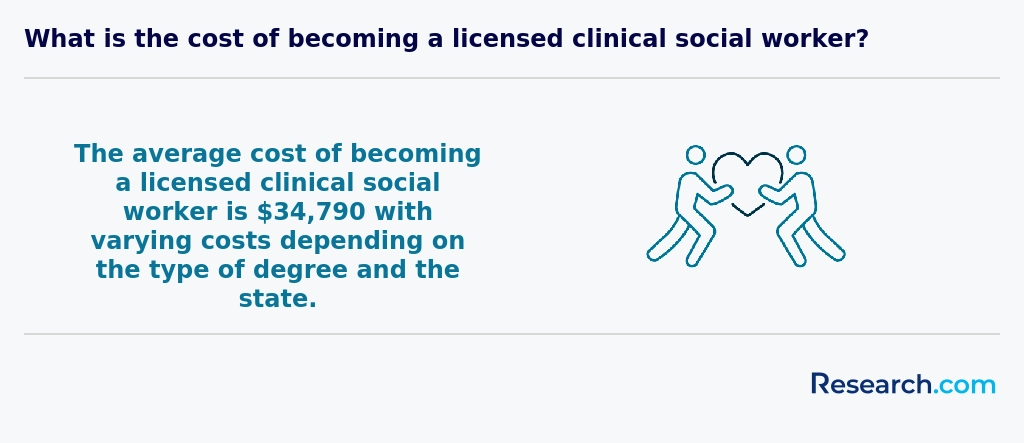
Becoming a licensed social worker in Iowa involves a clear sequence of accreditation, supervised practice, and examination steps designed to ensure both competency and ethical standards. First, graduates must earn a CSWE-accredited degree-either a Bachelor of Social Work (BSW) for the Licensed Bachelor Social Worker (LBSW) credential or a Master of Social Work (MSW) for the Licensed Independent Social Worker (LISW) credential. After graduation, candidates apply to the Iowa Board of Social Work for licensure approval, submit official transcripts, and verify their degree program meets Council on Social Work Education standards. Next, supervised practice is required: LBSW applicants complete 3,000 hours of supervised work over two years, while LISW applicants must accrue 4,000 hours, including at least 2,000 post-master’s clinical hours under a board-approved supervisor. During this period, professionals develop expertise in assessment, intervention, and ethical decision-making. Detailed record-keeping of client contact hours and supervisor evaluations is essential to satisfy board requirements and to prepare for the licensure exam. Upon fulfilling supervised practice, candidates schedule and pass the ASWB exam-nationally recognized and tailored to the appropriate licensure level. The Iowa Board requires a minimum score of 75% on the ASWB Bachelor’s exam for LBSW or the ASWB Advanced Generalist or Clinical exam for LISW. Once licensed, social workers must complete 30 continuing education hours every two years, including ethics and professional development, to maintain good standing. For students weighing program costs and looking beyond Iowa, our Most Affordable Social Work Degree Programs Ranking in Alabama offers comparative insights that can inform decisions about tuition, financial aid, and long-term return on investment. By understanding Iowa’s licensing pathway and examining cost-effective options in other states, prospective social workers can strategically plan their education and career trajectory.
What courses are typically in online social work degree programs in Iowa?
Online social work degree programs in Iowa typically include courses that blend theory and practical skills, designed to prepare students for real-world challenges. Graduates from popular schools like the University of Iowa and Iowa State University often share how courses such as Human Behavior in the Social Environment helped them understand diverse client backgrounds, making their fieldwork more impactful. For example, one graduate described applying psychological theories learned online to support families in rural Iowa effectively.
Courses like Social Welfare Policy and Services focus on Iowa-specific programs, enabling students to navigate state policies with confidence. Many find this empowering, especially when advocating for vulnerable populations during internships at local agencies. Meanwhile, Research Methods and Statistics equip students to critically assess social programs, a skill praised by those working on community health projects.
Ethics and professional development are also emphasized, embodying the standards set by the NASW Iowa Chapter. Students appreciate how these courses prepare them for ethical dilemmas they encounter in practice, fostering trust and accountability in their roles. Iowa's online field practicum remains a cornerstone, providing hands-on experience under local supervision, which many describe as the most rewarding part of their studies.
What types of specializations are available in online social work degree programs in Iowa?
Online social work degrees in Iowa offer a range of specializations that reflect both evolving community needs and emerging trends within the profession. Graduates from popular programs at colleges such as the University of Iowa and Iowa State University often share stories of how their clinical social work focus prepared them to provide critical mental health services, meeting the growing demand seen across the state. Others highlight how specializations like child and family social work deeply connected them to transformative work within foster care systems, fostering a strong sense of fulfillment.
Future students pursuing the best Iowa MSW degree concentration options can expect pathways in gerontology as the aging population increases, or school social work, where graduates support student success amid rising behavioral challenges. These real-life examples resonate profoundly in an online format, allowing flexibility while addressing Iowa's unique workforce needs.
Forward-thinking students also explore community and policy practice, inspired to engage in social reforms shaping the state. Alongside Iowa-focused options, some students navigate the New Mexico counseling license process to broaden their credentials and opportunities beyond regional borders.
How do you choose the best online social work degree in Iowa?
Choosing the best online social work degree in Iowa means focusing on accredited programs that marry flexibility with rigorous fieldwork, especially at well-regarded institutions like the University of Iowa and Iowa State University. Graduates often share how seamless virtual classes paired with local field placements helped them balance work, family, and studies while preparing for Iowa's licensure exams. Affordable Iowa online MSW degrees attract many out-of-state learners seeking cost-effective options without sacrificing quality.
Look beyond tuition costs to program features such as partnerships with Iowa-based agencies for supervised field hours, which are crucial for licensure. Many students appreciate programs that integrate technology with live discussions and asynchronous lectures, allowing them to engage meaningfully on their own schedules. Ranking reviews and faculty expertise also help prospective students feel confident in their choice.
Furthermore, expanding your expertise with courses connected to psychology professionals' education may offer broader career paths, meeting the growing demand in Iowa's evolving social work landscape.
What career paths are available for online social work degree students in Iowa?
Graduates with an online social work degree in Iowa find diverse career paths reflecting the state's evolving community needs. Many pursue roles as healthcare social workers, supporting patients in hospitals or mental health clinics, often driven by a passion to make a tangible difference in lives. Clinical therapist positions, particularly for those obtaining the LISW credential, open doors to specializing in behavioral health or substance abuse treatment, a path that graduates from well-regarded Iowa universities enthusiastically embrace.
Child welfare offers another fulfilling route, with agencies requiring dedicated specialists to ensure the safety and well-being of vulnerable children. Graduates often share how working in protective services or foster care brings deep personal satisfaction, knowing their efforts reshape futures. School social work roles in Iowa are increasingly vital as awareness of student mental health grows, enabling social workers to collaborate closely with educators and families.
Looking forward, careers in policy analysis or community advocacy are expanding, especially for graduates from Iowa colleges who value leadership roles in nonprofit or public health sectors. For those exploring interdisciplinary interests, universities in Iowa provide pathways that combine social work with broader mental health studies, similar to models seen in psychology graduate programs in Washington. This blend enriches career potential in growing fields.
Online social work careers in Iowa will likely continue adapting to rural and urban demands, encouraging innovative, compassionate approaches to social challenges.
What is the job market for online social work degree in Iowa?
The job market for graduates with an online social work degree in Iowa is expanding steadily, offering promising opportunities across healthcare, child welfare, and mental health services. Many graduates from well-regarded Iowa universities share how their online MSW programs equipped them to confidently navigate roles in Des Moines and Cedar Rapids, where demand for licensed social workers is growing.
These cities, along with Davenport, serve as hubs for social services jobs, giving online social work degree holders a solid foundation to launch careers that make real community impacts. Graduates often describe rewarding experiences working with foster care systems or supporting addiction recovery programs, reflecting the diverse pathways available within Iowa social work career opportunities.
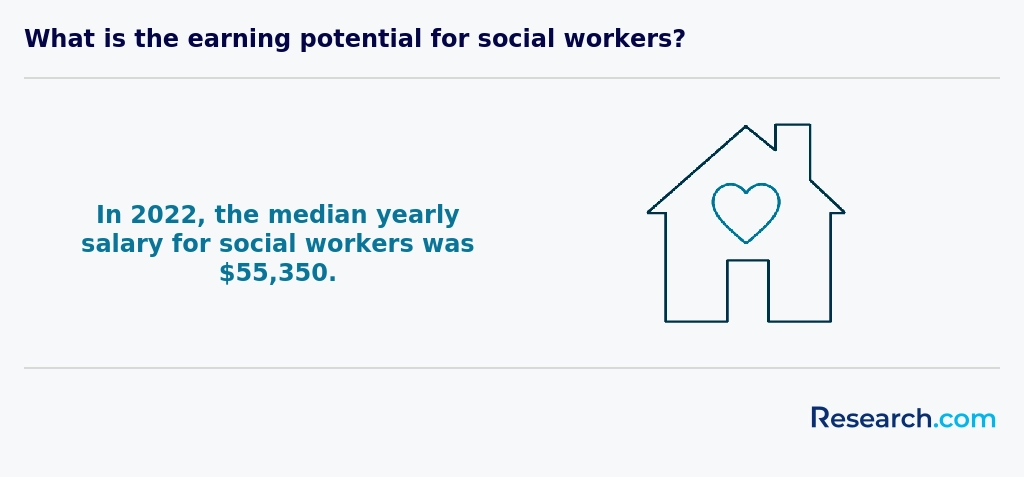
Financially, while the median annual wage is around $52,000, those with specialized skills from online programs note the potential for growth in both salary and job responsibility. The availability of affordable state universities in Iowa reduces financial barriers, encouraging more students to pursue this vital profession.
Prospective students exploring their options can also discover the best careers with social work degree to align their ambitions with real-world demand, especially within the evolving landscape of online social work jobs in Iowa.
Frequently Asked Questions About social work
Online social work degree students in Iowa can enhance their learning by actively engaging with both their coursework and the broader professional community. Utilizing interactive tools such as discussion boards and video conferencing helps simulate in-person collaboration, which is vital for developing communication skills.
Students should also seek field placements within Iowa's diverse social service agencies, as practical experience is a crucial part of social work education mandated by the Council on Social Work Education (CSWE). According to the Iowa Board of Social Work, completing supervised internships improves job readiness and licensure eligibility.
Additionally, leveraging state-specific resources like the Iowa Social Work Exam Preparation programs can strengthen knowledge of local laws and ethical standards.
Emerging niches in the social work field are reflecting broader societal changes and growing community needs. In Iowa, rural mental health is a key area, as many communities face shortages of trained professionals. Addressing substance abuse disorders and integrating social work with telehealth services are expanding rapidly. Geriatric social work also sees growth due to Iowa's increasing older adult population. Additionally, school-based social work is gaining importance, focusing on student wellness and behavioral support. According to the Iowa Department of Public Health, these areas align with state efforts to improve mental and behavioral health care access across underserved regions.
After earning an online social work degree in Iowa, preparing for the job market involves several key steps. Begin by obtaining licensure through the Iowa Board of Social Work, which typically requires passing the ASWB exam. This credential is essential for clinical and advanced practice roles.
Networking with local social service agencies and joining the Iowa Chapter of the National Association of Social Workers can connect graduates with job opportunities. Iowa's demand for social workers is projected to grow by 12% through 2030, according to the U.S. Bureau of Labor Statistics, reflecting a strong job market.
Gaining experience through internships or volunteer work also enhances employability and skill development.
Employers in Iowa value several key skills when hiring graduates with online social work degrees. Critical among them is cultural competence, reflecting Iowa's growing diversity. Social workers must understand and respect varied backgrounds to serve families effectively, according to the Iowa Board of Social Work.
Strong communication skills are essential, both for client interaction and collaboration with multidisciplinary teams. Employers also prioritize problem-solving abilities, enabling social workers to develop practical solutions in complex situations.
Knowledge of state-specific policies and regulations, including child welfare laws, is another top skill, as Iowa has particular licensing requirements overseen by the Iowa Department of Public Health. Ethical decision-making and adherence to professional standards remain foundational across the state's social work roles.
Finding internships relevant to a social work degree in Iowa involves strategic steps to connect with approved agencies and organizations. The Iowa Board of Social Work requires supervised field experiences for licensure, making internships essential. Students should start by consulting their online program's field education office, which often partners with local healthcare facilities, schools, and non-profits. Networking through the Iowa Department of Human Services, which employs many social workers, also opens opportunities.
Moreover, Iowa offers resources like the Iowa Social Work Education Consortium that connects students with agencies. In 2023, over 60% of social work interns in Iowa worked in mental health or child welfare settings, reflecting demand areas. Utilizing job boards from the National Association of Social Workers Iowa chapter adds further avenues.
Obtaining an online social work degree in Iowa can significantly enhance career mobility and advancement opportunities. In Iowa, licensed social workers with a Master of Social Work (MSW) often access higher-paying roles in healthcare, education, and government sectors. According to the Iowa Department of Public Health, the state anticipates a growing demand for social workers, particularly in rural areas where mental health services are expanding.
Online MSW programs provide flexibility for working professionals, enabling them to maintain employment while earning credentials that qualify them for clinical licensure. This licensure is essential for advancement to roles such as Licensed Independent Social Worker (LISW).
Data from the Bureau of Labor Statistics shows Iowa's median annual wage for social workers is about $56,000, with licensed practitioners earning more due to advanced skills and credentials.
Studying for a social work degree in Iowa equips students with skills to collaborate across disciplines such as healthcare, education, and criminal justice. Iowa's accredited programs emphasize teamwork, critical thinking, and communication, preparing graduates for diverse settings. According to the Iowa Board of Social Work, programs include coursework in policy, ethics, and human behavior that foster understanding of complex social issues.
Online degrees often integrate case studies involving interdisciplinary coordination, reflecting real-world practice. This approach aligns with national standards set by the Council on Social Work Education, ensuring Iowa students can effectively engage with professionals in related fields. Such preparation increases employability in multidisciplinary teams throughout the state.
Choosing between a thesis and a non-thesis social work degree program in Iowa depends largely on your career goals and learning preferences. Thesis programs require original research, which suits students interested in academic careers or advanced clinical roles. They enhance critical thinking and can prepare you for doctoral studies. Non-thesis options focus on practical skills and applied knowledge, appealing to those prioritizing immediate employment in social work practice.
In Iowa, the demand for licensed social workers is expected to grow by 12% through 2030, according to the Iowa Workforce Development. This highlights the value of practical experience often emphasized in non-thesis tracks. Reviewing program accreditation by the Council on Social Work Education (CSWE) can also guide your decision.
Students in Iowa seeking to study social work abroad through online degrees have limited direct options. Most social work programs accredited by the Council on Social Work Education (CSWE) are based in the U.S., and international social work degrees may not always meet Iowa licensure requirements.
However, some Iowa universities partner with foreign institutions for study abroad or international internship opportunities as supplements to online coursework. These options help students gain global perspectives while completing approved online credits.
According to the Iowa Board of Social Work Examiners, social work candidates must graduate from CSWE-accredited programs to obtain licensure. This means that while online degrees with international components exist, the core curriculum usually needs to be U.S.-accredited.
Students should verify with their program advisors about any international study components, ensuring they align with Iowa's licensure standards.
Part-time job opportunities in Iowa that complement social work degree education include roles such as case aides, community outreach assistants, and crisis hotline volunteers. These positions provide practical experience working with vulnerable populations, a key component of social work training. According to the Iowa Workforce Development, healthcare support occupations, including social assistance roles, are expected to grow by 11% through 2030, reflecting strong demand in the state.
Positions in nonprofit organizations and government agencies also offer valuable skills in client advocacy and resource coordination. These jobs often allow flexible schedules, ideal for students balancing coursework and employment.
Engaging in such roles enhances understanding of Iowa's specific social service needs, preparing students for advanced responsibilities after graduation.
Online social work students in Iowa have multiple networking opportunities despite the remote format. Many universities offering social work degrees encourage participation in virtual study groups and discussion forums, fostering peer connections. Additionally, students gain access to Iowa-based professional organizations such as the Iowa Chapter of the National Association of Social Workers (NASW), which hosts online events, webinars, and local meetups.
Field placements, a core component of social work degrees, also provide essential face-to-face networking with licensed professionals. These internships often take place in Iowa's diverse social service agencies, bridging classroom learning with real-world experience.
According to NASW Iowa, active membership enhances job prospects by connecting students to mentors and statewide social work leaders.
Alumni networks provide valuable support to online social work degree students in Iowa by connecting them with experienced professionals across the state. These networks offer mentorship opportunities, which are crucial for career development and practical guidance in social work settings.
Many Iowa social work programs have active alumni groups that facilitate job referrals and internships, enhancing students' chances of employment after graduation. According to the National Association of Social Workers, Iowa's social work community strongly values networking for both continuing education and professional advancement.
Access to an alumni network can also help students stay informed about local social service trends and state-specific licensure changes. This ongoing connection is essential for maintaining a competitive edge in Iowa's growing social work field.
Customizing an online social work degree in Iowa allows students to align their education with specific career goals. Many programs offer elective courses focusing on areas like child welfare, mental health, or gerontology, helping students tailor their learning to preferred specialties. Additionally, Iowa's Council on Social Work Education (CSWE) accredited schools often provide flexible practicum placements throughout the state, enabling students to gain hands-on experience in settings that match their interests.
The ability to choose between generalist and advanced clinical practice tracks also helps shape career direction. According to the Iowa Board of Social Work, licensure requirements vary by specialization, so selecting courses that meet these standards benefits future professional eligibility.
Online social work students in Iowa often face challenges related to balancing coursework with personal and professional responsibilities. Many students are working adults who must manage jobs, families, and studies simultaneously, which can lead to time management difficulties. Additionally, Iowa requires specific field practicum hours for social work licensure, and arranging these placements remotely can be complicated due to geographic and organizational barriers. Internet connectivity, especially in rural areas of Iowa, can also hinder access to live lectures and timely submission of assignments. According to the Iowa Board of Social Work, navigating state licensure requirements adds complexity for online students aiming to practice locally.
With an online social work degree in Iowa, graduates can pursue several professional certifications to enhance their careers. The most common certification is the Licensed Certified Social Worker (LCSW), required for clinical practice and recognized statewide. To become an LCSW in Iowa, candidates must complete a master's degree accredited by the Council on Social Work Education (CSWE) and pass the Association of Social Work Boards (ASWB) clinical exam.
Apart from the LCSW, there is the Licensed Social Worker (LSW) credential, which allows graduates to work in non-clinical social work roles. Iowa's Department of Public Health provides updated requirements and exam details. Specialized certifications in areas like substance abuse or school social work are also available through national organizations, helping professionals focus their expertise.
To write a winning application for an online social work program in Iowa, start by thoroughly researching accredited schools recognized by the Council on Social Work Education (CSWE). Iowa values applicants with clear goals aligned to community welfare and social justice issues impacting the state, such as rural health care and substance abuse.
Highlight relevant experience, including volunteer or work history in social services, as Iowa's workforce needs professionals skilled in addressing mental health and child welfare challenges.
Strong letters of recommendation from supervisors or professors familiar with your social work potential can improve your chances. Additionally, craft a personal statement that clearly conveys your commitment to making a positive impact in Iowa communities.
According to Iowa's Board of Social Work, about 30% of licensed social workers hold master's degrees, so emphasizing your readiness for graduate-level study is important.
The field of social work is recognized globally for its focus on improving the well-being of individuals and communities. In the United States, including Iowa, social workers address diverse issues like mental health, child welfare, and addiction. The U.S. Bureau of Labor Statistics projects a 12% growth in social work jobs nationally through 2031, reflecting high demand. Globally, social work careers share a commitment to social justice and human rights. Organizations such as the International Federation of Social Workers promote ethical standards that influence education and practice worldwide, aligning with the values taught in Iowa's online social work degrees.
Global perspectives emphasize adaptability and cultural competence, helping U.S. social workers engage effectively in international and multicultural contexts. Iowa's educational programs integrate these concepts to prepare graduates for diverse populations. This approach reflects the increasing globalization of social challenges and highlights the relevance of Iowa's online social work degrees for students aiming to impact both local and global communities.
Gaining practical experience while pursuing an online social work degree in Iowa is essential to meet the state's licensure requirements. Students typically complete supervised field placements or internships approved by their university's social work program. These experiences often occur in community agencies, hospitals, or schools throughout Iowa, allowing students to build hands-on skills.
The Iowa Board of Social Work Examiners requires at least 900 hours of supervised experience for clinical licensure, which many programs integrate into their curriculum. Schools collaborate with local organizations to facilitate placements near students' homes. This approach supports learning without disrupting remote study.
According to Iowa Workforce Development, social work jobs are growing by 12% statewide, reflecting increasing demand for trained professionals with practical backgrounds. Utilizing these placements helps students align theory with real-world practice, improving employment prospects.
Choosing the right concentration within an online social work degree program in Iowa depends largely on your career goals and the community needs. Common concentrations include clinical social work, school social work, and healthcare social work. Iowa's demand for social workers is strong, with the Iowa Workforce Development projecting a 12% growth in social services jobs through 2030.
Consider if you prefer working directly with patients, families, or within institutions. Clinical social work often requires licensure and focuses on mental health. School social work requires understanding of educational environments, while healthcare social work ties closely to hospitals and long-term care.
Review course offerings and practicum sites in Iowa to ensure alignment with licensure requirements from the Iowa Board of Social Work.
Related Social Work Rankings for Nearby States
- 2027 Easiest Online Master's in Social Work Degree Programs Ranking in Alabama
- 2027 Easiest Online Master's in Social Work Degree Programs Ranking in Texas
- 2027 Easiest Online Master's in Social Work Degree Programs Ranking in Pennsylvania
- 2027 Easiest Online Master's in Social Work Degree Programs Ranking in Massachusetts
- 2027 Easiest Online Master's in Social Work Degree Programs Ranking in Maine
- 2027 Easiest Online Master's in Social Work Degree Programs Ranking in California
Top Trending Social Work Rankings
See What Experts Have To Say About Studying Social Work
Read our interview with Social Work experts

References
- 6 Ways Pacific Oaks College Prepares Social Workers To ... https://www.pacificoaks.edu/voices/from-the-magazine/6-ways-pacific-oaks-college-prepares-social-workers-to-support-children-in-the-real-world/
- Best Affordable Master's Degree In Social Work https://www.psychology.org/social-work/best-affordable-masters-programs/
- Social Work https://www.briarcliff.edu/current-chargers/academics/social-work
- Social Work | EICC https://eicc.edu/classes-programs/pathway/culinary-education/social-work-transfer/default.aspx
- Social Work Transfer Major, AA Degree https://iowalakes.edu/program/social-work-transfer-major/
- Iowa BSW Programs: 7 Accredited Schools & Salaries 2026 https://www.socialworkdegrees.org/program/bachelors/iowa
- Career-Connected Learning (Career Exploration & Work ... https://educate.iowa.gov/higher-ed/cte/iowa-quality/career-connected-learning
- 2026 Most Affordable Online MSW Programs https://www.onlineu.com/most-affordable-colleges/msw-degrees
- Social Work Transfer Major AA | SCC Iowa https://www.scciowa.edu/programs/pathways/behavioral-and-social-science/social-work-transfer-major.aspx
- University of Iowa Online MSW Program https://www.onlinemswprograms.com/school-profiles/university-of-iowa-online-msw-program/


