
2027 Most Affordable Online Master's in Social Work Degree Programs Ranking in Maine

Co-Founder and Chief Data Scientist
Choosing the right online Master's in Social Work program in Maine can feel overwhelming. That's why this article presents the 2027 Most Affordable Online Master's in Social Work Degree Programs Ranking in Maine, created by Research.com's team of data scientists. It offers clear, trustworthy insights to help you find programs that balance quality and affordability.
Whether you're starting or advancing your career, earning a social work degree opens doors to meaningful opportunities. Exploring this ranking will give you confidence in making an informed decision toward a fulfilling future.
Key benefits of getting online social work degree in Maine
- Graduates with a social work degree in Maine can expect competitive salaries, such as Clinical Social Workers earning about $68,800 annually and School Social Workers around $59,190 yearly.
- Career options for social work graduates include roles in clinical settings, schools, and policy analysis, providing diverse opportunities to make a meaningful impact in the community.
- Online social work degrees offer flexibility and accessibility, allowing students in Maine to balance studies with personal commitments while gaining credentials from respected institutions.
- Key benefits of getting online social work degree in Maine
- What can I expect from online social work degree in Maine?
- Where can I work with online social work degree in Maine?
- How much can I make with online social work degree in Maine?
- 2027 Most Affordable Online Master's in Social Work Degree Programs Ranking in Maine
- Key Findings
- How long does it take to complete online social work degree in Maine?
- What's the difference between online and on-campus social work degree?
- Licensure and Certification Pathways in Maine
- What is the average cost of online social work degree in Maine?
- Professional Development & Career Advancement in Social Work
- What financial aid is available to online social work degree students in Maine?
- Advanced Standing and Credit Transfer Options
- What are the prerequisites for enrolling in online social work degree program in Maine?
- Most Affordable Online Social Work Programs in Maine: A Comprehensive Guide
- What courses are typically in online social work degree programs in Maine?
- What types of specializations are available in online social work degree programs in Maine?
- How do you choose the best online social work degree in Maine?
- What career paths are available for online social work degree students in Maine?
- What is the job market for online social work degree in Maine?
- Related Social Work Rankings for Nearby States
- Top Trending Social Work Rankings
- See What Experts Have To Say About Studying Social Work
What can I expect from online social work degree in Maine?
The average cost of an online social work degree in Maine varies but typically ranges between $25,000 and $40,000 for a full Master of Social Work program. Graduates from well-known institutions in Maine, such as the University of Southern Maine, often share that the investment felt manageable given the flexibility and local practicum opportunities the programs provide.
Students appreciate that these programs balance online coursework with in-person placements at agencies nearby, helping them build real-world skills without relocating. Many describe feeling supported financially through scholarships or employer tuition assistance, which made the price more accessible while maintaining their work and family lives.
Because these programs are CSWE-accredited, graduates report feeling confident that their tuition dollars went toward a credential recognized statewide, making licensure attainable. For example, one graduate recalled securing a practicum at a local health center, which not only fulfilled degree requirements but also boosted their job prospects in Maine's growing social work field.
Where can I work with online social work degree in Maine?
Graduates with an online social work degree in Maine typically find job opportunities across healthcare, child welfare, education, and community mental health settings. For example, many who studied at the University of Southern Maine or Husson University quickly secure roles in hospitals or nursing care facilities in cities like Portland and Bangor, supporting patients and families during challenging times. These positions often require a Master of Social Work (MSW) and, for clinical roles, licensure from the Maine Board of Social Work Licensure.
Others graduate to work with the Department of Health and Human Services, assisting with foster care and family support programs, especially in rural areas where demand is high. School social work roles are common for graduates focused on youth, helping at-risk students navigate emotional and behavioral challenges in Maine's public schools.
Non-profits and mental health centers offer options for licensed clinical social workers to provide counseling, while some graduates confidently launch private practices after gaining experience. Practical experience combined with local licensure opens many doors, making this a rewarding, community-focused career path in Maine.
How much can I make with online social work degree in Maine?
Graduates with an online social work degree from universities in Maine often see starting salaries around $40,000 to $45,000, especially in entry-level roles. Those who pursue licensure or specialize tend to earn more. For example, clinical social workers in Maine report a mean annual wage of approximately $68,800, reflecting the advanced skills and responsibilities they bring to healthcare or mental health settings.
A graduate who chooses school social work might expect around $59,190 annually, a rewarding role involving direct support to children and families in educational environments. Medical social workers earn close to $67,430 on average, blending healthcare knowledge with social services to support patients effectively.
Graduates from popular Maine colleges appreciate that advancing their credentials and experience can push salaries toward or beyond $70,000. Real-life stories from students who started online social work programs at these schools highlight how gaining licensure and focusing on specialized fields produces both financial stability and personal fulfillment in their careers.
Social work roles in Maine benefit from steady demand and supportive community programs, making the salary figures promising for those embarking on this path.
2027 Most Affordable Online Master's in Social Work Degree Programs Ranking in Maine
How do we rank schools?
Investing in your education is a significant decision that can greatly influence your future, and the Research.com team is committed to supporting students in making well-informed choices. To aid those interested in social work, we have carefully developed the "2027 Most Affordable Online Master's in Social Work Degree Programs Ranking in Maine." Our dedication to quality, credibility, and accuracy is demonstrated through rigorous research and analysis.
We utilized the following reputable data sources to ensure a thorough evaluation of social work programs:
By reviewing this ranking, readers will gain essential insights into affordable, high-quality online social work master's programs in Maine, empowering them to select the best fit for their educational and professional goals. For further information about our methodology, please visit our Research.com methodology page.


Key Findings
- Online social work degrees in Maine are available through accredited programs offering bachelor's and master's degrees in fully online or hybrid formats.
- Tuition for a full master's degree ranges from $12,000 to $25,000, with public universities usually offering lower rates for in-state residents.
- The average starting salary for social workers in Maine is between $40,000 and $45,000 annually, increasing to $55,000 to $60,000 with experience.
- Employment for social workers in Maine is expected to grow by about 7% over the next decade, driven by needs in mental health, child welfare, and elder care.
- Most online programs require a local field practicum or internship in Maine to meet licensure requirements, including supervised clinical hours and passing the ASWB exam.
How long does it take to complete online social work degree in Maine?
Completing an online social work degree in Maine typically takes anywhere from one to four years, depending on your program and enrollment pace. For example, full-time students at popular schools like the University of Southern Maine often finish a Bachelor of Social Work (BSW) in about four years. Graduates frequently mention how accelerated options helped them leverage prior college credits to graduate in three years, saving time and tuition.
Master's programs tend to be quicker for those with a BSW. Many students at institutions such as the University of New England find that advanced standing can reduce their Master of Social Work (MSW) to just one year of full-time study. Others balancing jobs choose part-time paths, extending completion to three or four years-allowing a manageable work-study balance.
Local fieldwork, mandatory for licensure, often requires scheduling careful time management, but students appreciate how it connects theory to real-world social service in their Maine communities.
What's the difference between online and on-campus social work degree?
Choosing between online and on-campus social work degrees in Maine comes down to lifestyle and learning preferences. Graduates from the University of Maine note that online programs offer unmatched flexibility-allowing you to study between work shifts or family duties without commuting to Orono. The use of video lectures and virtual discussions means you can engage with classmates on your schedule, an advantage if you live in remote areas or juggle busy days.
By contrast, graduates from Portland-based schools often highlight the energy of on-campus learning. Face-to-face classes provide immediate interactions with faculty and peers, fostering a strong sense of community and quick access to campus resources. This setting suits those who thrive on in-person feedback and networking opportunities crucial for social work practice.
Both formats in Maine include supervised field placements required for licensing, keeping practical training consistent. Understand that tuition is usually similar, but online study can save you commuting and housing costs, easing financial stress while maintaining accredited standards.
Licensure and Certification Pathways in Maine
Obtaining licensure is a critical step for online Master’s in Social Work (MSW) graduates in Maine who wish to practice clinically or pursue leadership roles. The Maine State Board of Social Worker Licensure requires:
- A CSWE-accredited MSW degree and accredited BSW prerequisite
- Completion of 3,000 supervised practice hours, typically over 24–36 months
- Passage of the Association of Social Work Boards (ASWB) Clinical exam To prepare effectively: 1. Enroll in practicum-focused courses that align with ASWB competencies. 2. Track supervised hours using your institution’s field education portal. 3. Leverage workshops and study guides offered by the NASW Maine Chapter. Maintaining your Licensed Clinical Social Worker (LCSW) status in Maine involves 40 hours of approved continuing education every two years, including ethics, cultural competence, and trauma-informed practice. Many online programs partner with local agencies to facilitate licensure seminars and mock exam sessions. For students comparing affordability across regions, our sister ranking on affordable out-of-state options-see the Low Cost Social Work Degree Programs Ranking in Iowa-can offer additional context on tuition and licensure support services.
What is the average cost of online social work degree in Maine?
The average cost of an online social work degree in Maine typically ranges around $41,721 to $45,344 total tuition depending on whether you qualify for in-state or out-of-state rates. Graduates from well-known public universities in Maine report that while tuition can feel like a significant investment, the overall value is strong given the reputation and support the programs offer. For example, students at institutions with strong online offerings appreciate the balance between affordability and access to quality faculty and resources. This practical approach to budgeting can be reassuring for those weighing options among affordable online social work master's programs Maine.
Students often find that the per-credit cost aligns with the figures reported by regional universities, hovering between $500 and $850 per credit hour. Private colleges tend to charge more, sometimes exceeding $1,000 per credit hour, which pushes total program costs above $45,000. Graduates often share that knowing these ranges beforehand allowed them to plan effectively for expenses like books, technology, and any required fieldwork, helping to avoid surprises during their studies.
As you consider the financial aspect, it's helpful to explore financial aid and scholarships early to make your plan more manageable. Reliable details on costs, specific to programs in Maine, are available on university websites and education-focused outlets. You can also find useful information at https://research.com/degrees/social-work-degree, where the average cost of online social work degree in Maine is detailed along with other helpful resources.
Professional Development & Career Advancement in Social Work
Beyond choosing an affordable program, investing in your long-term career success is essential. Social work professionals in Maine are encouraged to pursue continuous learning, certifications, and networking opportunities to stay competitive. Engaging in internships, workshops, and industry conferences enhances practical skills while building a robust professional network. Recent graduates have reported that proactive career planning, including seeking mentorship and specialty training, has boosted their workplace confidence and opened leadership roles. For those drawn to advanced practice, exploring pathways to specialize-such as transitioning to clinical practice-is a strategic move. Aspiring practitioners can explore detailed guidance on career progression by learning how to become a dedicated expert in their field; for example, check out what it takes to become a mental health social worker how to become. This focused approach not only strengthens your resume but also lays a solid foundation for long-term job satisfaction and increased earning potential.
What financial aid is available to online social work degree students in Maine?
Students pursuing an online social work degree in Maine can tap into various financial aid options to ease the burden of tuition. Graduates from the University of Southern Maine often share how federal aid, like Pell Grants and Grad PLUS Loans via FAFSA, provided a solid foundation for covering costs. These federal loans come with flexible repayment plans tailored to graduate students, making budgeting more manageable.
Maine residents should also look into state-based support like the Maine State Grant Program, which has helped many social work students at the University of Maine System reduce out-of-pocket expenses. Institutional scholarships and assistantships targeted at social work students are commonly awarded and can feel like a game-changer for those balancing jobs and studies.
Additionally, scholarships from partnerships with organizations such as the National Health Service Corps or local NASW chapters often reward students willing to serve underserved communities, adding a meaningful financial boost. Employer tuition assistance is another practical route, especially for healthcare or social service workers in Maine aiming to advance their careers without overwhelming debt.
Advanced Standing and Credit Transfer Options
Students holding a CSWE-accredited BSW can qualify for advanced standing in online MSW programs in Maine, shaving up to 30 credits off the standard curriculum and reducing tuition costs. By leveraging your undergraduate coursework in foundational social work subjects-such as human behavior, social welfare policy, and research methods-you enter an accelerated track that typically shortens completion time by 12–18 months. Eligibility requirements often include a minimum GPA (usually 3.0 or higher) and official transcripts verifying your BSW concentration. Most programs require an application addendum outlining field practicum experiences. Prospective applicants should consult a program advisor early to confirm credit evaluations and ensure seamless transfer. For a curated list of top accelerated pathways, explore our msw advanced standing online programs guide. Advanced standing not only expedites your path to licensure but also maximizes return on investment by minimizing both time and tuition outlays-critical factors for Maine students balancing professional commitments and budget constraints.
What are the prerequisites for enrolling in online social work degree program in Maine?
To enroll in an online social work degree in Maine, you'll first need a high school diploma or GED if pursuing a bachelor's degree. Most programs at colleges like the University of Southern Maine require a minimum GPA around 2.5 to show you're ready for the coursework. While standardized tests such as the SAT aren't always mandatory, having solid grades helps smooth your admission path.
If you're aiming for a Master of Social Work (MSW), be ready to present a bachelor's degree from an accredited school-some graduates from regional universities shared this was a key checkpoint. A GPA of 3.0 or higher is often expected to handle the graduate-level rigor. You'll also want to prepare letters of recommendation and a thoughtful statement of purpose, reflecting not just your academic strengths but your passion for social work and community impact.
Maine programs emphasize CSWE accreditation, ensuring your degree leads to licensure opportunities. Many students found arranging local internships essential; for example, securing field practicum hours nearby helped graduates build practical skills while balancing family life.

Most Affordable Online Social Work Programs in Maine: A Comprehensive Guide
To find the most affordable online social work programs in Maine, prospective students should research and compare the costs of different programs. For those interested in pursuing a career in social work, it's essential to consider the affordability of the programs they are interested in. Affordable Social Work degrees in Maine can be a great option for those who want to pursue a career in social work without accumulating a significant amount of debt. By exploring different options and comparing costs, students can find a program that fits their budget and meets their academic and professional goals. For more information on affordable social work programs in Maine, students can visit online resources that provide rankings and reviews of different programs.
What courses are typically in online social work degree programs in Maine?
Online social work degrees in Maine commonly include core courses like human behavior and the social environment, social welfare policy, and ethics-which build a solid foundation for understanding complex social systems. Graduates from well-known Maine institutions often describe how these classes helped them navigate real-life dilemmas, such as advocating for elderly clients facing healthcare challenges.
Practical courses in clinical social work, counseling, and case management are essential in these programs. For example, students from the University of Maine highlight how learning intervention techniques prepared them to assist families dealing with substance abuse, a pressing issue in many local communities.
Research methods and statistics classes equip students with tools to analyze data and implement evidence-based solutions, a skill praised by recent graduates working in child welfare agencies across the state.
Maine's programs emphasize field education too. Though practicum placements happen in person, these real-world experiences allow students to apply their knowledge directly in local social service agencies, making the training meaningful and tailored to Maine's unique rural settings.

What types of specializations are available in online social work degree programs in Maine?
Online social work degree programs in Maine typically offer a range of specializations tailored to real-world practice. Graduates from popular colleges in Maine often choose Clinical Social Work, preparing them for roles in mental health treatment and qualifying for the Licensed Clinical Social Worker (LCSW) credential, which employers highly value. Others focus on Child and Family Welfare, gaining skills to support vulnerable children and families through child protection or foster care services, aligning closely with Maine's community needs.
Students pursuing gerontology specialize in working with Maine's rapidly aging population, addressing vital concerns such as elder abuse and long-term care. Community and Policy Practice attracts individuals eager to influence local government and nonprofit programs, a common calling for those passionate about systemic change.
School Social Work is another key specialization, supporting student mental health in alignment with Maine's growing emphasis on social-emotional learning. One Maine graduate described the practical impact of this training, highlighting how it opened doors to school districts needing skilled social workers. For those balancing costs, exploring affordable online MSW degree options Maine schools offer can be critical. Some even combine these studies with fields like psychology, demonstrating cost-effective pathways such as a sports psychology degree cost comparison to inform decisions.
How do you choose the best online social work degree in Maine?
Start by verifying that the online social work program is accredited by the Council on Social Work Education (CSWE). Graduates from popular Maine colleges often praise how this accreditation made licensure for the Licensed Clinical Social Worker (LCSW) exam easier, a necessary step for clinical practice in the state. Look for programs that offer asynchronous courses to fit study around work or family life, a benefit many Maine students appreciate when balancing busy schedules.
Compare tuition costs carefully, focusing on affordable online social work degrees in Maine. Many programs give in-state students lower rates, and exploring scholarships or financial aid can make grad school more manageable. Graduates from Maine schools often mention how local practicum options helped meet licensing requirements without unnecessary travel.
Examine course options for specializations like clinical or community practice to align with career goals. Faculty experts at Maine colleges also enhance learning with real-world insights. For those interested in high-paying clinical psychology careers, related programs may offer valuable crossover skills, opening additional paths in mental health fields. Choose a program with strong graduation rates and robust tech support to feel confident and connected throughout your studies.
What career paths are available for online social work degree students in Maine?
Graduates with an online social work degree in Maine often pursue becoming Licensed Clinical Social Workers (LCSWs), which opens doors to providing mental health counseling in hospitals, private practices, or community centers. Many social work students from well-known Maine universities share how this licensure helped them build rewarding careers supporting individuals through therapy and crisis intervention.
Other career paths include child, family, and school social work, where graduates work within public welfare agencies or schools to promote child safety and family stability. Those focused on healthcare social work find meaningful roles assisting patients with chronic illnesses, collaborating closely with medical teams in Maine's growing healthcare sector. These examples highlight the practical, impactful opportunities available through online social work careers in Maine.
Policy and community social workers also find meaningful roles advocating for vulnerable populations through nonprofits and state programs. Cost-conscious students appreciate that Maine's public universities offer competitive tuition, making degrees more affordable when preparing for these varied social work roles. For guidance on counseling licensure, exploring affordable LPC programs Georgia can provide useful comparative insights.

What is the job market for online social work degree in Maine?
Graduates with an online social work degree in Maine find strong social work job opportunities in Maine, especially within healthcare facilities, schools, and community organizations. Many who attended renowned programs in the state, such as those at the University of Southern Maine or Southern New Hampshire University's online platform, have successfully transitioned into roles addressing mental health or child welfare. These graduates highlight how practical coursework combined with supervised clinical hours helps them meet licensure requirements smoothly.
The Maine market values Licensed Clinical Social Workers (LCSWs) who can navigate diverse environments like hospitals or substance use treatment centers. Wages typically start near the median annual figure of $56,000 but can increase with experience or specialization in these fields. Financially, pursuing an online social work degree in Maine remains affordable, with some students benefiting from in-state scholarships focused on workforce shortages.
For those unsure about next steps after graduation, consulting an LPC licensure application checklist can clarify the process of obtaining clinical credentials required to enter the workforce effectively. Maine online social work degree employment prospects appeal to students seeking stable careers with meaningful impact close to home.
Frequently Asked Questions About social work
Online social work degree students in Maine can maximize their learning experience by actively engaging with their coursework and community resources. Collaborating regularly with professors and peers through virtual discussions enhances understanding and networking. Maine's Department of Health and Human Services offers valuable local data and internship opportunities for applied experience.
Students should also prioritize accredited programs, as Maine requires licensure through the Board of Social Worker Licensure, which often mandates a degree from a Council on Social Work Education (CSWE) accredited school.
Time management and setting consistent study schedules help balance responsibilities while meeting fieldwork requirements essential for licensure.
The social work field is evolving, with several emerging niches gaining attention. In Maine, areas such as gerontology, clinical social work focused on trauma, and substance abuse counseling are expanding rapidly. These niches reflect the state's demographic shifts, including an aging population that requires specialized care. According to the Maine Department of Labor, employment for social workers in healthcare and community settings is projected to grow faster than average through 2030.
Online social work degrees increasingly incorporate training for these specialties. For example, trauma-informed care emphasizes understanding clients' psychological responses, vital for clinical social workers. Additionally, rural social work is becoming critical in Maine, addressing unique challenges faced by isolated communities.
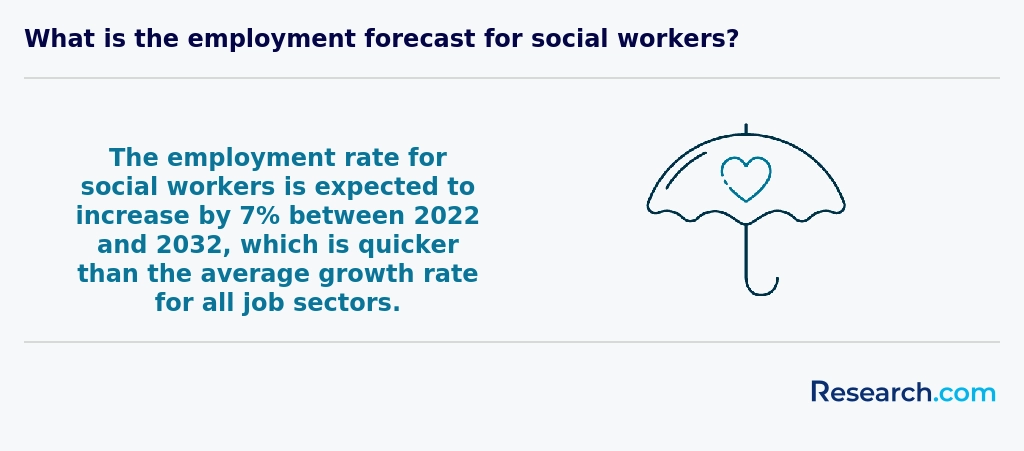
After completing an online social work degree in Maine, preparing for the job market involves several strategic steps. First, graduates should pursue Maine's Licensed Master Social Worker (LMSW) credential, which is required for many social work positions in the state. This requires passing the Association of Social Work Boards (ASWB) exam. According to the Maine Department of Labor, social work jobs in the state are projected to grow by 7% from 2022 to 2032, faster than the average for all occupations.
Networking with local social service agencies and attending Maine-based professional events can enhance employment opportunities. Internships or practicum experiences completed during the degree provide practical skills valued by employers. Additionally, familiarity with Maine's specific social welfare programs and population demographics can give candidates a competitive edge.
Employers in Maine prioritize several key skills when hiring graduates with online social work degrees. Strong communication skills are essential, enabling social workers to effectively advocate for clients and coordinate with community resources. Critical thinking and problem-solving abilities are highly valued to address complex social issues. According to the Maine Department of Labor, cultural competence is increasingly important due to the state's diverse populations.
Additionally, proficiency in case management software and data collection tools is often required. Maine's social work field also emphasizes knowledge of state-specific regulations and ethical standards, aligning with the National Association of Social Workers' guidelines. These skills ensure graduates are prepared to support Maine's communities effectively.
Finding internships in Maine for social work students involves connecting with local agencies and higher education institutions. The Maine Department of Health and Human Services often partners with universities to provide placements in mental health, child welfare, and aging services.
Universities offering accredited social work programs usually have established internship networks, which can be accessed online or through academic advisors. The University of Southern Maine, for example, has strong ties to social service agencies across the state.
Online students should explore virtual options but also consider practical placements within Maine's healthcare facilities, nonprofits, and government organizations. According to the Bureau of Labor Statistics, Maine employed about 1,250 social workers in 2023, indicating available opportunities.
Utilize Maine's local professional associations like the Maine Chapter of the National Association of Social Workers to find listings and networking events focused on internships.
An online social work degree in Maine can significantly enhance career mobility and advancement opportunities. Employers in social services increasingly recognize accredited online master's degrees as equivalent to traditional programs, provided they meet Council on Social Work Education (CSWE) standards. According to the Maine Department of Labor, social workers with a master's degree have a higher likelihood of moving into specialized roles or supervisory positions, with listed median annual wages above $55,000 in 2023.
Remote programs also allow working professionals to maintain employment while pursuing advanced credentials, helping to expand their practical experience. Licensing in Maine requires a master's degree, opening doors to clinical social work and higher pay tiers. The flexibility of online education can accelerate career shifts without geographic relocation.
Studying for a social work degree in Maine equips students with skills to collaborate across health, education, and justice sectors. Maine's accredited online programs often emphasize interdisciplinary learning through case studies and fieldwork aligned with local community needs.
Students gain practical knowledge of how social challenges intersect with medical, legal, and educational systems. For example, Maine's focus on rural healthcare integration trains social workers to work alongside nurses and counselors, fostering comprehensive care.
Data from the Maine Department of Labor highlights growing employment opportunities requiring teamwork among social service professionals. Graduates are prepared to adapt to diverse professional environments, a necessity in Maine's evolving social work landscape.
When choosing between a thesis and a non-thesis online social work degree program in Maine, consider your career goals and learning preferences. A thesis option typically involves original research, which is ideal for students interested in pursuing doctoral studies or research roles within social work. Non-thesis programs often focus on practical skills and fieldwork, suiting those aiming for clinical practice or direct-service roles.
Admission to these programs requires a bachelor's degree in social work or related fields, with licensure pathways in Maine favoring hands-on experience. According to the Maine Department of Professional and Financial Regulation, many social workers pursue clinical licenses requiring supervised practice rather than research expertise.
Cost and flexibility also matter; non-thesis programs may allow faster completion, which benefits working professionals. Checking program accreditation by the Council on Social Work Education (CSWE) ensures degree recognition in Maine's job market.
Students based in Maine interested in studying social work abroad typically have limited direct options due to accreditation and licensing requirements in the U.S. Most social work graduate programs accredited by the Council on Social Work Education (CSWE) focus on domestic online or campus-based offerings. However, some universities with established international partnerships may offer study abroad exchanges or internships that align with social work curricula.
For those pursuing online degrees in Maine, it's important to verify whether credits from foreign institutions transfer and meet Maine's licensure criteria. According to the Maine State Board of Social Work Licensure, a CSWE-accredited program is required to become licensed in the state.
Many students choose U.S.-based online programs with global components rather than fully studying abroad. The National Association of Social Workers (NASW) highlights the importance of regionally accredited, CSWE-approved programs to ensure professional recognition across states, including Maine.
Students pursuing online social work degrees in Maine can benefit from part-time jobs that provide practical experience and align with their studies. Positions such as case aides, residential support workers, or community outreach assistants offer valuable exposure to social services. According to the Maine Department of Labor, social service activities in the state are growing steadily, increasing demand for support roles.
Additionally, part-time roles in nonprofit organizations and healthcare settings provide opportunities to develop communication and client management skills. These jobs often offer flexible hours conducive to balancing coursework.
Gaining firsthand experience through these roles not only enriches learning but also strengthens resumes for licensure and future employment in Maine's social work market.
Online social work students in Maine have various networking opportunities to enhance their academic and professional growth. Many universities offering online social work programs encourage participation in virtual meetups, webinars, and workshops hosted by their social work departments. These events often connect students with local social service agencies and alumni working in the field. The Maine chapter of the National Association of Social Workers (NASW) also provides valuable resources, including networking events, continuing education, and access to local job listings.
According to NASW Maine, approximately 1,500 licensed social workers practice within the state, offering a strong professional community for students to engage with. Collaborations with local nonprofits and policy groups frequently allow online students to complete internships and attend regional conferences, further expanding networks despite geographic distances.
Alumni networks offer significant advantages to online social work degree students in Maine. These networks connect current students with graduates who have practical experience in local agencies and communities. Engaging with alumni can provide mentorship opportunities, helping students navigate career paths in Maine's social work landscape.
Strong alumni ties often lead to job referrals. According to the National Association of Social Workers, nearly 60% of social work graduates find positions through professional connections, including alumni. In Maine, where social services are closely knit, these relationships prove particularly valuable.
Additionally, alumni networks often share information about continuing education, local licensing requirements, and internship openings, supporting students' progress from education to employment.
In Maine, customizing your online social work degree program allows you to align your education with specific career goals. Many accredited programs offer elective courses focusing on areas like clinical social work, community organization, or policy advocacy. This flexibility helps tailor your expertise to meet local workforce needs, such as addressing behavioral health or working with aging populations.
Field placements or internships, often coordinated by your school, provide practical experience in Maine's social service agencies, enhancing your professional network. Consulting program advisors early ensures your course choices match state licensing requirements and job market trends, including those from the Maine Department of Labor and the National Association of Social Workers (NASW).
Online social work students in Maine often struggle with balancing coursework alongside professional and personal responsibilities. Many are working adults, making time management a primary challenge.
Access to reliable high-speed internet can be an issue in certain rural areas of Maine, complicating participation in synchronous classes or accessing digital resources.
Additionally, online students may have difficulty securing local field placements that meet accreditation standards. The Maine Department of Education requires specific supervised experience hours, which can be demanding to arrange remotely.
According to the Council on Social Work Education, these hurdles are common nationwide but particularly relevant in states like Maine with dispersed populations and limited local agencies.
Graduates with an online social work degree in Maine can pursue several professional certifications to enhance their careers. The most common is the Licensed Master Social Worker (LMSW), which allows professionals to provide clinical services under supervision.
After gaining experience, social workers may apply for Licensed Clinical Social Worker (LCSW) certification, enabling independent practice and counseling. Maine's Board of Social Work Licensure regulates these certifications, aligning with national standards set by the Association of Social Work Boards (ASWB).
Additional credentials include Certified Social Worker (CSW) and certifications in specialized fields such as school social work or substance abuse counseling. These certifications increase job opportunities and can lead to higher salaries, which in Maine average around $55,000 annually according to the Bureau of Labor Statistics.
Applying to an online social work program in Maine requires careful preparation to stand out. Begin by ensuring your application clearly demonstrates your commitment to helping communities, a core value of social work. Highlight any volunteer or work experience related to human services or social work to showcase practical knowledge.
Academic achievement matters; meet or exceed the program's GPA requirements, often around 3.0. Craft a compelling personal statement explaining why social work interests you and how the Maine community context influences your goals.
Strong recommendation letters from professionals familiar with your skills enhance your chances. Also, verify that your program is accredited by the Council on Social Work Education (CSWE), as Maine employers prefer graduates from accredited programs.
The global perspective on a social work career highlights the profession's vital role in promoting social justice and improving well-being worldwide. Social workers address issues such as poverty, mental health, and child welfare across diverse communities. In the United States, including Maine, the Bureau of Labor Statistics projects a 12% growth in social work jobs from 2022 to 2032, reflecting strong demand. Maine's aging population and rural communities particularly benefit from skilled social workers, emphasizing the need for accessible online degrees. These programs prepare students to work in multicultural environments, aligning with international standards set by bodies like the International Federation of Social Workers.
Students pursuing an online social work degree in Maine can gain practical experience through required field placements or internships. Accredited programs often partner with local agencies, allowing students to complete hands-on work in community organizations, healthcare settings, or schools.
These placements are typically supervised by licensed social workers and meet criteria set by the Council on Social Work Education (CSWE). According to the Maine Department of Labor, social work internships in the state frequently focus on addressing rural and aging populations, which reflects Maine's demographic needs.
Additionally, some programs offer virtual simulation tools to supplement direct practice. Engaging in these experiences is essential to meet licensure requirements and strengthen career readiness.
Choosing the right concentration within an online social work degree in Maine depends on your career goals and interests. Common specializations include clinical social work, school social work, and community organization. Each focuses on different client needs and work environments. For example, clinical social work prepares you for therapy and counseling roles, while school social work targets helping children and families in educational settings.
Consider Maine's demand for social workers in healthcare and mental health sectors, as reported by the Bureau of Labor Statistics. Research the licensure requirements for your desired concentration, since clinical roles typically require additional certifications. Explore program curricula carefully to find one matching your professional aims.
Related Social Work Rankings for Nearby States
- 2027 Most Affordable Online Master's in Social Work Degree Programs Ranking in Massachusetts
- 2027 Most Affordable Online Master's in Social Work Degree Programs Ranking in Pennsylvania
- 2027 Most Affordable Online Master's in Social Work Degree Programs Ranking in Alabama
- 2027 Most Affordable Online Master's in Social Work Degree Programs Ranking in Iowa
- 2027 Most Affordable Online Master's in Social Work Degree Programs Ranking in Texas
- 2027 Most Affordable Online Master's in Social Work Degree Programs Ranking in California
Top Trending Social Work Rankings
See What Experts Have To Say About Studying Social Work
Read our interview with Social Work experts

References
- Social Work Internships https://www.stjude.org/education-training/professional-development/internships/social-work.html
- Social work certificates | edX https://www.edx.org/certificates/social-work-certificates
- Expected Social Work Salaries By Degree Level https://www.publichealthonline.org/social-work-salaries/
- Tripod Partners https://www.tripodpartners.com/career-advice/social-work/advancing-your-social-work-career-tips-for-promotion/
- Social Work Career Pathways https://socialworklicensemap.com/social-work-careers/pathways/
- Eye-Catching Social Work Resume Objective Examples (2025 Guide) https://www.visualcv.com/social-work-resume-objectives/
- The Best International Social Work Internships for Undergrads and Grads https://www.internhq.com/fields/social-work/
- 2025 Best Online Social Work Degrees https://www.onlineu.com/degrees/social-work
- Social Work Education: Interdisciplinary teams a growing area of training https://www.socialworkblog.org/featured-articles/2018/04/social-work-education-interdisciplinary-teams-a-growing-area-of-training/
- Know more about thesis vs non- thesis: what is the difference? https://studyfans.com/en/blogs/816


