
2027 Most Affordable Online Social Work Degree Programs Ranking in Maine

Co-Founder and Chief Data Scientist
Are you considering a career in social work and looking for the best value programs in Maine? This article introduces the 2027 Most Affordable Online Social Work Degree Programs Ranking in Maine, carefully crafted by the Research.com team of data scientists. It's designed to guide you through affordable options that align with your goals.
Discover programs that offer quality education without breaking the bank. Earning a social work degree can open doors to meaningful careers, and this ranking helps you make an informed choice with confidence.
Key benefits of getting online social work degree in Maine
- Graduates with a social work degree can earn competitive salaries, such as $68,800 annually for Social Workers or $83,400 for Community Organizers and Youth Workers, providing financial stability in rewarding careers.
- Career paths include roles like Child Welfare Specialist or Residential Counselor, with plenty of opportunities in Maine's supportive social services sector, helping you make a real difference in your community.
- Online social work degrees offer flexibility, allowing students from Maine to balance work or family while gaining practical skills, often connecting with local agencies for hands-on experience just like traditional programs.
- Key benefits of getting online social work degree in Maine
- What can I expect from online social work degree in Maine?
- Where can I work with online social work degree in Maine?
- How much can I make with online social work degree in Maine?
- 2027 Most Affordable Online Social Work Degree Programs Ranking in Maine
- Key Findings
- How long does it take to complete online social work degree in Maine?
- What's the difference between online and on-campus social work degree?
- Accreditation and Licensure Requirements
- What is the average cost of online social work degree in Maine?
- Accreditation and Licensure Pathways
- What financial aid is available to online social work degree students in Maine?
- Geriatric Social Work: Meeting the Needs of an Aging Population
- What are the prerequisites for enrolling in online social work degree program in Maine?
- What courses are typically in online social work degree programs in Maine?
- What types of specializations are available in online social work degree programs in Maine?
- How do you choose the best online social work degree in Maine?
- What career paths are available for online social work degree students in Maine?
- What is the job market for online social work degree in Maine?
- Related Social Work Rankings for Nearby States
- Top Trending Social Work Rankings
- See What Experts Have To Say About Studying Social Work
What can I expect from online social work degree in Maine?
Students pursuing an online social work degree in Maine typically find that the average cost ranges from $15,000 to $30,000 for a full Bachelor of Social Work (BSW) or Master of Social Work (MSW) program. Graduates from universities like the University of Southern Maine often share how the investment felt worthwhile, given the flexible learning schedules and meaningful field placements that prepared them for impactful careers. The affordability paired with quality education allows working adults and caregivers to advance their skills without sacrificing stability.
Many programs balance asynchronous coursework with interactive sessions, enabling students to stay engaged while managing personal commitments. For example, graduates frequently recall conducting virtual group discussions after their day jobs and then applying these experiences to their local internships in Maine's community health centers or social services.
The emphasis on real-world practice, combined with manageable tuition rates, inspires students to confidently pursue licensure and enter rewarding roles in mental health, child welfare, and elder care throughout Maine.
Where can I work with online social work degree in Maine?
Graduates with an online social work degree in Maine step confidently into roles across healthcare, education, government, nonprofits, and private practice. Many find rewarding careers helping patients at institutions like Maine Medical Center or supporting youth in schools across the state, where social workers collaborate with teachers and families to create nurturing environments.
Social work students from well-known Maine colleges share how their online studies prepared them to engage directly with community challenges-whether coordinating care in a hospital or advocating for vulnerable families through government agencies. These graduates often describe the satisfaction of making a real difference every day, bringing hope and healing to individuals facing complex life situations.
The state's nonprofit sector also offers vibrant opportunities, with organizations focused on mental health and domestic violence actively seeking skilled social workers. For those aspiring to private practice, Maine's LCSW licensure pathway empowers graduates to establish their own counseling services, turning passion into a personal calling. These career paths illustrate the meaningful, diverse ways Maine's online social work programs ignite lasting impact in communities statewide.
How much can I make with online social work degree in Maine?
Graduates with an online social work degree in Maine can expect rewarding career opportunities with competitive salaries. For example, social workers in Maine earn an average annual wage of about $68,800, reflecting the value of their specialized skills and dedication. Those starting out might find positions such as residential counselors or child welfare specialists, each earning approximately $59,190 per year, which provides a stable foundation early in their career.
Many graduates from respected programs at colleges like the University of Southern Maine have shared their excitement about securing jobs as community organizers or youth workers, roles that offer even higher mean salaries around $83,400 annually. These figures encourage new professionals to pursue licensure and build experience, knowing their impact on communities and families will be matched by their income growth.
Studying social work online in Maine creates pathways for graduates to serve diverse populations, confidently stepping into roles that combine passion with financial stability in vital sectors like healthcare and government agencies.
2027 Most Affordable Online Social Work Degree Programs Ranking in Maine
How do we rank schools?
Investing in your education is a significant decision that can shape your future, and the Research.com team understands the importance of making informed choices. To assist prospective students in Maine, we have carefully compiled the "2027 Most Affordable Online Social Work Degree Programs Ranking in Maine." Our dedication to quality, credibility, and accuracy is evident through the rigorous research and thorough analysis performed to create this ranking.
We utilized the following reputable data sources to ensure a comprehensive evaluation of online social work degree programs:
By exploring this ranking, readers will gain valuable insights into affordable and quality social work education options in Maine, helping them make confident and well-informed decisions about their educational investments. For more details on our methodology, please visit our Research.com methodology page.


Key Findings
- Online social work degrees in Maine include Bachelor of Social Work (BSW) and Master of Social Work (MSW) programs accredited by the Council on Social Work Education.
- Annual tuition for public undergraduate programs ranges from $9,000 to $17,000, while graduate MSW programs cost between $12,000 and $25,000.
- Employment for social workers in Maine is projected to grow about 7% over the next decade, matching the national average.
- Starting salaries for social work graduates in Maine range from $42,000 to $48,000, increasing to $55,000 to $65,000 with experience and licensure.
- Maine requires education and supervised experience for social work licensure, which accredited online programs typically include through field practicums.
How long does it take to complete online social work degree in Maine?
Completing an online social work degree in Maine can be an empowering journey that fits your lifestyle and goals. Graduates from popular institutions like the University of Maine often share how the Bachelor of Social Work (BSW) program, usually four years full-time, felt manageable and rewarding, especially with options to accelerate. Imagine diving into your studies year-round, gaining real-world experience through required internships, and seeing your efforts come to life in just three years or less.
For those advancing to a Master of Social Work (MSW) degree, the timeline ranges from 1.5 to 3 years. Many students balancing work and family choose part-time paths, extending their studies but enriching their experiences. Advanced standing programs allow motivated graduates to focus deeply for as little as a year, blending online learning with meaningful field placements across Maine's communities.
Students appreciate that Maine's programs offer flexibility and support, nurturing confidence as they prepare to make a lasting difference. Your dedication today shapes a brighter tomorrow for individuals and families in need.
What's the difference between online and on-campus social work degree?
Choosing between an online and an on-campus social work degree in Maine opens exciting possibilities tailored to your lifestyle and goals. Online programs bring amazing flexibility, letting you learn from home anywhere in the state while managing work or family commitments. Graduates from these programs often celebrate how digital platforms-like video lectures and virtual discussions-make it easy to connect and stay engaged. Yet, they still gain invaluable hands-on experience through local field practicums, building community ties right where they live.
On the other hand, on-campus programs, such as those at the University of Southern Maine, offer a vibrant, face-to-face campus experience rich with direct peer interaction and professor support. Graduates recall how campus labs and community outreach fostered deep connections and a strong sense of belonging, making their learning journey both dynamic and inspiring.
Both paths prepare Maine students for rewarding social work careers with high academic standards. Whichever you choose, you'll be stepping into a supportive environment designed to empower your passion for making a real difference.
Accreditation and Licensure Requirements
The Social Work programs in Maine are accredited by the Council on Social Work Education (CSWE), the gold standard for ensuring curriculum rigor and eligibility for licensure. Completing a CSWE-accredited online degree is the first step toward professional practice and is required by the Maine Board of Social Worker Licensure for both LGSW (Licensed Graduate Social Worker) and LCSW (Licensed Clinical Social Worker) credentials. To qualify for the LGSW exam, candidates must: • Hold a CSWE-accredited Bachelor’s or Master’s degree in Social Work. • Complete a specified number of supervised practicum hours (typically 900–1,800). • Pass the Association of Social Work Boards (ASWB) exam at the master’s level. After earning the LGSW, graduates must accrue additional post-degree supervised clinical hours (usually 3,000) before applying for the LCSW license, which involves passing the ASWB Clinical exam. Understanding these requirements early can streamline your path. For those seeking to fast-track clinical preparations, programs like our accelerated masters in social work online offer concentrated schedules, aligning practicum placements with licensure prerequisites. Maine’s board also mandates background checks and continuing education units (CEUs) every two years to maintain licensure. Early planning-such as verifying practicum sites, tracking your supervised hours, and scheduling the ASWB exam-can reduce delays. By enrolling in a CSWE-accredited program that integrates licensure support, you ensure your online education meets both academic and regulatory standards, positioning you for a seamless transition into professional practice.
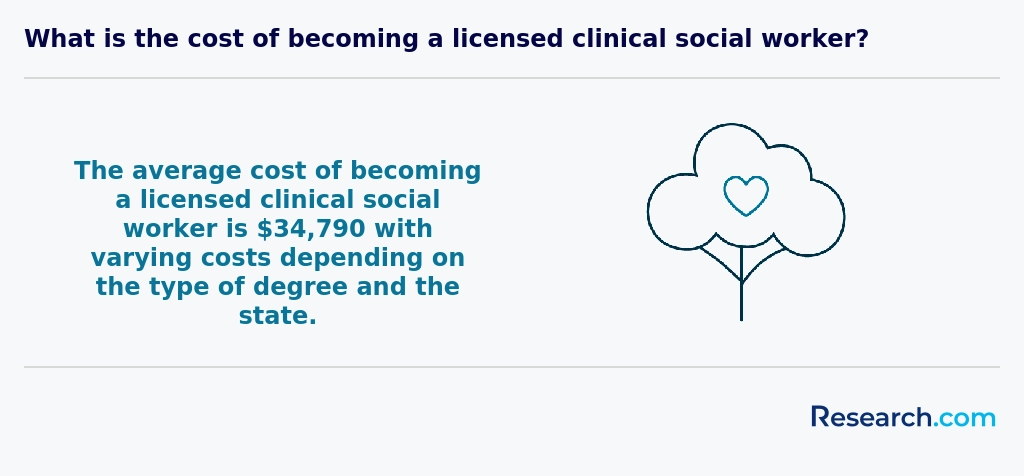
What is the average cost of online social work degree in Maine?
The average cost of an online social work degree in Maine reflects a valuable investment in a meaningful career. For many students enrolling in programs at well-known institutions such as the University of Southern Maine or Husson University, the median total cost hovers around $41,721 for in-state learners. This figure offers a realistic and encouraging benchmark for those seeking affordable online social work programs Maine total expenses that align with quality education and professional growth.
Graduates often share how managing tuition alongside flexible study schedules helped them stay motivated through their journey. The ability to learn remotely while balancing work and family commitments makes the tuition cost even more worthwhile as it provides greater accessibility. Many students recognize that their degree cost includes not only tuition but also essential fees for online course materials and technology, which support a rich digital learning experience designed for success.
Those coming from out of state can expect a higher total cost, but Maine's competitive tuition rates still compare favorably against national averages, empowering learners to achieve their goals without being overwhelmed by financial barriers. Those interested in navigating licensure after graduation can explore valuable resources such as the arizona psychology licensing exam, which exemplifies the types of steps social work students may face but overcome with dedicated effort and clear guidance.
Accreditation and Licensure Pathways
Understanding accreditation and licensure is essential for ensuring your online Social Work degree in Maine meets professional standards and leads to credible career outcomes. Accredited programs-especially those approved by the Council on Social Work Education (CSWE)-guarantee rigorous curricula, federal financial aid eligibility, and alignment with state licensure requirements. Maine’s Board of Licensure in Social Work (MBLSW) requires graduates of CSWE-accredited bachelor’s or master’s programs to: • Complete a CSWE-accredited degree: Ensure your institution is listed on the CSWE directory. • Pass the relevant ASWB exam: Bachelor’s graduates must pass the Bachelors-Level exam; Master’s graduates pursue the Master’s-Level or Clinical exam depending on their career goals. • Accumulate supervised hours: For clinical licensure (LCSW), Maine mandates 3,000 hours of supervised post-master’s clinical practice, completed under a Board-approved supervisor. • Apply for state licensure: Submit official transcripts, ASWB scores, and supervision logs to the MBLSW, along with the licensure application fee and background check. Early planning can streamline this process. Many online programs integrate ASWB exam prep, mock case studies, and practicum guidance into their curricula, which directly supports licensure readiness. Prospective students should also compare cost structures and outcomes; for a broader perspective on affordable accredited programs, see the Most Affordable Online Social Work Degree Programs Ranking in Pennsylvania. By choosing a CSWE-accredited online Social Work degree in Maine, you invest in a clear pathway to licensed practice and long-term career success.
What financial aid is available to online social work degree students in Maine?
Students pursuing an online social work degree in Maine are supported by a variety of financial aid options that make their educational journey more accessible and inspiring. Many graduates from institutions like the University of Maine speak warmly about how federal aid, especially Pell Grants, eased their financial worries, providing up to $7,395 annually for those with demonstrated need. This kind of support transforms the dream of serving communities into an achievable reality.
State grants tailored specifically for Maine residents further lift the burden, offering scholarships that align with financial needs and career goals in social work. For instance, workforce development scholarships empower online social work students to step confidently into public service roles.
Institutional scholarships also play a vital role. Graduates often share how university-based awards helped cut down per-credit costs, opening doors to quality education without overwhelming debt. Professional organizations add another layer of encouragement by providing targeted scholarships for passionate social work students ready to make a difference.
With these layered opportunities, Maine's online social work students find both hope and practical support on their path to success.
Geriatric Social Work: Meeting the Needs of an Aging Population
As Maine’s demographic landscape evolves, the demand for professionals proficient in geriatric social work has grown significantly. This specialization focuses on providing tailored support and resources to senior citizens, addressing issues such as long-term care, mental health, and social isolation. For students and professionals considering a future in this field, understanding the nuances of geriatric social work can set you apart in a competitive market. Geriatric social work emphasizes not only a deep understanding of clinical practices but also the compassionate navigation of complex family dynamics and community resources. With Maine’s aging population steadily increasing, graduates with expertise in geriatric care are finding innovative ways to advocate for better support systems, collaborate with healthcare providers, and drive policy reforms that directly impact elderly well-being. Career prospects in this field are robust. Professionals can work in settings ranging from retirement communities and in-home care agencies to hospitals and social service organizations. Their roles often include designing programs that enhance quality of life, managing case loads with empathy, and facilitating access to essential services. To explore further insights on this transformative career path, you might want to check out why pursue a career in geriatric social work. In addition to offering a rewarding professional journey, specializing in geriatric social work contributes to a broader societal impact by ensuring that seniors experience dignified and supportive aging. The blend of practical training, policy knowledge, and a commitment to ethical practices makes this field an indispensable part of Maine’s social service landscape.
What are the prerequisites for enrolling in online social work degree program in Maine?
To enroll in an online social work degree in Maine, you'll need to meet key prerequisites that prepare you for success both academically and in real-world practice. For example, graduates from well-known colleges in Maine often share how their high school diploma and foundational courses in English and social sciences helped build their confidence before starting a Bachelor of Social Work (BSW) program.
If you're aiming for a Master of Social Work (MSW), holding a bachelor's degree is essential-whether or not it's in social work. Many students from Maine's respected universities highlight how previous classes or volunteer experiences in social services strengthened their applications. Strong letters of recommendation and personal statements expressing your passion truly make a difference.
Online students appreciate the flexibility of completing internships nearby, gaining hands-on experience that shapes their journey. Knowing you have reliable internet and access to field placements within Maine ensures you remain connected and engaged, turning your dream of making a positive impact in your community into reality.
What courses are typically in online social work degree programs in Maine?
Online social work degree programs in Maine offer courses that truly equip you to make a meaningful difference in people's lives. Graduates from well-known institutions like the University of Southern Maine often share how classes such as Introduction to Social Work sparked their passion by teaching the profession's core values and ethics. These foundational lessons open the door to understanding complex human experiences with empathy and respect.
Courses like Human Behavior and the Social Environment help students explore real-world psychological and social factors that shape lives in Maine's diverse communities. Imagine applying this knowledge to support rural families facing substance abuse challenges or elderly neighbors seeking compassionate care.
Students also appreciate the hands-on nature of Practice with Individuals and Families, where they develop counseling skills through simulated and actual casework, preparing them to step confidently into social services roles. The Field Practicum offers invaluable supervised experience, turning classroom theory into impactful community action.
Throughout these programs, you grow equipped not just academically, but emotionally, ready to meet Maine's unique social needs with both competence and heart.
What types of specializations are available in online social work degree programs in Maine?
Maine's online social work specializations open doors to meaningful careers that truly touch lives. Graduates from well-known colleges often highlight clinical social work, where they learn to offer vital mental health support through therapy and counseling, responding to both rural and urban community needs. Many find inspiration in child and family social work, helping vulnerable youth and families overcome challenges like poverty and neglect, a mission deeply tied to Maine's child welfare efforts.
Specialized social work degrees Maine also include gerontological social work, addressing the unique needs of an aging population, such as elder care and healthcare advocacy. Students feel empowered knowing their skills support Maine's older adults with compassion and dignity. Others focus on school social work or community organization, channels through which graduates spark real change by aiding students' growth or leading social justice initiatives.
Many explore healthcare social work, blending social services with medical care, creating a holistic approach to patient wellbeing. Prospective students may also consider best online programs for psychology bachelor's to complement their social work expertise, enhancing their ability to serve diverse populations effectively.
How do you choose the best online social work degree in Maine?
Choosing the best online social work degree in Maine means prioritizing programs that deliver quality education and real-world experience. Graduates from popular universities in Maine often share how CSWE accreditation gave them confidence in their degree's value and helped open doors to licensure. Many found programs offering flexible schedules and asynchronous classes essential to balancing family and work commitments, making their journey more manageable and fulfilling. When considering affordable social work degrees Maine has to offer, evaluating tuition alongside additional fees, like technology and textbooks, gave students a clear understanding of the financial commitment without surprises.
Success stories frequently highlight the importance of strong local practicum placements at Maine healthcare centers and community agencies, allowing students to gain practical skills and build meaningful connections. These experiences not only enrich learning but also boost job prospects, especially in a state where social work careers are growing. For those interested in expanding their credentials further, programs often provide guidance to prepare for exams like the lpc licensure exam prep wisconsin, enhancing future opportunities.

What career paths are available for online social work degree students in Maine?
Graduates of online social work degree programs in Maine find a variety of rewarding career paths that directly impact communities across the state. Many alumni from popular institutions like the University of Southern Maine or Husson University proudly become clinical social workers, offering vital mental health counseling to individuals and families. Others gravitate towards child and family social work, contributing to the safety and wellbeing of children through dedicated foster care and adoption services, reflecting Maine's strong community values.
Healthcare social work is another thriving area, especially as graduates support Maine's aging population by connecting patients with essential resources in hospitals and clinics. School social workers from Maine colleges provide crucial support to students, empowering them to overcome social challenges and thrive academically. Additionally, substance abuse social workers play a profound role in tackling opioid misuse, a pressing concern throughout Maine's towns.
Those seeking to broaden their skillset and licensure options often explore related resources like Delaware licensed professional counselor requirements, enhancing their credentials and expanding career opportunities.
Every career path in social work in Maine offers a chance for meaningful impact and personal fulfillment, inspiring graduates to make a difference where it truly matters.
What is the job market for online social work degree in Maine?
The job market for online social work degree graduates in Maine is encouraging, reflecting a consistent demand for compassionate professionals across the state. Graduates from well-regarded institutions like the University of Southern Maine find rewarding roles in hospitals, schools, and nonprofit organizations serving the diverse needs of rural communities and an aging population. Many recent alumni share how their education prepared them for roles that make real differences-such as supporting families or providing mental health resources in areas where these services are vital.
Employment outlook for those seeking online social work jobs in Maine remains strong, with opportunities growing alongside increased awareness of mental health and child welfare. Median wages near $52,000 demonstrate competitive compensation that improves with specialization and licensure. Students appreciate that Maine's affordable tuition rates for online programs help them advance careers without excessive debt.
For those inspired to deepen their impact, pursuing credentials like the Licensed Clinical Social Worker (LCSW) enhances career paths. Graduates often cite the practical benefits of enrolling in accredited programs that let them qualify for state licensure exams. Discover more about why pursue a career in geriatric social work as one heartfelt example of career fulfillment within the field.
Frequently Asked Questions About social work
Students pursuing an online social work degree in Maine can maximize their learning by actively engaging with both virtual coursework and local resources. Maine requires social work students to complete supervised field placements, which means securing internships within the state's diverse community organizations is vital for practical experience.
Utilizing Maine's professional networks, such as the Maine Association of Social Workers, can enhance learning through mentorship and local events. Additionally, students should take advantage of academic support services offered by their online programs, including tutoring and virtual study groups, to reinforce complex social work concepts.
Keeping informed about Maine's social work licensing requirements and labor market trends helps students align their education with in-demand skills. According to the Bureau of Labor Statistics, social work employment in Maine is projected to grow 7% through 2031, slightly above the national average, indicating positive job prospects for graduates.
Emerging niches within the social work field reflect growing societal needs, particularly in Maine. One significant area is geriatric social work, addressing the challenges faced by Maine's aging population, which is among the oldest in the US according to the Maine Department of Health and Human Services (2023). Specialists in this niche support elderly clients with healthcare navigation, mental health, and community resources.
Another expanding focus is behavioral health, where social workers tackle mental health and substance abuse issues. The opioid crisis in Maine has heightened demand for trained professionals in this domain. Additionally, digital social work is gaining traction with the rise of telehealth, especially in rural areas. These niches offer diverse opportunities for social workers earning online degrees in Maine.
After completing an online social work degree in Maine, preparing for the job market involves several strategic steps. Start by obtaining licensure through the Maine Board of Social Worker Licensure, which requires passing the ASWB exam and completing supervised clinical hours. Networking is crucial; consider joining the Maine Chapter of the National Association of Social Workers (NASW) to connect with local professionals and access job resources.
Gaining practical experience through internships or volunteer work during your studies significantly enhances employability. Maine's Department of Labor reports a positive job outlook for social workers, with a median wage around $54,000 annually, reflecting increasing opportunities in healthcare and community services.
Employers in Maine prioritize several key skills when hiring graduates with online social work degrees. Strong communication abilities are essential, as social workers must effectively interact with clients and interdisciplinary teams. Critical thinking and problem-solving skills help professionals develop tailored intervention plans. Additionally, cultural competence is emphasized given Maine's diverse populations and growing immigrant communities, according to the Maine Department of Labor.
Knowledge of state-specific social services and resource navigation is highly valued, enabling social workers to connect clients with appropriate aid efficiently. Ethical judgment and confidentiality adherence remain core competencies, reflecting standards outlined by the National Association of Social Workers (NASW). Finally, proficiency in documentation and case management software is increasingly important in Maine's evolving digital health environment.
Finding internships in Maine related to a social work degree typically starts with leveraging resources at your college or university. Many accredited online social work programs require internships as part of their curriculum and provide placement assistance with local agencies. The Maine Department of Health and Human Services and nonprofit organizations offer numerous internship opportunities, especially in areas like child welfare and behavioral health.
Networking through local social work associations, such as the Maine chapter of the National Association of Social Workers (NASW), can also connect students to field placements. Websites like MaineCareersource.org list social service internships and job openings further supporting experiential learning.
According to the Bureau of Labor Statistics, Maine had over 1,000 social workers employed in 2022, indicating a steady demand for qualified professionals who often start with internships.
Obtaining an online social work degree in Maine can significantly enhance career mobility and advancement opportunities within the state. The Maine Bureau of Labor Statistics reports a steady demand for licensed social workers, particularly in healthcare, child welfare, and community services.
Online programs accredited by the Council on Social Work Education (CSWE) prepare graduates to meet licensure requirements, a key factor for career growth. Licensed social workers in Maine earn a median annual wage of around $50,000, with potential increases as specialization and experience grow.
Flexible online degrees allow current professionals to advance their credentials without disrupting employment, fostering upward movement into supervisory or clinical roles. Furthermore, Maine's emphasis on rural social work expands opportunities for degree holders in underserved areas.
Studying for an online social work degree in Maine equips students to work effectively in interdisciplinary settings by focusing on collaboration with health professionals, educators, and community organizations. Maine's programs emphasize practical skills and theories that support teamwork among diverse fields, essential for addressing complex social issues.
The Council on Social Work Education (CSWE) accredited programs in Maine teach students to understand roles and perspectives from multiple disciplines. This preparation is critical, as interdisciplinary roles are common in healthcare, mental health, and public policy sectors within the state.
According to the Maine Department of Labor, social workers often coordinate care plans with medical and legal professionals, demonstrating how education directly aligns with workforce demands. Online degrees provide flexibility while maintaining Maine-specific regional context, allowing for effective engagement in local communities.
When choosing between a thesis and a non-thesis online social work degree program in Maine, consider your career goals carefully. A thesis option requires conducting original research, which can be beneficial if you plan to pursue advanced studies or roles in research and policy development. In contrast, non-thesis programs focus more on practical skills and fieldwork, aligning well with direct practice careers such as clinical social work or community services.
Maine's Board of Licensure for Social Workers emphasizes practical experience, making non-thesis routes popular among licensed social workers seeking clinical licensure. According to the U.S. Bureau of Labor Statistics, Maine expects a 10% job growth in social work through 2031, highlighting the importance of applicable skills gained through non-thesis programs.
Check whether your intended program is accredited by the Council on Social Work Education, ensuring it meets professional standards and state licensing requirements.
Students based in Maine interested in studying social work abroad through online programs have several options. While Maine lacks many local schools offering international study programs, students can enroll in accredited U.S. universities that partner with foreign institutions. These partnerships often enable participation in global courses or fieldwork relevant to social work.
Many online social work degrees in Maine follow the Council on Social Work Education (CSWE) standards, ensuring credentials are recognized nationwide. This accreditation also facilitates credit transfer for study-abroad components.
According to the Bureau of Labor Statistics, social worker employment in Maine is expected to grow by 9% through 2030, underscoring the value of diverse educational experiences including international perspectives.
In Maine, part-time job opportunities that complement a social work degree often focus on direct community engagement and support roles. Positions such as case aides, behavioral health technicians, or support staff in non-profits and healthcare settings provide relevant experience. The Maine Department of Labor reports growing demand for social service assistants, with a projected 12% growth rate from 2022 to 2032. These roles offer practical skills in client interaction, documentation, and resource coordination. Additionally, volunteering or part-time work in shelters, counseling centers, or elder care facilities aligns well with online social work studies, reinforcing both academic knowledge and community impact.
Online social work students in Maine have several networking opportunities that can enhance their academic and professional growth. Many accredited programs encourage participation in virtual student groups and professional associations such as the Maine Chapter of the National Association of Social Workers (NASW). This chapter offers regular online meetings, workshops, and conferences tailored to social work professionals in the state.
Additionally, internships and field placements arranged by Maine schools usually connect students with local agencies, providing valuable in-person networking. Platforms like LinkedIn are also widely used by Maine social work students to connect with alumni and employers across the state.
Alumni networks offer valuable support for online social work degree students in Maine by connecting them with professionals experienced in the field. These networks facilitate mentorship opportunities that help guide students through career decisions and offer insight into Maine's social services landscape. According to the National Association of Social Workers (NASW) Maine chapter, leveraging alumni connections can increase employment prospects in local agencies.
Alumni often share job openings and internships that are not widely advertised, offering practical advantages to current students. Given that Maine has a 9% projected growth in social work jobs through 2030 (U.S. Bureau of Labor Statistics), strong alumni ties can provide critical networking in a competitive market.
Overall, these connections enhance learning beyond coursework by fostering peer support and professional growth.
Customizing an online social work degree program in Maine allows students to align their education with specific career goals. Many programs offer elective courses focused on areas like child welfare, mental health, or healthcare social work. Choosing these electives helps tailor learning to preferred fields.
Field placements or practicums are another customization element. Maine students can often select local agencies matching their interests, gaining relevant hands-on experience. This local engagement is valuable for networking and job placement in Maine's social service sector.
Some online programs also provide options for part-time study or accelerated tracks, accommodating working professionals or faster completion goals. According to the Bureau of Labor Statistics, social workers in Maine earn a median annual wage of around $49,000, making specialization a key factor for career growth.
Online social work students in Maine often face challenges balancing coursework with personal and professional responsibilities. Many students are working adults who must manage full-time jobs while attending classes. Internet connectivity can be an issue in rural parts of Maine, affecting access to lectures and online resources.
Field placements, required for social work licensure, present another challenge since students must find approved local agencies. Maine's smaller population limits the number of placement opportunities, sometimes causing delays or additional travel.
Students also report difficulties in building peer connections and networking through online platforms. According to the National Association of Social Workers Maine Chapter, mentorship and in-person interaction remain key for success despite digital formats.
With an online social work degree, graduates in Maine can pursue several professional certifications to enhance their careers. The most common credential is the Licensed Master Social Worker (LMSW), which requires passing the Association of Social Work Boards (ASWB) master's exam. This certification enables professionals to provide clinical and non-clinical services under supervision.
After gaining experience, social workers can seek the Licensed Clinical Social Worker (LCSW) license, allowing independent practice. According to the Maine Board of Social Work Licensure, LCSWs enjoy better job prospects and higher salaries.
Additional certifications include clinical specialist credentials or certifications in areas such as substance abuse or school social work, relevant for addressing diverse community needs.
To write a winning application for an online social work program in Maine, start by demonstrating a clear understanding of social work's role within the state's unique community context. Maine's aging population and rural demographics impact social service needs, so expressing awareness of these challenges can strengthen your application.
Highlight relevant experience, including any volunteer or paid work with populations such as seniors or families in rural areas, which aligns with Maine's social work priorities. Additionally, emphasize your commitment to ethical practice and cultural competence, qualities highly valued by programs accredited by the Council on Social Work Education (CSWE).
Be sure to provide strong letters of recommendation from supervisors or instructors who can attest to your suitability for graduate-level social work studies. Finally, craft a compelling personal statement that connects your professional goals with the specific benefits of online learning in Maine's educational environment.
Social work is a globally recognized profession focused on improving well-being and promoting social justice. Many countries, including the United States, emphasize social work's role in addressing challenges like poverty, mental health, and child welfare. In the U.S., states such as Maine have seen increased demand for social workers, with the Bureau of Labor Statistics projecting a 12% growth in employment by 2032.
Internationally, social work standards vary, but the National Association of Social Workers (NASW) influences practices in the U.S. to align with ethical and practical frameworks recognized worldwide. Maine's online social work degrees prepare students to meet both local and global social challenges.
Gaining practical experience while studying for an online social work degree in Maine is essential for licensure and career readiness. Most accredited programs require field placements or internships, even for online students. These supervised experiences are typically coordinated locally, allowing students to work with social service agencies in their communities.
The Maine Department of Health and Human Services recommends at least 900 hours of supervised practice for clinical social work licensure. Students can fulfill this by partnering with organizations such as local hospitals, schools, or nonprofit agencies.
Online programs often assist with placement arrangements, leveraging statewide networks to connect students with appropriate field supervisors. This hands-on training is critical to apply theoretical knowledge to real-world social work challenges.
Choosing the right concentration in an online social work degree program in Maine involves assessing your career goals and areas of interest. Common concentrations include clinical social work, child and family services, and community organization. Each aligns with different job markets and licensure requirements in Maine, regulated by the Maine Board of Social Work Licensure.
Consider Maine's demographic needs: with an aging population and rural communities, gerontology and rural social work are growing fields. According to the U.S. Bureau of Labor Statistics, Maine has a projected 12% growth in social work jobs by 2031, especially in healthcare and mental health sectors.
Research program curricula and check for accreditation by the Council on Social Work Education (CSWE), which Maine employers often require. Aligning your concentration with local demand and licensure ensures better employment outcomes.
Related Social Work Rankings for Nearby States
- 2027 Most Affordable Online Social Work Degree Programs Ranking in Massachusetts
- 2027 Most Affordable Online Social Work Degree Programs Ranking in Pennsylvania
- 2027 Most Affordable Online Social Work Degree Programs Ranking in Ohio
- 2027 Most Affordable Online Social Work Degree Programs Ranking in Kentucky
- 2027 Most Affordable Online Social Work Degree Programs Ranking in Tennessee
- 2027 Most Affordable Online Social Work Degree Programs Ranking in Florida
- 2027 Most Affordable Online Social Work Degree Programs Ranking in Alabama
- 2027 Most Affordable Online Social Work Degree Programs Ranking in Missouri
- 2027 Most Affordable Online Social Work Degree Programs Ranking in Arkansas
- 2027 Most Affordable Online Social Work Degree Programs Ranking in Iowa
Top Trending Social Work Rankings
See What Experts Have To Say About Studying Social Work
Read our interview with Social Work experts

References
- Know more about thesis vs non- thesis: what is the difference? https://studyfans.com/en/blogs/816
- 585 Institutions offering Social Work Courses Abroad https://www.hotcoursesabroad.com/study/training-degrees/international/social-work-courses/cgory/l19-3/sin/ct/programs.html
- Social Work Degree Online (BSSW) | University of Phoenix https://www.phoenix.edu/online-behavioral-sciences-degrees/social-work-bachelors-degree.html
- Online MSW Programs in Maine: In-State and Out-of-State https://www.onlinemswprograms.com/states/maine-msw-online/
- Web Exclusive https://www.socialworktoday.com/archive/exc_081823.shtml
- The Pros and Cons of Online MSW Programs – Should I Pursue an MSW Online? https://www.masterofsocialwork.com/resources/pros-and-cons-online-msw-programs
- Study Social Work Abroad | Go Overseas https://www.gooverseas.com/study-abroad/social-work
- The Power of Finding Your Niche as a Social Worker https://www.credentialedapparel.com/blogs/news/the-power-of-finding-your-niche-as-a-social-worker
- 10 Careers for Social Work Majors https://www.umassglobal.edu/blog-news/careers-for-social-work-majors
- Expected Social Work Salaries By Degree Level https://www.publichealthonline.org/social-work-salaries/


