
2027 Most Popular Social Work Degree Programs Ranking in Philadelphia

Co-Founder and Chief Data Scientist
Choosing the right social work degree program is an important step for students in Philadelphia who are passionate about making a difference. This article presents the 2027 Most Popular Social Work Degree Programs Ranking in Philadelphia, developed by the Research.com team of data scientists. It offers clear insights to help you find programs that align with your goals and values.
By exploring this ranking, you'll gain confidence in your decision and discover opportunities that can lead to a rewarding career dedicated to supporting communities. Getting a social work degree opens doors to meaningful work and personal growth.
Key benefits of getting social work degree in Philadelphia
- Graduates with a social work degree in Philadelphia can earn competitive salaries, with common roles like Social Worker averaging $68,800 annually and Community Organizer making around $83,400 per year.
- Career paths from a social work degree are diverse, including roles such as Child Welfare Specialist and Residential Counselor, offering meaningful work that positively impacts the community.
- Choosing an online social work degree provides flexible learning schedules, making it easier for busy individuals in Philadelphia to balance study with work or family life while earning a respected credential.
- Key benefits of getting social work degree in Philadelphia
- What can I expect from social work degree in Philadelphia?
- Where can I work with social work degree in Philadelphia?
- How much can I make with social work degree in Philadelphia?
- 2027 Most Popular Social Work Degree Programs Ranking in Philadelphia
- Key Findings
- How long does it take to complete social work degree in Philadelphia?
- Licensure and Certification Requirements
- What's the difference between online and on-campus social work degree?
- Affordable Out-of-State and Online Social Work Programs
- What is the average cost of social work degree in Philadelphia?
- Continuing Education and Advanced Career Opportunities
- What financial aid is available to social work degree students in Philadelphia?
- Choosing the Right Social Work Program in Philadelphia, PA
- What are the prerequisites for enrolling in social work degree program in Philadelphia?
- Licensure Requirements and Certification for Social Workers in Philadelphia, PA
- What courses are typically in social work degree programs in Philadelphia?
- What types of specializations are available in social work degree programs in Philadelphia?
- How do you choose the best social work degree in Philadelphia?
- What career paths are available for social work degree students in Philadelphia?
- What is the job market for social work degree in Philadelphia?
- Top Trending Social Work Rankings
- See What Experts Have To Say About Studying Social Work
What can I expect from social work degree in Philadelphia?
The average cost of pursuing a social work degree in Philadelphia typically ranges from $20,000 to $40,000 per year, depending on the institution and the level of study. Graduates from well-known programs at universities like Temple University or the University of Pennsylvania often share how financial aid, scholarships, and part-time work help ease this investment. Many find that the cost is offset by the hands-on internships they complete within Philadelphia's wide network of social service agencies.
Students describe engaging deeply with communities facing real challenges such as homelessness in Kensington or supporting families through health crises in West Philadelphia. This practical experience not only enriches their education but also builds a strong professional network that proves invaluable after graduation. The cost feels worthwhile for those eager to advance into impactful careers, especially as these programs frequently provide tailored support for Pennsylvania's licensing requirements.
Looking ahead, the city's increasing focus on social justice and community health may encourage schools to develop more flexible, affordable options, including hybrid or accelerated degrees, making the cost-to-value ratio even more favorable for future social work students in Philadelphia.
Where can I work with social work degree in Philadelphia?
Graduates from social work programs at institutions like Temple University and the University of Pennsylvania often find themselves drawn to Philadelphia's vibrant healthcare sector, where they support patients navigating difficult diagnoses and complex care routines. Many describe the rewarding challenge of collaborating with teams at top hospitals, helping families connect with vital community services, and seeing firsthand the positive impact of their work.
Others pursue roles within the School District of Philadelphia, working directly with students facing mental health and socioeconomic barriers. These graduates share how their education prepared them to advocate effectively for children and families, fostering resilience and better academic outcomes in real-world school environments.
Philadelphia's government agencies and nonprofits also offer dynamic career paths. Graduates commonly engage in child welfare programs or contribute to organizations combatting homelessness and legal inequities, often reflecting on the fulfillment found in serving vulnerable populations through these roles.
Looking ahead, private practice and specialized counseling are emerging options, especially as graduates gain additional certifications. The city's evolving social needs suggest expanding opportunities for licensed clinical social workers offering personalized therapeutic services within local communities.
How much can I make with social work degree in Philadelphia?
Graduates with a social work degree from well-known Philadelphia institutions often find rewarding career paths with competitive salaries. For example, those stepping into roles as Social Workers can expect mean annual wages around $68,800, making these positions both stable and potentially lucrative. Many recent graduates share feelings of pride and excitement when securing jobs in healthcare or mental health facilities, where salaries tend to be higher and professional growth is encouraged.
Positions such as Child Welfare Specialist or Residential Counselor typically offer mean annual wages near $59,190, representing solid entry points into impactful social services. Meanwhile, roles like Community Organizer or Youth Worker often exceed expectations, with mean annual earnings around $83,400, reflecting the increasing focus on community advocacy and youth development in Philadelphia's urban landscape.
Philadelphia graduates often describe the satisfaction of blending meaningful work with financial stability. With a growing demand for social services, especially in dynamic environments facilitated by popular universities, earning potential is expected to rise, rewarding those who commit to advancing their education and licensure within the city's unique social work sectors.
2027 Most Popular Social Work Degree Programs Ranking in Philadelphia
How do we rank schools?
Investing in your education is a significant decision that can shape your future, and the Research.com team understands the importance of making informed choices. To assist prospective students in Philadelphia, we have meticulously developed the "2027 Most Popular Social Work Degree Programs Ranking in Philadelphia." Our commitment to quality, credibility, and accuracy is reflected in the extensive research and analysis conducted to compile this ranking.
We utilized the following reputable data sources to ensure a comprehensive evaluation of social work degree programs:
By exploring this ranking, readers will gain valuable insights into the most popular social work degree programs in Philadelphia, empowering them to make informed decisions about their educational paths. For more details on our methodology, please visit our Research.com methodology page.


Key Findings
- Philadelphia offers accredited Bachelor of Social Work (BSW) and Master of Social Work (MSW) programs recognized by the Council on Social Work Education (CSWE).
- Annual tuition for BSW programs ranges from $20,000 to $40,000 for residents, while MSW programs cost between $25,000 and $50,000 per year.
- Entry-level social workers in Philadelphia earn about $50,000 to $58,000 annually, with experienced professionals making $65,000 or more.
- The social work job market in Philadelphia is expected to grow by approximately 10% over the next decade, faster than the average for other jobs.
- Licensure in Pennsylvania requires passing the ASWB exam and completing supervised work hours to meet professional standards.
How long does it take to complete social work degree in Philadelphia?
Completing a social work degree in Philadelphia typically takes about four years for a Bachelor of Social Work (BSW) when enrolled full-time at well-known institutions like Temple University or the University of Pennsylvania. Many graduates recall balancing a vibrant campus life with robust coursework and field internships, which enrich their hands-on skills over those four years. For Master of Social Work (MSW) candidates, completion times vary more widely, from one to three years, especially at schools offering accelerated or advanced standing programs tailored for students with prior social work experience.
Part-time students working in community agencies often extend their studies to three years or beyond, finding motivation in applying classroom theories directly to their daily work. Internships requiring 900 to 1,200 hours create meaningful real-world connections that students at Drexel University frequently describe as transformative in their professional growth. With evolving program structures in Philadelphia, future social work students may experience even more flexible timelines, blending online learning with immersive local practice seamlessly.
Licensure and Certification Requirements
After completing a CSWE-accredited social work degree in Philadelphia, you must obtain state licensure to practice:
- Graduate from a CSWE-accredited BSW or MSW program.
- Pass the appropriate ASWB exam (Bachelor’s, Master’s or Clinical level).
- Complete supervised post-degree experience (e.g., 3,000 hours for LCSW candidates).
- Submit your application and fees to the Pennsylvania State Board of Social Workers.
- Renew your license every two years with at least 30 hours of continuing education, including ethics training.
Many candidates meet educational requirements through an online msw, ensuring flexibility while preparing for licensure exams.
What's the difference between online and on-campus social work degree?
Graduates from universities like Temple University recall the vibrant energy of attending in-person classes, where immediate feedback from professors and spontaneous conversations with peers created a supportive learning environment. These on-campus experiences in Philadelphia also offered rich networking opportunities through direct access to local agencies for supervised fieldwork, a cornerstone of social work education.
Conversely, graduates of online programs highlight the freedom to balance studies with work and family life, appreciating how virtual lectures fit seamlessly around their schedules without the burden of daily commutes in a bustling city like Philadelphia. They often find satisfaction in coordinating their own local internships, gaining hands-on experience in familiar community settings.
Looking ahead, Philadelphia's social work education may increasingly blend these approaches-combining dynamic online content with hybrid field placements-offering personalized pathways that empower students to thrive emotionally and professionally. Flexibility and connectivity appear poised to redefine the social work learning journey in the city's evolving educational landscape.
Affordable Out-of-State and Online Social Work Programs
For students in Philadelphia seeking lower tuition without sacrificing quality, exploring accredited online and out-of-state options can be a game-changer. Many universities offer in-state tuition rates for online learners or tiered pricing for out-of-state students, significantly reducing overall costs. Online MSW programs often mirror on-campus curricula, integrating virtual field practicums supervised by licensed professionals, and use interactive platforms to maintain rigorous academic standards. Additionally, students may consider highly affordable out-of-state programs that combine strong reputations with competitive tuition. For example, public universities in neighboring regions frequently cap out-of-state fees or provide special scholarships for online enrollees. To discover more budget-friendly social work degree options beyond Pennsylvania, review our Inexpensive Social Work Degree Programs Ranking in Tennessee, which highlights programs with some of the lowest tuition rates nationwide. Key considerations when evaluating these programs include CSWE accreditation, availability of local field placement partnerships, and online student support services such as virtual tutoring, career advising, and mental health counseling. By carefully comparing program formats, tuition structures, and support networks, Philadelphia students can find an affordable pathway to their social work degree while ensuring robust professional preparation.
What is the average cost of social work degree in Philadelphia?
The average cost of a social work degree in Philadelphia currently reflects a median total cost of approximately $57,898, with in-state students typically facing around $37,800 in expenses. Graduates from public institutions in the city often share stories of balancing budget-conscious choices and rewarding educational experiences, especially when attending universities known for their social work programs. Many highlight how the financial investment seems worthwhile given the practical training and community connections they gain.
Students enrolled at popular social work programs in Philadelphia observe that while tuition is a significant portion of the overall expenses, additional items-such as textbooks, field placements, and background checks-also add up, shaping the total expenses for social work program Philadelphia candidates. Future trends suggest that increasing availability of scholarships and financial aid may ease these challenges, encouraging more driven individuals to pursue their goals despite financial concerns.
Private colleges in Philadelphia tend to be pricier, but graduates express a strong sense of satisfaction regarding the specialized resources and smaller class sizes they enjoyed, which often translates into more personalized learning. Exploring financial aid options and comparing costs carefully can change the outlook for many students. For those looking to plan effectively and gain insight into local options, consulting popular social work programs in Philadelphia provides a helpful guide to balancing ambition with affordability.

Continuing Education and Advanced Career Opportunities
For many social work graduates, the journey does not end with a bachelor's or master's degree. In fact, further specialization and advanced education can open up doors to leadership roles, research opportunities, and a deeper impact in the communities they serve. Advanced programs often incorporate cutting-edge research, interdisciplinary coursework, and specialized training that prepare social work professionals for intricate challenges in policy-making and community development. Many professionals explore options to further their expertise, including pursuing an doctorate social work online that offers flexibility while maintaining high academic standards. This pathway not only enhances one’s credentials but also significantly boosts earning potential and job satisfaction. Institutions that provide advanced degree programs tend to have robust alumni networks that offer mentorship, career guidance, and continuous learning opportunities. Additionally, advanced education emphasizes cultivating skills in evidence-based practice and leadership, which are highly valued in competitive job markets. For prospective and current social work professionals, considering advanced degrees is a strategic investment in long-term career growth and the capability to influence systemic change.
What financial aid is available to social work degree students in Philadelphia?
Students pursuing social work degrees in Philadelphia often rely on a variety of financial aid options that make their education feel achievable and less stressful. Many graduates from Temple University and the University of Pennsylvania recall how Federal Pell Grants and Pennsylvania State Grants significantly eased their tuition burden, allowing them to focus more on fieldwork and community projects. Looking ahead, the growth of employer tuition reimbursement programs is promising for working professionals balancing jobs and studies. Imagine balancing an MSW program with a part-time role at a nonprofit, supported by your employer's aid-this scenario is becoming increasingly common in Philadelphia's social work scene.
Institution-specific scholarships and assistantships provide more than just financial relief; they offer real opportunities to engage with research or teaching, transforming classroom theory into impactful community action. Local scholarships targeting social work students also create tight-knit networks, encouraging collaboration and shared success among peers. As federal and state aid programs evolve, students in Philadelphia may soon see even more tailored funding designed to support their unique paths in social work education.
Choosing the Right Social Work Program in Philadelphia, PA
When considering a Social Work degree in Philadelphia, PA, prospective students face a critical decision that can shape their future careers. With numerous programs available, each with its unique strengths and specializations, choosing the right fit is essential. For those interested in exploring popular social work programs, understanding the key factors that influence this decision is vital. These factors include the program's accreditation, field placement opportunities, faculty credentials, and the format of the program, whether online, in-person, or hybrid. Additionally, considering the financial aspects, such as tuition costs and available financial aid, can greatly impact a student's ability to pursue their degree without undue financial burden. By carefully evaluating these elements, prospective students can make informed decisions that align with their career aspirations and personal circumstances, ultimately leading to a fulfilling and impactful career in social work.
What are the prerequisites for enrolling in social work degree program in Philadelphia?
To enroll in a social work degree program in Philadelphia, future students typically need to meet academic milestones like holding a high school diploma for bachelor's programs or an accredited bachelor's degree for master's programs. Graduates from popular institutions in Philadelphia often reflect on maintaining at least a 2.5 to 3.5 GPA as crucial for securing admission, with many sharing how relevant volunteer experiences deepened their passion and improved their applications.
Letters of recommendation and personal statements are more than formalities-they represent a chance to convey real commitment, often supported by stories from local internships at social service agencies across Philadelphia. For instance, students who completed supervised fieldwork at community centers near Temple University or Drexel University emphasize how this practical exposure helped them connect classroom theory with real-world challenges.
Looking forward, Philadelphia's social work programs may increasingly value diverse experiences beyond traditional metrics, reflecting evolving societal needs and encouraging a broader range of applicants to thrive in this rewarding field.

Licensure Requirements and Certification for Social Workers in Philadelphia, PA
Becoming a licensed social worker in Pennsylvania involves clear steps that ensure both academic preparation and professional competency. First, graduates must earn a Council on Social Work Education (CSWE)–accredited bachelor’s or master’s degree in social work. Many students seeking budget-friendly options begin with low-cost bsw programs that maintain full accreditation and strong field placement networks. After graduation, aspiring Licensed Social Workers (LSW) must pass the Association of Social Work Boards (ASWB) Bachelor’s exam and register with the Pennsylvania State Board of Social Workers, Marriage and Family Therapists, and Professional Counselors. An LSW credential allows for general practice under supervision, but to advance to Licensed Clinical Social Worker (LCSW), candidates must complete a minimum of 3,000 hours of supervised clinical experience over at least two years and pass the ASWB Clinical exam. Ongoing professional development is required to maintain licensure: LSWs renew biennially, completing 30 continuing education hours, including ethics and child abuse recognition courses. LCSWs follow similar renewal protocols but may focus on advanced clinical workshops, trauma-informed care, or substance abuse treatment. Understanding these requirements early helps students structure internships and choose coursework that aligns with Pennsylvania’s licensure deadlines and eligibility criteria. Navigating the licensure process also involves background checks and fee submissions to the state board. Planning ahead for exam registration dates and gathering supervisor evaluations can prevent delays. By mapping out each requirement-from accredited degree completion through supervised practice and exam preparation-Philadelphia social work students can confidently progress toward full clinical licensure and a sustainable career in the field.
What courses are typically in social work degree programs in Philadelphia?
Typical social work degree programs in Philadelphia are rooted in courses that blend strong theoretical knowledge with hands-on practice, designed to meet the city's unique social dynamics. Graduates from institutions like the University of Pennsylvania or Temple University often recall courses such as Human Behavior and the Social Environment, which helped them understand how individuals and communities interact in complex urban settings.
Many students find Social Work Practice with Individuals, Families, and Groups especially empowering, as it equips them with intervention skills they've applied during practicums in local community centers or hospitals. The focus on Social Welfare Policy and Services prepares them to navigate and influence the policies directly impacting Philadelphia's diverse populations.
Future trends suggest increased emphasis on culturally responsive frameworks and mental health, reflecting the city's ongoing challenges with housing instability or substance abuse. Graduates describe the Research Methods in Social Work as vital for developing evidence-based solutions, often feeling a deep sense of purpose when applying this knowledge to real-life cases during their field education.
What types of specializations are available in social work degree programs in Philadelphia?
Philadelphia's social work programs are evolving to include diverse specializations that reflect the city's complex social environment. Graduates from popular universities engage deeply in clinical social work, focusing on mental health services and preparing for licensure as Licensed Clinical Social Workers. They often share meaningful experiences working alongside urban populations facing mental health challenges, making their education feel immediately impactful.
Many students pursuing a social work degree specializations Philadelphia explore child and family welfare, directly contributing to initiatives addressing child protection and family support in the community. These specializations prepare them for real-world roles in public agencies, fostering a strong sense of purpose and connection.
Others emphasize community and public health social work, tackling social determinants that affect Philadelphia's diverse neighborhoods. Graduates value the chance to contribute to innovative public health projects through internships aligned with their focus areas, which enhance their training and readiness for future challenges.
Alongside traditional tracks, emerging interest in gerontological social work and school social work reflects increasing awareness of Philadelphia's aging population and educational barriers. Students commonly report fulfilling placements that offer hands-on experience assisting elderly clients or supporting youth success in city schools.
For those inspired to advance further, programs often suggest exploring a doctorate social work online to expand expertise. This forward-thinking path aligns with Philadelphia social work program focus areas, equipping graduates to shape the future of social services locally and beyond.
How do you choose the best social work degree in Philadelphia?
Choosing the best social work degree programs Philadelphia offers means looking beyond mere rankings and focusing on how programs align with your lifestyle and career aspirations. Graduates from local institutions often share how CSWE-accredited programs not only prepare them rigorously for licensure but also provide meaningful practicum placements with Philadelphia's diverse social service agencies. Imagine gaining hands-on experience in urban healthcare settings or child welfare organizations right where you live, which can make your education feel deeply relevant and empowering.
As social work education evolves, flexibility becomes crucial. Many students balancing jobs or family have praised evening and online options available at top Philadelphia colleges, allowing them to pursue advanced degrees without compromising their other commitments. For those eyeing affordable routes, exploring low-cost bsw programs offers a practical way to reduce financial stress while gaining essential skills.
Finally, consider how specialized tracks tailored to emerging community needs, coupled with strong local networks, have made Philadelphia a fertile ground for social work professionals. Graduates often describe feeling supported by vibrant mentorships that ease the transition from student to practitioner, highlighting why affordable social work colleges in Philadelphia remain a compelling choice for future change-makers.
What career paths are available for social work degree students in Philadelphia?
Graduates with a social work degree in Philadelphia have diverse career paths ahead, from clinical social work to community advocacy. Many emerge from popular programs at local universities eager to become licensed clinical social workers, providing therapy for individuals grappling with trauma or mental health challenges. These graduates often describe the rewarding feeling of making tangible differences in clients' lives, especially given Philadelphia's complex social fabric.
Others pursue roles in child welfare through Philadelphia's Department of Human Services, where they protect vulnerable families and support children in crisis. Students frequently share stories of the fulfillment gained by navigating the city's child protection system and seeing positive outcomes firsthand. This field offers strong job prospects, and the social work career opportunities in Philadelphia are expected to grow steadily.
Nonprofits and healthcare settings also attract graduates, who coordinate programs tackling homelessness, addiction, or assist patients in hospitals. The hands-on experience gained at renowned Philadelphia institutions prepares new social workers for these impactful roles. For those concerned about education costs, examining options like the Inexpensive Social Work Degree Programs Ranking in Tennessee may provide helpful financial insights.
What is the job market for social work degree in Philadelphia?
The social work job opportunities in Philadelphia are expanding steadily, fueled by the city's dynamic social challenges and diverse communities. Graduates from well-regarded local universities often share optimistic experiences securing roles in healthcare, schools, and nonprofit organizations focused on urban issues like homelessness and substance abuse. The demand aligns with statewide licensure requirements, pushing many to pursue the Licensed Social Worker (LSW) and Licensed Clinical Social Worker (LCSW) credentials to enhance employability and earning potential.
Philadelphia's social work career outlook is particularly bright for those with bilingual skills or specialized training in trauma-informed care. Many students from Philadelphia's universities appreciate how hands-on internships in local agencies deepen their connection to the community and prepare them for competitive job markets. Salaries reflect this growth, with entry-level social workers earning around $45,000 and experienced professionals reaching upwards of $70,000 annually.
For prospective students focused on balancing cost and career prospects, Philadelphia's mix of public and private institutions offers flexible tuition options. Exploring programs like the best 6 month online course with high salary can supplement a traditional degree and accelerate entry into this rewarding field.
Frequently Asked Questions About social work
Social work degree students in Philadelphia can maximize their learning experience by engaging with the city's extensive network of social service agencies for practicum placements. Philadelphia's diverse communities provide rich opportunities to apply classroom knowledge practically. According to the Council on Social Work Education (CSWE), hands-on fieldwork is essential for skill development and licensure preparation. Students should also utilize resources at Philadelphia's top universities, such as Temple University and the University of Pennsylvania, which offer access to research centers and professional workshops.
Networking through local professional associations, like the Pennsylvania Chapter of the National Association of Social Workers, supports career growth. Additionally, staying informed about local social issues via the Philadelphia Department of Human Services can enhance contextual understanding.
Emerging niches within the social work field reflect evolving community needs and funding priorities, especially in urban areas like Philadelphia. One growing area is geriatric social work, addressing the challenges faced by Philadelphia's aging population, which is expected to increase by 10% over the next decade according to the Philadelphia Department of Public Health. Specialists focus on elder care, navigating healthcare, and preventing elder abuse.
Another expanding niche involves behavioral health and substance abuse social work. Philadelphia continues to battle an opioid crisis, leading to increased demand for social workers trained in addiction treatment and mental health support.
Moreover, social workers are gaining roles in healthcare integration, collaborating with medical teams in hospitals and clinics. This trend aligns with national shifts toward holistic patient care and is supported by data from the National Association of Social Workers.
After completing a social work degree in Philadelphia, it is essential to gain practical experience to improve job prospects. Most employers prefer candidates with internship or fieldwork experience, which is often required during your degree program. Additionally, obtaining licensure as a Licensed Social Worker (LSW) or Licensed Clinical Social Worker (LCSW) in Pennsylvania can significantly enhance your employment opportunities and salary potential.
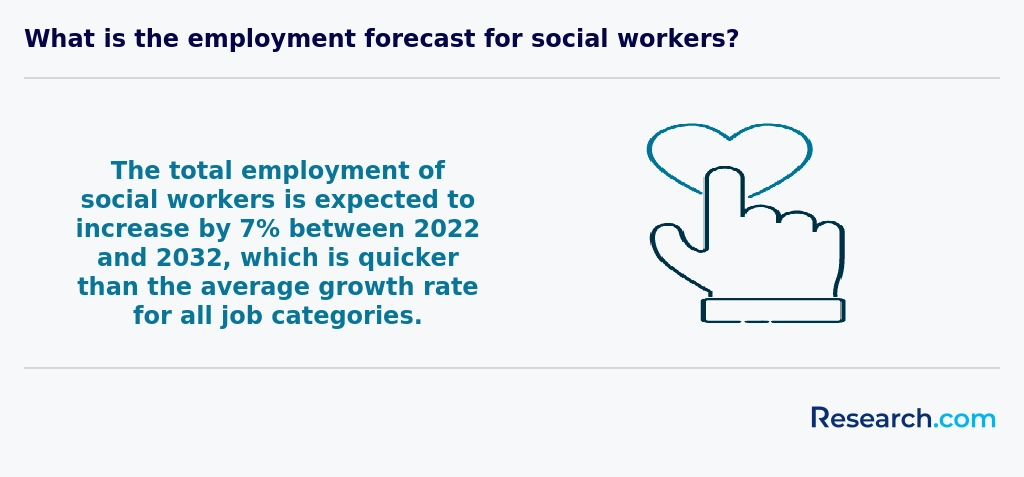
Networking with local agencies such as the Philadelphia Department of Human Services or community health organizations can help you find job openings. According to the Bureau of Labor Statistics, Philadelphia saw a 7% growth in social work jobs between 2021 and 2023, showing a positive job market trend.
Continued professional development through workshops or certification programs also supports career advancement in this field.
Employers in Philadelphia seek social work graduates with strong communication and empathy skills, essential for effective client support. According to the Pennsylvania Department of Labor & Industry, these interpersonal abilities rank highest among job requirements in the region. Additionally, critical thinking and problem-solving skills are crucial, as social workers navigate complex social issues and resources.
Philadelphia employers also value cultural competence, reflecting the city's diverse population, ensuring graduates can serve varied communities sensitively. Knowledge of local social services and policy understanding enhances employability. Computer literacy for managing case files and reporting is increasingly important in this digital age. Together, these skills prepare social work graduates to meet Philadelphia's dynamic social landscape demands.
Finding internships in Philadelphia relevant to a social work degree involves leveraging local university resources and community organizations. Many Philadelphia universities with social work programs, such as Temple University and the University of Pennsylvania, offer structured internship placement assistance through their career services and social work departments.
Students can also explore opportunities at prominent local agencies like the Philadelphia Department of Human Services and nonprofit organizations such as Project HOME. These organizations frequently seek social work interns to support diverse populations including youth, families, and homeless individuals.
Additionally, platforms like the Pennsylvania Chapter of the National Association of Social Workers (NASW-PA) provide listings and networking events to connect students with internships. According to NASW-PA, over 60% of social work internships in Philadelphia are obtained through direct contact and local networking.
Early engagement, a clear understanding of licensure requirements, and active participation in Philadelphia's social work community can improve internship prospects significantly.
Obtaining a social work degree in Philadelphia significantly enhances career mobility and advancement opportunities. According to the Bureau of Labor Statistics, the Philadelphia metropolitan area shows a growing demand for social workers, with employment projected to increase by 10% from 2022 to 2032. This demand opens doors to roles in healthcare, schools, and government agencies.
A degree provides eligibility for licensure, which is required for most clinical positions in the city. Licensed social workers in Philadelphia earn a median annual wage of approximately $58,000, higher than those without a degree or license (BLS, 2023).
Additionally, specialized graduate degrees can lead to leadership or policy-making roles, improving upward mobility within organizations focused on social services.
Studying for a social work degree in Philadelphia offers strong preparation for interdisciplinary roles through programs that emphasize collaboration across health, education, and legal sectors. Many Philadelphia universities incorporate partnerships with local hospitals, schools, and community organizations, reflecting the city's diverse population and complex social challenges.
Philadelphia's social work curriculum often integrates practical fieldwork requiring students to engage with professionals from multiple disciplines. According to the Council on Social Work Education, interdisciplinary training improves outcomes by enhancing communication and problem-solving skills.
Additionally, Philadelphia's healthcare and social service sectors rank among the nation's largest employers of social workers, offering extensive internship and networking opportunities that prepare graduates for team-based environments.
When deciding between a thesis and a non-thesis social work degree program in Philadelphia, consider your career goals. A thesis program typically appeals to those interested in research or pursuing a doctoral degree. It requires conducting original research, which can enhance analytical skills and open doors to academic positions.
Non-thesis programs focus more on practical skills through internships and coursework. They suit students aiming to enter the workforce quickly as licensed social workers in clinical or community settings. According to the Council on Social Work Education, Philadelphia schools often offer both options.
Cost and time commitment differ as well; thesis programs may take longer and demand more resources. Reviewing each Philadelphia institution's curriculum and faculty expertise is essential for informed choice.
Students based in Philadelphia seeking to study social work abroad have several pathways through US universities' international partnerships and exchange programs. Many Philadelphia institutions offering social work degrees, such as the University of Pennsylvania and Temple University, provide opportunities to participate in semester-long or summer international study programs tailored to social work.
These programs often partner with universities in countries like the UK, Canada, and Australia, allowing students to gain global perspectives on social welfare systems. The Council on Social Work Education (CSWE) supports such exchanges that align with accreditation standards.
Additionally, Philadelphia students can explore internship options abroad through organizations affiliated with their home institution, enhancing practical experience in diverse cultural settings.
Philadelphia offers a variety of part-time job opportunities that align well with social work degree studies. Students often find roles as case aides, supporting social workers in agencies such as the Philadelphia Department of Human Services. These positions provide direct experience with client advocacy and resource coordination.
Other options include working at community mental health centers or nonprofits focused on youth and family services. These jobs help develop skills in counseling and crisis intervention, which are essential for social work careers. According to the Bureau of Labor Statistics, the Philadelphia metro area expects a 10% growth in social work jobs through 2030, increasing demand for qualified professionals.
Students also benefit from internship roles within hospital social work departments, gaining insight into healthcare social work practices while studying part-time.
Social work students in Philadelphia benefit from a variety of networking opportunities that connect them with professionals and organizations in the field. Many universities partner with local agencies, such as the Philadelphia Department of Human Services, to offer internships and fieldwork placements that foster real-world connections. According to the Pennsylvania NASW chapter, students can join local events, workshops, and conferences to meet licensed social workers and agency leaders.
The city hosts networking events through groups like the Philadelphia Area Consortium of Social Work Education, which includes institutions like Temple University and the University of Pennsylvania. These platforms provide chances to engage in seminars and collaborative projects. Philadelphia's large nonprofit sector also offers volunteer opportunities that can help students build professional relationships.
Alumni networks play a significant role in supporting social work degree students in Philadelphia. These networks offer valuable connections to experienced professionals who understand the local social service landscape. According to the National Association of Social Workers (NASW) Pennsylvania Chapter, strong alumni ties can increase internship and job placement opportunities by up to 30% for graduates.
Many Philadelphia universities encourage social work students to engage with alumni through mentorship programs, workshops, and career panels. This engagement helps students gain practical advice and build a professional identity early on. Additionally, alumni often share insights about local agencies and community needs, enhancing students' readiness for fieldwork.
Customizing a social work degree program in Philadelphia involves selecting electives, specializations, and field placements that align with your career goals. Many universities offer concentrations such as clinical social work, community organizing, or healthcare social work. This allows students to develop expertise in areas they are passionate about.
Field education is another key aspect where customization happens. Philadelphia offers diverse internship opportunities in hospitals, schools, and social service agencies, enabling practical experience tailored to your interests. According to the Council on Social Work Education, such hands-on learning is crucial for career readiness.
Additionally, some programs provide flexible scheduling or online course options to accommodate working professionals. This flexibility helps students balance education with current job commitments.
Social work students in Philadelphia often face a range of challenges during their education. One significant hurdle is the demanding fieldwork requirements. Philadelphia's diverse population and complex social issues require students to engage in practical experiences that can be emotionally and physically taxing. According to the Council on Social Work Education, balancing these placements with academic responsibilities can lead to increased stress.
Financial strain is another common challenge. Tuition costs for social work programs in Philadelphia average around $15,000 annually for in-state students, excluding living expenses. Many students also juggle part-time jobs to support themselves.
Additionally, navigating the city's competitive internship market can be difficult, as there is high demand for placements in hospitals, schools, and non-profits. This competition often intensifies concerns about gaining relevant experience before graduation.
With a social work degree in Philadelphia, graduates can pursue several professional certifications to advance their careers. The most recognized certification is the Licensed Social Worker (LSW) credential, which allows individuals to practice under supervision. After gaining experience, social workers may qualify for the Licensed Clinical Social Worker (LCSW) certification that permits independent clinical practice.
Additional credentials, such as Certified School Social Work Specialist (C-SSWS), cater to those working in educational settings. The National Association of Social Workers (NASW) Pennsylvania chapter provides localized resources for certification and continuing education.
According to the Pennsylvania Department of State, over 10,000 social workers hold active licenses in the Philadelphia area, reflecting a strong job market for certified professionals.
Applying to a social work program in Philadelphia requires a clear and well-organized application. Begin by researching specific programs approved by the Council on Social Work Education (CSWE), as accreditation is often mandatory for licensure. Highlight relevant volunteer or work experience in social services, as Philadelphia's agencies value practical understanding. According to the National Association of Social Workers (NASW), over 8,000 social workers practice in Philadelphia, emphasizing competitive admissions.
Craft a strong personal statement that explains your motivation and commitment to social justice, a key value in Philadelphia's diverse communities. Demonstrate knowledge of local social issues like homelessness or addiction. Secure letters of recommendation from professionals familiar with your dedication and skills. Lastly, maintain a minimum undergraduate GPA-typically 3.0 or higher-to meet most programs' academic standards.
The global view of a social work career emphasizes its vital role in addressing social justice, human rights, and community wellbeing. In the United States, including Philadelphia, social workers often engage with diverse populations, reflecting global challenges such as poverty, inequality, and mental health. According to the Bureau of Labor Statistics, social work employment in Philadelphia is expected to grow by 12% through 2030, aligning with national trends.
Internationally, social work standards are influenced by bodies like the International Federation of Social Workers, which promote ethical practice and cultural competence. For students in Philadelphia, earning a degree with accreditation from the Council on Social Work Education (CSWE) is essential, ensuring training meets both national and global professional norms.
Gaining practical experience while studying for a social work degree in Philadelphia is essential for career readiness. Many universities in the area, such as Temple University and the University of Pennsylvania, incorporate field placements or internships as part of their accredited programs. These placements usually occur in local agencies serving diverse populations, including healthcare, child welfare, and mental health services.
Students often complete between 400 to 900 hours of supervised fieldwork, meeting requirements set by the Council on Social Work Education (CSWE). Philadelphia's extensive network of nonprofit organizations and government programs provides varied settings for real-world learning.
Additionally, students can engage in volunteer opportunities with city agencies and advocacy groups that focus on social justice and community support, building valuable skills alongside academic learning.
Choosing the right concentration within a social work degree program in Philadelphia involves understanding your career goals and the needs of the local community. Philadelphia has diverse populations with challenges in areas like mental health, child welfare, and substance abuse. Programs often offer concentrations such as clinical social work, policy advocacy, or school social work, each preparing students for different roles.
It is important to research programs' field placement options since Philadelphia's agencies provide valuable practical experience. According to the National Association of Social Workers (NASW) Pennsylvania chapter, clinical social work demand in the city is expected to grow by 12% over the next decade.
Review local employment trends and speak with alumni to identify which concentration aligns with both your interests and Philadelphia's social work job market.
Related Social Work Rankings for Nearby Cities
- 2027 Most Popular Social Work Degree Programs Ranking in New Brunswick
- 2027 Most Popular Social Work Degree Programs Ranking in New York
- 2027 Most Popular Social Work Degree Programs Ranking in Baltimore
- 2027 Most Popular Social Work Degree Programs Ranking in Bronx
- 2027 Most Popular Social Work Degree Programs Ranking in Garden City
- 2027 Most Popular Social Work Degree Programs Ranking in Washington
- 2027 Most Popular Social Work Degree Programs Ranking in Albany
- 2027 Most Popular Social Work Degree Programs Ranking in Rochester
- 2027 Most Popular Social Work Degree Programs Ranking in Pittsburgh
- 2027 Most Popular Social Work Degree Programs Ranking in Boston
Top Trending Social Work Rankings
See What Experts Have To Say About Studying Social Work
Read our interview with Social Work experts

References
- Social Work Salary with Masters on the Rise https://newmanu.edu/nth-degree/social-work-salary-with-masters-on-the-rise
- The Importance of Professional Networking in Social Work https://www.onlinemswprograms.com/resources/social-work-networking/
- Tripod Partners https://www.tripodpartners.com/career-advice/social-work/advancing-your-social-work-career-tips-for-promotion/
- Know more about thesis vs non- thesis: what is the difference? https://studyfans.com/en/blogs/816
- The Power of Finding Your Niche as a Social Worker https://www.credentialedapparel.com/blogs/news/the-power-of-finding-your-niche-as-a-social-worker
- Social Work Career Pathways https://socialworklicensemap.com/social-work-careers/pathways/
- Interdisciplinary Collaboration in Social Work and the ASWB Exam https://agentsofchangeprep.com/blog/interdisciplinary-collaboration-in-social-work-and-the-aswb-exam/
- My social work journey: from experience to practice https://socialworkwithadults.blog.gov.uk/2023/09/26/my-social-work-journey-from-experience-to-practice/
- Social Work Networking Nights - National Association of Social Workers https://www.naswma.org/page/218
- Master of Social Work https://www.moravian.edu/behavioral-community-health/social-work


