2027 Best Speech Pathology Degree Programs Ranking in the USA Territories

Co-Founder and Chief Data Scientist
Choosing the right speech pathology degree program can shape your future career in meaningful ways. This article presents the 2027 Best Speech Pathology Degree Programs Ranking in the USA Territories, carefully compiled by the Research.com team of data scientists.
Our goal is to help you make an informed decision by highlighting the top programs that stand out in quality and value. Pursuing a degree in speech pathology opens doors to rewarding work that truly makes a difference in people's lives. Exploring this ranking will give you confidence and clarity on which programs to consider for your ambitions.
Key benefits of getting speech pathology degree in the USA Territories
- Graduates with a speech pathology degree can expect rewarding salaries, such as Speech Therapists earning a mean annual wage of $96,790 and Speech-Language Pathology Assistants around $47,010.
- Career paths often include roles like Clinical Research Coordinator or Community Outreach Coordinator, providing diverse opportunities to make a difference in healthcare and community settings.
- Completing the degree online offers flexibility and convenience, allowing students to balance studies with personal commitments while gaining valuable skills recognized across the USA Territories.
- Key benefits of getting speech pathology degree in the USA Territories
- What can I expect from speech pathology degree in the USA Territories?
- Where can I work with speech pathology degree in the USA Territories?
- How much can I make with speech pathology degree in the USA Territories?
- 2027 Best Speech Pathology Degree Programs Ranking in the USA Territories
- Key Findings
- How long does it take to complete speech pathology degree in the USA Territories?
- What's the difference between online and on-campus speech pathology degree?
- What is the average cost of speech pathology degree in the USA Territories?
- What financial aid is available to speech pathology degree students in the USA Territories?
- Accreditation and Licensure Requirements
- What are the prerequisites for enrolling in speech pathology degree program in the USA Territories?
- What courses are typically in speech pathology degree programs in the USA Territories?
- What types of specializations are available in speech pathology degree programs in the USA Territories?
- How do you choose the best speech pathology degree in the USA Territories?
- What career paths are available for speech pathology degree students in the USA Territories?
- What is the job market for speech pathology degree in the USA Territories?
- Top Trending Speech Pathology Rankings
- See What Experts Have To Say About Studying Speech Pathology
What can I expect from speech pathology degree in the USA Territories?
The average cost of pursuing a speech pathology degree in the USA Territories tends to be a mosaic of affordability mixed with unique local benefits. At the University of Puerto Rico, for instance, tuition hovers around $6,000 to $8,000 per year for residents, making it more accessible than many mainland programs. Graduates often recall balancing this cost with vibrant community clinics where they gained real-world experience, seamlessly blending academic theory with hands-on practice in culturally rich environments.
In Guam and the U.S. Virgin Islands, costs can fluctuate due to limited program options, but scholarships and territorial grants frequently ease the financial burden, making dreams of becoming speech-language pathologists more tangible. One graduate shared how local funding alleviated stress, allowing full immersion in bilingual clinical placements that prepared them for both Spanish and indigenous language speakers.
While online options offer flexible tuition scales, the true heartbeat of these programs lies in local clinics and schools where students' passion meets community needs. Expect tuition to reflect this balance-moderate affordability with priceless cultural and clinical vibrancy unique to the Territories.
Where can I work with speech pathology degree in the USA Territories?
Graduates from speech pathology programs at universities like the University of Puerto Rico or Guam Community College find themselves weaving into rich, community-centered tapestries across the USA Territories. Imagine stepping into a bustling Puerto Rican classroom where you help a shy child unlock their voice, turning whispered hopes into confident conversations. These school walls echo with progress, as many graduates become crucial allies in public and private schools, turning IDEA mandates into meaningful, daily victories.
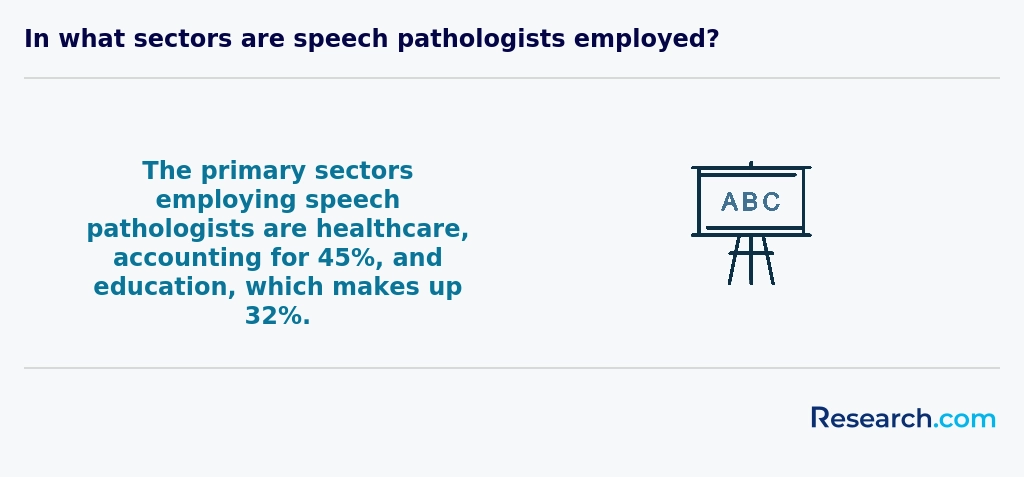
Others journey into healthcare settings-navigating the calm urgency of a Guam hospital or the compassionate bustle of a rehabilitation center in the Virgin Islands. Here, speech pathologists perform something akin to linguistic physical therapy, helping stroke survivors relearn vocal rhythms or supporting elders reclaim their storytelling voices. It's a career painted with purpose and tangible impact.
For some alumni, private practice or community agencies are the canvas for creative freedom. Even amidst the territories' smaller populations, the joy found in tailoring specialized care-whether addressing swallowing disorders or voice modulation-is unmatched. These paths blend professional growth with heartfelt connections, echoing across island landscapes and into personal triumphs.
How much can I make with speech pathology degree in the USA Territories?
Graduates from speech pathology programs in the USA Territories can expect a salary landscape that hums a different tune compared to the mainland-think of it as a regional remix. For example, working as a Speech-Language Pathology Assistant (SLPA), you might earn around $47,010 annually, translating to about $22.60 an hour, enough to navigate island life with some peace of mind.
Those stepping into speech therapist roles-perhaps fresh from a well-regarded program at the University of Puerto Rico or a community college in Guam-can look forward to mean annual wages near $96,790, reflecting the more specialized skillset and advanced certifications often gained. Imagine helping children find their voices while earning a fair wage that supports vibrant local cultures.
Some grads explore roles like Clinical Research Coordinator or Clinical Coordinator, drawing closer to $43,350 yearly, blending science with care in hospitals or clinics nestled within the islands. Community Outreach Coordinators, blending speech skills with engagement efforts, also pull in around $96,790 annually, underscoring how diverse the career paths can be.
The story these salaries tell is one of solid opportunity wrapped in tropical charm, fueled by growing healthcare needs. Graduates who cherish supportive schools and island communities find their degrees come alive amid real-world impact and meaningful work.
2027 Best Speech Pathology Degree Programs Ranking in the USA Territories
How do we rank schools?
Investing in your education is a significant decision that can shape your future, and the Research.com team understands the importance of making informed choices. To assist prospective students, we have meticulously crafted the "2027 Best Speech Pathology Degree Programs Ranking in the USA Territories." Our commitment to quality, credibility, and accuracy is reflected in the extensive research and analysis conducted to compile this ranking. We utilized the following reputable data sources to ensure a comprehensive evaluation of speech pathology programs:
By exploring this ranking, readers will gain valuable insights into the best speech pathology degree programs available across the USA Territories, helping them make informed decisions about their educational paths. For more details on our methodology, please visit our Research.com methodology page.
# 1 position
Pontifical Catholic University of Puerto Rico-Ponce
Bachelor of Science in Speech-Language Pathology
# 2 position
Inter American University of Puerto Rico-Metro
Master of Science in Speech-Language Pathology

# 3 position
Inter American University of Puerto Rico-Ponce
Master of Science in Speech-Language Pathology
# 4 position
Inter American University of Puerto Rico-Aguadilla
Master of Science in Speech-Language Pathology
# 5 position
Inter American University of Puerto Rico-Fajardo
Master of Science in Speech-Language Pathology
# 6 position
Universidad Ana G. Mendez-Gurabo Campus
Master of Science in Speech-Language Pathology (MSLP)
# 7 position
Universidad Ana G. Mendez-Cupey Campus
Bachelor of Science in Speech-Language Pathology
# 8 position
Albizu University-San Juan
Master of Science in Speech and Language Pathology
# 9 position
Albizu University-San Juan
Bachelor of Science in Speech-Language Pathology
# 10 position
University of Puerto Rico-Medical Sciences
Master of Science (M.S.) education program in Speech-Language Pathology (residential), University of Puerto Rico, Medical Sciences Campus
Key Findings
- Speech pathology programs in USA Territories are limited, with few accredited institutions locally; many students attend mainland or online programs.
- Tuition costs range from $20,000 to $40,000, with lower rates in Puerto Rico public universities and higher costs at private schools.
- Starting salaries for graduates are typically between $45,000 and $55,000, rising to $70,000-$85,000 with experience and specialization.
- Job opportunities focus on public schools, healthcare, and rehabilitation centers, with significant demand in Puerto Rico, Guam, and the U.S. Virgin Islands.
- Licensure requirements match mainland standards, including an accredited degree, clinical fellowship, and passing the ASHA national exam, with some territories requiring extra local steps.
How long does it take to complete speech pathology degree in the USA Territories?
Picture this: a bright-eyed graduate from a university in Puerto Rico stepping out after four vibrant years of a bachelor's in communication sciences and disorders, armed with foundational knowledge but knowing the real clinical journey hasn't started yet. In the USA Territories, the clock doesn't stop here. To truly practice as a speech pathologist, those eager students plunge into a master's program-usually a concentrated two-year adventure packed with academic rigor and hands-on clinical experience accredited by the CAA.
One graduate recalls balancing island life with virtual classes from a mainland university, blending tech and tradition beautifully. Yet, the path doesn't end when the tassel turns. A Clinical Fellowship Year, lasting 9 to 12 months, invites these future therapists to apply and refine their craft in real-world settings, often near the sandy shores where they grew up. Altogether, this process-from bachelor's to fellowship-spans around six years, a worthy investment blossoming into the power to transform voices across the Territories.
What's the difference between online and on-campus speech pathology degree?
Choosing between online and on-campus speech pathology degrees in the USA Territories feels like stepping into two worlds-each with its own rhythm. Imagine a student at a bustling campus in Puerto Rico, surrounded by libraries and research labs, diving into face-to-face workshops and clinching real-time clinical experience at local clinics. Their laughter with peers in hallways and direct discussions with passionate professors create a vibrant tapestry of hands-on learning, crucial for the American Speech-Language-Hearing Association (ASHA) standards.
Meanwhile, an online student from Guam juggles coursework during late-night hours, balancing family and work. Their virtual classroom hums with video lectures and lively discussion boards, yet the heart of their training pulses through self-arranged local clinical placements-a dance of independence supported by distant faculty. Online tuition may ease financial tension but calls for tech savvy and keen time management.
Graduates from both paths speak with glowing pride-they learned to listen, diagnose, and heal voices across the islands, each journey uniquely shaped by territory-based demands and personal grit.
What is the average cost of speech pathology degree in the USA Territories?
A speech pathology degree in the USA Territories often strikes a harmonious balance between quality education and affordability, with an average cost around $17,450. Graduates from universities in Puerto Rico and Guam recall a journey shaped by this manageable tuition fee, which invites more young dreamers into the field. Many find that in-state tuition can be even more forgiving, hovering near $6,650, making education feel like an achievable adventure rather than a distant fantasy.
Imagine a student at a popular college in Puerto Rico, marveling at how the affordable tuition allowed them to focus on mastering clinical skills rather than stressing over crushing debt. Their experience embodies that sweet spot where regional economies meet accessible education for speech pathology, blending passion with fiscal peace.
The average cost of speech pathology degree USA territories residents face is often lower than mainland private schools, yet the scene is vibrant with opportunities. Some turn to private or mainland online programs, where tuition might soar, but plenty rely on local scholarships and grants to keep the dream alive. If you're exploring options and require shorter, flexible pathways, check out 6-month associate degree programs online which can be a stepping stone before tackling full speech pathology degrees.
This cost framework enables future speech pathologists in the territories to envision a fulfilling career without feeling financially cornered, blending vibrant cultural contexts with practical economic paths.
What financial aid is available to speech pathology degree students in the USA Territories?
Imagine a passionate student at the University of Puerto Rico, diving into speech pathology with dreams bigger than the island itself. Financial aid here isn't just a safety net-it's a launchpad. Federal grants like the Pell Grant, offering up to $7,395 annually, bring relief without the burden of repayment. Loans from the Federal Direct Student Loan Program step in next, letting students borrow up to $20,500 at reasonable rates, softening the financial edges of graduate studies.
A graduate assistantship at the University of Guam, for instance, transforms finances-tuition waived and a steady stipend, turning late-night study sessions into empowered progress rather than worries. And local scholarships from entities like the Puerto Rico Higher Education Council beam down like unexpected island sunshine, easing the path forward.
Loan forgiveness through the National Health Service Corps sparks hope-work in underserved USA Territories, and up to $50,000 can vanish from your loans. Many grads recall how ASHA's targeted scholarships sprinkled extra support when they needed it most, making the journey not just possible, but deeply rewarding.
Accreditation and Licensure Requirements
To practice as a speech-language pathologist in the USA Territories, students must complete an accredited program and satisfy local certification steps:
- Graduate from a CAA-accredited master’s program in speech-language pathology.
- Complete a minimum nine-month Clinical Fellowship Year (CFY) under ASHA guidelines.
- Pass the Praxis® Examination in Speech-Language Pathology.
- Apply for licensure with the territory’s speech pathology board, meeting any additional local requirements.
Maintaining active status requires periodic renewal and Continuing Education Units (CEUs) as prescribed by ASHA and territorial regulations.
For a mainland tuition comparison, see speech pathology degree cost in texas
What are the prerequisites for enrolling in speech pathology degree program in the USA Territories?
Dreaming of mastering speech pathology in the USA Territories means stepping into a world where your academic journey begins with a solid foundation: a bachelor's degree, ideally sprinkled with courses in biology, psychology, or linguistics. Imagine enrolling at a vibrant university in Puerto Rico, where graduates fondly recall late-night study sessions dissecting anatomy or practicing phonetics, realizing these basics are the gears behind unlocking human communication.
Most programs demand that you've ventured into core courses like physiology and statistics-keys to decoding speech disorders. One graduate from Guam's prominent university shares how those classes transformed abstract theories into real-life therapy skills, sparking excitement instead of dread. Alongside coursework, standardized tests like the GRE crop up, though some campuses are relaxing this hurdle, allowing your passion and experience to shine instead.
Letters of recommendation and proof of hands-on work in speech therapy clinics elevate your application, painting a picture of dedication that admissions officers at U.S. Virgin Islands colleges eagerly seek. This blend of academic rigor and personal commitment is your passport to embarking on a fulfilling speech pathology adventure right here in the Territories.

What courses are typically in speech pathology degree programs in the USA Territories?
Diving into speech pathology at universities like the University of Puerto Rico, students embark on a vibrant journey filled with courses that bring the science of communication to life. Imagine exploring Introduction to Communication Sciences and Disorders as the gateway to understanding the magic behind speech and hearing. Graduates often recall how Anatomy and Physiology of the Speech Mechanism unlocked the mysteries of the human voice, making the complex feel accessible and fascinating.
Coursework like Speech and Language Development feels personal when you witness local children's linguistic milestones and variations firsthand. Meanwhile, Phonetics and Phonology give you the tools to decode the rich tapestry of island dialects, turning sounds into stories. Many students treasure the Clinical Practicum, which pairs them with community clients, blending theory with heartfelt real-world impact.
These programs go beyond basics, weaving in research and ethics to grow confident, competent professionals ready to serve the vibrant, multicultural populations unique to the USA Territories. Graduates leave not just skilled, but deeply connected to the voices they champion.
What types of specializations are available in speech pathology degree programs in the USA Territories?
Imagine yourself at a leading university in Puerto Rico or Guam, diving into speech pathology specializations in USA Territories that feel like tailored adventures rather than standard courses. Graduates often recall how pediatric speech-language pathology transformed their approach, allowing them to joyfully unlock communication worlds for children with articulation challenges or language delays amid bustling island communities.
Some embark on adult neurogenic communication disorders, stepping into the shoes of those recovering from strokes or brain injuries, often feeling deeply rewarded by helping older adults regain their voices in territories where medical resources can be scarce. Others recall the empowering moment they mastered augmentative and alternative communication (AAC), becoming vital bridges for non-verbal clients in remote areas.
Voice and swallowing disorder tracks create clinicians who navigate complex anatomy with precision, often recalling clinical rotations in regional hospitals. These focused experiences reflect how speech therapy degree focus areas USA Territories blend hands-on care with cultural nuances, inspiring students to thrive.
Curious learners also explore online certificates that pay well, broadening their toolkit as local graduates share stories of how these diverse specializations pave pathways to vibrant, fulfilling careers.
How do you choose the best speech pathology degree in the USA Territories?
Imagine choosing a speech pathology degree in the USA Territories like navigating a vibrant archipelago of opportunity and challenge. Graduates from popular universities in Puerto Rico and Guam often share stories of juggling clinical practicums on island shores, where the hands-on experience blends with tight-knit community care. The best speech pathology programs USA Territories offer CAA accreditation and precious local clinical placements, essential for turning theory into real-world healing.
Cost is a lively dance; tuition might look like the usual $20,000 to $40,000 bracket, but local fees and travel for internships add layers. Many graduates rave about hybrid programs that let them study online while anchored in their island life, blending flexibility with a feel of home. When you weigh options, think like these students-what will your daily pulse be during studies?
To unlock the secrets of career success, tap into faculty expertise and support, plus solid certification pass rates. Curious about the financial journey? Check out what masters degree makes the most money for insight that might steer your path beyond just affordability. Finding affordable speech pathology degrees in USA Territories means embracing both local spirit and accredited quality in your adventure.
What career paths are available for speech pathology degree students in the USA Territories?
Graduates holding a speech pathology degree in the USA Territories find themselves stepping into worlds where every conversation matters. Imagine working in vibrant Puerto Rican hospitals or Guam's community centers, where you assess and treat speech and swallowing disorders, making real differences in daily life. Some alumni thrive within school systems, guiding children's voices to bloom through education-based interventions. Others embrace early intervention programs that spark breakthroughs for toddlers grappling with communication challenges, lighting the way to brighter futures. These dynamic career paths echo the spirit of the territories-diverse, resilient, and deeply connected to their communities.
Job opportunities for speech pathology graduates USA Territories extend beyond traditional settings. Veterans homes in the U.S. Virgin Islands and nursing facilities become arenas where specialized care for neurological impairments unfolds, turning empathy into expert rehabilitation. Graduates from well-regarded local universities cherish the balance of affordable programs and impactful careers. Those curious about expanding horizons often explore top universities online as gateways to advanced degrees and research roles, fueling innovation tailored for territorial needs.
What is the job market for speech pathology degree in the USA Territories?
The speech pathology job outlook USA Territories dances between challenge and promise. Graduates from universities in Puerto Rico or Guam often share stories of vibrant classroom learning followed by rewarding work in local public schools, where the demand for skilled communication specialists steadily grows. This evolving healthcare infrastructure means opportunities may be more limited than in the continental U.S., but the profound impact made on diverse communities fuels genuine professional satisfaction.
Many graduates find joy in blending traditional therapy with telepractice, reaching patients across remote islands and expanding the footprint of care. The cost-effective education in the Territories, notably more accessible than mainland institutions, encourages students to pursue local degrees without hefty debt. In fact, those curious about comparative expenses might explore the speech pathology degree cost in texas as a reference point for broader financial perspective.
Employment opportunities for speech pathologists in USA Territories thrive particularly within public schools and community programs, where speech-language pathologists become vital connectors between education and health services. Networking locally and securing necessary certifications transform the hopeful graduate's journey into a rewarding professional adventure, full of personal growth and meaningful community engagement.
Frequently Asked Questions About speech pathology
Speech pathology degree students in the USA Territories can maximize their learning by engaging actively in clinical practicum opportunities. These hands-on experiences are essential to develop real-world skills in diverse linguistic and cultural settings common in territories such as Puerto Rico and Guam. Accredited programs follow standards set by the American Speech-Language-Hearing Association (ASHA), ensuring quality education that meets national certification requirements.
Students should seek programs offering remote learning combined with in-person practicums to overcome geographic limitations. Networking with local healthcare providers and participating in community outreach enhance professional growth and understanding of regional speech disorders.
According to data from the U.S. Bureau of Labor Statistics, speech pathology careers in territories show steady growth, highlighting the value of specialized training tailored to local needs.
The field of speech pathology is evolving with several emerging niches, especially significant for students in the USA Territories. One key growth area is telepractice, which has expanded access to speech therapy across remote areas such as Guam and the U.S. Virgin Islands. This method uses virtual platforms to connect clinicians and clients, addressing geographic barriers effectively.
Another rising specialty is bilingual speech-language pathology, vital for the linguistically diverse populations in the Territories. Therapists who understand multiple languages and cultural contexts provide more tailored interventions and are increasingly in demand.
Additionally, there is growth in work with aging populations, focusing on age-related communication disorders common across the Territories. Research from the American Speech-Language-Hearing Association (ASHA) highlights a steady increase in demand for specialists trained in neurogenic communication disorders. These trends offer promising career paths for future speech pathologists in these regions.
After completing a speech pathology degree in the USA Territories, it is crucial to obtain state or territorial licensure to enter the job market legally. The American Speech-Language-Hearing Association (ASHA) requires candidates to earn a Certificate of Clinical Competence (CCC) by completing supervised clinical hours and passing the Praxis exam.
Networking with local healthcare providers, schools, and rehabilitation centers increases job prospects. Graduates should consider joining regional professional groups, which offer resources and job listings specific to the Territories.
According to the U.S. Bureau of Labor Statistics, employment for speech-language pathologists in U.S. territories is projected to grow moderately over the next decade, reflecting increasing demand in schools and healthcare.
Developing bilingual or multilingual skills is an advantage, given the diverse populations across the Territories, improving communication with clients and expanding employment opportunities.
Employers in the USA Territories highly value speech pathology degree graduates who demonstrate strong clinical skills and cultural competence. Given the diverse populations, including indigenous and multilingual communities, graduates must effectively assess and treat speech and language disorders within varied cultural contexts.
Additionally, excellent communication and interpersonal skills are essential, as speech pathologists work closely with clients, families, and multidisciplinary teams. Familiarity with evidence-based practices and proficiency in using modern diagnostic tools are critical for quality care.
According to the American Speech-Language-Hearing Association, graduates with skills in telepractice are increasingly in demand, especially in remote areas of territories like Puerto Rico and Guam, enhancing access to services.
Finding internships in the USA Territories for speech pathology students involves leveraging local resources and accredited academic programs. Palau, Guam, and Puerto Rico host universities accredited by the Council on Academic Accreditation in Audiology and Speech-Language Pathology (CAA), which often coordinate clinical placements for their students.
Students should directly contact their university's clinical education department to access internship listings. Additionally, collaboration with local hospitals, schools, and community health organizations provides practical experience. For example, Guam's Department of Education offers placements for speech pathology interns in public schools, supporting a growing need for these professionals.
According to the American Speech-Language-Hearing Association (ASHA), internships must meet CAA standards to qualify for certification. Checking ASHA's database for approved clinical fellowship opportunities in territories can also guide students toward recognized experiences.
A speech pathology degree significantly enhances career mobility for professionals in the USA Territories by meeting regional licensure requirements and recognized certification standards. Graduates with accredited degrees are eligible to pursue the Certificate of Clinical Competence in Speech-Language Pathology (CCC-SLP), which is essential for many advanced roles and reimbursements through Medicare and Medicaid. According to the American Speech-Language-Hearing Association (ASHA), speech pathologists in territories such as Puerto Rico and Guam have experienced steady demand, driven by local healthcare expansion and educational services.
Holding this degree enables practitioners to advance into specialized areas like pediatric or geriatric care, increasing professional opportunities. Furthermore, the degree provides access to supervisory and administrative roles, essential amid workforce shortages documented by the U.S. Health Resources and Services Administration (HRSA) in these regions.
Studying for a speech pathology degree in the USA Territories equips students with foundational skills essential for interdisciplinary collaboration. Programs often emphasize teamwork with professionals from education, healthcare, and social services, reflecting the integrated nature of client care in these regions.
Courses include training in communication disorders alongside exposure to allied fields such as audiology and special education. This broad learning approach helps students understand varied perspectives and roles.
The unique demographic and cultural features of territories like Puerto Rico and Guam demand adaptable practitioners who can work with diverse teams. According to the American Speech-Language-Hearing Association, over 60% of speech pathologists in these territories engage in multidisciplinary settings.
Such interdisciplinary readiness prepares graduates to contribute effectively in schools, hospitals, and community clinics where cooperative care models are common.
When choosing between a thesis and a non-thesis speech pathology degree program in the USA Territories, students should consider their career goals and interests. Thesis programs typically focus on research and preparation for doctoral studies or academic careers. They require completion of an original research project, which can enhance critical thinking and analytical skills.
Non-thesis programs emphasize practical training and clinical experience, which align well with immediate employment in speech-language pathology. According to the American Speech-Language-Hearing Association (ASHA), 85% of practicing clinicians in US territories enter the workforce after non-thesis master's programs.
Access to faculty mentors, research opportunities, and program accreditation should also guide the choice.
Students based in the USA Territories interested in studying speech pathology abroad often consider programs within the continental United States due to accreditation and licensure requirements. While some territories like Puerto Rico have local universities offering communication sciences degrees, there are limited speech pathology graduate programs directly within the territories themselves.
Given the scarcity of local options, many students pursue accredited programs on the mainland. This approach ensures eligibility for Certification of Clinical Competence (CCC) from the American Speech-Language-Hearing Association (ASHA), a key requirement for professional practice.
Financial aid and inter-territorial agreements may help reduce barriers related to relocation and tuition costs, but students should carefully review program accreditation and licensure portability before enrolling.
Students pursuing speech pathology degrees in the USA Territories can find several part-time job opportunities that complement their education. Working as a speech therapy assistant or aide in local clinics and schools provides practical experience and helps build professional skills. These roles often involve supporting licensed speech-language pathologists with therapy sessions and administrative tasks.
Additionally, tutoring children with speech and language delays is a valuable option. Many territories, such as Puerto Rico and Guam, have community centers that offer part-time roles for students to assist diverse populations. According to the American Speech-Language-Hearing Association, gaining hands-on experience during studies improves post-graduate employment prospects.
Speech pathology students in the USA Territories can access various networking opportunities essential for career growth. Many universities in territories like Puerto Rico and Guam partner with local hospitals and clinics, offering practical experience and connections with licensed professionals. The American Speech-Language-Hearing Association (ASHA) supports students across all US jurisdictions, providing conferences, webinars, and local chapter events. These platforms enable students to meet experienced practitioners and peers, essential for mentorship and job referrals. While comprehensive data on networking specific to territories is limited, these affiliations play a crucial role in building professional relationships within the speech pathology community.
Alumni networks play a crucial role in supporting speech pathology degree students in the USA Territories. These networks connect current students with graduates who have navigated local licensure and employment processes. Through mentorship programs, alumni provide guidance on passing the Praxis exam, which 85% of graduates in the Territories pass on their first attempt, according to recent data from the American Speech-Language-Hearing Association.
Networking events organized by alumni offer access to job openings within regional healthcare and educational institutions. Additionally, these connections often foster research collaborations and community outreach projects tailored to the unique linguistic and cultural needs of the Territories.
Such networks also help students secure clinical practicum placements that meet the territories' licensure requirements, enhancing practical experience essential for certification.
Students pursuing speech pathology degrees in the USA Territories can tailor their programs by selecting specialized coursework aligned with their career aspirations. Many accredited institutions offer electives in pediatric, geriatric, or bilingual speech therapy, which help address community-specific needs.
Practicum placements are another customization option. Students often collaborate with local healthcare providers or schools to gain hands-on experience relevant to their goals.
Since speech pathology licensure requirements vary, students should consult the American Speech-Language-Hearing Association (ASHA) and territorial licensing boards to ensure their education meets regional standards.
Flexibility in program formats, including part-time or online options, also aids students balancing work or family commitments.
Speech pathology students in the USA Territories often face unique challenges compared to their counterparts in the continental United States. One major issue is limited access to accredited programs, as only a few institutions offer speech pathology degrees within the Territories. This scarcity means many students must relocate or study online, which can be costly and affect hands-on learning opportunities.
Additionally, clinical placement availability is more restricted in these regions, making it harder for students to complete required supervised hours. According to the American Speech-Language-Hearing Association, this limitation can delay graduation or certification processes.
Language diversity and cultural differences in the Territories also require specialized training that not all programs provide, posing difficulties for students aiming to serve local communities effectively.
With a speech pathology degree in the USA Territories, graduates can pursue the Certificate of Clinical Competence in Speech-Language Pathology (CCC-SLP) offered by the American Speech-Language-Hearing Association (ASHA). This certification is widely recognized and often required for clinical practice.
Additionally, many states and territories require a state license to practice speech pathology, which usually involves meeting educational standards, completing supervised clinical hours, and passing the Praxis exam in Speech-Language Pathology.
Obtaining these certifications enhances job prospects in various settings, including schools, healthcare facilities, and community clinics across the USA Territories.
According to the Bureau of Labor Statistics, demand in these regions is steadily growing, reflecting broader national trends.
Applying to a speech pathology program in the USA Territories requires careful preparation. Start by ensuring you meet the academic prerequisites, typically including courses in biology, psychology, and communication sciences. Many programs favor applicants with a strong GPA, often above 3.0.
Highlight relevant experience, such as volunteering or working with speech therapy patients. This practical exposure demonstrates your commitment and understanding of the field.
Personal statements should clearly convey your passion for speech pathology and your goals. Tailor each application to the specific program, reflecting knowledge of local healthcare challenges in the Territories.
Letters of recommendation from professors or professionals familiar with speech pathology add credibility to your application.
Speech pathology careers in the USA Territories reflect a growing global demand for professionals skilled in communication disorders. According to the American Speech-Language-Hearing Association (ASHA), the need for speech-language pathologists (SLPs) is expanding worldwide, driven by aging populations and increased awareness of developmental disorders.
Within the USA Territories, several institutions offer accredited speech pathology programs aligned with mainland US standards, enabling graduates to practice both locally and internationally. Licensing requirements are generally consistent with the ASHA Certification of Clinical Competence (CCC-SLP), facilitating mobility.
Recent data highlights a workforce shortage in territories like Puerto Rico and Guam, suggesting strong career opportunities for speech pathology graduates. This shortage aligns with global trends emphasizing early intervention and inclusive education.
Gaining practical experience while studying for a speech pathology degree in the USA Territories typically involves clinical placements and internships. Accredited programs require students to complete supervised clinical hours, allowing them to work directly with clients under professional guidance. These experiences help develop essential skills, from diagnosis to therapy implementation.
Many universities in the territories collaborate with local healthcare centers, schools, and community organizations to provide hands-on training. For example, clinical placements often occur in settings serving diverse populations, enhancing cultural competencies.
The American Speech-Language-Hearing Association (ASHA) mandates at least 400 clinical hours for certification, a standard followed by programs in the territories. This ensures that students are well-prepared for professional practice upon graduation.
Choosing the right concentration within a speech pathology degree in the USA Territories begins with understanding local healthcare needs. The demand for professionals skilled in bilingual and multicultural communication is particularly high due to diverse populations, such as in Puerto Rico and Guam. Students should consider programs that emphasize these skills alongside foundational courses. Accreditation by the Council on Academic Accreditation in Audiology and Speech-Language Pathology (CAA) is essential for quality education and licensure eligibility. Researching concentrations like pediatric, geriatric, or neurological speech disorders can align your studies with regional job markets. The Bureau of Labor Statistics notes steady growth in speech pathology jobs nationwide, including the Territories.
Top Trending Speech Pathology Rankings
See What Experts Have To Say About Studying Speech Pathology
Read our interview with Speech Pathology experts

References
- How To Choose an SLP Program: Seven Factors To Consider https://www.usa.edu/blog/how-to-choose-a-slp-program/
- Speech Language Pathologist https://epicspecialeducationstaffing.com/best-speech-language-pathologist-jobs-slp/
- Speech-Language Pathologist Salary Guide https://slponline.ithaca.edu/blog/speech-language-pathologist-salary-guide
- Alternative Careers for SLPs: 13 Non-Clinical Paths Clinicians Love - SLP Transitions https://slptransitions.com/alternative-careers-speech-pathologists-slps/
- Scholarships https://speechpathologymastersprograms.com/scholarships/
- Grad School Application Resource Center https://www.nsslha.org/programs/grad-school-application-resource-center/
- What’s Your Niche? Specializing as an Speech-Language Pathologist https://www.meaningfulspeech.com/blog/private-practice-SLP
- Best Guide for Speech Pathology Degrees https://www.speechpathologydegrees.com/
- The Five Different Situations Where Speech Pathology Helps Kids - South Australia Speech and Hearing Centre https://www.sashc.com.au/the-five-different-situations-where-speech-pathology-helps-kids/
- Speech-Language Pathology International Network https://thomasmore.be/en/speech-language-pathology-international-network