
2027 Easiest Online Colleges Programs Ranking in Alabama

Co-Founder and Chief Data Scientist
Choosing the right college program is a big step, especially when balancing life and work in Alabama. This article introduces the 2027 Easiest Online Colleges Programs Ranking in Alabama, thoughtfully created by the Research.com team of data scientists to guide you toward the best degree options.
By exploring this ranking, you'll discover programs designed to fit your lifestyle, helping you succeed without unnecessary stress. Earning a degree can open doors to new opportunities and personal growth.
Take a moment to find a program that matches your goals and feel confident in your educational journey.
Key benefits of getting online degrees in Alabama
- Graduates in Alabama with an associate degree earn an average yearly salary of about $35,000, while those with a bachelor's degree make around $52,000, showing clear growth in earnings with higher degree levels.
- An online nursing graduate from the University of Alabama at Birmingham successfully entered the healthcare field, quickly advancing to a management role due to the program's strong reputation and career support.
- Completing a business degree online at Auburn University allowed a graduate to balance work and study, gaining valuable skills without relocating, which boosted confidence and job readiness.
- Key benefits of getting online degrees in Alabama
- What can I expect from online degrees in Alabama?
- How much can I make with online degrees in Alabama?
- 2027 Easiest Online Colleges Programs Ranking in Alabama
- Key Findings
- How long does it take to complete online degrees in Alabama?
- What's the difference between online and on-campus degree?
- Detailed Cost Analysis and Financial Planning for Online Associate Degrees
- What is the average cost of online degrees in Alabama?
- What financial aid is available to online degree students in Alabama?
- Available Specializations
- What are the prerequisites for enrolling in online degree programs in Alabama?
- Student Support and Resources
- What courses are typically in online degree programs in Alabama?
- How do you choose the best online degree in Alabama?
- What career paths are available for online degree graduates in Alabama?
- What is the job market for online degree graduates in Alabama?
- Related General Rankings for Nearby States
- Top Trending General Rankings
What can I expect from online degrees in Alabama?
Expect an empowering and flexible learning journey when pursuing an online degree in Alabama. Graduates from institutions like Auburn University and Troy University often share how the ability to balance work, family, and studies transformed their lives, allowing them to follow their dreams without sacrificing important commitments. The convenience of accessing courses anytime through advanced learning management systems makes studying feel personal and manageable, even for the busiest students.
With strong academic programs accredited by the Southern Association of Colleges and Schools Commission on Colleges, you'll receive a respected education that matches the quality of on-campus experiences. Many students find motivation in the supportive network of academic advisors and tutors available remotely, guiding them every step of the way. The online degrees in business, nursing, education, and criminal justice offer practical skills students immediately apply in their careers, opening doors to advancement right in Alabama.
Affordability is another bright spot-public online degrees cost less on average, making higher education accessible while ensuring you feel proud of your investment in the future.
How much can I make with online degrees in Alabama?
Graduates earning an online degree in Alabama experience promising salary prospects that truly reflect their dedication and hard work. For example, those completing bachelor's degrees online from popular institutions like the University of Alabama or Auburn University often find themselves earning around $52,000 annually, a considerable boost compared to the $31,000 median for those without a degree. This financial uplift opens doors to exciting career opportunities and a more secure future.
Many alumni from Alabama State University's online nursing program enjoy median salaries close to $60,000 as registered nurses. Meanwhile, graduates specializing in online computer science or information technology degrees from Troy University frequently report earning over $65,000, demonstrating the high demand for tech skills statewide.
For those advancing to master's degrees online in education or healthcare administration, salaries can climb impressively to between $65,000 and $80,000. A graduate from the University of South Alabama's online programs shares how this boost helped secure leadership roles in their healthcare career.
Associate degree holders from institutions like Shelton State Community College typically start their careers making $30,000 to $40,000 but quickly notice growth opportunities as they apply practical skills from their studies.
Investing in an online degree from a respected Alabama college isn't just earning credits-it's earning a future filled with achievement, stability, and pride.
2027 Easiest Online Colleges Programs Ranking in Alabama
How do we rank schools?
Investing in your education is a significant decision that can shape your future, and the Research.com team understands the importance of making informed choices. To assist prospective students in Alabama, we have meticulously crafted the "2027 Easiest Online Colleges Programs Ranking in Alabama." Our commitment to quality, credibility, and accuracy is reflected in the extensive research and analysis conducted to compile this ranking.
We utilized the following reputable data sources to ensure a comprehensive evaluation of online programs:
By exploring this ranking, readers will gain valuable insights into accessible online college programs in Alabama, enabling them to make well-informed decisions aligned with their personal and professional goals. For more details on our methodology, please visit our Research.com methodology page.


Key Findings
- Alabama's public universities offer accredited online degree programs with credits that transfer regionally.
- In-state tuition for online undergraduate degrees ranges from about $7,000 to $11,000 per year, below the national average.
- Graduates earn an average starting salary of around $40,000 annually, rising to near $55,000 with experience.
- Key local job sectors needing graduates include healthcare, IT, education, and advanced manufacturing.
- Many Alabama institutions provide fully online associate, bachelor's, and graduate degrees to accommodate working adults and military personnel.
How long does it take to complete online degrees in Alabama?
Completing an online degree in Alabama is an achievable goal that fits various lifestyles and ambitions. Many graduates from universities like the University of Alabama at Birmingham and Auburn University have found success finishing associate degrees in about two years when studying full-time, enjoying the flexibility that online courses provide. Imagine balancing work or family while progressing steadily, knowing each credit brings you closer to your dream.
Bachelor's degrees typically take around four years if pursued full-time, but accelerated options at community colleges across Alabama empower students to finish sooner by transferring credits or testing out of courses. One graduate shared how these flexible pathways transformed her journey-allowing her to graduate faster without sacrificing quality education.
For those pursuing graduate studies, many Alabama institutions offer online master's programs that can be completed in one to two years, often tailored for busy professionals. This means whether you're advancing your career or starting fresh, the timeframe molds itself to your dedication and choice, making an online degree in Alabama an exciting and reachable milestone.
What's the difference between online and on-campus degree?
Choosing between an online and an on-campus degree in Alabama opens exciting possibilities tailored to your lifestyle and ambitions. Imagine a student at the University of Alabama who balances a full-time job and family, completing courses online with the flexibility to study anytime, anywhere. This convenience empowers many to pursue degrees without sacrificing their daily responsibilities.
Conversely, attending Auburn University in person offers vibrant campus energy-students engage directly with professors, enjoy lively study groups, and participate in hands-on labs. These experiences forge strong connections and create lasting memories, fueling motivation and growth.
Both paths deliver quality education accredited by SACSCOC, ensuring your diploma holds respect across Alabama and beyond. Tuition often aligns closely, with online programs sometimes providing savings on campus-related fees but requiring access to reliable technology.
Whether mastering lessons online at Troy University or experiencing on-campus life at UAB, graduates from Alabama's universities celebrate their unique journeys, confident that both options lead to fulfilling careers and bright futures.
Detailed Cost Analysis and Financial Planning for Online Associate Degrees
Navigating the financial landscape of online education is as crucial as selecting the right program, especially when weighing the benefits of an online associate degree in today's competitive market. In this section, you'll find a comprehensive breakdown of costs-including tuition, technology fees, and additional expenses-allowing you to fully understand your educational investment. By analyzing budget models and exploring various financing options such as scholarships, state grants, and low-interest loans, this guide offers practical insights into budgeting effectively for your studies. Moreover, by comparing similar cost structures across institutions, you can better gauge the true value and return on investment for your chosen program. For a deeper dive into optimizing your educational expenditure, check out our resource on online associate degree cost, where detailed cost comparisons and financing strategies are discussed. This targeted approach not only simplifies your decision-making process but also reinforces the importance of financial planning as you embark on your educational journey.
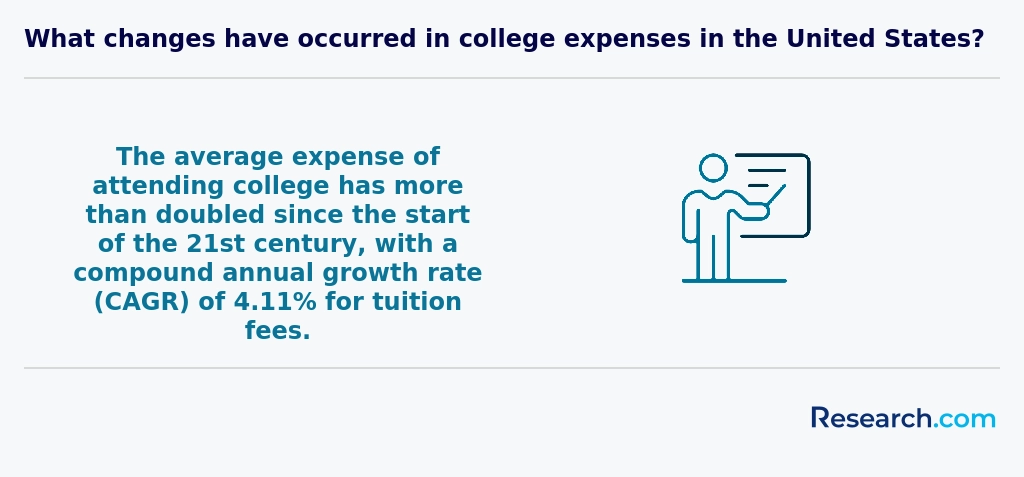
What is the average cost of online degrees in Alabama?
The average cost of an online degree in Alabama offers an encouraging opportunity for many students seeking to advance their education without the burden of overwhelming debt. In Alabama, the median total cost for completing a degree stands near $29,409, a figure that reflects the balance between quality education and affordability. Graduates from well-known institutions such as the University of Alabama and Auburn University frequently share stories of managing their education expenses effectively while earning respected degrees that open doors nationwide.
Public universities in Alabama typically provide affordable online options, especially for in-state learners, who benefit from significantly lower tuition compared to out-of-state students. This affordability is a key driver behind many students' decisions, empowering them to focus on learning and career development rather than financial stress. By exploring various options and programs, students can discover paths that fit both their goals and budgets, reinforcing Alabama's reputation as a prime destination for affordable online college tuition Alabama 2027.
For those beginning their academic journey, considering an online associate degree cost can be an excellent stepping stone. This pathway offers a streamlined and economical route to building credentials before committing to higher-level degrees. The flexibility, combined with the cost-efficiency, allows many students to tailor their education in ways that best suit their busy lives and aspirations.
What financial aid is available to online degree students in Alabama?
Online degree students in Alabama enjoy robust financial aid opportunities that make higher education within reach. Graduates from the University of Alabama and Auburn University often share how Pell Grants, which can cover up to $7,395 for the 2023-2024 year, eased their tuition burden significantly. These grants, based on financial need, provide a strong foundation for funding without the stress of repayment.
Many take advantage of the Alabama Student Assistance Program and State Education Grant, designed specifically for Alabama residents pursuing online studies. Imagine enrolling at Troy University while receiving these state grants-this support transforms dreams into achievements.
Loans with fixed rates and income-driven repayment plans from the federal government offer flexibility, helping students at Samford University navigate expenses with confidence. Others highlight scholarships offered by their institutions, tailored for online learners, which reduce costs and celebrate academic dedication.
Veterans and active military members find peace of mind through the GI Bill, often covering tuition fully, allowing them to focus on their studies and future careers. Employers' tuition reimbursement programs add an empowering layer of support for many working adults.
These varied financial aids, combined with proactive planning, inspire Alabama students to pursue their education with hope and determination.
Available Specializations
Many of Alabama’s easiest online programs let you tailor your studies to specific career paths, pairing streamlined coursework with high-demand skills:
- Business Administration: fundamentals in management, marketing and accounting
- Healthcare Management: healthcare systems, policy and organizational leadership
- Early Childhood Education: child development, curriculum design and teaching methods
- Information Technology: networking, cybersecurity and database administration
- Criminal Justice: law enforcement principles, corrections and criminal behavior analysis
Choosing a specialization aligned with your interests and career goals can make your online journey more engaging and manageable. For budget-friendly bachelor’s options, see our cheapest online college bachelor degree guide.
What are the prerequisites for enrolling in online degree programs in Alabama?
Enrolling in an online degree program in Alabama opens doors to exciting opportunities, and meeting the prerequisites is a promising first step toward success. Most students start with a high school diploma or GED, which serves as a solid foundation for academic growth. Graduates of popular Alabama institutions often share how submitting official transcripts helped showcase their unique educational journeys, making the admissions process smoother and more personalized.
For those pursuing specialized fields, such as nursing or business, some programs may request additional materials like test scores or personal statements, but many Alabama schools embrace flexible approaches to highlight each applicant's potential. Financial readiness is empowering too-by completing FAFSA and applying for scholarships, students tap into resources that make education affordable and accessible.
Reliable internet and technology are vital companions in your learning adventure, ensuring you stay connected and engaged with top Alabama schools like the University of Alabama or Auburn University. These requirements create a supportive environment where you can thrive and turn your goals into reality.
Student Support and Resources
Choosing an online degree program in Alabama goes beyond curriculum and cost-you also need robust support systems that help you succeed. Top Alabama online colleges invest in a comprehensive network of student support services, ensuring you never feel isolated in the virtual classroom. Key support resources typically include: • Academic Advising and Mentorship: Dedicated advisors guide course selection, degree planning, and capstone projects. For example, Auburn University’s online students report biweekly check-ins that keep them on track for graduation. • Tutoring and Writing Centers: On-demand tutoring in subjects like statistics, writing, and technology ensures you master challenging concepts. Many programs offer 24/7 chat support with peer tutors. • Career Services and Networking: Virtual career fairs, resume workshops, and alumni networking platforms connect you directly with Alabama employers. Graduates often credit these services for landing their first role within months of graduation. • Technical Support and Learning Platforms: Reliable LMS support teams troubleshoot login issues, streaming glitches, and software installations-critical when deadlines depend on seamless access to online lectures. • Mental Health and Wellness Resources: Online counseling, mindfulness workshops, and student support groups promote well-being and resilience during intense study periods. Finally, affordability and support often go hand in hand. As you compare programs, consider both the services offered and the true cost of attendance. To see which institutions offer the best balance of quality and price, check out our guide on which online college is the cheapest.
What courses are typically in online degree programs in Alabama?
Online degree courses in Alabama typically include a well-rounded mix of general education, major-specific classes, and electives designed to build both knowledge and practical skills. Graduates from popular Alabama colleges often recall how core courses in English composition, mathematics, and natural sciences laid a strong foundation for their careers. Business-related programs frequently offer courses in management, marketing, and accounting that empower students to confidently step into leadership roles.
Many students pursuing Alabama accredited online college programs find that specialized classes in areas like healthcare, information technology, or criminal justice prepare them for real-world challenges. For instance, nursing students often engage deeply with healthcare ethics and anatomy, connecting theory with hands-on practice in local internships. These varied courses create a sense of achievement and readiness that resonates in the success stories of online learners.
If you're wondering which online college is the cheapest while still delivering quality education, Alabama's diverse offerings provide flexible options that accommodate work and family commitments, making career advancement an inspiring reality.
How do you choose the best online degree in Alabama?
When choosing the best online degree programs in Alabama, start by confirming the school's regional accreditation, especially from SACSCOC, which assures quality and transferability of credits. Graduates from schools like the University of Alabama often share how accreditation gave them confidence that their degrees held real value in the workforce. Selecting programs that align with your career aspirations is key-whether you seek growth in business administration or nursing, Alabama offers diverse options tailored to your goals.
Affordability matters too. Many students find relief in the more affordable in-state tuition and financial aid options available at Alabama institutions. Exploring resources like the Low Cost Online Colleges Programs Ranking in Massachusetts can inspire ideas for managing expenses effectively. Flexible course schedules, often asynchronous, empower working professionals to balance life and study seamlessly, as reported by online learners at Auburn University.
Finally, prioritize schools that invest in student support services. Alumni highlight how tutoring, academic advising, and career counseling helped them stay motivated and succeed. By focusing on accredited affordable accredited online colleges Alabama that offer strong support, you set yourself on a path toward fulfilling your educational dreams with confidence and joy.
What career paths are available for online degree graduates in Alabama?
Graduates with online degrees from institutions like the University of Alabama or Auburn University find exciting career paths across Alabama's diverse economy. Many online degree holders in nursing and healthcare administration secure rewarding roles as registered nurses or health services managers, contributing to the state's rapidly growing healthcare sector. Others with engineering or business degrees step into manufacturing hubs around Huntsville and Mobile, working in quality control or supply chain management, where their skills directly support Alabama's industrial growth.
Online graduates with education degrees often make a meaningful impact as K-12 teachers or instructional coordinators, especially in rural communities where their expertise is highly valued. With Alabama's tech industry expanding, online computer science graduates are thriving as software developers or cybersecurity specialists in emerging startups and established companies. Business graduates, armed with online credentials in accounting or marketing, find themselves leading sales teams or human resource departments in both local businesses and statewide corporations. These success stories highlight the vibrant fastest associate degree programs online available for Alabama jobs for online graduates, proving that your online degree can open doors to fulfilling careers throughout the state.
What is the job market for online degree graduates in Alabama?
The job market for online degree graduates in Alabama is filled with promise and opportunity, reflecting the state's dynamic economic landscape. Graduates from popular institutions like the University of Alabama and Auburn University have found success in thriving sectors such as healthcare, manufacturing, technology, and education. Many online degree holders share stories of landing rewarding roles in healthcare administration or software development while balancing family and work, thanks to the flexibility their online studies offered. This balance creates both professional growth and personal satisfaction.
Alabama job market for online college graduates shows strong demand for skilled workers, especially in fields linked to the state's booming industries. Graduates often pursue roles in telehealth, automotive engineering, or education, leveraging credentials recognized by local employers. The state's low unemployment rate further fuels optimism.
For those wondering about ease and accessibility, exploring easiest bachelors to get online is a practical first step toward a brighter career path in Alabama.
Frequently Asked Questions
Students in Alabama can maximize their online learning experience by actively engaging with their coursework and utilizing available resources. According to the National Center for Education Statistics, Alabama boasts several accredited institutions offering flexible online degree programs, which allows students to balance education with work or family commitments.
Establishing a consistent study schedule and creating a dedicated, distraction-free study space are crucial for maintaining focus. Additionally, participating in virtual study groups or discussion forums helps foster connections and enhance understanding.
Many Alabama colleges also provide academic advising, tutoring services, and technical support specifically for online learners. Taking advantage of these improves retention and success rates, which in Alabama average around 60% for fully online programs, per recent state educational reports.
After completing an online degree in Alabama, preparing for the job market involves strategic steps to gain a competitive edge. Start by leveraging the Alabama Department of Labor's resources, which report that sectors like healthcare, aerospace, and manufacturing continue to grow rapidly in the state. Tailor your resume to highlight skills relevant to these industries.
Networking is critical. Use platforms such as LinkedIn as well as Alabama-focused career fairs, often organized by universities with strong online programs. According to recent reports, nearly 65% of jobs are secured through networking connections.
Consider internships or part-time roles to build experience, even post-graduation. Finally, utilize career services offered by your online institution-many provide job placement assistance and interview coaching tailored to Alabama's employment landscape.
Employers in Alabama prioritize a combination of technical and soft skills when hiring graduates. According to the Alabama Department of Labor, strong communication and teamwork abilities rank highly among desired qualities. These skills help graduates adapt to diverse work environments.
Technical expertise, especially in fields like information technology, healthcare, and manufacturing, is also crucial. For example, proficiency in data analysis and computer literacy is increasingly important due to Alabama's growing tech sector.
Problem-solving and critical thinking are valued as well, allowing graduates to tackle challenges effectively. Additionally, professionalism and reliability remain essential traits for gaining employer trust in Alabama's competitive job market.
Finding internships in Alabama starts with utilizing local resources designed to connect students with employers. Many universities with online degree programs, such as the University of Alabama and Auburn University, offer career services that help students identify internship opportunities. These services often include job boards, resume assistance, and networking events.
Online students should also explore the Alabama Career Center System, which provides job search support and internship listings throughout the state. According to the Alabama Department of Labor, sectors like healthcare, manufacturing, and technology are growing, broadening internship availability.
Networking through professional organizations specific to Alabama industries can open doors. Sites like Handshake, focused on college recruitment, and LinkedIn help students connect with employers eager to offer internships locally.
In Alabama, obtaining an online degree significantly impacts career mobility and advancement. According to the Alabama Department of Labor, individuals with at least a bachelor's degree generally experience lower unemployment rates and higher earning potential than those without degrees. Online degrees from accredited Alabama institutions offer flexibility, allowing working professionals to upskill without interrupting their careers.
Employers in sectors like healthcare, engineering, and business increasingly recognize online credentials, aligning them with traditional degrees. The Alabama Commission on Higher Education reports a steady rise in online degree holders advancing to management roles within five years of graduation. This trend highlights the growing acceptance and value of online education in the state's competitive job market.
Choosing between a thesis and a non-thesis degree program in Alabama largely depends on your career goals and learning preferences. Thesis programs require original research, which is ideal if you plan to pursue a PhD or a research-based career. Non-thesis programs focus more on coursework and practical skills, suiting those aiming for immediate employment or professional advancement.
In Alabama, many public universities like the University of Alabama and Auburn University offer both options online. According to the Alabama Commission on Higher Education, graduate enrollment in research-oriented programs has grown by 5% recently, showing steady interest in thesis paths. Consider your time commitment; thesis options often take longer due to research demands.
Evaluate how each aligns with your job market expectations and personal circumstances.
Students based in Alabama who wish to study abroad through online degree programs have several pathways to consider. Many Alabama universities, such as the University of Alabama and Auburn University, offer partnerships with international institutions that allow students to take courses abroad while earning credits toward their degree. Additionally, some online programs include study abroad components or short-term international residencies to enhance global learning.
According to the Institute of International Education (IIE), although the overall number of Alabama students studying abroad remains lower than the national average, programs are growing steadily. Financial aid and scholarships specific to Alabama students sometimes support these initiatives, making international exposure more accessible.
Furthermore, virtual exchange programs are becoming popular, enabling students to collaborate with peers worldwide without leaving Alabama. This option suits those pursuing fully online degrees who may face travel limitations but still want global perspectives integrated into their education.
Students pursuing online degrees in Alabama can benefit from part-time jobs that align with their field of study, enhancing both experience and employability. For example, those in business programs might find opportunities as administrative assistants or retail supervisors, positions that, according to the Alabama Department of Labor, often accommodate flexible hours.
Health sciences students can seek part-time roles as medical assistants or pharmacy technicians, which are in demand across Alabama hospitals and clinics. These roles provide practical skills relevant to degree coursework.
Technology students may find part-time positions as IT support specialists or data entry technicians in Birmingham or Huntsville's growing tech sectors. The Alabama Workforce Council highlights that tech-related jobs are expanding by 10% annually.
Overall, part-time work in Alabama not only supports financial needs but also strengthens resumes for future career advancement within the state's diverse economy.
Online students in Alabama have access to numerous networking opportunities, despite studying remotely. Many universities, such as the University of Alabama and Auburn University, offer virtual career fairs, online student organizations, and alumni networking platforms specifically tailored for remote learners.
The Alabama Commission on Higher Education supports statewide initiatives to connect students with local industries through virtual workshops and internships. Additionally, professional groups like the Birmingham Business Alliance hold frequent online events that welcome students, expanding their local professional networks.
According to a 2023 report by the Alabama Department of Labor, nearly 70% of employers value graduates who actively engage in professional networks, highlighting the importance of these opportunities for career growth.
Alumni networks provide valuable support for online degree students in Alabama by connecting them with graduates who understand the local job market. According to the University of Alabama's Career Center, engaging with alumni can increase job placement rates by up to 20% through mentorship and referrals. These networks often offer virtual events and forums, especially helpful for remote learners seeking professional connections.
Many Alabama institutions, like Auburn University, actively maintain alumni groups that facilitate internships and employment opportunities statewide. Participation in these networks can also enhance students' professional skills and offer guidance tailored to Alabama's industries, such as aerospace and manufacturing.
Customizing an online degree program in Alabama is increasingly accessible as many state schools offer flexible curricula. Students can select electives and concentrations aligned with career goals, such as business, healthcare, or technology. For instance, the University of Alabama and Auburn University provide varied specialization options within online bachelor's programs.
Alabama's higher education system supports credit transfers, enabling learners to incorporate prior coursework or professional training. Advisors also help tailor degree plans to meet industry standards and certifications.
Access to internships, virtual labs, and industry partnerships further enhances practical skills development, which is essential for career readiness. According to the Alabama Commission on Higher Education, about 65% of Alabama colleges offer personalized advising for online students.
Online students in Alabama often face several challenges as they pursue their degrees. One common difficulty is limited access to reliable high-speed internet, especially in rural areas where about 40% of the population resides, according to the Alabama Broadband Development Office. This connectivity issue can disrupt virtual classes and impede timely submission of assignments. Additionally, many students report struggles with time management balancing work, family, and study commitments. Technical support and digital literacy can also be barriers, particularly for older students or those new to online learning platforms. Understanding these challenges is essential for prospective students considering online programs in Alabama.
Writing a winning application for an Alabama college or university online program requires clear focus and preparation. Start by researching the specific admission requirements, as many schools in Alabama, such as the University of Alabama and Auburn University, have unique standards.
Highlight your academic achievements and relevant work experience, especially if applying for competitive online programs. According to the Alabama Commission on Higher Education, demonstrating a GPA above 3.0 can strengthen your application.
Write a concise personal statement explaining your goals and why you chose the program. Tailoring it to reflect Alabama's educational values shows genuine interest.
Finally, ensure your application is complete by checking all transcripts and recommendation letters. Meeting deadlines is crucial to increase acceptance chances.
Students pursuing online degrees in Alabama can gain practical experience through several valuable opportunities. Many Alabama universities partner with local businesses and organizations to provide internships and cooperative education programs that align with online coursework. These experiences help students build skills while earning credits.
Additionally, Alabama hosts numerous internship programs supported by the Alabama Department of Commerce and local chambers of commerce. These programs often focus on key state industries such as manufacturing and healthcare, offering hands-on experience relevant to students' fields.
Virtual labs and simulation tools are increasingly used by Alabama institutions to provide practical learning in an online format, especially in nursing and technology programs.
Choosing the right concentration within an online degree program in Alabama involves several key considerations. Start by assessing your career goals and interests, as many colleges offer concentrations aligned with local industry demands, such as healthcare, business, or information technology. According to the Alabama Commission on Higher Education, fields like nursing and business administration are among the fastest growing in the state.
Next, research the available concentrations at accredited Alabama institutions to ensure quality education and transferability of credits. Consider how each concentration's curriculum matches your professional aspirations, and if online program flexibility fits your schedule. Exploring employment statistics from the Alabama Department of Labor can also guide which specializations lead to higher job placement rates locally.
Related General Rankings for Nearby States
- 2027 Easiest Online Colleges Programs Ranking in Mississippi
- 2027 Easiest Online Colleges Programs Ranking in Louisiana
- 2027 Easiest Online Colleges Programs Ranking in Kentucky
- 2027 Easiest Online Colleges Programs Ranking in Missouri
- 2027 Easiest Online Colleges Programs Ranking in West Virginia
- 2027 Easiest Online Colleges Programs Ranking in Ohio
- 2027 Easiest Online Colleges Programs Ranking in Oklahoma
- 2027 Easiest Online Colleges Programs Ranking in Kansas
- 2027 Easiest Online Colleges Programs Ranking in Pennsylvania
- 2027 Easiest Online Colleges Programs Ranking in Wisconsin
Top Trending General Rankings
References
- 5 Steps to Align Your Career Goals with University and Degree Selections https://www.dwtutoring.com/post/5-steps-to-align-your-career-goals-with-university-and-degree-selections
- University of Alabama students find ways to add fun to summer jobs https://www.tuscaloosanews.com/story/lifestyle/magazine/2014/06/19/university-of-alabama-students-find-ways-to-add-fun-to-summer-jobs/29926415007/
- Events - Alabama Possible https://alabamapossible.org/events/
- Degree Programs for Working Adults - Athens State University - Alabama https://www.athens.edu/online-degree-completion-programs-working-adults/
- Career Guide - SPD - State of Alabama Personnel Department https://www.personnel.alabama.gov/CareerGuide
- Tips for Choosing Your Graduate Concentration - Graduate Programs for Educators https://www.graduateprogram.org/blog/tips-for-choosing-your-graduate-concentration/
- Top 15 Skills Employers Look for in College Graduates https://www.vupune.ac.in/blog/top-15-skills-employers-look-for-in-college-graduates
- Students: This is How You Should Prepare for the Job Market https://www.agencycentral.co.uk/articles/students-this-is-how-you-should-prepare-for-the-job-market/
- Study Abroad Programs | Go Overseas https://www.gooverseas.com/study-abroad
- Part-Time Jobs for International Students: Balancing Work and Study https://3aspire.com/blog/part-time-jobs-students


