
2027 Easiest Online Colleges Programs Ranking in Massachusetts

Co-Founder and Chief Data Scientist
For students in Massachusetts exploring flexible education options, finding the right online college program can feel overwhelming. This article presents the 2027 Easiest Online Colleges Programs Ranking in Massachusetts, carefully developed by Research.com's team of data scientists to guide you toward degree choices that fit your lifestyle and goals.
By reviewing this ranking, you'll discover accessible programs designed to help you succeed without added stress. Pursuing a degree online opens doors to new opportunities and personal growth, all while balancing your busy life.
Take a confident step toward your future-this article is here to support your journey.
Key benefits of getting online degrees in Massachusetts
- Graduates in Massachusetts with online bachelor's degrees earn a median salary of about $65,000, while those with master's degrees see this rise to around $85,000, showing clear financial growth with higher education levels.
- A graduate from the University of Massachusetts Amherst earning an online business degree often pursues careers in management or marketing, enjoying flexible job opportunities and steady advancement.
- Completing an online degree from Boston University allows graduates to balance work and studies, offering greater convenience and saving time compared to traditional programs, without sacrificing quality or networking benefits.
- Key benefits of getting online degrees in Massachusetts
- What can I expect from online degrees in Massachusetts?
- How much can I make with online degrees in Massachusetts?
- 2027 Easiest Online Colleges Programs Ranking in Massachusetts
- Key Findings
- How long does it take to complete online degrees in Massachusetts?
- Accreditation and Quality Assurance
- What's the difference between online and on-campus degree?
- Tips for Success in Online Education
- What is the average cost of online degrees in Massachusetts?
- Key Benefits of Online Degrees in Massachusetts
- What financial aid is available to online degree students in Massachusetts?
- Tips for Online Learning Success in Massachusetts
- What are the prerequisites for enrolling in online degree programs in Massachusetts?
- Accreditation and Quality Assurance of Online Colleges in Massachusetts
- What courses are typically in online degree programs in Massachusetts?
- How do you choose the best online degree in Massachusetts?
- What career paths are available for online degree graduates in Massachusetts?
- What is the job market for online degree graduates in Massachusetts?
- Related General Rankings for Nearby States
- Top Trending General Rankings
What can I expect from online degrees in Massachusetts?
Choosing an online degree in Massachusetts means stepping into a learning environment designed for flexibility and quality. Graduates from institutions like the University of Massachusetts find themselves balancing work and family while engaging with asynchronous courses that fit their schedules. This flexibility makes it possible to continue advancing careers without sacrificing personal commitments.
Massachusetts programs emphasize interactivity, so even remotely, students participate in virtual labs and collaborative projects that create a sense of community. Graduates often talk about how these elements help them feel connected despite studying from home. The availability of online resources such as libraries and career services further supports learners, replicating the on-campus experience.
Affordability is notable too. Public universities in Massachusetts offer competitive tuition rates for residents, and many students appreciate the financial aid options available. The degree's accreditation, overseen by respected bodies like NECHE, assures students that their qualifications hold weight nationally and internationally.
How much can I make with online degrees in Massachusetts?
Graduates with online degrees from Massachusetts institutions often find their earnings reflect the state's vibrant economy and thriving industries. For instance, a graduate from a popular university like Boston University or Northeastern with a bachelor's degree in business can anticipate an annual salary between $60,000 and $80,000. This range aligns well with real experiences shared by alumni who report landing competitive roles shortly after graduation.
Those completing online healthcare degrees, such as nursing or health administration programs offered by schools like UMass Boston, frequently see median salaries surpassing $80,000. The combination of accredited online study and hands-on clinical experience effectively prepares them for lucrative positions.
Master's degree holders in STEM or data science fields from renowned colleges in Massachusetts report salaries exceeding $100,000, reflecting the demand in Boston's tech and biotech sectors. Meanwhile, associate degree graduates, often graduates of community colleges with strong online programs, earn between $40,000 and $50,000, particularly in IT.
Graduates consistently feel encouraged by how their online education from Massachusetts institutions translates into meaningful income, reinforcing the value of investing in flexible, high-quality programs within the state.
2027 Easiest Online Colleges Programs Ranking in Massachusetts
How do we rank schools?
Investing in your education is a significant decision that can shape your future, and the Research.com team understands the importance of making informed choices. To support prospective students seeking accessible and flexible learning options, we have carefully developed the "2027 Easiest Online Colleges Programs Ranking in Massachusetts." Our dedication to quality, credibility, and accuracy is demonstrated through rigorous research and analysis to ensure trustworthy results.
We utilized the following reputable data sources to create this ranking:
By reviewing this ranking, readers will gain valuable insights into the most accessible online college programs in Massachusetts, empowering them to make confident and informed educational decisions. For more information on how this ranking was created, please visit our Research.com methodology page.

# 13 position
University of Massachusetts Lowell
Bachelor of Information Technology: Business Minor Option


Key Findings
- Online bachelor's degree tuition in Massachusetts ranges from $12,000 to $18,000 per year at public universities for in-state students.
- Private institutions charge between $30,000 and $45,000 annually for online undergraduate programs.
- Average starting salaries for recent graduates in Massachusetts are between $55,000 and $65,000, with long-term earnings often exceeding $80,000.
- Top-paying fields include technology, healthcare, and business.
- The job market in Massachusetts is strong in healthcare, biotechnology, education, finance, and IT sectors.
- Workforce initiatives support online education and help improve job placement rates for graduates.
How long does it take to complete online degrees in Massachusetts?
Other students, juggling work and family, appreciate the flexibility of part-time enrollment, which may stretch their online bachelor's degree to six years or more. These learners often feel a deep satisfaction in steadily progressing toward their goals without sacrificing other responsibilities.
What stands out in Massachusetts is the availability of accelerated and competency-based options. Graduates taking advantage of these paths recall a sense of empowerment, moving faster by demonstrating what they already know, especially at private colleges with year-round sessions.
This adaptive approach offers a practical, personalized journey through education-whether you're a fresh high school graduate or a working professional seeking growth.
Accreditation and Quality Assurance
Accreditation is a critical factor when evaluating online college programs in Massachusetts, as it ensures that institutions meet rigorous academic and operational standards. Recognized accrediting bodies for online education in the region include the New England Commission of Higher Education (NECHE) and the Distance Education Accrediting Commission (DEAC). Enrolling in a program accredited by NECHE or DEAC guarantees that your coursework is transferable, credits are respected by employers, and financial aid remains available. When comparing programs, verify accreditation status on the U.S. Department of Education’s Database of Accredited Postsecondary Institutions and Programs. Look for program-level accreditation if you’re pursuing specialized fields such as nursing or business. Institutions often display accreditation seals on their websites-review these carefully to confirm authenticity and scope. Beyond institutional accreditation, quality assurance encompasses student support services, faculty credentials, and technological infrastructure. Top-ranked online colleges in Massachusetts provide robust resources: 24/7 technical support, virtual tutoring, career counseling, and access to digital libraries. These services not only reinforce academic success but also mirror the campus experience in a remote environment. For students prioritizing swift return on investment, consider programs known for the quickest degree highest pay. These offerings often combine accelerated coursework with strong employer partnerships, ensuring both quality and efficiency. By focusing on accredited programs with proven outcomes, prospective learners can confidently navigate the online education landscape in Massachusetts and achieve their career objectives.
What's the difference between online and on-campus degree?
The difference between online and on-campus degrees in Massachusetts often comes down to lifestyle and learning preferences. Graduates from public universities like UMass Amherst share that on-campus programs provide rich face-to-face interactions, from dynamic classroom discussions to spontaneous study sessions at the campus library. This environment fosters a strong sense of community and networking that many find motivating.
Meanwhile, those who pursued online degrees appreciate the flexibility afforded by digital platforms, enabling them to balance work, family, and study. For example, a recent graduate from Boston College's online program described how completing coursework on their own schedule made it possible to gain new skills without relocating or sacrificing income.
Cost-conscious students often note that while tuition rates might be similar, online learning eliminates expenses tied to commuting and housing. Nevertheless, Massachusetts students pursuing virtual degrees must cultivate self-discipline and tech-savviness to stay engaged through discussion boards and video conferences, which differ considerably from the in-person camaraderie of on-campus life.
Tips for Success in Online Education
Succeeding in an online program requires effective time management, clear goal-setting, and the utilization of available student resources. Prospective students should develop a structured study schedule that mimics the routine of traditional learning while taking full advantage of digital tools like learning management systems, virtual tutoring, and online discussion forums. Regular communication with academic advisors and peers can open doors to mentorship and collaborative learning, ensuring that you stay motivated and engaged throughout your studies. Additionally, consider exploring various program options to ensure you find a curriculum that not only meets your current needs but also supports your long-term career goals. For instance, if you’re contemplating further education in the future, you might want to explore the benefits of a shortest online masters degree program as an effective, time-efficient pathway. By actively seeking out these tools and strategies, you can transform the challenges of online education into opportunities for growth and success.
What is the average cost of online degrees in Massachusetts?
The average cost of an online degree in Massachusetts often reflects the state's reputation for high-quality education and prestigious institutions. While the median total cost for many students hovers around $30,560, those attending as out-of-state students can expect expenses closer to $56,850 on average, similar to in-state totals due to varying tuition structures. Graduates from well-known Massachusetts universities frequently share how the investment felt substantial at first but became more manageable with scholarship opportunities and flexible payment plans tailored for online learners. For example, many found public university fees in Massachusetts to average around $16,200 per year for in-state students, though online programs sometimes reduce these amounts.
Community colleges offer a practical alternative with lower tuition, making online associate degrees particularly appealing for budget-conscious students starting their journey or shifting careers. These affordable paths make the pursuit of higher education feel accessible and realistic to countless learners balancing work and studies. Reflecting on Massachusetts online college tuition and fees, graduates often recall how transparent cost structures and available financial aid relieved much of the financial stress, even contributing to a positive overall experience.
Additional costs like technology or textbooks are usually minimized in well-designed online programs, helping students focus more on learning. For those exploring affordable online general programs in massachusetts, connecting with specific schools to understand their current pricing and financial support remains a wise step. This thoughtful approach empowers students to plan confidently toward achieving their goals while embracing the flexibility of online education.
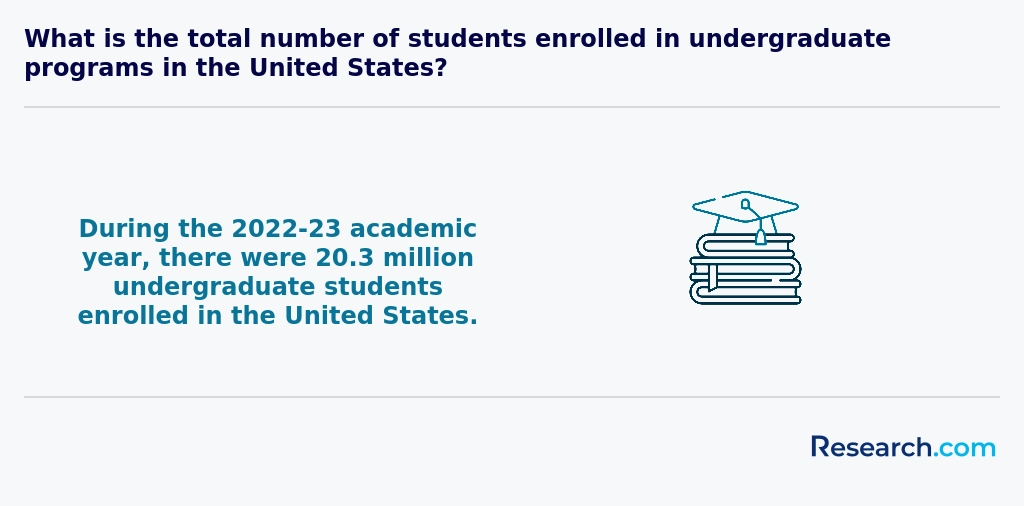
Key Benefits of Online Degrees in Massachusetts
Online programs deliver flexibility, cost savings, and professional growth opportunities tailored for busy learners. Key benefits include:
- Flexible schedules that let you study around work and family commitments
- Accredited curriculum with access to virtual libraries, advising, and career services
- Competitive tuition and robust financial aid options, lowering overall expenses
- Strong industry connections and networking through live discussions and digital forums
- Accelerated pathways via online masters degrees for faster career advancement
What financial aid is available to online degree students in Massachusetts?
Students pursuing online degrees in Massachusetts often find relief through a mix of federal and state financial aid options. Completing the FAFSA early is essential, as it opens doors to Pell Grants-need-based funds that can cover a significant portion of tuition without the burden of repayment. Many graduates from institutions like the University of Massachusetts Amherst recall how Pell Grants alleviated their worries about skyrocketing costs while balancing work and study.
State-specific aid, such as the MassGrant program, offers an extra layer of support for residents attending approved Massachusetts colleges, including online learners at schools like Northeastern University. This grant, providing up to $1,900 annually, can make the difference between pausing studies and persisting toward graduation, especially when combined with institutional scholarships targeted to online students.
Beyond grants, Stafford Loans offer flexible borrowing options with manageable repayment plans, a lifeline for many students juggling family or job commitments. Some even tap into employer tuition assistance or workforce initiatives-resources that past graduates often praise as unexpectedly empowering on their educational journeys.
These varied aids reflect a supportive ecosystem that, with thoughtful planning, can transform aspirations into achievable milestones without overwhelming debt.
Tips for Online Learning Success in Massachusetts
Navigating the world of online education requires a blend of self-discipline, effective planning, and leveraging available resources. To help you thrive, start by setting clear goals and establishing a dedicated study routine that fits with your personal and professional commitments. Make sure your chosen program offers robust student support services-like academic advising, technical assistance, and career counseling-to boost both your academic and professional journey. Additionally, research top-ranked programs that not only ensure quality education but also offer a practical curriculum aligned with in-demand skills. For instance, comparing tuition rates, course flexibility, and networking opportunities can aid in finding the right fit. Be sure to check out our comprehensive list of affordable online general programs in massachusetts to identify cost-effective options that meet your needs without compromising on quality. Moreover, engage with peers and alumni through online forums and virtual events, which can provide valuable insights and real-life feedback about the program’s effectiveness. Adapting to online learning means continuously embracing technology and innovative learning techniques, so don’t hesitate to experiment with digital tools and strategies that increase productivity and enhance comprehension. By incorporating these practices, you can set yourself up for a successful online learning experience in Massachusetts.
What are the prerequisites for enrolling in online degree programs in Massachusetts?
Enrolling in an online degree program in Massachusetts means first meeting a series of practical prerequisites designed to ensure success. Graduates often recall how securing a high school diploma or GED laid the foundation for their journey at institutions like UMass or Boston University. These credentials, combined with official transcripts verifying GPA, become the gateway to admission for many undergraduate programs.
Many students describe the relief when test-optional policies allowed them to focus more on their personal statements and recommendation letters rather than standardized exams like the SAT or ACT. However, some competitive colleges still encourage these scores, so it's wise to check each program's requirements carefully.
Residency documentation plays a significant role, too. Graduates have shared that proving Massachusetts residency unlocked in-state tuition benefits-cutting costs substantially and easing financial stress. For graduate students, having a bachelor's degree with a respectable GPA and sometimes relevant work experience creates a solid application. Demonstrating English proficiency with TOEFL or IELTS scores is a common hurdle, but one that experienced students view as an essential step in preparing for a rewarding online academic life.
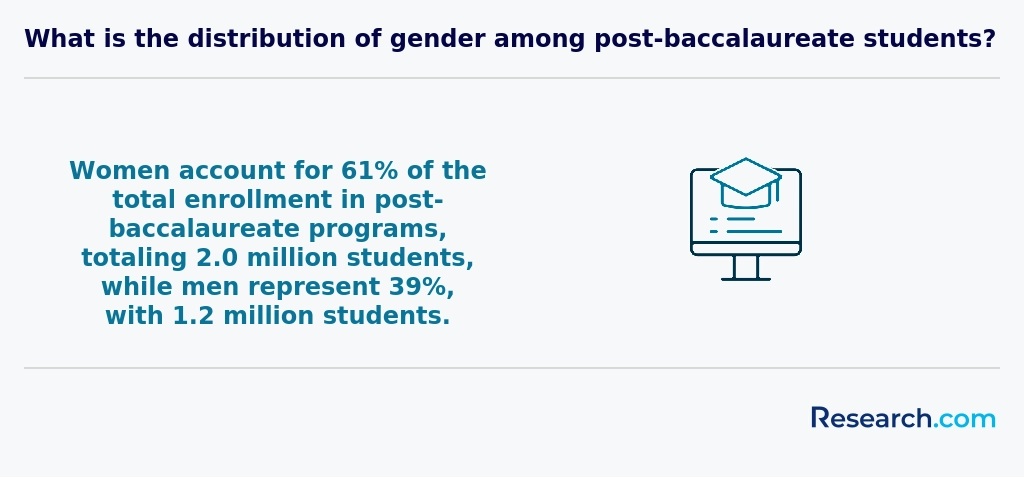
Accreditation and Quality Assurance of Online Colleges in Massachusetts
Ensuring that your online program is properly accredited is the first step toward a reputable degree, transferability of credits, and eligibility for federal financial aid. In Massachusetts, the New England Commission of Higher Education (NECHE) is the primary regional accreditor, overseeing standards for curriculum rigor, faculty qualifications, and student support services. Many institutions also hold program-specific accreditations-such as AACSB for business schools or CCNE for nursing programs-that further validate the quality of specialized coursework. Key accreditation considerations:
- Regional vs. National Accreditation: Regionally accredited schools (e.g., NECHE) are widely recognized by employers and other institutions, while nationally accredited programs may have more limited transfer pathways.
- Programmatic Accreditation: Check for specialized bodies (ABET, CAEP, etc.) if you’re pursuing technical or professional fields.
- Continuous Improvement: Accredited colleges undergo regular reviews and must demonstrate outcomes like graduation rates, job placement statistics, and learner satisfaction. Academic policies at accredited institutions typically guarantee:
- Transfer credit acceptance policies that favor courses from other regionally accredited schools.
- Access to comprehensive student support-including tutoring, library databases, and career counseling-that aligns with accreditation standards.
- Transparency in learning outcomes and assessment methods, ensuring you know exactly what competencies you’ll gain. For an affordable yet accredited option outside Massachusetts, explore our sister ranking, Affordable Online Colleges Programs Ranking in Missouri, to compare cost structures and quality benchmarks across regions. Always verify accreditation status on the U.S. Department of Education’s Database of Accredited Postsecondary Institutions and Programs before enrolling.
What courses are typically in online degree programs in Massachusetts?
Online degree courses in Massachusetts typically include a balanced mix of foundational and specialized subjects designed to prepare students for both academic and professional success. Graduates from well-known institutions often recall how courses in English Composition, Mathematics like statistics and college algebra, and Social Sciences such as psychology and political science formed the backbone of their learning. These courses create a strong intellectual foundation that feels both challenging and rewarding when pursued remotely.
Many students appreciate how Massachusetts affordable online college programs offer accessible pathways to career-focused studies. Business administration, nursing, and healthcare are commonly integrated into online degree programs, reflecting local industry strengths. For example, graduates in nursing from Massachusetts colleges highlight the practical nature of their studies, which often include virtual labs and interactive forums that simulate real healthcare environments.
For those considering advanced studies, Massachusetts' programs frequently cover emerging fields like biotechnology and data science, with courses emphasizing tools like Python and data visualization. Interested learners can also explore options like a shortest online masters degree, which appeals to busy professionals eager to advance rapidly while balancing other commitments.
How do you choose the best online degree in Massachusetts?
Choosing the best online degree program in Massachusetts often begins with ensuring the school is accredited by recognized bodies like NECHE, which reassures graduates about the quality and acceptance of their education. Many students from popular institutions such as the University of Massachusetts system reflect on how accreditation influenced their confidence in the degree's value in the job market. Aligning programs with personal and career goals is equally crucial; for example, graduates pursuing healthcare or technology degrees found that selecting schools with relevant up-to-date curricula enhanced their readiness for local industry demands.
Cost remains a significant factor, especially when weighing the best affordable online degree programs Massachusetts offers. Several graduates mention that tuition benefits for in-state students combined with financial aid options made a prestigious education more accessible. Flexibility in course offerings allows many working individuals to balance study with family or job responsibilities, a common experience among professionals selecting online options.
Students frequently praise support services tailored to remote learning, including advising and career counseling, which contribute to persistence and success. Local connections prove invaluable, as graduates often secure internships or jobs through partnerships the schools maintain with Massachusetts employers. Those seeking accelerated options might explore pathways such as quickest degree highest pay programs to advance careers efficiently.
What career paths are available for online degree graduates in Massachusetts?
Graduates with online degrees in Massachusetts discover diverse career paths shaped by the state's dynamic economy. Many have turned their education from institutions like UMass or Northeastern University into fulfilling roles in healthcare, such as registered nurses or health services managers, benefiting from the state's growing demand in this sector. These graduates often share how balancing studies with family or work commitments felt manageable through flexible online programs.
Job opportunities for Massachusetts graduates also thrive in technology and finance. Alumni pursuing degrees online report landing positions in Boston's tech hubs as developers or cybersecurity analysts, relishing the chance to engage with vibrant innovation scenes. Others find success in financial analysis or marketing, leveraging business programs that prepare them for the state's competitive corporate environment.
Education and social services appeal to those drawn to community impact. Online degrees from popular colleges have led many to become teachers or social workers, supported by Massachusetts's commitment to quality education. For insights into affordable options that also deliver strong career prospects, explore the Affordable Online Colleges Programs Ranking in Missouri.
What is the job market for online degree graduates in Massachusetts?
The job market for online general degree holders in Massachusetts is notably promising, especially given the state's vibrant economy and industry diversity. Graduates from well-known institutions like the University of Massachusetts or Northeastern often share how securing roles in healthcare or information technology fields is quite feasible with an online degree. This reflects broader trends in massachusetts employment opportunities for online graduates, where flexibility and demonstrated skills are highly valued by employers.
For many, earning an online degree enables balancing work and study effectively, a scenario common among professionals expanding their expertise while staying employed. Success stories reveal graduates stepping into competitive roles in business or public health sectors across Boston and Worcester, illustrating that the quality of online education meets market demands.
Those exploring pathways to boost their careers might consider exploring the best online accelerated bachelor's degree options, which cater to the fast pace of today's job market. The ongoing pandemic further cemented the acceptance of online degrees, making them a solid choice for practical career advancement in Massachusetts.
Frequently Asked Questions
Students in Massachusetts can maximize their online learning experience by leveraging the state's strong network of accredited institutions and support resources. Research from the Massachusetts Department of Higher Education shows that many public universities offer dedicated online tutoring and advising services, which help students stay on track.
Active participation in virtual discussion forums and study groups is key, as it promotes engagement and deeper understanding of course material. Additionally, managing time effectively with planners or digital calendars significantly improves course completion rates among Massachusetts online learners.
The use of local library digital resources can also complement learning, providing free access to academic journals and e-books. Lastly, students should explore financial aid options available through Massachusetts' MassGrant program to reduce economic barriers and focus more on studies.
Preparing for the job market after completing an online degree in Massachusetts involves several key steps. Graduates should begin by updating their resumes to highlight relevant skills and coursework gained through their online program. Networking is essential; joining platforms like LinkedIn and local professional groups in Massachusetts can connect graduates with potential employers and mentors.
Massachusetts has a strong job market, especially in technology, healthcare, and education sectors. According to the Massachusetts Executive Office of Labor and Workforce Development, the state's unemployment rate was around 3.4% in early 2024, indicating favorable hiring conditions. Graduates should also consider internships or volunteer roles to gain practical experience.
Finally, utilizing career services offered by online colleges can provide access to job fairs, counseling, and employer connections specific to Massachusetts industries.
Employers in Massachusetts increasingly prioritize both technical and soft skills in graduates, reflecting the state's diverse economy. According to Massachusetts Executive Office of Labor and Workforce Development, critical thinking and problem-solving top the list, essential for adapting to fast-changing industries.
Digital literacy is another key skill, especially proficiency in data analysis, coding, and cybersecurity, all crucial in Massachusetts' thriving tech sector. Communication skills, including clear writing and teamwork, remain vital across all roles, as reported by the Massachusetts Business Roundtable.
Employers also value adaptability and time management, which support remote work success-important for online degree holders. These insights can help prospective students align their education with local job market demands.
Finding internships in Massachusetts, especially for online degree students, involves a combination of research, networking, and leveraging local resources. The state is home to many industries, including technology, healthcare, and finance, which frequently offer internship opportunities. According to the Massachusetts Department of Higher Education, nearly 60% of students secure internships through their college's career services.
Start by using your online program's career center, as many collaborate with local employers to connect students with openings. Additionally, websites like MassHire provide free job and internship listings specifically within Massachusetts.
Networking plays a critical role; joining professional groups or attending virtual job fairs can expose you to internship leads. Engaging with Massachusetts-based organizations on LinkedIn is also helpful for building connections in your field.
In Massachusetts, earning an online degree can significantly enhance career mobility and advancement. According to the Massachusetts Department of Higher Education, individuals with a bachelor's degree typically experience 20%-30% higher earnings compared to those with only a high school diploma. Online degree programs provide flexible access to higher education, enabling working professionals to upskill without interrupting their careers.
The state's robust economy, led by sectors like technology, healthcare, and education, often requires advanced credentials for promotion. Employers increasingly recognize online degrees from accredited Massachusetts institutions as equivalent to traditional degrees, supporting internal career growth.
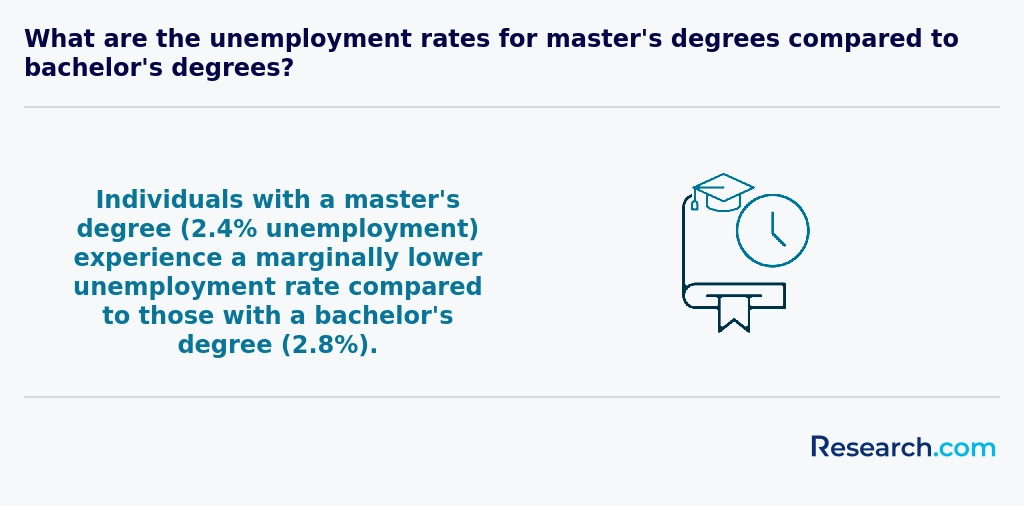
Data from the U.S. Bureau of Labor Statistics highlights that Massachusetts professionals with associate or bachelor's degrees see lower unemployment rates, a key factor influencing job stability and progression.
Thus, attaining an online degree in Massachusetts offers measurable benefits for career advancement, especially in competitive job markets.
When choosing between a thesis and a non-thesis degree program in Massachusetts, consider your career goals and learning preferences. Thesis programs emphasize research and prepare students for doctoral studies or research-intensive roles. Non-thesis options often focus on practical skills and may require a capstone or comprehensive exam instead.
Massachusetts institutions like UMass and Boston University offer online master's programs that reflect this distinction. According to the Massachusetts Department of Higher Education, nearly 40% of graduate students in the state enroll in non-thesis programs, valuing flexibility and applied learning.
Think about your available time, research interest, and whether you aim to enter academia or industry. Thesis tracks usually demand 6 to 12 months dedicated to original research, while non-thesis tracks may allow faster completion.
Students based in Massachusetts interested in studying abroad while pursuing online degrees have several options through public and private universities. Many institutions like the University of Massachusetts system offer virtual exchange programs that allow students to experience international coursework without leaving home. According to the Massachusetts Department of Higher Education, over 40% of Massachusetts college students participate in some form of abroad or global learning experience, including virtual alternatives.
Additionally, partnerships between Massachusetts colleges and universities abroad provide opportunities for hybrid study, combining online learning with short-term travel. These programs adapt well to students balancing work or family commitments. Federal financial aid often supports such arrangements if the study abroad component is part of an accredited program.
Massachusetts offers diverse part-time job opportunities that align well with online degree studies. Students pursuing healthcare degrees can find roles as medical assistants or pharmacy technicians, positions growing by over 10% statewide according to the Massachusetts Executive Office of Labor and Workforce Development (EOLWD).
Those studying business or technology often secure part-time jobs in customer service, administrative assistance, or IT support, leveraging Boston's status as a major tech hub. The average hourly wage for part-time tech workers in Massachusetts is around $20, supporting both income and practical experience.
Educational roles such as tutoring or teaching assistantships are also common, particularly for students in education programs.
Networking opportunities for online students in Massachusetts are growing due to the state's strong educational ecosystem and professional communities. Many public and private institutions offer virtual networking events, alumni groups, and career services tailored for remote learners. For example, the University of Massachusetts system provides online students access to career fairs and virtual workshops, expanding their connections beyond campus.
Massachusetts is home to numerous industries, especially in technology and healthcare, offering students access to professional networking organizations such as local chapters of the Massachusetts Technology Leadership Council. According to the Massachusetts Department of Higher Education, over 75% of online students engage in some form of networking support during their studies, enhancing job prospects.
Alumni networks provide significant advantages to online degree students in Massachusetts by creating a bridge to local industries and professional communities. These networks often facilitate mentorship opportunities, job placements, and internships, which are crucial for career advancement, especially in competitive Massachusetts job markets like Boston and Cambridge.
According to the Massachusetts Department of Higher Education, institutions with active alumni groups report increased employment rates among graduates. For online students, who may miss traditional campus networking, these connections offer valuable support and career guidance.
Additionally, alumni events and online platforms allow remote students to build relationships with peers and professionals statewide, enhancing their educational experience and expanding their professional reach.
In Massachusetts, students can customize online degree programs through a variety of flexible options. Many public and private institutions allow selection of electives aligned with specific career paths, enabling learners to focus on areas like healthcare, technology, or business. For example, the University of Massachusetts system offers tailored tracks within their online degrees to meet industry demands.
Advising services play a key role, where academic counselors help students create personalized course plans. Additionally, some programs provide internship or practicum opportunities that connect theoretical learning with real-world experience.
According to the Massachusetts Department of Higher Education, nearly 60% of online students take advantage of such customization options to enhance employability.
Online students in Massachusetts face several common challenges that can affect their academic success. One major issue is maintaining time management and self-discipline, as online learning requires students to balance coursework with personal and professional responsibilities. According to the Massachusetts Department of Higher Education, many students report feeling isolated due to limited face-to-face interactions with peers and instructors.
Access to reliable technology and internet connectivity is another concern, especially for students in rural parts of the state. The Federal Communications Commission notes that some Massachusetts areas still experience broadband gaps.
Additionally, navigating financial aid and understanding tuition differences between online and on-campus programs can be confusing for many learners.
Writing a winning application for an online degree program in Massachusetts requires a clear understanding of institutional expectations. Start by researching the specific college or university, as requirements vary widely across the state's more than 100 higher education institutions, including public and private schools. Tailor your personal statement to highlight how the program aligns with your career goals and life experience.
Massachusetts is known for competitive admissions; for example, UMass Amherst has an acceptance rate of about 62% for online programs. Strong academic records, relevant work experience, and clear motivation improve your chances.
Include all required documents, such as transcripts verified through official channels, and letters of recommendation if requested. Follow formatting and submission guidelines carefully to avoid delays or rejections.
Research from the Massachusetts Department of Higher Education stresses the importance of demonstrating time management skills for online learning success. Highlighting your ability to balance commitments in your application can set you apart.
Students pursuing online degrees in Massachusetts can gain practical experience through several pathways. Many public and private institutions offer cooperative education (co-op) programs, internships, and practicum placements connected to local businesses and organizations. For example, the Massachusetts Department of Higher Education supports partnerships linking students with employers statewide.
Online students can also participate in virtual internships, increasingly common in the state's tech and healthcare sectors, which accounted for nearly 30% of internship placements in 2023, according to Massachusetts Workforce Reports.
Additionally, service-learning projects and research collaborations facilitated by universities can enhance skills while studying remotely.
Choosing the right concentration within an online degree program in Massachusetts begins with understanding your career goals and interests. Massachusetts offers diverse fields, including healthcare, technology, and business, with concentrations aligned to local industry demands. According to the Massachusetts Executive Office of Labor and Workforce Development, technology and healthcare sectors are among the fastest-growing, influencing concentration choices.
Research each program's curriculum and flexibility. Some concentrations may require specific skills or certifications valued by Massachusetts employers. Consider job placement rates and alumni outcomes when available. Additionally, verify that your chosen concentration is fully online and accredited by recognized bodies in the U.S. Department of Education's Database of Accredited Postsecondary Institutions and Programs.
Exploring local job markets through platforms like MassHire can further inform your decision by highlighting in-demand skills and roles linked to each concentration.
Related General Rankings for Nearby States
- 2027 Easiest Online Colleges Programs Ranking in Rhode Island
- 2027 Easiest Online Colleges Programs Ranking in Connecticut
- 2027 Easiest Online Colleges Programs Ranking in New Hampshire
- 2027 Easiest Online Colleges Programs Ranking in New York
- 2027 Easiest Online Colleges Programs Ranking in Vermont
- 2027 Easiest Online Colleges Programs Ranking in New Jersey
- 2027 Easiest Online Colleges Programs Ranking in Maine
- 2027 Easiest Online Colleges Programs Ranking in Pennsylvania
- 2027 Easiest Online Colleges Programs Ranking in Delaware
- 2027 Easiest Online Colleges Programs Ranking in Maryland
Top Trending General Rankings
References
- Online Learning Programs | Massachusetts Bay Community College https://www.massbay.edu/academics/online-learning/programs
- 25 Best Part-Time Jobs for College Students... | Metaintro https://www.metaintro.com/blog/part-time-jobs-for-college-students
- 2025 Best Online Colleges in Massachusetts https://www.onlineu.com/best-online-colleges/massachusetts
- Internship Programs https://www.masslifesciences.com/programs/internship-programs/
- Choosing Between a Thesis & Non-Thesis Master's Degree https://www.gograd.org/resources/thesis-or-non-thesis-masters-degree/
- Find The Top Online Colleges In Massachusetts https://www.learnhowtobecome.org/online-universities-and-colleges/massachusetts/
- Online Colleges in Massachusetts | OEDb.org https://www.oedb.org/massachusetts/
- 50+ Scholarships & Grants for Study Abroad in 2025 | Go Overseas https://www.gooverseas.com/blog/study-abroad-scholarships-grants
- Job Openings https://massanf.taleo.net/careersection/ex/jobsearch.ftl
- Massachusetts State | ACE https://ace.edu/tuition-and-admissions/ace-vs-other-schools/online-degrees-massachusetts/


