
2027 Easiest Online Colleges Programs Ranking in Utah

Co-Founder and Chief Data Scientist
Choosing the right online college program can be overwhelming, especially in Utah where options are growing rapidly. This article presents the 2027 Easiest Online Colleges Programs Ranking in Utah, developed by the Research.com team of data scientists. It's designed to help you find programs that balance flexibility and academic success, making your educational journey smoother.
Reading this article can guide you toward degrees worth pursuing, boosting confidence and motivation. Pursuing higher education opens doors to new opportunities and personal growth-take the first step with information you can trust.
Key benefits of getting online degrees in Utah
- Graduates in Utah with a bachelor's degree earn a median salary of around $55,000, while those with a master's degree see increases to about $70,000, showing clear financial benefits of higher-level online degrees.
- A University of Utah online business graduate started as a marketing analyst and quickly advanced to management, illustrating strong career growth opportunities from local online programs.
- Graduates from Utah State University's online programs often praise the flexible schedule, allowing them to balance work and study more easily compared to traditional on-campus degrees.
- Key benefits of getting online degrees in Utah
- What can I expect from online degrees in Utah?
- How much can I make with online degrees in Utah?
- 2027 Easiest Online Colleges Programs Ranking in Utah
- Key Findings
- How long does it take to complete online degrees in Utah?
- What's the difference between online and on-campus degree?
- What is the average cost of online degrees in Utah?
- What financial aid is available to online degree students in Utah?
- What are the prerequisites for enrolling in online degree programs in Utah?
- What courses are typically in online degree programs in Utah?
- How do you choose the best online degree in Utah?
- What career paths are available for online degree graduates in Utah?
- What is the job market for online degree graduates in Utah?
- Related General Rankings for Nearby States
- Top Trending General Rankings
What can I expect from online degrees in Utah?
When you pursue an online degree in Utah, you step into a world designed to fit your busy life while maintaining high academic standards. Graduates from the University of Utah and Utah State University often share how the flexibility allowed them to balance work, family, and studies seamlessly. You can expect programs accredited by respected bodies like the NWCCU, ensuring your degree holds real value nationwide.
Courses here often reflect local job markets, so if you're drawn to business, healthcare, education, or IT, Utah's online degrees are built to prepare you for success. Many students appreciate hybrid options, combining online learning with occasional on-campus events that foster community and hands-on experience. This blend helps them feel connected and supported, even from a distance.
Technology plays a key role too-tools like Canvas help you engage with instructors and classmates, making your learning experience interactive and dynamic. Plus, partnerships with local employers often open doors to internships and practical projects, boosting your confidence as you prepare to launch your career.
How much can I make with online degrees in Utah?
Graduates with an online bachelor's degree from Utah institutions like the University of Utah or BYU often see a rewarding boost in earnings. On average, those with bachelor's degrees earn around $60,000 annually, a substantial increase compared to $40,000 for high school graduates. This translates to greater financial freedom and opportunities for personal growth.
For example, graduates pursuing healthcare or tech degrees online typically experience higher salaries right out of school. Registered nurses with a bachelor's from Utah State University often start near $75,000, while skills in computer science or software development can open doors to salaries between $65,000 and $80,000.
Even those with degrees in fields like education enjoy improved wages-beginning closer to $45,000 to $55,000-compared to non-degree holders. Many online learners tell of how their degrees helped them balance work and family while steadily climbing the career ladder in Utah's growing job market.
2027 Easiest Online Colleges Programs Ranking in Utah
How do we rank schools?
Investing in your education is a significant decision that can shape your future, and the Research.com team understands the importance of making informed choices. To assist prospective students in Utah, we have meticulously crafted the "2027 Easiest Online Colleges Programs Ranking in Utah." Our commitment to quality, credibility, and accuracy is reflected in the extensive research and analysis conducted to compile this ranking.
We utilized the following reputable data sources to ensure a comprehensive evaluation of online college programs:
By exploring this ranking, readers will gain valuable insights into the easiest online college programs available in Utah, helping them make well-informed decisions about their educational journeys. For more details on how the ranking was created, please visit our Research.com methodology page.
# 1 position
Western Governors University
Bachelor of Supply Chain and Operations Management

# 2 position
Western Governors University
Bachelor of User Experience Design
# 3 position
Western Governors University
Bachelor of Business Administration in Healthcare Management
# 4 position
Western Governors University
Master of Teaching Special Education
# 5 position
Western Governors University
Bachelor of Software Engineering
# 6 position
Western Governors University
Bachelor of Health Science
# 7 position
Western Governors University
Bachelor of Psychology
# 8 position
Western Governors University
Bachelor of Public Health
# 9 position
Western Governors University
Master of Computer Science Artificial Intelligence and Machine Learning
# 10 position
Western Governors University
Master of Computer Science Computing Systems
# 11 position
Western Governors University
Master of Software Engineering - AI Engineering
# 12 position
Western Governors University
Master of Human Resource Management
# 13 position
Western Governors University
Master of Public Health
# 14 position
Western Governors University
Nursing (RN to MSN track)
# 15 position
Western Governors University
Nursing - Family Nurse Practitioner (BSN to MSN)
# 16 position
Western Governors University
Master of Nursing - Psychiatric Mental Health Nurse Practitioner
# 17 position
Western Governors University
Master of Cybersecurity and Information Assurance
# 18 position
Western Governors University
Master of Healthcare Management
# 19 position
Western Governors University
Nursing - Education (RN-to-MSN)
# 20 position
Western Governors University
Bachelor of Information Technology
Key Findings
- Average tuition for public online degree programs in Utah ranges from $6,000 to $8,000 per year for resident undergraduate students.
- Private institutions have higher tuition but often provide financial aid and scholarships to online students.
- The average starting salary for graduates with an online degree in Utah is about $48,000 per year, with mid-career earnings around $75,000 annually.
- Job growth is strong in STEM, business, and health services fields, increasing demand for relevant online degrees.
- Utah requires online degree programs to meet quality and reporting standards to ensure valid and recognized credentials.
How long does it take to complete online degrees in Utah?
Completing an online degree in Utah generally takes about four years for full-time students, mirroring the pace of traditional on-campus programs. For example, many graduates from the University of Utah and Utah State University find that taking 12 to 15 credit hours each semester helps them finish within this timeframe. The flexibility of online learning means you can also tailor your schedule, taking courses part-time if you're balancing work or family, which can extend your timeline to five or six years but still keeps you steadily moving forward.
Some motivated students take advantage of accelerated courses and summer sessions, finishing degrees in as little as three years. Others benefit from transferring previous credits or leveraging life and work experience to shorten their journey by six months or more.
Associate degrees tend to wrap up faster, usually in two years full-time. Across Utah, online learners share a common feeling of control over their education, using the adaptable schedules from institutions like Weber State University to fit classes around their busy lives and ambitions.
What's the difference between online and on-campus degree?
Choosing between online and on-campus degrees in Utah comes down to your lifestyle and learning preferences. Imagine a busy parent living in a small town outside Salt Lake City who values the freedom to study late at night without a commute. Online programs from institutions like Utah State University offer that flexibility, allowing students to access classes anytime while balancing work and family.
On the other hand, graduates from the University of Utah often cherish the vibrant campus environment-engaging directly with professors, collaborating in study groups, and taking part in extracurricular activities. This face-to-face interaction builds strong professional networks and provides immediate academic support, something harder to replicate online.
Cost is another factor. While tuition rates are similar, online students save significantly on housing and travel, a crucial consideration for many Utah residents. Yet, staying motivated without the physical presence of peers requires discipline, which some online learners find empowering as they develop strong self-management skills.
Ultimately, both paths are respected, accredited, and tailored to fit your unique journey toward success in Utah's educational landscape.
What is the average cost of online degrees in Utah?
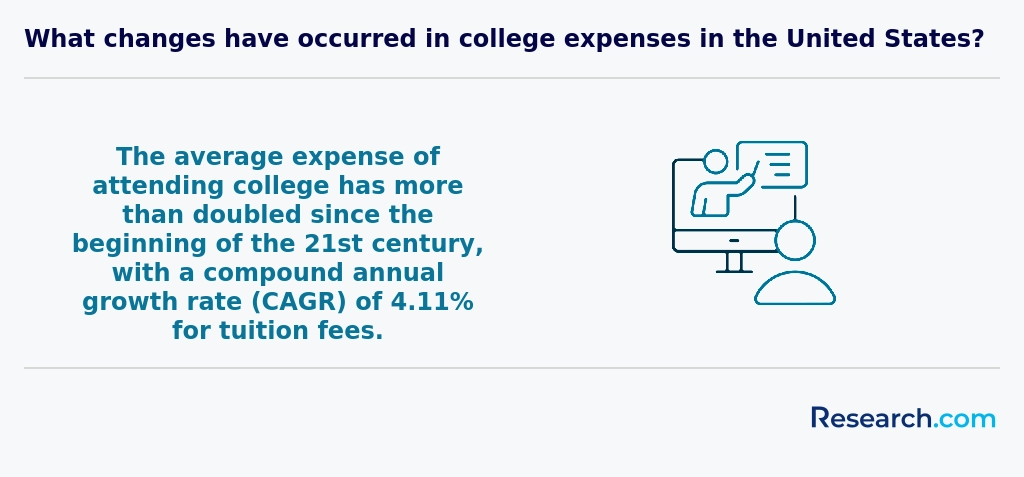
The average cost of an online degree in Utah typically centers around $32,400, reflecting a balance between in-state and out-of-state tuition costs. Graduates from institutions like the University of Utah or Utah State University often share that while tuition may seem significant, the investment is offset by the convenience and flexibility of learning remotely. These students appreciate how online programs are structured to align with their busy schedules, allowing them to work or manage family responsibilities simultaneously.
For those exploring options with more affordable tuition, many look to community colleges such as Salt Lake Community College, where costs are considerably lower, often ranging between $4,000 and $6,000 annually. This makes earning an associate degree or certificate an achievable goal without compromising quality. The average cost of online degree Utah learners face can thus vary widely, giving prospective students the freedom to choose paths that fit their financial circumstances and career ambitions.
Utah online college tuition and fees tend to be competitive, especially at public universities, and students often benefit from in-state rates. Graduates frequently highlight how combining financial aid and scholarships helped ease the burden. When planning your educational journey, looking into these opportunities is essential for managing expenses.
Many hopefuls visit resources highlighting cheap masters programs online that maintain quality while prioritizing affordability. This approach turns the dream of earning a degree from Utah's respected institutions into an accessible reality for ambitious learners. Embracing this pathway can open doors to new careers and personal growth while keeping costs transparent and manageable.
What financial aid is available to online degree students in Utah?
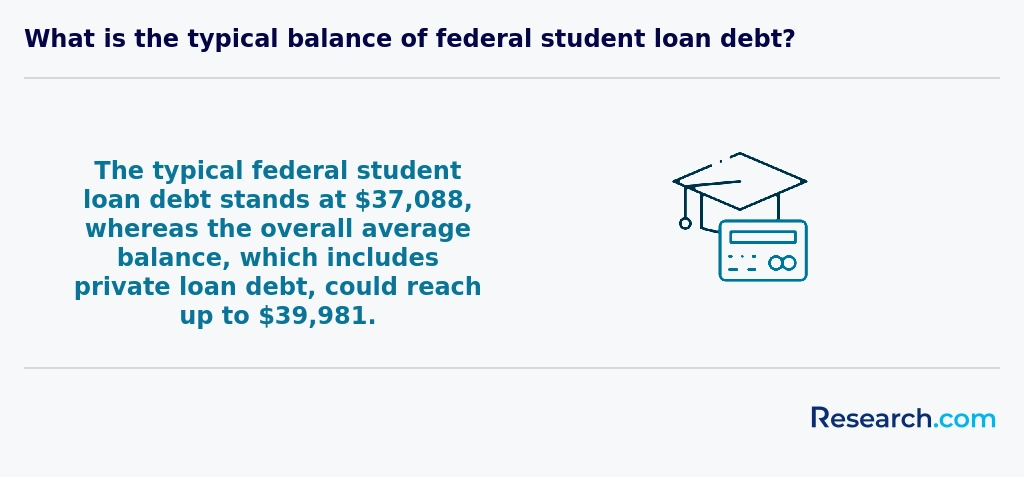
When pursuing an online degree in Utah, financial aid options are both accessible and diverse, designed to ease your journey. Many students from the University of Utah and Utah State University have successfully leveraged the Federal Pell Grant, a key aid that doesn't require repayment and can cover a large chunk of tuition-up to $7,395 for 2023-2024. Imagine a working adult balancing family and study, relieved by this grant as it lessens the load of $8,000-$9,000 annual tuition costs at Utah's public universities.
Federal student loans like Direct Subsidized and Unsubsidized Loans offer flexible repayment, fitting the schedules of busy online learners. On the state level, programs like the Utah Educational Savings Plan (UESP) and Utah Regents' Scholarship reward planning and merit, sometimes even for online students.
Many graduates recall how institutional scholarships at Utah's major universities boosted their finances, making their online education feel within reach. Employers' tuition assistance often adds another layer of support, allowing you to study without pausing your career.
Finally, tapping into private scholarships through local nonprofits or community groups composes a powerful financial safety net-just another way your Utah online degree dreams can thrive.
What are the prerequisites for enrolling in online degree programs in Utah?
To enroll in an online degree program in Utah, you'll first need a high school diploma or GED-this is the foundation that opens the door to higher education. Graduates from institutions like the University of Utah often recall how having their official transcripts ready eased the process, ensuring schools could see their academic journey clearly. While some programs may ask for SAT or ACT scores, many Utah colleges, such as Utah State University, have embraced test-optional policies, making this less of a hurdle.
Equally important is being tech-ready. Reliable internet and a suitable device are essential for staying connected, submitting assignments, and participating in live discussions. Many students find that having the right setup turns online learning into an exciting, manageable challenge.
Financial planning is key too-applying for FAFSA and exploring scholarships can lighten tuition costs, which average around $8,000 yearly for public in-state students in Utah. International students should prepare extra documents like proof of English proficiency, helping them integrate smoothly into the vibrant academic community.

What courses are typically in online degree programs in Utah?
When exploring online degree courses in Utah, you'll find most programs start with foundational general education that builds essential skills. Graduates recall how classes in English composition and literature helped sharpen their communication, while math courses like statistics enhanced their analytical thinking. At institutions such as the University of Utah Online, these courses prepare you for real-world challenges by fostering critical thinking and quantitative reasoning.
Social sciences and humanities also play a big role in Utah online college program curriculum. Students often engage with psychology, sociology, or history, gaining perspectives useful in many careers. Imagine joining virtual discussions that connect you with peers across the state, broadening your understanding of cultural studies and philosophy in meaningful ways.
Many Utah students find that their programs offer pathways to advanced learning, including options like phd without dissertation tracks, which provide flexibility to fit your lifestyle. These opportunities encourage you to keep growing while balancing work and family.
How do you choose the best online degree in Utah?
Start by focusing on accreditation and reputation; Utah's best online programs often come from institutions accredited by the Northwest Commission on Colleges and Universities, ensuring your degree holds real value. Graduates from universities like the University of Utah and Utah State University often share how accreditation helped them confidently transfer credits and access financial aid. Flexibility matters-choose a program with asynchronous classes or blended formats that adapt to your busy life. Many graduates appreciate being able to study evenings or weekends, balancing work and family with coursework.
Look closely at student support services available online. Programs that offer dedicated academic advising, tutoring, and tech help can make all the difference when staying motivated and overcoming challenges. Also, consider cost carefully; Utah's public universities typically offer some of the best affordable online degrees Utah with in-state tuition around $6,500 per year. Knowing the full cost, including fees and scholarships, can save you from surprises.
Finally, align your choice with your career ambitions by researching local job markets. Utah's booming sectors like IT, healthcare, and business administration reward credentials from online degrees that pay well. Understand which programs boost employment prospects so you graduate ready to thrive.
What career paths are available for online degree graduates in Utah?
Graduates with online degrees from Utah institutions like the University of Utah or Utah Valley University often find themselves stepping confidently into technology roles fueled by Utah's booming Silicon Slopes. Many alumni share how their degrees in computer science or IT helped them land rewarding jobs as software developers or cybersecurity analysts, thriving in a dynamic environment that matches their online learning flexibility. Exploring online degree career opportunities in Utah reveals that healthcare is equally promising; graduates from nursing or healthcare administration programs contribute to vital services, addressing the needs of an aging population with meaningful roles as registered nurses or health educators.
Business graduates report success in marketing, finance, and human resources positions, leveraging the state's growing professional sector. Alumni pursuing education degrees often transform classrooms and administration offices across Utah while fulfilling urgent demand for skilled teachers and specialists. For those seeking immediate advances, some have even found accelerated options by exploring 1 year phd programs online, allowing them to deepen expertise with minimal downtime. Insights into the Utah job market for online graduates make it clear: opportunities abound across multiple industries, creating paths as diverse as your ambitions.
What is the job market for online degree graduates in Utah?
The job market for online degree holders in Utah is notably vibrant, especially for those graduating from well-regarded institutions like the University of Utah or Utah State University. Graduates regularly share how their flexible online learning helped them balance work and study, equipping them with practical skills highly sought after by employers in Utah's thriving tech and healthcare sectors. Employers appreciate the adaptability and technological competence online students develop, which aligns perfectly with the state's evolving industries.
Understanding the Utah employment outlook for online graduates reveals strong demand in fields like software development and healthcare, giving you real opportunity to find rewarding roles close to home. Many online graduates have landed meaningful jobs within companies like Qualtrics or local healthcare providers, demonstrating how an online degree can open doors in Utah's diverse economy.
If budget is a concern, exploring options such as the cheapest online college choices available can make earning your degree more accessible while still positioning you for career growth in Utah's competitive job market.
Frequently Asked Questions
Students in Utah can maximize their online learning experience by actively engaging with their courses and utilizing available resources. According to the Utah System of Higher Education, many institutions offer robust support services like tutoring, academic advising, and technical help specifically for online learners.
Building a dedicated study schedule is crucial to stay on track and balance work or family commitments. Utah students benefit from platforms that allow flexible interaction, such as discussion boards and live video sessions, fostering better understanding and networking.
Moreover, leveraging local resources like public libraries or designated study centers can enhance focus and reduce distractions.
After completing an online degree in Utah, preparing for the job market requires strategic actions. Start by updating your resume to highlight skills acquired through your degree, emphasizing any internships or practical projects. Utah's unemployment rate in 2024 stands at roughly 2.6%, indicating a competitive but healthy job market (U.S. Bureau of Labor Statistics).
Networking is essential; engage with Utah-based professional organizations and attend virtual career fairs. Many universities offer career services specifically for online students, helping with interview preparation and job placement.
Utilize platforms like the Utah Department of Workforce Services to explore in-demand careers, such as technology and healthcare, which showed steady growth recently. Gaining relevant certifications alongside your degree can enhance employability.
Employers in Utah highly value graduates with strong communication and critical thinking skills. According to the Utah Department of Workforce Services, over 75% of job openings emphasize problem-solving abilities. These skills help employees adapt in fast-growing industries like tech and healthcare, which are major employers in the state.
Technical proficiency, especially in digital tools relevant to specific fields, is increasingly important. For example, data analysis and software skills are sought-after in both urban centers like Salt Lake City and rural areas.
Additionally, teamwork and adaptability rank among the top soft skills employers seek, reflecting Utah's collaborative work culture.
Finding internships in Utah as an online degree student involves strategic research and use of local resources. Start by exploring the Utah Department of Workforce Services, which offers job and internship listings specifically within the state. Many Utah universities also host virtual career fairs and maintain online internship databases accessible to remote students.
Networking plays a crucial role. Join Utah-focused professional groups on LinkedIn and attend virtual local industry events. According to the Utah Department of Workforce Services, internships in fields like technology, healthcare, and business are growing steadily, reflecting the state's economic trends.
Additionally, consider reaching out directly to Utah companies that match your career goals. Many organizations offer formal internship programs designed to support students from local colleges and universities.
Online platforms such as Handshake partner with Utah's higher education institutions to connect students with internships tailored to their fields and locations. Leveraging these tools increases your chances of securing relevant and regionally specific opportunities.
In Utah, obtaining an online degree can significantly enhance career mobility and advancement. According to the Utah Department of Workforce Services, jobs requiring a bachelor's degree are expected to grow 12% by 2028, faster than the average for all occupations. Employers increasingly recognize online degrees from accredited institutions as valid credentials, especially for roles in technology, healthcare, and business sectors prevalent in Utah.
Graduates with online degrees often report improved access to higher-paying jobs and promotions. The flexibility of online learning allows working professionals to upskill without interrupting their careers. Studies by the Lumina Foundation highlight that Utah's adult learners benefit from online programs to overcome geographic and scheduling barriers, accelerating career progression.
Choosing between a thesis and a non-thesis online degree in Utah depends on your career goals and learning preferences.
Thesis programs typically require original research and a substantial written document. They suit students aiming for academic careers or further graduate study. The University of Utah reports that thesis options are prevalent in research-focused graduate programs in the state.
Non-thesis programs emphasize coursework and practical skills, ideal for working professionals seeking advancement without research commitments. According to Utah System of Higher Education data, many online master's degrees in Utah offer non-thesis tracks to accommodate diverse student needs.
Consider your time availability and interest in research when deciding, as thesis paths often take longer to complete.
Students based in Utah who pursue online degrees have several opportunities to study abroad, primarily through exchange programs and virtual international experiences offered by their universities. Many public institutions in Utah, such as the University of Utah and Utah State University, have partnerships with universities worldwide, allowing students to participate in semester-long exchanges or short-term study tours, even while enrolled in online courses.
Additionally, students can engage in virtual study abroad programs that incorporate global coursework and collaboration with international peers, suitable for those unable to travel. According to the Institute of International Education, nearly 2,500 Utah students studied abroad in recent years, showing growing interest and institutional support for international education.
Part-time job opportunities in Utah that complement online degree programs vary widely by field of study. For students in business or communications, roles such as marketing assistant or customer service representative can provide relevant experience while allowing flexible hours. According to Utah Department of Workforce Services, healthcare support roles including medical receptionist or pharmacy technician are in high demand, particularly for those studying health sciences.
Information technology students can seek part-time positions like IT support or web development assistant, as the tech sector in Utah is rapidly expanding, notably in Salt Lake City's growing tech corridor. Education majors might find tutoring or teacher assistant jobs beneficial. These roles help develop practical skills aligned with academic knowledge.
Engaging in part-time work related to your degree can improve job prospects and provide valuable networking within Utah's local economy.
Online students in Utah have several opportunities to build professional networks despite the remote format of their programs. Many Utah colleges and universities offer virtual career fairs, online workshops, and networking events specifically designed for remote learners. For example, the University of Utah and Utah State University provide online platforms where students can connect with alumni and potential employers across various industries.
Additionally, statewide organizations like the Utah Technology Council host virtual meetups that online students can attend to engage with local professionals. Research from the Utah Department of Workforce Services highlights the growing importance of digital networking in Utah's job market, especially within tech and healthcare sectors.
Alumni networks offer significant advantages to online degree students in Utah by providing valuable connections within the local job market. According to the Utah System of Higher Education, about 68% of graduates find employment within the state, making these networks crucial for internships and job referrals.
Students benefit from mentorship opportunities, as alumni often volunteer to guide recent graduates. These connections can lead to enhanced career development and increased access to industry events across Utah's growing sectors, such as technology and healthcare.
Furthermore, online students gain a sense of community and professional identity, helping to bridge the physical distance from campus.
Customizing an online degree program in Utah to align with career goals begins with selecting a subject that matches your professional interests. Many Utah institutions offer flexible online degrees allowing students to choose electives or concentrations tailored to specific industries.
Advisors at universities such as the University of Utah and Utah State University can help you design a course plan that prioritizes skills relevant to your target job market. Additionally, internship opportunities and project-based courses integrated virtually provide practical experience.
According to the Utah System of Higher Education, over 65% of online students enroll part-time, which lets them balance work, study, and career development effectively.
Online students in Utah often face challenges related to access and engagement. Despite increasing internet availability, some rural areas in the state still experience limited broadband connectivity, which can hinder streaming lectures or participating in live discussions. According to the Utah Broadband Advisory Council, about 10% of Utahns lack reliable high-speed internet.
Another common issue is managing time effectively, especially for students balancing work and family. Online programs demand strong self-discipline since there is less direct supervision compared to traditional classes.
Additionally, students sometimes struggle with feeling isolated due to reduced social interaction. Many find fewer opportunities for networking and peer support, which are valuable during college.
Utah's institutions are continuously improving online services, but these typical obstacles remain significant for learners.
Writing a winning application for an online college or university program in Utah requires careful preparation. First, clearly articulate your goals in a concise personal statement, emphasizing how the program aligns with your career plans. Utah has seen a 15% increase in online degree enrollment from 2020 to 2023, showing growing competition (Utah System of Higher Education, 2023).
Include strong letters of recommendation from professional or academic sources familiar with your abilities. Make sure to highlight relevant work experience or volunteer activities.
Finally, proofread carefully to avoid errors, and meet all deadlines set by Utah institutions. Many Utah colleges use a common application platform, streamlining your submission process.
Students pursuing online degrees in Utah can gain practical experience through several options. Many universities in Utah encourage internships or cooperative education programs, which allow students to work with local businesses or organizations while earning credit. According to the Utah System of Higher Education, over 60% of students participate in internships related to their field. Additionally, some online programs offer virtual labs and project-based coursework to build hands-on skills. Utah's strong job market in tech, healthcare, and education provides numerous opportunities for remote work and volunteering. These experiences can enhance resumes and improve job prospects after graduation.
Choosing the right concentration within an online degree program in Utah starts with understanding your career goals and interests. Utah's economy highly values fields like technology, healthcare, and business, so aligning your concentration with these in-demand areas can improve job prospects. According to the Utah Department of Workforce Services, jobs in tech and healthcare are among the fastest growing in the state through 2030.
Research the offerings at accredited institutions in Utah, ensuring the concentration matches your skills and future plans. Look for programs with strong faculty expertise and relevant internships or networking opportunities. Also, consider the flexibility of the concentration's coursework to fit your schedule.
Lastly, use resources like Utah System of Higher Education data to compare graduation rates and employment outcomes by concentration before deciding.
Related General Rankings for Nearby States
- 2027 Easiest Online Colleges Programs Ranking in Arizona
- 2027 Easiest Online Colleges Programs Ranking in Idaho
- 2027 Easiest Online Colleges Programs Ranking in Colorado
- 2027 Easiest Online Colleges Programs Ranking in New Mexico
- 2027 Easiest Online Colleges Programs Ranking in California
- 2027 Easiest Online Colleges Programs Ranking in Washington
- 2027 Easiest Online Colleges Programs Ranking in Texas
- 2027 Easiest Online Colleges Programs Ranking in Nebraska
- 2027 Easiest Online Colleges Programs Ranking in South Dakota
- 2027 Easiest Online Colleges Programs Ranking in North Dakota
Top Trending General Rankings
References
- Four Career Benefits to Completing Your Degree | Elmhurst University "Elmhurst University" Blog https://www.elmhurst.edu/blog/four-career-benefits-to-completing-your-degree/
- Vision Quest: University Of Utah Online Classes: Your Guide https://pages.riley-eyewear.com/riley-eyewear/university-of-utah-online-classes-your-guide-1767646997
- Build Your Career with a Goal-Oriented Development Plan – Step by Step https://sundancecollege.com/blog/goal-oriented-career-development-plan-guide/
- Choosing a Thesis vs. Non-Thesis Program: What Every Graduate Student Needs to Know https://presenti.ai/blog/choosing-a-thesis-vs-non-thesis-program/
- UT Networking Groups & Events | Networkr https://networkr.app/find/usa/ut/
- College Degree vs. Major vs. Concentration: What’s the Difference? https://www.coloradotech.edu/blog/2025/september/college-degree-vs-major-vs-concentration-what-s-the-difference
- Thesis vs. Non-Thesis Master's Programs: Which is Right for You? https://potomac.edu/thesis-vs-non-thesis-masters/
- Thesis vs. Non-Thesis Master’s Programs: Which One Is Right for You? | UT Permian Basin Online https://online.utpb.edu/about-us/articles/humanities/thesis-or-no-thesis-which-one-is-right-for-you/
- These 21 companies will help you with tuition to earn your college degree https://www.thepennyhoarder.com/make-money/side-gigs/jobs-that-pay-for-college/
- Utah Fits All: Opportunities to Support Your Utah Fits All Fund https://athenianschools.com/utah-fits-all-opportunities-to-support-your-utah-fits-all-fund/


