Ascent Student Loans Review for 2027

Student Finance & Loan Expert
Navigating the complexities of higher education often involves significant financial planning. Student loans can be a valuable tool to bridge the gap between tuition costs and available funds, but choosing the right lender is crucial.
It is essential to research and compare various loan options before committing to a specific lender. This Ascent Student Loans review aims to provide you with the necessary information to make an informed decision.
By carefully evaluating factors such as interest rates, repayment plans, eligibility requirements, and customer service, you can select a loan that aligns with your financial goals and minimizes long-term debt.
Key Things You Should Know About Ascent Student Loans for 2027
- Ascent provides a range of student loan options to cater to different student needs. This includes cosigned and non-cosigned loans and undergraduate and graduate programs.
- Eligibility requirements and repayment terms can differ based on the type of Ascent student loan you choose. Credit history, enrollment status, and income will influence your options.
- Ascent is one of many lenders in the student loan market. However, it is essential to compare rates, terms, and benefits offered by lenders, including federal loan options.
- What is an Ascent student loan and how does it work?
- What are the eligibility requirements for Ascent Student Loans?
- How do I apply for an Ascent student loan?
- What are the advantages of an Ascent student loan?
- What are the disadvantages of an Ascent student loan?
- Can I Use an Ascent Student Loan to Pay for Past-Due Tuition?
- Can Ascent student loans finance specialized education?
- How does Ascent student loan compare to other lenders?
- How does an Ascent Student Loan affect my credit score?
- Can Ascent Student Loans boost my future earning potential?
- Can Ascent Student Loans support accelerated degree programs?
- Can Ascent Student Loans finance non-degree or certificate programs?
- Can I Refinance or Consolidate My Ascent Student Loans?
- When is the Right Time to Apply for an Ascent Student Loan?
- What repayment relief options does Ascent Student Loans offer for financial hardship?
- What potential risks should I be aware of with Ascent Student Loans?
- What are the interest rates and fees for Ascent Student Loans?
- Does Ascent student loan require a cosigner?
- How do I contact Ascent student loan customer service?
What is an Ascent student loan and how does it work?
Ascent is a private lender that specializes in providing student loans to undergraduate and graduate students. Unlike many other lenders, Ascent Student Loans is known for its flexibility and willingness to work with borrowers who may have limited credit history.
How does an Ascent student loan work?
Just like any other student loan, an Ascent loan provides financial assistance to help cover the costs of higher education. The loan application process involves:
- Application and Approval: You apply for an Ascent student loan through their online platform. The approval process considers factors like your school, major, GPA, and sometimes your credit history, or a cosigner's credit.
- Disbursement: Once approved, the loan funds are typically sent directly to your school to cover tuition, fees, and other eligible expenses.
- Repayment: Repayment usually begins six months after you graduate or leave school. Ascent offers various repayment plans to suit different financial situations.
Key features of Ascent student loans:
- Accessibility: Ascent often caters to students with limited credit history or international students who might struggle to qualify for other loans.
- Flexible Repayment Options: Ascent provides options like graduated repayment plans, which start with lower payments and gradually increase.
- Additional Support: They offer financial literacy resources and career counseling to help borrowers manage their loans and plan for the future.
What are the eligibility requirements for Ascent Student Loans?
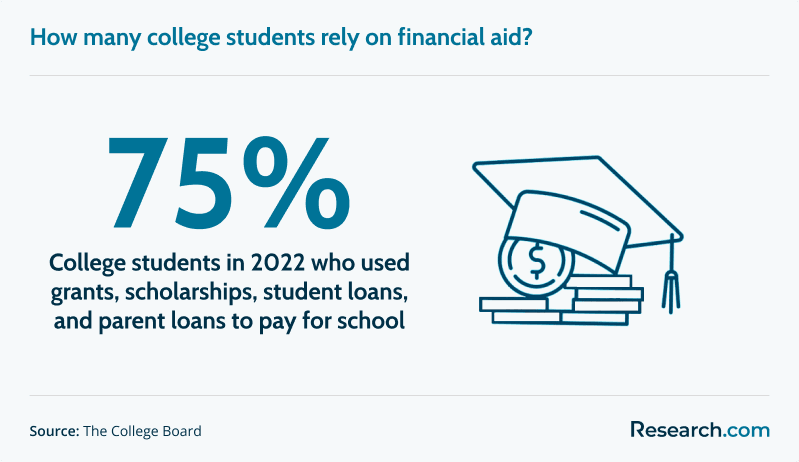
In 2019-20, about 66% of private loan borrowers attended schools with tuition and fees above $10,000. Ascent's eligibility criteria can vary depending on the loan type. However, general eligibility requires the student to be enrolled at least half-time at an eligible school and be a U.S. citizen or permanent resident.
For cosigned credit-based loans, the student must meet minimum credit score requirements and have a creditworthy cosigner.
For non-cosigned credit-based loans, borrowers must have a strong credit history and income. In addition, specific credit score and income thresholds may apply in some instances.
Ascent's credit decision process is proprietary, and specific requirements can change. For international students, a cosigner is required.
How do I apply for an Ascent Student Loan?
Six percent of undergraduates borrowed private loans in 2019-20. Applying for an Ascent student loan is generally a straightforward process. Here's a basic outline:
- Go to Ascent's official website and start the online application.
- Provide your personal details like your name, date of birth, Social Security number, and contact information. Specify the school you are attending, or plan to attend.
- You will need to provide details about your income, expected expenses, and other financial aid.
- If you are applying for a cosigned loan, you will need to provide information about your cosigner.
- Ascent will perform a credit check on you or your cosigner.
- After reviewing your application, Ascent will notify you of their decision.
What are the advantages of an Ascent student loan?
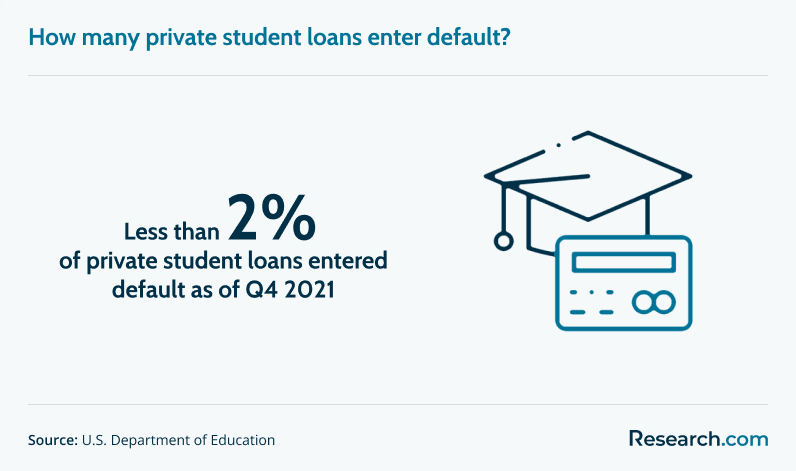
In 2019-20, 2% of students at public two-year colleges had private loans. Ascent has positioned itself as a student-friendly lender with several attractive features. Here are some of the key advantages:
- Flexibility: Ascent offers various loan types to cater to different student profiles, including cosigned and non-cosigned options and undergraduate and graduate loans.
- Accessibility: One of Ascent's strengths is its willingness to work with borrowers with limited credit history.
- Outcomes-Based Loan: This unique option benefits students, as repayment is tied to their post-graduation income.
- Customer Service: Ascent often receives positive feedback for its customer service and support.
- Additional Benefits: Depending on the loan type, borrowers might be eligible for perks like graduation rewards, autopay discounts, and cosigner release options.
What are the disadvantages of an Ascent student loan?
Every type of private loan has its pros and cons. While Ascent Student Loans offers several advantages, it is important to consider potential drawbacks:
- Higher Interest Rates: Compared to other lenders, Ascent's interest rates can be higher, especially for non-cosigned loans.
- Limited Repayment Options: Ascent offers fewer repayment options compared to other lenders.
- Eligibility Restrictions: The outcomes-based loan, while attractive, has eligibility restrictions, limiting its availability to certain students.
- No Refinancing Option: Ascent currently does not offer student loan refinancing, which can be a valuable tool for borrowers looking to lower their interest rates.
- Cosigner Release Limitations: International students may not be eligible for cosigner release, which can be a disadvantage for borrowers and their cosigners.
Can I Use an Ascent Student Loan to Pay for Past-Due Tuition?
If you're struggling with past-due tuition, Ascent student loans might not directly cater to this specific need. Most private lenders, including Ascent, typically provide loans for upcoming or current educational expenses, requiring students to be actively enrolled and in good standing with their school. However, if paying past-due tuition is a priority, alternative avenues may be more appropriate.
To address past-due tuition, consider researching options that explicitly support this financial challenge. Resources like this guide on how to get student loans for past due tuition can offer valuable insights into alternative funding methods, including specific lenders or programs tailored for back-owed tuition, as well as tips on working with your school's financial aid office.
While Ascent focuses on flexible terms and funding for future expenses, understanding your broader financial options will help ensure you secure the monetary support you need to continue your education without interruption.
Can Ascent student loans finance specialized education?
Ascent Student Loans can be a suitable option not only for traditional undergraduate and graduate education but also for more specialized fields of study. For instance, students pursuing professional training programs like aviation school may wonder if such costs can be covered through private lending options. While Ascent does not explicitly cater to niche vocational training programs, its flexible eligibility and loan terms make it a viable choice for students aiming to finance advanced or unconventional educational paths.
However, if you're looking to finance highly specialized programs, such as flight training, it's crucial to explore options specifically tailored to those educational needs. Specialized lenders often provide customized loan products for vocational training, addressing unique cost structures and earning potential in fields like aviation. For detailed insights into how to fund such ambitions, including flight training loans structured for students in aviation programs, consider exploring resources designed for specialized educational financing.
With Ascent’s focus on flexibility and competitive rates, students may still find it worth considering if their vocational program meets general eligibility requirements. Nonetheless, a comprehensive understanding of alternative funding solutions will help you build a robust plan to support your education in areas requiring specific financial strategies.
How does Ascent student loan compare to other lenders?
In 2022-23, 40% of college expenses were covered by parents' income and savings, while 39% were paid for by free money from grants and scholarships. While Ascent has carved a niche for itself in the student loan market, it is essential to compare its services with other popular lenders to determine the best fit for your needs.
Key Comparison Points
- Interest Rates: While Ascent offers competitive rates, compare it with other lenders like Sallie Mae, Discover, and Citizens Bank. Rates can fluctuate based on market conditions and your creditworthiness.
- Repayment Options: Ascent provides a range of repayment plans, but given the average time to pay off student loans, some lenders offer more flexibility, such as income-driven repayment or extended grace periods.
- Fees: Ascent does not charge origination or late fees, but it is essential to check if other lenders have similar fee structures.
- Customer Service: While Ascent is known for its customer service, it is worth reading reviews and comparing it to other lenders.
- Borrower Benefits: Some lenders offer additional perks like rewards programs, unemployment protection, or job placement assistance.
Popular Alternatives
- Sallie Mae: Offers a variety of loan options, including private and federal student loans. Known for its strong brand recognition.
- Discover: Offers cash back rewards on student loan payments and has a good reputation for customer service.
- Citizens Bank: Provides a range of student loan options with competitive rates and flexible repayment plans.
How does an Ascent Student Loan affect my credit score?
Responsible repayment practices can positively influence your credit profile while missed payments may have adverse effects. Consistent, timely payments contribute to building a strong credit history, enhancing your future borrowing power across various financial products. Borrowers are encouraged to monitor their credit reports, address discrepancies immediately, and utilize customer support services to resolve issues before they impact long-term financial prospects. Additionally, reviewing options available at an online college for military may offer further insights into balanced financial planning during higher education.
Can Ascent Student Loans boost my future earning potential?
Evaluating long-term career outcomes is essential when considering any student loan. Borrowers should assess the link between educational choices and future income, ensuring that their academic investment aligns with strong employment prospects and sustainable debt management. Analyzing industry trends and job market data can help determine if the program financed will lead to lucrative career paths, such as opportunities in the highest-paid medical jobs with bachelor's degree. This proactive approach aids in selecting a course of study that not only meets current educational needs but also supports future financial stability by potentially increasing earning potential upon graduation.
Can Ascent Student Loans support accelerated degree programs?
Accelerated education pathways, including options like fast associate degree programs online, can be financed through Ascent Student Loans provided the program is offered by an accredited institution and meets the lender’s enrollment criteria. Borrowers should verify the eligibility of the accelerated program with both the school and Ascent’s guidelines, ensuring that the unique course structure and pacing align with the loan’s terms and repayment expectations.
Can Ascent Student Loans finance non-degree or certificate programs?
While Ascent Student Loans primarily focus on traditional undergraduate and graduate degree financing, some borrowers explore alternative educational paths, including non-degree and certificate programs. In such cases, lenders typically require that the chosen program is offered by an accredited institution with a verifiable curriculum structure. It is important to confirm with both the educational provider and the lender about eligibility criteria and repayment terms specific to non-degree tracks. For further options on financing vocational or certificate programs, consider reviewing FAFSA-approved online certificate programs.
Can I Refinance or Consolidate My Ascent Student Loans?
Borrowers often seek ways to streamline their debt management through refinancing or consolidation. While Ascent Student Loans does not provide direct refinancing programs, evaluating your current loan terms against market alternatives can offer strategic benefits. In certain cases, consolidating your loans through a third-party lender may result in lower interest rates or simplified repayment terms. It is recommended to analyze your existing loan details and review competitive offerings, including bank student loan options, to determine the most favorable financial strategy. Consult with Ascent’s customer support or a financial advisor to explore consolidation opportunities specific to your needs.
When is the Right Time to Apply for an Ascent Student Loan?
Evaluating the optimal timing to apply can significantly impact loan terms by aligning application submission with academic milestones and financial planning. Borrowers should coordinate their enrollment confirmation, tuition deadlines, and a clear projection of future educational costs before initiating the loan process. Awareness of market dynamics and regulatory updates is crucial to maximize favorable conditions. For insights into broader timing strategies, review when to apply for federal student loans.
What repayment relief options does Ascent Student Loans offer for financial hardship?
In cases of unexpected financial strain, Ascent Student Loans may provide limited options such as deferment or forbearance, subject to individual eligibility and regulatory guidelines. Borrowers should review their loan agreement for specific provisions related to payment modifications and reach out directly to customer service to discuss available relief measures. Evaluating professional financial advice and exploring alternatives like least expensive online colleges can further support a sustainable repayment strategy without compromising long‐term financial health.
What potential risks should I be aware of with Ascent Student Loans?
While Ascent Student Loans provide flexibility, borrowers should carefully review all loan terms to avoid unexpected liabilities. Potential risks include variable interest rates that may increase over time, fees that can inflate the overall cost of borrowing, and strict repayment conditions that could impact long-term financial health if not managed properly. It is essential to scrutinize fine print related to overdue payments, deferment terms, and any clauses that could lead to additional charges. Prospective borrowers are encouraged to compare these factors with alternative financing options, especially when planning an aggressive academic path such as a 1 year online master, to ensure that all associated risks align with their financial strategy.
What are the interest rates and fees for Ascent Student Loans?
Ascent Student Loans offer competitive interest rates that vary based on creditworthiness, loan type, and current market trends. Borrowers should review the specific terms provided during the application process, including whether rates are fixed or variable, and consider associated fees such as origination or processing charges. Detailed cost structures can help identify the actual expense over the life of the loan and facilitate a comprehensive comparison with other financing options, including the best graduate student loans. Understanding these elements is crucial for evaluating long-term affordability and ensuring that the loan aligns with your financial strategy.
Does Ascent student loan require a cosigner?
In 2022-23, average estimated budgets for full-time undergraduate students range from $19,230 for public two-year in-district students and $27,940 for public four-year in-state students. Ascent Student Loans offers both cosigned and non-cosigned student loan options.
- Cosigned Credit-Based Loan: This is a traditional option where a creditworthy cosigner is required to help secure a lower interest rate, especially for students with limited credit history.
- Non-Cosigned Credit-Based Loan: Ascent also offers loans to graduate students with established credit and income. These students may qualify for a loan without a cosigner.
- Non-Cosigned Outcomes-Based Loan: This option is available for students with or without a credit history. Repayment is tied to your income after graduation.
So, while a cosigner is not always required, it can benefit some students, especially those with limited credit history.
How do I contact Ascent student loan customer service?
Based on student debt data, students borrowed $13.1 billion in nonfederal loans in 2022-23. These students are being served by private loan providers. Ascent offers several ways for borrowers to contact their customer service department:
- Phone: Ascent provides a dedicated customer service phone number. You can find this number on their official website.
- Online Portal: Most student loan servicers, including Ascent, have an online portal where you can access your account information, make payments, and send messages to customer service.
- Email: Ascent likely has a dedicated email address for customer inquiries. You can find this information on their website or within your online account.
- Social Media: Many lenders use social media platforms to communicate with borrowers. Check Ascent's social media channels for contact information or to send a direct message.
Here's What Students Have to Say About Ascent Student Loans
Ascent made it easy to focus on my studies without worrying too much about finances. Their flexible repayment options and helpful customer service were a lifesaver. I'm so grateful for their support! Suzan
I was hesitant about private student loans, but Ascent changed my mind. Their competitive interest rates and quick approval process made a huge difference. It's been a great experience so far. Ben
As an international student, finding a reliable lender was challenging until I discovered Ascent. Their willingness to work with international students and their dedicated support team made all the difference. Miriel
Key Findings
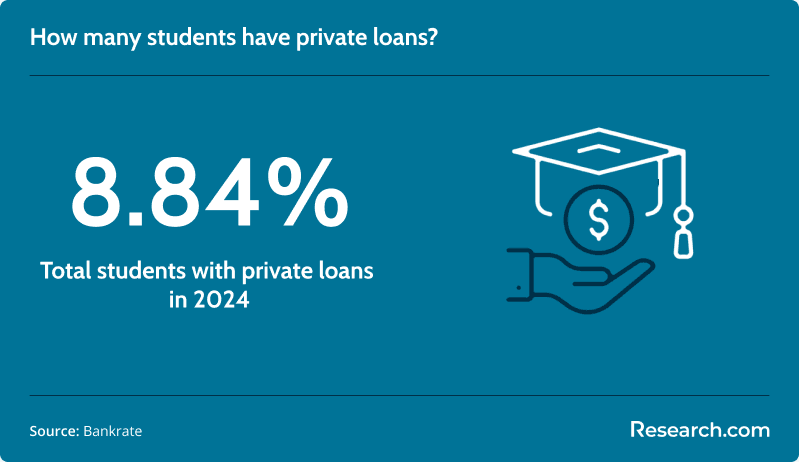
- 6% of undergraduates borrowed private loans in 2019-20, and less than half of these students used the maximum amount of more affordable federal loans.
- Parents’ income and savings funded the largest portion of college costs (40%), followed by free money from scholarships and grants (29%).
- In 2019-20, 2% of students at public two-year colleges had private loans.
- 66% of private loan borrowers attended schools with tuition and fees above $10,000 in 2019-20.
- In 2022-23, average estimated budgets for full-time undergraduate students range from $19,230 for public two-year in-district students and $27,940 for public four-year in-state students.
References:
- MarketWatch. (2024). Student loan debt survey.
- Sallie Mae (2023). How America Pays for College.
- Student Borrower Protection Center (2020). Private Student Lending.
- Warren, E. (2023). Loan Servicer Report.
Other Things You Should Know About Ascent Student Loans
In 2027, Ascent Student Loans handles customer complaints through a dedicated customer support team available via phone, email, and online chat. They aim to resolve issues swiftly and efficiently, prioritizing customer satisfaction by offering tailored solutions and feedback mechanisms to continuously improve their services.
In 2027, Ascent Student Loans addresses customer complaints by offering a structured resolution process. Borrowers can submit complaints via phone or email, and Ascent is committed to acknowledging receipt within a few business days. They aim to resolve issues promptly and ensure customer satisfaction by evaluating each complaint thoroughly.
In 2027, Ascent Student Loans offers flexible repayment plans, including a fixed repayment plan and an interest-only repayment plan. Borrowers can also opt for deferred repayment while in school. These options allow students to customize their repayment schedule based on their financial situation and post-graduation plans.
Ascent Funding strives to provide excellent customer service, but issues can arise. If you have a complaint about your Ascent student loan, here are the possible routes to report concern:
Contact Ascent Directly
- Phone: 877-216-0876
- Time: Customer support is available from 7 a.m. until 5 p.m. PST, Monday through Thursday, and on Fridays from 7 a.m. until 4 p.m.
- Email: help@ascentfunding.com
If you are unsatisfied with the initial response, you can request to speak with a supervisor or escalate the complaint to a higher-level representative. Keep a record of your interactions, including dates, times, and the names of representatives you spoke with.
Seek External Assistance
If you believe Ascent has violated consumer protection laws, you can contact your state's Attorney General's office and file a complaint. You can also file a complaint with the Better Business Bureau (BBB). While the BBB does not enforce resolutions, it can put pressure on businesses to address complaints.