
2027 Accelerated vs. Traditional Communication Degrees: Pros & Cons

Co-Founder and Chief Data Scientist
Choosing between accelerated and traditional communication degrees involves weighing speed against depth. Accelerated programs, growing by over 40% in popularity nationwide, suit working adults and career changers eager to complete studies quickly. In contrast, traditional paths allow students to absorb material at a measured pace, often including broader academic experiences valuable for those seeking foundational skills.
This article examines key differences in time commitment, learning environment, and career outcomes between these options. Students will find analysis on how program format impacts professional readiness and practical considerations essential for selecting the best communication degree path to meet their goals.
Key Points About Accelerated vs. Traditional Communication Degrees
- Accelerated communication degrees offer flexibility for working adults or career changers, allowing completion in less time while maintaining focus on core skills.
- Traditional programs support deeper academic engagement through extended coursework, fostering stronger peer networks and collaborative learning environments.
- Accelerated paths reduce overall costs and expedite career entry, while traditional formats allow a balanced pace ideal for mastering complex communication theories and practices.
What Are the Differences Between Accelerated vs. Traditional Communication Programs?
Accelerated and traditional communication degree programs vary primarily in their pacing, scheduling, and learning intensity. These differences influence the student's daily workload and the overall educational experience. Below is a comparison highlighting the key structural contrasts between accelerated online communication programs vs traditional programs.
Key differences between accelerated and traditional communication degrees include:
- Course Intensity: Accelerated programs condense the same material into fewer weeks, making classes faster paced and workloads heavier. Traditional programs follow a semester-based calendar, offering a more moderate pace with longer class durations.
- Learning Format: Accelerated degrees often utilize online or hybrid delivery methods, providing asynchronous learning options that allow flexibility in completing assignments. In contrast, traditional programs tend to have fixed schedules with face-to-face classes on campus, promoting routine attendance.
- Peer and Faculty Interaction: Traditional programs facilitate consistent in-person engagement, fostering strong mentorship and networking opportunities. Accelerated programs, especially online ones, may have fewer real-time sessions, which can reduce spontaneous collaboration and deeper discussion.
- Course Sequencing and Specialization: The accelerated format usually offers limited electives or specialties due to time constraints, while traditional programs allow more options for concentrations, minors, or double majors over a longer timeline.
- Support Services and Extracurriculars: Campus-based resources, extracurricular activities, and student support are more accessible in traditional programs. Accelerated students, particularly those studying online, might encounter fewer opportunities and need to seek virtual resources proactively.
Students interested in finding optimal paths can refer to college fast track programs as a resource to explore how accelerated online communication programs offer unique advantages compared to traditional programs.
How Fast Can You Finish an Accelerated vs. Traditional Communication Program?
Program length varies significantly between accelerated and traditional communication degrees. Accelerated formats condense coursework into shorter terms, often using 5-10 week classes and year-round enrollment, while traditional programs follow a standard academic pace over four years. Understanding these differences helps students plan their education timeline more effectively. Below is a comparison of completion timelines for both accelerated and traditional formats.
Students pursuing an accelerated online communication degree completion time typically finish their bachelor's in 2 to 3 years. In contrast, a traditional bachelor's in communication program duration commonly spans four years, following a semester-based schedule.
- Transfer Credits: Accelerated programs often accept up to 90-94 transfer credits, allowing students with prior college work or associate degrees to reduce their time to graduation substantially. Traditional programs usually accept fewer transfer credits, meaning students start more coursework from scratch.
- Full-Time vs. Part-Time Enrollment: Accelerated programs encourage full-time enrollment with heavier course loads of 15-18 credits per term, while traditional programs typically expect 12 credits per semester. Enrolling full-time in accelerated formats speeds completion.
- Course Intensity and Structure: Accelerated programs use compressed courses and year-round sessions, including summer terms, enabling faster credit accumulation. Traditional paths mainly follow fall and spring semesters, limiting annual credit hours.
- Online and Flexible Options: Many accelerated degrees offer online or hybrid formats that reduce commuting time and allow asynchronous study, helping students balance coursework with other responsibilities more efficiently.
- Program-Specific Policies: Some schools provide competency-based or degree-completion options, which can shorten the timeline for students with relevant experience or prior learning.
For students seeking alternatives to traditional timelines, reviewing easy associate degrees that pay well can be a helpful starting point to build transferable credits toward accelerated communication degrees.
What Are the Admission Requirements for Accelerated vs. Traditional Communication Programs?
Admission requirements for accelerated and traditional communication programs often share common standards such as GPA, standardized test scores, and prerequisite coursework. However, these programs differ significantly in how they evaluate academic readiness and professional experience. Understanding these differences is essential for navigating the admission requirements for accelerated communication degree pathways compared to the traditional Communication program application process.
Key distinctions in admissions expectations for these two program types include:
- Academic Performance: Accelerated communication programs usually require a minimum GPA of 3.0 or higher and emphasize continued academic excellence. In contrast, traditional programs accept a broader range of GPA scores, often matching the minimum needed for general university admission.
- Prerequisite Coursework and Credits: Applicants to accelerated programs typically need 90-120 undergraduate credits completed beforehand, with some programs allowing credit overlap between bachelor's and master's degrees. Traditional programs often admit students directly from high school or those with limited college experience.
- Application Materials: Accelerated programs demand more comprehensive application components such as faculty references, writing samples, and sometimes video introductions detailing career goals. Traditional Communication program application processes tend to require standard essays and letters of recommendation from high school teachers or counselors.
- Standardized Testing: Many accelerated and online communication degrees have waived SAT or ACT requirements, focusing on college-level readiness instead. Traditional programs are more likely to require recent standardized test scores for first-time undergraduates.
These distinctions illustrate the accelerated format's focus on academic achievement and preparedness for a faster degree path, while traditional programs offer broader accessibility and flexibility. Students exploring options might consider how each format aligns with their academic background and career objectives.
For those weighing career outcomes, recent data on the highest paying bachelors degree fields may provide useful context when choosing a communication degree path.
How Are Accelerated Communication Courses Structured Compared to Traditional Ones?
Accelerated communication degree programs compact the same curriculum into a shorter period, allowing students to graduate in 2-3 years instead of the typical 4-5. These programs differ from traditional courses in pace, workload, and delivery format, often using shorter terms and flexible online formats to fit busy schedules.
Key differences include:
- Course Length: Accelerated programs feature condensed classes lasting 5 to 8 weeks, while traditional courses run 15 to 16 weeks. This allows faster completion but requires focused effort. Students seeking speed and flexibility benefit most, though core content and learning goals remain consistent across formats.
- Weekly Workload: Those in accelerated tracks often take more courses each term or study year-round, including summers. This demands strong time management and suits self-disciplined learners, whereas traditional students usually have a lighter load spread over fall and spring semesters with summer breaks.
- Instruction Style: Accelerated courses are frequently online and asynchronous, giving students control over when they study. Traditional programs typically offer in-person classes with fixed schedules, appealing to those who value face-to-face interaction and campus resources.
How Much Do Accelerated Communication Programs Cost Compared to Traditional Programs?
Tuition and overall costs can vary significantly between accelerated and traditional communication programs. Accelerated options often reduce expenses primarily through shorter completion times, while tuition per credit tends to be comparable across formats.
Here are some key cost differences between the two program types:
- Tuition Rate per Credit: Public online accelerated programs typically charge between $305 and $509 per credit, whereas traditional on-campus programs average around $791 per credit at four-year institutions. This variation impacts the upfront cost per course but not necessarily the total program expense.
- Program Duration and Total Cost: Accelerated students usually finish within 2-3 years, reducing not only tuition but also associated semester fees. Traditional students often spend four years completing the degree, resulting in higher cumulative tuition and fees.
- Living and Commuting Expenses: Online accelerated formats eliminate most housing and commuting costs found in traditional programs. These additional expenses can add nearly $7,000 annually to the total cost for on-campus students.
- Opportunity Cost: Faster graduation allows accelerated students to enter the workforce sooner and start earning income earlier. Traditional students remain in school longer, potentially delaying full-time employment earnings.
- Financial Aid Availability: Both formats generally offer financial aid, but accelerated learners may need to take heavier course loads per term to qualify for full-time aid, which can increase their short-term academic demands.
What Financial Aid Is Available for Accelerated vs. Traditional Communication Degrees?
Students pursuing accelerated or traditional communication degrees in the US both have access to financial aid options, but eligibility criteria and funding schedules can vary depending on the program's pace and enrollment status. Accelerated degrees often require closer attention to timing as aid may be distributed differently than in standard semester formats.
Here's a comparison of how key financial aid options apply to each program type:
- Federal aid eligibility: Both accelerated and traditional students can qualify for federal loans and grants, but accelerated students must meet enrollment intensity requirements each term, which might be shorter or more frequent than in traditional programs.
- Scholarship timelines: Many scholarships cover both program formats, but some are limited to traditional semester schedules. Accelerated students should verify eligibility with scholarship providers to avoid surprises.
- Employer tuition assistance: While employer support may apply to either format, accelerated students might complete their degrees before fulfilling minimum service obligations required for reimbursement.
- Aid disbursement and renewal: Accelerated pacing can lead to compressed disbursement schedules, requiring careful financial planning to maintain eligibility throughout the year.
What Kind of Student Support Do Accelerated vs. Traditional Communication Programs Offer?
Student support is essential for achieving success in communication degree programs. Accelerated and traditional formats often vary in how, when, and where these services are provided, affecting the student experience. Here is a comparison of common support systems in both program types.
- Academic Advising: Accelerated programs usually offer tailored advising with frequent check-ins to help students navigate tight schedules and credit transfers efficiently. Traditional programs provide broader advising, generally less frequent, allowing more flexibility for exploring academic options.
- Tutoring: Flexible, online tutoring is common in accelerated studies to accommodate busy or working students outside usual hours. Conversely, traditional programs often rely on in-person tutoring during campus hours, which may be less accessible for nontraditional learners.
- Career Services: Accelerated degrees typically integrate swift career support, including internship placements and job readiness workshops focused on quick workforce entry. Traditional programs offer extensive but less personalized career events, such as fairs and networking, expecting students to take initiative.
- Peer Interaction: Traditional programs usually encourage on-campus social and study groups, fostering face-to-face connections. Accelerated programs may emphasize virtual collaboration to fit diverse schedules, which can limit spontaneous peer engagement.
Do Graduates from Accelerated vs. Traditional Communication Programs Get Hired More Quickly?
Employment outcomes are often a primary factor when deciding between accelerated and traditional communication programs. Both routes can open doors to rewarding careers, but the time it takes to secure a job may differ based on program structure and other considerations. Below is a comparison of hiring trends and influences impacting graduates from each type of program.
Factors affecting job placement speed and employment outcomes include:
- Employer perception: Employers may favor traditional communication degrees for their comprehensive academic rigor, yet accelerated programs from established schools are gaining recognition and acceptance in hiring practices.
- Career readiness: Graduates of accelerated programs enter the workforce sooner but might sacrifice opportunities for internships and networking. Conversely, traditional graduates often benefit from longer coursework, enhancing their preparedness for complex roles.
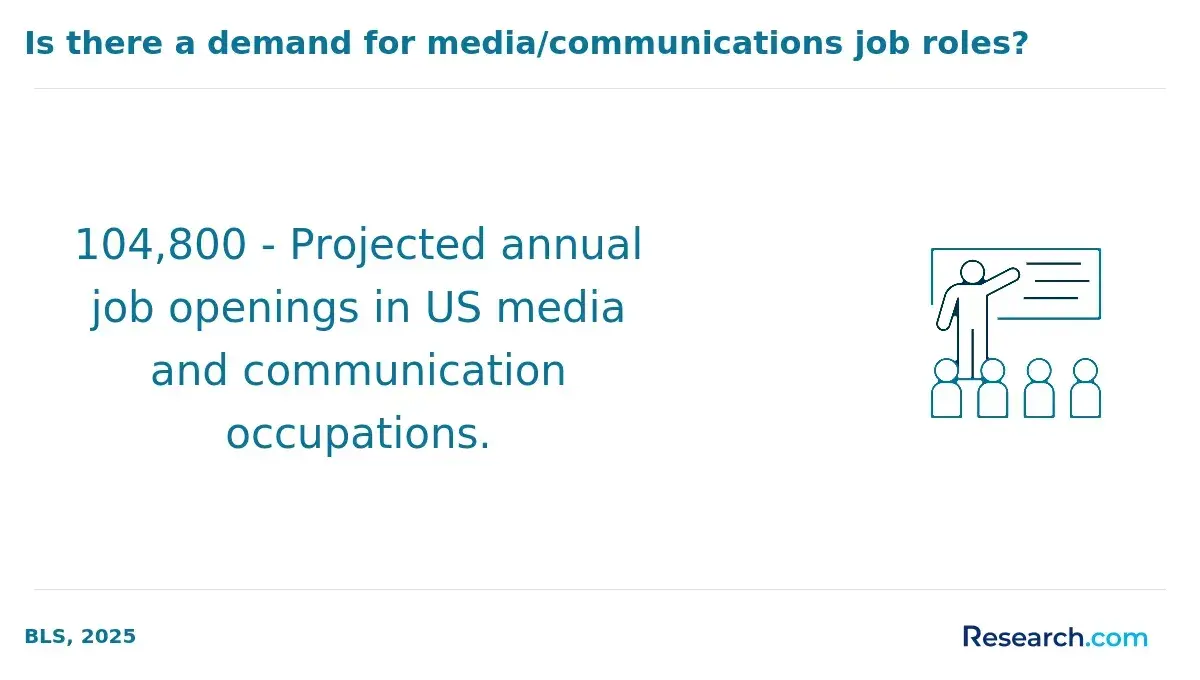
- Industry demand: The communication field expects around 109,500 annual job openings, with an emphasis on digital skills and adaptability, which both program types aim to develop.
- Job placement speed: Online platforms offering accelerated communication degrees provide flexible schedules, enabling quicker graduation and workforce entry. However, traditional programs may offer stronger alumni connections that facilitate employment.
Are Accelerated Communication Degrees Accredited the Same Way as Traditional Programs?
Accreditation ensures academic quality and legitimacy for both accelerated and traditional communication degree programs, regardless of pacing or delivery format. This process guarantees that institutions meet established educational standards, which directly impacts eligibility for federal financial aid, credit transferability, and employer recognition. Both accelerated and traditional programs must comply with rigorous criteria, so graduates receive credentials respected across the job market. Understanding these standards helps students select programs that hold genuine value. It is important to recognize that accelerated communication degree accreditation standards do not compromise on quality despite faster completion times.
The accreditation process applies equally to traditional vs accelerated communication program accreditation, though institutions may design accelerated coursework differently to maintain compliance. Regional accrediting bodies, such as the Northwest Commission on Colleges and Universities (NWCCU), evaluate programs based on curriculum rigor, faculty qualifications, and institutional resources. Accelerated degrees often condense material into shorter terms with heavier credit loads or year-round classes but must still meet the same learning outcomes as traditional formats. Students should always verify that their chosen school is regionally accredited to ensure their degree's recognition and transferability. For those considering accelerated paths, understanding accreditation is essential, much like how a prospective student might research a reputable one year doctorate degree program to confirm its standing.
How Do You Choose Between an Accelerated vs. Traditional Communication Degree?
Choosing between an accelerated and a traditional communication degree depends largely on a student's career goals, schedule flexibility, and preferred learning pace. Both options offer distinct advantages that fit different personal circumstances. To help decide which path suits you best, consider the following key factors.
Time Commitment: Accelerated communication degrees allow students to complete programs in as little as 2-3 years by requiring 15-18 credits per semester and condensed 5-10 week course sessions. This intensive pace suits highly motivated, self-directed learners who want to enter the workforce quickly. Traditional programs, by contrast, spread coursework over four years with a standard 12-credit load and 15-week classes, offering a gentler, more manageable weekly workload.
Flexibility and Format: Best accelerated online communication degree programs often provide online or hybrid options, making them ideal for working professionals or those needing year-round enrollment. Traditional communication degree pros and cons include access to extensive campus resources, collaborative learning, and networking opportunities favored by students seeking broader academic exploration or internships.
Career Goals: If rapid entry into the job market is your priority, accelerated programs can shorten your time to employment. Conversely, traditional programs often allow more time for internship experiences and deeper academic engagement. Students should evaluate which path aligns better with their professional aspirations.
Learning Style: Self-starters tend to excel in accelerated formats with heavier workloads and less downtime. Students who favor steady pacing, frequent faculty interaction, and discussion-heavy environments may prefer traditional communication degrees.
Both degrees equip students with core communication skills, but your choice depends on how you balance time, flexibility, career ambitions, and learning preferences. For those exploring career options beyond degrees, reviewing the best skilled trade jobs can also provide valuable insights.
What Students of Accelerated vs. Traditional Communication Programs Say About Their Degree
- Nathan: "The accelerated communication degree is intense and fast-moving, which suits my need to jumpstart my career quickly. While the compressed schedule demands strong time management, I found the cost slightly higher due to the condensed format. Overall, it's been a dynamic program that pushed me to learn rapidly and apply skills immediately. "
- Ameer: "Pursuing a traditional communication degree has been both challenging and rewarding. The coursework provides a solid foundation, but balancing part-time work with classes makes the longer program duration feel costly in time and money. Still, the professional connections I've built so far have been invaluable for my career growth. "
- Paxton: "The traditional communication degree has offered me a thorough learning experience, with plenty of opportunities for group projects and real-world case studies. Although it moves at a slower pace compared to accelerated programs, I appreciate having more time to digest complex topics. The cost is reasonable for the quality of education, and I feel well-prepared for entering the communications field. "
Other Things You Should Know About Traditional vs. Accelerated Communication Degrees
Accelerated communication programs aim to deliver a comprehensive curriculum similar to traditional programs, often focusing on key subjects intensively over a shorter period. However, they might have a faster pace, requiring students to balance depth with speed in their learning process.
Not always. Traditional communication programs often have more built-in time for internships, cooperative education, or hands-on projects due to their extended duration. Accelerated programs may offer fewer practical experiences or require students to complete internships outside of coursework to maintain the faster pace. Prospective students should verify internship availability when comparing programs.
Networking opportunities can differ because traditional programs usually span multiple semesters, allowing more time to build relationships with peers, faculty, and industry professionals. Accelerated programs can limit time for networking events, clubs, or mentorship due to their compressed schedules. Students should seek programs with strong alumni networks or industry partnerships regardless of format.
References
- Three-year degree programs (Accelerated or Fast Track Degree Programs) - Finance Option | Learn & Work Ecosystem Library https://learnworkecosystemlibrary.com/topics/three-year-degree-programs-accelerated-or-fast-track-degree-programs-finance-option/
- Accelerated Degree Program | Department of Communication | Baylor University https://communication.artsandsciences.baylor.edu/graduate/accelerated-degree-program
- Comparison of NCLEX-RN Pass Rates between Accelerated and Traditional Prelicensure BSN Programs https://www.gavinpublishers.com/article/view/comparison-of-nclex-rn-pass-rates-between-accelerated-and-traditional-prelicensure-bsn-programs
- Scholarships for Accelerated Programs https://blog.cuw.edu/scholarships-accelerated-programs-2163-9/
- Our Programs at a Glance https://www.marquette.edu/communication/graduate-program-curriculum.php
- Accelerated Communication Degree (BA/BS + MS) - College of Arts and Sciences https://drexel.edu/coas/academics/accelerated-degrees/ba-bs-ms-communication/
- Voices of the accelerated: key themes when considering implementation of an accelerated medical school program https://pmc.ncbi.nlm.nih.gov/articles/PMC11299450/
- BA (Hons) Communication and Media | Bournemouth University https://www.bournemouth.ac.uk/study/courses/ba-hons-communication-media-2
- Reliability estimation from two types of accelerated testing considering individual difference and measurement error - ScienceDirect https://www.sciencedirect.com/science/article/abs/pii/S0266892024000067
- Choosing Between Accelerated And Traditional BSN | Davis & Elkins https://www.dewv.edu/choosing-between-accelerated-and-traditional-bsn-programs-which-path-is-best-for-you/


