
2027 Accelerated Online Finance Degree Programs VS Weekly Start Online Degrees: Which Is Faster

Co-Founder and Chief Data Scientist
Many prospective students struggle to choose between accelerated online finance degree programs and weekly start online degrees when prioritizing speed to graduation. According to the National Center for Education Statistics, nearly 40% of online finance students cite program length as their primary concern. Accelerated programs often promise faster completion by condensing coursework, while weekly start degrees offer flexibility with frequent enrollment dates. This article examines which format delivers a quicker path to degree completion. It analyzes program structures, pacing, and scheduling to help students make an informed decision for expediting their education and entering the workforce sooner.
Key Benefits of Accelerated Online Finance Degree Programs vs Weekly Start Online Degrees
- Accelerated online finance degrees often cut total program time by up to 40%, allowing quicker entry into the workforce compared to traditional weekly-start programs that span longer durations.
- These programs minimize idle breaks between courses, unlike weekly-start models, which may have waiting periods that delay progression and extend completion time.
- Accelerated formats provide clear, structured schedules, enabling more predictable graduation timelines, while weekly-start programs may have variable pacing due to rolling enrollment dates.
How Long Does It Take to Finish an Accelerated Online Finance Degree vs Weekly Start Online Degree?
Program structure and start format play crucial roles in determining the time to complete accelerated online finance degree programs or weekly start formats. These factors influence how quickly students can progress and ultimately graduate.
Accelerated Online Finance Degrees
- Course Length: Typically 5 to 8 weeks per class, making each course shorter and more intensive than traditional semesters.
- Enrollment Pacing: Students usually enroll in several courses at once to maintain a fast-paced schedule.
- Simultaneous Classes: Multiple courses are often taken concurrently, condensing the overall timeframe.
- Breaks Between Terms: Minimal breaks are scheduled, focusing on continuous, back-to-back coursework.
- Overall Completion Timeline: Programs usually last 12 to 18 months, significantly faster than traditional degree lengths.
Weekly Start Online Finance Degrees
- Course Length: Course duration can vary, often longer or flexible compared to accelerated formats.
- Enrollment Pacing: New courses begin every week or every few weeks, allowing enrollment at virtually any time.
- Simultaneous Classes: Students may take fewer courses at a time, depending on personal pacing and schedule.
- Breaks Between Terms: Flexible start dates reduce idle time, but students may choose to take breaks, extending the timeline.
- Overall Completion Timeline: Duration varies widely; some finish in about two years, though part-time students might take longer.
While accelerated formats promise a faster path to graduation, they demand a heavier workload and time commitment. Weekly start programs offer notable flexibility for students balancing other responsibilities, which can impact the duration of weekly start online finance programs.
Prospective students seeking a balance between affordability and scheduling options might also explore BCBA masters programs online as an additional pathway to advance their credentials in related fields.
How Are Accelerated Online Finance Degree vs Weekly Start Online Degrees Structured?
Choosing between faster-paced and more flexible online finance degree options depends heavily on program structure. This impacts not only how quickly students can finish but also how they manage coursework and other responsibilities.
Below is a comparison outlining the key features of each format.
Accelerated Online finance Degree Structure
- Academic Terms: Fewer and shorter terms that intensify learning periods to condense overall program length.
- Course Length: Typically 5 to 8 weeks, demanding a high level of focus and time commitment per course.
- Enrollment Start Dates: Fixed start dates limit flexibility but create clear timelines for progress.
- Pacing: Fast and concentrated, requiring students to engage deeply with material in a short time.
- Workload: High weekly workload often involves taking multiple courses simultaneously.
Weekly Start Online finance Degree Structure
- Academic Terms: Continuous enrollment with rolling weekly or monthly starts allows for ongoing admission.
- Course Length: Courses can extend beyond 12 weeks, offering a more measured academic pace.
- Enrollment Start Dates: Flexible rolling admissions enable students to begin studies almost anytime.
- Pacing: More flexible progression tailored to individual schedules and commitments.
- Workload: Work is spread evenly over a longer term, reducing stress and balancing responsibilities.
Preferences for program scheduling vary; research shows around 40% of students favor flexible start dates. Those prioritizing finishing quickly often select accelerated tracks. For prospective students evaluating an accelerated online finance degree program structure or weekly start online finance degree scheduling, understanding these differences is crucial for matching their goals and lifestyles.
For more options on affordable pathways, consider exploring the cheapest online engineering degree programs as a reference for flexible online degree formats.
Is the Workload Heavier in Accelerated vs Weekly Start Online Finance Degrees?
Balancing academic demands with work and personal life means students must carefully consider workload intensity when choosing online finance degrees. The pace and structure can greatly influence stress levels and available time. Comparing accelerated online finance degrees to weekly start formats highlights some key differences.
- Weekly time commitment: Accelerated programs typically require about 15 to 20 hours per week, nearly twice the study time compared to weekly start courses, which usually ask for 8 to 12 hours.
- Assignment frequency: Deadlines in accelerated formats are compressed, often leading to clustered assignments, while weekly start programs spread tasks more evenly across the course length.
- Pacing: Accelerated courses cover material rapidly, demanding students grasp and apply concepts quickly, whereas weekly start courses allow a slower, steadier progression.
- Expectations: Although both formats expect thorough understanding of complex finance topics, accelerated courses put more pressure on immediate skill application due to the shortened timeline.
Which Online Finance Degree Offers More Flexibility-Accelerated or Weekly Start?
Accelerated online finance degree programs compact coursework into shorter periods, typically lasting 5 to 8 weeks. This format demands a substantial weekly time investment, with intensive workloads and limited breaks between terms. Start dates are less frequent, reducing scheduling flexibility but enabling students to complete their studies more quickly.
Because of the compressed pace, strong time management skills are essential to keep up with course requirements and prevent burnout. These programs appeal to those willing to dedicate significant effort to accelerate graduation timelines.
Weekly start online finance programs offer greater scheduling flexibility by providing multiple enrollment opportunities throughout the year, often weekly. Courses usually span 10 to 15 weeks, allowing for a steadier pace and more balanced workload distribution. This format is particularly advantageous for working adults, as students can select start dates that align with their personal and professional commitments. The frequent enrollment options and moderate course intensity help maintain a manageable rhythm, making these programs accessible to those balancing education with other responsibilities.
Which Finance Program Lets You Start Faster-Accelerated or Weekly Start?
Starting a finance degree quickly is essential for students who want to minimize delays in entering the workforce or pursuing further education. Fast enrollment can help maintain learning momentum and reduce gaps that might disrupt career or academic plans.
Below is a comparison of how accelerated and weekly start finance programs differ in terms of their start speed and scheduling.
- Weekly Start Programs: These programs offer the most flexible and frequent start times, often allowing students to enroll and begin classes nearly every week or every couple of weeks. This structure significantly shortens waiting periods, enabling many to start coursework within days of application.
- Accelerated Programs: Designed for quicker degree completion, these programs typically operate on fixed schedules tied to traditional academic terms, starting every 8 to 12 weeks. Consequently, students may face longer waits before classes commence, which can delay their start despite the program's faster pace overall.
Weekly start formats cater well to those needing immediate access to courses, such as working adults balancing multiple responsibilities, by offering rapid enrollment and course launch. Accelerated programs suit individuals able to plan ahead and commit to an intensive timeline but who can accommodate less frequent start dates.
Is an Accelerated Online Finance Degree More Expensive Than Weekly Start Online Degrees?
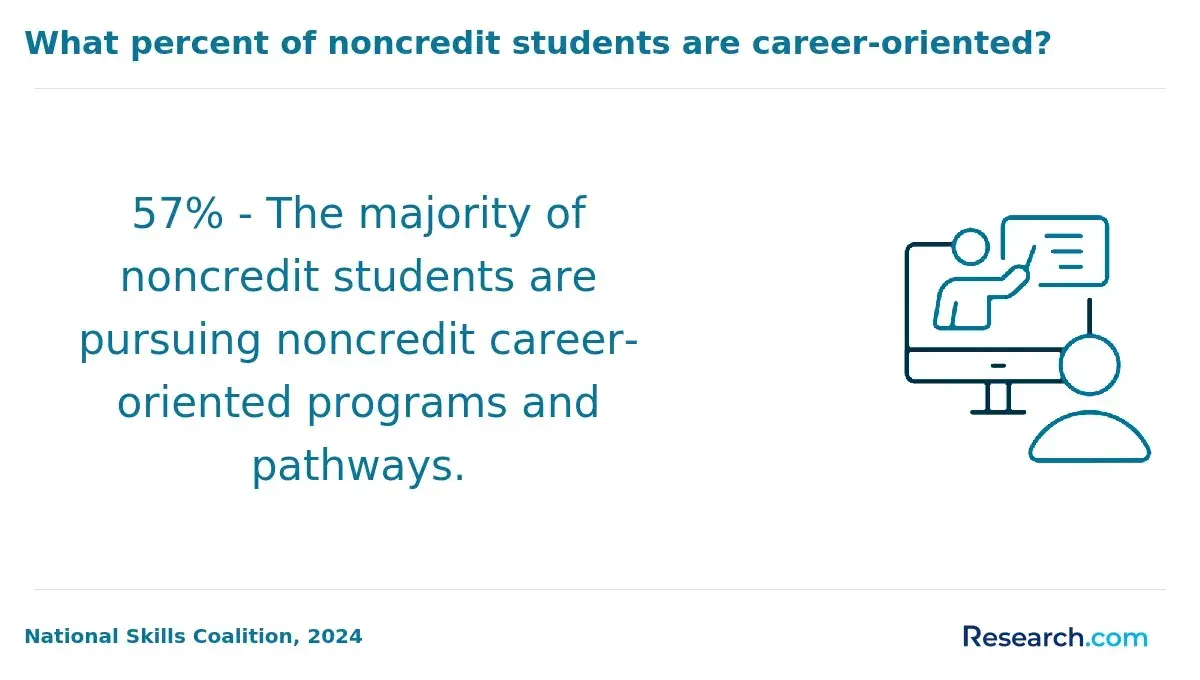
Accelerated online finance degrees generally cost more per credit than weekly start online programs, but the total expense may be lower due to faster completion. Research indicates accelerated programs can charge roughly 10-15% higher tuition per credit hour, balancing higher rates against shorter time frames.
Several key aspects influence these cost differences:
- Program length and completion speed: Accelerated degrees condense coursework into shorter terms, allowing students to graduate faster and reduce living expenses and lost income. Weekly start programs stretch over a longer timeline, increasing overall time commitment.
- Per-credit tuition rates: Because of the intensive pace and added support services, accelerated formats tend to have higher tuition costs per credit. Weekly start degrees usually maintain a more traditional, lower per-credit price.
- Fees and additional charges: Weekly start programs may incur repeated enrollment, technology, and administrative fees with each new term, raising the cumulative cost. Accelerated degrees often reduce the number of terms, potentially lowering fee totals.
- Opportunity cost and financial aid: Finishing faster with accelerated degrees can minimize lost wages and opportunity costs. However, eligibility for scholarships or financial aid varies and may affect net expenses differently depending on the program type.
How Does Financial Aid Work for Accelerated Online Finance Degree vs Weekly Start Online Degrees?
Financial aid options play a crucial role for students deciding between accelerated online finance degree programs and weekly start online degrees. With about 70% of online students utilizing some form of financial assistance, knowing how aid is managed across different formats helps students plan effectively.
Below are essential distinctions that influence financial aid for each program type:
- Eligibility criteria: Students typically must maintain enrollment status to qualify for aid, but accelerated programs often require higher credit loads each term, making full aid contingent on managing a more intense course schedule.
- Disbursement schedules: Weekly start programs tend to offer more frequent financial aid disbursements that align with multiple term start dates, allowing for steadier cash flow. In contrast, accelerated programs usually disburse aid less often but in larger amounts, corresponding to compressed academic periods.
- Program length and budgeting: Shorter timeframes in accelerated programs may affect loan limits and grant eligibility, necessitating careful budgeting to cover tuition upfront. Weekly start degrees spread costs across multiple interspersed terms, easing financial strain over time and providing more flexibility in managing payments.
Students interested in exploring financial aid for various online programs can also research options in other fields, such as an online library science degree. Additionally, those evaluating financial assistance for accelerated online finance degrees or weekly start online finance degrees financial assistance should consider these differences when planning their education path.
Do Accelerated Online Finance Degrees Work Better Than Weekly Start Programs for Transfer Credits?
Transfer credits play a vital role for students aiming to shorten the duration of their online finance degrees and reduce tuition costs. Accepting prior coursework can help avoid repeating similar classes, allowing for a more efficient path to graduation.
Below are key points to consider regarding how transfer credits are evaluated and applied in different program formats.
- Evaluation criteria for transfer credits: Credits are reviewed based on course content alignment, accreditation of the previous institution, and earned grades. This ensures that transferred courses meet the academic standards of the finance program and are relevant to degree requirements.
- Impact of program format: Transfer credit acceptance in accelerated online finance degrees can be more limited due to the condensed, intensive scheduling where courses often build sequentially. Weekly start online finance programs transfer policies generally offer more flexibility, as students can begin courses throughout the year, which helps integrate transferred credits more smoothly without disrupting progress.
- Strategies to maximize credit transfer: Students should consult with admissions and academic advisors early in the process and provide detailed syllabi or course descriptions. It also helps to target accredited institutions where coursework is comparable to that offered in their chosen finance degree. Regardless of format, proactive communication and thorough documentation are essential to optimize credit transfers.
Research from the National Center for Education Statistics indicates nearly 40% of online students transfer credits when entering a new program, highlighting the widespread relevance of strategic transfer planning. Prospective students considering an accelerated online bachelor degree programs should weigh how program structure impacts credit transfer acceptance.
For those focused on transfer credit acceptance in accelerated online finance degrees versus weekly start options, understanding these differences can aid in selecting the most time-efficient path that aligns with their academic history.
Do Accelerated Online Finance Degrees Offer Better Career Placement Options Than Weekly Start Online Degrees?
Career placement support plays a vital role for students deciding between accelerated online finance degree career outcomes and weekly start online programs. According to the National Association of Colleges and Employers (NACE) 2023 Student Survey, students who actively use career services see a 20% higher job placement rate within six months of graduation.
Below are key factors that differentiate career placement effectiveness in these two program formats.
- Career Services Intensity: Accelerated programs typically offer intensive, cohort-based career support that includes structured networking events, frequent employer outreach, and personalized job placement assistance. The focused timeline fosters a more committed engagement with career services compared to weekly start degrees.
- Networking Opportunities: Accelerated online finance degrees often build tighter communities due to smaller, consistent cohorts progressing together, enhancing peer and employer networking. In contrast, weekly start online finance degree job placement options might suffer from fragmented student groups entering at different times, limiting networking cohesion.
- Employer Connections: Programs with accelerated formats tend to have stronger employer relationships leveraged through frequent outreach and targeted hiring events aligned with cohort schedules. Weekly start programs offer ongoing online resources accessible to a broad student body but may not provide the same depth of employer engagement.
- Job Placement Rates: Graduates from accelerated programs generally experience faster placement in competitive finance roles due to concentrated employer connections and career resources. While weekly start students benefit from flexibility, the less integrated career support can impact placement speed and outcomes.
Students weighing their options should also consider broader factors like affordability and program access. Many prospective students explore the most affordable online colleges to complement their choice between accelerated or weekly start finance degree programs.
How to Choose Between an Online Finance Degree vs Weekly Start Online Degrees?
Choosing between an accelerated online finance degree and weekly start online degree programs depends largely on your schedule and learning preferences. Accelerated programs offer a faster path to completion by condensing courses into shorter, more intensive terms, ideal for self-motivated students who can handle a heavier workload. Weekly start programs provide greater flexibility with frequent enrollment opportunities and often lighter, more manageable course loads that suit those balancing work or personal commitments.
Time to graduation is generally shorter with accelerated formats, but weekly start options allow learners to begin their studies promptly without waiting for traditional semester start dates. Each model caters to different pacing and availability needs, so your choice should align with how quickly and intensely you want to study.
Students who thrive under pressure and prefer a structured, fast-paced environment often excel in accelerated finance degrees, while those needing more flexibility or time to absorb coursework may benefit from weekly start programs. When evaluating programs, prioritize accreditation to ensure quality education and recognition by employers. Review the curriculum carefully to confirm it covers essential finance topics and aligns with your career goals.
Additionally, assess the availability of support services like tutoring and career counseling, which can enhance your online learning experience. Start date frequency is also key-weekly start programs offer more options to jump into classes without delay.
What Graduates Say About Their Accelerated Online Finance Degree Programs vs Weekly Start Online Degree
- Shane: "Choosing the accelerated online Finance degree program was a game-changer for me because it allowed me to finish my studies swiftly while balancing a full-time job. The cost was surprisingly reasonable compared to traditional programs, averaging around $15,000, which made it an affordable investment in my future. Since graduating, the specialized skills I gained have directly contributed to a promotion within my finance team."
- Hayden: "I was drawn to the weekly start online Finance degree because of its flexibility and manageable pace, perfect for my unpredictable schedule. The cost, around $14,500 on average, was less than I expected, which took a lot of pressure off. Reflecting on my career now, I can say this program equipped me with essential knowledge and opened doors to new opportunities."
- Gray: "As a working professional, I chose the accelerated Finance degree program to get ahead quickly; the streamlined curriculum made it possible without compromising depth. The tuition, averaging about $16,000, felt justified given the career impact it's had-I've expanded my responsibilities and gained credibility in financial analysis. This degree truly enhanced my professional trajectory."
Other Things You Should Know About Finance Degrees
Accelerated online finance degree programs offer a faster route to completion compared to weekly start options. Accelerated programs often condense coursework into shorter periods, reducing the overall time required to earn a degree, whereas weekly start programs may provide greater flexibility but at a potentially slower completion pace.
Internships and practical experiences are generally offered in both program types, but accelerated programs may have tighter timelines, potentially requiring students to complete internships within a shorter period. Weekly start programs often provide more scheduling flexibility, which can ease balancing work and internship commitments. However, the essential learning outcomes for finance internships remain consistent.
In 2027, accelerated online finance degree programs typically offer faster completion than weekly start online degrees. Accelerated programs condense course content into shorter timeframes, allowing students to progress more quickly. Weekly start programs provide flexible entry points but may have longer durations due to traditional pacing.
Technical requirements for both program formats usually include a reliable internet connection, a computer that meets software needs, and access to learning management systems. Accelerated programs might demand more frequent logins due to their faster pace, while weekly start options allow for more gradual engagement. Students should check specific technology needs with their institution.
References
- Fully Online Programs and 4-Week Accelerated Classes Coming Spring 2026 - Río Hondo College https://www.riohondo.edu/college-news/fully-online-programs-and-4-week-accelerated-classes-coming-spring-2026/
- Online Accelerated College Degrees https://www.affordablecollegesonline.org/college-resource-center/accelerated-degrees/
- Online Finance Degree https://www.snhu.edu/online-degrees/bachelors/bs-in-finance
- Best Finance Degrees Online | Accounting.com https://www.accounting.com/degrees/finance/bachelors/best-online-programs/
- Full-Time vs. Part-Time Online College Degrees: Pros and Cons https://global.nmsu.edu/blog/general/ft-vs-pt-online-college/
- The Ultimate Guide to Flexible Online Degrees for Busy Working Adults - Grace Christian University https://gracechristian.edu/blog/the-ultimate-guide-to-flexible-online-degrees-for-busy-working-adults/
- Fast Track Your Future: How Accelerated Degrees Benefit Career Starters, Changers and Climbers - Beal University https://beal.edu/fast-track-your-future-how-accelerated-degrees-benefit-career-starters-changers-and-climbers/
- Accelerated Online Programs for Busy Professionals: Success Stories https://www.indwes.edu/articles/2025/09/accelerated%20online%20programs%20for%20busy%20professionals%20success%20stories
- Fast Online Degrees: How to Find the Perfect Program · PrepScholar https://blog.prepscholar.com/fast-online-degrees-accelerated-bachelors
- Top Online Finance Degree: Enhance Your Career Opportunities Now https://www.rasmussen.edu/degrees/business/finance/


