
2027 Accelerated vs. Traditional Health Psychology Degrees: Pros & Cons

Co-Founder and Chief Data Scientist
The choice between accelerated and traditional health psychology degrees presents distinct advantages and challenges. Accelerated programs attract working adults and career changers by offering faster completion times, often within two years, compared to the standard four.
Meanwhile, traditional degrees provide a more flexible pace, allowing for deeper academic engagement and immersive learning experiences tailored to diverse student needs. Recent data indicates a 25% increase in enrollment in accelerated health psychology programs across the U.S., reflecting growing demand for expedited education.
This article will explore differences in time commitment, learning environment, career outcomes, and essential factors students should weigh when deciding which program aligns best with their goals.
Key Points About Accelerated vs. Traditional Health Psychology Degrees
- Accelerated health psychology degrees offer flexibility for working adults, enabling faster career entry while reducing overall tuition costs by up to 25%, according to recent educational data.
- Traditional programs foster deeper academic engagement with comprehensive coursework, promoting mastery of complex psychological theories and methodologies over a balanced timeline.
- Students in traditional formats benefit from stronger peer networks and collaborative learning, which support professional growth and long-term career development in health psychology.
What Are the Differences Between Accelerated vs. Traditional Health Psychology Programs?
Program structure varies notably between accelerated and traditional health psychology degree formats, especially in terms of pacing, scheduling, and learning intensity. These differences influence how students engage with coursework and manage their study habits.
The following compares the main distinctions between accelerated Health Psychology program structure vs traditional models.
- Course Intensity: Accelerated programs condense the curriculum into shorter periods, often 7-8 weeks, demanding focused, sustained effort and efficient time management. Traditional programs spread coursework more evenly over semesters or quarters, allowing a steadier, less pressured pace.
- Academic Calendar: Traditional health psychology degrees usually follow a conventional calendar with breaks for holidays and summer, offering downtime for rest or other activities. In contrast, accelerated programs eliminate long breaks with year-round classes, resulting in continuous study and minimal interruptions.
- Class Structure: Students in accelerated programs typically take fewer classes at once but move through material rapidly, which can limit in-depth engagement during any term. Traditional program students handle multiple subjects simultaneously over longer terms, potentially deepening understanding and allowing more reflection.
- Student Support and Cohort Experience: The compressed nature of accelerated programs may restrict chances for cohort bonding, extracurricular involvement, or networking events. Traditional formats often provide more opportunities for social interaction and peer support due to their extended timeline.
- Clinical or Practicum Scheduling: Accelerated students must coordinate practicum hours within a tight schedule, which can increase weekly demands and reduce flexibility. Traditional programs offer more spread-out practicum experiences that fit more easily around other responsibilities.
Understanding these differences between accelerated and traditional health Psychology degrees helps students choose the right program for their learning style and life situation.
Those seeking more flexible pacing might explore options like a fast-track associate's degree online as part of their academic planning.
How Fast Can You Finish an Accelerated vs. Traditional Health Psychology Program?
Program length can vary significantly between accelerated and traditional health psychology degrees. Accelerated formats condense coursework into shorter terms with continuous enrollment, while traditional paths follow a standard academic pace with longer semesters and more breaks.
Understanding these differences helps prospective students decide which option best fits their goals.
- Transfer Credits: Students who enter with prior college credits can significantly reduce their time to graduation, sometimes completing bachelor's degrees in as little as one year, especially in accelerated settings.
- Full-Time vs. Part-Time Enrollment: Full-time students progress faster than part-time learners. Accelerated programs often require full-time attendance to maintain their shortened schedules, while traditional programs offer more flexibility.
- Course Intensity: Accelerated formats use shorter, more frequent terms (e.g., 7-8 weeks) and year-round classes, including summer sessions, which eliminate typical academic breaks. Traditional programs usually have longer terms and breaks between semesters.
- Combined Degree Pathways: Some institutions offer bachelor's-to-master's tracks enabling students to earn both degrees in five years instead of the usual six, which can apply in accelerated contexts.
- Competency-Based Progression: Programs that allow students to advance by demonstrating mastery rather than completing fixed terms can shorten degree length further, mostly seen in accelerated models.
For students exploring options, finding the best colleges offering open enrollment can be a great first step toward accelerated pathways with flexible scheduling and streamlined admissions.
What Are the Admission Requirements for Accelerated vs. Traditional Health Psychology Programs?
Admission requirements for accelerated and traditional health psychology programs often share common standards such as GPA, prerequisite coursework, and test scores. However, they may differ in how they evaluate a candidate's academic readiness and relevant professional experience.
Key distinctions in admissions expectations for accelerated and traditional health psychology degree prerequisites include:
- Academic Performance: Accelerated programs typically require a higher GPA, often around 3.2 overall and 3.5 in psychology courses, reflecting the need for strong academic ability to manage a condensed curriculum. Traditional programs generally accept lower minimum GPAs, typically between 2.5 and 3.0, attracting a broader range of students.
- Timing and Prerequisites: Applicants to accelerated health psychology program admission requirements usually must apply while still undergraduates, often in their sophomore or junior year, having completed most degree credits (90+). Traditional programs admit students only after bachelor's completion, with fewer restrictions on when prerequisite courses are taken.
- Evidence of Readiness: Accelerated tracks emphasize commitment and preparedness through personal essays, multiple letters of recommendation, and interviews with faculty. Traditional programs may require essays and references but rarely mandate formal interviews as standard procedure.
- Graduate Coursework Opportunities: Accelerated programs allow early start on graduate-level courses that count toward both undergraduate and graduate degrees. Traditional programs begin graduate coursework only after the bachelor's degree is earned.
- Experience and Commitment: Accelerated health psychology program admission requirements often include evaluation of prior research, volunteer hours, or work experience to demonstrate readiness and motivation. Traditional programs consider experience but weigh it less heavily in admissions decisions.
Prospective students interested in flexible and cost-effective options might also explore cheap PhD online programs, which can complement traditional or accelerated pathways in health psychology.
How Are Accelerated Health Psychology Courses Structured Compared to Traditional Ones?
Accelerated health psychology programs are designed to deliver the same comprehensive curriculum as traditional degrees but within a significantly shortened timeframe.
Below are key distinctions between accelerated and traditional health psychology courses:
- Course Length: Accelerated programs typically condense two- to three-year master's tracks into 12-18 months, with doctoral degrees around three years, compared to longer traditional timelines. This appeals to students eager to enter the workforce quickly or professionals seeking fast career advancement.
- Weekly Workload: Students in accelerated formats face a heavier course load with shorter terms, often 7-8 weeks long, and continuous enrollment year-round without summer breaks. This intensive schedule suits motivated learners but may challenge those needing a more balanced pace.
- Instruction Style: Accelerated degrees often use online or hybrid formats to accommodate working adults and career changers, while traditional programs rely more on in-person, semester-based classes. Both maintain equivalent credit requirements and accreditation, ensuring consistent licensure eligibility.
How Much Do Accelerated Health Psychology Programs Cost Compared to Traditional Programs?
Tuition and overall expenses for health psychology programs vary significantly between accelerated and traditional tracks. Accelerated programs compress study time, often leading to higher per-term costs but reduced total spending. Traditional programs tend to have lower term costs but extend over two or more years, increasing cumulative fees.
Key cost-related differences between accelerated and traditional health psychology programs include:
- Tuition Rate per Credit: Accelerated programs frequently charge higher tuition rates per term or credit due to their intensive schedules, while traditional programs spread costs over a longer period, resulting in lower per-term fees but increased long-term expenses.
- Program Duration and Total Cost: Completing studies in 12 to 18 months typically lowers overall program costs, often ranging from $14,000 to $38,000 for online or public accelerated options. In contrast, traditional programs usually extend to 24-36 months with total costs exceeding $57,000, especially at public universities.
- Opportunity Cost: Accelerated degree completion allows students to enter the workforce up to 18 months earlier, potentially gaining around $67,500 more in earnings by starting their careers sooner than those in traditional programs.
- Living Expenses: Shorter program timelines reduce overall living costs such as rent and transportation, making accelerated paths financially beneficial in urban areas with high living expenses.
- Financial Aid Availability: Both program types qualify for federal aid via FAFSA, with graduate loans available up to $20,500 annually. Additionally, assistantships and scholarships from professional groups apply equally to both formats, helping to alleviate tuition burdens.
What Financial Aid Is Available for Accelerated vs. Traditional Health Psychology Degrees?
Students pursuing both accelerated and traditional health psychology degrees often qualify for financial aid, though eligibility and disbursement schedules vary by program length and enrollment status.
Accelerated programs' condensed timelines can affect how and when funding is received compared to traditional degrees.
Below are some key distinctions in financial aid options for these formats.
- Federal Aid Eligibility: Both program types qualify for federal loans and grants provided the school is accredited and FAFSA is completed; however, accelerated students must carefully manage course loads to avoid exceeding annual borrowing limits due to overlapping terms.
- Scholarship Timelines: Many scholarships are open to all psychology students, but some require full-time enrollment or a set program length, which may limit access for accelerated students finishing quicker.
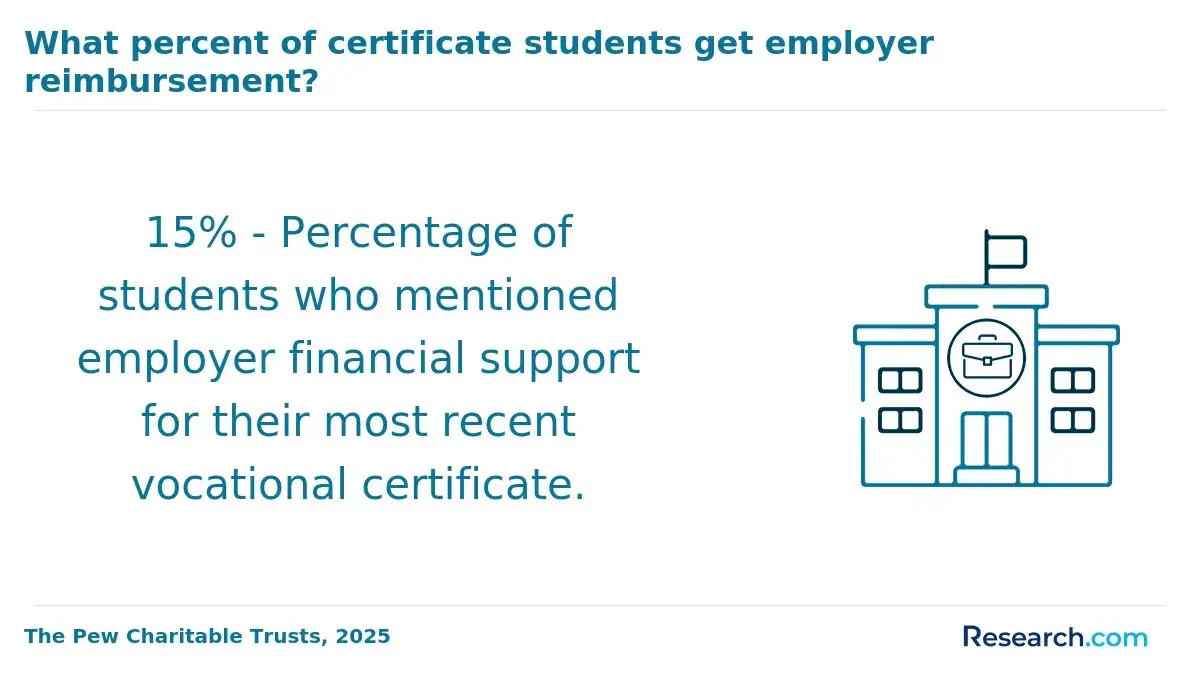
- Employer Tuition Assistance: Often contingent on program duration, employers may favor traditional programs, though some support accelerated degrees aimed at faster completion.
- Aid Disbursement: Compressed courses in accelerated programs can lead to altered disbursement timing, requiring students to plan closely for financial continuity across terms.
One professional who pursued an accelerated health psychology degree shared that navigating financial aid was initially stressful due to the intensity of the program and overlapping academic periods.
He explained, "I had to stay on top of FAFSA deadlines and coordinate closely with the financial aid office to ensure funds were available when I needed them."
Despite challenges, he viewed the financial support as essential, reflecting that "accelerated pace meant quicker graduation, but also required proactive financial planning. The scholarships and employer assistance I secured made the rigorous schedule manageable."
His experience highlights the importance of understanding aid nuances specific to accelerated health psychology paths.
What Kind of Student Support Do Accelerated vs. Traditional Health Psychology Programs Offer?
Student support is vital for success in both accelerated and traditional health psychology programs. The availability, timing, and methods of delivering these services often vary between the two formats.
Here is a comparison of key support services commonly offered in each program type.
- Academic Advising: Accelerated programs generally provide advising through digital channels like email and virtual meetings, often with extended hours to suit busy students. Traditional programs tend to offer face-to-face advising during campus hours, fostering longer-term advisor relationships.
- Tutoring Services: Students in accelerated courses usually access tutoring remotely via scheduled or on-demand virtual sessions designed for intensive study. Traditional students benefit from campus tutoring centers and in-person peer study groups that allow more frequent, direct interaction.
- Career Guidance: Career services in accelerated tracks focus on online resources and brief virtual workshops, helping students quickly enter the workforce. In contrast, traditional programs often deliver comprehensive career development through in-depth workshops, networking events, and personalized counseling on campus.
- Peer Interaction: Due to the fast pace, accelerated students often have limited opportunities for peer engagement, mostly virtual. Traditional programs usually encourage more frequent face-to-face collaboration through group projects and campus events.
Do Graduates from Accelerated vs. Traditional Health Psychology Programs Get Hired More Quickly?
Employment outcomes are often a major factor when deciding between accelerated and traditional health psychology programs. Both pathways can lead to meaningful career opportunities, but the time it takes to find a job may vary based on several elements.
Here is a comparison of job placement trends and influences for graduates of each style of program:
- Employer Perception: Accredited accelerated and traditional health psychology degrees from reputable schools generally receive equal recognition by employers, supporting comparable hiring prospects.
- Career Readiness: Accelerated degrees enable students to join the workforce faster, with some completing the program in around 15 months. Traditional paths often involve longer durations but may offer deeper research or internship experience valued by certain employers.
- Industry Demand: The growing need for mental health professionals yields strong job opportunities, with most graduates finding employment within six months regardless of program type.
- Data-Driven Outcomes: Recent surveys show no major differences in job placement rates between online accelerated and campus-based traditional graduates, reflecting equal success across formats.
Reflecting on her journey, a professional hired shortly after completing a traditional health psychology degree shared that while the process was demanding, the extensive internship experience she gained proved invaluable.
She noted, "The networking during my clinical placements helped open doors that academic credentials alone couldn't."
Although the job search took several months, she felt well-prepared and confident entering the field, attributing her swift placement to hands-on learning and mentorship opportunities typical of traditional programs.
Are Accelerated Health Psychology Degrees Accredited the Same Way as Traditional Programs?
Accreditation ensures academic quality and legitimacy for both accelerated and traditional health psychology degree programs, regardless of their pacing or delivery format. This verification by recognized accrediting bodies guarantees that the curriculum meets established standards and that faculty qualifications and institutional resources are adequate.
Accreditation also significantly impacts financial aid eligibility, credit transferability, and employer recognition, making it a critical factor for prospective students. Whether pursuing an accelerated path or a traditional timeline, students benefit from attending accredited programs that uphold these rigorous criteria.
Proper accreditation helps maintain the value and acceptance of the degree across professional and academic contexts.
The accreditation process generally applies equally to both accelerated and traditional health psychology degrees, although institutions may design accelerated coursework to meet standards in a more condensed format.
Regional and programmatic accrediting bodies, such as the American Psychological Association (APA), review factors like curriculum quality, student competencies, and outcome data without bias toward program speed. Students should carefully verify institutional and program accreditation before enrolling to ensure their degree is widely recognized and meets licensure requirements.
For those exploring options among non profit online accredited colleges, it is especially important to confirm accreditation status to ensure academic and professional legitimacy in the field of health psychology.
How Do You Choose Between an Accelerated vs. Traditional Health Psychology Degree?
Choosing between an accelerated and a traditional health psychology degree depends largely on your career goals, schedule flexibility, and preferred learning pace. Both options offer distinct advantages depending on personal circumstances and ambitions.
To help you decide, consider these main factors before choosing the path that fits you best:
- Time Commitment: Accelerated programs demand intense, full-time focus and are best suited for highly motivated and organized students aiming to enter the workforce quickly. Traditional programs span a longer duration, offering more flexibility for those balancing work, family, or other responsibilities.
- Learning Style: If you thrive in fast-paced, immersive environments, the accelerated format may be ideal. Conversely, the traditional route provides a more gradual learning curve and balanced schedule, better accommodating those who prefer more time to absorb material.
- Career Goals: Both pathways typically lead to licensure and comparable professional opportunities when properly accredited. Understanding how to choose between accelerated and traditional health psychology degree programs involves aligning the format with your long-term professional timeline and ambitions.
Factors to consider when selecting a health psychology program include these key elements, which influence how well you will manage the curriculum and reach your goals.
Ultimately, accelerated programs may reduce tuition and living costs by shortening program length but require strong time-management skills and resilience. Traditional programs provide more breaks and steadier pacing, suiting those with significant external commitments.
For additional career insights and understanding what are the best paying jobs for introverts, exploring such resources can be valuable in assessing your fit within the broader field.
What Students of Accelerated vs. Traditional Health Psychology Programs Say About Their Degree
- Reina: "Enrolling in a traditional health psychology degree allowed me to deeply absorb complex concepts at a manageable pace, which felt essential for mastering the material. The cost was higher than I anticipated, but the comprehensive curriculum and the supportive faculty justified the investment. This degree has truly shaped my career trajectory in healthcare counseling."
- Yousef: "The traditional health psychology program offered a balanced learning environment, though the extended timeline sometimes felt slow compared to my expectations. Cost-wise, it stayed within a reasonable range, which helped me plan finances carefully. Overall, the knowledge gained has enriched my ability to apply psychological principles to health settings effectively."
- Lorelei: "Opting for an accelerated health psychology program was intense but incredibly rewarding; the fast pace pushed me to develop strong time management skills and adapt quickly. The reduced time in school also helped lower overall costs, which was a significant advantage. This program has equipped me well for entering the workforce sooner and making an immediate impact."
Other Things You Should Know About Traditional vs. Accelerated Health Psychology Degrees
In 2027, accelerated health psychology programs often offer condensed curricula that focus on core topics, enabling quicker completion. In contrast, traditional programs typically provide extended access to elective courses, research projects, and extracurricular activities. Each program's learning experience varies, with accelerated formats prioritizing speed and traditional formats focusing on depth and exploration.
Accelerated health psychology programs may offer compressed internships that require a more intensive time commitment, while traditional programs often provide more extended internships with a broader focus. Each format impacts hands-on experience and time management differently, potentially affecting preparedness and stress levels.
References
- Top 3-Year Accelerated PsyD Programs for 2025-2026 https://psychdegreestarter.com/degrees/doctorates/top-3-year-accelerated-psyd-programs/
- Financial Aid For Psychology Students | Psychology.org https://www.psychology.org/resources/financial-aid/
- Accelerated MS in Psychological Sciences | Department of Psychological Sciences https://psychology.uconn.edu/accelerated-ms-in-psychological-sciences/
- Mental Health Characteristics of Traditional and Accelerated Baccalaureate Prelicensure Nursing Students - PubMed https://pubmed.ncbi.nlm.nih.gov/36779897/
- Accelerated Master's in Psychology Programs 2025 https://careersinpsychology.org/accelerated-masters-programs-psychology/
- Health Psychology Degree | MA in Psychology | TUW https://www.tuw.edu/academics/psychology/online-ma-psychology-health-psychology/
- 4 Types of Psychology Degrees Available | University of Bridgeport News https://www.bridgeport.edu/news/types-of-psychology-degrees/
- Attrition and success rates of accelerated students in nursing courses: a systematic review https://pmc.ncbi.nlm.nih.gov/articles/PMC4825075/
- Psychology I | Accelerated Health Sciences Online https://acceleratedsciences.scuhs.edu/course-listing/psychology-i/
- Bachelor’s in Psychology Programs Online | Social Work License Map https://socialworklicensemap.com/social-work-resources/comparing-social-service-degrees/ba-psychology/


