
2027 Accelerated vs. Traditional Legal Services Degrees: Pros & Cons

Co-Founder and Chief Data Scientist
Choosing between accelerated and traditional legal services degrees involves weighing speed against depth. Accelerated programs appeal to working adults and career changers by offering faster completion, often in one to two years. In contrast, traditional programs provide a more flexible pace and opportunities for deeper academic engagement, typically spanning three to four years, accommodating varied student needs and learning styles.
Recent studies show a 30% increase in enrollment in accelerated legal services programs nationwide, reflecting their growing popularity. This article will explore time commitments, learning experiences, career outcomes, and essential considerations to help students decide which path aligns best with their professional goals and personal circumstances.
Key Points About Accelerated vs. Traditional Legal Services Degrees
- Accelerated legal services degrees offer flexibility for working professionals, enabling completion in less time, which supports faster entry into the job market and reduces overall tuition costs.
- Traditional programs provide a balanced pace that fosters deeper academic engagement and skill mastery, benefiting learners who prefer comprehensive study and thorough understanding.
- Students in traditional formats often build stronger peer networks through extended interaction, which can enhance career opportunities and professional support over time.
What Are the Differences Between Accelerated vs. Traditional Legal Services Programs?
Accelerated and traditional legal services degree program structure differ significantly in pacing, scheduling, and learning intensity. These distinctions create varied student experiences in workload and time management, reflecting fundamental differences between the two formats. Below is a comparison of the key structural aspects of accelerated versus traditional legal services programs.
- Class Size and Cohort Experience: Accelerated programs often maintain smaller, more interactive cohorts, such as Southwestern Law School's SCALE program, fostering closer relationships among students and faculty and enhancing peer support. Traditional programs, on the other hand, usually feature larger cohorts, providing a broader peer network but potentially reducing personalized interaction.
- Faculty Mentorship and Support: The accelerated legal services degree program structure emphasizes close mentorship and personalized guidance, often resulting in more frequent access to faculty. Traditional paths may offer mentorship but usually with less frequent one-on-one engagement unless actively pursued by students.
- Program Structure and Scheduling: Accelerated programs use an intensive, year-round schedule with compressed semesters and summer terms, increasing academic immersion but limiting breaks. By contrast, traditional programs follow a standard academic calendar with longer breaks, offering more flexibility for personal commitments.
- Admissions Process: Accelerated programs may require additional steps like personal interviews to evaluate readiness for the faster pace and intensity. Traditional programs typically rely on standard application components such as academic records and entrance exam scores.
- Learning Environment: Accelerated cohorts often emphasize collaborative, community-driven models with close study group interactions. Traditional programs allow for a wider array of extracurricular activities due to their extended timeline, potentially enriching student experiences.
For prospective students researching their options, exploring resources on fast track online degrees can provide valuable insights into the differences between accelerated and traditional legal degrees and help determine which legal services degree program structure aligns best with their goals.
How Fast Can You Finish an Accelerated vs. Traditional Legal Services Program?
Program length varies significantly between accelerated and traditional legal services degrees. Accelerated formats condense coursework into shorter terms, often including summer sessions and heavier course loads, while traditional paths typically follow a standard academic pace. This difference impacts how soon students can complete their studies and enter the workforce.
Here is a comparison of key factors affecting completion timelines for both program types:
- Accelerated law degree program length: Accelerated JD programs generally take 2-3 years by utilizing summer sessions and intensive courses, allowing students to graduate faster than the traditional JD program duration.
- Transfer credits: Students with relevant prior coursework or undergraduate credits, especially in 3+3 programs, can shorten their timeline by reducing required terms in both accelerated and traditional pathways.
- Full-Time vs. Part-Time Enrollment: Full-time students usually finish more quickly. Part-time students may extend study to 4-6 years for a traditional JD, while accelerated programs rarely offer part-time options due to their intensive pace.
- Course intensity: Heavier course loads and summer terms are common in accelerated formats and demand strong commitment, but they significantly reduce overall program length compared to traditional programs.
- Externships and practical components: Internship requirements can add to the timeline if not integrated efficiently; some accelerated programs incorporate these components within the condensed schedule to avoid delays.
Additionally, accelerated options for paralegal certificates can be completed in a few months to a year, compared to traditional programs that typically require two or more years. For those weighing degree choices, understanding what is the easiest degree to get may also influence educational decisions.
What Are the Admission Requirements for Accelerated vs. Traditional Legal Services Programs?
Admission requirements for accelerated and traditional legal services programs often share common standards like GPA, test scores, and prerequisite coursework. However, they differ in how academic readiness and professional experience are evaluated to suit each track's unique pace and depth of study. Understanding these distinctions helps students identify which program aligns best with their academic profile and career goals.
Key differences in admission expectations for accelerated legal services degree admission requirements versus traditional legal studies program entry criteria include:
- Academic Performance: Accelerated programs usually require a higher minimum GPA, often 3.5 or above, reflecting their intensive curricula. Traditional programs may accept slightly lower GPAs, attracting students seeking broader flexibility in entry standards.
- Standardized Testing: Applicants to accelerated tracks often submit stronger SAT/ACT scores and must complete the LSAT earlier-commonly by junior year-to transition rapidly into law school. Traditional pathways allow more time, with LSAT typically taken after undergraduate completion.
- Prerequisite Coursework and Major: Accelerated programs frequently restrict eligibility to specific majors, like political science or legal studies, and require substantial undergraduate credits (75-90 semester hours) before law studies. Traditional programs tend to accept a wider range of academic backgrounds.
- Interview and Enrichment Activities: Accelerated applicants may need to participate in interviews and pre-law enrichment to demonstrate maturity and commitment. These components are less standard in traditional admissions, which focus more on academic records.
- Timeline and Application Deadlines: Accelerated programs enforce earlier deadlines and may expect intent declaration as early as high school. Traditional legal studies program entry criteria generally allow application after completing a bachelor's degree.
For students interested in exploring efficient pathways beyond legal services degrees, the fastest masters programs offer additional options to accelerate their academic careers.
How Are Accelerated Legal Services Courses Structured Compared to Traditional Ones?
Accelerated legal services programs compress the traditional curriculum into a shorter timeframe by increasing pace, workload, and often using year-round schedules. These courses contrast with traditional programs by demanding faster progression, heavier term credits, and varied delivery methods, while maintaining rigorous academic standards.
Below are key structural differences between accelerated and traditional legal services courses:
- Course Length: Accelerated tracks typically span two years with limited breaks, including summer study, whereas traditional programs usually last three years with summers off. Accelerated formats suit students eager to enter the workforce sooner, while traditional paths benefit those seeking a more measured approach.
- Weekly Workload: Students in accelerated programs manage heavier credit loads per term-often 15-16 credits plus ongoing practical experiences like clinics-even during summer. Traditional students have lighter term loads of 12-15 credits and more summer flexibility for internships or rest.
- Instruction Style: Accelerated courses often use immersive, cohort-based learning with smaller classes and close faculty mentorship to foster deeper engagement. Traditional programs rely more on lectures and larger class sizes, allowing time for extracurricular activities and broader networking.
Both formats maintain academic quality through accreditation, robust electives, practical training, and bar exam readiness, ensuring graduates meet professional standards regardless of program length.
How Much Do Accelerated Legal Services Programs Cost Compared to Traditional Programs?
Tuition and overall costs for accelerated and traditional legal services programs can vary mainly due to differences in program length rather than per-credit pricing. Accelerated programs typically condense coursework into a shorter timeframe, which reduces the total time and expenses involved.
Below are key cost factors comparing accelerated and traditional legal services education:
- Tuition Rate per Credit: Both formats often charge similar amounts per credit hour. For instance, some accelerated online programs cost around $299 per credit, aligning closely with traditional offerings, so per-credit rates rarely drive cost differences.
- Program Duration and Total Cost: Accelerated programs compress study into two or three years, lowering total tuition payments compared to traditional degrees that span three to four years. Fewer semesters mean less spent on tuition, fees, and living expenses over time.
- Opportunity Cost: Graduating sooner allows accelerated students to enter the workforce earlier, decreasing income lost due to extended schooling. This can significantly reduce the overall financial burden when compared to traditional timelines.
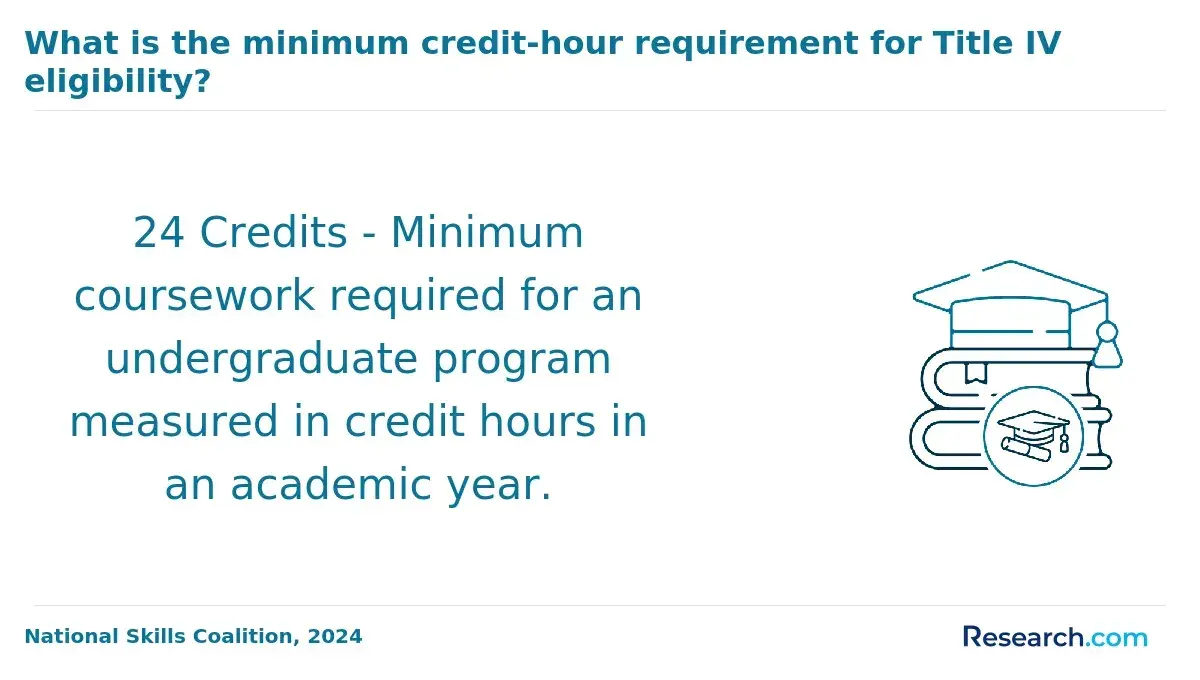
- Financial Aid Availability: Both program types generally qualify for federal aid and scholarships. However, accelerated students have fewer semesters to utilize aid, which may affect how financial support is distributed or the ability to meet specific award requirements.
What Financial Aid Is Available for Accelerated vs. Traditional Legal Services Degrees?
Students enrolled in both accelerated and traditional legal services degree programs in the U.S. can qualify for financial aid, though eligibility and disbursement timelines vary due to differences in program length and enrollment status. These variations impact how students plan and receive funding throughout their studies.
Examining key financial aid factors helps clarify these differences:
- Federal Aid Eligibility: Both program types provide access to federal loans, but accelerated students may face challenges with grants tied to semester schedules because of compressed terms.
- Scholarship Timelines: Traditional students generally follow established deadlines aligning with standard academic calendars; accelerated students must verify that shorter program durations meet scholarship requirements.
- Employer Tuition Assistance: Employer policies vary, with some favoring traditional schedules; accelerated students should confirm if expedited coursework affects eligibility for reimbursement.
- Disbursement and Renewal: Accelerated programs' pacing can limit typical loan renewal periods and affect when aid funds are released compared to traditional tracks.
A professional who pursued an accelerated legal services degree shared that navigating financial aid was initially daunting due to the program's fast pace. "It required early and frequent contact with the financial aid office," he recalled. "I had to carefully time my FAFSA submissions and scholarship applications to align with the program's terms." Despite these hurdles, he found the process rewarding: "The compressed schedule meant I finished sooner and started working earlier, which helped me repay loans quickly." His experience highlights the importance of proactive planning and staying informed throughout accelerated studies.
What Kind of Student Support Do Accelerated vs. Traditional Legal Services Programs Offer?
Student support is vital for academic achievement, yet accelerated and traditional legal services programs often differ in how and when these supports are delivered. The timing, intensity, and access to resources can vary notably. Below is a comparison of key support services typically provided in both types of programs.
- Academic Advising: Accelerated programs generally offer more proactive and personalized advising to help students navigate fast-paced coursework and ensure timely graduation. Traditional programs usually provide regular advising but expect students to take the initiative in seeking guidance.
- Tutoring and Academic Assistance: While both formats provide tutoring, accelerated students may find scheduling more constrained due to compressed semesters, whereas traditional students benefit from greater flexibility and a longer academic calendar for support.
- Career Services: Accelerated students often receive targeted workshops and rapid job placement assistance tailored for quick workforce entry. Traditional students experience broader networking opportunities and extensive recruitment events fostering professional connections over time.
- Peer Interaction: Traditional programs commonly facilitate more informal and structured peer engagement, enhancing collaborative learning, while accelerated programs may offer fewer chances due to condensed timelines and heavier workloads.
Do Graduates from Accelerated vs. Traditional Legal Services Programs Get Hired More Quickly?
Employment outcomes are a major factor for many when choosing between accelerated and traditional legal services programs. Both options can open doors, but several elements influence how fast graduates land jobs. Understanding these differences can help applicants make an informed decision; below is a comparison of hiring trends and key factors for each program type.
Here are some insights on employment speed and outcomes:
- Employer Perception: Traditional programs are often perceived as more rigorous, which can inspire immediate confidence among employers. Conversely, accelerated programs are gaining recognition, especially in alternative legal services where practical skills and technology competence are prized.
- Career Readiness: Graduates from traditional tracks typically benefit from extended internship and networking periods that ease job placement. Accelerated students enter the job market sooner but may need to actively showcase hands-on experience or specific skills.
- Industry Demand: The growing $28.5 billion ALSP sector favors tech-savvy candidates regardless of degree type, while conventional law firms may still lean toward traditional qualifications, though this is gradually shifting.
- Employment Speed: Data indicates accelerated program grads find work at comparable rates in progressive sectors but may experience slower hiring in more conservative firms. These differences are expected to diminish over time.
Reflecting on whether graduates from accelerated versus traditional legal services programs secure jobs faster, I spoke with a professional who completed a traditional program and was hired promptly. She described her search as challenging yet rewarding. "Networking events and internships built my confidence and introduced me to potential employers," she shared.
Although the process demanded patience, she felt well-prepared to meet employer expectations. "I believe the longer program allowed me time to develop both knowledge and connections, which made a real difference when I started applying." Her experience illustrates how traditional programs may offer advantages in building a strong professional foundation that accelerates hiring after graduation.
Are Accelerated Legal Services Degrees Accredited the Same Way as Traditional Programs?
Accreditation ensures academic quality and legitimacy for both accelerated and traditional legal services degree programs, regardless of their pacing or delivery format. This validation impacts critical aspects such as financial aid eligibility, credit transferability, and employer recognition. Both types of programs must meet established standards from recognized accrediting bodies to maintain their credibility.
Students enrolling in accredited programs can be confident their degrees will be accepted by licensing boards and employers. The American Bar Association's role in accreditation particularly guarantees that graduates meet professional standards, which is especially relevant for those seeking ABA accreditation for accelerated law degrees.
The accreditation process generally applies equally to accelerated and traditional programs, although institutions may design accelerated coursework with compressed modules or terms to fulfill the required standards effectively. Regional or programmatic accrediting bodies oversee this process, ensuring academic rigor and institutional resources are adequate in all formats.
However, students should always verify an institution's accreditation status-typically via the U.S. Department of Education or the Council for Higher Education Accreditation-to confirm that their degree will be widely recognized. Understanding the accreditation differences between accelerated and traditional legal programs helps prospective students make informed choices. For those interested in how quickly an accredited degree can translate to career success, exploring degrees that pay well offers valuable insights.
How Do You Choose Between an Accelerated vs. Traditional Legal Services Degree?
Choosing between an accelerated and a traditional legal services degree depends largely on your career goals, schedule flexibility, and preferred learning pace. Both options offer distinct advantages tailored to different personal circumstances. To determine the best fit for your needs, it's important to evaluate several key factors, which highlight the differences in these program formats.
Consider the following when deciding on the best accelerated legal services degree for career goals or whether a traditional vs accelerated law degree program pros and cons align better with your situation:
- Time Commitment: Accelerated programs condense the standard three-year curriculum into two years, saving time but requiring intense dedication and limited flexibility. Traditional programs spread coursework over three years, allowing a more manageable pace for those balancing other commitments.
- Flexibility: Traditional legal services degrees typically accommodate internships, clerkships, and extracurricular involvement, supporting a better work-life balance. Accelerated tracks, in contrast, demand rigorous scheduling that often restricts outside opportunities.
- Career Goals: If entering the job market quickly or reducing educational costs is a priority, accelerated options make sense. However, for students valuing networking and real-world experience through internships, traditional programs may provide a stronger foundation.
- Learning Style: Fast-paced learners who thrive under pressure tend to do well in accelerated programs, while those seeking a deeper, methodical understanding may prefer the traditional approach's structured format.
For students weighing career options after completion, exploring a highest-paying trade school careers list can offer additional insight into potential financial outcomes linked to various educational paths.
What Students of Accelerated vs. Traditional Legal Services Programs Say About Their Degree
- Jase: "Pursuing my traditional legal services degree allowed me to deeply understand the complexities of the law at a steady pace, which really helped build a solid foundation. However, the length of the program made balancing work and study a bit challenging. Overall, the investment was worth it, given how it opened doors to a stable career in legal support. "
- Kyro: "The traditional legal services program provided a comprehensive learning experience, but I found the cost somewhat daunting compared to accelerated options. Still, the time spent mastering the material has been invaluable for my confidence and career prospects in the legal field. The slower pace gave me room to absorb information thoroughly. "
- Aaron: "The accelerated legal services degree really suited my busy lifestyle by allowing me to complete my studies much faster than usual. It was intense and required a lot of discipline, but the reduced total cost and quicker entry into the workforce were major benefits. While the fast pace was tough, it was a rewarding challenge that paid off professionally. "
Other Things You Should Know About Traditional vs. Accelerated Legal Services Degrees
In 2027, accelerated legal services programs often offer condensed practicum experiences due to their shorter duration, while traditional programs provide more extended internships with greater depth. Accelerated students may miss out on some in-depth field exposure, which traditional students typically gain over longer study periods.
In 2027, accelerated legal services programs are increasingly recognized by employers, although traditional programs may still be preferred by some due to their longer duration and broader coursework exposure. Many firms now value the practical skills and focused learning that accelerated programs offer.
References
- Alternative career choices with a law degree | Careers Service | Careers Service https://careers.ed.ac.uk/explore-your-options/find-out-about-different-careers/sector-information/finance-management/law-legal/alt-careers
- School of Law https://www.gla.ac.uk/schools/law/enrolment/commonlawacc1/
- Aid for Accelerated Undergraduate Programs (ROC, CAPA, Online) https://laverne.edu/financial-aid/accelerated/
- FAQs - Accelerated JD https://www.suffolk.edu/law/academics-clinics/juris-doctor/accelerated-jd/faqs-accelerated-jd
- Legal Training vs. Traditional Law School: What Employers Really Prefer - https://lexmatter.org/blog/
- M102 LLB Law Accelerated Programme JD Pathway 7254 (2 years) | University of Southampton https://www.southampton.ac.uk/courses/law-accelerated-programme-jd-pathway-degree-llb
- Accelerated Courses vs. Traditional Courses https://bestaccreditedcolleges.org/articles/accelerated-courses.html
- A New Pathway to Law: The Perks of Accelerated ‘3+3’ Programs - School of Law - University at Buffalo https://www.law.buffalo.edu/blog/a-new-path-to-law.html
- The Rise of Alternative Legal Service Providers (ALSPs) https://eimf.eu/the-rise-of-alternative-legal-service-providers-alsps/
- The Top 10 Accelerated JD Programs | Leland https://www.joinleland.com/library/a/the-top-10-accelerated-jd-programs


