
2027 Admission Requirements for Behavioral Health Degree Programs

Co-Founder and Chief Data Scientist
Competition for admission into behavioral health degree programs is intensifying as interest in mental health careers surges nationwide. Recent data reveals that overall college acceptance rates have dropped to below 65%, reflecting more selective enrollment processes. Navigating these shifting admission landscapes requires clear insight into what institutions expect from applicants. This article offers a thorough overview of the key admission requirements for behavioral health programs, equipping prospective students with the knowledge needed to strengthen their applications and improve their chances of acceptance in this rapidly evolving field.
Key Benefits of Behavioral Health Degree Programs
- Understanding admission requirements helps applicants align their academic and extracurricular portfolios with program expectations, increasing their chances of acceptance amid rising competition where U.S. college admissions have become 8% more selective over the last five years.
- Knowing specific prerequisites enables students to plan ahead for necessary coursework and clinical experiences, which is critical as behavioral health programs often require hands-on training that strengthens employability in a sector expected to grow by 23% through 2031.
- Familiarity with application standards-including essays and recommendation letters-improves the quality of submissions, which is essential since behavioral health programs receive a growing number of applicants each year, reflecting the increased demand for qualified mental health professionals nationwide.
What GPA Do You Need to Get Into a Behavioral Health Program?
GPA remains one of the most important factors in college admissions because it serves as a benchmark for academic readiness and a predictor of success in behavioral health programs. However, behavioral health program GPA requirements in the US can vary widely depending on the institution, the program's degree level, and the competitiveness of individual programs. Below are typical GPA expectations and key factors influencing admission decisions for these programs:
- Minimum GPA Requirements: Most behavioral health bachelor's programs require a minimum cumulative GPA between 2.0 and 2.5 for admission. For example, Peninsula College and Bismarck State College accept applicants with a 2.0 GPA or higher, while others like Wenatchee Valley College set a minimum GPA of 2.5 specifically for major-related coursework.
- Competitive GPA Range: More selective and graduate-level behavioral health programs generally expect a higher GPA, often 3.0 or above. Master's programs at Loma Linda University and Carroll University typically require a 3.0 minimum, while Arizona State University's Doctor of Behavioral Health demands a 3.0 GPA in the last 60 undergraduate credit hours.
- Online vs. On-campus Flexibility: Although core GPA requirements are similar, online programs may provide more flexibility for non-traditional applicants, including those with professional experience or slightly lower GPAs. Nonetheless, the minimum GPA remains a decisive part of the admission criteria for both online and on-campus options.
- Strengthening Your Application: Admissions committees often consider recent academic trends, the rigor of relevant coursework, letters of recommendation, and clinical experience to evaluate candidates who fall below stated GPA minimums. Applicants can improve their chances by excelling in prerequisite courses, gaining relevant work or volunteer experience, and submitting strong supporting materials.
- Program Level Differences: Associate degree and transfer pathways tend to have lower minimum GPA for behavioral health programs, generally between 2.0 and 2.5, while direct entry into bachelor's and master's level programs requires a stronger academic record and relevant coursework.
For those seeking flexibility, exploring the best accelerated online degree for working adults can be a valuable option when considering GPA standards and program accessibility.
What Prior Education Is Required for a Behavioral Health Program?
Prior education plays a crucial role in determining eligibility for behavioral health degree programs, as it sets the foundation for the necessary skills and knowledge. Requirements vary depending on whether an applicant is pursuing an undergraduate, graduate, or professional-level program, with each level imposing distinct prerequisites.
Below is a summary of common educational prerequisites applicants should expect when exploring behavioral health program education requirements in the US:
- Undergraduate Prerequisites: Most bachelor's programs require a high school diploma, GED, or equivalent. Applicants often submit standardized test scores, transcripts, and sometimes letters of recommendation or personal statements to demonstrate interest. Certain universities may not require previous degrees but prefer applicants with some college credits or transferable coursework.
- Associate-to-Bachelor's Bridge Requirements: Applied bachelor's programs, such as a Bachelor of Applied Science (BAS) in behavioral health, typically require completion of an associate degree first. Students must complete foundational coursework, and institutions often provide bridge classes to help those with diverse academic backgrounds meet prerequisites.
- Transfer and Credit Evaluation: Transfer students need to submit official transcripts for credit evaluation, which determines accepted courses toward their degree. Some colleges enforce completion of transferable credits before advancing to upper-level courses and may require a minimum GPA, commonly 2.0 or higher, for admission.
- Graduate-Level Expectations: Entry to master's or doctoral behavioral health programs generally requires a bachelor's degree in related fields such as psychology or public health. Doctoral applicants may need relevant master's degrees or may complete prerequisite courses if their background falls outside core behavioral disciplines.
- Foundation and Placement Coursework: Applicants lacking traditional prerequisites might take foundation or remedial classes before starting the primary curriculum. Placement tests can assess academic readiness and determine the need for such preparatory coursework.
For those seeking flexible advanced study options, exploring easy masters degrees that pay well may provide valuable alternatives while meeting essential prior education needed for behavioral health degree careers.
Do Behavioral Health Programs Require GRE, GMAT, or Other Standardized Tests?
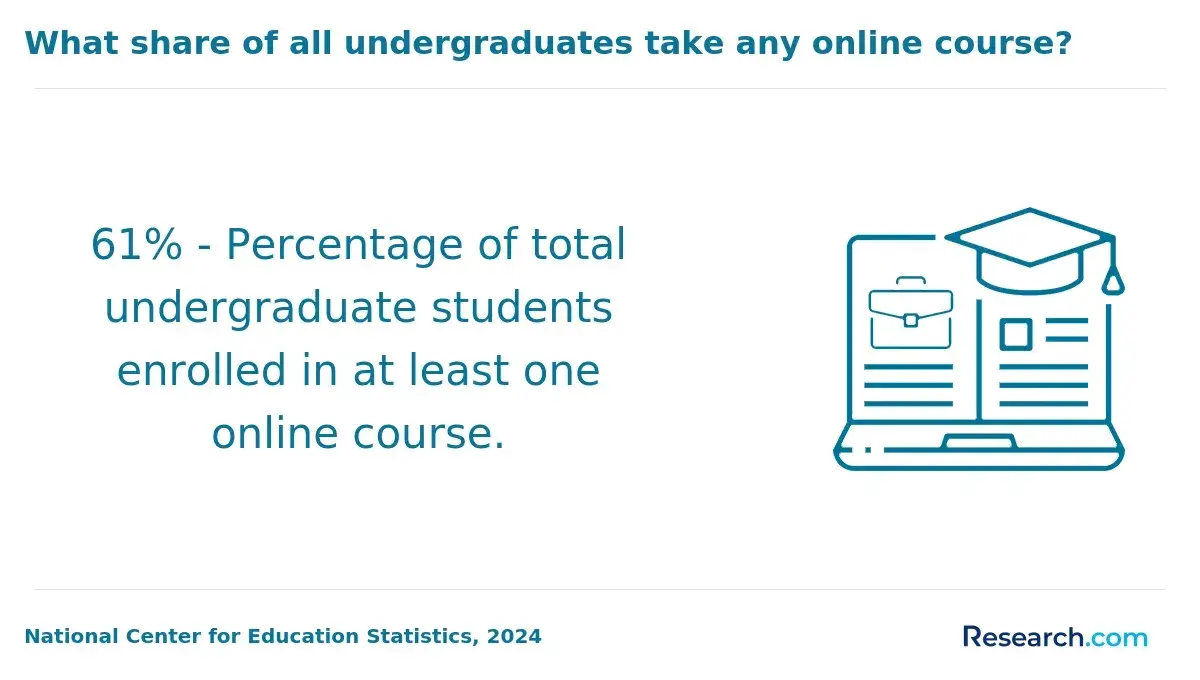
Standardized tests like the GRE (Graduate Record Examination) and GMAT (Graduate Management Admission Test) have historically been central to graduate admissions decisions, providing a common metric to assess academic preparedness. However, evolving perspectives on accessibility and equity have prompted many institutions to rethink the role these exams play in behavioral health program admissions.
Current expectations for standardized testing in behavioral health programs can be summarized as follows:
- GRE/GMAT Frequently Not Required: Most behavioral health and mental health counseling master's programs, both online and on-campus, no longer mandate GRE or GMAT scores for admission. This trend reflects a larger movement in graduate education aimed at lowering barriers for applicants.
- Conditional Waivers Based on Academic Performance: Some programs waive test score requirements for applicants who demonstrate strong undergraduate academic achievement, typically with a GPA above 3.0. Applicants with lower GPAs may still need to submit standardized test results for a comprehensive evaluation.
- Optional Submission Policies: An increasing number of programs allow applicants the choice to include GRE or GMAT scores if they believe these supplements enhance their applications. This approach empowers candidates to present their strengths in ways that best represent their academic readiness.
- Program-Specific Variability: Certain specialized or dual-degree behavioral health programs, particularly those with public health components or serving international students, may continue to require or recommend standardized test scores. Admissions policies can vary widely, underscoring the importance of reviewing individual program guidelines.
When I spoke with a graduate of a behavioral health degree program about the testing experience, he shared a nuanced perspective. Although his program did not ultimately require the GRE, he initially prepared and took the exam due to uncertainty in application requirements. "It was a bit stressful because I wasn't sure if my GPA alone would be enough," he recalled. The process of studying helped boost his confidence, even as he felt the pressure of standardized test expectations. He reflected that having the option to submit scores gave him a sense of control in shaping his application, but the experience also highlighted how stressful and time-consuming test preparation can be-something he advises future applicants to consider. Ultimately, the ability to navigate these changing policies was empowering, allowing him to focus more on his fit for the program rather than being solely defined by exam results.
What Materials Do You Need to Submit for Behavioral Health Admission?
Applying to behavioral health college or graduate programs generally requires submitting a variety of materials that demonstrate your academic preparation, relevant experience, and fit for the program's goals. Requirements often vary depending on the institution, degree level, and whether the program is offered online or on campus. Understanding these typical components can help you prepare a strong application.
Below is a summary of the most common application materials requested for behavioral health admissions:
- Official Transcripts: Programs usually require transcripts from all postsecondary schools attended to verify academic history. Schools often expect a minimum GPA around 3.0 for graduate-level applicants. Transcripts also help assess transferable credits for transfer or bridge applicants.
- Test Scores: While many programs have moved away from standardized tests like the GRE, some still require them, especially for international students. English proficiency tests such as TOEFL or IELTS are commonly requested, with online programs potentially waiving some test requirements more often than campus-based ones.
- Personal Statement or Essay: This document offers a chance to explain your motivation for pursuing behavioral health, your career goals, and how the program fits your interests. Admissions committees use it to gauge your commitment and alignment with the field.
- Résumé or Curriculum Vitae (CV): A résumé or CV highlights your relevant professional experience, volunteer activities, and skills. Clinical or graduate programs often prefer applicants with prior behavioral health experience or licensure.
- Letters of Recommendation: Typically, 1-3 recommendation letters are required from academic or professional contacts who can attest to your readiness for advanced study. Strong references usually come from faculty members, supervisors, or practitioners in behavioral health.
What Are the Admission Requirements for International Students Applying to Behavioral Health Programs?
International students applying to behavioral health degree programs in the United States must navigate a range of additional admission requirements beyond standard academic qualifications. These include demonstrating language proficiency and submitting verified documentation to ensure they are prepared for rigorous U.S.-based coursework and comply with both institutional policies and federal visa regulations. Meeting these criteria is essential for successful enrollment and academic progression.
Applicants should be aware of several primary admission requirements to prepare effectively:
- English Proficiency Proof: Applicants are generally required to submit official scores from recognized tests such as TOEFL, IELTS, or Duolingo. On-campus behavioral health programs typically have higher standards-with minimum scores often exceeding the general university requirements-to ensure students can engage fully with their studies. Some online programs may waive this requirement for students educated in English-speaking environments, but proof of proficiency is almost always mandatory for in-person study.
- Credential Evaluation: Since academic systems vary worldwide, universities usually require a professional evaluation of foreign transcripts through agencies like World Education Services or other members of the National Association of Credential Evaluation Services. This step verifies degree equivalency and helps admissions committees assess qualifications fairly.
- Financial Documentation: To qualify for U.S. student visas, applicants must demonstrate sufficient financial resources to cover tuition and living expenses. This documentation often includes bank statements or affidavits of support and is particularly important for those attending on-campus programs, ensuring compliance with visa and immigration rules.
- Visa-Related Forms: International students pursuing on-campus studies must submit visa-specific paperwork such as the Form I-20, which supports F-1 visa applications. It is important to note that not all behavioral health programs offer visa sponsorship, especially many online options that cater to students studying remotely.
- Application Materials: Beyond these requirements, applicants usually provide personal statements, letters of recommendation, and application fees. Some programs might also request additional essays or documents tied to behavioral health licensure standards.
Reflecting on these requirements, an international student currently enrolled in a behavioral health degree program shared her experience: "I remember feeling overwhelmed at first by the range of documents I needed to prepare, especially the credential evaluation and visa paperwork. However, thorough guidance from the admissions office helped me navigate the process smoothly. Taking the time to improve my English test scores paid off-once I started the program, I felt more confident engaging in discussions and understanding complex materials." She emphasizes that the admission journey strengthened not only her readiness for academic challenges but also her resilience. According to her, successfully meeting these requirements opened doors to practical internships and networking opportunities that significantly boosted her career development after graduation.
Do You Need Professional Experience to Get Into a Behavioral Health Program?
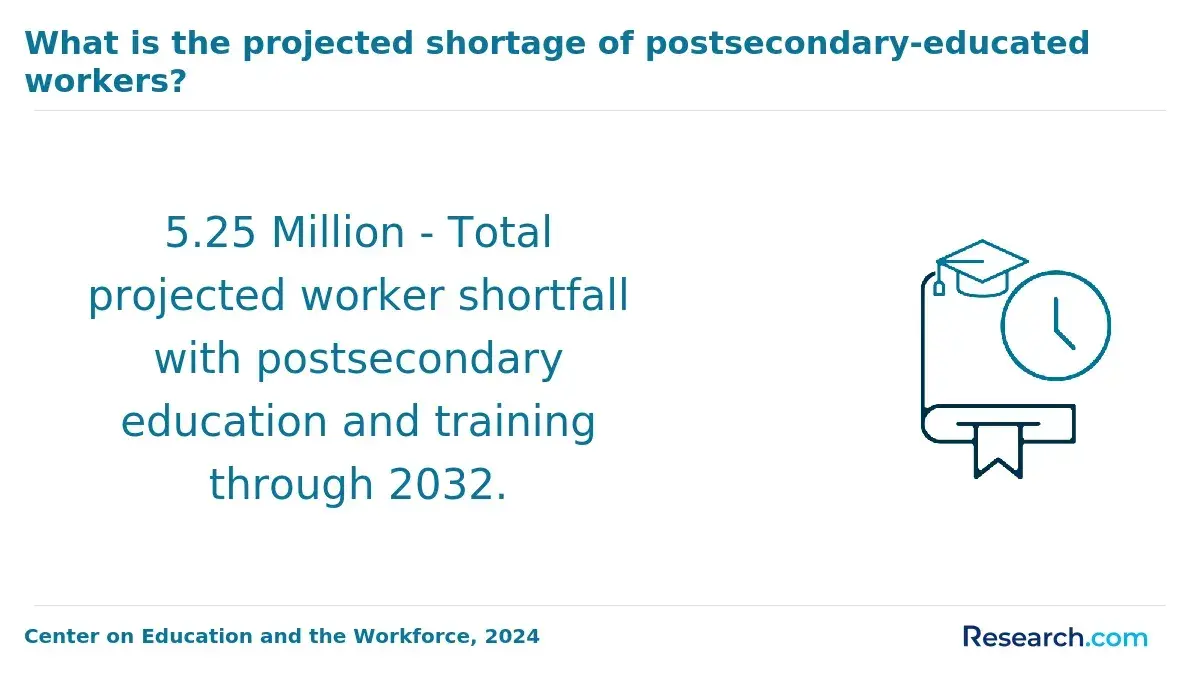
Professional experience often plays a significant role in admission decisions for behavioral health programs, particularly at the graduate level. Schools typically value applicants who bring a relevant background and practical skills, which can enhance their readiness for advanced coursework and clinical training. While some programs list work experience as "recommended," others treat it as a core admission criterion.
Below are key ways professional experience factors into admission decisions for both online and on-campus behavioral health programs:
- Minimum Experience Requirements: Certain graduate programs, like Doctor of Behavioral Health (DBH) degrees, require applicants to have at least two years of experience in the behavioral health field. For clinical tracks, holding or being eligible for a professional license is often mandatory to complete internships and practicums.
- Experience as a Competitive Edge: Even when not strictly required, relevant work experience can give applicants a competitive advantage. Programs often favor candidates currently employed or with direct patient care experience, signaling preparedness for the demands of graduate study and clinical responsibilities.
- Demonstrating Experience in Application Materials: Applicants should emphasize their professional background through detailed resumes, personal statements, and strong references. Schools may request recommendations from supervisors or faculty familiar with the applicant's clinical or professional performance to assess applied skills.
- Considerations for Entry-Level Programs: Undergraduate and certificate programs typically do not require prior professional experience. Instead, these programs incorporate practicum or fieldwork components to provide hands-on learning during the course of study.
- Online vs. On-Campus Expectations: Both formats value relevant experience, but online graduate programs often attract working professionals and may specifically encourage or require current roles in behavioral health. This supports practice-based, flexible learning tailored to professionals balancing work and study.
Do Behavioral Health Programs Have Different Admission Requirements by Concentration?
Many universities in the United States tailor their admission standards for behavioral health degree programs based on the specific concentration or specialization area. While core requirements such as minimum GPA or standardized test scores typically remain consistent, concentrations that emphasize research, technical skills, or clinical practice often require additional coursework, professional experience, or other prerequisites. This distinction ensures that students are well-prepared for the academic and practical demands of their chosen track.
Admission requirements can differ notably depending on the specialization within a behavioral health program. Here are some key ways these requirements vary by concentration:
- Technical or Quantitative Tracks: Concentrations centered on research methods, data analysis, or applied behavioral analysis often require applicants to have completed undergraduate courses in statistics, research methodology, or psychology. Preference may be given to those with demonstrated research experience and a strong academic foundation in quantitative subjects.
- Clinical or Counseling Specializations: Admission to clinical tracks such as mental health counseling typically demands direct human services experience, including internships or volunteer work. Applicants are commonly expected to submit letters of recommendation and personal statements highlighting relevant motivations and experiences; some programs also conduct interviews to assess interpersonal skills.
- Leadership and Management Concentrations: These tracks often favor applicants with prior supervisory roles or coursework in organizational behavior. Professional achievements and certifications related to administration can enhance an application's competitiveness.
- Online Versus On-Campus Programs: Some universities apply different admission criteria depending on the delivery format. Online applicants may be evaluated more on professional experience and self-directed learning abilities, while on-campus candidates might be assessed more heavily on academic performance and potential for campus engagement.
- Special Populations or Lifespan Focus: Concentrations targeting specific groups such as children, older adults, or multicultural populations may prefer candidates with relevant background experience or coursework in related fields, such as child development or educational psychology.
Prospective students looking for behavioral health program admission requirements by concentration should carefully review each specialization's specific prerequisites and consider guidance from academic advisors. For those interested in cost-effective options, exploring the cheapest master degree online can provide valuable insights into affordable pathways within this field.
Are Admission Requirements the Same for Online and On-Campus Behavioral Health Programs?
Most universities in the United States align admission standards for online and on-campus behavioral health degree programs to ensure consistent academic quality and integrity across both delivery methods. However, some variations exist due to differences in student demographics, program structure, or the need for hands-on experiential learning components. These nuances reflect attempts to balance flexibility with rigor in admissions.
Below is a summary of key similarities and differences in admission requirements for online and on-campus behavioral health programs:
- Core Academic Standards: Both online and on-campus programs generally require a minimum GPA, completion of prerequisite coursework, and a bachelor's degree for graduate admission. Requirements for standardized tests like the GRE are often waived in both formats, reflecting a shift toward holistic admissions processes across the board.
- Professional Experience Expectations: Online behavioral health degree program admission criteria often emphasize relevant work experience, especially in programs designed for working professionals. Conversely, on-campus programs, particularly at the undergraduate level, tend to focus more on academic readiness and may accept students without prior experience.
- Interview and Personal Statement Requirements: Applicants for both formats typically submit personal statements to outline career goals. Interviews are also common but differ mostly in format-virtual interviews for online programs and in-person for campus-based tracks-serving the same evaluative purpose.
- Experiential Learning Components: Practicums, internships, or fieldwork are required in nearly all behavioral health programs. Online students usually arrange placements in their own communities, while on-campus students participate in internships facilitated by the university, though standards and oversight remain comparable.
- Application Deadlines and Enrollment Options: Online programs often offer multiple start dates and rolling admissions to accommodate nontraditional students' schedules. In contrast, on-campus admissions tend to follow a stricter semester-based cycle with fixed cohort starts.
Prospective students comparing these differences in admission requirements for online and on-campus behavioral health programs should carefully review specific program criteria and delivery models. Those interested may also explore regionally accredited online colleges with no application fee as an option when considering affordable and flexible schooling.
Can You Apply for Financial Aid Before Being Accepted into a Behavioral Health Program?
Most financial aid applications for behavioral health degree programs, including the FAFSA, can be submitted before you receive formal acceptance into your chosen program. This early submission is encouraged as it allows applicants to assess their eligibility for grants, loans, and work-study options well in advance. By applying early, students can better estimate the total cost of education and ensure they meet critical deadlines established by schools and federal agencies.
Early FAFSA filing also helps maximize the likelihood of obtaining limited funding opportunities, which are often distributed on a first-come, first-served basis. For those exploring options, it is helpful to research most popular accredited trade schools online as part of their financial planning.
However, there are important limitations to consider when you apply for financial aid for behavioral health degree programs. While the FAFSA requirements for behavioral health programs allow submission prior to admission, final eligibility for most federal grants, loans, and scholarships is confirmed only after you have been officially accepted and your enrollment verified. Certain scholarships or grants may specifically require program acceptance before the application can be reviewed.
A practical approach is to list multiple potential schools on your FAFSA, ensuring that each institution can access your financial information if you are admitted. Staying organized by tracking financial aid deadlines in relation to admission timelines is essential to avoid missing out on critical funding opportunities.
When Should You Start Applying to Behavioral Health Programs?
Timing is one of the most important factors in the behavioral health application process because many programs have strict deadlines and limited enrollment. Starting early not only improves your chances of acceptance but also maximizes eligibility for financial aid and scholarships. In fact, over 30% of college applicants miss priority deadlines annually, which can negatively impact both admission and financial aid opportunities.
To navigate the process successfully, it's crucial to understand the ideal timeline for preparing and submitting applications to behavioral health programs, whether online or on campus. Most graduate-level programs offer fall admission with deadlines that commonly range from October to June. Some programs require all materials, including transcripts and recommendation letters, by mid-October or early December, while others have final deadlines closer to February or June. Priority deadlines, often set in December, give applicants a better chance at acceptance and earlier access to financial aid.
Students should begin researching programs at least one year before their planned start date. Early preparation allows time to maintain a competitive GPA, request strong recommendation letters, write thoughtful essays, and compile a polished resume or CV. It is also important to complete financial aid applications, such as the FAFSA and scholarship forms, as soon as possible since many awards are allocated on a rolling or priority basis.
Beginning the application process well in advance not only provides greater flexibility but also enhances the quality of submitted materials and significantly reduces the stress typically associated with behavioral health admissions.
Here's What Graduates of Behavioral Health Programs Have to Say About Their Degree
- Pico: "Completing my behavioral health degree opened doors I never thought possible. Not only did it provide me with a solid foundation in understanding mental health issues, but it also gave me the confidence to start a meaningful career in community outreach. I now work alongside diverse populations, helping individuals find resources and support they desperately need. The program's focus on practical skills truly prepared me for real-world challenges in this rewarding field."
- Amira: "Reflecting on my experience earning a behavioral health degree, I realize how much personal growth I achieved throughout the journey. The coursework and internships pushed me to develop empathy and resilience, which are essential qualities when supporting others through difficult times. This degree not only enhanced my professional skills but also deepened my commitment to fostering mental wellness in my community. It has been a transformative experience that reshaped my understanding of service and care."
- Kanda: "As a professional in the behavioral health field, having this degree has significantly boosted my career advancement opportunities. The credential is highly respected and opens doors to specialized training and leadership roles. I appreciate how the curriculum balanced theory with hands-on practice, allowing me to confidently manage complex cases and advocate for better mental health policies. It's gratifying to know that my work positively impacts so many lives, and this degree was instrumental in that achievement."
Other Things You Should Know About Behavioral Health Degree Programs
In 2027, admission requirements for behavioral health degree programs typically include a bachelor's degree, preferably in a related field such as psychology or sociology. Applicants might also need to provide transcripts, letters of recommendation, a personal statement, and possibly GRE scores, depending on the program.
Many behavioral health programs do not require standardized tests like the GRE or SAT, especially at the undergraduate level. However, specific graduate programs might request GRE scores as part of their application. It is important to check the particular program's admissions page for test requirements.
For 2027, behavioral health degree programs typically require a completed application, academic transcripts, and a statement of purpose. Many programs prefer letters of recommendation and may request standardized test scores like the GRE, although these requirements can vary by institution.
References
- International Applicants https://www.publichealth.pitt.edu/admissions-aid/international-applicants
- Requirements | Johns Hopkins | Bloomberg School of Public Health https://publichealth.jhu.edu/academics/mph/requirements
- Top Tips When Applying For Mental Health Jobs | BMJ Health Careers https://www.bmj.com/healthcareers/article/top-tips-when-applying-for-mental-health-jobs
- Admissions and Application | School of Behavioral Health https://behavioralhealth.llu.edu/academics/psychology/admissions-and-application
- Types of Behavioral Health Degrees in California - California Social Work https://californiasocialwork.org/behavioral-health-degrees/
- Building A Career In Behavioral Health: Navigating Entry-level Mental Health Jobs And Opportunities - Haven Health Management https://havenhealthmgmt.org/building-a-career-in-behavioral-health-navigating-entry-level-mental-health-jobs-and-opportunities/
- Admissions https://www.bumc.bu.edu/gms/mhcbm/admissions/
- Behavioral Health/Human Services https://www.ccp.edu/degree-programs/behavioral-healthhuman-services
- DBH Admissions - Cummings Graduate Institute for Behavioral Health Studies https://cgi.edu/admissions/dbh/


