
2027 Admission Requirements for Child Psychology Degree Programs

Co-Founder and Chief Data Scientist
Admission into child psychology degree programs has become increasingly competitive, reflecting the rising demand for professionals in this vital field. Recent data show that acceptance rates for psychology-related programs have tightened, with some schools admitting fewer than 30% of applicants. This trend underscores the importance of thoroughly understanding the admission standards that shape candidate selection. Navigating these requirements effectively can significantly enhance an applicant's chances.
This article provides a clear guide through the essential admission expectations for child psychology programs, aiming to equip prospective students with the knowledge needed to approach the application process confidently and strategically.
Key Benefits of Child Psychology Degree Programs
- Knowing admission requirements helps applicants align their academic records and test scores with competitive standards, as over 60% of U.S. colleges report rising selectivity in psychology-related programs following increased demand in mental health fields.
- Understanding prerequisites ensures students complete necessary foundational courses early, which is critical since 75% of child psychology programs emphasize developmental psychology and research methodology coursework for eligibility.
- Being aware of requirements allows prospective students to prepare relevant experience and extracurricular activities, responding to the trend that 45% of programs now weigh hands-on volunteer work or internships heavily during admissions.
What GPA Do You Need to Get Into a Child Psychology Program?
GPA remains one of the most important factors in college admissions as it reflects a student's academic readiness and ability to handle challenging coursework. However, the requirements can vary significantly depending on the institution, degree level, and competitiveness of child psychology programs. Understanding these variations is essential for applicants when evaluating the minimum GPA requirement for child psychology degree options, especially within the United States.
Here are typical GPA expectations and key factors that influence admission chances across child psychology programs:
- Minimum GPA Requirements: Most undergraduate child psychology-related majors require a minimum GPA between 2.0 and 2.5 for admission, though certain concentrations or schools may demand higher standards. For graduate programs, applicants often need at least a 3.0 GPA on a 4.0 scale to be considered for full acceptance.
- Competitive GPA Range: Programs with high selectivity or research focus typically admit students with GPAs ranging from 3.5 to 4.0. Doctoral-level child psychology programs especially expect strong academic records due to rigorous coursework and research demands.
- Online vs. On-Campus Programs: Accredited online child psychology programs generally uphold similar GPA expectations as traditional on-campus programs but may offer more flexibility. Applicants with slightly lower GPAs might strengthen their case by demonstrating relevant experience or potential through additional documentation.
- Strengthening Your Application: When the GPA needed for child psychology programs in the United States exceeds your current standing, consider highlighting recent academic improvements, strong recommendation letters, valuable experience working with children, and a compelling personal statement to boost competitiveness.
- Exploring Quick Pathways: For students seeking faster entry into child psychology-related fields with flexible admission criteria, exploring best associate degrees in 6 months online can provide an alternative path while maintaining reasonable GPA requirements.
What Prior Education Is Required for a Child Psychology Program?
Prior education plays a crucial role in determining eligibility for child psychology degree programs, influencing both foundational knowledge and preparedness for advanced study. Requirements vary significantly depending on whether the applicant is pursuing an undergraduate, graduate, or professional level program.
Below is a summary of the most common education requirements for child psychology degree programs:
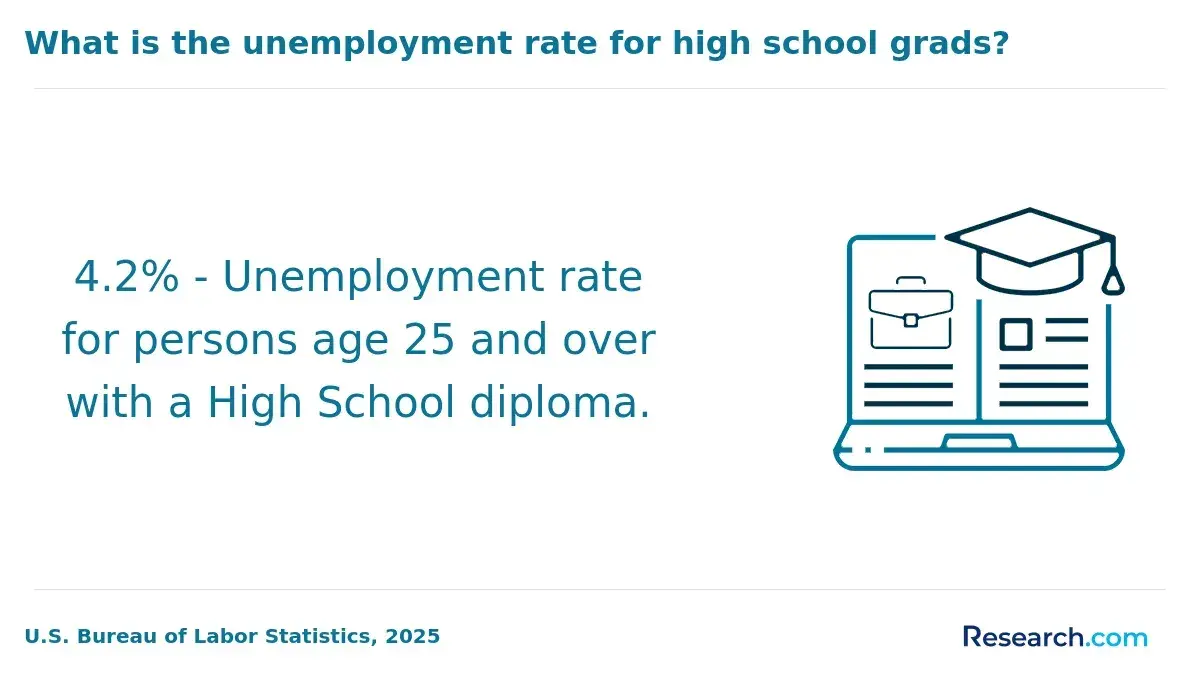
- Undergraduate Prerequisites: Most bachelor's programs require a high school diploma or GED. Competitive programs may look for coursework in biology, social sciences, or statistics, but generally do not mandate prior psychology classes. Admission decisions often consider GPA and standardized test scores alongside academic readiness, highlighting the importance of undergraduate courses needed for child psychology.
- Bachelor's Degree Requirements for Graduate Study: Admission to master's or doctoral programs nearly always requires a completed bachelor's degree from an accredited institution. While degrees in psychology or related social sciences are preferred, many programs accept applicants from other fields if they have completed foundational psychology coursework, usually 12-15 credit hours including research methods and statistics.
- Graduate-Level Expectations: Graduate programs expect a minimum GPA around 3.0, prior coursework in child development, and often practical experience with children or adolescents. Degrees in social sciences, health sciences, or education are commonly favored, though bridge or prerequisite courses are sometimes offered for those lacking psychology backgrounds.
- Doctoral Program Prerequisites: Doctoral programs in clinical child psychology require extensive psychology coursework, research or clinical experience, and typically a bachelor's or master's degree. Completion of advanced statistics and developmental psychology is generally expected, with some selective programs waiving a master's for exceptionally prepared undergraduates.
- Bridge and Foundational Coursework: To support diverse academic histories, some programs offer bridge courses or prerequisite classes to ensure all students possess the core knowledge necessary for success. These options help applicants who do not meet traditional education requirements adapt before full program admission.
Psychology remains one of the most popular undergraduate majors, reflecting strong competition for advanced study in the field. Prospective students interested in enhancing their credentials might also explore online certificates that pay well to complement their education and improve career prospects in child psychology.
Do Child Psychology Programs Require GRE, GMAT, or Other Standardized Tests?
Standardized tests such as the GRE (Graduate Record Examination) and GMAT (Graduate Management Admission Test) have traditionally played a significant role in graduate admissions, serving as benchmark tools to evaluate applicants' readiness and compare candidates across diverse academic backgrounds. However, shifting educational trends along with concerns about equity and accessibility have led many institutions to reconsider the necessity of these exams in recent years.
Below is an overview of the current testing expectations specifically for child psychology programs in the U.S.:
- GRE/GMAT Requirements Declining: Most child psychology master's programs no longer require GRE or GMAT scores for admission, a trend particularly prevalent in online programs that emphasize accessibility. For instance, schools like Capella University and National University do not mandate these scores for their online child psychology tracks.
- Optional or Conditional Testing: Some on-campus programs may still ask for GRE scores, usually as a conditional requirement for applicants lacking certain academic prerequisites. For example, the University of Kansas Clinical Child Psychology Program accepts the psychology subject GRE for students without sufficient psychology coursework.
- Emphasis on Holistic Review: Admissions committees increasingly prioritize factors such as academic transcripts, GPA (commonly a minimum of 3.0), letters of recommendation, personal statements, and relevant child-focused experience over standardized test scores. This holistic approach aligns with efforts to assess practical skills and genuine commitment.
- Doctoral Programs and Testing: While master's level programs are largely moving away from mandatory test scores, some doctoral child psychology programs, especially those at research-intensive universities, may retain optional or conditional GRE requirements. Prospective students are advised to verify updated admission policies directly with individual programs.
What Materials Do You Need to Submit for Child Psychology Admission?
Applying to child psychology degree programs-whether at the undergraduate or graduate level-usually requires submitting several documents that demonstrate your academic readiness, relevant experience, and how well you fit the program. These requirements vary depending on the institution, program level, and whether the program is online or on-campus.
Below is a summary of the most common application materials you may need to provide:
- Official Transcripts: These verify your academic coursework and grades. Schools look for prerequisite classes in psychology and related fields, often expecting a minimum GPA around 3.0 to 3.2. Some programs, especially online ones, may request official transcripts only after an initial review.
- Résumé or Curriculum Vitae (CV): Your résumé highlights relevant work, volunteer, or research experiences and skills related to child psychology. Online programs may emphasize prior professional experience more heavily than on-campus programs.
- Personal Statement or Statement of Purpose: This essay explains your interest in child psychology, your career goals, and why you are a good fit for the specific program. Tailoring your statement to each school and program format can strengthen your application.
- Letters of Recommendation: Most programs require two or three letters from academic or professional references who can vouch for your abilities and character. Strong recommendations from psychology faculty or supervisors in relevant roles are especially beneficial.
- Standardized Test Scores: Some programs still require GRE scores, but this is becoming less common. Be sure to check each program's current policy, as many have dropped this requirement recently.
What Are the Admission Requirements for International Students Applying to Child Psychology Programs?
International students applying to child psychology degree programs in the United States face additional admission requirements beyond academic qualifications. These include proving English language proficiency and providing verified international academic credentials, which help ensure students are prepared for rigorous U.S.-based coursework and meet both institutional standards and federal visa regulations. Such requirements safeguard academic integrity while facilitating compliance with immigration policies.
To help international applicants navigate this process, here is a summary of key admission requirements they should prepare for:
- English Proficiency Proof: Applicants whose native language is not English usually must submit scores from exams like TOEFL (with a minimum score around 79-80 iBT), IELTS (minimum 6.5), or the Duolingo English Test (minimum 115). Online programs may offer slightly flexible standards or conditional admission with language support, but traditional campus programs commonly enforce stricter benchmarks and rarely waive these requirements unless previous degrees were conducted in English.
- Credential Evaluation: U.S. universities require official transcripts from all postsecondary education institutions attended. These transcripts must be evaluated for U.S. equivalency through third-party agencies such as WES or ECE. This process can take several weeks, so applicants should plan accordingly-for example, some schools may take up to three weeks to complete the evaluation.
- Financial Documentation: Adequate proof of funds is mandatory to secure a student visa. Applicants need bank statements or affidavits demonstrating they can cover tuition and living expenses for at least the first year of enrollment. This documentation is scrutinized by both universities and U.S. immigration authorities.
- Visa-Related Forms: Once admitted, students must complete visa paperwork, including Form I-20 for the F-1 visa category, and submit supporting materials like a valid passport and proof of financial support. Timely gathering of these documents is vital to avoid delays in scheduling visa interviews and arriving on time for studies.
- Additional Documentation: Some programs request a statement of purpose, letters of recommendation, and evidence of relevant coursework or experience in child psychology. While online programs may permit document uploads, official institution-issued records are generally required for final admission decisions.
Do You Need Professional Experience to Get Into a Child Psychology Program?
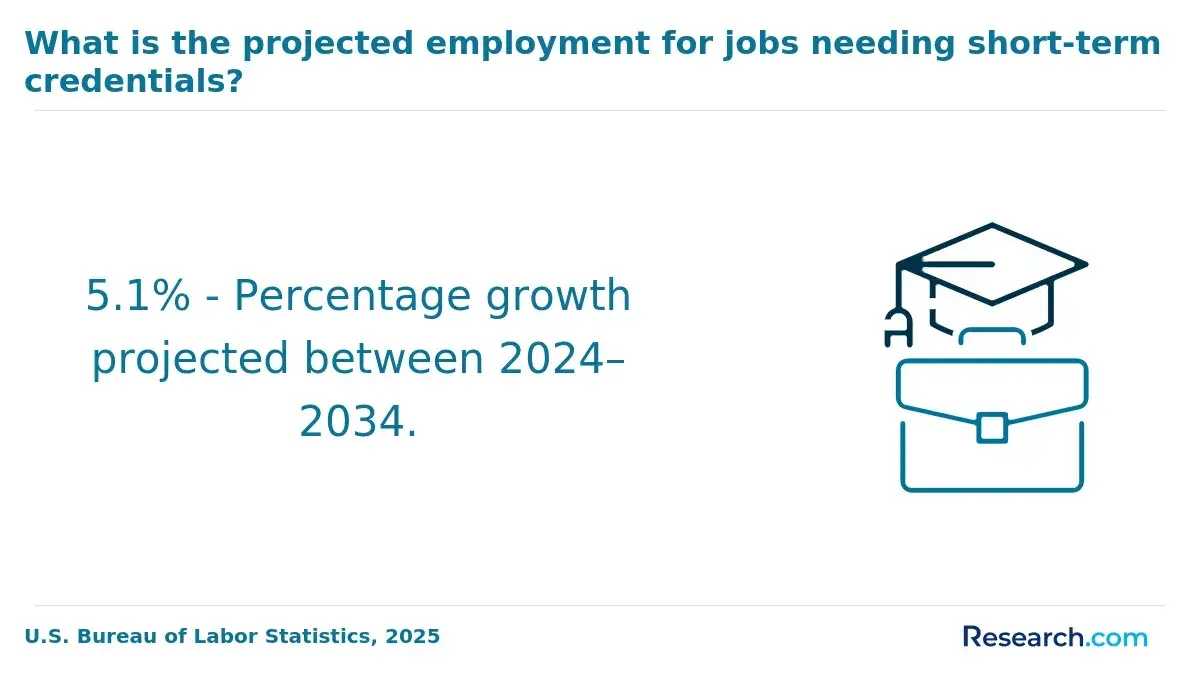
Professional experience can significantly influence admission decisions for child psychology programs, particularly at the graduate level. Schools often value applicants who bring relevant backgrounds and practical skills that indicate preparedness for advanced study and clinical work. While some programs list professional experience as "recommended," others treat it as a core admission criterion.
Below are key ways professional experience factors into admission decisions for both online and on-campus child psychology programs:
- Minimum Experience Requirements: Certain programs explicitly require applicants to have hands-on experience working with children, adolescents, or families. For example, some master's programs ask for detailed documentation of this work experience as part of the application process.
- Experience as a Competitive Edge: Even if not formally required, relevant professional or volunteer experience can make an application stand out. Admissions committees value practical experience involving emotional, behavioral, or developmental support for children, particularly in competitive programs.
- Demonstrating Experience in Application Materials: Applicants should clearly outline their experience on resumes or CVs and often elaborate in personal statements. Letters of recommendation from supervisors or colleagues familiar with the applicant's work are commonly requested to verify skills and commitment.
- Variation by Program Level and Type: Doctoral programs typically expect substantive clinical or research experience, while master's programs may accept less direct experience if applicants show academic readiness. Online programs generally follow similar expectations but might consider a wider range of experiences.
Do Child Psychology Programs Have Different Admission Requirements by Concentration?
Many universities in the United States tailor their admission standards for child psychology programs based on the specific concentration or specialization area chosen by applicants. While core requirements like minimum GPA, standardized test scores, and prerequisite coursework tend to remain consistent, concentrations that are research-heavy or technical often require additional prerequisites, relevant experience, or specialized coursework. These differences ensure that students entering various tracks are well-prepared for the unique demands of their field.
Admission requirements can differ by concentration in several key ways:
- Technical or Quantitative Tracks: These concentrations emphasize research, statistics, or quantitative methods and may require completion of advanced courses in statistics or research methodology, sometimes with a specified minimum grade. Prior research experience or participation in honors projects is often recommended, especially for those aiming at graduate-level study.
- Clinical or Counseling Concentrations: Applicants focusing on clinical child psychology or counseling are typically expected to have relevant volunteer, internship, or professional experience working with children. Letters of recommendation from clinical supervisors carry significant weight, and strong interpersonal skills are highly valued.
- Early Childhood or Education-Focused Specializations: These tracks may require additional credits in education-related psychology courses and encourage electives in areas such as family psychology or statistics. Experience in educational settings or working with young children can also influence admission decisions.
- Online vs On-campus Applicants: Some programs assess online applicants primarily through academic transcripts and written statements, offering more flexibility for those lacking extensive fieldwork. In contrast, on-campus applicants might undergo interviews or practical assessments that evaluate hands-on experience.
- Advanced or Honors Concentrations: Pursuing honors or advanced tracks often involves independent research or thesis projects, which require faculty committee approval and may necessitate extra coursework in developmental or child psychology beyond standard prerequisites.
Prospective students should review program-specific admission guidelines carefully to understand these differences in child psychology concentration admission requirements. Those interested in affordable options might explore low cost associate programs online as a starting point for their educational journey.
Are Admission Requirements the Same for Online and On-Campus Child Psychology Programs?
Most universities strive to align admission standards for both online and on-campus child psychology programs to maintain academic consistency and quality. However, some variations can occur due to differences in student demographics, program delivery methods, and the need for hands-on experiential learning. Understanding these nuances is important for prospective students navigating online child psychology program admission criteria.
Below are key similarities and differences that highlight where requirements overlap and where they vary:
- Core academic standards: Both online and on-campus programs typically require a high school diploma or GED for undergraduate entry and a relevant bachelor's degree for graduate admission. Minimum GPA thresholds-commonly around 3.0 on a 4.0 scale-are generally consistent across formats, ensuring students meet a common academic baseline.
- Standardized test policies: Many programs have moved away from mandatory standardized tests like the GRE or SAT/ACT at graduate levels. When required, these score policies usually apply equally to both formats, though some online programs offer waivers for non-traditional or working students to accommodate their circumstances.
- Professional experience expectations: Experience working with children or related fields is valued in both formats, especially for graduate applicants. Online programs often emphasize relevant work experience more heavily, reflecting their appeal to working professionals seeking flexible learning paths.
- Interview requirements: Interviews may be part of admissions for both formats, but online programs commonly provide virtual interview options to facilitate access for distance learners. This flexibility helps streamline admission processes without compromising evaluation quality.
- Experiential and background check requirements: Clinical or practicum components necessitate standardized background checks and proof of eligibility for field placements. While these remain consistent, the logistics may differ slightly for online students needing to complete such requirements remotely.
For students seeking the fastest degree with highest salary, understanding these differences in admission requirements for online and on-campus child psychology degrees can guide informed decisions on program selection and application preparation.
Can You Apply for Financial Aid Before Being Accepted into a Child Psychology Program?
You can apply for financial aid before acceptance to child psychology program by completing the Free Application for Federal Student Aid (FAFSA), which typically opens each year on October 1. Submitting the FAFSA early allows prospective students to better understand their potential funding options and estimate the true cost of attending various programs. Applying before formal acceptance helps meet institutional, state, and federal deadlines that often occur months before classes begin, maximizing eligibility for both federal and institutional aid.
This proactive approach is especially useful to plan finances ahead of admission decisions, ensuring that students do not miss critical timelines or opportunities for aid. Understanding the FAFSA requirements for child psychology degree students early on provides a clearer picture of available aid, helping to navigate the financial aspects of graduate education more effectively.
However, some financial aid, such as scholarships or grants, may be limited to students who have already been admitted to a specific program, meaning final aid packages are only confirmed after enrollment verification. While you can list multiple schools on the FAFSA to keep your options open, admission status influences the approval and distribution of certain awards.
It is important to track the deadlines for both financial aid and admissions carefully, submitting required documentation promptly and communicating closely with financial aid offices to align timelines. This strategic coordination helps prevent missed funding opportunities and supports timely enrollment decisions. For students exploring alternative career paths, researching in-demand trade jobs can also be a valuable part of broader financial and educational planning.
When Should You Start Applying to Child Psychology Programs?
Timing is one of the most important factors in the child psychology application process because most programs have strict annual deadlines and limited cohort sizes. Starting early significantly increases an applicant's chances of acceptance and eligibility for financial aid. For example, the majority of psychology graduate programs set application deadlines between December and January for cohorts starting the following fall or summer.
To navigate this timeline effectively, prospective students should begin their application journey at least seven to eight months before the deadline. The process starts with thorough research of both online and on-campus child psychology programs to understand their specific requirements, faculty expertise, and areas of focus. Identifying deadlines early, such as those required by schools like the University of Washington, which often require submissions by December, is crucial.
Following this, applicants should focus on preparing key materials: maintaining a strong GPA, drafting a compelling statement of purpose, updating their resume, and securing recommendation letters from academic or professional contacts. Because recommenders may need several weeks, it's important to request letters well in advance. Personal essays should also be drafted by late summer or early fall to allow sufficient time for revision.
Simultaneously, applying for financial aid, including the FAFSA and program-specific scholarships, as soon as these become available (usually in October) enhances the likelihood of receiving institutional awards or assistantships. Early preparation thus grants applicants flexibility to address unexpected challenges and helps reduce the stress of last-minute submissions in this competitive process.
Here's What Graduates of Child Psychology Programs Have to Say About Their Degree
- Brittany: "Completing my child psychology degree opened doors I never imagined, especially in understanding how early childhood experiences shape lifelong behavior. The curriculum was rigorous but rewarding, giving me the confidence to work directly with children in educational and clinical settings. I now feel equipped to advocate for mental health resources in schools, which has become a personal mission. The sense of fulfillment from helping young minds develop resilience is truly unparalleled. "
- Doris: "Studying child psychology was a journey of self-discovery as much as academic achievement. It helped me cultivate patience and empathy, which transformed how I engage with children and families in my community outreach work. The degree provided me with unique insights into developmental challenges, enabling me to design effective support programs that have positively impacted many lives. I am grateful for the professional growth opportunities it has afforded me, allowing advancement into leadership roles. "
- Connor: "With a background in child psychology, I found the career stability and specialized knowledge essential to thriving in today's competitive job market. The degree program emphasized research skills and practical experience, preparing me well for my role as a behavioral therapist. It's rewarding to witness the progress children make through targeted interventions, and I continuously build on my expertise through workshops and certifications. This field not only nurtures kids' well-being but also fosters ongoing professional development. "
Other Things You Should Know About Child Psychology Degree Programs
Applicants usually need a high school diploma or equivalent for bachelor's programs. For graduate-level child psychology degrees, a relevant bachelor's degree in psychology or a related field is often required. Some programs may ask for specific coursework in psychology or human development as prerequisites.
Many undergraduate child psychology programs do not require standardized test scores, but some universities may still request SAT or ACT results. Graduate programs often require GRE scores, particularly for competitive master's or doctoral programs in child psychology.
Applicants typically need a high school diploma or equivalent for undergraduate programs, with completed coursework in relevant subjects like psychology or biology. Graduate programs generally require a bachelor’s degree in psychology or a related field, along with a solid GPA.
Yes, most graduate programs in child psychology ask for two or three letters of recommendation. These should ideally come from academic instructors or professionals familiar with the applicant's skills and dedication to the discipline.
References
- How do I Apply? https://www.uoguelph.ca/psychology/graduate/ccap/admissions
- Online Child Psychology Degree Programs | Psychology.org https://www.psychology.org/online-degrees/child-psychology/
- Admission Requirements and Criteria https://www.ualberta.ca/en/educational-psychology/prospective-graduate-students/admission-requirements-and-criteria.html
- BSc (Hons) Psychology with Child Development | University of East London https://www.uel.ac.uk/undergraduate/courses/bsc-hons-psychology-child-development
- How to Become a Child Psychologist 2025 | Guide https://careersinpsychology.org/becoming-a-child-psychologist/
- Master of Education in School and Applied Child Psychology (MEd) https://www.grad.ubc.ca/prospective-students/graduate-degree-programs/master-of-education-school-applied-child-psychology
- Applying For Financial Aid https://www.fielding.edu/office-of-financial-aid/applying-for-financial-aid/


