2027 Admission Requirements for Media Arts Degree Programs

Co-Founder and Chief Data Scientist
Admission to media arts degree programs has become increasingly competitive as more students pursue careers in creative technologies. In 2023, college acceptance rates dropped to an average of 54%, reflecting heightened selectivity across many disciplines. Understanding the key admission requirements is essential for applicants aiming to improve their chances of acceptance.
This article provides a clear, expert overview of the primary standards students must meet to gain entry into media arts programs. The guidance offered serves as a valuable resource for prospective students navigating the evolving landscape of college admissions with confidence and strategic insight.
Key Benefits of Media Arts Degree Programs
- Understanding admission requirements allows applicants to tailor their portfolios and resumes effectively, increasing their chances of acceptance in a competitive field where only about 40% of applicants are admitted to top media arts programs.
- Being aware of prerequisites such as coursework, standardized test scores, and interview expectations helps students avoid delays in enrollment and ensures they meet evolving industry standards aligned with digital media trends.
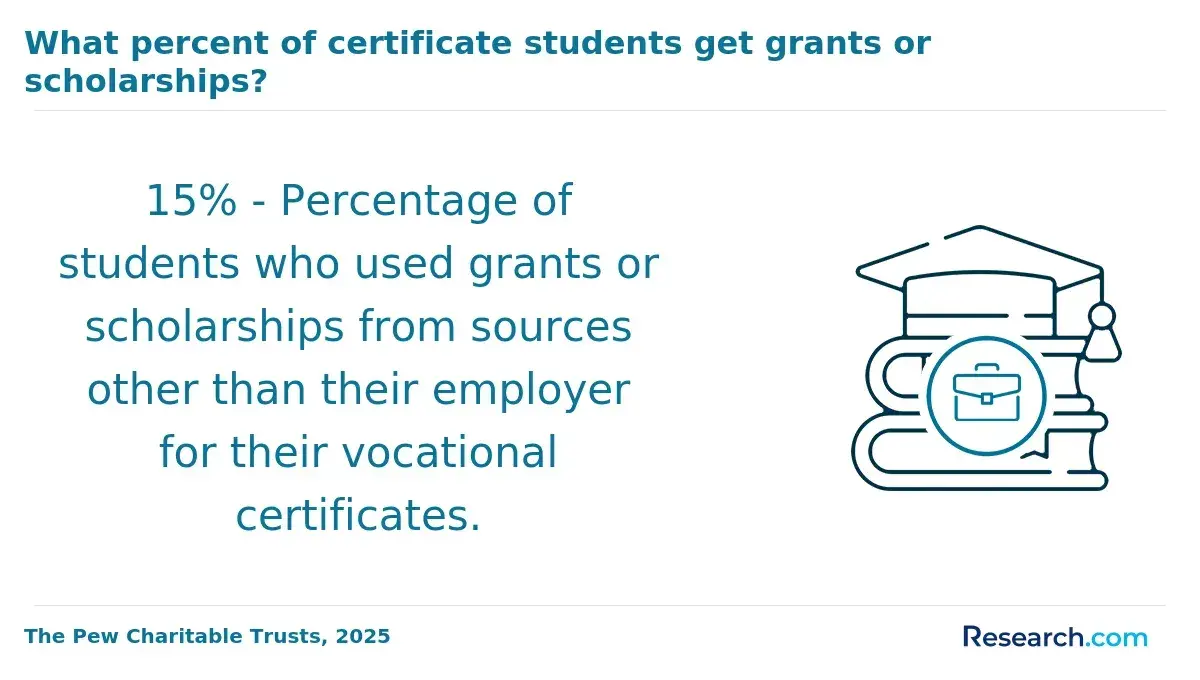
- Knowledge of admission criteria supports strategic planning for financial aid and scholarship applications, as many media arts programs base awards on both academic achievement and creative potential, impacting affordability for over 60% of enrollees.
What GPA Do You Need to Get Into a Media Arts Program?
GPA remains one of the most important factors in college admissions because it provides a standardized measure of academic achievement and readiness for rigorous coursework. However, media arts degree GPA requirements for admission can vary significantly depending on the institution, program level, and the competitiveness of the applicant pool. To better understand what academic standards applicants can expect, here is a summary of typical GPA expectations and the main factors influencing admission decisions for media arts programs.
Below are key insights about the minimum GPA for media arts programs in the US and other related admission criteria:
- Minimum GPA Requirements: Many undergraduate media arts programs require a minimum cumulative GPA between 2.0 and 2.75 for admission or continued enrollment. For example, some schools set a minimum 2.75 GPA specifically within media arts coursework, emphasizing academic focus in the major area.
- Competitive GPA Range: More selective institutions and graduate programs generally expect higher GPAs, often around a minimum of 3.0. Certain programs may recommend maintaining a GPA as high as 3.5 or ranking in the top 5% of the major to qualify for honors or special recognition.
- Program Type and Delivery Mode: Online media arts programs may offer slightly more flexibility with GPA requirements, while on-campus programs, especially at competitive schools, tend to uphold stricter standards. Transfer applicants to prestigious institutions often need to meet or exceed a 3.0 GPA baseline.
- Strengthening Your Application: Applicants should maintain a strong GPA across all relevant coursework and excel in media arts-related classes. Supplemental materials such as portfolios or letters of recommendation can often help offset a marginally lower GPA. Prospective students interested in advanced studies could explore options like the best 1 year masters programs that emphasize practical skills along with academic performance.
- Major-Specific Requirements: Some institutions require students to maintain a minimum GPA within the media arts major itself, not just overall GPA. This ensures that applicants demonstrate consistent academic performance in their chosen field.
What Prior Education Is Required for a Media Arts Program?
Prior education plays a crucial role in determining eligibility for media arts degree programs, as it provides the foundational skills and academic background necessary for success. Requirements vary depending on whether the applicant is pursuing an undergraduate, graduate, or professional media arts program.
Below is a summary of common educational prerequisites that prospective students should expect when applying:
- Undergraduate Prerequisites: Most undergraduate media arts programs require a high school diploma or equivalent along with a college-preparatory curriculum. Admission often considers official transcripts and a minimum cumulative GPA, typically around 2.0, while standardized test scores such as ACT or SAT are increasingly optional due to test-optional policies.
- Foundation Coursework: Some programs mandate completion of introductory courses before declaring a media arts major. For example, certain universities require students to pass foundational classes with satisfactory grades, and transfer applicants usually must demonstrate completion of comparable coursework at previous institutions.
- Associate Degree Pathways: Community colleges frequently offer associate degrees in media arts designed to cover the lower-division requirements of four-year programs. This option suits students who may not meet direct high school diploma requirements for media arts programs or seek a more affordable pathway toward a bachelor's degree.
- Graduate-Level Expectations: Applicants to master's programs generally need a bachelor's degree with a minimum GPA, often around 3.0, from an accredited institution. Many programs expect prior coursework in media arts or related fields, though bridge or foundational courses may be available to help those with unrelated undergraduate degrees transition successfully.
- Professional and Portfolio Requirements: Graduate and professional media arts programs frequently require supplemental application materials such as a statement of purpose, letters of recommendation, and creative work samples to assess the applicant's qualifications and commitment.
As admission processes evolve, many institutions emphasize holistic review criteria beyond standardized testing, focusing on coursework, GPA, and relevant experiences. For individuals exploring options in related fields or career shifts, easy certifications to get that pay well may complement their prior education and support entry into media arts programs.

Do Media Arts Programs Require GRE, GMAT, or Other Standardized Tests?
Standardized tests such as the GRE (Graduate Record Examination) and GMAT (Graduate Management Admission Test) have long been important benchmarks in U.S. graduate admissions, offering a common measure to evaluate academic readiness. However, evolving perspectives on educational equity and broader accessibility concerns have pushed many institutions to rethink the role and necessity of these exams.
Today, media arts programs are at the forefront of this change, often adopting more flexible or test-optional admissions policies. Below is a summary of current testing expectations for media arts applicants:
- Widespread Test Waivers: Many established universities and specialized media arts programs, including highly regarded schools like Pratt Institute and NYU, no longer require GRE or GMAT scores for admission. This reflects a national movement where, by 2025, most graduate programs in arts and humanities have adopted test-optional or test-blind policies.
- Emphasis on Holistic Review: Admissions committees increasingly prioritize portfolios, personal statements, academic transcripts, and letters of recommendation. For media arts, demonstrated creative work-such as films, digital art, or multimedia projects-often serves as a more meaningful indicator of potential than standardized test scores.
- Optional Submission in Select Programs: Some institutions allow candidates to include GRE or GMAT scores if they believe it strengthens their application, but these are never mandatory and typically have a supplemental role. This approach benefits applicants confident in their test results while maintaining fairness for others.
- Program-Specific Variability: Despite the broad trend toward waivers, certain research-focused or more traditional tracks may still require the GRE. Applicants should check individual program policies carefully, as requirements can vary even within the media arts field.
- International Student Considerations: Although GRE and GMAT tests may be waived, international applicants often still must provide evidence of English proficiency through exams like TOEFL or IELTS, particularly if their previous education was not conducted in English.
When discussing the question of standardized testing with a graduate of a media arts degree program, he shared a thoughtful reflection on his admission journey. "I remember feeling uncertain at first," he said, "because I wasn't sure if I needed to prepare for the GRE or if my portfolio would carry me through." The program he applied to had made GRE submission optional, so he chose to focus his energy on assembling a strong creative portfolio.
"Preparing my film projects and personal statement took weeks, but I felt that truly reflected my capabilities better than a standardized test could." He acknowledged that while some peers did submit GRE scores, it wasn't a barrier for those who didn't. "Honestly, not having to stress over the GRE allowed me to concentrate on what really mattered-showing my artistic vision and potential." This perspective underscores the evolving admissions landscape where creative output and holistic review have become central for media arts candidates.
What Materials Do You Need to Submit for Media Arts Admission?
College and graduate admissions for media arts degree programs typically require multiple documents to demonstrate an applicant's academic readiness, experience, and potential fit for the program. These requirements can vary depending on the institution, the level of the program, and whether the degree is pursued online or on campus.
Below is a summary of the most common materials you'll need to submit for media arts admission:
- Official Transcripts: These documents show your academic history, including courses completed and grades earned. Most schools request transcripts from all previously attended institutions. Undergraduates usually submit high school transcripts, while graduate applicants provide undergraduate transcripts. Online applicants can often submit electronic versions, whereas on-campus applicants may need to provide official paper copies.
- Test Scores: Many undergraduate programs have adopted test-optional policies, so SAT or ACT scores may not be required. For instance, the University of Kentucky does not ask for test scores for admission or scholarships through the 2028-29 academic year. Graduate programs might require GRE scores, though this is becoming less frequent.
- Personal Statement: This essay offers a chance to explain your interest in media arts, your career goals, and what makes you a suitable candidate. It should be clear and specific, especially for online applicants, as admissions committees review many submissions.
- Résumé: Your résumé should highlight relevant experience such as internships, jobs, or volunteer work related to media arts. Include projects, awards, and leadership roles. Tailoring your résumé to the program's focus is especially important for online applicants.
- Recommendation Letters: These letters provide insights into your skills and character from teachers, employers, or mentors. Most programs ask for two or three letters. Online applicants need to ensure recommenders submit letters electronically before deadlines.
What Are the Admission Requirements for International Students Applying to Media Arts Programs?
International students applying to media arts degree programs in the United States must navigate additional admission requirements beyond academic qualifications. These include proving English language proficiency and submitting verified documents, which together ensure students can handle the demands of U.S.-based coursework and satisfy institutional and visa regulations. Meeting these criteria is essential not only for successful admission but also for legal entry and study in the country.
Here are the key admission requirements international applicants to media arts programs should be prepared to fulfill:
- English Proficiency Proof: Most media arts programs require non-native English speakers to submit standardized language test scores such as TOEFL, IELTS, or the Duolingo English Test. On-campus programs generally have stricter minimum scores-often a TOEFL iBT of 80-100 or an IELTS score of 7.0-while some accredited online programs may allow more flexible alternatives. Applicants should review each institution's policy carefully and prepare accordingly to demonstrate strong communication skills.
- Credential Evaluation and Document Translation: Applicants must provide official transcripts from all previous academic institutions. If these documents are not in English, certified translations are usually required. Additionally, many schools request credential evaluations from recognized agencies to assess equivalency with U.S. education standards, ensuring accurate placement and credit transfer.
- Financial Documentation: Providing proof of sufficient funds is a visa mandate for international students. Most schools require a Declaration of Finances form accompanied by bank statements or scholarship letters, demonstrating the ability to cover tuition and living expenses for at least one year of study.
- Visa-Related Forms: Securing an F-1 student visa involves submitting an official admission letter, evidence of financial support, and completing required government forms. Tourist visas are not accepted for full-time enrollment. Understanding the visa process early can prevent delays and complications.
- Additional Institutional Requirements: Depending on the program level, applicants may need to submit a portfolio, attend an interview, or provide standardized test scores such as the SAT or ACT. Graduate applicants often must include a statement of purpose and letters of recommendation to showcase their preparedness and goals.
When I spoke with an international student of a media arts degree program about her experience, she reflected on the challenge and value of navigating these requirements. "Preparing my portfolio alongside meeting the English test standards was tough, but each step gave me confidence in my ability to succeed," she explained.
She appreciated how completing the financial documentation early helped ease the visa application process, allowing her to focus more on her coursework once admitted. "Looking back, I see that these requirements weren't just bureaucratic hurdles-they really prepared me for the academic and cultural expectations here," she said. Her journey underscores the practical benefits of thorough preparation in opening doors to a successful career in media arts.
Do You Need Professional Experience to Get Into a Media Arts Program?
Professional experience can greatly influence admission decisions for media arts programs, especially at the graduate level where schools often value applicants with a relevant background and practical skills. While some programs list work experience as "recommended" rather than "required," others consider it a core admission criterion that reflects readiness for advanced study and creative work.
How professional experience factors into admissions varies by institution and program format, whether online or on campus. The following points outline key considerations applicants should keep in mind:
- Minimum Experience Requirements: Some graduate media arts programs expect applicants to have hands-on experience with media tools or production environments. This experience may be demonstrated through coursework, internships, or independent projects rather than formal employment. Undergraduate programs rarely require professional experience but often encourage submission of creative portfolios.
- Experience as a Competitive Edge: Even if not explicitly required, documented work experience such as internships, freelance projects, or involvement in creative teams can set applicants apart. Admissions committees at selective schools often look for practical accomplishments in addition to academic credentials.
- Portfolio and Resume Integration: Many programs require or strongly recommend submitting a portfolio showcasing media works alongside a professional resume or CV that details relevant projects and industry roles. These materials provide direct evidence of technical expertise and creative ability.
- Recommendation Letters from Industry Supervisors: Letters from supervisors or collaborators in the media field can enhance an application by offering insights into an applicant's skills, reliability, and creative potential. Some programs accept these letters as alternatives to academic references.
- Personal Statement Reflection: Applicants are encouraged to explain how their work experience informs their creative goals and aligns with the program's focus. Statements of purpose often prompt discussion of relevant achievements and career aspirations.
Do Media Arts Programs Have Different Admission Requirements by Concentration?
Many universities customize their admission standards based on the chosen media arts concentration or specialization. While core admission criteria such as minimum GPA, standardized test scores, and general education prerequisites typically remain consistent, programs with research-intensive or technical tracks often require additional coursework, portfolios, or professional experience. This tailoring ensures that students are well-prepared for the unique demands of their specific field within media arts.
Admission requirements vary significantly by concentration, and applicants should be aware of these distinctions to better align their preparation with program expectations. Key ways these requirements differ include:
- Portfolio-Based or Creative Tracks: Concentrations like animation, game art, or design media arts place high importance on portfolio requirements for media arts specializations. Applicants must submit creative work samples that showcase artistic skill and vision, often accompanied by an artist's statement. Competitive programs evaluate portfolios rigorously, emphasizing originality and technical craftsmanship.
- Technical or Quantitative Tracks: Programs focusing on digital effects, 3D animation, or computational media tend to require solid backgrounds in programming, advanced mathematics, or digital media design. Prospective students may need to complete specific courses and maintain higher GPAs in these subjects. For example, some institutions mandate satisfactory completion of core art classes before allowing portfolio review.
- Interdisciplinary or Integrated Media Tracks: These tracks expect candidates to blend creative and technical skills and demonstrate an ability to synthesize knowledge across multiple domains. Admissions often involve evaluating portfolios featuring projects that integrate technology and artistic practice, alongside statements of purpose detailing interdisciplinary interests.
- Professional Experience or Advanced Standing: Graduate-level or specialized concentrations might prioritize applicants with relevant work experience, internships, or research backgrounds. Application components such as references, resumes, and work samples become more significant for these tracks.
- Online vs. On-Campus Applicants: Some programs differentiate evaluation criteria depending on residency status. Remote learners may be granted flexibility in portfolio formats or interview processes while academic standards, like GPA, remain consistent.
Applicants seeking economical educational routes might also consider exploring how much does an associate's degree cost online as part of their broader academic planning.
Are Admission Requirements the Same for Online and On-Campus Media Arts Programs?
Most universities in the United States strive to maintain consistent admission standards across both online and on-campus media arts programs, ensuring academic integrity and comparability regardless of delivery format. However, some variations exist due to differences in student demographics, program structures, and the presence of unique experiential learning components tied to each format.
Understanding the differences between online and campus media arts admission requirements can help prospective students navigate the process more effectively. Below are key similarities and differences that highlight how admission criteria overlap and diverge:
- Core Academic Standards: Both formats generally require a high school diploma or equivalent and maintain minimum GPA thresholds, commonly ranging from 2.0 to 3.0. Standardized test scores, such as the SAT or ACT, have become less emphasized, especially in online programs that often adopt test-optional policies to increase accessibility.
- Application Materials: Applicants must typically submit similar documentation, including personal statements, letters of recommendation, and portfolios when relevant. Online programs may place additional emphasis on the applicant's ability to work independently and communicate in digital environments, reflecting the unique demands of remote learning.
- Experiential Learning Components: On-campus media arts degrees often involve hands-on activities like studio work and group projects requiring physical presence. In contrast, online programs substitute these with virtual labs or collaborative projects, sometimes adjusting admission expectations to account for technical proficiency or prior experience with remote tools.
- Alternative Admission Pathways: Online programs frequently provide greater flexibility, such as allowing applicants to gain admission through completing prerequisite courses with sufficient GPA, accommodating non-traditional students. These alternative pathways are less common in campus-based programs.
- International and Residency Requirements: While both formats require proof of English proficiency for international applicants, online students may face fewer residency or visa restrictions since they do not relocate. Campus programs might impose stricter enrollment timelines or residency criteria.
If you are considering pursuing this degree format, researching the best and most affordable online colleges can provide additional guidance on admission processes and available options.
Can You Apply for Financial Aid Before Being Accepted into a Media Arts Program?
Most financial aid applications, including the FAFSA, can be submitted before you are formally accepted into a media arts program. This early application process allows students to explore their funding options and estimate the potential cost of attendance well in advance.
Since the FAFSA opens annually on October 1, filing early helps applicants meet both federal and institutional deadlines, which often vary and may include priority dates. Submitting your financial aid application as soon as possible also improves your chances of receiving aid, as some funding is awarded on a first-come, first-served basis. Understanding FAFSA requirements for media arts students early on is crucial to navigating these timelines effectively and making informed decisions.
However, there are important limitations to consider when you apply for financial aid before media arts program acceptance. Final eligibility and awarding of financial aid depend on your confirmed admission and enrollment status. Some scholarships and grants, particularly merit-based awards or those requiring portfolio reviews, may only be disbursed after acceptance.
To keep your funding options open, it is practical to list multiple schools on your FAFSA. Additionally, carefully coordinating financial aid deadlines with admission decisions ensures you do not miss important opportunities. If you are considering programs, reviewing universities with dual degree programs may also provide flexible pathways to financing your education effectively.
When Should You Start Applying to Media Arts Programs?
Timing is one of the most important factors in the media arts application process because many programs have strict deadlines and offer significant advantages to students who apply early. Starting your application early can increase your chances of acceptance and make you eligible for scholarships or financial aid that are often limited to early applicants. In fact, nearly 40% of U.S. colleges now offer early action or early decision plans, allowing students to receive admissions decisions and financial aid information sooner.
To navigate the application timeline effectively for both online and on-campus media arts programs, it is best to begin researching schools and requirements at least a year before your intended start date. Top programs often open their applications as early as August or November, with priority deadlines for scholarships and early decision ranging from November 1 to December 1, while regular decision deadlines typically fall in January or February.
Students should plan key milestones such as thoroughly researching programs and connecting with faculty advisors early on, ensuring transcripts meet GPA requirements, securing recommendation letters, and drafting personal essays well before submission deadlines. For financial aid, filing the FAFSA promptly after October 1 is essential, as many scholarships and grants operate on a first-come, first-served basis.
Early preparation not only maximizes acceptance and funding opportunities but also provides greater flexibility and helps reduce stress throughout the admission process, allowing applicants to focus on presenting their strongest work.
Here's What Graduates of Media Arts Programs Have to Say About Their Degree
- Xiang: "From a professional standpoint, earning my media arts degree provided strategic advantages in an evolving job market. The curriculum's focus on emerging technologies and multimedia platforms kept me ahead of industry trends, facilitating my career advancement into media management. The networking opportunities and industry connections I gained have been invaluable for ongoing professional development. I am proud of the expertise I bring to my team, and it all started with this solid educational foundation."
- Charles: "The media arts program not only honed my creative abilities but also deepened my understanding of the cultural impact media can have on communities. Throughout my studies, I developed a strong sense of responsibility to create content that inspires and educates, especially the youth in underserved areas. This degree gave me the tools to lead workshops and mentor young creators, which has been incredibly rewarding both personally and professionally. It's gratifying to contribute to positive change through my work."
- Ana: "Completing my media arts degree was a transformative experience that opened countless doors in the creative industry. The hands-on projects and collaborative environment prepared me for real-world challenges, allowing me to launch my career as a digital content producer confidently. I appreciate how the program balanced technical skills with storytelling, which has made my work stand out. This degree truly empowered me to turn my passion into a sustainable profession."
Other Things You Should Know About Media Arts Degree Programs
In 2027, standardized test scores like the SAT or ACT are often optional for media arts degree programs. Many schools emphasize creative portfolios and prior experience over test scores. Applicants should verify specific requirements from their chosen institution.
Yes, most media arts programs ask applicants to submit a portfolio demonstrating their creative skills and experience. This portfolio usually includes digital art, video projects, graphic designs, or other relevant media. It helps admissions committees assess an applicant's artistic potential and technical abilities.
For 2027 media arts degree programs, prior experience is not mandatory but strongly recommended. Knowledge of basic design principles, familiarity with digital tools, or participation in relevant workshops can enhance your application and readiness for coursework.
References
- Financial Aid & Resources | Admissions | VanArts https://www.vanarts.com/admissions/financial-aid-resources/
- Admissions https://www.mat.ucsb.edu/admissions/
- Bachelor's Degree in Digital Media Arts - Nelson University https://www.nelson.edu/academics/programs/bachelor-s-degree-in-digital-media-arts/
- Bachelor of Media Arts degree https://www.ufv.ca/calendar/2023_24/ProgramsM-P/MEDIA_BMA.htm
- Bachelor’s Degree Program / Media University https://www.media-university.de/en/application-form/admission-requirements/bachelors-degree-program/
- Media Arts Cultures | Application Requirements https://www.mediaartscultures.eu/mediaac/application/requirements/
- Bachelor of Media / Arts | UNSW Sydney https://www.unsw.edu.au/study/undergraduate/bachelor-of-media-arts1
- Bachelor of Arts: Film and Media Arts https://catalog.umkc.edu/colleges-schools/humanities-social-sciences/academic-departments-programs/media-art-design/bachelor-of-arts-film-and-media-arts/
- Bachelor of Creative Production in Media Arts Bachelor of International Studies https://www.uts.edu.au/courses/bachelor-of-creative-production-in-media-arts-bachelor-of-international-studies