
2027 Are There Any One-Year Online Organizational Communication Degree Programs Worth Considering?

Co-Founder and Chief Data Scientist
Choosing an online Organizational Communication degree on a one-year timeline is really a question of fit: do you need a faster credential for career movement, and do you already have the academic background to handle an accelerated program? Organizational communication focuses on how people share information, manage conflict, lead teams, shape culture, and communicate change inside workplaces. Those skills apply across corporate communication, public relations, human resources, training and development, nonprofit administration, and management roles.
The key caution is that “one-year” is not equally realistic at every degree level. A true one-year bachelor’s degree is uncommon unless a student transfers substantial prior credit. Faster completion is more realistic for graduate certificates and master’s programs because they usually require fewer credits and are designed for students who already hold a bachelor’s degree.
This guide explains whether a one-year online Organizational Communication degree is feasible, what accelerated options currently look like, how to compare programs, what admissions requirements to expect, what the costs may include, and how to decide whether the faster pace is worth the trade-offs.
Key Points About One-Year Online Organizational Communication Degree Programs
- One-year online Organizational Communication degrees offer accelerated curricula, focusing on practical skills in digital communication and leadership, differing from traditional multi-year theoretical programs.
- Students should expect intensive coursework and cohort-based models catering to working professionals aiming for quick upskilling in organizational messaging and conflict resolution.
- Such programs often emphasize technology-driven communication trends, with growing enrollment among mid-career professionals seeking advancement in dynamic corporate environments.
Is It Feasible to Finish a Organizational Communication Degree in One Year?
Finishing an online Organizational Communication degree in one year is possible in limited cases, but it depends heavily on the degree level. The most realistic one-year option is usually a graduate-level program because master’s degrees in this field often require fewer credits, typically 30-33 credits. By contrast, bachelor’s degrees usually require around 120 credits, so completing one from start to finish in one year is unlikely for most students.
For a master’s program, a one-year timeline generally requires full-time enrollment, year-round study, short course terms, and a program structure that does not delay students with infrequent course rotations. Even then, many reputable online Organizational Communication master’s programs are designed for a longer pace. For example, Ohio University's MA expects 18-24 months.
For bachelor’s students, the faster path is usually a degree-completion route rather than a full one-year degree. Students who already have significant transferable credits may be able to reduce the remaining time substantially, but they still need to meet general education, major, residency, and graduation requirements.
When a one-year timeline is most realistic
- You already have a bachelor’s degree: Graduate programs are more likely to fit a 12-month plan than undergraduate programs.
- You can study full time: Accelerated courses often require steady weekly work and little room for missed deadlines.
- The program runs year-round: Summer terms, multiple start dates, and condensed sessions can shorten completion time.
- Your required courses are offered in sequence: A fast plan can fail if one required course is available only once per year.
- The capstone or final project is built into the schedule: Research projects, portfolios, or applied capstones can extend completion if not planned early.
Before committing, ask the admissions office for a written degree plan showing how a student can finish in 12 months. If the school cannot provide one, the program may be accelerated but not truly one-year.
Are There Available One-year Online Organizational Communication Degree Programs?
There are currently no widely recognized one-year online organizational communication degree programs. Students who want the fastest route should look for accelerated, full-time, or competency-based options, but they should verify the timeline carefully instead of relying on marketing language.
In practice, many online organizational communication degree programs are designed to be completed in around two years or less with full-time study. These can still be useful for students who want a shorter path than a traditional program, especially if they are working adults seeking advancement in communication, leadership, public relations, human resources, or organizational change roles. Students comparing faster education routes can also review fast college courses to understand how accelerated formats differ across fields.
Examples of faster online options in the field
- The University of Alabama's Online MA in Communication Studies with a specialization in Organizational Leadership: This program consists of 30 credit hours and can be completed in less than two years by taking two classes per semester. The curriculum focuses on both theoretical and applied aspects of public discussion, negotiation, group dynamics, and interpersonal communication.
- Ohio University's Online Master of Arts in Organizational Communication: Designed for completion in 18-24 months, this 30-credit program offers concentrations in Crisis Communication and Strategic Communication Management, emphasizing practical techniques and foundational theory.
- Florida State University's Online Master's in Organizational Management & Communication: Requiring 33 credit hours, this program generally takes two years and stresses practical applications of communication along with behavioral management theories, preparing graduates for leadership roles.
These programs are not strictly one-year degrees, but they show what the accelerated online market currently offers in Organizational Communication. If a program claims one-year completion, confirm whether that timeline applies to all students or only to those entering with specific transfer credits, prerequisites, or full-time availability.
Why Consider Taking Up One-year Online Organizational Communication Programs?
A one-year or accelerated online Organizational Communication program can make sense for students who need a faster credential and can manage an intensive academic schedule. The main value is not simply speed; it is the chance to build workplace communication, leadership, conflict management, and strategic messaging skills without stepping away from employment for several years.
Because purely one-year programs may be limited, many students should think in terms of a 12 to 24 month accelerated pathway rather than assuming a guaranteed 12-month degree. The format is best suited to motivated learners who already know why they need the credential and can protect time each week for reading, writing, discussion, and applied projects.
- Time efficiency: A condensed program can help students move more quickly toward advancement, career transition, or graduate-level preparation than a traditional timeline.
- Online flexibility: Remote coursework can make it easier to balance school with work, caregiving, or location constraints, especially when courses include asynchronous components.
- Career relevance: Organizational Communication coursework often connects directly to workplace needs, including internal messaging, change communication, employee engagement, leadership, negotiation, and crisis response.
- Immediate application: Working professionals can often apply course concepts directly to meetings, team communication, training materials, stakeholder messages, or conflict resolution at work.
- Focused specialization: A shorter program can be attractive for students who do not need a broad undergraduate experience and instead want targeted communication and leadership training.
Students who need flexible study options later in life may also want to compare programs designed for adult learners, including online degrees for seniors. The best reason to choose an accelerated Organizational Communication program is a clear professional goal, not simply the appeal of finishing quickly.
What Are the Drawbacks of Pursuing One-year Online Organizational Communication Programs?
The main drawback of a one-year online Organizational Communication program is that speed can reduce breathing room. Communication skills improve through practice, feedback, reflection, and revision. A compressed schedule can still be effective, but students must be realistic about workload, support, and how much time they can give to the program.
- Accelerated workload: Short terms can require heavy reading, frequent writing, group work, presentations, and discussion participation in the same week. Students balancing full-time employment may find the pace difficult.
- Less time for deep skill development: Topics such as leadership, conflict resolution, intercultural communication, negotiation, and strategic messaging often benefit from repeated practice. A faster timeline may leave less time to refine those skills.
- Limited networking: Online accelerated programs may offer fewer informal opportunities to build relationships with classmates, faculty, alumni, and industry contacts than longer or in-person programs.
- Work-life strain: A demanding academic calendar can affect family time, work performance, sleep, and personal responsibilities if students do not plan carefully.
- Fewer elective choices: To keep students on pace, accelerated programs may use a fixed sequence. That can limit customization in areas such as crisis communication, human resources, training, or public relations.
- Risk of choosing speed over quality: Some programs advertise fast completion but may not offer the academic depth, accreditation, advising, or career support students need.
Prospective students should weigh the time savings against the intensity of the experience. A slightly longer 18-24 month program may be a better choice if it offers stronger faculty access, better support services, more relevant electives, or a more manageable workload.
What Are the Eligibility Requirements for One-year Online Organizational Communication Programs?
Eligibility requirements vary by school, degree level, and program format. Accelerated online Organizational Communication programs often expect applicants to enter with a strong academic foundation because the pace leaves little time to complete missing prerequisites. The requirements for a graduate program are different from those for an undergraduate degree-completion program.
At the bachelor’s level, a one-year plan usually depends on transfer credit. Students with few or no prior credits should not expect to finish a full bachelor’s degree in one year. In some cases, students may first choose to get an associates degree fast and then apply those credits toward a bachelor’s completion program, subject to the receiving school’s transfer policy.
Common admissions requirements
- Prior college credits: Accelerated bachelor's degree completion programs generally require at least 60 semester hours of transferable college credits to allow finishing the remaining courses within a year.
- Minimum GPA: Most programs set a cumulative GPA requirement, usually around 2.0 for accelerated bachelor's tracks and 3.0 for graduate certificates or master's degrees.
- General education prerequisites: Completion of foundational courses in English, math, and social sciences is typically necessary before beginning major-specific classes.
- Official transcripts: Applicants must submit transcripts from all previous postsecondary institutions to verify coursework and grades.
- Professional experience: Some programs prefer or require relevant work or volunteer experience, especially for adult learners or those pursuing graduate study.
- Bachelor's degree: Graduate-level Organizational Communication certificates and master's programs require a bachelor's degree from a regionally accredited institution.
- Additional materials: Letters of recommendation, statements of purpose, and sometimes interviews or placement exams may be part of the admissions process to assess readiness and fit.
- Communication proficiency: Writing samples or interviews may be requested to evaluate skills in leadership, crisis management, and cross-cultural teamwork.
Questions to ask before applying
- How many of my credits will transfer, and how many credits must I complete at your institution?
- Is a 12-month completion plan available in writing?
- Are required courses offered every term, or only in certain semesters?
- Does the program require a thesis, capstone, portfolio, internship, or final project?
- What GPA must I maintain to stay in the accelerated track?
Because policies differ significantly by institution, applicants should review each admissions page and request an unofficial transfer evaluation or graduate advising appointment before enrolling.
What Should I Look for in One-year Online Organizational Communication Degree Programs?
When comparing one-year or accelerated online Organizational Communication degree programs, look beyond the advertised timeline. A strong program should be accredited, academically coherent, realistic for your schedule, and aligned with the type of communication work you want to do after graduation.
Use the following criteria to separate a practical accelerated program from one that is simply fast:
- Accreditation: Confirm that the institution is accredited by a recognized agency. Accreditation can affect credit transfer, employer recognition, graduate school eligibility, and access to federal financial aid.
- Clear completion plan: Ask for a term-by-term schedule showing how students finish within the advertised timeframe. Pay attention to summer courses, prerequisites, course rotations, and capstone timing.
- Relevant curriculum: Review the organizational communication degree requirements and curriculum for topics such as leadership communication, crisis management, strategic communication, organizational culture, conflict resolution, group dynamics, and intercultural communication.
- Faculty expertise: Look for instructors with academic or professional experience in organizational communication, leadership, public relations, human resources, change management, or related fields.
- Online course format: Determine whether classes are asynchronous, synchronous, or a mix. Working professionals should check required meeting times, group project expectations, and technology requirements.
- Credit transfer policies: For bachelor’s completion programs, transfer credit can determine whether a fast timeline is realistic. Ask how prior coursework, military credit, workplace training, or prior learning assessments are evaluated.
- Cost and financial fit: Compare tuition, fees, books, technology costs, and payment schedules. Students prioritizing affordability can also review affordable online degrees.
- Student support: Accelerated students need responsive advising, writing support, library access, technical help, and career services. Delays in advising can affect the entire completion timeline.
- Career alignment: Check whether assignments produce practical portfolio materials, such as communication audits, crisis plans, training materials, stakeholder maps, or strategic messaging plans.
A good accelerated program should make the fast path transparent. If the school cannot explain the workload, sequencing, support services, and graduation requirements clearly, keep comparing options.
How Much Do One-year Online Organizational Communication Degree Programs Typically Cost?
Costs for one-year online Organizational Communication programs vary widely because available options are usually master’s or certificate programs rather than full undergraduate degrees. Tuition is the largest expense, but students should also account for fees, books, technology requirements, graduation fees, and any required travel or campus components if the program is not fully online.
Several factors can affect the total price:
- Institution type: Private institutions often charge higher tuition than public institutions, though pricing varies by school.
- Residency rules: Some public universities charge different rates for in-state and out-of-state students, while others use a flat online rate.
- Program level: Graduate tuition is often priced differently from undergraduate tuition.
- Credit requirement: A 30-credit program and a 33-credit program can differ meaningfully in total cost even when the per-credit rate looks similar.
- Fees: Online course fees, student service fees, technology fees, and graduation fees can increase the final bill.
- Transfer credit: For undergraduate completion programs, accepted transfer credits can reduce the number of credits a student must pay for at the new institution.
Compared to the traditional four-year online bachelor's degree in Communication that can cost approximately $51,000, one-year programs offer a more condensed alternative for eligible students. Master's level one-year programs typically range from about $19,900 to over $30,000, making them a potentially cost-effective option for professionals who already hold an undergraduate degree and want targeted advancement.
Before enrolling, request a full cost estimate in writing. It should show tuition, mandatory fees, estimated books and materials, expected number of credits, and whether the estimate assumes full-time or part-time enrollment.
What Can I Expect From One-year Online Organizational Communication Degree Programs?
Students in one-year online Organizational Communication programs should expect an intensive, writing-heavy, discussion-based experience focused on how communication works inside organizations. The format is usually designed for full-time study or a very disciplined part-time schedule, especially when courses are offered in condensed terms.
Coursework commonly combines communication theory with applied workplace problems. Students may study crisis communication, strategic messaging, change management, intercultural communication, leadership communication, group dynamics, negotiation, organizational culture, and communication ethics. Assignments often ask students to analyze real or simulated organizational situations and recommend practical communication strategies.
Common learning activities
- Case studies involving workplace conflict, leadership decisions, crisis response, or organizational change
- Discussion boards and peer responses that require regular participation
- Group projects that simulate cross-functional workplace collaboration
- Research papers or literature reviews on communication theories and organizational behavior
- Communication plans, message strategies, stakeholder analyses, or training materials
- Presentations, recorded briefings, or digital communication projects
- Capstone, portfolio, or final applied project requirements, depending on the program
Graduates can expect to leave with stronger skills in message planning, audience analysis, conflict management, team communication, leadership communication, and organizational problem-solving. These outcomes may support roles such as communications coordinator or change management specialist, though job eligibility depends on the employer, experience, location, and the specific credential earned.
The biggest challenge is pace. Students may need to move quickly from one major assignment to the next while also learning the online platform, coordinating group work, and managing deadlines. Those comparing costs and undergraduate options can review this affordable bachelor's degree guide as part of their broader planning.
Are There Financial Aid Options for One-year Online Organizational Communication Degree Programs?
Financial aid may be available for one-year online Organizational Communication programs, but eligibility depends on the school, accreditation status, program type, enrollment level, and the student’s financial circumstances. Students should verify aid options before enrolling because accelerated calendars can affect deadlines and disbursement timing.
Common financial aid options include:
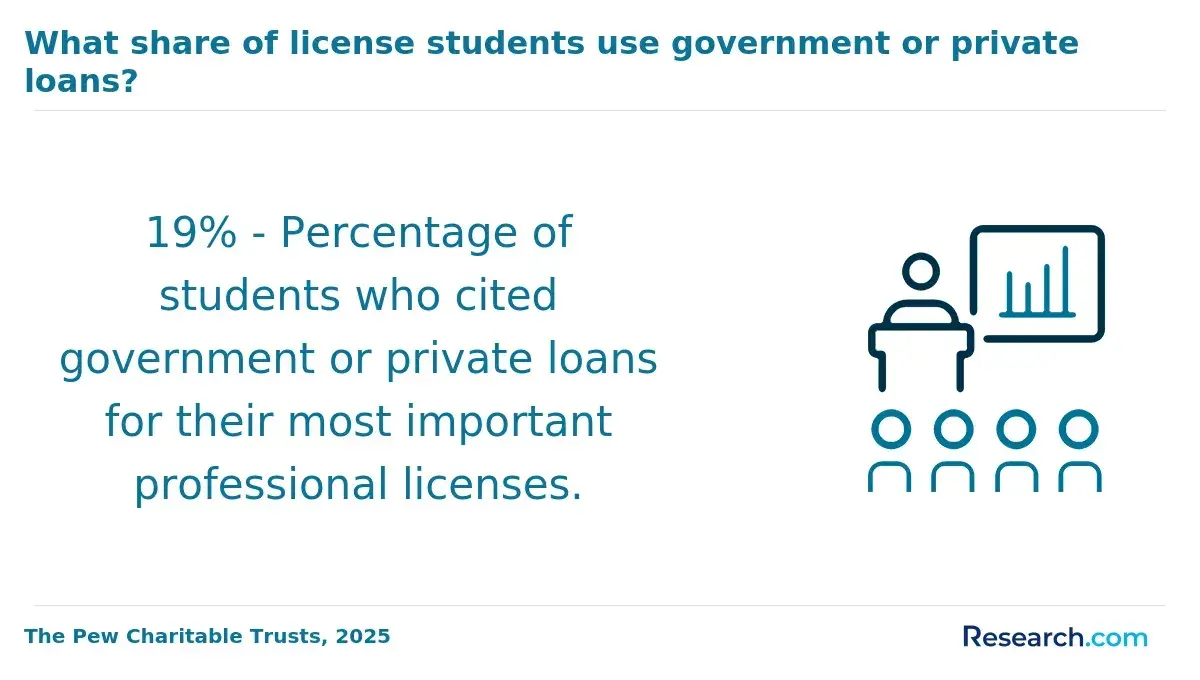
- Federal and State Financial Aid: Many accredited programs accept FAFSA applications, which determine eligibility for Pell Grants, Direct Loans, or state-specific grants. These awards are typically based on financial need, citizenship, and enrollment status.
- Scholarships: Universities and professional groups may offer merit-based scholarships reflecting academic achievement, leadership, or community involvement related to organizational communication. Deadlines and award schedules vary by institution and group.
- Employer Tuition Assistance: Working professionals might qualify for tuition reimbursement programs if their employer supports continued education relevant to their job role. Eligibility often requires maintaining good employment standing and, in some cases, committing to remain with the employer after graduation.
Students may also find private grants, fellowships, military or veteran education benefits, payment plans, or institutional awards, depending on their background and the program’s policies. However, award amounts and eligibility rules vary, so students should not assume aid will cover the full cost.
Before choosing a program, contact the financial aid office and ask how aid works for accelerated terms. Confirm the FAFSA school code, enrollment minimums, scholarship deadlines, refund policies, and whether aid is disbursed before tuition is due.
What Organizational Communication Graduates Say About Their Online Degree
-
: "Completing the one-year online Organizational Communication degree was a game changer for my career. The accelerated format allowed me to quickly gain valuable skills in message strategy and conflict resolution, which I am now applying daily in my management role. The cost was surprisingly affordable for the depth of knowledge I acquired.
Shane"
-
: "Pursuing this competency-based Organizational Communication program gave me the flexibility to learn at my own pace while balancing work and family. The focus on practical application helped me understand complex communication dynamics in organizations, and finishing in under a year felt incredibly rewarding. It was truly an investment in both my personal and professional growth.
Emiliano"
-
: "Enrolling in a one-year online Organizational Communication degree provided a focused and efficient path to enhance my expertise in corporate communication. The curriculum's emphasis on strategic communication theories and real-world case studies sharpened my analytical skills, and completing the program swiftly helped me secure a promotion. Considering the reasonable tuition, it was a strategic decision for advancing my career.
Samuel"
Other Things You Should Know About Pursuing One-Yeas Organizational Communication Degrees
In 2027, one-year online Organizational Communication degrees are increasingly recognized by employers, especially when they come from accredited institutions. Employers typically value the skills and practical experience gained during the program, which can include digital communication strategies and leadership capabilities.
In 2027, the value of one-year online Organizational Communication degrees depends largely on the accrediting institutions. Employers tend to favor degrees from regionally accredited programs, appreciating the relevance of skills taught related to effective digital and organizational communication.
Online formats inherently provide flexibility, allowing working professionals to balance studies with job responsibilities. Many one-year programs offer asynchronous classes or part-time options, enabling students to progress at their own pace while maintaining employment, which is an important consideration for adult learners.
References
- Organizational Communication Undergraduate Certificate Online - Penn State World Campus https://www.worldcampus.psu.edu/degrees-and-certificates/penn-state-online-organizational-communication-undergraduate-certificate
- Online Certificate in Organizational Communication | Northeastern University https://graduate.northeastern.edu/programs/certg-orgn-communication-cps/graduate-certificate-in-organizational-communication-online/
- 2025 Most Affordable Online Communications Degrees https://www.onlineu.com/most-affordable-colleges/communications-degrees
- Communication Studies (Bachelor's Degree Completion) - UNC Extended Campus https://extended.unco.edu/programs/communication-studies-bachelors-degree-completion/
- How to Choose an Online Degree Program: 5 Helpful Tips | University of Cincinnati https://online.uc.edu/blog/5-tips-for-choosing-an-online-degree-program/
- Organizational Communication: Academic Information https://sps.ku.edu/programs/organizational-communication/academics
- One Year Online Master's in Communication Programs (12 to 16 months) https://www.mastersincommunications.com/faqs/one-year-online-programs
- B.A. in Communication Studies – Organizational Communication https://www.regent.edu/program/ba-in-communication-studies-organizational-communication/
- Organizational Management & Communication Program https://appliedstudies.fsu.edu/current-students/graduate-programs/omc-ms/program
- Pros & Cons of Online Degree Courses in 2025 https://amityonline.com/blog/pros-and-cons-of-online-degree-courses


