
2027 Are There Any One-Year Online Women’s Health Nurse Practitioner Degree Programs Worth Considering?

Co-Founder and Chief Data Scientist
Choosing a Women's Health Nurse Practitioner (WHNP) program is not just a question of speed. It is a licensure, certification, clinical training, and workload decision that can affect whether you are eligible to practice safely and legally after graduation. Many nurses search for one-year online WHNP degrees because they want to move into advanced practice quickly while continuing to work, but the reality is more complicated: accredited WHNP programs must include advanced graduate coursework and substantial supervised clinical experience.
This guide explains what “one-year online WHNP program” usually means in practice, whether such programs are available, what requirements applicants should expect, and how to evaluate cost, accreditation, clinical placement support, and certification preparation. It is written for registered nurses comparing accelerated women’s health NP pathways and trying to avoid programs that sound fast but may not meet professional standards.
Key Points About One-Year Online Women's Health Nurse Practitioner Degree Programs
- One-year online Women's Health Nurse Practitioner (WHNP) programs are rare due to rigorous clinical requirements and specialized coursework unique to women's health.
- Compared to traditional degrees, these programs emphasize accelerated didactic content with flexible scheduling but may require prior advanced nursing credentials.
- Prospective students should verify state approval, clinical placement support, and program accreditation to meet WHNP certification and licensure standards effectively.
Is It Feasible to Finish a Women's Health Nurse Practitioner Degree in One Year?
For most students, completing a Women’s Health Nurse Practitioner degree in one year is not realistic. WHNP programs typically require two to three years because students must complete graduate-level advanced practice courses, specialty women’s health coursework, and supervised clinical training. Many programs include roughly 45 credits and over 600 clinical hours, which is difficult to compress into 12 months without overwhelming students or compromising preparation.
The main barrier is not online coursework. It is clinical readiness. WHNP students must develop competence in areas such as reproductive and gynecologic care, prenatal and postpartum care, preventive health, assessment, diagnosis, treatment planning, and patient education. Those skills require supervised practice with qualified preceptors, not just classroom completion.
Some students may shorten their timeline through transfer credits, full-time enrollment, prior graduate coursework, or an accelerated plan of study. Even then, a true one-year completion timeline is the exception. Before choosing any accelerated option, confirm that the program meets accreditation standards, clinical hour requirements, and eligibility rules for national WHNP certification.
Are There Available One-year Online Women's Health Nurse Practitioner Degree Programs?
There are currently no accredited one-year online Women’s Health Nurse Practitioner degree programs available in the United States. Most US Online WHNP Degree Programs require at least two years because students must complete advanced nursing coursework, specialty training, and supervised clinical hours needed for national certification and clinical competence.
When a program is described as accelerated, it usually means the school offers full-time pacing, fewer breaks between terms, online didactic courses, or a more streamlined clinical sequence. It does not usually mean the full WHNP curriculum and clinical training can be completed in 12 months. Students should be cautious with any program that promises unusually fast completion without clearly explaining accreditation, clinical hours, certification eligibility, and state authorization.
Examples of flexible online or blended WHNP pathways include:
- Georgetown University Online MSN WHNP: This program lasts 23 months full-time and includes 44 credit hours covering advanced practice nursing, pharmacology, reproductive health, and wellness. It requires 783 clinical hours, two in-person clinical intensives, and synchronous online classes led by active clinical faculty.
- Frontier Nursing University MSN WHNP: Typically completed in about two years full-time, it offers comprehensive online courses alongside two brief on-campus immersions. Students complete 750 clinical hours within their home community, focusing on gynecological care, prenatal management, health promotion, and evidence-based practice.
- University of Missouri-Kansas City MSN WHNP: With a duration of two to three years for full- or part-time study, it provides 46 credit hours in a blended format with some campus visits. The curriculum emphasizes advanced physiology, ethics, healthcare policy, and women’s health care with over 600 clinical hours.
If your goal is to enter nursing or build earlier credentials before graduate study, related options such as the top 6 month associate degree programs may be useful to compare. However, WHNP preparation itself is a graduate-level advanced practice pathway and should not be treated like a short certificate or entry-level degree.
Why Consider Taking Up One-year Online Women's Health Nurse Practitioner Programs?
The appeal of a one-year online WHNP program is easy to understand: many registered nurses want to specialize quickly, keep working, and avoid delaying career advancement. In practice, students should think of this category as “accelerated or fastest available WHNP options” rather than assuming an accredited 12-month online pathway is widely available.
For qualified nurses, an accelerated online format may offer several advantages:
- Time efficiency: Traditional MSN WHNP degrees usually require two to three years and about 45 credits, whereas accelerated one-year formats, such as Duke University’s 12-month full-time option, enable completion in half the time. Students should still verify the exact degree level, specialty track, clinical requirements, and certification eligibility before applying.
- Flexible women’s health NP programs for working nurses: Online delivery can reduce relocation needs and make it easier to continue employment. Students still need to plan carefully for roughly 600 to 783 practicum hours, which may require schedule changes, reduced work hours, or employer support.
- Specialized training: WHNP coursework focuses on reproductive health, prenatal care, wellness, gynecologic care, and health promotion across the female lifespan. This specialization can be valuable for nurses who already know they want to work in women’s health rather than a broader primary care track.
- Seamless career integration: A well-designed accelerated format can help experienced nurses build on existing clinical judgment while moving toward advanced practice without fully stepping away from the workforce.
The best candidates are usually disciplined, clinically experienced, comfortable with online learning, and able to protect time for intensive coursework and clinical placements. Students still comparing broader education paths may also review the easiest college majors, but WHNP programs should be evaluated by professional fit, accreditation, and clinical preparation rather than ease alone.
What Are the Drawbacks of Pursuing One-year Online Women's Health Nurse Practitioner Programs?
The biggest drawback is that accredited, fully online one-year WHNP programs are rare or may not be widely available. Students who focus only on speed may overlook more important factors: certification eligibility, state authorization, clinical placement quality, faculty support, and whether the schedule is sustainable.
- High academic intensity: Accelerated pacing leaves little room for falling behind. Advanced pharmacology, pathophysiology, diagnostics, and women’s health management require consistent study, not last-minute review.
- Clinical scheduling pressure: Even if coursework is online, clinical hours must be completed with approved preceptors. Finding sites, coordinating schedules, and meeting hour requirements can be difficult in a compressed timeline.
- Limited networking opportunities: Online students may need to be more intentional about building relationships with faculty, preceptors, classmates, and professional organizations.
- Reduced margin for personal obligations: Work, caregiving, illness, and unexpected schedule changes can quickly disrupt progress in an accelerated program.
- Greater need for self-management: Students must track deadlines, clinical documents, technology requirements, and certification preparation with minimal external prompting.
- Potential technology barriers: Unreliable internet, unfamiliar learning platforms, or difficulty participating in synchronous sessions can affect performance.
Before enrolling, ask the program how many hours students typically work while enrolled, whether clinical placement assistance is provided, what happens if a clinical site falls through, and whether part-time progression is available if the accelerated plan becomes unmanageable.
What Are the Eligibility Requirements for One-year Online Women's Health Nurse Practitioner Programs?
Because true one-year online WHNP programs are rare, applicants should review eligibility requirements for each accelerated, online, or hybrid WHNP option individually. Admissions standards are designed to confirm that students have the nursing foundation, licensure status, academic readiness, and professional maturity needed for advanced practice training.
Common eligibility requirements include:
- Bachelor of Science in Nursing (BSN): A BSN from an accredited institution is typically required, with a minimum GPA of 3.0 to qualify for admission.
- Prior Professional Experience: Some programs prefer candidates with at least one year of professional nursing experience to build clinical competence.
- Prerequisite Coursework: Completion of college-level statistics is often necessary before enrollment to support research and data analysis skills.
- Active RN License: An active and unrestricted Registered Nurse license is essential for program eligibility and clinical practice.
- Transcripts and Letters of Recommendation: Official academic transcripts and professional references are generally mandated to assess qualification and readiness.
- Interviews: Certain institutions may include an interview to evaluate applicants’ motivation, communication skills, professional goals, and fit for the program.
Applicants may also need a resume or curriculum vitae, a personal statement, proof of clinical experience, background checks, immunization records, drug screening, and state-specific documentation for clinical placement. MSN and DNP pathways can differ, and some programs may expect more clinical practice hours or additional evidence of readiness. Applicants without a nursing bachelor’s degree may need to submit a clinical practice portfolio.
When comparing faster graduate options, review admission standards carefully rather than assuming every accelerated degree has the same requirements. A broader search for quick masters degrees online can help you compare speed, workload, and professional outcomes across fields.
What Should I Look for in One-year Online Women's Health Nurse Practitioner Degree Programs?
Since accredited one-year WHNP programs are not generally available, the better question is how to identify the fastest credible WHNP pathway that still prepares you for certification and practice. Do not choose a program based on completion time alone. A shorter timeline is only valuable if the degree is recognized, the clinical training is adequate, and graduates are eligible for the WHNP-BC exam.
- Accreditation: Ensure the program holds accreditation from the Commission on Collegiate Nursing Education (CCNE) or the Accreditation Commission for Education in Nursing (ACEN). Accredited programs meet recognized standards and qualify you to sit for the National Certification Corporation’s WHNP-BC exam.
- Faculty Credentials: Look for instructors with doctoral degrees who actively practice in women’s health. Faculty experience matters because WHNP education must connect evidence-based guidelines with real clinical decision-making.
- Clinical Hours for Women’s Health Nurse Practitioner Programs: Verify how the program meets the requirement of approximately 750 clinical hours, especially within an accelerated format. Clinical training is vital for hands-on experience in gynecology, prenatal care, primary care, and reproductive health.
- Curriculum Structure: Review whether the program covers advanced assessment, pharmacology, pathophysiology, reproductive health, prenatal and postpartum care, health promotion, disease prevention, ethics, and care for diverse populations.
- Course Delivery: Clarify which parts are online, synchronous, asynchronous, hybrid, or on campus. Most online programs include in-person clinical, immersion, or seminar requirements.
- Clinical Placement Support: Confirm whether the school helps secure clinical sites or expects students to arrange their own. This can determine whether you finish on time.
- Certification Exam Pass Rates: Consider programs with high or near 100% pass rates on the WHNP-BC exam, reflecting strong alignment with certification standards.
- State Authorization and Licensure Fit: Make sure the program can enroll students in your state and that its clinical requirements align with the state where you plan to seek advanced practice authority.
- Total Cost and Aid: Compare tuition, fees, travel for immersions, background checks, clinical onboarding costs, textbooks, technology requirements, and lost wages if you must reduce work hours.
A reliable list of top schools online can be a useful starting point, but final decisions should be based on accreditation, certification eligibility, clinical placement support, and fit with your state’s practice requirements.
How Much Do One-year Online Women's Health Nurse Practitioner Degree Programs Typically Cost?
Because one-year online WHNP programs are uncommon and most MSN-level options require two to three years full-time, costs vary widely by school, residency status, degree level, and program format. Tuition for accelerated paths typically ranges from about $16,000 to over $100,000. For example, Texas Tech University offers in-state tuition near $16,000, while Georgetown University’s program tops $108,000, with most schools averaging around $46,000.
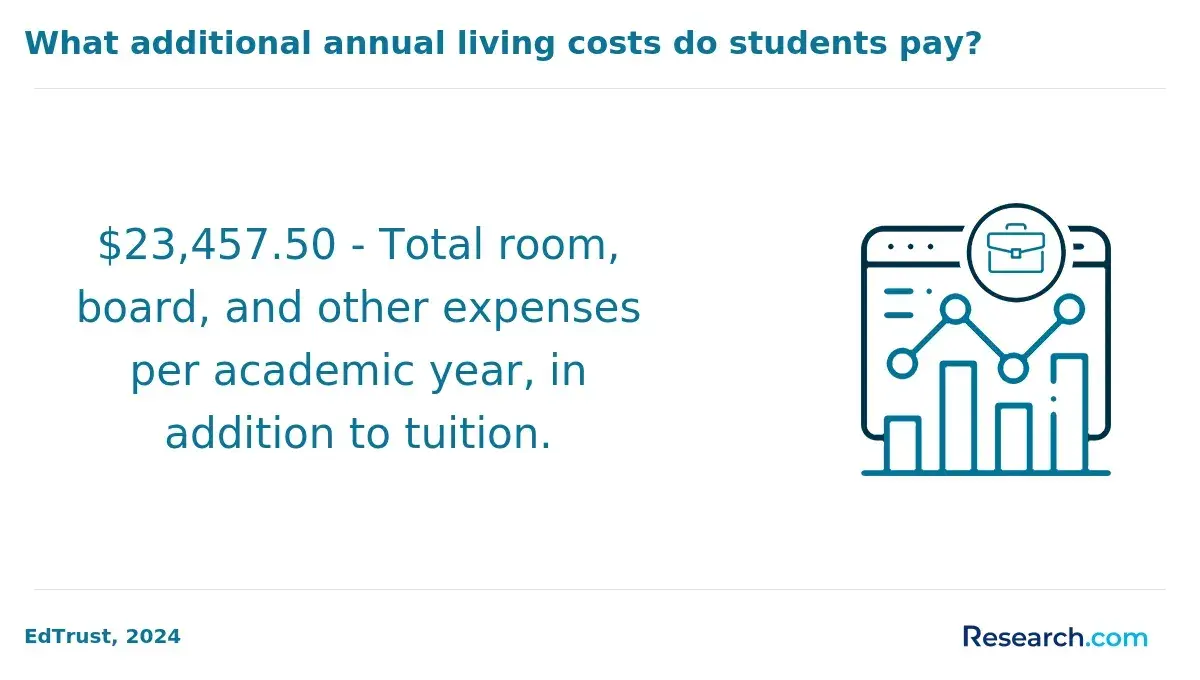
The published tuition number is only part of the full cost. Students should also ask about university fees, technology fees, clinical placement fees, background checks, drug screenings, health requirements, malpractice insurance, travel for campus intensives, textbooks, exam preparation, certification fees, and licensing-related expenses. Online study may reduce relocation, housing, and commuting costs, but clinical requirements can still create local travel and scheduling expenses.
Public institutions generally cost less for in-state students, while private universities often charge higher tuition. Out-of-state tuition can substantially raise the total price. MSN programs usually cost less than DNP tracks because DNP programs involve more credits and longer study periods.
Students comparing accelerated and traditional timelines should consider cash flow as well as total cost. A shorter program may concentrate tuition into fewer terms, creating higher per-semester bills. It may also require reducing work hours during clinical rotations. The best financial decision is not always the lowest sticker price; it is the program that is accredited, clinically feasible, certification-aligned, and affordable without creating unsustainable debt.
What Can I Expect From One-year Online Women's Health Nurse Practitioner Degree Programs?
Students should expect an intensive graduate nursing experience, even when the coursework is online. A WHNP program is not simply a set of virtual lectures; it combines advanced academic study with supervised clinical practice in women’s health settings. The online format may improve access, but it does not remove the clinical expectations required for advanced practice preparation.
The online WHNP program curriculum requirements typically include advanced pharmacology, advanced health assessment, pathophysiology, reproductive health, prenatal and postpartum care, gynecologic care, disease prevention, health promotion, and care planning for women across the lifespan. Students also must complete 600 to 750 clinical practice hours, often arranged locally with approved preceptors.
Course delivery may include asynchronous modules, live online class meetings, case discussions, simulation activities, skills intensives, exams, clinical documentation, and faculty evaluation. Some programs require campus visits or in-person intensives to assess hands-on competencies. Students should be prepared for frequent deadlines and a workload that may feel closer to full-time employment than a flexible side project.
Admissions can be competitive because programs must maintain enough faculty and preceptor capacity to support clinical training. Graduates are generally preparing for national certification and advanced practice roles in women’s primary, reproductive, and gynecologic health. Students still building earlier credentials or comparing cost-effective education routes may also explore the most affordable online bachelor's degree options as part of a longer-term nursing education plan.
Are There Financial Aid Options for One-year Online Women's Health Nurse Practitioner Degree Programs?
Financial aid may be available for online WHNP students, but eligibility depends on the school, program length, enrollment status, accreditation, and whether the student meets aid requirements. Because accredited one-year WHNP options are limited, students should confirm aid eligibility directly with the financial aid office before enrolling.
- Federal and State Aid: By submitting the FAFSA, students can qualify for federal loans, grants, and work-study opportunities. Eligibility depends on financial need and enrollment status, while state-based aid may be available depending on residency and specific program participation.
- Scholarships: Many institutions and organizations provide merit- or need-based scholarships targeted at nursing students. These awards often require proof of academic achievement, financial circumstances, or relevant nursing experience.
- Employer Tuition Assistance: Nurses working in healthcare settings might receive tuition reimbursement or financial support from their employers if pursuing an advanced degree in women’s health or related fields. This assistance can significantly reduce out-of-pocket costs.
Students should also check for nursing workforce grants, professional association awards, hospital partnerships, and service-based funding programs. Before accepting loans, compare the full program cost with your expected work schedule during school and your realistic post-graduation employment plan. Ask when aid is disbursed, whether summer terms are covered, and whether clinical delays could affect aid eligibility.
What Women's Health Nurse Practitioner Graduates Say About Their Online Degree
- Taylor: "The accelerated online Women’s Health Nurse Practitioner degree changed the way I approached my career planning. The format helped me move quickly, but it still required disciplined study, careful clinical scheduling, and consistent communication with faculty. The investment made sense because I understood the workload and cost before enrolling."
- Cruz: "The program was demanding, but the online structure gave me enough flexibility to keep progressing while managing professional responsibilities. What helped most was staying connected with instructors, classmates, and preceptors instead of treating the program as independent study."
- Luka: "As a working nurse, I valued the practical focus of the WHNP curriculum. The fast timeline pushed me to stay organized, and the clinical experiences helped me build confidence in women’s health assessment, patient education, and care planning. Affordability mattered, but clinical quality mattered just as much."
Other Things You Should Know About Pursuing One-Year Women's Health Nurse Practitioner Degrees
In 2027, practicing nurses can enroll in one-year online Women's Health Nurse Practitioner programs. These accelerated programs are designed for current nurses looking to advance their careers, though availability may vary by institution. It's essential to ensure the program is accredited and meets state licensing requirements.
In 2027, prospective students should verify that any one-year online WHNP program satisfies their state's licensing requirements. Licensing boards establish specific criteria, such as accredited coursework and clinical hour minimums, which can vary significantly across states.
References
- FNU Introduces President’s Academic Fellowship Program https://frontier.edu/womens-health-care-nurse-practitioner/
- Women's Health Nurse Practitioner https://online.umkc.edu/programs/dnp-whnp/index.php
- Women's Health | Duke University https://nursing.duke.edu/academic-programs/msn-master-science-nursing/womens-health-nurse-practitioner
- Women’s Health Nurse Practitioner Program - Nursing - Georgetown https://nursing.georgetown.edu/degree-programs/masters/whnp-online/
- Women’s Health Nurse Practitioner (WHNP) | TWU https://twu.edu/nursing/master-of-science-in-nursing-msn/womens-health-nurse-practitioner-whnp/
- MSN Women's Health Nurse Practitioner https://online.uc.edu/masters-programs/msn-womens-health-nurse-practitioner/admissions/


