
2027 Best Career Paths After a Sports Management Bachelor's Degree

Co-Founder and Chief Data Scientist
Choosing a career path after earning a Sports Management bachelor's degree can feel overwhelming given the variety of industries and roles available. Recent graduates often face uncertainty about how to leverage their skills in event coordination, marketing, or athlete representation within a competitive sports sector. With the sports industry projected to grow over 5% annually through 2030, demand for versatile professionals is increasing. Understanding which career opportunities offer the best potential for long-term growth and job satisfaction is crucial. This article explores the best career paths for sports management graduates and provides insights to make informed decisions about their professional future.
Key Things to Know About the Best Career Paths After a Sports Management Bachelor's Degree
- Common entry-level roles include event coordinator, marketing assistant, and athlete liaison, providing foundational experience in sports operations and business.
- Choosing a specialization like sports marketing or facility management influences career options, aligning skills with industry demands.
- Long-term progression depends on networking, ongoing education, and adaptability to evolving sports technologies and administration practices.
What Are the Top Career Paths by Industry for Sports Management Graduates?
Careers in sports management blend elements of business, athletics, and media, offering graduates numerous paths across diverse sectors. Employment in sports-related fields is projected to grow at a rate comparable to the average for all occupations, underscoring steady opportunities.
Exploring the best industry sectors for sports management degree holders reveals distinct arenas where their skills have strong impact.
- Professional and Collegiate Sports: This sector includes roles such as team operations managers, athletic directors, and event coordinators. Graduates apply their knowledge in sports administration by organizing events, managing logistics, and ensuring compliance with league regulations.
- Sports Marketing and Media: Careers here focus on marketing specialists, sponsorship coordinators, and media relations associates. Professionals use their expertise to promote brands, enhance fan engagement, and coordinate with advertisers in a highly competitive marketplace.
- Sports Facility and Event Management: Venue managers, event planners, and operations supervisors make up this group. Their work centers on the financial and logistical aspects of running stadiums and arenas, leveraging skills in project management and organization.
- Sports Governing Bodies and Nonprofits: Positions include program coordinators and compliance officers who enforce regulations and support community sports programs. These roles highlight the connection to governance and policy within sports contexts.
What Are the Future-Proof Careers After a Sports Management Bachelor's Degree?
Future-proof careers in sports management require adaptability to withstand evolving industry demands and the rise of automation. Employment in sports-related management and marketing is expected to grow 9% from 2022 to 2032, indicating lasting opportunities for graduates who combine business skills with industry expertise. Navigating this dynamic landscape means focusing on roles that emphasize technological resilience and long-term stability.
Here are some top career opportunities for sports management graduates that align with these trends:
- Sports Analytics: This field involves analyzing complex data to improve player performance, fan engagement, and operational efficiency. Roles in sports analytics require critical thinking and domain knowledge, making them less vulnerable to automation.
- Digital Marketing and Sponsorship: As the global sports market expands, the demand for professionals who can drive digital fan experiences and secure sponsorship deals grows. These experts leverage emerging technologies like artificial intelligence and virtual reality to innovate marketing strategies.
- Business Development: Careers in business development focus on cultivating new revenue streams and strategic partnerships within sports organizations. This sector benefits from adapting to digital transformations and the increasing commercialization of sports culture.
- Technology Integration: Specialists who implement blockchain, AI, and other advanced technologies are essential in reshaping sports content production and distribution, providing long-term career stability amid continual technological change.
Graduates interested in further education may also explore options such as the cheapest FNP programs to expand their qualifications and career versatility across related fields.
What Are the Highest-Paying Careers After a Sports Management Bachelor's Degree?
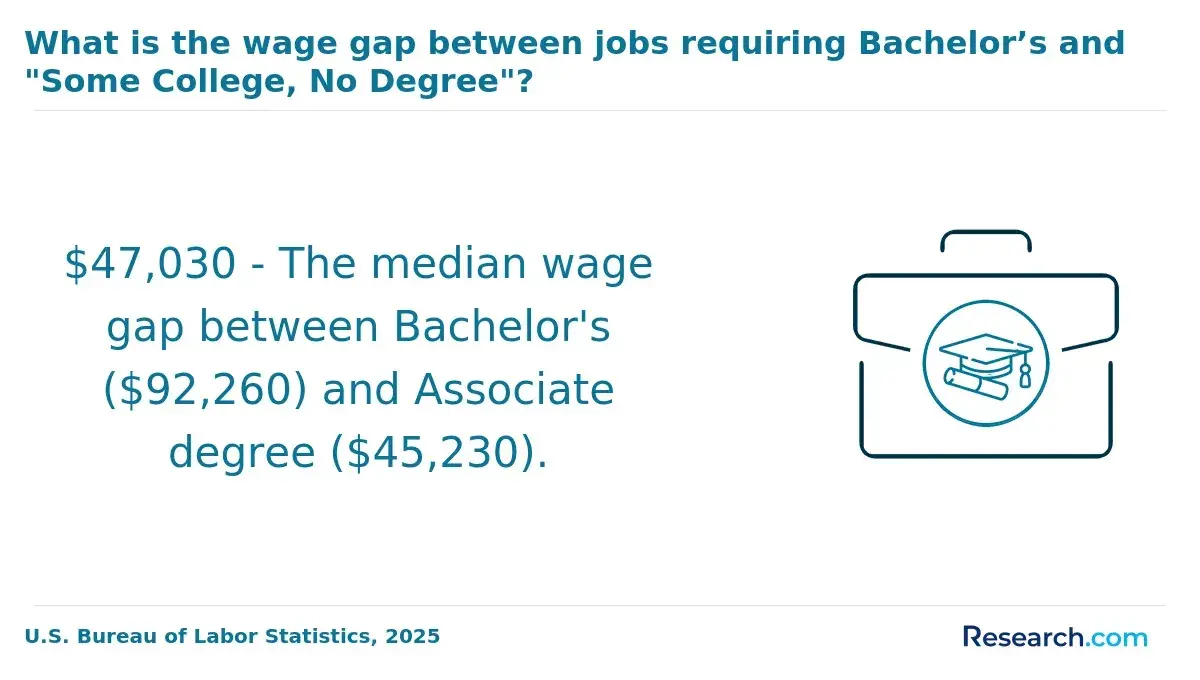
Graduates with a bachelor's degree in sports management can access several lucrative careers due to their specialized expertise and leadership roles within the sports industry. Many of these positions offer competitive salaries, reflecting the high level of responsibility and economic impact in this field. For example, managerial roles in related industries often report median annual earnings exceeding $90,000.
Careers with some of the highest earning potential include the following:
- Sports Marketing Manager: Typically earning between $70,000 and $130,000 annually, these professionals create and manage marketing campaigns that boost team or brand visibility. Their work in building partnerships and engaging fans drives revenue, justifying their substantial pay.
- Athletic Director: Earning roughly $80,000 to $150,000 per year, athletic directors oversee sports programs at schools or organizations. Their responsibilities include budget management, staff supervision, and event planning, requiring strong leadership and organizational skills.
- Sports Agent: Annual incomes can vary from $60,000 up to over $200,000, depending on the client portfolio and contract success. Agents negotiate athletes' contracts and endorsements, earning commissions based on deals secured, making this a high-reward profession.
- Facility Manager: With average salaries ranging between $65,000 and $120,000, facility managers are responsible for the daily operations of sports venues. Their role covers maintenance, event coordination, and safety compliance-key factors in smooth facility functioning.
- Sports Data Analyst: Earning between $60,000 and $110,000, these analysts support teams and organizations by interpreting performance metrics and business data. As the sports world increasingly relies on analytics, demand and salaries in this role continue to grow.
What Are the Entry-Level Jobs for Sports Management Bachelor's Degree Graduates?
Graduates holding a sports management bachelor's degree often begin their careers in roles that provide essential skills and industry exposure. Around 68% of these graduates find employment within their field during the first year, highlighting strong entry-level sports management career opportunities that pave the way for future advancement.
Several typical jobs for sports management bachelor graduates serve as foundational positions, offering experience in different aspects of sports administration and marketing.
- Sports Marketing Coordinator: This role focuses on promoting teams, events, or sports products by designing campaigns and managing social media platforms. It develops key branding and fan engagement skills, facilitating progression into advanced marketing or sponsorship roles.
- Athletic Administrator Assistant: Supporting sports program administration, budget oversight, and regulatory compliance is central to this job, often within educational institutions. The position helps build organizational competencies essential for leadership roles in sports organizations.
- Event Coordinator: Responsible for organizing sports events through logistics management, vendor collaboration, and scheduling, this role offers invaluable hands-on experience for moving up in event management or operations careers.
- Sales Representative for Sporting Goods: Managing client relationships and promoting products in retail or wholesale settings, this job establishes a sales foundation that can lead to business development or sales management positions within the sports sector.
- Community Relations Assistant: Focused on enhancing connections between sports teams and local communities, this role cultivates communication and public outreach skills useful for public relations or corporate social responsibility careers.
Those interested in expanding their qualifications might consider an affordable online master's in healthcare administration to complement their sports management background.
What Career Paths Align With Your Skills After a Sports Management Bachelor's Degree?
A bachelor's degree in sports management cultivates valuable transferable skills highly sought by employers, with studies showing that over 70% of hiring managers emphasize communication, leadership, and problem-solving abilities when evaluating candidates. These competencies shape graduates' career paths by enabling them to adapt to various professional settings effectively.
Below are several key skills developed through sports management programs and the career opportunities they unlock:
- Analytical Thinking: Graduates enhance their capacity to interpret data and assess performance, which is crucial in careers like sports analytics, operations management, and performance evaluation within teams or organizations.
- Communication: Strong verbal and written skills prepare students for roles in marketing, public relations, and athlete representation, where conveying clear, persuasive messages supports brand development and stakeholder relations.
- Leadership: Experience leading projects and coordinating events equips grads for management roles such as athletic directors or facility coordinators, where overseeing teams and making strategic decisions are essential.
- Problem-Solving: Practical skills in addressing logistical and regulatory challenges align with positions like compliance officers, event planners, or sports administrators responsible for smooth operations and adherence to standards.
What Jobs Require an Advanced Degree After a Sports Management Bachelor's Degree?
Many career opportunities linked to a bachelor's degree in sports management often demand graduate education to build specialized knowledge and skills. Nearly 40% of professionals in sports management-related fields hold advanced degrees, highlighting how vital higher education is for rising in this competitive industry. These roles generally require a strong grasp of complex business, legal, psychological, or analytical concepts not covered thoroughly at the undergraduate level.
The following positions typically require further study beyond a bachelor's degree:
- Sports Agent or Athlete Manager: Advanced degrees in sports management, law, or business administration are usually necessary. These credentials help professionals expertly handle contract negotiations and legal matters involving athlete representation.
- College Athletic Director: This role demands a master's degree in sports administration or education management to effectively oversee athletic programs, budgeting, compliance, and staff leadership at the collegiate level.
- Sports Psychologist: A doctorate specializing in sports or performance psychology is essential for supporting athletes' mental health and optimizing their performance through psychological strategies.
- Sport Analytics Director: Master's degrees in data science, statistics, or sports analytics equip individuals to manage data-driven insights and strategic decision-making in sports organizations.
- Sports Law Consultant: Professionals holding a Juris Doctor (JD) provide crucial legal advice on contracts, intellectual property, and regulatory compliance related to sports enterprises.
Graduate education in these fields strengthens expertise in leadership, strategic planning, and technical knowledge, preparing candidates for complex challenges and leadership roles within the evolving sports industry.
What Careers Require Certifications or Licensure After a Sports Management Bachelor's Degree?
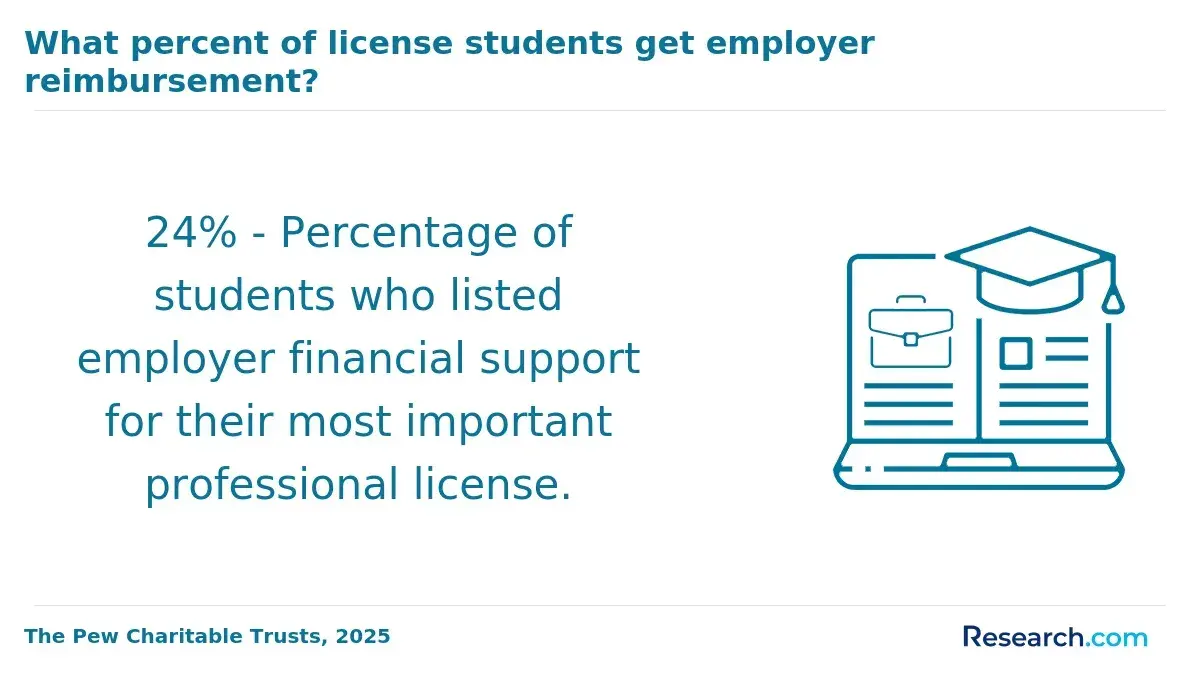
Many professions related to sports management require additional certification or licensure beyond a bachelor's degree due to regulatory standards and the specialized skills involved. These credentials help ensure that professionals maintain ethical practices and meet industry safety requirements. In fact, over 15% of occupations connected to sports demand some form of certification or licensing to practice effectively.
Here are some key careers where certification or licensure is typically necessary:
- Athletic Trainers: These professionals usually need state licensure and certification from the Board of Certification (BOC). Their responsibilities include preventing and treating sports injuries and managing athlete rehabilitation programs to promote safe participation in sports.
- Sports Officials: Certification is often required and administered by organizations such as the National Federation of State High School Associations (NFHS). This ensures officials thoroughly understand rules and can enforce them fairly during competitions.
- Strength and Conditioning Coaches: Certification from the National Strength and Conditioning Association (NSCA) or the Collegiate Strength and Conditioning Coaches Association (CSCCA) is typically necessary. These credentials verify expertise in exercise science and methods to optimize athlete performance while minimizing injury risk.
- Health Promotion Specialists: Professionals in this area may pursue the Certified Health Education Specialist (CHES) credential to demonstrate competence in planning and implementing wellness and health promotion programs linked to sports and fitness.
What Are the Alternative Career Paths for Bachelor's in Sports Management Graduates?
A bachelor's degree in sports management equips graduates with versatile skills that are highly transferable across various industries. A 2023 survey by the National Association of Colleges and Employers found that nearly 40% of graduates in related fields pursue careers outside their initial area of study, illustrating broad career mobility. This adaptability opens doors to numerous nontraditional career paths in sports management bachelor's degree holders.
Several alternative career opportunities for bachelor's in sports management graduates include:
- Marketing and Public Relations: Graduates can apply their knowledge of sports audiences to brand management, social media strategy, and communication roles beyond the sports sector. Their skills in engaging fans and promoting events translate well to corporate marketing campaigns and public outreach.
- Event Management: Expertise in logistics and coordination prepares graduates for planning concerts, festivals, conferences, and community programs. These roles use the same project management abilities developed through overseeing athletic events.
- Corporate Wellness: Courses often cover athlete health, fitness trends, and nutrition, enabling graduates to design wellness programs that support employee health and productivity in business environments.
- Financial Services and Consulting: Analytical skills gained can lead to opportunities in sports analytics, business development, or consulting projects that combine domain knowledge with critical thinking.
- Creative Media Roles: In sports media production and digital journalism, storytelling and audience engagement are key. Graduates can leverage their understanding of sports culture to create targeted multimedia content or manage communication channels effectively.
For students interested in expanding their expertise, some also explore related fields such as online degrees in nutrition, which complement sports management skills and further diversify career options.
What Remote and Flexible Career Options Are Available With a Sports Management Bachelor's Degree?
The rise of remote and flexible work has significantly expanded opportunities in many industries, including sports management. A 2023 report by FlexJobs showed a 32% increase in remote job listings compared to the previous year, signaling a clear shift toward digital and hybrid work environments. This trend opens more doors for sports management graduates seeking roles with adaptable schedules or full remote options.
For those exploring remote jobs for sports management graduates, several flexible career paths stand out:
- Sports Marketing Coordinator: This role involves managing digital marketing campaigns, social media strategies, and fan engagement, all of which can be effectively done remotely. Tasks include analyzing audience data, coordinating online promotions, and collaborating with marketing teams across virtual platforms.
- Sports Event Coordinator: Focusing on virtual or hybrid events, these professionals plan and promote sporting events that integrate online participation. Communication with vendors, sponsors, and participants happens mainly through video conferencing and project tools, allowing flexible work locations.
- Sports Content Creator: Graduates can produce written content, video scripts, or podcasts centered on sports analytics, athlete interviews, or industry news. This role demands remote research, scripting, and coordination with editors or producers.
- Sports Data Analyst: These analysts use statistics software to interpret game data or player performance trends. Often working independently, they communicate insights to teams or agents via digital reports and meetings, a job well-suited for remote employment.
Graduates interested in flexible career paths in sports management can also explore related educational paths, such as accelerated MSN psychiatric NP programs, to broaden their skill set for multidisciplinary roles.
How Do You Choose the Best Career Path After a Sports Management Bachelor's Degree?
Evaluating career options after earning a sports management bachelor's degree is essential for long-term success. Studies reveal that nearly 85% of graduates who carefully consider their career interests experience greater job satisfaction and improved employment prospects within five years. Making informed choices can greatly influence your professional journey.
Several key aspects should guide your decision-making process:
- Personal Interest: Choosing roles that match your passions fosters motivation and helps maintain enthusiasm throughout your career.
- Long-Term Goals: Clarifying your future ambitions allows you to prioritize skills and experiences that align with where you want to be professionally.
- Market Demand: Researching current and projected industry trends directs you to positions with sustainable growth, avoiding fields that may be oversaturated or contracting.
- Work Environment: Consider whether you thrive in dynamic, hands-on settings or prefer structured, analytical roles to ensure better job fit.
- Organizational Fit: Assessing how your values align with potential employers' cultures can increase job satisfaction and workplace engagement.
What Graduates Say About the Best Career Paths After a Sports Management Bachelor's Degree
- Benny: "Choosing a sports management bachelor's degree was all about my passion for both sports and business. I wanted a career that allowed me to stay connected to the sporting world while also developing valuable leadership skills. This degree opened doors for me in event coordination and gave me the confidence to pursue a role in sports marketing, which I find incredibly rewarding."
- Greyson: "After completing my sports management bachelor's degree, I realized that remote work opportunities in this field were much more attainable than I originally thought. I started working as a digital coordinator for a sports analytics company, which lets me manage projects from anywhere. This degree truly expanded my career horizons and helped me find a balance between professional growth and lifestyle preferences."
- Cooper: "The sports management bachelor's degree had a profound impact on my professional journey by equipping me with a deep understanding of sports law and ethics. I pursued a career as a compliance officer within a major sports league, which was a natural fit after my studies. Reflecting on my experience, I see the degree as essential for developing the critical thinking skills necessary to navigate the complex world of sports governance."
Other Things You Should Know About Sports Management Degrees
Internships are highly valuable in sports management as they provide practical experience and networking opportunities. Many employers prefer candidates who have completed internships, as these experiences demonstrate applied knowledge and commitment to the field. Internships can also lead to full-time positions within sports organizations.
Strong communication, interpersonal skills, and adaptability are critical in sports management careers. The ability to work well with diverse teams, negotiate contracts, and manage events under pressure is equally important. Leadership and problem-solving skills give graduates a competitive advantage in dynamic sports environments.
Networking is fundamental for career growth in sports management, as many opportunities arise through personal connections. Attending industry events, joining professional associations, and maintaining relationships with mentors can open doors to job placements and partnerships. Effective networking helps graduates stay informed about trends and emerging roles within the sports sector.
References
- Career Paths In Sport Management https://www.ycp.edu/news/career-paths-sport-management
- Top 9 Sports Management Jobs for Non-Athletes https://www.workinsports.com/resourcecenter/jobseeker/pages/top-9-sports-management-jobs-for-non-athletes
- Top 5 Careers in Sports Management https://www.pointloma.edu/resources/health-sciences/top-5-careers-sports-management
- What are the opportunities in the field of sports management? https://www.monaco.edu/en/faq-all-the-answers-to-your-questions-3/what-are-the-opportunities-in-the-field-of-sports-management/
- How would someone choose the best Sports Management program? - Sports Management Degrees https://sportsmanagementdegrees.net/how-would-someone-choose-the-best-sports-management-program/
- Remote Sports Management Jobs https://www.virtualvocations.com/q-remote-sports-management-jobs.html
- What can I do after a Bachelor's degree in sport? - INSEEC https://www.inseec.com/en/guides/career-path-guide/what-can-i-do-after-a-bachelors-degree-in-sport/
- How to Prepare for a Career in Sport Management https://www.dean.edu/news-events/dean-college-blog/story/how-prepare-career-sport-management/
- 73 Jobs You Can Get With a Sports Management Degree: A Guide https://www.salemu.edu/blog/sports-recreation-management-careers/
- What Can You Do With a Sports Management Degree? https://www.monroeu.edu/academics/undergraduate-programs/school-business-and-accounting/what-can-you-do-sports-management


