
2027 How to Finish an Online Sports Management Bachelor's Degree Faster

Co-Founder and Chief Data Scientist
Many students struggle to finish an online sports management bachelor's degree on time while balancing work and personal commitments. The average completion time for online degrees often extends beyond six years, partly due to part-time enrollment and limited transfer credit use. In fact, a 2024 report shows that only 35% of online sports management students graduate within four years, highlighting a clear need for acceleration strategies.
This article explores practical methods-including optimizing transfer credits, leveraging accelerated courses, and navigating financial aid-to help students finish their degree faster and enter the workforce without unnecessary delays.
Key Things to Know About Finishing an Online Sports Management Bachelor's Degree Faster
- Leverage transfer credits and prior learning assessments to bypass redundant coursework-up to 30% of credits can often be transferred from accredited institutions or military training.
- Enroll in accelerated course formats, such as 8-week sessions, to complete required credits faster while maintaining full-time status and financial aid eligibility.
- Utilize financial aid and employer tuition assistance programs strategically to reduce financial strain-64% of online bachelor's students report increased focus when financial barriers are minimized.
What Are the Fastest Sports Management Online Bachelor's Degree Programs Available Today?
Several factors contribute to making an online sports management bachelor's degree program faster and more suited for adult learners, military-affiliated students, and recent community college graduates. Increasing the credit load per term-such as taking 15 to 18 credits instead of the traditional 12-enables quicker progress. Generous transfer policies also accelerate completion by allowing students to apply up to 90 credits from prior coursework, providing a significant head start. Self-paced formats, often found in competency-based programs, allow motivated students to advance upon mastery rather than fixed schedules. Accelerated schedules with shorter terms-such as 5- to 8-week sessions-enable students to complete more courses annually.
- Traditional Semester-Based Program: Most universities still rely on fall and spring semesters, sometimes supplemented by summer terms, requiring about four years but offering some acceleration through heavier course loads.
- Competency-Based Education (CBE): Institutions like Western Governors University emphasize mastery of skills over seat time, appealing to those with relevant experience and allowing for faster degree completion.
- Quarter or Trimester System: By dividing the academic year into three or four shorter terms-with multiple start dates-these programs help students enroll year-round and finish sooner than traditional semester-based models.
Program length varies depending on policies, student circumstances, and transfer credits. While regional accreditation does not directly speed up graduation, it ensures the transferability of credits and academic quality. Prospective students pursuing the top accelerated sports management online bachelor's degrees in the United States should confirm current pacing options with chosen schools. Additionally, exploring resources like medical assistant certification programs can offer insights into intensive, fast-track education models applicable across fields.
How Does Transfer Credit Acceptance Accelerate Your Sports Management Degree Timeline?
Transfer credit evaluation is a vital mechanism for reducing the time needed to complete an online sports management bachelor's degree. Many schools enable students to leverage prior coursework, allowing them to bypass repeating subjects and thus accelerate their degree path.
- Articulation Agreements: Formal partnerships between community colleges and four-year universities provide predefined pathways for credit transfer. Students who earned an associate degree or completed relevant courses through these agreements often receive full or partial credit toward their sports management bachelor's degree, significantly cutting down the number of courses required.
- Credit Equivalency Reviews: When formal agreements do not exist, institutions conduct thorough evaluations to compare previous coursework with their curriculum. This process verifies which credits align with degree requirements, including general education credits and specialized sports management subjects, thereby ensuring that prior learning counts toward degree completion.
- Transfer Credit Limits: Most schools enforce caps on the number of transfer credits, usually between 60 and 90 credits toward a 120-credit degree. For example, transferring 60 credits means completing only half of the coursework at the new institution. Understanding these limits helps prospective students plan their degree timeline effectively.
- Prior Learning Credits: Credits may also be awarded for military training, professional certifications, or other relevant experiences, further shortening the degree path for many applicants.
For instance, a student who finishes two years of general education and initial sports management courses at a community college can transfer those credits into a bachelor's program and focus on advanced classes, potentially reducing time to graduation by up to two years. This benefit is particularly valuable for working adults and military-affiliated students seeking to expedite their studies.
Additionally, it is crucial to consult your institution's registrar or admissions office to understand specific transfer credit policies, as they vary widely. Early communication and transcript review ensure informed decisions that can maximize the impact of transfer credits on your degree completion.
Students interested in related fields may also explore affordable options, such as the cheapest online healthcare management degree, which similarly prioritizes transfer credit policies and accelerated learning.
Can Prior Learning Assessment (PLA) Help You Finish Your Sports Management Degree Sooner?
Prior Learning Assessment (PLA) offers an effective pathway for students seeking to accelerate their online sports management bachelor's degree by earning academic credit for expertise gained outside conventional classrooms. This approach recognizes knowledge acquired through professional work, military service, independent study, or other relevant experiences.
- Portfolio Assessment: Learners assemble documentation such as work samples, certifications, and reflective essays that demonstrate their grasp of sports management principles.
- CLEP Exams: These standardized tests evaluate proficiency in general education subjects often credited toward sports management degree requirements.
- DSST Exams: Covering various business and management topics, these exams can qualify students for credit in related sports management courses.
- Military Credit: Military training and service are translated into academic credits via official transcripts and evaluations-valuable for veterans pursuing degrees in sports management.
- Challenge Exams: Some schools offer institution-specific exams enabling students to test out of certain courses based on their existing knowledge.
Knowledge applicable to PLA in sports management typically includes event planning, sports marketing, leadership and team coordination, foundational concepts of sports law, and finance within athletic organizations. Professionals with hands-on experience managing teams or organizing sports events often qualify for multiple portfolio credits, reducing the time and cost to complete their degree.
PLA policies differ significantly among programs, so prospective students should consult their institution's website or contact admissions offices to confirm which PLA options are accepted. Early outreach helps avoid surprises and aligns the credit evaluation process with academic goals.
Developing a compelling portfolio means clearly connecting prior experiences to course outcomes, validating claims with employer letters, performance evaluations, or certifications. Organizing the portfolio according to the school's guidelines improves assessment efficiency and success chances.
A professional who enrolled in an online sports management bachelor's program shared that navigating PLA was initially daunting but ultimately rewarding. "I wasn't sure if my military background and part-time jobs would count, but compiling my experiences into a portfolio made me reflect deeply on what I'd learned," he said. "Submitting detailed evidence felt stressful at first, but hearing the school accepted several credits was a big relief-it saved me months of coursework and kept me motivated to finish." His experience highlights how PLA can transform a challenging path into a faster, more personalized journey toward a sports management degree.
How Can CLEP and DSST Exams Cut Down Your Sports Management Degree Completion Time?
Credit-by-examination programs like CLEP and DSST offer working adults and career changers a way to expedite sports management degree completion by earning college credits through demonstrating proficiency in relevant subjects. These exams often cover coursework that overlaps with general education and electives required in sports management programs, such as college algebra, principles of marketing, business introduction, and social sciences - helping students bypass traditional classes.
Both CLEP and DSST exams require registration at authorized testing centers or institutions that facilitate scheduling. Exam fees usually range from $85 to $115, with some schools charging additional administrative fees. Passing scores typically fall between 50 and 60, though requirements vary, so students should confirm the score thresholds accepted by their school prior to registering.
- Credit By Examination: Tests substitute specific courses in sports management degree plans by validating your knowledge in key areas.
- Registration Process: Exams are scheduled through official centers or testing sites affiliated with your institution.
- Exam Fees: Costs generally range from $85 to $115, with potential extra fees.
- Score Requirements: Minimum passing scores vary; verify with your school.
- Credit Awarding: Successful exams translate into credits counted toward degree progress.
- ACE Recommendations: The American Council on Education provides credit equivalency guides-check these to understand credit values and recognition.
- Institutional Policies: Acceptance of CLEP and DSST credits varies widely; review your university's list of approved exams carefully.
Utilizing these credit options is among the benefits of CLEP and DSST credit for online sports management students, especially when combined with strategies like transfer credit and accelerated courses. Before committing, research schools that offer no application fee colleges to reduce upfront costs while maximizing credit-by-examination benefits.
What Is the Role of Accelerated Course Formats in Finishing a Sports Management Degree Faster?
Accelerated courses condense the traditional 15-week semester into intensive 5-, 6-, or 8-week terms, allowing students to focus more deeply on fewer classes at a time. This setup often doubles the pace of learning, requiring students to rapidly grasp and apply complex concepts without the usual downtime. Because of this compression, strong time management skills and sustained mental effort are critical.
The fast-paced format demands consistent study habits and quick information processing. Students can succeed by prioritizing tasks, creating disciplined schedules, and using academic support services like tutoring or discussion forums. It's important for each learner to honestly evaluate their own readiness, factoring in work commitments, family responsibilities, and personal learning preferences to ensure they can maintain the required intensity without burning out.
Many programs offer several accelerated terms consecutively throughout the year. This enables students to enroll continuously and accumulate credits faster than with conventional semesters, potentially shortening a bachelor's degree timeline significantly. Recent surveys indicate over 60% of online learners in sports management choose accelerated pathways to finish sooner and move ahead in their careers.
- Condensed Coursework: Faster terms condense material delivery, demanding sharp focus and continuous engagement to keep pace with the workload.
- Effective Planning: Balancing an accelerated schedule with personal and professional life requires disciplined time management and clear prioritization.
- Personal Readiness: Accurate self-assessment of one's capacity to handle compressed learning helps prevent overwhelm and promotes success.
- Year-Round Enrollment: Multiple short terms offered consecutively create opportunities to study without interruption and graduate more quickly.
- Popular Choice: A growing majority of students leverage accelerated courses to reduce their time to degree completion and enhance career prospects.
A professional who completed an online sports management bachelor's degree shared that balancing accelerated courses with work and family was initially daunting but rewarding. She explained, "The pace was intense-every week felt packed with assignments and exams-but the ability to focus on fewer classes helped me maintain clarity and momentum." She also valued the continuous enrollment option, noting that "being able to jump straight into the next term without a long break was crucial for staying on track." Reflecting on her journey, she emphasized that while the accelerated format required sacrifice and careful planning, it ultimately enabled her to finish her degree faster and transition smoothly into her career.
How Does Enrolling Full-Time vs. Part-Time Affect Your Sports Management Degree Timeline?
Full-Time Enrollment: Enrolling full-time-usually 12 or more credits each semester-can dramatically shorten the time needed to earn a sports management degree. For instance, with 60 credits left, taking 15 credits per term allows graduation in about two years. This faster pace demands dedication but enables quicker workforce entry or progression toward graduate studies.
Part-Time Enrollment: Students taking fewer than 12 credits, commonly between 6 and 9 per semester, often extend their program to four or five years for the same 60-credit load. This approach offers greater flexibility to accommodate work, family, or other responsibilities, though it means a longer timeframe to completion.
Financial Aid Implications: Enrollment status plays a crucial role in financial aid eligibility. Full-time students typically access the most generous aid packages, including grants and scholarships, while part-time students may receive smaller amounts. Maintaining aid requires meeting satisfactory academic progress standards that evaluate both GPA and completion pace relative to enrollment status.
Satisfactory Academic Progress Management: Because schools monitor progress to ensure timely degree completion, full-time students usually meet credit accrual benchmarks without difficulty. Part-time learners must diligently track credits earned to avoid warnings or financial aid loss stemming from slower pace.
Balancing Speed and Sustainability: While full-time study supports faster completion, it can increase stress, especially for those juggling jobs or family life. Part-time enrollment often results in a more manageable workload conducive to long-term success. Assessing individual commitments and energy levels helps in selecting a pace that promotes both academic achievement and personal well-being.
Additional Strategies: Accelerated offerings, like summer sessions, can supplement part-time study to shorten degree timelines without full-time enrollment pressures. Transfer credits and prior learning assessments can also reduce required coursework irrespective of enrollment status.
Are There Self-Paced Sports Management Online Degree Programs That Let You Move at Your Own Speed?
Self-paced or competency-based education (CBE) models in sports management enable students to progress by demonstrating mastery of specific skills rather than adhering to a fixed schedule. This approach suits learners with prior knowledge or experience who wish to accelerate their degree completion. Notable institutions offering sports management degrees in this format include Western Governors University and Southern New Hampshire University, both recognized for their flexible online programs.
- Mastery-Based Progression: Students advance by passing assessments that confirm their understanding, allowing them to test out of content they have already mastered-saving time and focusing on new material.
- Flexibility: Self-paced formats eliminate rigid semester timelines-students decide when and how quickly to engage with coursework, making it easier to balance education with work and family commitments.
- Self-Discipline: Success demands strong time management and motivation since the absence of regular deadlines requires students to create structured study plans to maintain steady progress.
- Availability: CBE options are not universal-prospective students should explicitly inquire about self-paced or competency-based pathways during the admissions process to confirm availability.
- Career Readiness: Competency-based sports management degrees focus on practical skills, preparing graduates for immediate application in the workforce.
Because these models rely on mastery and flexibility, students with determination and a clear plan can significantly reduce time to degree while gaining valuable, career-relevant competencies.
What Academic Resources Help Online Sports Management Students Complete Their Degree on Time?
Online sports management students enhance their degree progression by utilizing key academic support services designed to prevent course failures or withdrawals. Maintaining regular communication with an academic advisor is critical-advisors help tailor personalized degree plans, clarify transfer credit policies for online sports management students, and guide course selections to ensure continued progress.
- Academic Advisors: Advisors provide timely alerts if a student's performance risks delaying graduation and offer strategies for accelerated course formats or navigating transfer credits.
- Tutoring Services: Access to tutoring targets difficult subjects such as statistics or business communication, helping students strengthen skills and improve grades before challenges escalate.
- Writing Centers: These centers assist with research, citation, and paper organization skills, vital for success in sports management coursework.
- Library Access and Digital Resource Libraries: Early engagement with extensive digital collections-including textbooks, journal articles, and industry reports-supports effective research and coursework completion.
- Orientation Programs: Participation in orientation introduces students to the academic platform, expectations, and available support systems, establishing a foundation for success.
Students should also consider prior learning assessment options for online sports management degrees, which can shorten time to degree by awarding credit for relevant professional or military experience. Proactive use of these services empowers students to remain on track and optimize their educational investments. Prospective students can explore opportunities through resources like the top CAHME accredited MHA programs to compare accredited pathways and identify programs with robust academic supports.
How Does Choosing the Right Sports Management Program's Curriculum Structure Impact Your Graduation Speed?
Choosing the right sports management program curriculum for faster graduation depends heavily on its structure, particularly the balance between core requirements and electives, prerequisite chains, and general education clusters.
- Core Requirements: Programs with numerous core courses typically follow a strict sequence, limiting flexibility. While these courses provide essential foundational knowledge, a high number may prolong completion time if they must be taken in order.
- Electives: A program offering a larger share of electives grants more freedom to tailor schedules, which can help students take multiple courses per term or utilize accelerated sessions, facilitating quicker degree completion.
- Prerequisite Chains: Long chains of prerequisites can become significant bottlenecks, even when accelerated formats are available. Missing one prerequisite may delay enrollment in advanced courses by an entire term or more, slowing progression.
- General Education Clusters: Programs grouping general education into related clusters or pathways enable students to complete these requirements concurrently, reducing the total time spent on this component compared to selecting unrelated classes over several semesters.
The effect of sports management degree curriculum structure on completion time makes it essential for prospective students to carefully map out their entire degree plan before enrolling. Using the institution's official catalog or degree audit tools ensures awareness of required courses, prerequisite sequences, and elective options-key for designing accelerated paths.
Curriculum requirements may change; students should verify all details with their academic advisor. This diligence helps avoid surprises and aligns expectations with current program standards, which is vital for faster graduation in sports management.
Additionally, exploring options like transfer credits, prior learning assessment, and accelerated courses can further enhance completion speed. For those balancing busy schedules, reviewing financial aid opportunities is equally important.
For examples outside of sports management, consider reviewing available online pharmacy programs to see how varied curriculum structures affect completion timelines in other fields.
Can Summer and Winter Sessions Help You Finish Your Online Sports Management Degree Early?
Summer and winter terms provide an opportunity to accelerate the completion of an online sports management degree by adding extra credits beyond the traditional academic year. These shorter sessions-typically lasting six to eight weeks-allow students to concentrate on fewer subjects and progress faster toward their degree. Credit limits usually range from six to nine per session, balancing the need for academic rigor and manageable workloads.
Tuition rates for inter-sessions can differ from regular semesters, often charged per credit hour and sometimes at a slightly higher rate due to the intensive format. It is essential for students to confirm whether their financial aid applies to these sessions, as eligibility for federal aid, scholarships, or employer tuition benefits may vary.
Electives and general education courses are well suited for summer and winter sessions, as they tend to be more flexible in delivery. This strategy allows students to preserve the longer semesters for core sports management coursework. Availability and policies around inter-sessions differ widely across institutions, so students should check annually with academic advisors to plan effectively and select appropriate courses.
- Credit Load Flexibility: Additional credits in summer and winter terms help reduce time to degree completion without overburdening standard semesters.
- Financial Aid Variability: Aid eligibility during inter-sessions is inconsistent; confirm support with the financial aid office before enrolling.
- Course Selection Tips: Choose electives and general education courses for inter-sessions to manage workload and maintain focus on core subjects during regular terms.
- Tuition Differences: Be aware of possible tuition rate changes for accelerated courses and budget accordingly.
- Institutional Differences: Verify course availability and session policies yearly, as offerings change by program and school.
What Financial Aid Options Are Available to Help Online Sports Management Students Graduate Without Delay?
Financial challenges frequently cause delays in graduation for students enrolled in online sports management programs. Several financial aid options exist to help minimize these obstacles and encourage timely degree completion.
- Federal Grants: Need-based awards like the Pell Grant do not require repayment. To access these funds, students must complete the Free Application for Federal Student Aid (FAFSA) annually and ensure their submissions are accurate and on time to secure maximum aid.
- Institutional Scholarships: Colleges often offer scholarships tailored specifically for online sports management students. These may be merit- or need-based and usually necessitate separate applications, so it's important to check the financial aid office and scholarship listings at each institution.
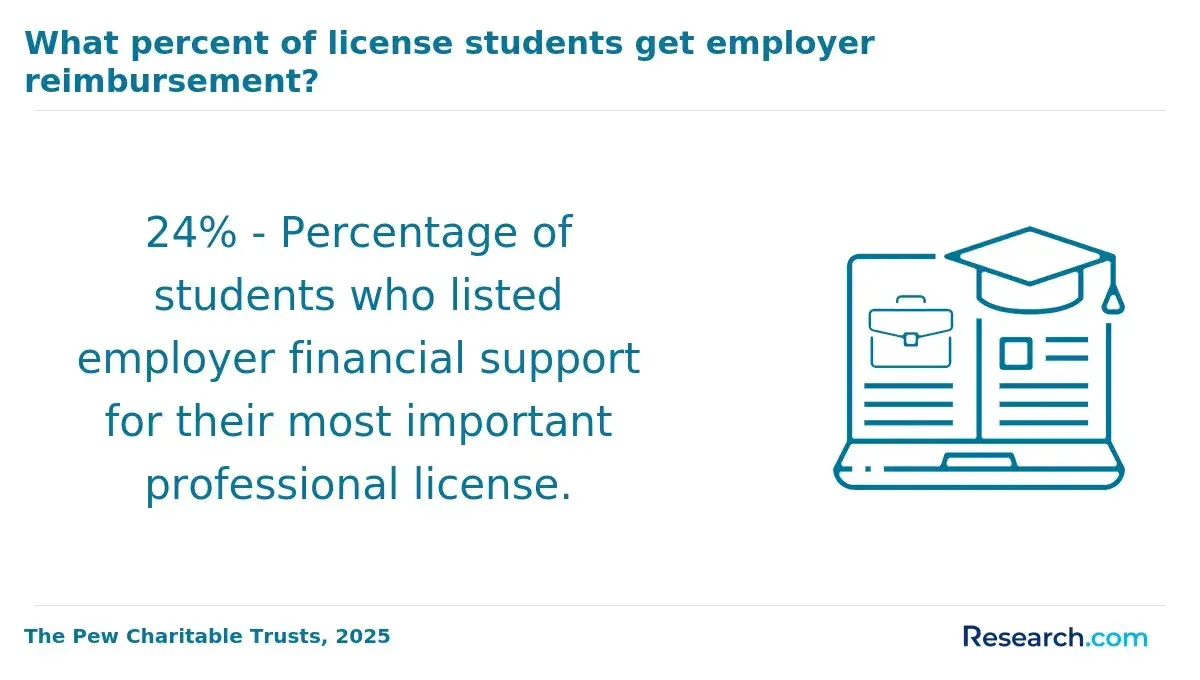
- Employer Tuition Assistance: Many employers have programs that reimburse tuition or provide direct funding for employees pursuing education. This benefit can significantly lower out-of-pocket costs, particularly for working adults balancing jobs and studies.
- Military Benefits: Active service members, veterans, and their families may qualify for educational assistance such as the GI Bill, which can cover tuition expenses applicable to sports management degrees.
Maintaining at least half-time enrollment is often required to remain eligible for various financial aid programs, making mindful course planning essential. Applying for FAFSA involves submitting financial details through the official website every year before deadlines-missing these can reduce or eliminate aid availability. Besides institutional aid, exploring scholarships offered by professional associations and private organizations can provide additional funding opportunities and help avoid financial delays in graduation.
What Graduates Say About How to Finish an Online Sports Management Bachelor's Degree Faster
- Benny: "Enrolling in the online sports management bachelor's degree was truly a game-changer for me. The acceptance of transfer credits and the option to take CLEP and DSST exams allowed me to accelerate my progress and graduate much quicker than I expected. The flexibility of the accelerated course formats meant I could balance work and study without feeling overwhelmed."
- Gretchen: "Looking back, the self-paced nature of the sports management program suited my learning style perfectly. Choosing the right curriculum gave me a strong foundation in both theory and practical skills, while financial support options made it accessible despite my budget concerns. This program helped me grow confidence in planning a career in the sports industry at my own pace."
- Cooper: "The professional career outcomes I achieved after completing the online sports management bachelor's degree exceeded my expectations. The structured learning assessments challenged me to apply knowledge effectively, and the program's flexibility allowed me to juggle other commitments seamlessly. I'm grateful for how it equipped me with skills that impressed employers and opened doors in the field."
Other Things You Should Know About Sports Management Degrees
Employer tuition reimbursement programs help reduce the financial burden of earning your degree-allowing you to take more courses concurrently or enroll in accelerated formats without as much concern for upfront costs. Some employers partner directly with universities to streamline administrative processes, making it easier to apply benefits toward your sports management coursework. Utilizing these programs effectively can shorten your timeline by enabling increased course loads or faster progression through required credits.
Effective time management starts with creating a dedicated study schedule that aligns with work and personal commitments-setting daily and weekly goals to maintain consistent progress in your sports management degree. Prioritizing coursework based on deadlines and difficulty ensures critical assignments receive your full attention. Additionally, using digital calendars and task management apps helps keep track of assignments, exams, and course milestones, making it easier to avoid last-minute cramming or missed deadlines.
Maintaining a strong GPA increases your eligibility for academic advising support, honors programs, or accelerated study options in sports management programs. Higher grades also enhance your chances to enroll in possible prerequisite waivers or advanced-level courses, which can reduce total credit requirements. Some institutions allow students with strong academic performance to petition for independent study or credit by examination, directly shortening the time needed to graduate.
References
- Frequently Asked Questions https://www.gvsu.edu/sportmanagement/frequently-asked-questions-14.htm
- Sports Management Bachelors | Sports Management Worldwide https://www.sportsmanagementworldwide.com/sports-management-bachelors-degree
- Tuition & Financial Aid - Online MS in Sport Management https://www.callutheran.edu/programs/graduate/mssm/tuition/
- Accelerated Pathway (B.S. - M.S.) in Sport Management https://www.esu.edu/academics/undergraduate-programs/bs-ms-sport-management.php
- Funding your future: navigating financial options for a postgraduate sports management course https://www.sportbusiness.com/2024/09/funding-your-future-navigating-financial-options-for-a-postgraduate-sports-management-course/
- Choosing Your Full Time Student Path vs. Part-Time Enrollment: A Practical Guide | UnluckyMiner on Gate Square https://www.gate.com/tr/post/status/19194939
- How a Prior Learning Assessment Could Help You Advance in Your Career https://aic-builds.org/prior-learning-assessment/
- Your Path to College Credit: How Prior Learning, Certifications, and Alternative Credit Can Fast-Track Your Degree https://online.champlain.edu/blog/accelerate-your-degree-transfer-credit-opportunities
- How Credit Transfer Works in Fast Track Bachelor Programs https://aimscollegeuae.org/how-credit-transfer-works-in-fast-track-bachelor-programs/
- Online Bachelor's in Sports Management https://www.monroeu.edu/academics/undergraduate-programs/monroe-online/school-business-and-accounting/online-bachelors-sports-management


