
2027 What Jobs Can You Get With a Sports Management Bachelor's Degree?

Co-Founder and Chief Data Scientist
Entering the sports industry with a bachelor's degree in sports management often raises the question of which career paths are realistically attainable. Many graduates face uncertainty about job availability beyond the obvious roles in team administration or athletic coordination.
Industry data shows the sports management employment sector is projected to grow by 9% through 2032, underscoring rising opportunities but also increasing competition.
Understanding the diverse roles within sports organizations, marketing, and event management is vital for aligning one's skills with market demands. This article explores the variety of jobs accessible with a sports management bachelor's degree and offers insights to guide effective career planning.
Key Benefits of the Jobs You Can Get With a Sports Management Bachelor's Degree
- Graduates enjoy versatility across industries such as professional sports, fitness, marketing, and event management, enabling flexible career options.
- Competitive salaries, with median earnings around $75,000, align with roles that offer strong advancement potential in diverse organizations.
- The degree supports long-term growth through skill development in leadership, business, and analytics, fostering access to multiple career pathways over time.
What Entry-Level Jobs Can I Get With a Sports Management Bachelor's Degree?
A bachelor's degree in sports management opens the door to several entry-level job opportunities where graduates can apply foundational knowledge and skills in real-world settings.
Approximately 65% of bachelor's degree holders find employment within six months of graduation, highlighting strong demand for specialized roles. Graduates eager to explore sports management career opportunities for graduates will find a variety of positions well suited to their education.
- Sports Marketing Assistant: This position involves supporting marketing campaigns and promoting teams, events, or products. Tasks typically include managing social media accounts, coordinating advertising efforts, and assisting in fan engagement activities.
- Event Coordinator: Entry-level event coordinators help plan and execute sports events such as tournaments, leagues, or charity matches. Responsibilities often include booking venues, liaising with vendors, and overseeing event logistics.
- Sports Operations Assistant: Those in this role support the daily functions of sports organizations, including scheduling, facility management, and equipment tracking.
- Ticket Sales Representative: This customer-focused position includes handling ticket orders, managing customer databases, and promoting ticket packages.
- Athlete Services Coordinator: This job involves assisting athletes with travel arrangements, contracts, and ensuring compliance with league regulations. Classes in sports law, contract negotiation, and athlete management prepare graduates to meet these responsibilities.
Entry-level sports management jobs demand practical experience in sports administration and strong interpersonal skills. For students seeking programs, exploring the easiest nursing schools may provide comparative insights on educational pathways and program accessibility.
What Industries Hire Sports Management Bachelor's Degree Graduates?
A sports management bachelor's degree opens a variety of career opportunities across multiple industries, with demand largely depending on the specific skills and specialization a graduate attains.
Employers value candidates with bachelor's degrees, as roughly 65% of jobs in the United States require postsecondary education. Graduates interested in careers in sports management and related industries can leverage their education in several key sectors.
- Professional and Amateur Sports Organizations: Graduates often find roles in event coordination, team operations, marketing, and athlete representation. Their knowledge of sports law, marketing strategies, and organizational behavior is crucial for managing teams and sports events effectively.
- Sports Marketing and Sponsorship Firms: These firms focus on promoting sports brands, managing sponsorship deals, and enhancing fan engagement. Graduates contribute by leading marketing campaigns, brand management, and public relations using insights into sports trends and consumer behavior.
- Recreation and Fitness Centers: Managing program development, facility operations, and membership services are common responsibilities. Training in facility management and customer relations equips graduates for these administrative and leadership roles.
- Sports Media and Broadcasting: The media sector employs sports management professionals to support content planning, production management, and sports event coverage. Skills in sports marketing and communication help connect audiences with engaging sports content.
- Sports Equipment and Apparel Companies: Graduates can work in product marketing, sales, and supply chain management. Their education helps them understand athlete needs and market demands, influencing product development and promotional efforts.
Students seeking to advance their education may also explore pathways such as the cheapest BSN to DNP programs to broaden their career prospects in related health or management fields.
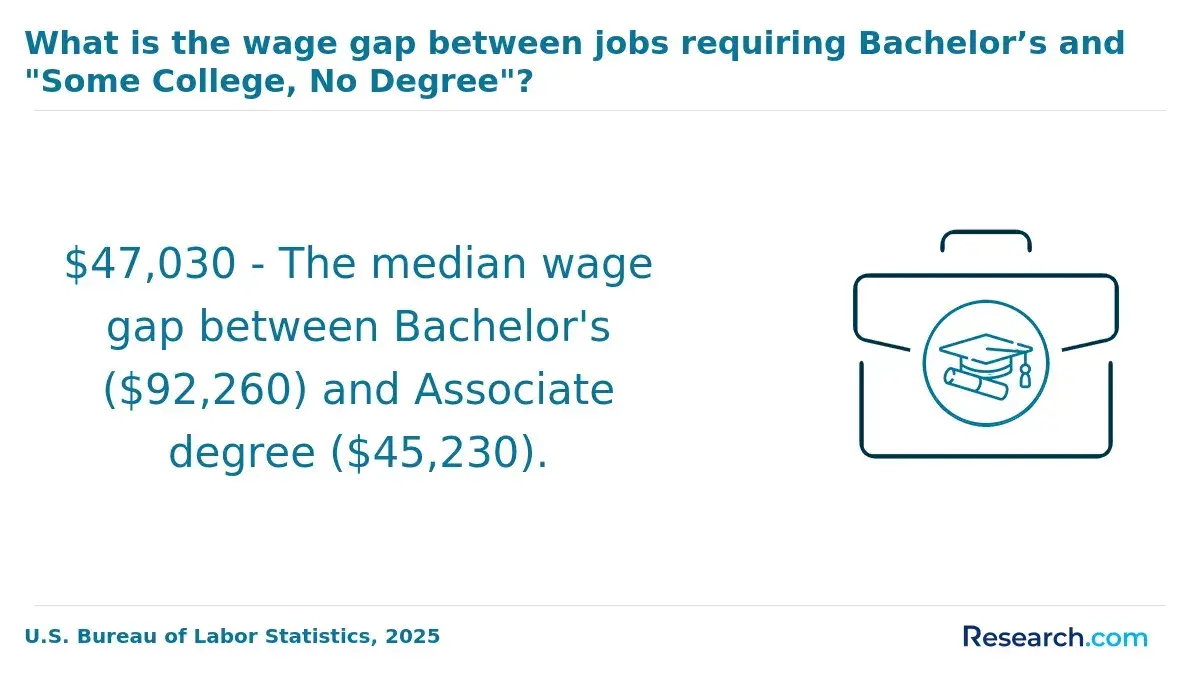
Can You Get Jobs Outside Your Major With a Sports Management Bachelor's Degree?
Graduates holding a sports management bachelor's degree frequently find themselves qualified for jobs beyond their specific area of study, thanks to the broad applicability of skills gained in the program.
Recent data from 2023 shows that nearly 45% of graduates from majors like sports management work outside their field within five years, highlighting strong career adaptability.
- Transferable Skills: The degree develops essential abilities such as communication, teamwork, project coordination, and strategic thinking, all of which transfer well to diverse roles. These competencies allow graduates to pursue positions in marketing, event management, sales, and business growth sectors.
- Employer Preferences: Modern hiring practices emphasize soft skills and practical experience over narrowly defined degrees. Candidates with a sports management background who demonstrate flexibility, leadership, and problem-solving skills often stand out in a wide array of job markets.
- Experience and Training: Internships, part-time jobs, and supplementary certifications serve as valuable complements to academic coursework. This combination equips graduates to shift into related or entirely different fields with greater ease through hands-on learning opportunities.
These points illustrate that a sports management bachelor's degree offers a foundation of versatile skills and real-world experience, enabling graduates to embrace a range of career paths beyond traditional sports roles.
What Remote Jobs Can I Get With a Sports Management Bachelor's Degree?
Remote work is becoming more prevalent across industries, with around 58% of U.S. employees now having some capacity to work from home.
This flexibility has expanded career options for those with a sports management bachelor's degree, allowing graduates to leverage both sports expertise and digital communication skills in remote settings.
- Sports Marketing Coordinator: Responsible for managing online campaigns and social media promotions for teams or events. This role benefits from strong coordination and communication abilities, enabling collaboration with marketing teams and sponsors virtually.
- Content Creator/Manager: Focuses on producing and overseeing sports-related digital content. A sports management background helps tailor content to the target audience while working independently or with remote editorial teams.
- Event Coordinator: Oversees the logistics of virtual or hybrid sports events, requiring precise planning and remote vendor management, skills sharpened through structured project handling during studies.
- Sports Analytics Assistant: Supports data gathering and interpretation aiding team strategy or fan engagement, often using software accessible remotely. Analytical thinking and tech-savviness developed in degree programs prove essential here.
- Client Relations Specialist: Maintains sponsor, athlete, and partner relationships through phone and video communication. The interpersonal skills and professionalism emphasized in sports management courses are vital for this role.
When asked about her experience in remote work, a graduate of a sports management bachelor's degree shared that adapting to the lack of face-to-face interaction was initially challenging. She highlighted the importance of developing routines and clear communication channels to stay connected with her team and clients.
"The degree gave me confidence in handling diverse tasks virtually," she explained, noting that mastering project management tools and maintaining flexibility were key to her success.
Reflecting on the transition, she described it as rewarding to see her organizational skills directly impact event outcomes and stakeholder satisfaction, confirming that remote roles in sports management can be fulfilling and dynamic.
Can I Switch Careers With a Sports Management Bachelor's Degree?
Many professionals build on a sports management bachelor's degree to explore new career paths, leveraging the versatile skill set it provides. Labor statistics reveal that nearly 30% of degree holders change their career trajectory after their first job, reflecting a growing trend in the workforce toward adaptability.
This flexibility arises from the transferable skills fostered through the program, which enable graduates to navigate diverse professional landscapes.
As workforce demands evolve, those with a foundation in sports management often find opportunities beyond their initial specialization. Such career change opportunities with a sports management bachelor's degree highlight the degree's value as a starting point for varied professional journeys.
A sports management degree develops critical skills such as communication, problem-solving, adaptability, and analytical thinking that facilitate successful career transitions.
Alongside these core competencies, factors like gaining relevant experience, engaging in self-directed learning, and participating in internships or on-the-job training significantly impact the ease of moving into new roles.
Building a strong professional network and demonstrating a continuous willingness to acquire new skills can also smooth the path during career changes. For those interested in accelerating this process, exploring accelerated degrees can provide a focused route.
Transitioning to new fields after a sports management degree is achievable when candidates actively supplement their education with practical experience and adaptability.
What Are the Highest-Paying Jobs With a Sports Management Bachelor's Degree?
Earning potential for graduates with a sports management bachelor's degree varies widely depending on factors such as industry sector, geographic location, experience level, and area of specialization.
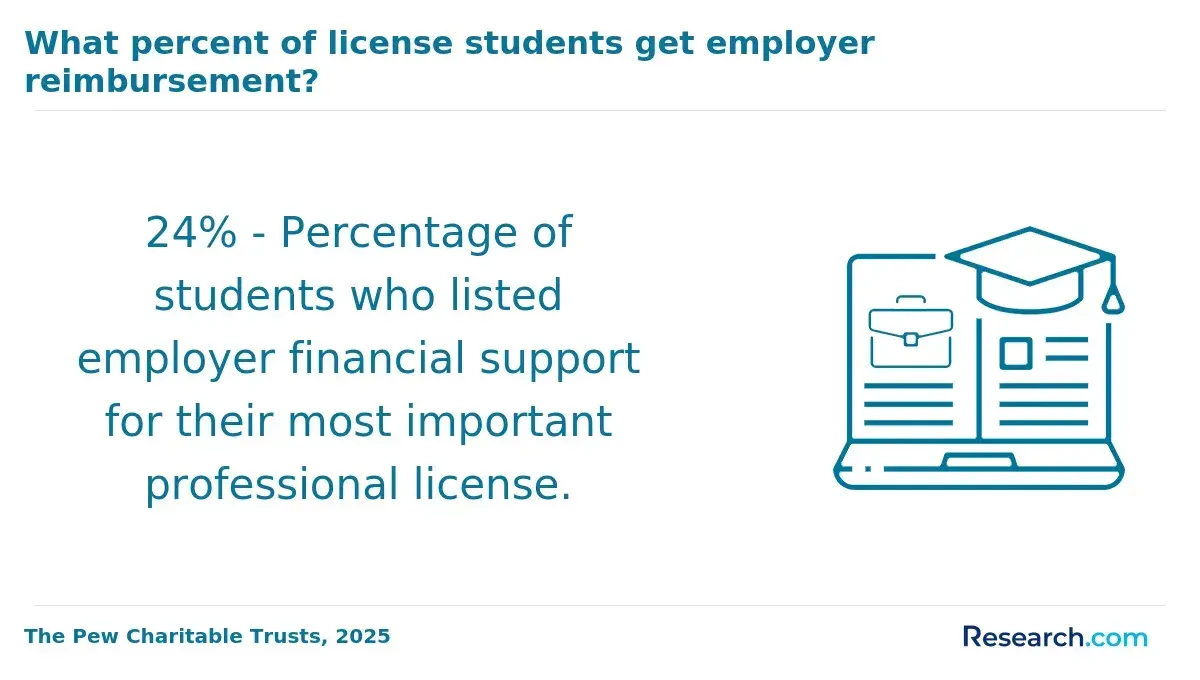
On average, individuals with a bachelor's degree tend to command higher salaries than those without, with income increasing as professionals gain expertise and advance their careers. This degree opens doors to diverse, well-compensated roles within the sports and entertainment industries.
- Athletic Director: Responsible for managing sports programs at educational institutions, overseeing budgets, hiring staff, and ensuring regulatory compliance. Salaries grow with the size and prestige of the organization, offering competitive compensation.
- Sports Marketing Manager: Focuses on creating promotional strategies to enhance fan engagement and elevate team or event visibility. Pay can be lucrative, especially within top-tier leagues and franchises.
- Sports Agent: Acts as a representative for athletes during contract negotiations and endorsement opportunities, blending legal and business acumen with interpersonal skills cultivated through sports management studies. Earnings vary significantly based on clientele and negotiation outcomes, often reaching high levels.
- Event Coordinator/Manager: Oversees the planning and execution of sporting events ranging from local matches to international tournaments. Compensation increases with event scale and complexity.
- Facility Manager: Manages operations for sports venues such as arenas and fitness centers, handling budgeting, maintenance, and staff oversight. A sports management degree equips professionals with knowledge in facility administration and business, contributing to stable, well-paying careers.
What Career Growth Opportunities Are Available With a Sports Management Bachelor's Degree?
A sports management bachelor's degree provides a solid foundation for long-term career development and advancement across a wide range of roles in the sports industry. Graduates often progress into positions of greater responsibility, such as managing larger projects or leading teams.
With experience, they can develop specialized expertise in areas like sports analytics, event management, or player representation, or expand into leadership and cross-functional roles involving finance, public relations, or sponsorship development.
This career growth is typically supported by continuous skill building, including communication, negotiation, and strategic management, which help graduates transition into influential leadership positions within sports organizations.
Overall, the degree supports a versatile career path that adapts to changing industry demands and organizational structures.
When discussing his own journey, a professional with a Sports Management bachelor's degree shared that early career challenges included navigating the diverse expectations of various sports organizations and balancing operational demands with marketing goals.
He mentioned, "It was a steep learning curve to understand different stakeholders' priorities and communicate effectively across departments." Over time, he found that developing a broad skill set and working on cross-functional projects were critical to gaining leadership opportunities.
"You realize that growth doesn't just come from years but from taking on new challenges that stretch your capabilities," he noted, reflecting on how his degree laid the groundwork, but hands-on experience truly shaped his career trajectory.
What Jobs Require Certifications After a Sports Management Bachelor's Degree?
Some jobs open to graduates with a sports management bachelor's degree require or strongly prefer additional certifications to meet industry standards and job responsibilities.
These professional licenses after a sports management bachelor's degree help validate specialized skills and improve eligibility for competitive roles. Pursuing relevant certifications can enhance a graduate's qualifications beyond the foundational knowledge provided by the degree.
- Certified Athletic Trainer (ATC): Athletic trainers focus on injury prevention and rehabilitation for athletes. A sports management degree provides useful background knowledge, but certification through the Board of Certification for the Athletic Trainer is essential, involving an exam and clinical experience requirements.
- Certified Sports Event Executive (CSEE): This credential is ideal for professionals managing large-scale sports events. Offered by the National Association of Sports Commissions, the CSEE verifies expertise in event logistics and marketing, complementing skills gained from a sports management degree.
- Certified Strength and Conditioning Specialist (CSCS): For those interested in the physical training aspect, the CSCS certification from the National Strength and Conditioning Association validates coaching and conditioning skills. The sports management degree supports understanding athlete needs, while CSCS certifies technical proficiency.
- Sports Certified Professional (SCP): Provided by Sports Management Worldwide, the SCP confirms competency in sports administration, facility management, marketing, and sponsorships, aligning closely with a sports management curriculum.
These certifications reflect the diverse professional licenses required for sports management careers, ensuring graduates meet specific credentialing expectations. For roles that involve specialized knowledge, obtaining credentials is often essential.
Additionally, students interested in healthcare-related roles might explore certifications such as medical coding, and resources like the certified medical coder salary information can provide insight into this area.
What Jobs Require a Master's After a Sports Management Bachelor's Degree?
While a bachelor's degree in sports management can open many doors, certain positions require a master's degree for advanced knowledge, specialization, or professional licensure.
National education data show that about 18% of full-time workers in management and specialized fields hold graduate degrees, a trend reflected in sports management careers where employers often seek candidates with deeper expertise.
This reflects the master's degree requirements for sports management careers and highlights the advanced education needed after a sports management bachelor's degree.
- Sports Psychologist: This role focuses on the mental health and performance optimization of athletes. A master's degree is typically required to develop expertise in sport-specific psychological principles and to meet professional licensing or certification standards.
- Athletic Director: Overseeing sports programs at schools or colleges, this position demands strong management skills and advanced sports knowledge. Employers often expect a master's degree to support high-level administration and strategic planning responsibilities.
- Sports Marketing Manager: Professionals in this role design marketing and branding campaigns for sports organizations. A master's degree helps build sophisticated marketing skills and leadership abilities essential in competitive sports markets.
- Sports Analytics Specialist: Interpreting complex data to enhance athletic performance requires deep knowledge of statistics and data science, typically acquired through graduate education.
- Exercise Physiologist with a Sports Focus: This role often needs advanced training to design effective training regimens based on sports science principles specific to elite athletes.
For students interested in further graduate opportunities, exploring a PhD in healthcare administration online can also provide pathways toward leadership roles in sports healthcare and management.
What Is the Job Outlook for Sports Management Careers?
Employment opportunities in sports management are projected to grow steadily, with related fields like recreational management and marketing expected to expand by approximately 10% from 2022 to 2032, surpassing average occupational growth rates.
However, demand for professionals with a sports management bachelor's degree can differ significantly depending on the sector, such as collegiate athletics, professional teams, or sports marketing agencies.
Economic conditions heavily influence hiring trends, with recessions potentially slowing recruitment and economic upswings encouraging increased investment in sports facilities and events.
Additionally, regional market differences and organizational priorities shape where opportunities are most abundant. Those possessing a combination of industry-specific experience and adaptable skills typically find better job prospects.
Long-term growth in sports management careers is increasingly tied to technological advancements and shifts in consumer behavior. Employers favor candidates who can navigate digital tools like data analytics, virtual engagement platforms, and automated systems while maintaining solid management expertise.
Expansion of youth sports programs and global marketing initiatives further contribute to rising demand for versatile professionals.
Continuous skill development and adaptability to new industry trends are critical to maintaining relevance in this evolving field. Understanding these dynamics can help graduates position themselves effectively for sustained career success.
What Graduates Say About the Jobs You Can Get With a Sports Management Bachelor's Degree
- Benny: "I chose a sports management major because I wanted to combine my passion for athletics with practical business skills. Navigating the job market after graduation was challenging, but my degree helped me secure roles in team operations and event coordination. Ultimately, pursuing this degree has allowed me to build a career where I can influence the sports industry from behind the scenes."
- Greyson: "Reflecting on my experience, the sports management program gave me a unique edge in understanding athlete representation, sports marketing, and facility management. These areas opened doors to diverse career paths that I hadn't considered initially. It's been rewarding to see how my education directly impacts my professional growth and credibility in this competitive field."
- Cooper: "My decision to study sports management was driven by the desire to work in sports media and sponsorship negotiation. The degree's interdisciplinary approach prepared me to navigate various job opportunities, from marketing roles to sports analytics. Today, I leverage what I learned daily, and it's clear how vital this education was to advancing in the sports business landscape."
Other Things You Should Know About Sports Management Degrees
Jobs in sports management often require strong communication, leadership, and organizational skills. Graduates need to be adept at managing events, understanding sports marketing, and negotiating contracts. Analytical skills and the ability to work under pressure are also valuable in this field.
Many sports management roles involve travel, especially those related to event coordination, team management, and scouting. Traveling allows professionals to attend games, meet with stakeholders, and oversee operations in different locations. However, the amount of travel varies by specific job and employer.
In 2027, graduates with a sports management degree can pursue entry-level positions such as sports event coordinator, athletic administrator, marketing assistant in sports companies, or ticket sales representative. These roles help build foundational industry experience and offer insights into various sports management functions.
Yes, the business and leadership skills gained from a sports management degree can be applied in other industries like entertainment, recreation, and event planning. These sectors value skills in marketing, finance, and operations management, which are core to sports management education. Graduates often find opportunities beyond just sports organizations.
References
- Career Paths In Sport Management https://www.ycp.edu/news/career-paths-sport-management
- What Jobs are Available in Sports Management? https://www.allbusinessschools.com/sports-management/job-description/
- Sports Management Job Outlook https://online.maryville.edu/online-bachelors-degrees/sport-business-management/careers/sports-management-job-outlook/
- Careers in Sports Management with a Degree or Certificate - Yellowbrick https://www.yellowbrick.co/blog/sports/careers-in-sports-management-with-a-degree-or-certificate
- Remote Sports Management Jobs https://www.virtualvocations.com/q-remote-sports-management-jobs.html
- Unlocking Job Opportunities After Your BBA In Sports Management - Britts Imperial 2026 https://brittsimperial.com/unlocking-job-opportunities-after-your-bba-in-sports-management/
- How is the Sports Management Job Outlook? https://www.sports-management-degrees.com/faq/how-is-the-sports-management-job-outlook/
- What Can I Do with an MBA in Sports Management? https://go.tiffin.edu/blog/what-can-i-do-with-a-masters-in-sports-management/
- Can Sport Management Students Find Jobs? https://danmatheson.wixsite.com/sportbusiness/single-post/2017/09/24/can-sport-management-students-find-jobs
- What are the opportunities in the field of sports management? https://www.monaco.edu/en/faq-all-the-answers-to-your-questions-3/what-are-the-opportunities-in-the-field-of-sports-management/


